Understanding Food Sensitivities in Cats: A Complete Guide for Concerned Pet Parents
If your cat is scratching relentlessly, experiencing digestive upset, or seems generally unwell despite a “perfect” diet, you might be facing the complex puzzle of feline food sensitivities. Unlike immediate, dramatic allergic reactions, food sensitivities in cats are subtle saboteurs they develop slowly, manifest unpredictably, and often mimic other common health issues. This leaves many cat owners confused, frustrated, and watching their beloved companions suffer without clear answers.
At Cat Bloom Haven, we believe every cat deserves to feel their absolute best. This comprehensive guide will help you decipher the mystery of your cat’s adverse food reactions. We’ll move beyond basic definitions to provide a practical, step-by-step framework for identification, management, and long-term wellness. You’ll learn not just what food sensitivities are, but how to become a detective in your own home, partner effectively with your veterinarian, and transform your cat’s health through targeted nutrition.
Key Takeaways:
- Food sensitivities are non-immunological adverse reactions to food, differing from true food allergies which involve the immune system.
- Common signs include chronic itching, skin inflammation, recurrent ear infections, vomiting, diarrhea, and flatulence.
- The most frequent triggers are specific proteins (beef, dairy, fish), but grains, additives, and even carbohydrates can be culprits.
- Diagnosis requires a strict elimination diet trial using a novel or hydrolyzed protein source for 8-12 weeks.
- Long-term management focuses on avoiding identified triggers while maintaining balanced nutrition, potentially through limited-ingredient diets or carefully prepared homemade meals.
What Exactly Are Food Sensitivities in Cats?
Let’s clear up the terminology first, as “food allergy,” “sensitivity,” and “intolerance” are often used interchangeably but have distinct meanings in veterinary medicine. Understanding these differences is crucial for effective action.
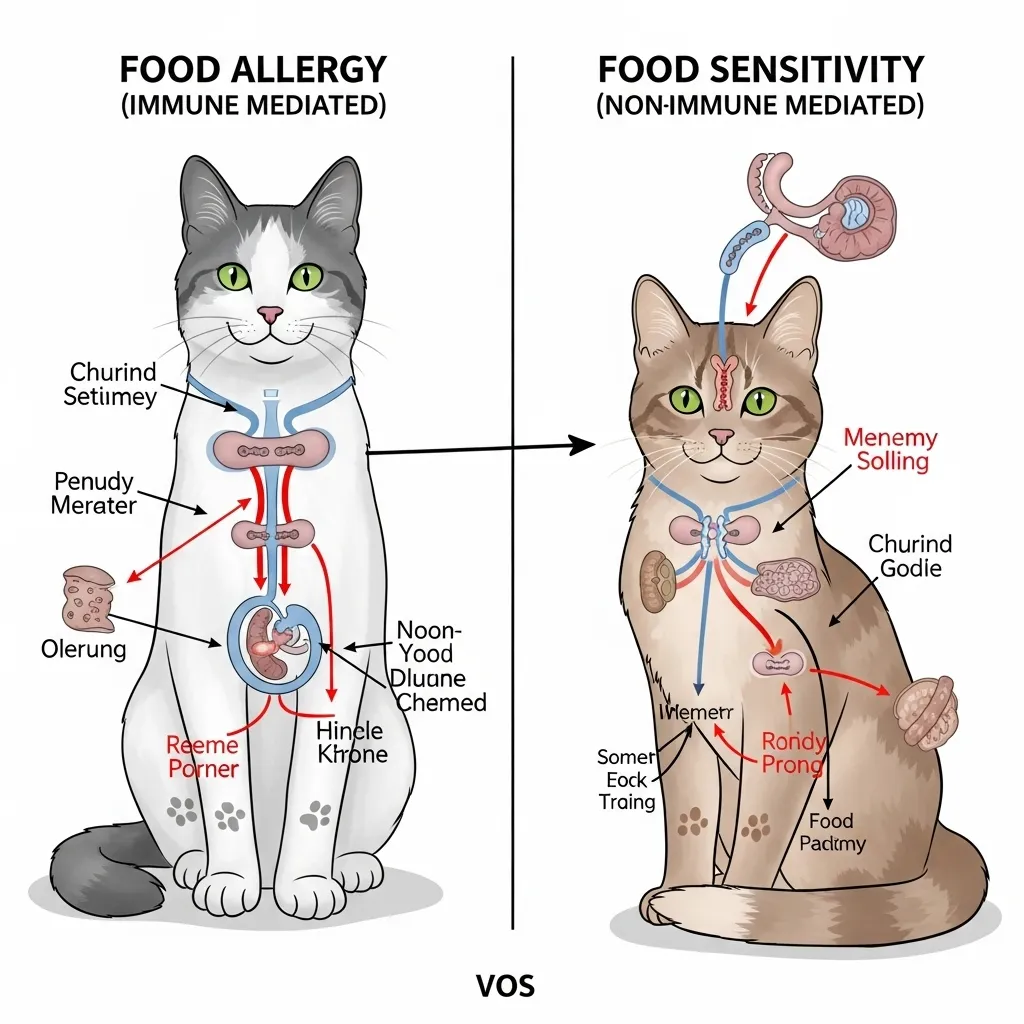
A true food allergy involves an abnormal immune system response. When a cat with a food allergy eats a triggering ingredient (typically a protein), their immune system mistakenly identifies it as a threat and produces Immunoglobulin E (IgE) antibodies. This triggers the release of histamines and other chemicals, leading to symptoms, often dermatological like itching or hives. This reaction can be rapid.
Food sensitivity (sometimes called food intolerance) is a broader term for a non-immunological adverse reaction to food. The immune system isn’t directly involved. Instead, the problem may lie in the digestive system’s inability to properly process a particular ingredient due to enzyme deficiencies, reactions to food additives, or pharmacological reactions to compounds in the food. Symptoms are often gastrointestinal but can also affect the skin. These reactions are typically dose-dependent and may build up over time.
Think of it this way: a cat with a dairy allergy reacts to the protein in milk. A cat with a dairy sensitivity likely lacks sufficient lactase enzyme to digest the sugar (lactose) in milk, leading to GI upset. Both require avoiding dairy, but the underlying mechanism differs.
Why is this distinction important? While the end management avoiding the offending ingredient is similar, the diagnostic path and understanding of your cat’s long-term health risks can vary. A cat with true allergies may be predisposed to other atopic (environmental allergy) conditions.
Recognizing the Signs: Is It a Sensitivity or Something Else?
Cats are masters of hiding discomfort. The symptoms of food sensitivities are often subtle, chronic, and easy to attribute to “just being a cat” or other common issues like seasonal allergies or hairballs. Here’s what to watch for, broken down by system.
Dermatological (Skin & Coat) Signs
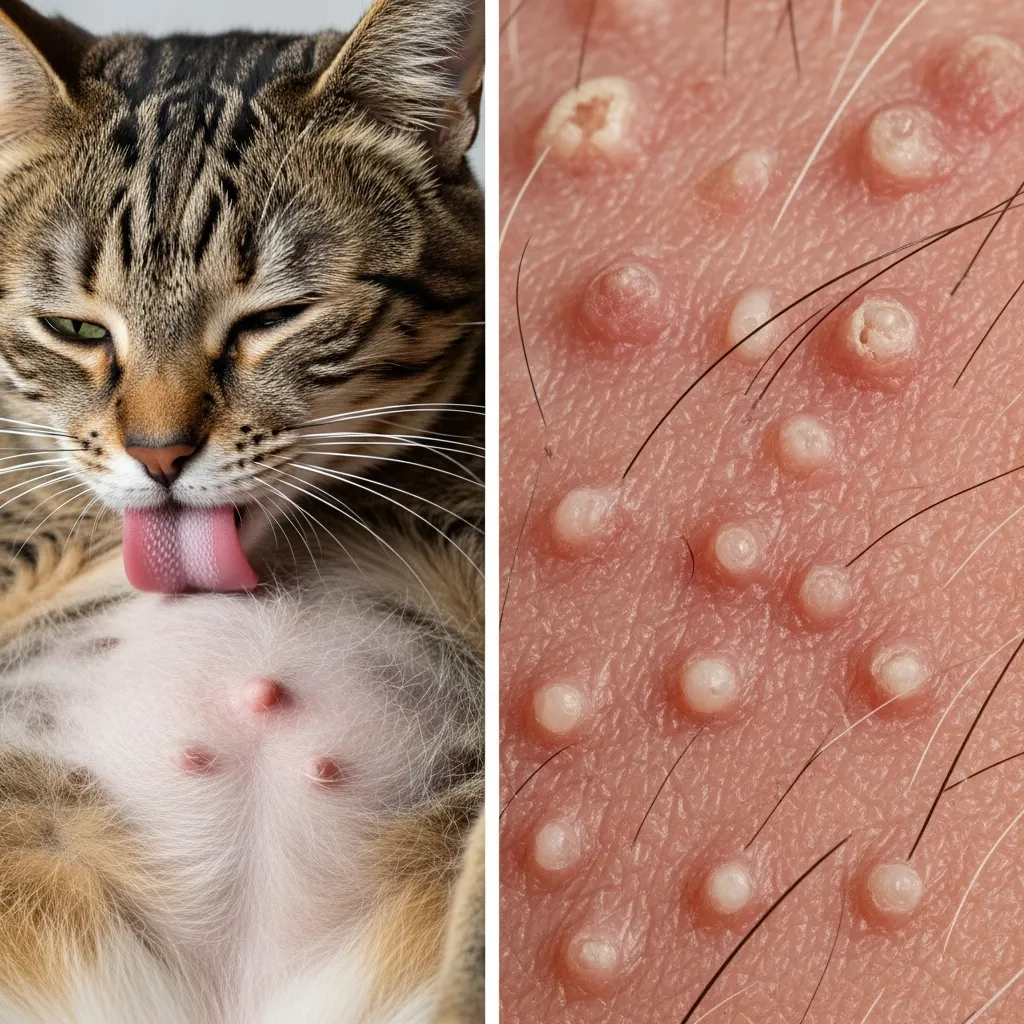
- Pruritus (Itching): This is one of the most common signs. Your cat may excessively scratch, lick, chew, or rub their face, neck, ears, or base of the tail. You might notice thinning fur, bald patches, or “rat tail” where the tail hair is chewed off.
- Military Dermatitis: Appears as tiny, crusty bumps (like millet seeds) under the coat, often felt more than seen.
- Recurrent Skin Infections: Bacterial (pyoderma) or yeast (Malassezia) infections that keep coming back, often secondary to the inflammation and damage from scratching.
- Ear Infections: Chronic, waxy, or yeasty otitis externa, often with head shaking and ear scratching. Food reactions are a leading cause of recurrent ear issues in cats.
Gastrointestinal Signs
- Chronic or Intermittent Vomiting: More than the occasional hairball. This could be shortly after eating or consist of undigested food.
- Diarrhea or Soft Stools: May be constant or come and go. Mucus in the stool can be a telltale sign.
- Increased Frequency of Bowel Movements
- Flatulence
- Abdominal Discomfort: Your cat may seem tense when picked up, or you might hear frequent gurgling sounds from their belly.
- Reduced Appetite or Selective Eating
General & Behavioral Signs
- Lethargy or Low Energy
- Poor Coat Quality: Dull, greasy, or excessively shedding fur.
- Weight Loss (if GI symptoms are severe or chronic)
- Increased Irritability or Hiding: Chronic discomfort can affect mood.
Crucial Insight: These signs can be identical to those caused by parasites (like fleas), environmental allergies (atopy), fungal infections, or systemic diseases like hyperthyroidism or IBD. This is why a veterinary partnership is non-negotiable. Our guide on cat stress signs can help you differentiate anxiety-related behaviors from physical discomfort.
The Usual Suspects: Common Triggers in Feline Diets
While any ingredient can potentially cause a reaction, some are notorious offenders. It’s important to note that the most common triggers are not necessarily “bad” foods they are simply the ones cats are most frequently exposed to, giving more opportunity for sensitivity to develop.
Top Protein Triggers:
- Beef
- Dairy (Cow’s Milk)
- Fish (especially for cats fed a lot of tuna or salmon)
- Chicken (increasingly common due to its prevalence in commercial foods)
- Lamb
- Eggs
Other Potential Triggers:
- Grains: Wheat, corn, and soy. Note that true grain allergies are less common in cats than protein allergies, but sensitivities occur.
- Additives: Artificial colors, flavors, preservatives (like BHA, BHT, ethoxyquin), and certain thickening agents (like carrageenan in wet foods).
- Carbohydrates: Some cats may have difficulty processing high levels of certain carbs, leading to GI flora imbalances.
The “Protein Protein” Paradox: A cat can develop a sensitivity to a protein they have eaten for years. This is because sensitivities often develop through repeated exposure. The body’s ability to process the ingredient breaks down over time. This explains why a cat suddenly reacting to their lifelong chicken diet is not uncommon.
For a deeper dive into choosing the right base nutrition, explore our comprehensive cat food nutrition guide.
The Diagnostic Gold Standard: The Elimination Diet Trial
If you suspect a food sensitivity, your veterinarian will likely recommend an elimination diet trial. This is the only reliable way to diagnose a food-based issue. Blood tests and saliva tests for food “allergies” marketed to consumers are widely regarded in veterinary dermatology as inaccurate for diagnosing food sensitivities. The elimination diet is the gold standard for a reason.
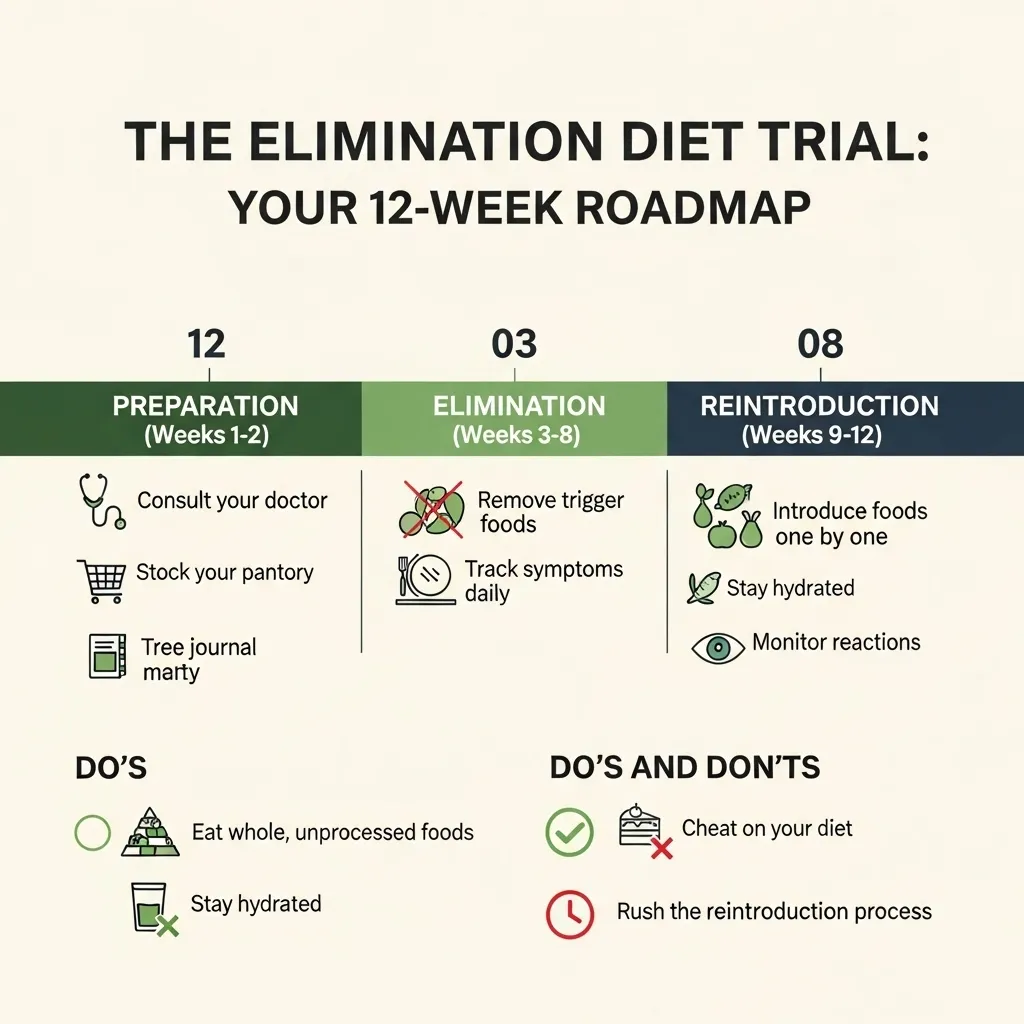
This is an 8 to 12-week commitment that requires military-like precision. Even one cheat treat can invalidate the entire process.
Step 1: Choose the New Diet (Under Veterinary Guidance)
You have two primary medical-grade options:
- Novel Protein Diet: This uses a single protein source your cat has never eaten before. Think outside the chicken-beef-fish box. Examples include: venison, rabbit, duck, kangaroo, or ostrich. The carbohydrate source should also be novel, like sweet potato or peas. It’s crucial that every component is novel.
- Hydrolyzed Protein Diet: These prescription diets contain proteins that have been broken down (hydrolyzed) into molecules so small the immune system and digestive tract cannot recognize them as allergens. These are excellent when a cat has been exposed to many protein sources.
Important: The new diet must be nutritionally complete. This is not the time for homemade experiments without formulating a balanced recipe with your vet or a veterinary nutritionist.
Step 2: The Strict Transition
- Transition Period: Mix the new food with the old over 5-7 days to minimize GI upset.
- Total Elimination: For the entire trial period, your cat must eat NOTHING else. This means:
- No commercial treats.
- No flavored medications or heartworm preventatives (ask your vet for unflavored alternatives).
- No scavenging human food.
- No access to other pets’ food.
- Licking a bit of butter or stealing a crumb can sabotage the trial.
Step 3: Monitor and Record
Keep a detailed symptom journal. Note the frequency and severity of itching, vomiting, stool quality, and energy levels. Improvement can take time; skin symptoms may need 8+ weeks to fully resolve as the body heals.
Step 4: The Challenge Phase
If symptoms resolve significantly or completely, the next step is to confirm the sensitivity by reintroducing the old food. A return of symptoms within hours to days confirms a food-based reaction. After confirmation, you can work on systematically identifying the specific trigger by adding one old ingredient back at a time.
Our article on how to stop a cat from eating another cat’s food is essential reading for multi-cat households attempting an elimination diet.
Long-Term Management and Dietary Strategies
Once a trigger is identified, the long-term goal is to avoid it while providing a complete, balanced, and palatable diet. This is a lifelong commitment.
Commercial Diet Options
- Prescription Limited Ingredient Diets (LID): These are formulated with a single novel protein and limited carbohydrate sources. They are rigorously manufactured to prevent cross-contamination.
- Over-the-Counter LID Diets: Available in pet stores. Be cautious, as studies have shown some contain trace amounts of proteins not listed on the label. For highly sensitive cats, prescription-grade is safer.
- Hydrolyzed Protein Diets: Often used long-term for cats with multiple sensitivities.
The Homemade Diet Path
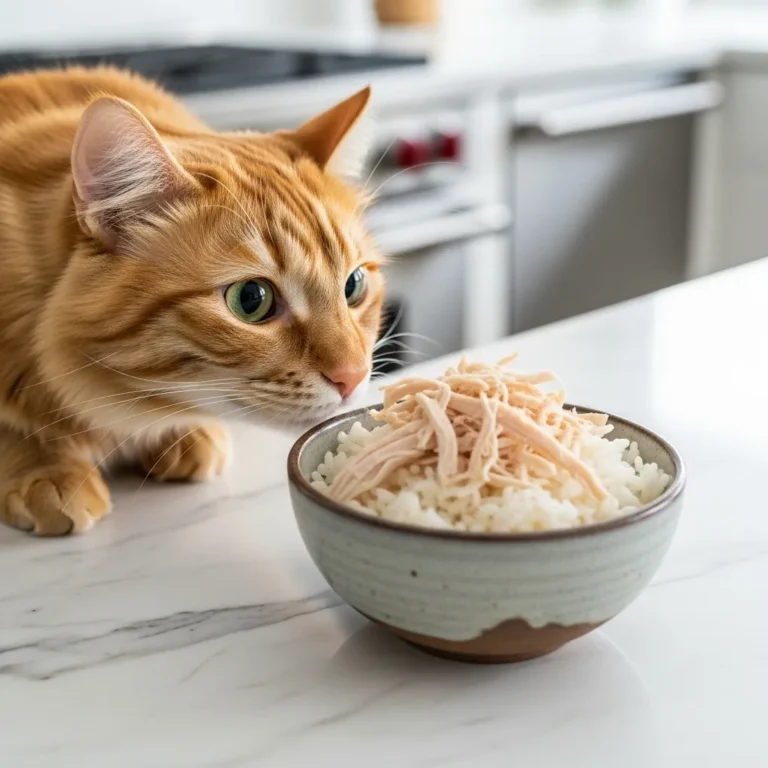
Some owners choose to prepare homemade food for ultimate control. This must be done under the direct supervision of a veterinary nutritionist. Cats have strict nutritional requirements for taurine, arginine, vitamin A, and arachidonic acid that are not met by simple “chicken and rice” meals. An imbalanced homemade diet can cause severe deficiencies (like dilated cardiomyopathy from lack of taurine) or other health issues. Our resource on what cat food is made of underscores the complexity of feline nutritional needs.
Reading Labels Like a Pro
Become an expert at deciphering pet food labels:
- Look for named protein sources first: “deboned rabbit” is better than “meat by-products.”
- Beware of “flavors.” A “salmon-flavored” food may contain only trace salmon but use chicken or beef as its primary protein.
- Understand cross-contamination risk: a food “made in a facility that processes chicken” can be problematic.
For cats with concurrent issues like urinary health, selecting the right diet becomes even more nuanced. Learn about the connection in our guide to cat urinary health.
Living Well: Beyond the Bowl
Managing food sensitivities isn’t just about diet. A holistic approach supports overall health and reduces systemic inflammation.
- Stress Reduction: Stress can exacerbate inflammatory conditions. Provide calm, enriching environments with hiding places, vertical space, and predictable routines.
- Skin Support: For cats with dermatological symptoms, regular, gentle grooming with a soft brush can remove irritants and distribute natural oils. Discuss with your vet whether oatmeal baths or topical omega-3 sprays could be beneficial.
- Probiotics & Prebiotics: A healthy gut microbiome is linked to a healthier immune response. Veterinary-specific probiotic supplements can help restore balance after digestive upset. Discuss options with your vet.
- Regular Vet Check-ups: Continue with annual or semi-annual wellness exams to monitor your cat’s condition and overall health.
Frequently Asked Questions (FAQ)
Q: Can kittens have food sensitivities?
A: Yes, though they are less common than in adults. Sensitivities can develop at any age. If you suspect an issue in a kitten, consult your vet immediately, as their nutritional needs for growth are critical.
Q: What’s the difference between a food sensitivity and IBD (Inflammatory Bowel Disease)?
A: IBD is a chronic inflammation of the intestinal lining with no single known cause; it’s likely multifactorial (genetics, immune system, microbiome). Food sensitivities can be a primary trigger or a major exacerbating factor for IBD. Many cats with IBD improve significantly on a novel protein or hydrolyzed diet, indicating a dietary component.
Q: Are some cat breeds more prone to food sensitivities?
A: There isn’t strong breed-specific data for food sensitivities as there is for environmental allergies (common in Siamese and Devon Rex). However, any cat with a predisposition to atopy or other immune-mediated conditions may be at a slightly higher risk.
Q: Can a food sensitivity cause my cat to over-groom?
A: Absolutely. Pruritus (itching) from a food sensitivity often manifests as over-grooming, leading to bald patches, particularly on the belly, inner thighs, and along the back. It’s one of the most common presentations. Learn more about this behavior in our article on cat over-grooming.
Q: How do I handle treats and medications?
A: This is a major challenge. Use pieces of the prescribed elimination diet as “treats.” For medications, ask your vet for unflavored pill forms or use empty gelatin capsules. Never use pill pockets or flavored liquids unless they are confirmed to contain only ingredients from the trial diet.
Conclusion: A Path to Comfort and Vitality
Understanding and managing food sensitivities in cats is a journey of patience, observation, and partnership. It can feel daunting the strict diet, the vet visits, the watchful waiting. But the reward is immense: witnessing your itchy, uncomfortable cat transform into a relaxed, playful, and thriving companion once the offending ingredient is removed from their life.
You are not just changing their food; you are giving them the foundation for long-term comfort and health. By becoming an informed advocate, meticulously following the diagnostic process, and committing to lifelong management, you unlock the door to a higher quality of life for your feline friend.
Ready to explore more about optimizing your cat’s health and happiness? Discover practical tips for understanding your cat’s behavior, creating a cat-friendly home, and ensuring their nutritional needs are met at every life stage on Cat Bloom Haven.