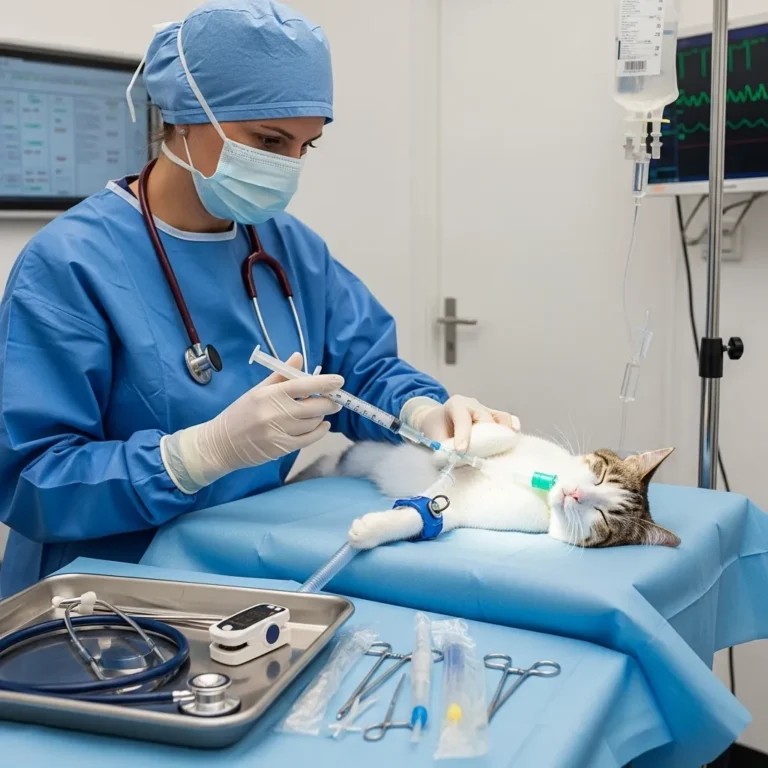
Why Does My Cat Lick Herself So Much? Uncovering Causes and Solutions for Excessive Grooming
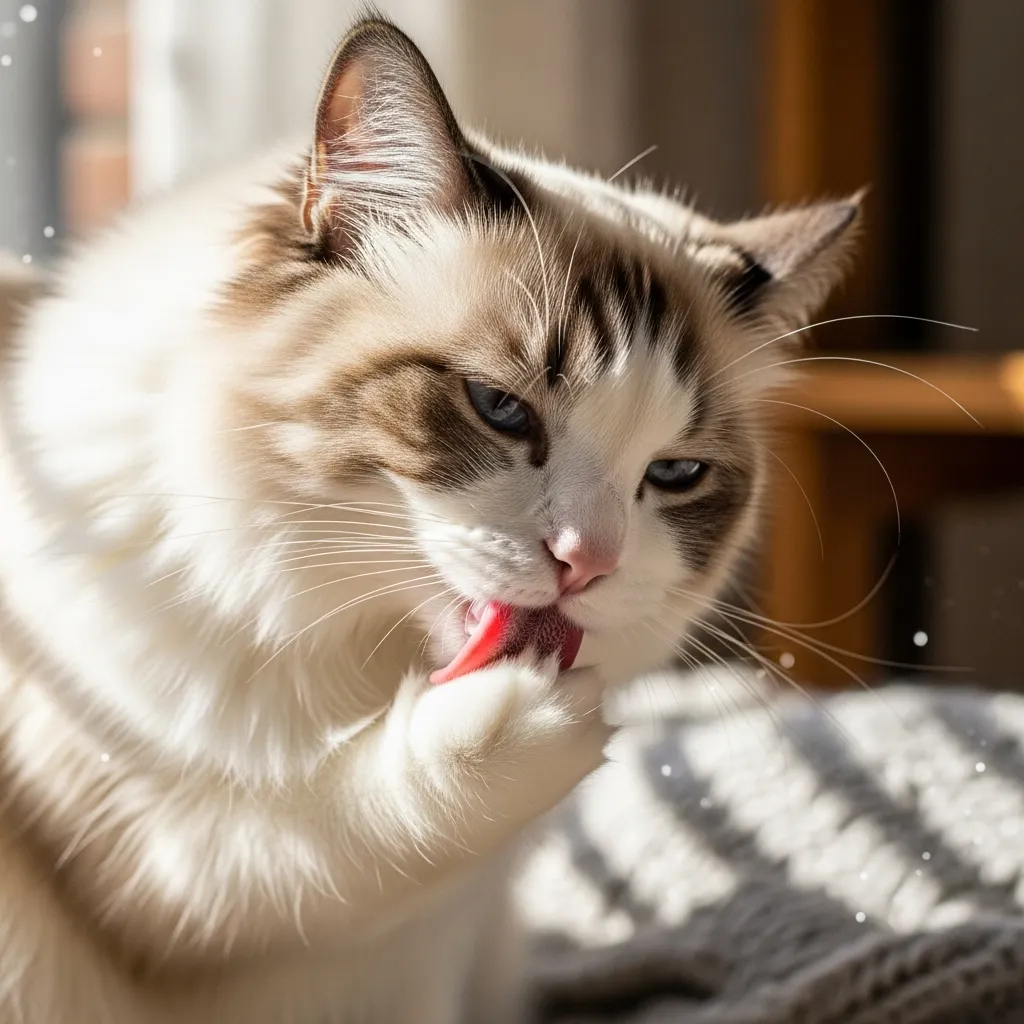
If you’ve noticed your cat licking herself obsessively, leaving bald patches or spending hours grooming, you’re not alone. Excessive cat licking, often called over-grooming in cats, can worry any pet parent. While grooming is a natural feline behavior, too much of it might signal underlying issues medical, behavioral, or environmental. At Cat Bloom Haven, we’re here to help you decode why your cat licks herself so much and offer practical, vet-backed solutions to keep your feline friend healthy and happy.
In this comprehensive guide, we’ll explore the reasons behind cat self-grooming behavior, from skin allergies to stress, and provide actionable steps to address feline grooming habits that go overboard. You’ll learn how to spot over-grooming, understand its causes, and apply effective cat grooming solutions to restore your cat’s well-being. Let’s dive in!
Key Takeaways: Understanding Excessive Cat Licking
- Normal vs. Excessive Grooming: Cats naturally groom to stay clean, but over-grooming in cats—like licking fur off or creating bald spots—may indicate health or behavioral issues.
- Common Causes: Cat skin allergies and itching, parasites, pain, or stress can trigger excessive cat licking.
- Solutions: Combine veterinary care, environmental enrichment, and stress relief to address cat grooming causes.
- Prevention: Regular vet check-ups, flea control, and a stimulating home environment can reduce compulsive grooming in cats.
- When to Act: If your cat’s licking causes hair loss, skin damage, or behavioral changes, consult a vet promptly.
What Is Normal Cat Self-Grooming Behavior?
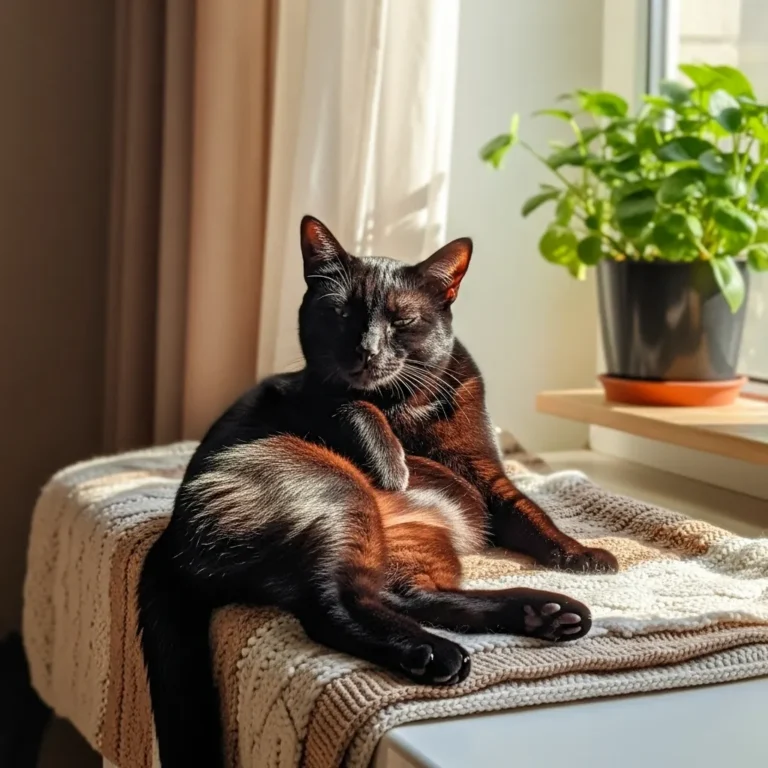
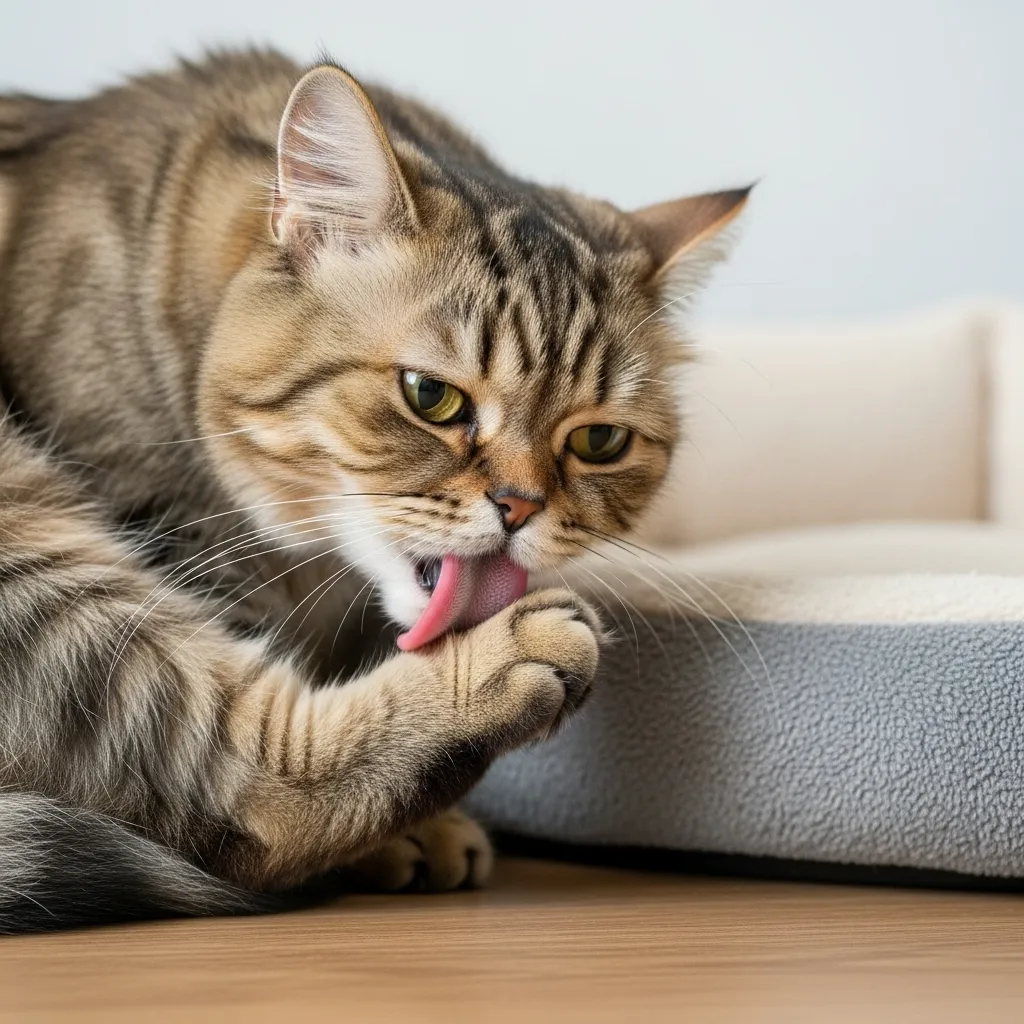
Cats are meticulous self-groomers, spending up to 50% of their day licking their fur to stay clean, regulate body temperature, and spread natural oils. This feline grooming habit is instinctual and serves multiple purposes:
- Hygiene: Removes dirt, debris, and loose fur.
- Temperature Control: Spreads saliva to cool the body.
- Scent Marking: Reinforces their scent for territory and comfort.
- Stress Relief: Grooming can be a soothing, self-regulating behavior.
Normal grooming looks like short, regular sessions throughout the day, with no bald spots, redness, or obsessive focus on one area. For example, your cat might lick their paws after eating or groom their back after a nap. Breeds like the Siamese or Norwegian Forest Cat may groom more due to their dense coats or fastidious nature.
Signs Your Cat’s Grooming Is Excessive
When grooming crosses into over-grooming in cats, you’ll notice:
- Hair Loss: Bald patches or thinning fur, especially on the belly, legs, or tail.
- Skin Damage: Redness, sores, or scabs from constant licking.
- Obsessive Behavior: Licking one spot repeatedly or grooming for hours.
- Behavioral Changes: Irritability, hiding, or reduced appetite alongside licking.
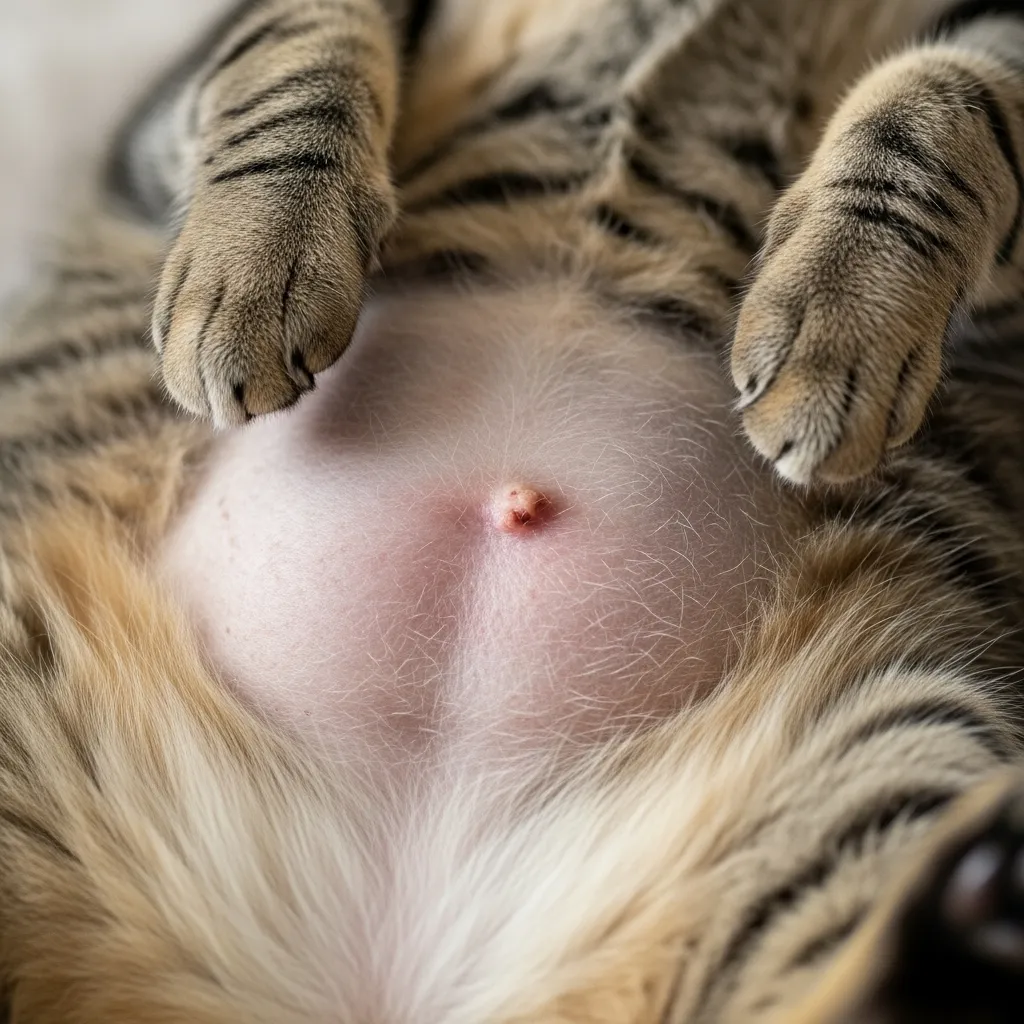
If your cat’s grooming seems relentless, it’s time to investigate why. Explore our cat health and hygiene guide for more tips on spotting health red flags.
Why Does My Cat Lick Herself So Much? Top Causes of Over-Grooming
Excessive cat licking often stems from medical, psychological, or environmental triggers. Let’s break down the most common cat grooming causes to help you pinpoint the issue.
1. Medical Conditions Triggering Excessive Grooming
Health problems are a leading cause of cat licking fur off. When a cat feels discomfort, they may lick excessively to soothe the area, inadvertently worsening the problem.
Skin Allergies and Itching
Cat skin allergies and itching are frequent culprits. Allergies can stem from:
- Flea Allergy Dermatitis (FAD): Even one flea bite can cause intense itching, especially in sensitive cats like Munchkins.
- Food Allergies: Ingredients like grains or proteins can trigger skin irritation.
- Environmental Allergens: Pollen, dust, or mold may cause itching, particularly in indoor cats.
Symptoms: Red, inflamed skin, scabs, or hair loss on the back or base of the tail.
Solution: Use vet-recommended best cat shampoos for skin allergies and allergy testing. Learn more in our cat allergies guide.
Parasites
Fleas, mites, or ticks can drive feline grooming habits into overdrive. Parasites irritate the skin, prompting relentless licking or scratching.
- Fleas: Common in outdoor cats or multi-pet homes.
- Mites: Cause conditions like mange, leading to intense itching.
- Ticks: Less common but can cause localized irritation.
Symptoms: Tiny black specks (flea dirt), excessive scratching, or small bugs in the fur.
Solution: Regular flea prevention and vet-prescribed treatments. Check our guide on how many fleas on a cat for prevention tips.
Pain or Discomfort
Cat licking due to pain often targets specific areas. For example:
- Joint Pain: Cats with arthritis may lick sore joints, common in senior Ragdolls.
- Dental Issues: Gum pain can lead to excessive paw licking.
- Urinary Problems: Licking the belly or genital area may signal a urinary tract issue, especially in Munchkin cats.
Symptoms: Licking one spot, limping, or vocalizing during grooming.
Solution: A vet exam to diagnose underlying pain. See our cat urinary health guide for more.
2. Psychological Causes: Stress and Anxiety
Stress in cats and grooming go hand in hand. Cats often lick excessively to self-soothe when stressed or anxious, leading to compulsive grooming in cats.
- Environmental Changes: Moving, new pets, or loud noises can trigger stress.
- Boredom: Indoor cats, like Bengals, may over-groom from lack of stimulation.
- Separation Anxiety: Missing their owner can prompt obsessive licking.
Symptoms: Over-grooming during stressful events, paired with hiding or aggression.
Solution: Cat stress relief techniques like pheromone diffusers or interactive toys. Discover more in our cat enrichment ideas.
3. Behavioral Issues
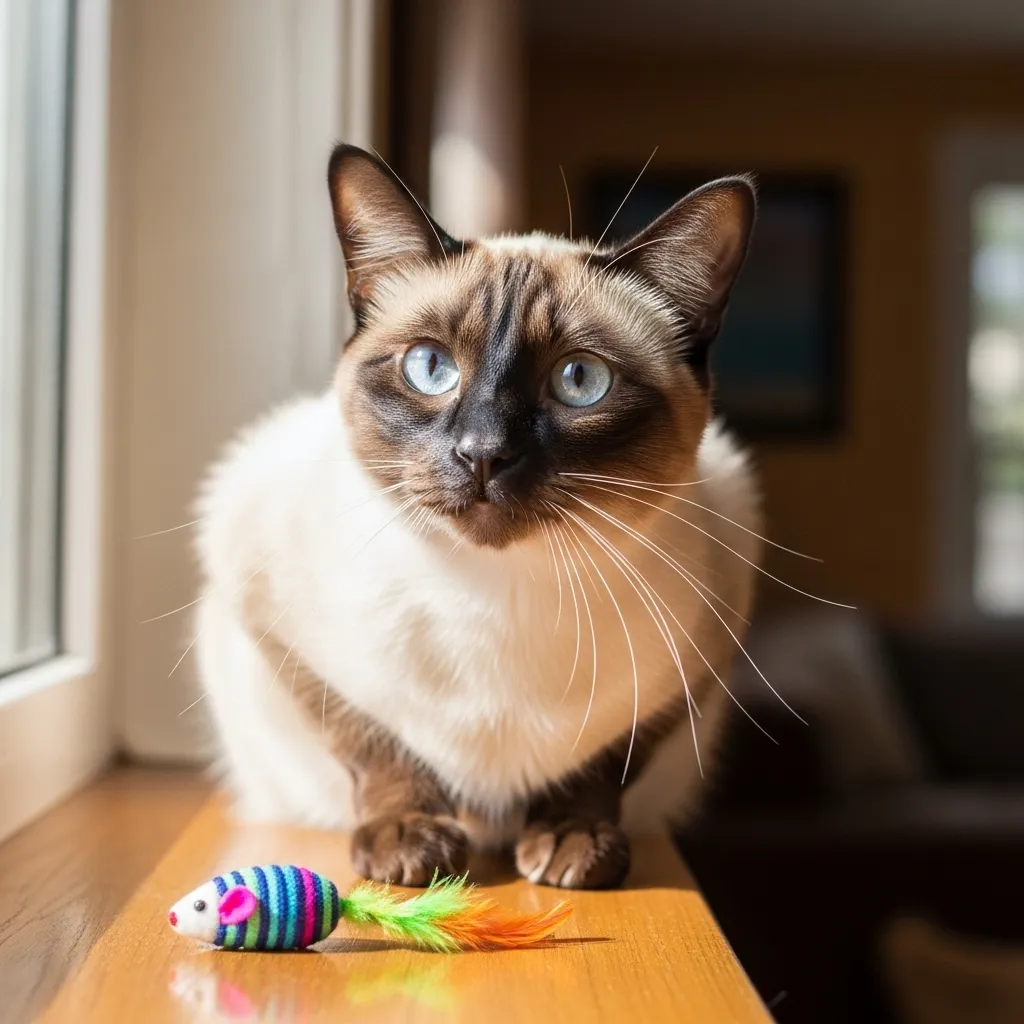
Some cats develop behavioral issues in cats that manifest as compulsive grooming, similar to OCD in humans. This is more common in high-energy breeds like Siamese or anxious cats.
- Routine Disruption: Changes in feeding or playtime can trigger compulsive licking.
- Attention-Seeking: Cats may over-groom to get your attention.
Symptoms: Grooming only when you’re around or in specific situations.
Solution: Consistent routines and positive reinforcement. Learn more in our cat training and behavior guide.
How to Address Excessive Cat Grooming: Vet-Backed Solutions
Once you’ve identified potential cat grooming causes, it’s time to act. Here’s a step-by-step approach to tackle over-grooming in cats effectively.
Step 1: Rule Out Medical Issues
- Visit a Vet: Schedule a check-up to diagnose skin, pain, or parasite issues. Our finding the best vet guide can help.
- Diagnostic Tests: Skin scrapings, allergy tests, or blood work can pinpoint causes.
- Treatments: Depending on the issue, your vet may prescribe:
- Antihistamines or steroids for cat skin allergies and itching.
- Flea treatments for parasitic infestations.
- Pain relief for arthritis or dental problems.
Example: A Maine Coon with bald patches was diagnosed with flea allergy dermatitis. After a vet-prescribed flea treatment and hypoallergenic diet, her fur regrew within weeks.
Step 2: Address Stress and Behavioral Triggers
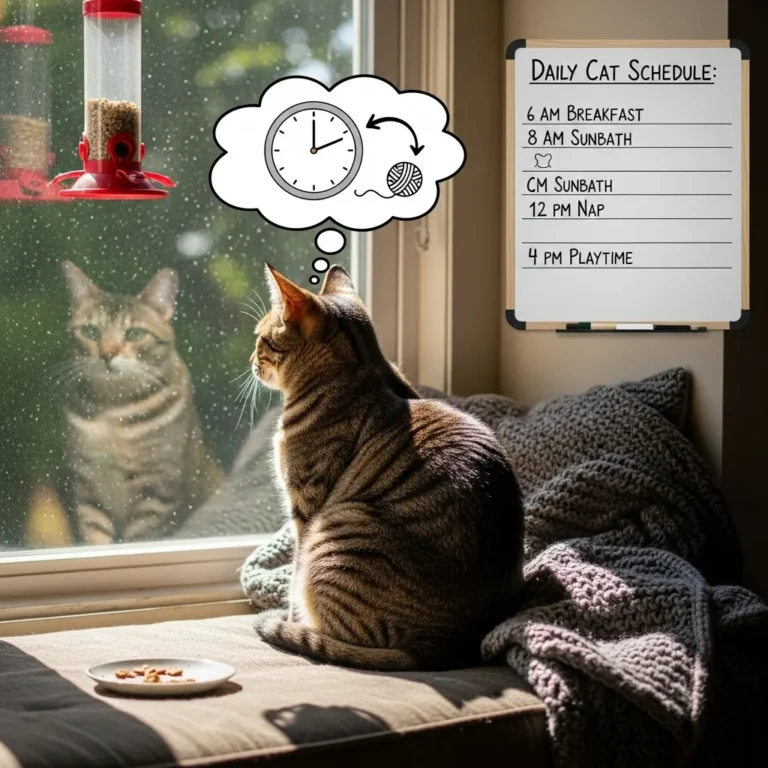
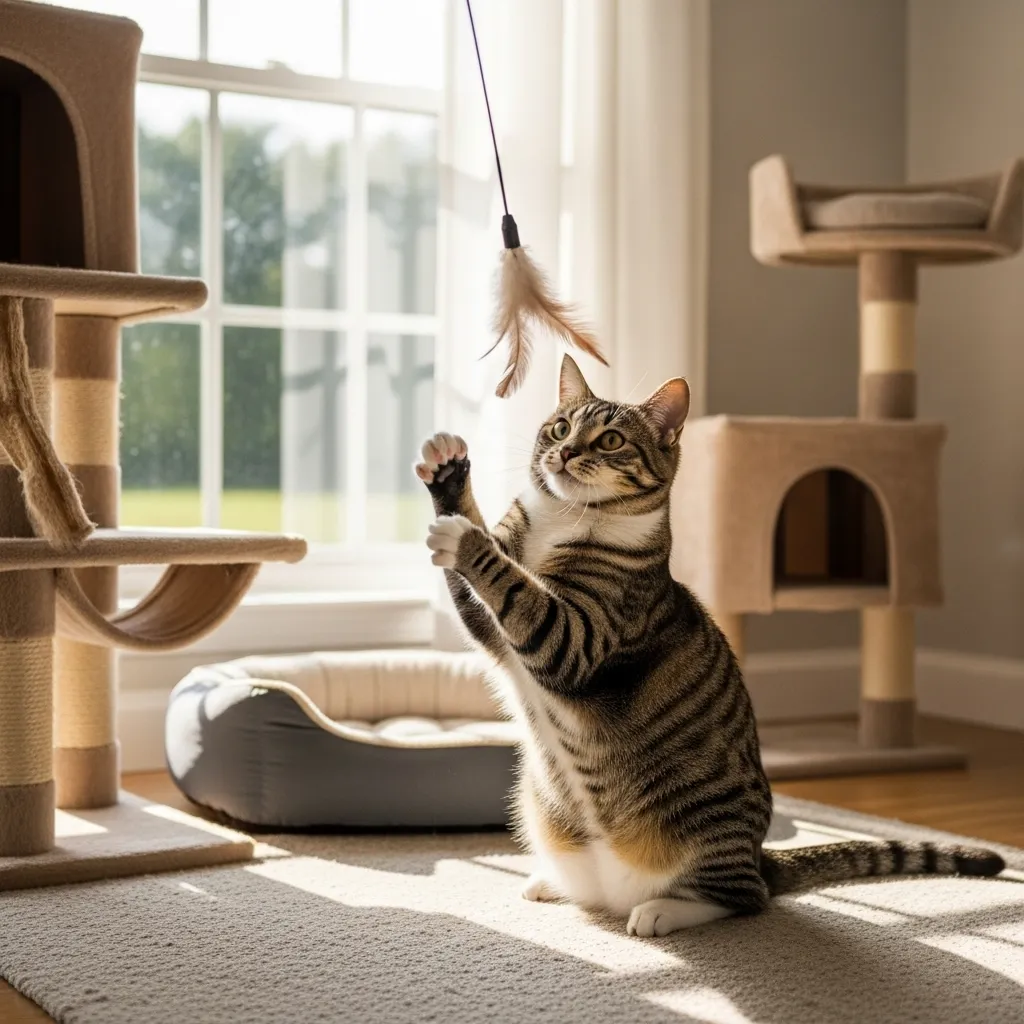
- Enrich the Environment: Add scratching posts, puzzle feeders, or window perches to reduce anxiety in indoor cats. Check our cat enrichment ideas for inspiration.
- Pheromone Therapy: Use Feliway diffusers to calm stressed cats.
- Playtime: Dedicate 15–20 minutes daily to interactive play, especially for breeds like Bengals.
Example: A Siamese cat over-groomed due to a new dog in the home. Introducing a cat tree and daily laser pointer sessions reduced her stress and licking.
Step 3: Grooming and Hygiene Support
- Regular Brushing: Reduces loose fur and prevents matting, especially for long-haired breeds like Persians. See our cat grooming guide.
- Bathing: Use vet-approved best cat shampoos for skin allergies to soothe irritated skin.
- Natural Remedies: Oatmeal baths or coconut oil (vet-approved) can ease cat itching. Learn more in our natural remedies for cat itching.
Step 4: Monitor and Adjust
- Track Progress: Note changes in grooming habits or skin condition.
- Behavioral Therapy: For compulsive grooming in cats, consult a feline behaviorist.
- Diet Changes: Switch to hypoallergenic or high-quality food to support skin health. Explore our cat food and nutrition guide.

Preventing Over-Grooming: Proactive Cat Care Tips
Preventing excessive cat licking starts with a healthy, stress-free environment. Here are vet-backed cat care tips to keep grooming in check:
- Regular Vet Visits: Annual check-ups catch issues early. See our cat vet visit schedule.
- Flea Prevention: Use monthly flea treatments, even for indoor cats.
- Stress-Free Home: Provide safe spaces, like best beds for Munchkin cats, and minimize disruptions.
- Balanced Diet: Feed high-quality, skin-supporting food. Check our best wet cat food guide.
- Mental Stimulation: Rotate toys and add climbing structures to prevent anxiety in indoor cats.
Table: Quick Prevention Checklist
| Action | Benefit | Resource |
|---|---|---|
| Monthly flea treatment | Prevents cat skin allergies and itching | How Many Fleas on a Cat |
| Daily playtime | Reduces stress in cats and grooming | Cat Enrichment Ideas |
| Regular brushing | Minimizes matting and hairballs | Cat Grooming Guide |
| Vet check-ups (1–2x/year) | Catches health issues early | Finding the Best Vet |
| Hypoallergenic diet | Supports skin and coat health | Cat Food Nutrition |
When to Seek Professional Help
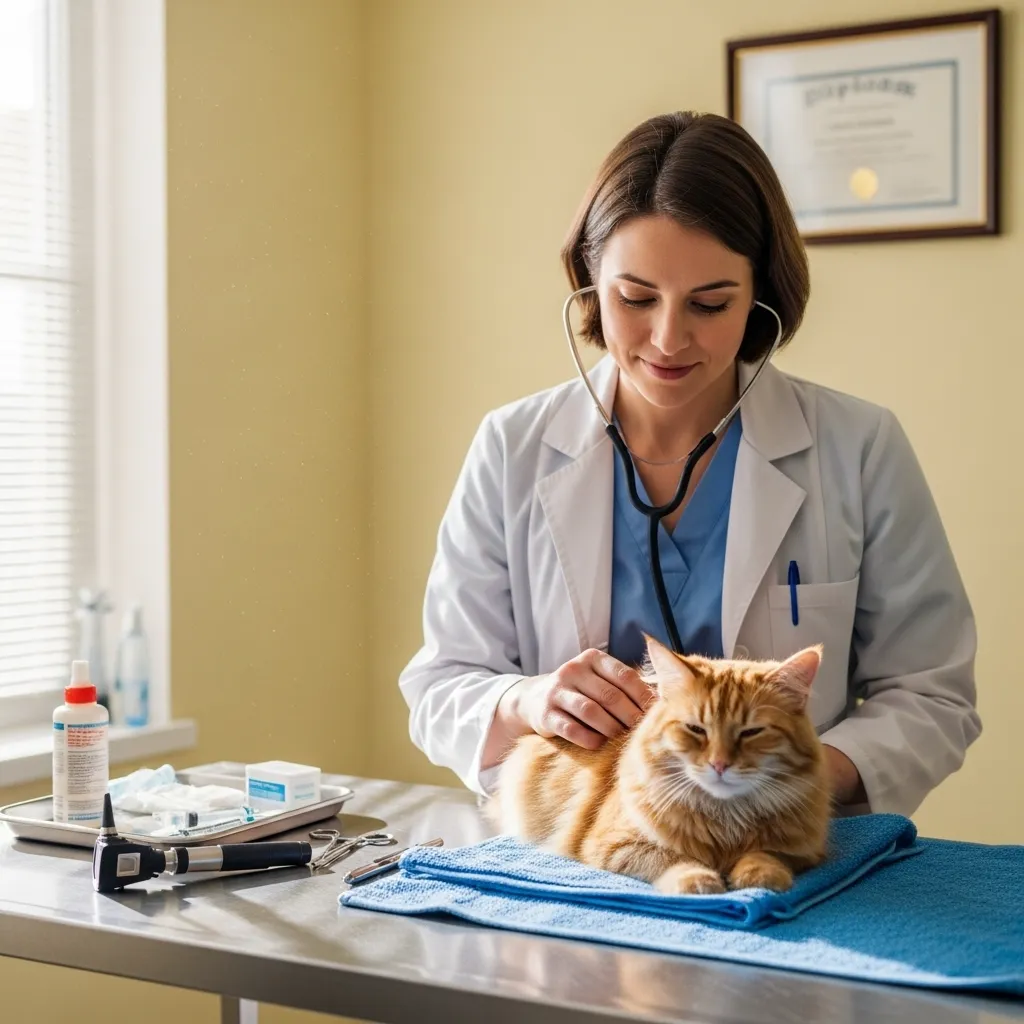
If your cat’s over-grooming persists despite home interventions, it’s time to consult a vet or behaviorist. Seek help if you notice:
- Bald patches or open sores.
- Changes in appetite, energy, or litter box habits.
- Licking that disrupts daily activities or sleep.
- Signs of cat stress signs like hiding or aggression.
A vet can recommend advanced diagnostics, like skin biopsies, or refer you to a feline behaviorist for behavioral issues in cats. Learn more about when to act in our cat health and hygiene guide.
FAQ: Quick Answers to Common Questions
What is normal cat grooming behavior?
Normal grooming involves short, regular sessions to clean fur, regulate temperature, and self-soothe. Cats spend up to 50% of their day grooming without causing hair loss or skin damage.
How can I tell if my cat is over-grooming?
Look for bald patches, red skin, sores, or obsessive licking of one area. Behavioral changes like irritability or hiding may also signal over-grooming in cats.
Why is self-grooming important for cats?
Grooming keeps cats clean, spreads natural oils, regulates temperature, and reduces stress. It’s a natural instinct for health and comfort.
What are common reasons for a cat to over-groom?
Cat grooming causes include skin allergies, parasites, pain, stress, or boredom. Medical and psychological triggers often overlap.
Which medical conditions cause excessive grooming?
Cat skin allergies and itching, fleas, mites, arthritis, dental issues, or urinary problems can lead to excessive cat licking.
How does stress affect a cat’s grooming habits?
Stress in cats and grooming are linked—cats lick to self-soothe during anxiety, boredom, or environmental changes, leading to compulsive grooming.
What treatments are available for over-grooming?
Cat grooming treatments include flea control, allergy medications, pain relief, pheromone therapy, and environmental enrichment.
How can I prevent excessive grooming?
Use regular vet check-ups, flea prevention, a stress-free environment, and a balanced diet to maintain healthy feline grooming habits.
When should I seek professional help for over-grooming?
Contact a vet if your cat has bald spots, sores, or behavioral changes, or if home remedies don’t reduce cat licking fur off.
Conclusion: Help Your Cat Thrive with Proper Care
Excessive cat licking can be distressing, but understanding the causes—whether medical, psychological, or environmental—empowers you to take action. By addressing cat grooming causes like allergies, stress, or pain and using cat grooming solutions like vet care and enrichment, you can restore your cat’s healthy feline grooming habits. Regular monitoring, a stimulating environment, and proactive care are key to preventing over-grooming in cats.
At Cat Bloom Haven, we’re dedicated to helping you keep your cat healthy and happy. Explore more expert guides, like our cat health and hygiene tips or cat stress relief techniques, to ensure your feline friend thrives. Have questions about your cat’s behavior? Share them with us, and let’s keep your cat blooming!