How Many Fleas Can Live on a Cat: The Ultimate Guide to Spotting, Treating, and Preventing Flea Infestations in 2025

Hey there, fellow cat lover—picture this: You’re curled up on the couch with your furry sidekick, enjoying a lazy evening, when suddenly you notice your cat twitching and scratching like they’re auditioning for an itch-fest. That subtle (or not-so-subtle) frenzy?
It could be fleas turning your home into their personal buffet. If you’re like most cat parents, the burning question hits hard: How many fleas can live on a cat? And more importantly, how do you stop them before they multiply like a bad plot twist?
Fleas aren’t just annoying; they’re sneaky invaders that can lead to skin allergies, tapeworms, anemia in kittens, and even transmit diseases like bartonellosis. Even indoor cats aren’t immune—fleas hitch rides on shoes, clothes, or visiting pets, turning your cozy castle into a flea farm overnight. But here’s the good news:
This guide is your all-in-one battle plan. Drawing from veterinary insights, recent surveys, and 2025’s top treatments, we’ll break down flea burdens, signs of infestation, step-by-step checks, and proven fixes—from vet-prescribed meds to natural hacks. By the end, you’ll have the tools to reclaim your flea-free life. Let’s dive in and send those jumpers packing.
Key Takeaways: What You Need to Know About Flea Burdens on Cats
Before we unpack the nitty-gritty, here’s a quick snapshot to arm you with the essentials. Think of this as your flea-fighting cheat sheet:
- Average Flea Load: Most infested cats host fewer than 20 adult fleas at any time. That’s deceptive—95% of the problem lurks off-pet as eggs, larvae, and pupae in your home.
- Maximum Capacity: Cats can theoretically support 200–300 fleas before overcrowding forces some to jump ship, but real-world extremes hit 440 on a single kitten. One female lays 40–50 eggs daily, exploding populations fast.
- Infestation Threshold: Even one flea signals trouble—it’s a gateway to hundreds via rapid reproduction. Indoor cats? Still at risk from human-transported hitchhikers.
- Cat Flea Burden Insights: Surveys show 46% of U.S. cats (and 33% of dogs) face fleas yearly, with higher rates in humid spots like the Southeast. Kittens and ferals carry heavier loads due to less grooming savvy.
- Health Risks: Beyond itch, fleas trigger allergies (FAD), tapeworms, and anemia—kittens lose blood fast, risking collapse.
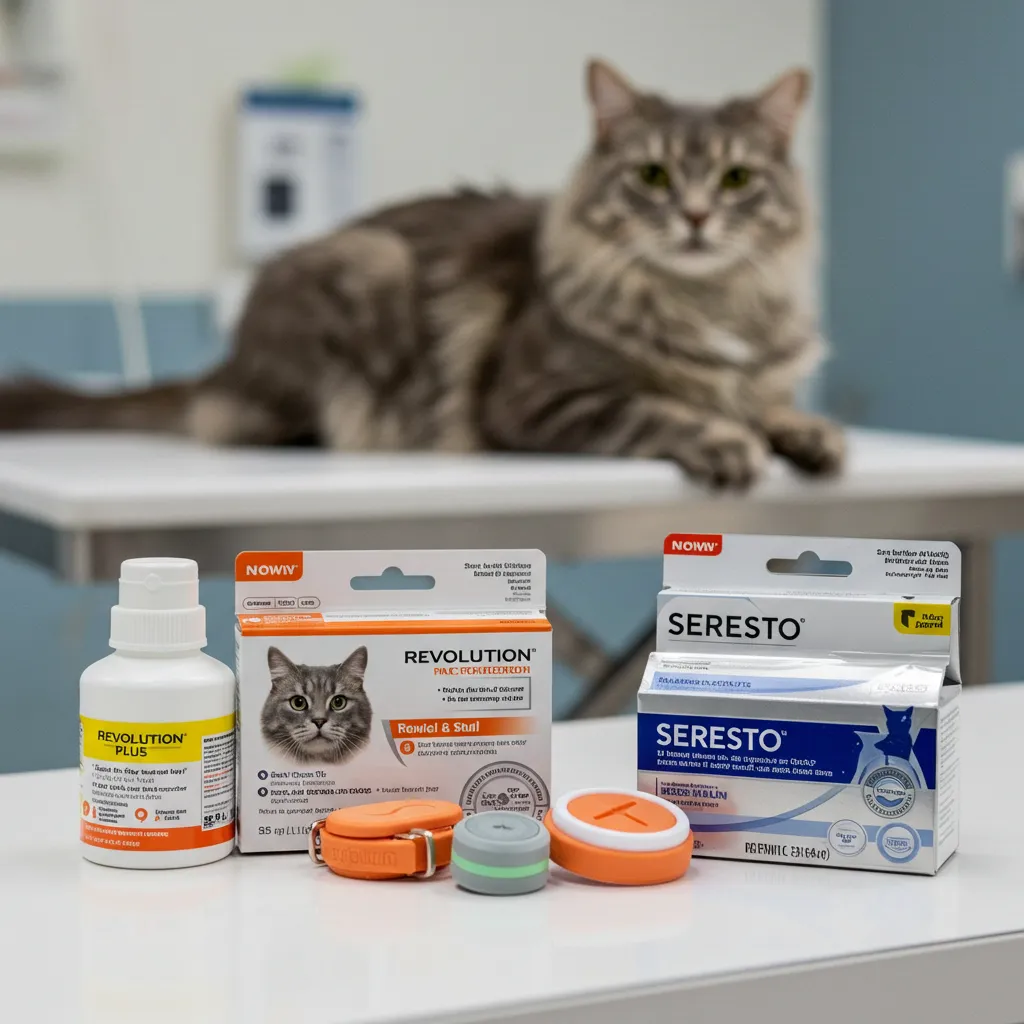
- 2025 Pro Tip: Year-round prevention beats reactive treatment. Top picks? Revolution Plus for multi-parasite shield or Seresto collars for 8-month ease (with caveats on safety—more below).
Armed with these? You’re already ahead of the curve. Now, let’s spot the signs before a light scratch becomes a full-blown crisis.
Spotting the Sneaky Signs: Early Indicators of Flea Infestation on Cats
Fleas are masters of disguise—tiny (2–3 mm), reddish-brown jumpers that vanish into fur like pros. But your cat’s body doesn’t lie. Excessive grooming isn’t just vanity; it’s a distress signal. Here’s how to decode the clues, starting with the classics.
Common Behavioral and Physical Signs of Cat Flea Symptoms
Cats are stoics, but fleas push them to the edge. Watch for these red flags:
- Relentless Scratching and Itching: The #1 giveaway. Cats target the base of the tail, lower back, thighs, neck, and belly—hotspots for flea feasts. If your chill tabby suddenly looks like they’re breakdancing on the carpet, fleas are likely culprits. Fun fact: Just 1–2 bites can spark flea allergy dermatitis (FAD), an overreaction to flea saliva causing intense itch.
- Hair Loss and Skin Irritation: Bald patches? Red, bumpy skin? Scabs or sores from over-scratching? That’s FAD in action—up to 30% of cats are hypersensitive. Check for “miliary dermatitis”: tiny crusty bumps like millet seeds.
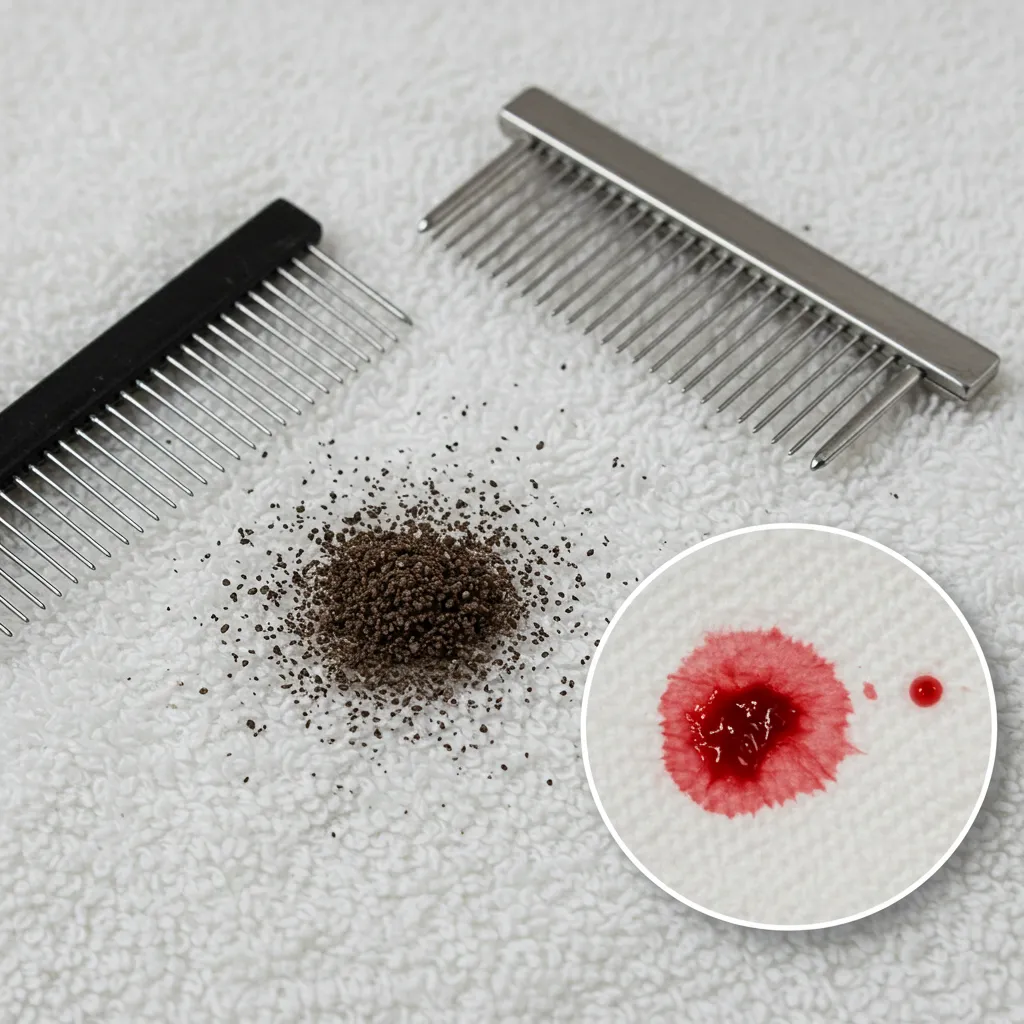
- Flea Dirt: The Smoking Gun: Not actual dirt—these are flea poop specks, digested blood looking like black pepper. Rub ’em on a wet paper towel; they turn rusty red. Pro tip: Indoor cats drop this on beds or rugs, even without visible bugs.
- Lethargy or Pale Gums: In heavy loads (50+ fleas), blood loss causes anemia—especially risky for kittens under 6 months. Symptoms: Weakness, pale gums, rapid breathing. One survey found 93.5% of anemic cats were flea-riddled.
- Tapeworm Segments: Rice-like bits in poop or around the rear? Fleas ferry tapeworm eggs—cats ingest ’em while grooming.
| Sign | Why It Happens | When to Worry |
|---|---|---|
| Scratching at Tail Base | Flea saliva allergy | If it leads to raw skin or infection |
| Flea Dirt on Bedding | 95% of fleas off-pet | Even without live fleas visible |
| Sudden Hair Loss | Over-grooming from itch | Patches >1 inch or with sores |
| Kitten Lethargy | Anemia from blood suck | Pale gums + weakness = vet NOW |
| Wriggling “Rice” in Poop | Tapeworm via flea ingestion | De-worm alongside flea treatment |
Real-life example: My neighbor’s indoor Siamese, Whiskers, seemed fine until bald spots appeared. Turns out, a visiting dog brought in fleas—classic FAD, cleared with a 3-month prevention plan. Don’t wait for drama; early detection saves sanity.
How to Check for Fleas on Cats: A Foolproof Step-by-Step Guide
No fancy tools needed—just patience and a white sheet. Here’s your at-home flea hunt:
- Prep the Scene: Drape a white towel over your lap (contrasts dark flea specks). Sit in a quiet spot post-nap when kitty’s mellow.
- Flea Comb Magic: Grab a fine-tooth flea comb ($5 at pet stores). Part fur in sections—start at neck, back, tail base, belly, and groin (thin fur zones). Comb toward the head; dip in soapy water to drown catches.
- The Dirt Test: Brush residue onto white paper. Wet it—if reddish-brown streaks appear, bingo: flea dirt.
- Full-Body Scan: Feel for “pepper” or jumping dots. Long-haired cats? Part fur wide.
- Repeat Weekly: Prevention pros check monthly—catch ’em early.
Missed one? No sweat—fleas jump 7 inches high, but combs snag 90%. For stubborn cases, vet skin scrapes confirm.
Cracking the Numbers: Average Number of Fleas on Cats vs. Maximum Loads
So, back to the big query: How many fleas can live on a cat? It’s not a fixed number—flea burden varies by age, grooming, and environment. Let’s crunch the data from global surveys for a clear picture.
What Surveys Reveal About Typical Flea Burdens
Fleas cluster: 85% females for max egg-laying. But hosts fight back—cats groom off 4–18% daily.
- U.S. Domestic Cats: 46% infested; average 9–20 fleas. 70% of cases: <7 fleas; rest >50. Southern California: 6729 fleas across 323 cats—peak at 440 on a kitten.
- Global Averages: Spain (9/cat), Australia (7.7), Georgia ferals (28.2). Strays? Up to 161.
- Indoor vs. Outdoor: Indoors average 5–10; outdoors 20+ due to wildlife. Europe: 15.5% clinic cats flea-positive.
Youngsters bear the brunt: Juveniles host 2x more, lacking grooming finesse. Table time:
| Cat Type | Avg Fleas | Key Survey Insight |
|---|---|---|
| Indoor Adult | 5–10 | Low exposure; human vectors main risk |
| Outdoor Adult | 15–30 | Wildlife boosts load |
| Kitten/Feral | 20–50+ | Poor immunity; up to 440 extremes |
Bottom line: Low numbers hide big problems—eggs offload 50/day per female.
When Burdens Explode: Understanding Maximum Number of Fleas on Cats
Theory says cats max at 200–300 before fleas bail for space. Reality? One Spanish stray hit 245; a U.S. kitten 440. Overcrowding? Fleas jump to rugs, restarting cycles.
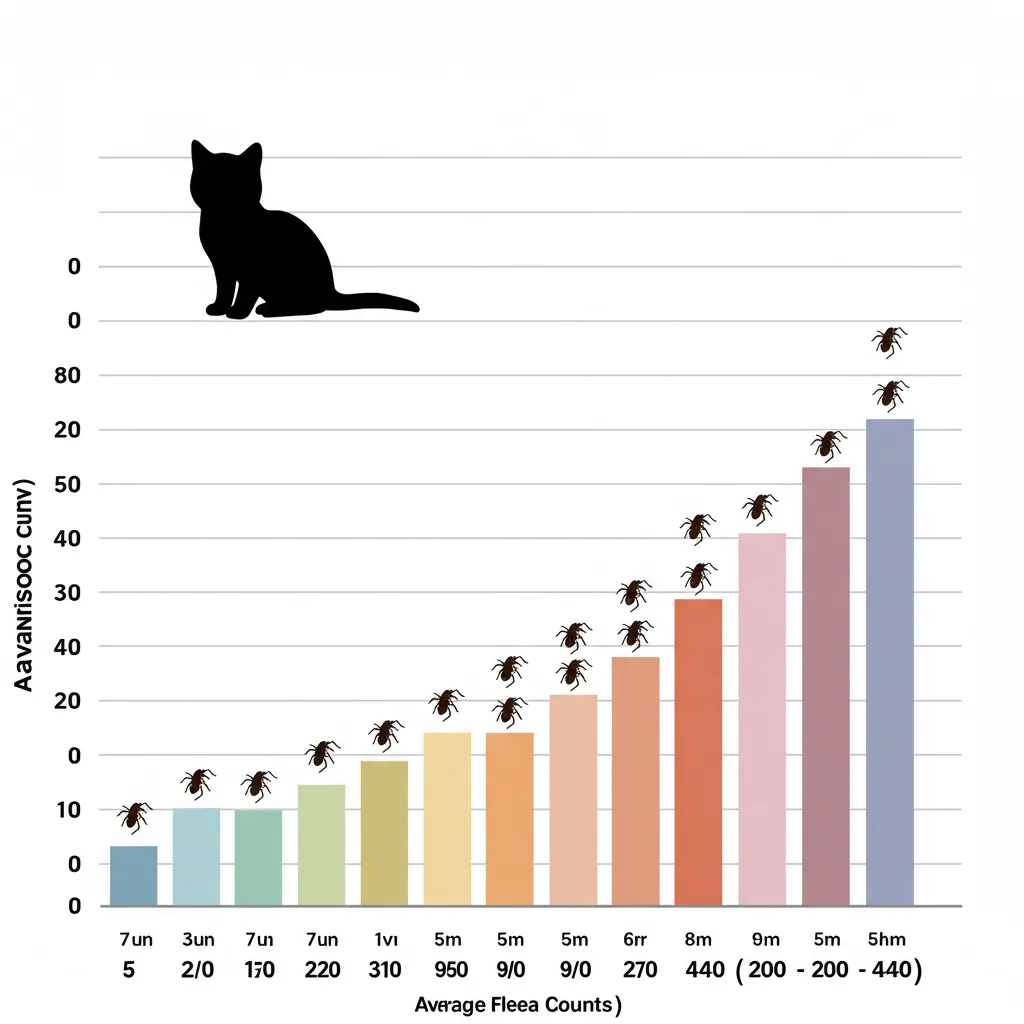
Why the variance? Humid warmth speeds life cycles (2 weeks vs. a year). Poor grooming + high exposure = overload. Example: A 2024 Florida study found 33% of indoor cats with 50+ fleas post-hurricane humidity. Cap it early—prevention keeps burdens under 5.
The Flea Life Cycle on Cats: Why One Bug Means War
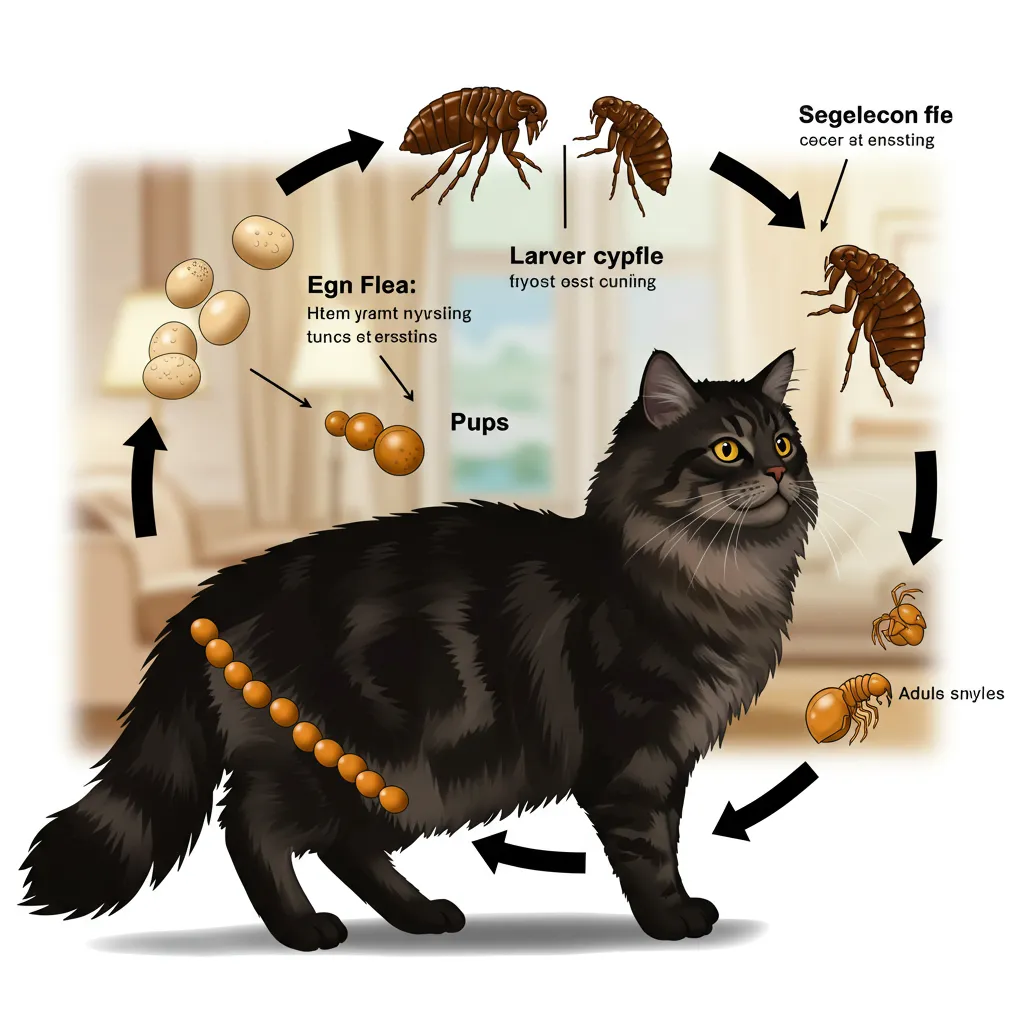
Fleas aren’t loners—they’re a 4-stage machine: Egg (50/day drop-off), Larva (feeds on dirt 5–20 days), Pupa (cocoon hides 5 days–6 months), Adult (blood meal, mate, repeat). On cats? Adults (5%) hog the host; 95% plot in your carpet.
- Eggs: Pearly white, non-sticky—fall like confetti. Hatch 1–10 days in warmth.
- Larvae: Wormy, eat flea poop. Thrive in dark, humid spots (your couch?).
- Pupae: Sticky cocoons mimic debris—vibrations (your footsteps) trigger emergence.
- Adults: Jump 12 inches; live 1–2 weeks sans host, 100 days on it.
Full cycle: 12–350 days. Break it with IGRs (insect growth regulators) in treatments—starve the next gen.
Visual: Imagine a flea family tree—one grandma yields 20,000 descendants in 60 days. Indoor? Cycles loop year-round sans cold snaps.
Flea Infestations in Indoor Cats: Why Your Castle Isn’t Safe
Myth busted: Indoor cats = flea-proof? Nope—82% of Taipei strays infested, but even pampered Persians catch ’em. How?
- Human Highways: You track eggs/larvae on shoes from parks or infested homes.
- Visitor Vectors: Guests’ clothes, bags, or dogs ferry fleas—vets’ offices are hotspots.
- Wildlife Windows: Open screens let squirrels/opossums drop eggs; 95% of infestations environmental.
2025 stat: 19.2% indoor cat infestation rate in humid zones. Solution? Monthly checks + prevention. One case: A NYC apartment cat got fleas from a neighbor’s leaky balcony—vacuum + topical fixed it in weeks.
Survey Says: Flea Burden Insights from Real-World Studies
Data doesn’t lie. Here’s the scoop from key surveys:
Survey Findings on Cat Flea Burdens
- Banfield 2013 (2.3M Pets): 470K cats; Southeast/Pacific NW hit hardest (10–19% infested). Puppies/kittens: 2x risk.
- Southern CA (701 Cats): 46% infested; bimodal—<7 or >50 fleas. Females dominated (85%).
- Europe (1.5K Cats): 15.5% flea-positive; anemia cases 93% flea-linked.
- Stray Snapshots: Taiwan (82% infested, avg 20); Albania (1–9); Wisconsin (8.15, max 164).
Trend: Urban strays > rural; humidity > cold.
Highest Recorded Burdens and Why They Matter
Peaks: 440 (kitten, CA); 245 (Spain stray). Why? Weak hosts can’t groom/evict. Impact: Anemia in 1–2 weeks at 100+ fleas. Lesson: Low tolerance = act fast.
Flea Control for Cats and Dogs: Integrated Strategies That Work
Multi-pet homes? Treat all—fleas hop freely. 2025 focus: Combo products for broad coverage.
On-Pet Flea Treatments: Top Picks for 2025
Vet-approved winners (consult first—dog stuff toxic to cats!):
| Product | Type | Duration | Pros | Cons | Best For |
|---|---|---|---|---|---|
| Revolution Plus | Topical | 1 Month | Kills fleas/ticks/heartworm/mites/worms | Rx only | Multi-parasite homes |
| Bravecto Plus | Topical | 2 Months | Broad internal/external kill | Rx; pricey | Low-maintenance owners |
| Seresto Collar | Collar | 8 Months | Waterproof; kills on contact | Skin irritation risk (EPA review) | Outdoor roamers |
| Frontline Plus | Topical | 1 Month | OTC; kills eggs/larvae | Slower kill (24 hrs) | Budget budgets |
| NexGard Combo | Topical | 1 Month | Heartworm + fleas/ticks | Rx; oral alternative | Picky eaters |
Effectiveness: 95–100% reduction in 24–48 hrs. Capstar for instant adult kill (24 hrs).
Environmental Flea Treatments: Clearing Your Home Base
95% battle’s indoors—vacuum daily (eggs hate it). Steps:
- Vacuum Blitz: Carpets, furniture, cracks—daily for 2 weeks. Seal bag outside.
- Wash Hot: Bedding/towels at 140°F kills all stages.
- IGR Sprays: Methoprene/pyriproxyfen stop egg hatch (e.g., Zodiac Premise). Safe for pets post-dry.
- Diatomaceous Earth: Food-grade powder dehydrates larvae—sprinkle, vacuum after 48 hrs.
- Yard Patrol: Nematodes eat larvae; cedar mulch repels.
Timeline: 3 months full clear. Pro service for heavy hits.
Cat Flea Treatment and How to Get Rid of Fleas on Cats: Actionable Steps
Infestation confirmed? Don’t panic—systematic strikes win.
Step-by-Step Guide to Cat Flea Treatment
- Isolate & Comb: Flea comb + soapy dunk for quick kills.
- Bath Option: Dawn dish soap (gentle drown)—lather, rinse. Not for stressed cats.
- Apply Prevention: Topical/oral per weight/age. All pets same day.
- Home Assault: Vacuum + wash + IGR. Repeat weekly.
- Monitor: Re-check 7 days; de-worm if tapeworm signs.
For kittens: Capstar safe at 4 weeks; avoid baths. Vet for anemia.
Best Flea Treatments for Cats 2025: Vet Picks
- Rx Stars: Revolution Plus (broadest net); Bravecto (2-month ease).
- OTC Heroes: Frontline Plus (egg-kill); Adams Plus (budget).
- Collars: Seresto (8 months)—effective but monitor for irritation (FDA alerts). Hartz? Skip—toxicity risks.
Cost: $10–20/month.
Natural Flea Remedies for Cats: Safe Home Hacks
Chemical-averse? Nature’s got backups—vet-vetted for efficacy.
Pros/Cons of Top Natural Options
- Apple Cider Vinegar Spray: 1:1 water mix—repels via acidity. Pros: Cheap ($5), safe. Cons: Repels, doesn’t kill; rinse post-use.
- Lemon Rinse: Boil slices, steep, spray. Citric acid kills on contact. Pros: Antimicrobial. Cons: Citrus toxic if ingested—dilute heavily.
- Coconut Oil Massage: Lauric acid suffocates. Pros: Soothes skin. Cons: Greasy; not for heavy loads.
- Diatomaceous Earth: Dehydrates pests. Pros: Non-toxic. Cons: Inhalation risk—food-grade only.
- Herbal Sachets: Lavender/cedar chips in bedding. Pros: Aromatic repel. Cons: Mild; refresh often.
Avoid: Tea tree/peppermint oils—liver toxic.

Cat Flea Collars Effectiveness in 2025: Do They Deliver?
Collars: Convenient? Yes. Foolproof? Meh—efficacy 70–90% vs. topicals’ 95%+.
- Seresto: 8 months; kills contact. 2025 EPA review flags rare neuro issues—monitor. 92% effective in trials.
- Natural Alternatives: Sobaken (plant oils)—milder, 4–6 months; 80% repel rate.
- Verdict: Great for low-risk indoors; pair with combs. Breakaway mandatory—choke risk otherwise.
User story: A Texas tabby ditched topicals for Seresto—flea-free 7 months, but collar irritation at month 6 prompted switch.
Preventing Fleas on Cats and Dogs: Your Year-Round Shield
Prevention > cure. 2025 mantra: Layer defenses.
Flea Prevention for Cats: Tailored Tips
- Monthly Meds: All cats, indoor/out—Bravecto or Revolution.
- Groom Routine: Weekly combs; bathes quarterly.
- Home Hygiene: Vacuum 2x/week; wash bedding monthly.
- Yard Barriers: Nematodes + mulch.
For multi-pets: Sync treatments—dogs/cats share fleas.
Cat Flea Medicine Mastery: Choosing and Using Wisely
- Spot-Ons: Pipette at neck—absorbs systemically.
- Orais: Chewables for swallowers (Comfortis).
- Collars/Injections: Set-it-forget-it; vet for shots.
Home Remedies for Cat Fleas: DIY Wins Without the Drama
Quick fixes for mild cases:
- Vinegar Wipe: 1:1 ACV/water—repel + soothe.
- Salt Scrub: Table salt on rugs—dehydrates eggs; vacuum.
- Rosemary Rinse: Brew tea, cool, spray—natural insecticidal.
- Baking Soda Dust: Sprinkle, brush in, vacuum—dries ’em out.
Combo with meds for 100% kill. Natural Cat Skin Care.
Conclusion: Reclaim Your Flea-Free Feline Life
Whew—we’ve covered the gamut: From decoding how many fleas can live on a cat (avg 20, max 440) to busting indoor myths, life cycle lore, and 2025’s best defenses like Revolution Plus and natural ACV sprays. Remember: One flea snowballs via that relentless 4-stage cycle, but proactive checks, integrated treatments, and home hustles keep burdens low and kitty comfy. Fleas don’t just itch—they risk allergies, anemia, and worse, but you’re now equipped to outsmart ’em.
FAQ: Quick Answers on Flea Infestations in Cats
How many fleas can live on a cat?
Typically 5–20 adults, but up to 200–300 max before overcrowding; one kitten hit 440 in surveys. Eggs off-pet multiply fast—treat environment too.
What are the signs of a flea infestation on cats?
Scratching (esp. tail/base), flea dirt (red on wet towel), hair loss, red bumps, lethargy in kittens. Even indoors, check weekly.
What is the average number of fleas on cats?
Under 20 for most infested cats; surveys show 9 in clinics, 28 on ferals. Low numbers hide big egg loads.
What is the maximum number of fleas on cats?
200–300 theoretical cap; recorded highs: 440 (kitten), 245 (stray). Heavy burdens cause anemia—act fast.
What is the flea burden on dogs?
Similar: Avg 10–30; max 300+. Shared fleas mean treat both species together.
How can I control fleas on cats and dogs?
Monthly preventives (Revolution/Frontline), vacuum daily, wash bedding hot, IGR sprays. 3-month full clear; year-round for humid areas.
Why is flea control important for cats and dogs?
Prevents FAD, anemia, tapeworms, diseases like bartonellosis. One flea = thousands; control saves health (and sanity!).