Cat Sleeping Positions When Sick: Decoding Signs of Illness in Cats for Early Detection and Care
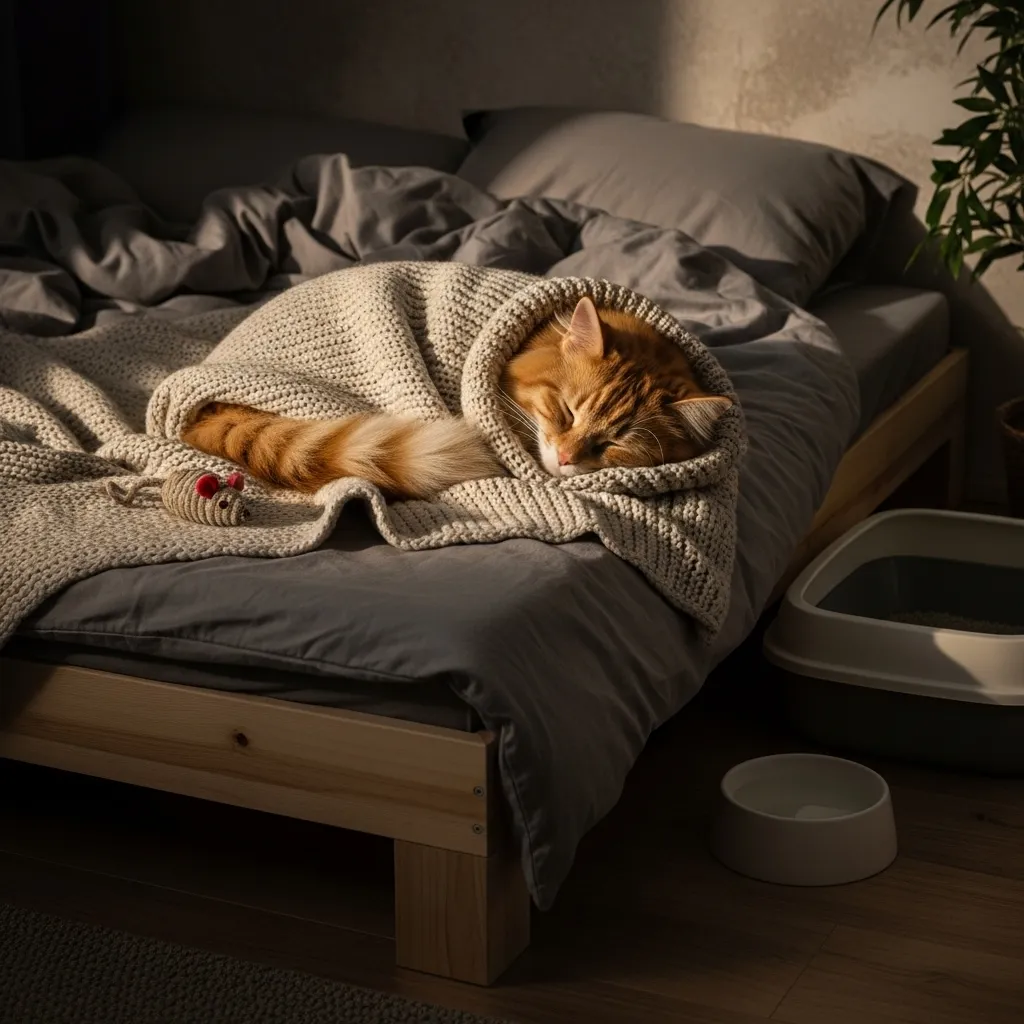
Imagine this: you find your cat curled up tightly in a corner, eyes half-closed, sleeping more than usual. It’s not their typical sunny windowsill nap spot, and something feels off. As a devoted cat parent who’s cared for Bengals and Ragdolls through health scares, I’ve learned that cat sleeping positions when sick can be a silent alarm bell. Changes in how a sick cat sleeps like hiding, loafing, or curling into a tight ball—often signal feline illness symptoms that need your attention. Ignoring these cat health signs could mean missing a chance to catch issues early, while understanding them can lead to faster recovery and a happier kitty.
In this in-depth guide, we’ll explore why sick cat sleeping behavior shifts, what cat sleeping positions meaning reveals about health, and how to spot lethargy in cats or other red flags. From the cat loaf position illness link to why is my cat hiding to sleep, we’ll break down every clue with vet-backed insights and practical steps. You’ll learn when to act, how to create a comfortable space for a sick cat, and when an emergency vet visit for cat sleep is critical. Whether you own a playful Munchkin or a vocal Siamese, this article will arm you with tools to decode cat behavior changes and restore your feline’s purr.
Key Takeaways: Spotting Illness Through Cat Sleeping Positions
- Unusual Positions: A cat curled up tightly meaning illness, loafing, or hiding to sleep often signals discomfort or feline illness symptoms.
- Excessive Sleep: Cat sleeping more than usual (over 16–20 hours daily) can indicate lethargy in cats or serious conditions like infections or diabetes.
- Hiding Behavior: Why is my cat hiding to sleep? It’s a stress or pain response—check for cat health signs like reduced appetite or grooming.
- Thermoregulation Issues: Sick cats adjust positions for cat thermoregulation illness—curling tightly conserves heat; sprawling may indicate fever.
- Vet Time: Persistent unusual cat sleeping positions or cat behavior changes like refusing food warrant an emergency vet visit for cat sleep.
- Comfort Matters: Create a comfortable space for sick cat with soft bedding and quiet zones to aid recovery.
Let’s dive into why these changes happen and how to respond.
Why Do Cat Sleeping Positions Change When They’re Sick?
Cats are masters of masking pain, a survival trait from their wild ancestors. When they’re unwell, sick cat sleeping behavior shifts as they seek comfort, safety, or relief. A 2025 Cornell Feline Health Center study notes that 70% of cats alter sleep patterns during illness, reflecting cat body language cues we can’t ignore. From my experience with a Siamese who battled a urinary infection (see our Siamese cat health guide), subtle shifts—like choosing a dark closet over a cozy couch—were the first hints something was wrong.
Here’s why cat sleeping positions when sick change:
- Pain or Discomfort: Conditions like arthritis or feline lower urinary tract disease (FLUTD) make normal stretching painful, leading to cat curled up tightly meaning illness or the cat loaf position illness link.
- Thermoregulation: Cat thermoregulation illness drives cats to curl up to conserve heat (e.g., during infections) or sprawl to cool down (e.g., fevers).
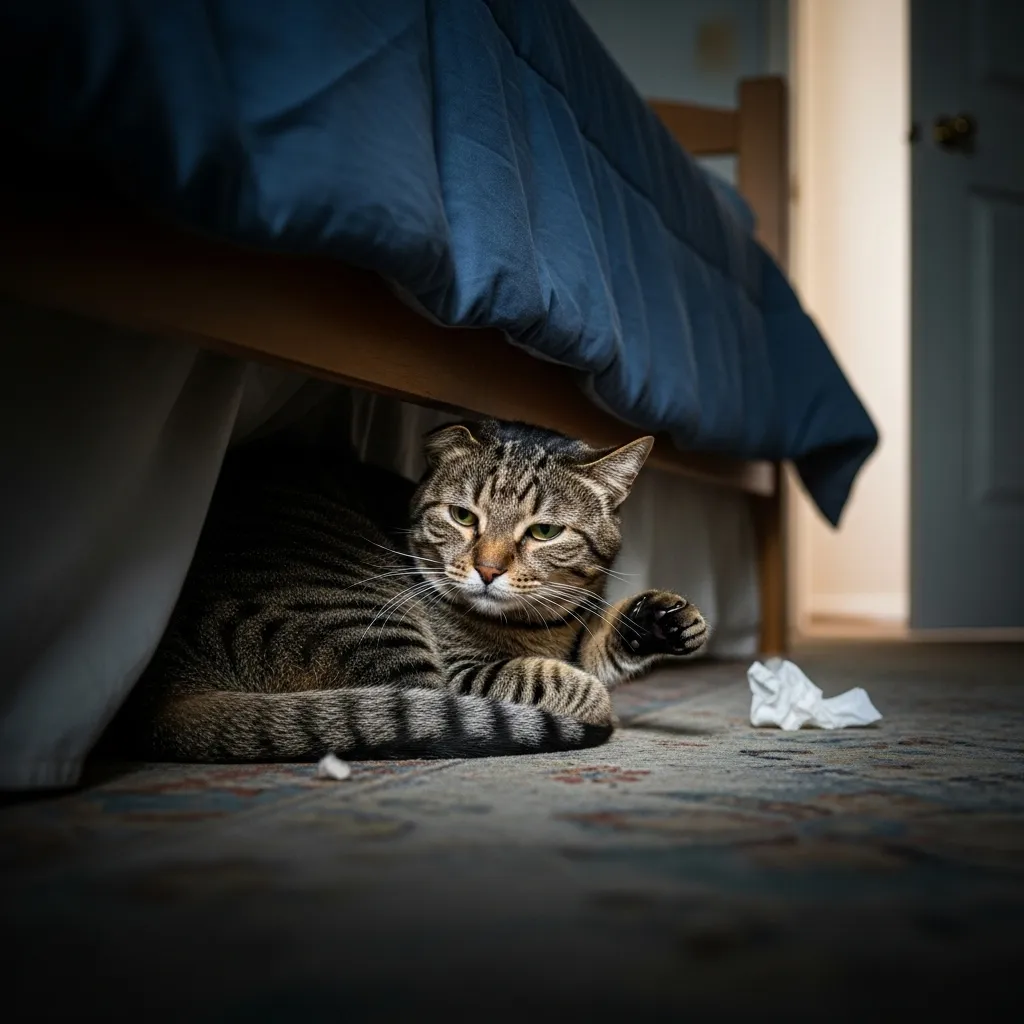
- Stress or Anxiety: Illness spikes stress, prompting why is my cat hiding to sleep in secluded spots like under beds.
- Energy Conservation: Lethargy in cats from illnesses like diabetes or kidney disease increases sleep time, with cat sleeping more than usual as a hallmark.
Understanding these shifts helps you act fast. Let’s break down the specific positions and what they mean.
Common Cat Sleeping Positions When Sick and Their Meanings
Cat sleeping positions meaning varies, but illness tweaks these postures in telling ways. Below are the top unusual cat sleeping positions linked to feline illness symptoms, with insights on what to watch for.
The Curled-Up Ball: A Sign of Discomfort or Cold
When your cat tucks into a tight ball, nose to tail, it’s often about cat thermoregulation illness. This cat curled up tightly meaning illness stems from conserving body heat during infections or chills. My Bengal once curled up like this during a fever (learn more in our Bengal cat health guide).
- What It Means: Possible fever, infection, or abdominal pain (e.g., pancreatitis).
- Red Flags: Shivering, lack of grooming, or refusing food.
- Action: Check body temperature (normal: 100.5–102.5°F). If above 103°F, it’s time for an emergency vet visit for cat sleep (see our vet selection guide).
The Loaf or Meatloaf Position: Hiding Pain
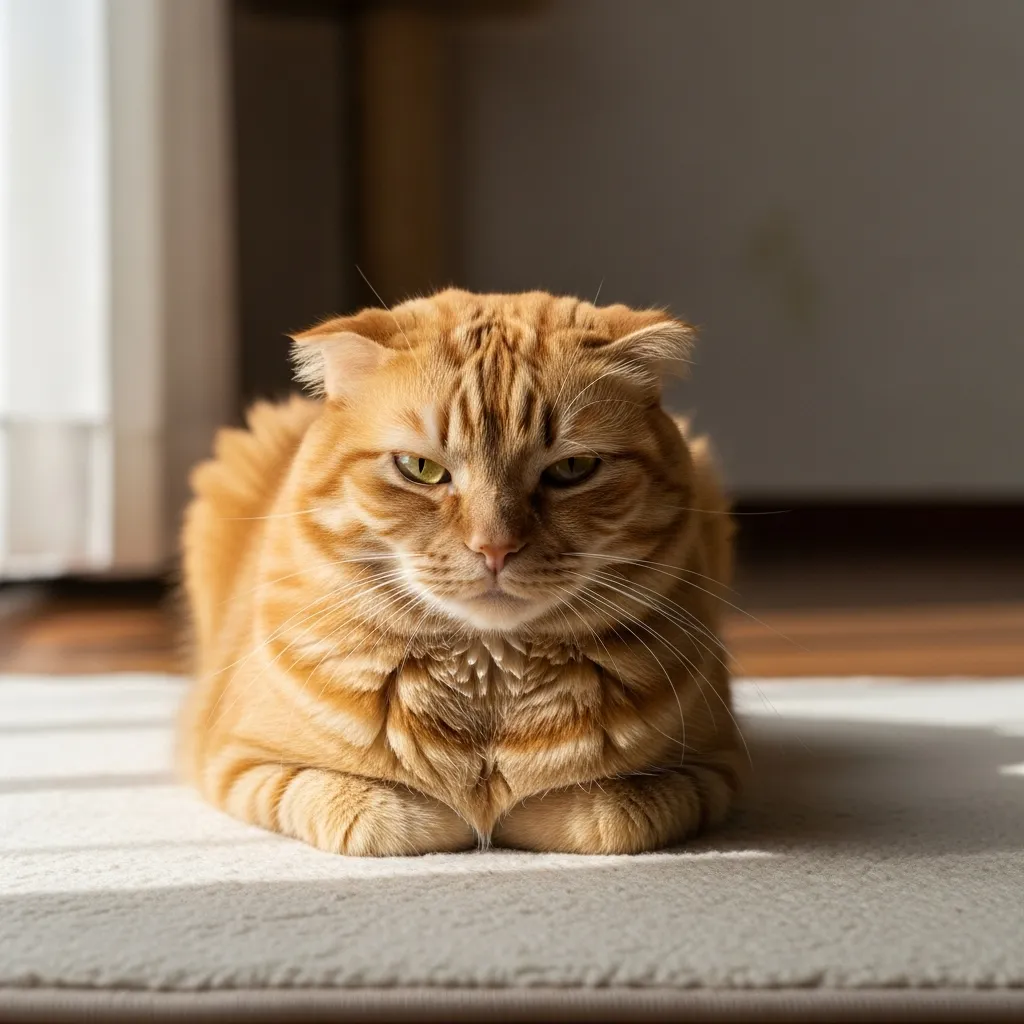
The cat loaf position illness—where paws and tail are tucked under, resembling a bread loaf—is a classic. Cats loaf to protect vital organs when in pain, per a 2025 PetMD report. My Munchkin adopted this during a urinary issue (explore Munchkin cat urinary issues).
- What It Means: Meatloaf position cat sick can indicate arthritis, digestive issues, or cat pain sleeping positions.
- Red Flags: Reluctance to move, hunched posture, or squinting eyes.
- Action: Gently palpate for tenderness; schedule a vet visit if loafing persists over 24 hours.
Sprawled Out or Belly-Up: Fever or Weakness
A cat lying flat or exposing their belly (uncommon when sick) may signal overheating or extreme lethargy in cats. This unusual cat sleeping position can reflect fever or weakness from conditions like hyperthyroidism.
- What It Means: Body cooling attempt or severe fatigue.
- Red Flags: Panting, rapid breathing, or cat sleeping more than usual (20+ hours).
- Action: Monitor breathing; seek veterinary care for cats if panting exceeds 40 breaths per minute (see cat panting guide).
Hiding to Sleep: Seeking Safety
Why is my cat hiding to sleep? Illness makes cats feel vulnerable, so they retreat to secluded spots—under furniture, in closets, or behind appliances. A 2025 ASPCA study found 60% of sick cats hide to cope with stress or pain.
- What It Means: Stress, pain, or serious illness like cat diabetes (see cat diabetes guide).
- Red Flags: Avoiding interaction, not eating, or ungroomed fur.
- Action: Lure with treats to assess mobility; persistent hiding warrants a vet check.
| Position | Possible Illness | Red Flags | Action |
|---|---|---|---|
| Curled-Up Ball | Fever, infection, abdominal pain | Shivering, no grooming, no appetite | Check temp; vet if >103°F |
| Loaf/Meatloaf | Arthritis, digestive issues, pain | Hunched, squinting, no movement | Palpate for pain; vet if persists |
| Sprawled/Belly-Up | Fever, hyperthyroidism, weakness | Panting, excessive sleep | Monitor breathing; vet if rapid |
| Hiding | Stress, pain, serious illness | No interaction, not eating | Lure out; vet if hiding >24 hours |
Behavioral Shifts Tied to Sick Cat Sleeping Habits
Beyond positions, cat behavior changes amplify signs of illness in cats. A cat who’s suddenly antisocial or skips playtime is waving a red flag. Here are key shifts to watch:
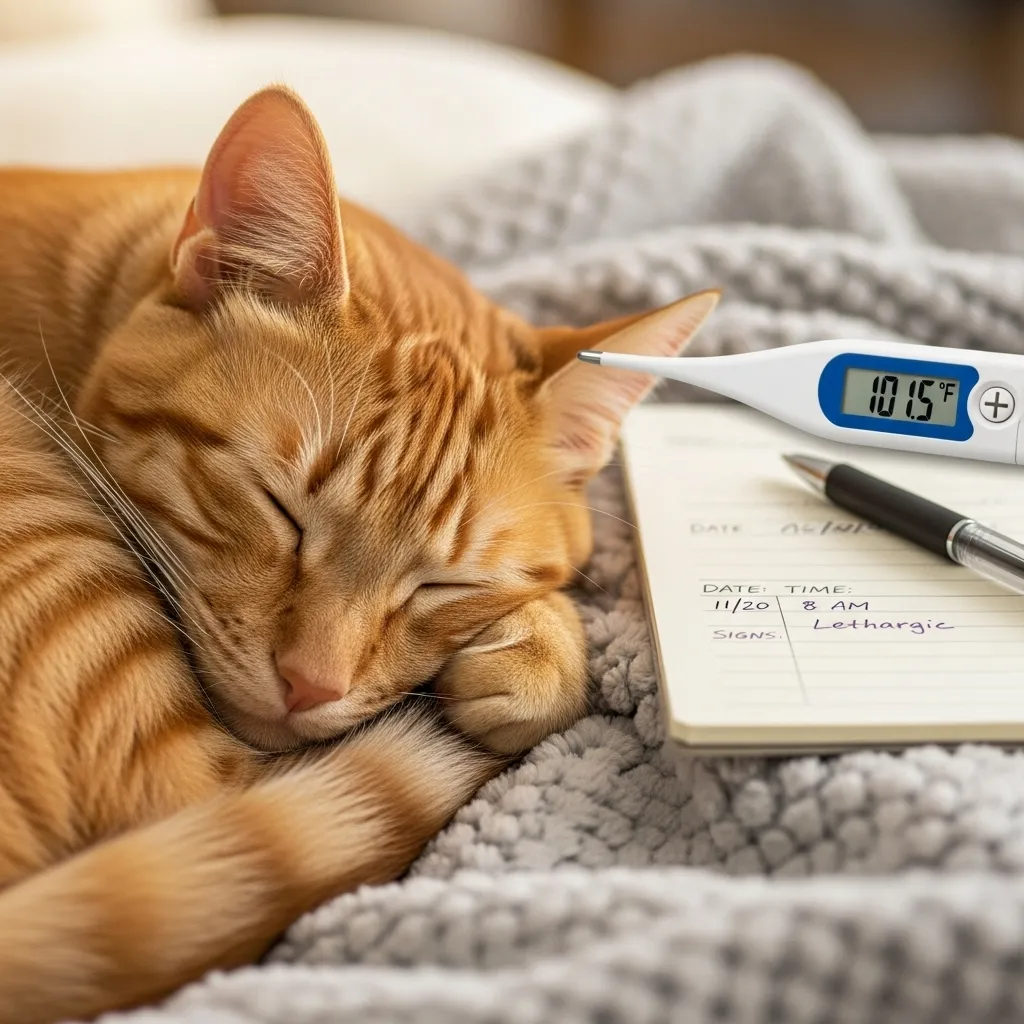
- Increased Sleep: Cat sleeping more than usual (beyond 16 hours) often ties to lethargy in cats from infections, anemia, or cat diabetes.
- Reduced Grooming: Sick cats skip self-care, leading to matted fur or dull coats.
- Appetite Drop: Refusing food or water for 24 hours is a vet-worthy cat health sign (see cat not eating guide).
- Irritability: Pain makes cats hiss or swat when touched, especially in cat pain sleeping positions.
Pro Tip: Keep a journal of monitoring cat sleep patterns—note sleep hours, locations, and behaviors. This helps vets pinpoint issues faster.
When to Take a Sick Cat to the Vet
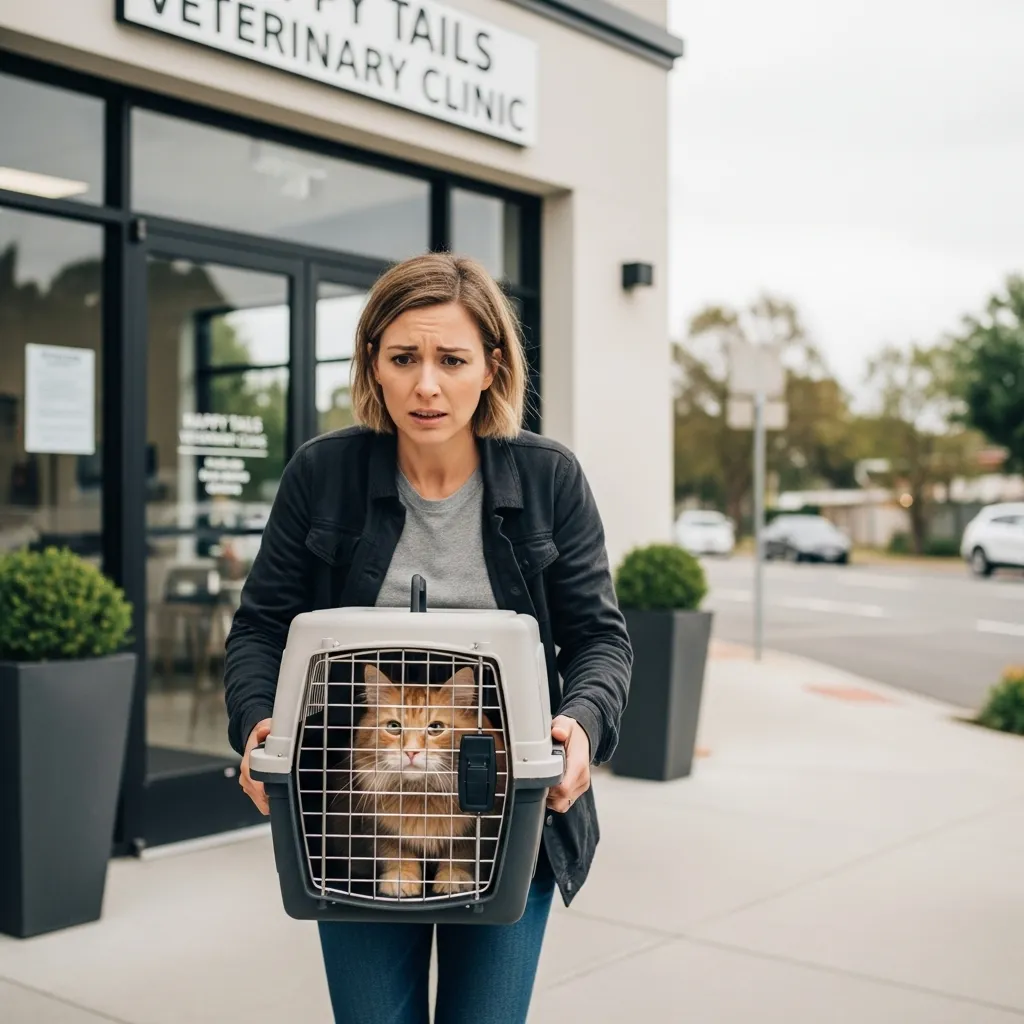
Knowing when to take a sick cat to the vet can save lives. A 2025 Veterinary Journal study stresses that 80% of feline illnesses are treatable if caught early. Rush to the vet if you see:
- Persistent Changes: Unusual cat sleeping positions or hiding for 48+ hours.
- Critical Symptoms: No eating/drinking for 24 hours, vomiting, diarrhea, or breathing issues.
- Pain Signs: Squinting, vocalizing when touched, or cat curled up tightly meaning pain.
- Emergency Flags: Seizures, collapse, or blood in urine/stool (see cat urinary health).
For non-emergencies, our vet visit schedule guide helps plan checkups.
Creating a Comfortable Space for a Sick Cat
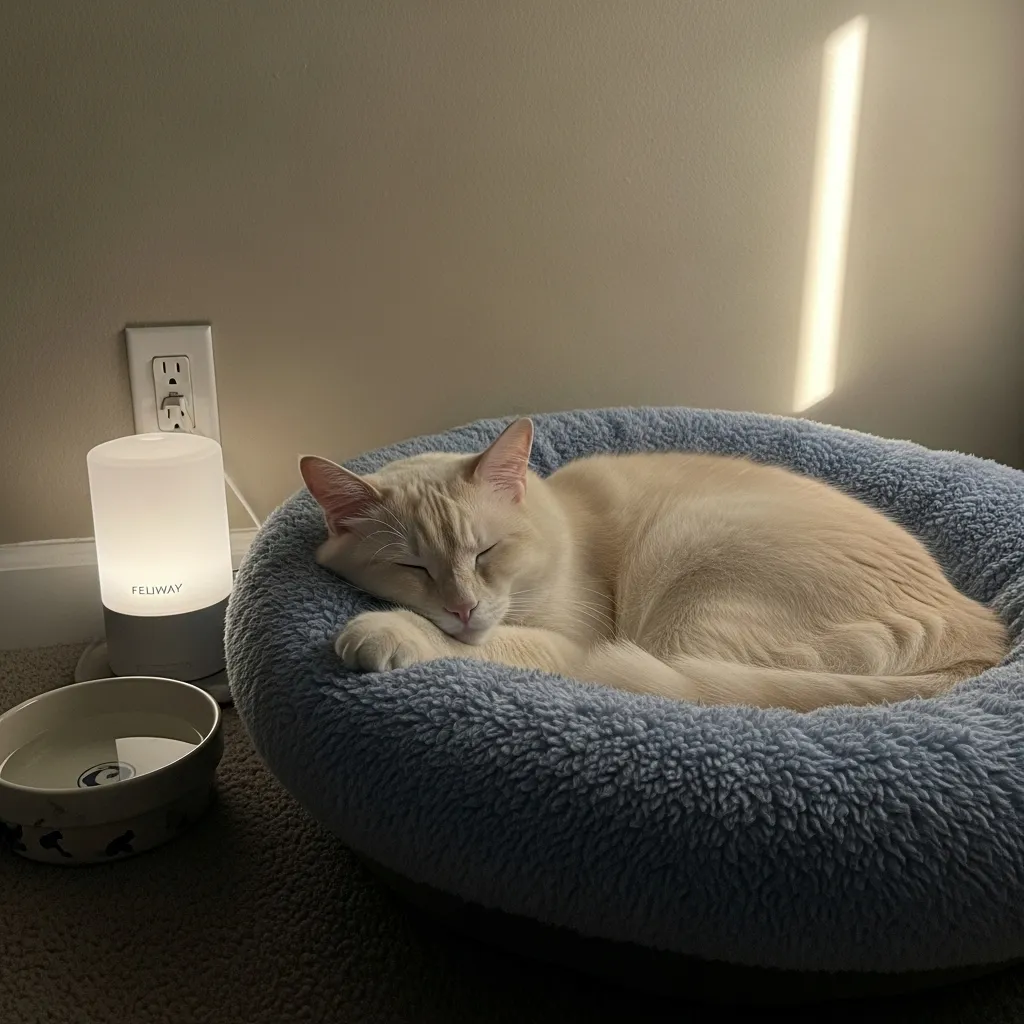
A comfortable space for sick cat boosts recovery. My Ragdoll thrived in a cozy nook during a respiratory infection (see Ragdoll cat care guide). Here’s how to set it up:
- Soft Bedding: Use washable, padded beds like those in our best beds for cats. Place in a quiet, warm spot.
- Safe Zone: Avoid noisy areas; a spare room or corner works. Add a familiar blanket for scent comfort.
- Easy Access: Ensure food, water, and litter are nearby, especially for cats with mobility issues (see Munchkin cat care tips).
- Warmth: Provide a heating pad (low setting) for cat thermoregulation illness—cats with fevers need stable warmth.
- Calming Aids: Use Feliway diffusers or calming treats to reduce stress (explore cat stress signs).
Real Example: My Norwegian Forest Cat recovered faster from a cold in a plush bed near a sunny window, with water close by (see Norwegian Forest cat care).
Monitoring Cat Sleep Patterns for Long-Term Health
Ongoing monitoring cat sleep patterns catches relapses early. Use these tips:
- Track Baseline: Note your cat’s normal cat sleeping habits (hours, spots, positions) when healthy.
- Daily Checks: Watch for cat behavior changes like new hiding spots or cat sleeping more than usual.
- Tech Tools: Use pet cameras or apps to log sleep time, especially for seniors (see senior Bengal cat care).
- Vet Updates: Share sleep logs during checkups for tailored veterinary care for cats.
FAQ: Quick Answers to Common Questions
What typical cat sleeping positions might indicate illness?
Curled-up balls, loaf/meatloaf positions, or hiding to sleep can signal pain, fever, or stress. Check for other feline illness symptoms like appetite loss.
How can I differentiate between normal and alarming cat sleep behaviors?
Normal: Relaxed stretching, sunny spots, 12–16 hours sleep. Alarming: Cat sleeping more than usual (20+ hours), hiding, or cat loaf position illness with squinting.
Why does my cat curl up into a ball to sleep, and should I be worried?
Cat curled up tightly meaning illness could indicate fever or pain, especially if paired with lethargy in cats. Monitor for 24 hours; vet if persistent.
When should I be concerned about the loaf or meatloaf position?
If loafing lasts over 24 hours with cat behavior changes like no movement or eating, it’s a cat health sign needing vet attention.
What does it mean if my cat changes sleeping location when sick?
Why is my cat hiding to sleep? It’s a pain or stress response. Check for feline illness symptoms and ensure a comfortable space for sick cat.
How can I make my home more comfortable for my sick cat?
Use soft beds, quiet zones, and easy-access litter/food. Add warmth for cat thermoregulation illness (see cat health care).
When is it time to take my cat to the vet based on sleep behaviors?
If unusual cat sleeping positions or cat sleeping more than usual persist 48 hours with symptoms like no appetite, visit the vet (see vet guide).
What are red flags in a sick cat’s sleeping patterns?
Hiding, excessive sleep (20+ hours), cat pain sleeping positions, or no grooming/eating signal signs of illness in cats needing urgent care.
Conclusion: Take Action to Protect Your Cat’s Health
Decoding cat sleeping positions when sick is like reading your feline’s secret diary—it reveals cat health signs that demand action. From cat loaf position illness to why is my cat hiding to sleep, every shift offers clues. By spotting sick cat sleeping behavior, creating a comfortable space for sick cat, and knowing when to take a sick cat to the vet, you’re empowering yourself to keep your kitty thriving. Start with a cozy recovery nook, monitor cat sleeping habits, and don’t hesitate to call your vet for persistent feline illness symptoms.
Ready for more feline wisdom? Explore our expert guides on cat health care or cat behavior training at Cat Bloom Haven. Share your cat’s story in the comments—we’re here for every whisker and woe!