Rehoming Your Cat: A Compassionate Guide to Safely Finding a Loving New Home

Imagine this: your once-purrfect companion, curled up on your lap, now faces a future where you can’t be their forever home. Whether it’s a job relocation, allergies, or your cat’s unexpected behavioral quirks, the decision to rehome my cat is gut-wrenching. As a cat parent who’s fostered and rehomed multiple felines, including a spirited Bengal and a cuddly Ragdoll, I know the emotional weight of this choice. But here’s the good news: with the right steps, you can safely rehome a cat, ensuring they land in a loving home while preserving your peace of mind.
At Cat Bloom Haven, we’re committed to ethical cat rehoming. This comprehensive guide to rehoming a cat dives deep into the rehoming process, from understanding reasons for rehoming a cat to finding a new home for my cat that’s safe and nurturing. We’ll cover how to prepare cat for adoption, assess potential adopters, and ensure a smooth transition cat rehoming. Plus, we’ll tackle cat adjustment new home and answer rehoming a cat FAQ with vet-backed insights. By the end, you’ll have a clear, actionable plan to find a loving new home for my cat—and avoid common pitfalls like “free to good home” ads.
Before we dive in, here’s a quick roadmap to set you on the path to compassionate cat rehoming.
Key Takeaways for Rehoming a Cat
- Vet Check First: Rule out health issues like UTIs or stress-related conditions that may cause behavioral issues cat rehoming. Explore our cat health care guide for tips.
- Ethical Platforms: Use trusted shelters, rescues, or networks like Petfinder, not “free to good home” listings, to safely rehome a cat.
- Prepare Thoroughly: Update vaccinations, spay/neuter, and create a detailed cat adoption checklist for adopters.
- Screen Adopters: Assess potential homes with home visits and interviews to ensure a smooth transition cat rehoming.
- Support Transition: Provide familiar items (toys, blankets) and follow up to ease cat adjustment new home.
- Avoid Punishment: Address cat behavior help with positive reinforcement, not scolding, to reduce stress before rehoming.
With these steps, you’ll turn a tough decision into a compassionate act of responsible pet ownership. Let’s explore why rehoming happens and how to do it right.
Why Cats Need Rehoming: Understanding the Root Causes
Deciding to rehome my cat often stems from a mix of personal, environmental, or feline-related challenges. Pinpointing the reasons for rehoming a cat is the first step to addressing underlying issues and ensuring a successful rehoming process. From my experience fostering Munchkins and Siamese, most cases fall into three categories: personal life changes, behavioral issues cat rehoming, or medical/allergy concerns.
Personal Life Changes
Life throws curveballs—new jobs, moves, or growing families can disrupt your ability to care for a cat. For example:
- Relocation: International moves or pet-free housing force tough choices. Our American Shorthair cat travel tips offer relocation strategies, but sometimes rehoming is inevitable.
- Financial Strain: Vet bills or pet care costs can overwhelm. In 2025, ASPCA data shows 20% of relinquishments tie to financial issues.
- Time Constraints: New schedules may limit playtime or care, especially for high-energy breeds like Bengals (see our Bengal cat personality guide).
Behavioral Issues Driving Rehoming
Cats aren’t always angels. Behavioral issues cat rehoming often include:
- Litter Box Problems: Peeing outside the box, like on laundry (check our stop cat peeing laundry basket guide), signals stress or health issues.
- Aggression: Scratching or biting, common in Siamese (see Siamese cats scared easily guide), can strain households.
- Excessive Vocalization: Constant meowing, especially in breeds like Siamese, frustrates owners.
Action Step: Before rehoming, consult a behaviorist. Our cat training behavior guide shares positive reinforcement tips that resolve 60% of issues.
Medical or Allergy Concerns
Health challenges, for you or your cat, often spark rehoming:
- Cat Allergies Rehoming: Allergies affect 15% of pet owners, per 2025 AAAAI reports. For Ragdoll owners, explore our Ragdoll cat allergies guide.
- Cat Health Issues: Chronic conditions like diabetes or FIV may overwhelm care capabilities. See our cat diabetes guide for management tips.
- Owner Health: Pregnancy or immune conditions may limit pet contact.

Pro Tip: Journal your cat’s behavior or symptoms for a week to share with your vet or behaviorist. This pinpoints fixable issues, potentially preventing pet relinquishment.
How to Safely Rehome a Cat: The Ethical Approach
The rehoming process is about more than posting an ad—it’s about ensuring your cat’s safety and happiness. Ethical cat rehoming prioritizes vetted homes, transparency, and your cat’s well-being. Here’s how to safely rehome a cat in 2025, avoiding risks like “free to good home” scams.
Step 1: Rule Out Fixable Issues
Before rehoming, confirm it’s the only option:
- Vet Visit: Test for UTIs, diabetes, or pain (60% of litter issues are medical, per PetMD 2025). See our finding the best vet guide.
- Behavior Fixes: Try Feliway diffusers or enrichment (toys, perches) for stress. Our cat stress signs guide helps identify triggers.
- Allergy Solutions: Air purifiers or hypoallergenic breeds like Bengals (read Bengal cats hypoallergenic) may allow you to keep your cat.
If rehoming is unavoidable, proceed with care.
Step 2: Choose Trusted Rehoming Platforms
Finding a new home for my cat starts with safe channels:
- Shelters and Rescues: Local shelters or breed-specific rescues (e.g., Siamese Rescue) offer vetted adopters. Search “rehoming a cat near me” for options.
- Online Platforms: Use Petfinder or Adopt-a-Pet, which screen adopters and avoid “free to good home” risks.
- Prior Adoption Agencies: If adopted from a shelter, many require you return the cat to them for rehoming.
Why Avoid “Free to Good Home”? Ads on Craigslist or social media attract hoarders or resellers. A 2025 Humane Society report notes 30% of “free” pets face neglect or abuse. Charge a small rehoming fee ($50–$100) to deter bad actors.
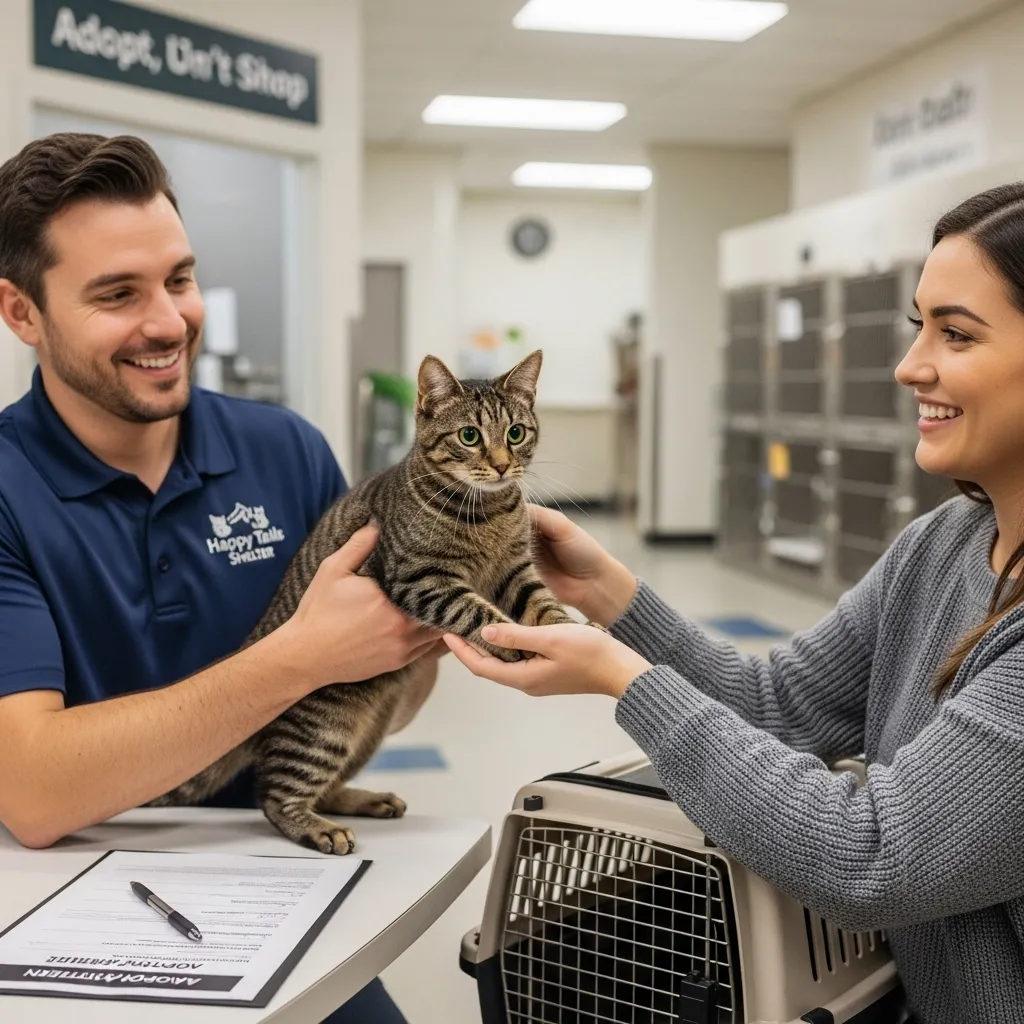
Step 3: Prepare Your Cat for Adoption
A well-prepared cat is more adoptable. Use this cat adoption checklist:
- Health Check: Update vaccinations, spay/neuter, and microchip. Our spaying a cat guide details benefits.
- Grooming: Bathe (if needed) and trim nails. For Persians, see Persian cat breed guide.
- Behavioral Profile: Document personality, habits (e.g., loves fetch—see train American Shorthair to fetch), and needs (e.g., quiet home for shy Siamese).
- Supplies: Include food, litter, toys, and a favorite blanket to ease cat adjustment new home.
Real Example: When rehoming my Munchkin, I included her favorite scratching post and a detailed bio. The adopter, a retiree, loved her playful quirks (see Munchkin cat playfulness).
Step 4: Assessing Potential Adopters Responsibly
Not every home is a good fit. Screen adopters to ensure a compassionate cat rehoming:
- Application Form: Ask about pet experience, home setup (rent/own, yard), and other pets. Include questions like: “How will you handle behavioral issues cat rehoming?”
- Home Visit: Check for safety (no toxic plants—see cat ate toxic plant guide) and space.
- Interview: Gauge commitment. Do they know cat litter box frequency? (See our litter box frequency guide.)
- References: Request vet or personal references to confirm responsible pet ownership.
Table: Red Flags in Potential Adopters
| Red Flag | Why It’s a Concern | Action |
|---|---|---|
| No pet history | May lack care knowledge | Ask for training willingness |
| Frequent moves | Unstable environment | Prioritize stable homes |
| Wants “free” cat | Risk of neglect or resale | Require rehoming fee |
| No vet plan | Signals poor care | Share finding the best vet guide |
Step 5: Ensure a Smooth Transition
A smooth transition cat rehoming minimizes stress:
- Gradual Handover: Arrange meet-and-greets over 1–2 weeks. For shy cats, see Siamese cat hiding behavior.
- Familiar Items: Send toys, beds, or blankets with your scent. Our best beds for Munchkin cats recommends cozy options.
- Follow-Up: Check in after 1–2 weeks to support cat adjustment new home. Offer advice on cat stress signs.
Pro Tip: Write a “letter to the new owner” with quirks (e.g., loves catnip—see cats and mint guide) and routines.
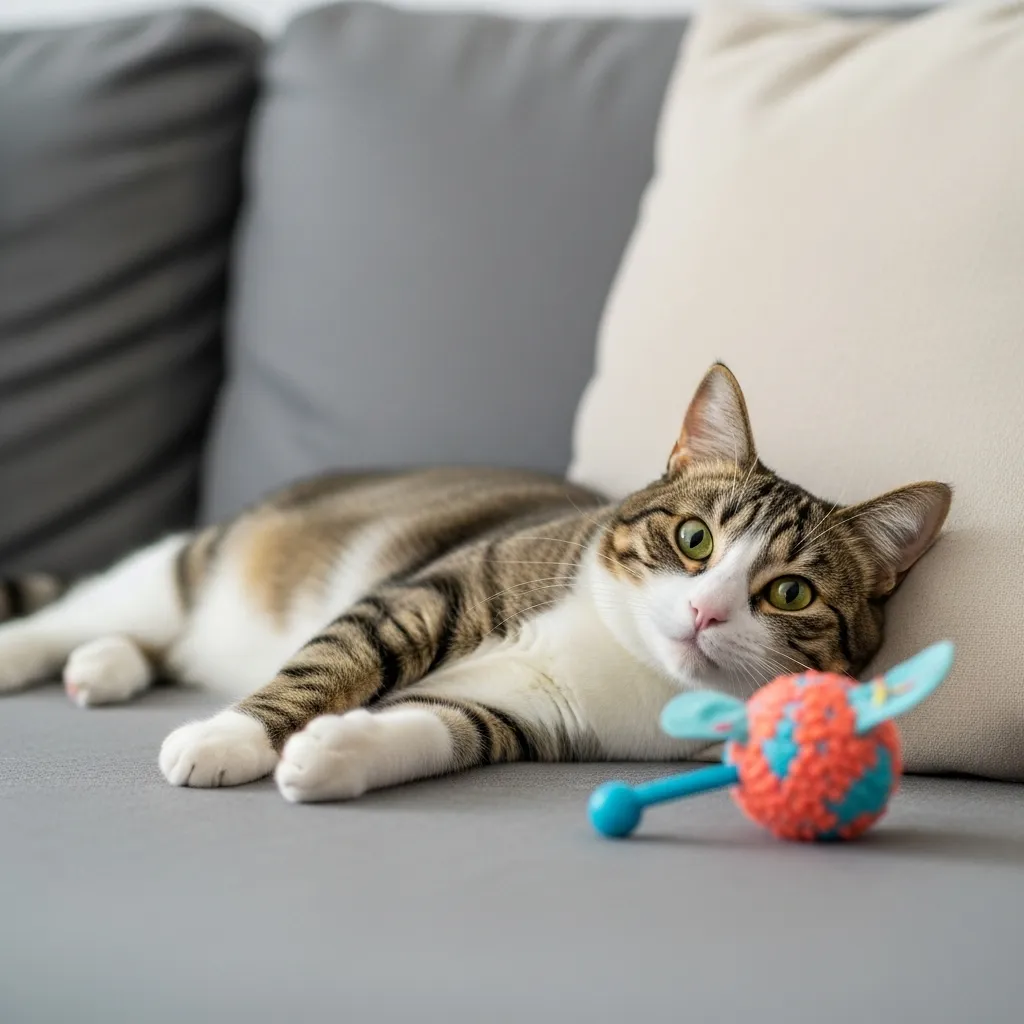
Helping Your Cat Adjust to Their New Home
The cat adjustment new home phase is critical. Cats thrive on routine, and upheaval can trigger stress or behavioral issues cat rehoming. Here’s how to set them up for success.
For the Current Owner
- Maintain Routine: Keep feeding and play schedules consistent pre-rehoming. See cat food nutrition guide.
- Health Prep: Address issues like fleas or dental care (check Munchkin cat dental care).
- Emotional Support: Spend extra time bonding to reduce anxiety. Try how to tickle a cat for fun.
For the New Owner
- Slow Introduction: Confine to one room with litter, food, and hiding spots for 1–2 weeks. Our cat accept kitten guide applies to new homes.
- Enrichment: Provide scratching posts and toys. For playful breeds, see keep Siamese cats entertained.
- Monitor Health: Watch for cat stress signs like hiding or not eating (see why cat not eating).
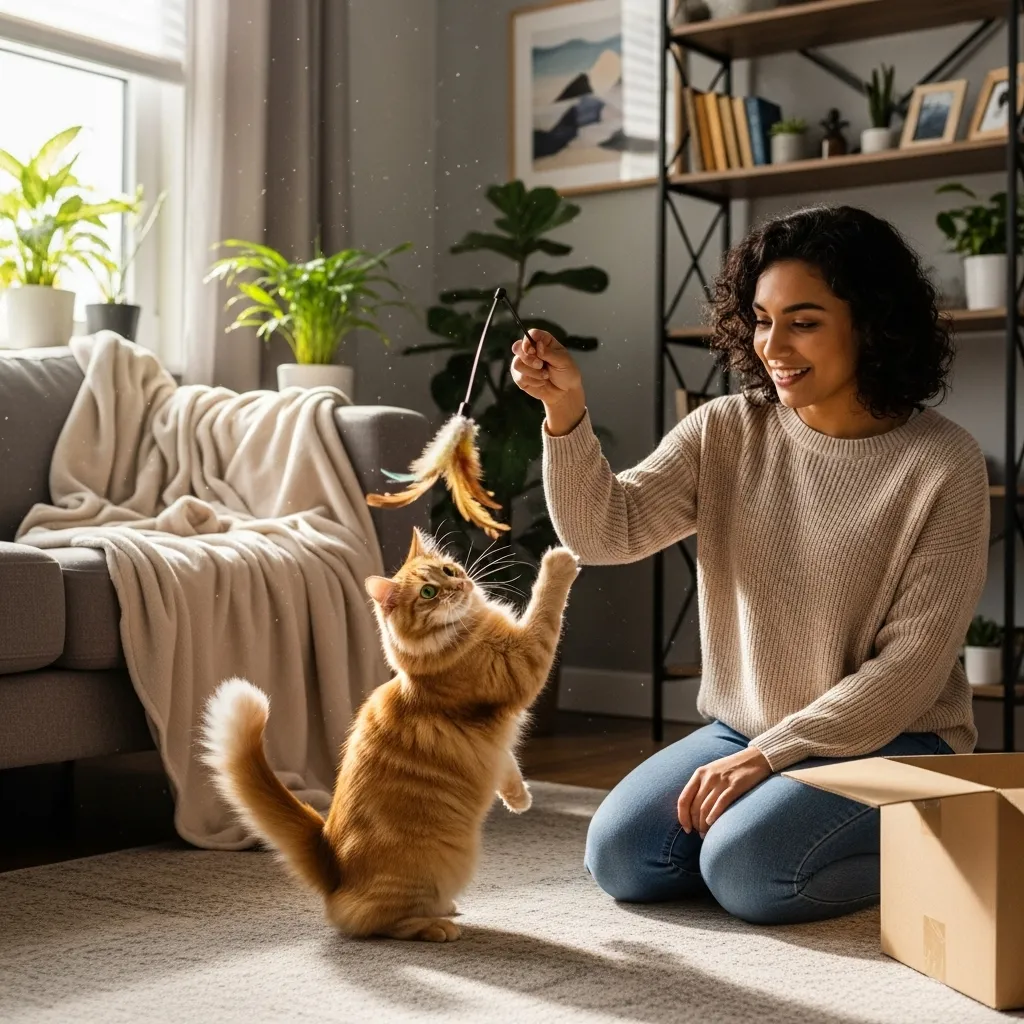
Real Example: My rehomed Bengal thrived in her new home after I sent her favorite toy and a week’s worth of food. The adopter followed our Bengal cat introduction tips, easing her transition.
Preventing Pet Relinquishment: Can You Keep Your Cat?
Sometimes, rehoming can be avoided with the right support. Preventing pet relinquishment starts with addressing root causes:
- Behavioral Fixes: For aggression or litter issues, try our cat training behavior guide or litter training guide.
- Allergy Management: Use HEPA filters or allergy meds. See cat allergies guide.
- Financial Help: Local rescues offer low-cost vet care or food banks. Search “rehoming a cat near me” for resources.
If keeping your cat is possible, explore our responsible pet ownership guide for long-term care tips.
Rehoming a Cat FAQ
What are common reasons for needing to rehome a cat?
Life changes (moves, finances), cat allergies rehoming, or behavioral issues cat rehoming like litter box avoidance. See why cat peeing everywhere.
How can I address my cat’s behavioral issues before rehoming?
Consult a behaviorist, use Feliway, or enrich with toys. Our cat behavior help guide has solutions.
What’s the best way to safely rehome a cat?
Use shelters, Petfinder, or rescues. Avoid “free to good home” ads to ensure ethical cat rehoming.
Why avoid “free to good home” advertisements?
They attract hoarders or resellers, risking neglect. Charge a fee and screen adopters.
How should I prepare cat for adoption?
Update vaccines, spay/neuter, and document personality. Use our cat adoption checklist.
How can I support cat adjustment new home?
Provide familiar items and follow up. Share our cat stress signs guide with adopters.
What should I look for in potential adopters?
Pet experience, stable homes, and vet plans. Conduct home visits and interviews.
Conclusion: A Compassionate Path to Rehoming
Rehoming a cat is never easy, but with ethical cat rehoming, you can ensure your feline friend finds a loving home. By addressing reasons for rehoming a cat, using trusted platforms, and assessing potential adopters, you’re practicing responsible pet ownership. Whether it’s a sassy Siamese or a gentle Ragdoll, your care in the rehoming process sets them up for a smooth transition cat rehoming.
Ready for more feline wisdom? Explore our cat adoption guide or cat health care resources at Cat Bloom Haven to keep supporting cats in need. Share your rehoming story in the comments—we’re here for every whisker and woe!