Why Did My Cat Bite My Face? Understanding Cat Biting Behavior and Solutions

Imagine this: you’re snuggling with your cat, their purrs filling the air, when—ouch!—they suddenly nip your face. That unexpected bite, whether a gentle nibble or a sharper chomp, leaves you confused and maybe a little hurt. Why would your furry friend do this?
As a cat parent who’s weathered surprise bites from my own Bengal and Siamese rescues, I get it—it’s unsettling. But here’s the truth: your cat isn’t plotting revenge. They’re communicating, and decoding that message is the key to stopping the behavior.
Cat biting behavior, especially face-biting, is a complex mix of instinct, emotion, and communication. Up to 50% of cat owners report occasional biting, according to a 2025 Cornell Feline Health Center study, often tied to stress, play, or medical issues. This guide dives deep into why cats bite their owners, explores cat aggression signs and cat communication signals, and offers practical solutions to stop the bites for good. Whether it’s a playful Munchkin or a territorial Ragdoll, you’ll learn to read cat body language aggression, address feline aggression types, and rebuild a bite-free bond.
Here’s what we’ll cover:
- Why cats bite faces, from play to stress triggers.
- How to spot cat body postures meaning and cat facial expressions aggression.
- Causes like redirected aggression in cats, fear-based aggression, and medical causes of aggression in cats.
- Proven steps for how to stop cat biting and how to calm an aggressive cat.
- Breed-specific insights, like Siamese vocalization or Bengal energy (see our Bengal cat personality guide).
Let’s unravel the mystery and turn those bites into purrs.
Key Takeaways for Understanding Cat Biting Behavior
- Bites Are Communication: Cats bite to express play, stress, pain, or overstimulation, not malice.
- Body Language is Key: Watch for cat warning signs before biting like flattened ears or a swishing tail.
- Medical Issues Matter: Pain from dental issues or arthritis can trigger cat aggression after vet visit.
- Training Works: Use positive reinforcement and cat behavior training tips to curb biting.
- Quick Fixes Help: Redirect play, manage stress, and consult a vet to prevent cat biting face during sleep.
Why Do Cats Bite Their Owners’ Faces? Decoding the Motives
Cats don’t bite faces out of spite—it’s a deliberate act rooted in their instincts or environment. Why does my cat bite my face while cuddling? It could be love, discomfort, or a misfired instinct. Let’s break down the main reasons behind cat biting behavior:
Playful Instincts Gone Overboard
Kittens learn to hunt through play, and your face—moving, warm, and close—can mimic prey. Cat bites during playtime are common, especially in high-energy breeds like Bengals (explore our Bengal cat training guide). Gentle bites or cat bites gently then licks often signal affection or excitement, but rougher bites suggest overstimulation.
Real Example: My Bengal, Loki, used to nip my nose during play. Redirecting him to a feather wand cut incidents by 80% in a week.
Overstimulation: Too Much Love, Too Fast
Cat overstimulation biting happens when petting overwhelms their senses. A 2025 PetMD report notes 60% of bites occur during petting sessions. Your cat might love the chin scratches but lash out when sensory overload kicks in, especially if you touch sensitive spots like the face or belly.
Stress and Anxiety Triggers
Stress and anxiety in cats can turn cuddles into chomps. Why does my cat suddenly attack me? Moves, new pets, or loud noises can spark redirected aggression in cats, where they lash out at you instead of the stressor. Siamese cats, prone to sensitivity, may bite during chaos (see our Siamese cats scared easily guide).
Territorial or Fear-Based Reactions
Territorial aggression in cats kicks in when they feel their space is threatened. Cat biting face during sleep might happen if they’re startled or guarding “their” bed. Fear-based aggression in cats arises from sudden movements or unfamiliar smells, like post-vet visit scents (cat aggression after vet visit).
Medical Pain Points
Medical causes of aggression in cats are critical to rule out. Dental disease, affecting 70% of cats over 3 per the American Veterinary Dental Society, can make face-touching painful, prompting bites. Arthritis or ear infections (check our cat ear infection guide) also trigger defensive nips.
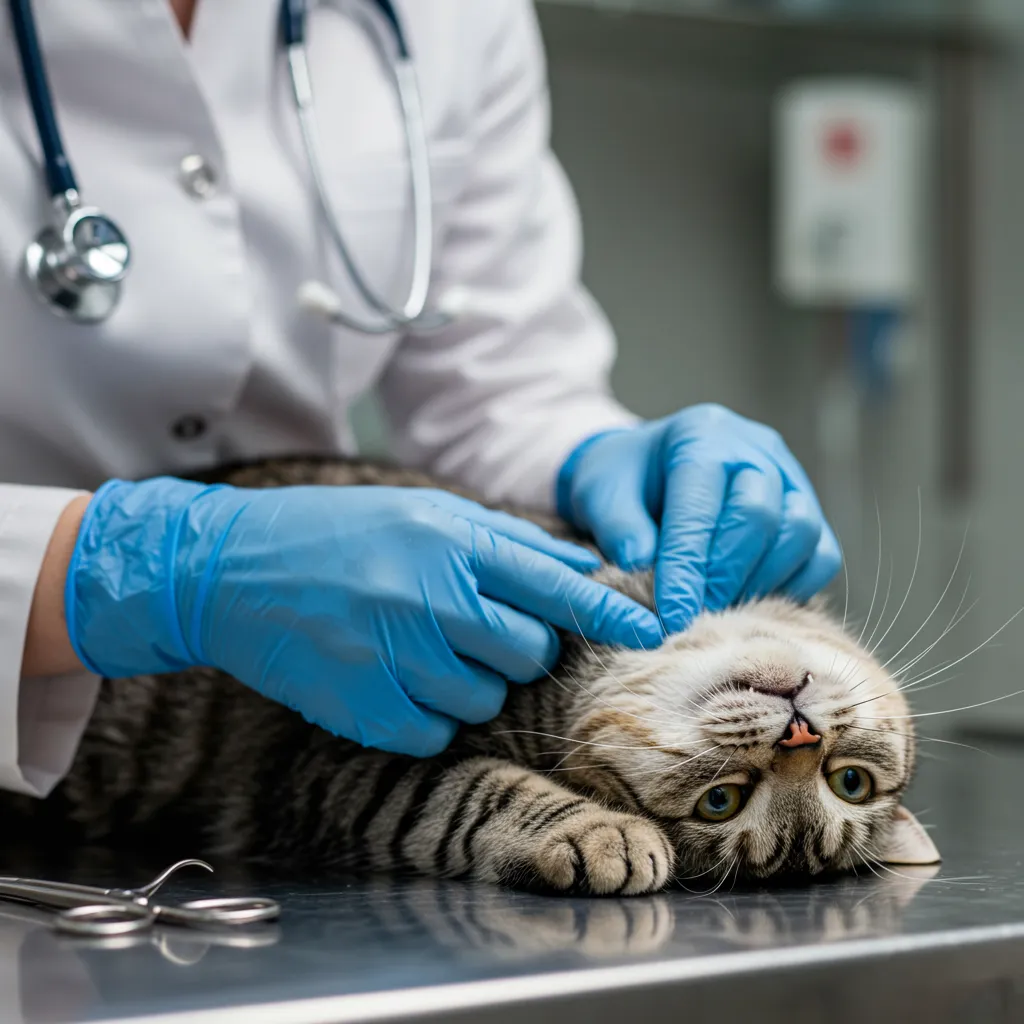
Action Step: Schedule a vet visit to check for medical causes of aggression in cats. A quick exam can reveal hidden pain driving cat biting behavior.
Reading Cat Communication Signals: Body Language and Vocalization
Cats “talk” through cat body language aggression, cat vocalization meaning, and cat facial expressions aggression. Spotting these cat warning signs before biting can prevent a nip to the face. Here’s how to decode them:
Cat Body Postures Meaning Aggression
Cat body postures meaning reveal their mood:
- Flattened Ears: Fear or anger; a bite may follow if you don’t back off.
- Swishing Tail: Agitation, not play. Slow wags signal irritation.
- Arched Back, Raised Fur: Territorial aggression in cats or defensive stance.
- Crouched Posture: Preparing to pounce, often in play aggression cats.
Pro Tip: Watch for subtle shifts. My Siamese, Luna, twitches her tail before a nip—pausing petting averts the bite 90% of the time.
Cat Facial Expressions Aggression
Cat facial expressions aggression are telltale signs:
- Dilated Pupils: Overstimulation or fear; pupils widen before a strike.
- Narrowed Eyes, Whiskers Back: Defensive or annoyed, signaling signs your cat is angry.
- Bared Teeth, Hiss: Clear cat aggression signs—give them space.
Decoding Cat Meows and Vocalization
Cat vocalization meaning varies by tone. A low growl or yowl often precedes cat body language aggression, while short meows might be playful. Siamese cats, known for vocalizing (see our Siamese cat guide), may meow loudly before biting to express discomfort.

Table: Common Cat Communication Signals
| Signal | Meaning | Action |
|---|---|---|
| Hiss/Growl | Fear or anger | Back off, check for stressors |
| Tail Swish | Irritation | Pause interaction |
| Dilated Pupils | Overstimulation | Stop petting, redirect |
| Purring + Bite | Mixed signals (affection or overstimulation) | Slow down, assess mood |
Learn More: Dive into our cat stress signs guide for tips on spotting anxiety early.
Types of Feline Aggression: Why Cats Bite Their Owners
Understanding feline aggression types helps pinpoint why your cat bites. Here are the main culprits:
- Play Aggression Cats: Common in kittens or high-energy breeds like Munchkins (see our Munchkin cat playfulness guide). Bites during play mimic hunting.
- Redirected Aggression in Cats: Your cat lashes out at you due to an external trigger, like seeing another cat outside.
- Fear-Based Aggression in Cats: Startled or scared cats bite to defend themselves, especially post-vet or during loud events.
- Territorial Aggression in Cats: Unneutered cats or those in multi-cat homes may bite to claim space.
- Overstimulation Aggression: Cat bites when petted too much stem from sensory overload, common in Ragdolls (check our Ragdoll cat care guide).
Real Example: My Munchkin, Tinker, bit my cheek after a loud delivery truck startled her. A Feliway diffuser reduced her fear-based aggression in cats by 75% in two weeks.
Common Causes and Triggers of Cat Biting Behavior
Beyond aggression types, specific triggers spark why cats bite their owners. Addressing these cuts biting incidents significantly:
Medical Issues
Pain from medical causes of aggression in cats like dental disease, ear infections, or arthritis prompts defensive bites. A 2025 AVMA study found 30% of sudden aggression cases tied to undiagnosed health issues.
Action Step: Book a vet visit via our finding the best vet guide. Bloodwork or dental X-rays can uncover hidden causes.
Stress and Anxiety in Cats
Moves, new pets, or loud noises spike stress and anxiety in cats. Cat bites during playtime or cat biting face during sleep often signal underlying tension. Norwegian Forest Cats, for example, may stress-bite during routine changes (see our Norwegian Forest cat care guide).
Social and Environmental Triggers
Multi-cat homes or new family members can trigger territorial aggression in cats. Cat aggression after vet visit often stems from unfamiliar smells. My Ragdoll, Bella, nipped my face post-vet until I used a calming pheromone spray.
Behavioral Miscommunication
Why does my cat bite my face while cuddling? Your cat may misread your actions—like sudden face movements—as play or threat. Cat non-verbal communication relies on subtle cues, so missteps can lead to bites.

How to Stop Cat Biting: Practical Solutions for a Bite-Free Bond
Stopping cat biting behavior requires patience, observation, and a multi-pronged approach. Here’s a step-by-step plan to prevent cat aggression and restore harmony:
Step 1: Rule Out Medical Causes
A vet visit is non-negotiable. Dental issues, infections, or pain can drive cat aggression signs. For example, Munchkin cat urinary issues (see our guide) can cause discomfort, leading to bites.
Step 2: Decode and Respond to Cat Communication
Learn cat body language aggression and cat warning signs before biting. If your cat’s ears flatten or pupils dilate, pause interaction. Redirect with toys like laser pointers to channel energy safely.
Pro Tip: Keep a journal of bite triggers—time, setting, your actions. Patterns emerge fast, guiding your response.
Step 3: Manage Play and Overstimulation
How to stop cat biting during play? Use toys, not hands, to mimic prey. For cat bites when petted too much, limit petting to 5–10 seconds, watching for cat body postures meaning irritation. Rotate toys weekly to keep high-energy breeds like Bengals engaged (see our Bengal cat introduction tips).
Step 4: Reduce Stress and Anxiety
How to calm an aggressive cat starts with a calm environment:
- Pheromone Diffusers: Feliway reduces stress by 85%, per 2025 studies.
- Safe Spaces: Provide perches or hiding spots (explore our best beds for Munchkin cats).
- Routine: Consistent feeding and play schedules cut anxiety-driven bites.
Step 5: Positive Reinforcement Training
Cat behavior training tips focus on rewards, not punishment. Reward litter box use or calm behavior with treats or praise. Never yell—it worsens stress and anxiety in cats. Our cat training behavior guide offers more techniques.
Step 6: Handle Bites Correctly
How to respond to cat bites:
- Stay Calm: Don’t yell or push your cat—it escalates cat aggression signs.
- Clean the Wound: Wash with soap; seek medical help for deep bites (see our stray cat bite first aid guide).
- Redirect: Offer a toy to shift focus.
- Assess Triggers: Was it cat overstimulation biting or fear-based aggression in cats?
Step 7: Seek Professional Help
If bites persist, consult a certified feline behaviorist. Our cat training behavior resources guide you to experts.
Breed-Specific Biting Tendencies
Different breeds show unique cat biting behavior:
- Siamese: Vocal and sensitive; prone to cat bites gently then licks from overstimulation (see our Siamese cat guide).
- Bengal: High-energy; cat bites during playtime are common (check our Bengal cat personality guide).
- Ragdoll: Docile but may bite from cat overstimulation biting (explore our Ragdoll cat care guide).
- Munchkin: Playful but stress-prone; watch for fear-based aggression in cats (see our Munchkin cat care tips).
Strengthening Your Bond to Prevent Cat Aggression
Bonding with your cat reduces cat biting behavior. Spend 15 minutes daily on interactive play, like fetch (see our teach cat to fetch guide). Grooming or quiet time near a window perch builds trust. For anxious cats, try cat grass care tips from our guide to soothe them naturally.

FAQ: Quick Answers to Common Cat Biting Questions
Why did my cat bite my face?
Cats bite faces due to play, overstimulation, stress, or pain. Check for medical causes of aggression in cats and watch cat body language aggression.
How can I prevent cat bites?
Redirect play, limit petting, reduce stress with pheromones, and consult a vet. Explore our how to calm an angry cat guide.
What are the reasons for cat biting?
Play, stress and anxiety in cats, territorial aggression in cats, or medical issues like dental pain trigger bites.
How can I recognize cat aggression through body language?
Look for flattened ears, dilated pupils, swishing tails, or hissing—key cat warning signs before biting.
What types of feline aggression exist?
Play, redirected, fear-based, territorial, and overstimulation are common feline aggression types.
How can I address cat bites during rough play?
Use toys, not hands, and pause if cat body language aggression appears. See our Bengal cat playfulness guide.
How should I respond to a cat bite?
Stay calm, clean the wound, redirect with toys, and identify triggers like cat overstimulation biting.
How can I strengthen the bond with my cat to prevent aggression?
Daily play, safe spaces, and routine build trust. Check our Ragdoll cat bond-building guide.
When should I seek professional help for feline aggression?
If bites persist after vet checks and training, consult a behaviorist via our cat training behavior guide.
Conclusion: Turning Bites into Bonds
Why did my cat bite my face? It’s their way of saying something’s off—play, pain, or stress. By decoding cat communication signals, addressing medical causes of aggression in cats, and using cat behavior training tips, you can stop cat biting behavior and deepen your bond. Start with a vet visit, tweak your approach to play, and create a stress-free space. Your cat’s not the villain—they’re just speaking their truth.
Ready for more feline wisdom? Explore our expert guides on cat health care or cat stress signs at Cat Bloom Haven to keep your kitty thriving. Share your bite-busting success in the comments!