Stray Cat Bite First Aid: What to Do If a Stray Cat Bites You
Imagine you’re out for a walk, spotting a scruffy stray cat that seems friendly enough. You reach out to pet it, and suddenly—ouch! A sharp bite breaks the skin. It’s a scenario more common than you might think, especially in neighborhoods with feral or street cats.
As a cat enthusiast and veterinary consultant with over 15 years in animal care, I’ve seen countless cases where a simple stray cat bite turns into a serious health concern if not handled right. But don’t panic. In this comprehensive guide, we’ll cover everything from immediate stray cat bite first aid to long-term prevention, ensuring you’re equipped to handle “what to do if a stray cat bites you” without unnecessary stress.
Whether you’re dealing with potential stray cat bite infection, cat bite rabies risk, or just wondering about tetanus after cat bite, this article promises practical, expert-backed advice. You’ll learn step-by-step stray cat bite treatment, when to seek cat bite medical attention, and tips on avoiding these incidents altogether. By the end, you’ll feel confident and informed, ready to protect yourself and even help those wandering felines safely.
Key Takeaways
- Act Fast: Wash the wound immediately with soap and water to reduce infection risk by up to 50%.
- Monitor for Infection: Look for symptoms like redness, swelling, or pus—cat bites infect about 50% of the time due to bacteria in their mouths.
- Rabies Alert: Stray cats pose a low but real cat bite rabies risk; seek post-exposure rabies vaccination if the cat’s status is unknown.
- Tetanus Check: Get a tetanus shot if it’s been over five years since your last one, especially for deep or dirty wounds.
- When to See a Doctor: Head to urgent care if swelling worsens or you develop fever—don’t wait more than eight hours for deep bites.
- Prevention Wins: Understand stray cat behavior and aggression to avoid bites; vaccinate pets to curb community risks.
These insights draw from reliable health guidelines and real-world experiences, helping you navigate this unexpected situation with ease.
Understanding Stray Cat Bites: Why They Happen and Initial Assessment
Stray cats, often feral or semi-feral, bite out of fear, territory defense, or pain from untreated injuries. Unlike domesticated pets, these cats haven’t been socialized to humans, making interactions unpredictable. A bite might seem minor—a small puncture—but cat teeth are sharp and narrow, injecting bacteria deep into tissues. This is why stray cat bite infection is a top concern; studies show up to 80% of cat bites lead to complications if ignored.

First, assess the wound. Is it a superficial scratch or a deep puncture? Punctures are riskier because they seal quickly, trapping bacteria. Stop any bleeding with gentle pressure using a clean cloth. If the bite is on your hand or near a joint, mobility might be affected—another red flag for prompt care.
Explore our detailed guide on stray cat behavior and aggression for more on why these cats act out.
Immediate First Aid for Stray Cat Bites
Time is critical in stray cat bite first aid. The goal? Clean the area thoroughly to flush out debris and bacteria. Here’s a step-by-step process:
- Wash Hands First: Before touching the wound, wash your own hands to avoid adding more germs.
- Flush the Wound: Run cool water over the bite for at least five minutes. Use mild soap to gently cleanse without scrubbing, which can bruise tissues.
- Apply Antiseptic: Pat dry with a clean towel, then apply an over-the-counter antibiotic ointment like Neosporin.
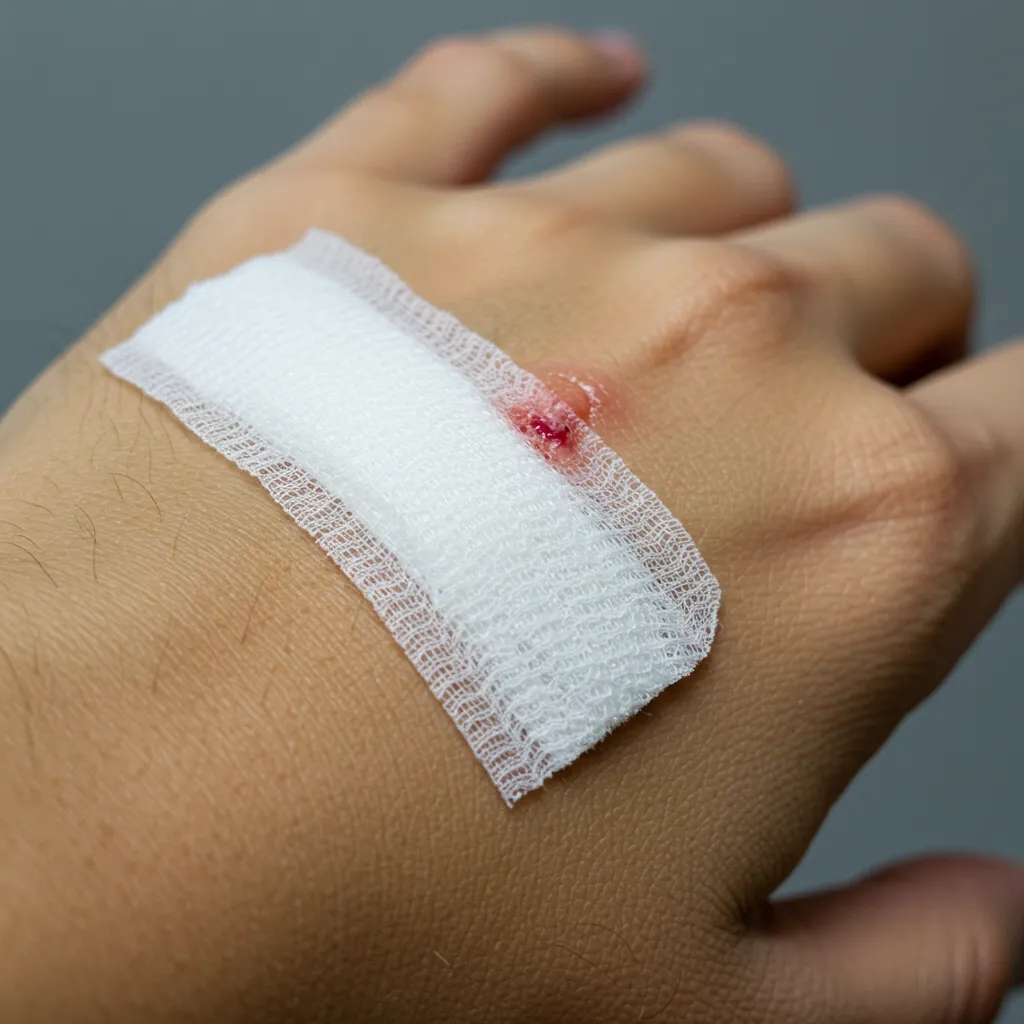
- Bandage It: Cover with a sterile bandage, changing it daily or if it gets wet.
- Elevate if Needed: If on a limb, elevate to reduce swelling.
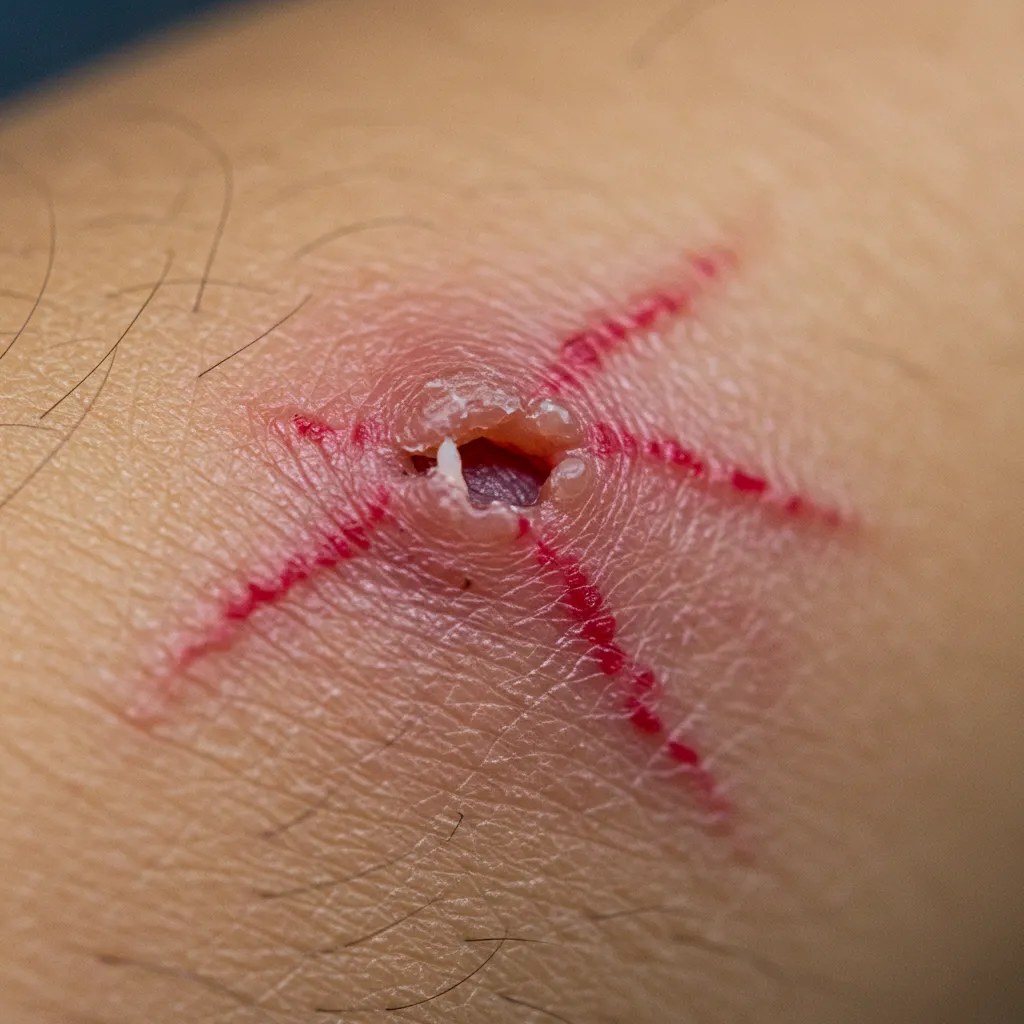
Avoid home remedies like hydrogen peroxide for deep wounds—it can damage healthy tissue. For visual guidance, see how to clean a cat bite wound properly in the images below.

This first aid for animal bites routine can prevent many issues, but it’s no substitute for professional evaluation, especially with strays.
How to Clean a Cat Bite Wound: Detailed Techniques
Cleaning is the cornerstone of stray cat bite treatment at home. Start by gathering supplies: soap, water, antiseptic, gauze, and bandages. For punctures, encourage bleeding slightly to expel bacteria—squeeze gently if needed.
- Soap and Water Method: Use antibacterial soap for a thorough rinse. Aim for 5-10 minutes under running water.
- Antiseptic Application: Options like povidone-iodine are effective against common cat mouth bacteria like Pasteurella.
- Drying and Dressing: Air dry or pat gently. Apply ointment sparingly to avoid trapping moisture.
If the wound is jagged, consult a pro—they might trim edges for better healing. Remember, cat bite swelling and redness often appear within hours, so monitor closely.
Discover more tips in our cat health care guide.
Symptoms of Cat Bite Infection: What to Watch For
Cat bite infection symptoms can sneak up fast, often within 24-48 hours. Common signs include:
- Redness and warmth around the wound.
- Swelling that spreads beyond the bite site.
- Pain or tenderness when touched.
- Pus or foul-smelling discharge.
- Fever, chills, or swollen lymph nodes—indicating systemic infection.
In severe cases, you might see red streaks (lymphangitis) or feel flu-like. Cat scratch fever, caused by Bartonella bacteria, adds bumps or rashes. If untreated, infections can lead to abscesses or even sepsis, especially in immunocompromised folks.
Here’s a quick table comparing mild vs. severe symptoms:
| Symptom Type | Mild Indicators | Severe Indicators |
|---|---|---|
| Local | Slight redness, minor swelling | Intense swelling, pus drainage |
| Systemic | Low-grade fever | High fever, chills, fatigue |
| Progression | Improves in 1-2 days | Worsens rapidly, red streaks |
For cat bite wound pictures (informational intent), visualize progression: early bites look like pinpricks, but infected ones swell dramatically.

Stray Cat Bite Treatment: From Home Care to Medical Intervention
Basic stray cat bite treatment starts at home but often requires antibiotics. Over-the-counter pain relievers like ibuprofen help with cat bite swelling treatment at home, alongside ice packs (wrapped, 15 minutes on/off).
If infection sets in, doctors prescribe antibiotics like amoxicillin-clavulanate for cat bite antibiotic treatment. Deep wounds might need drainage or X-rays to check for bone involvement.
Real example: A client once ignored a stray cat bite on her finger. By day three, severe swelling led to hospitalization—antibiotics and rest saved her hand. Always err on caution.
Learn more in our worms in cats article for related pet health insights.
When to See a Doctor for a Cat Bite: Red Flags and Urgent Care
Not every bite needs a doctor, but most do—especially strays. See a physician if:
- The wound is deep, on the hand/face, or near joints.
- You have diabetes, weakened immunity, or no recent tetanus shot.
- Symptoms of cat bite infection appear.
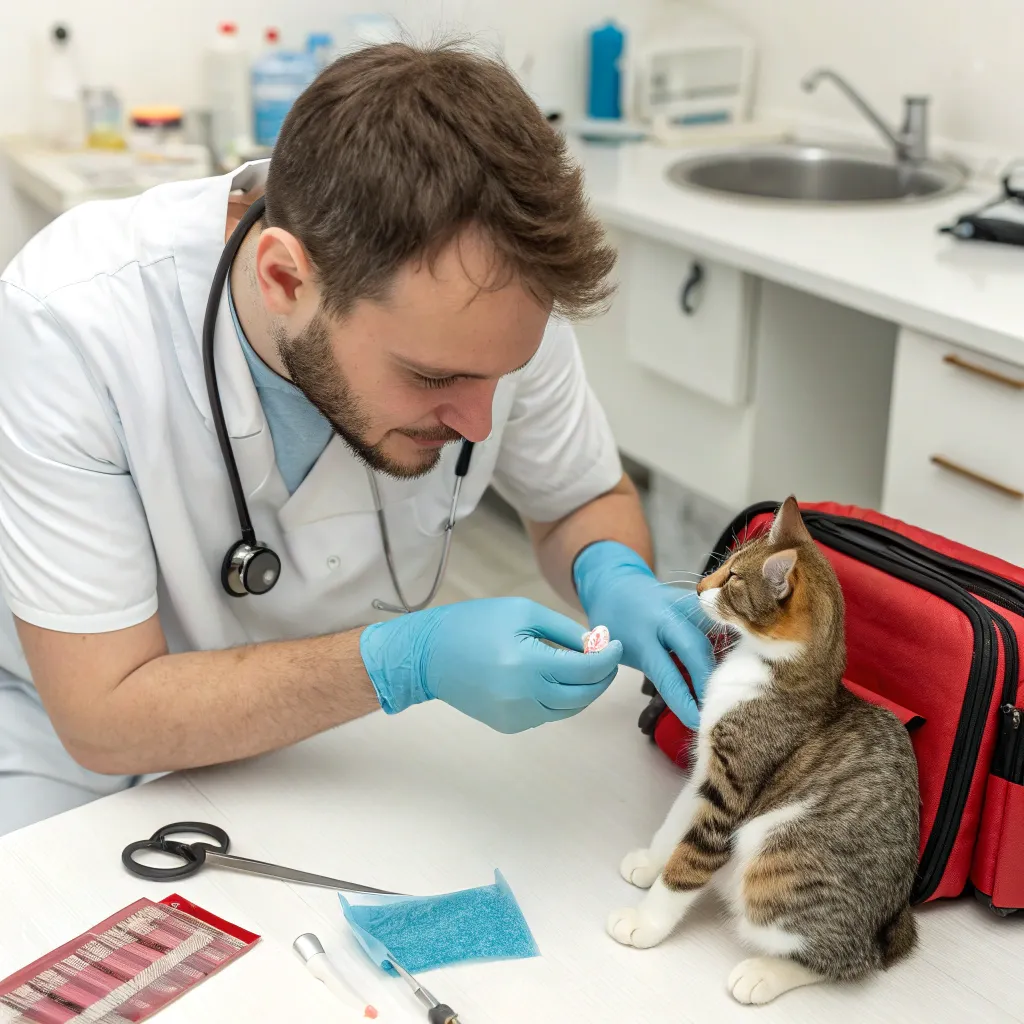
Urgent care for cat bite is ideal for quick assessment; they can clean, prescribe meds, and advise on rabies. Don’t delay beyond eight hours for punctures. Emergency steps after stray cat attack include calling animal control to observe the cat.
If swelling persists, elevate and apply warm compresses, but seek help if no improvement.
Cat Bite Rabies Risk: Assessing and Preventing
Cat bite rabies risk is low in vaccinated areas but higher with strays. Rabies spreads via saliva, and symptoms in humans are fatal once apparent.
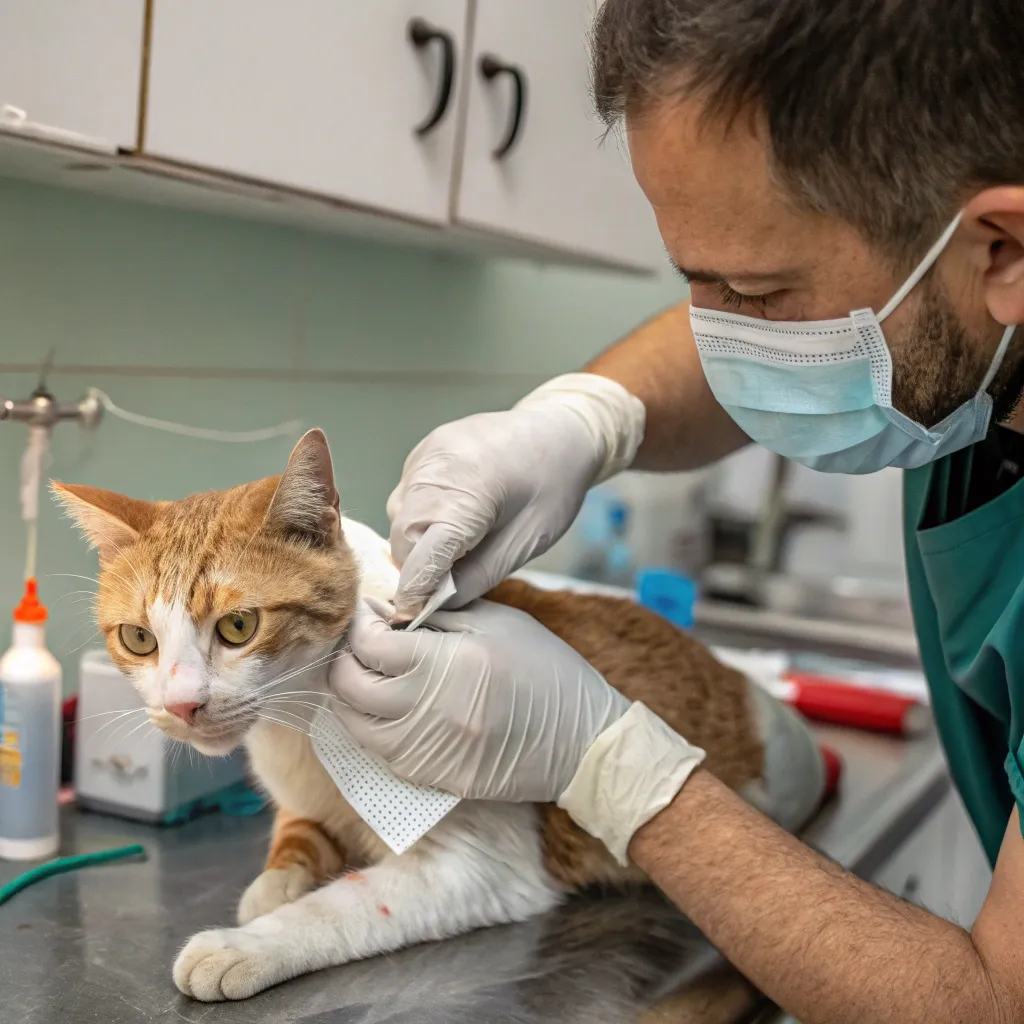
If bitten, wash immediately and seek rabies vaccination after cat bite if the cat can’t be quarantined for 10 days. Post-exposure prophylaxis (PEP) includes shots starting ASAP—effective if given before symptoms.
Rabies prevention tips: Vaccinate pets, avoid wild animals, and report bites. In the U.S., cat rabies cases are rare but not zero.
Pet vaccination importance can’t be overstated—it protects communities from outbreaks.
Tetanus After Cat Bite: Why It’s Essential
Tetanus, caused by Clostridium bacteria in soil or animal mouths, thrives in puncture wounds. Tetanus after cat bite is preventable with vaccination.
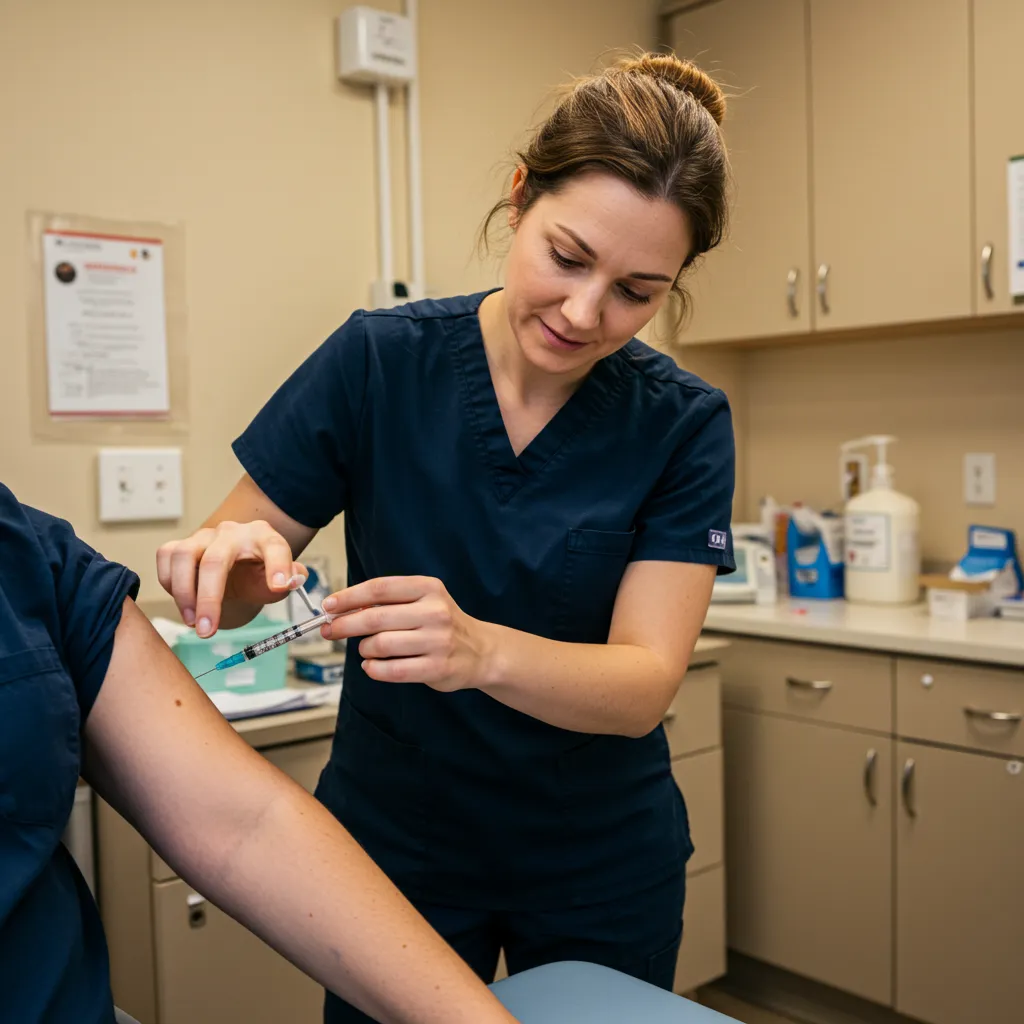
If your last shot was over five years ago (or 10 for clean wounds), get a booster within 48 hours. Symptoms like jaw stiffness are serious—tetanus vaccination importance lies in its near-100% prevention rate.
Tetanus shot after animal bite is standard; combine with wound care for best results.
Explore our spaying a cat guide for more on preventive pet health.

Stray Cat Behavior and Aggression: Insights for Safety
Stray cats bite when scared, hungry, or protecting kittens. Signs of aggression: flattened ears, hissing, or tail swishing.
Precautions around stray animals: Approach slowly, avoid direct eye contact, and don’t corner them. If feeding strays, use tools like tongs.
How to avoid animal bites: Educate kids on pet safety and hygiene, and support trap-neuter-return programs to reduce feral populations.
Advanced Topics: Cat Bite Swelling, Antibiotics, and Home Remedies
For cat bite swelling and redness, rest and elevation help. If antibiotics are needed, complete the course to avoid resistance.
Cat bite infection treatment might include IV meds for severe cases. At home, monitor with photos to track changes.
Conclusion
A stray cat bite doesn’t have to derail your day—if handled with prompt first aid, monitoring, and professional care when needed. From cleaning the wound to understanding rabies and tetanus risks, you’re now armed with knowledge to stay safe. Remember, compassion for strays is great, but your health comes first.
Explore more expert cat health guides on Cat Bloom Haven, like our cat allergies guide or how to give cat ear drops for additional tips.
FAQ
What should I do if a stray cat bites me?
Wash the wound with soap and water for five minutes, apply antibiotic ointment, and bandage it. Seek medical attention if it’s deep or shows infection signs.
How can I prevent infection from a stray cat bite?
Clean thoroughly, use antiseptics, and monitor for symptoms like swelling or pus. Antibiotics may be needed—see a doctor promptly.
Should I be concerned about rabies if a stray cat bites me?
Yes, if the cat’s status is unknown. Get rabies PEP shots starting immediately to prevent the virus.
Do I need a tetanus shot after a stray cat bite?
If your last tetanus booster was over five years ago, yes—especially for punctures. Get it within 48 hours.
How can I avoid stray cat bites?
Approach cautiously, read body language, and avoid feeding by hand. Support community vaccination efforts.
What should I do in case of a stray cat bite emergency?
Stop bleeding, clean the wound, and go to urgent care if severe. Report the cat to authorities for observation.