Ultimate Guide: How to Give Cat Ear Drops Without Getting Scratched – Expert Tips for Feline Ear Health
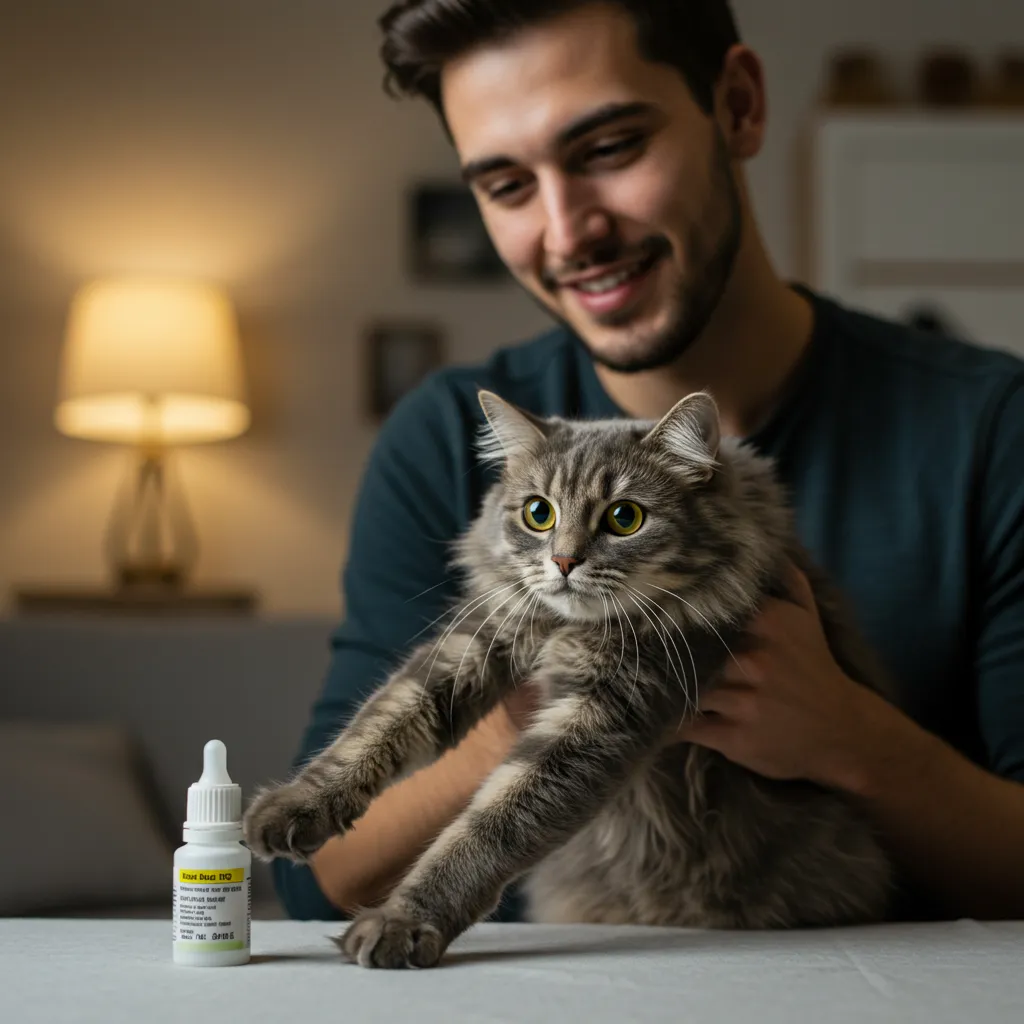
Imagine this: Your fluffy feline friend is scratching at their ears like there’s no tomorrow, leaving you worried about an ear infection or mites. You’ve got the vet-prescribed ear drops in hand, but the thought of administering them turns into a full-blown wrestling match. Sound familiar? If you’re searching for “how to give cat ear drops,” you’re not alone it’s one of the most common challenges cat owners face. But don’t worry; this comprehensive cat ear drops guide is here to turn you into a pro.
Drawing from years of veterinary insights and real pet parent experiences, we’ll walk you through safe, stress-free methods to ensure your cat’s ear health stays top-notch. Whether it’s your first time or you’re a seasoned cat caregiver looking for better techniques, this article covers everything from preparation to prevention, helping you avoid those dreaded scratches while keeping your kitty comfortable and healthy.
As a cat lover who’s helped countless owners navigate feline health hurdles, I know how tricky it can be to give a cat medication. Cats are independent creatures, and their ears are sensitive spots. But with the right approach, you can make the process smooth and even build trust with your pet. We’ll dive into step-by-step instructions, tips for beginners, and related advice on cat ear cleaning and other meds. By the end, you’ll have the confidence to handle cat ear infection treatment at home effectively—always under vet guidance, of course.
Understanding Cat Ear Health: Why Proper Care is Essential
Before we get into how to give cat ear drops, let’s talk about why ear care matters in the first place. Cats’ ears are marvels of design—sensitive, mobile, and crucial for balance and hearing. But they’re also prone to issues like infections, mites, and buildup of wax or debris. Neglecting cat ear hygiene and maintenance can lead to discomfort, hearing loss, or even more serious health problems.
Regular cat ear health tips include checking your pet’s ears weekly for signs of trouble. Healthy ears should be pale pink inside, with minimal wax and no foul odor. If you notice anything off, it’s time to act. According to experts, ear problems affect up to 20% of cats at some point, often due to allergies, parasites, or poor grooming. Incorporating safe cat medication techniques early can prevent escalation.
Think of it like this: Just as we humans clean our ears to avoid issues, cats need help too—especially indoor ones who might not get the natural cleaning from outdoor activities. This cat health and wellness guide emphasizes prevention: A clean ear is a happy ear, reducing the need for frequent treatments.
Signs and Symptoms of Cat Ear Infections and Mites
Spotting problems early is key to effective cat ear infection treatment at home. Common symptoms include head shaking, scratching at the ears, head tilting, and dark discharge that looks like coffee grounds (a classic sign of ear mites). Your cat might also have a bad odor from the ears, redness, swelling, or even hearing loss in severe cases.
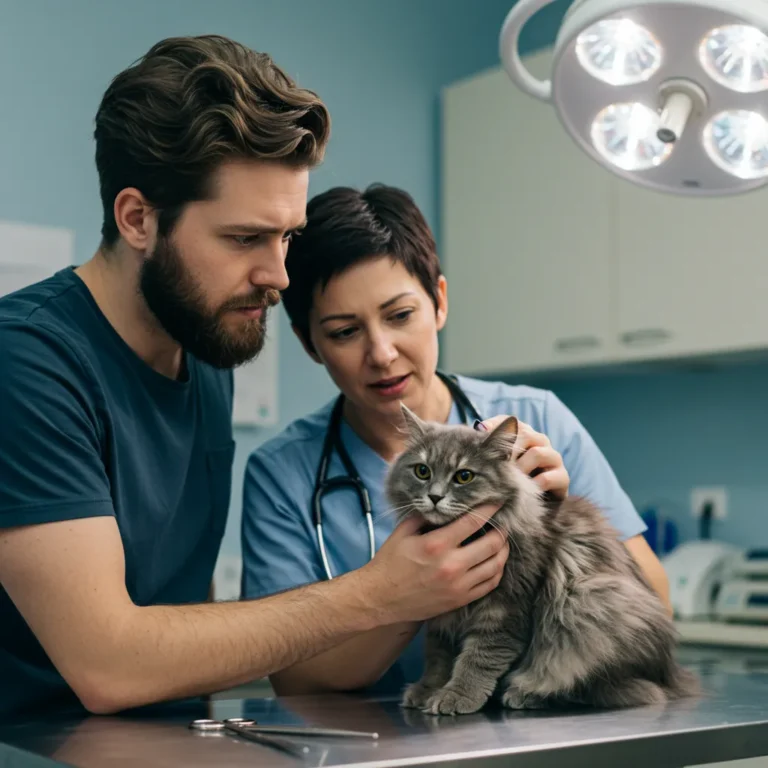
For ear mites, which are tiny parasites, look for black specks inside the ear canal. These critters are highly contagious, especially in multi-cat homes. If your cat is pawing at their ears excessively or seems irritable, don’t wait—consult your vet. Ignoring these can lead to secondary infections, making things worse.
Real-life example: My neighbor’s cat, Whiskers, started tilting his head oddly after a playdate with strays. A quick vet check revealed mites, and early intervention with drops saved him from complications. Cat care tips for beginners: Always monitor behavior changes; they’re often the first clue.

| Symptom | Possible Cause | What to Do |
|---|---|---|
| Head shaking or tilting | Infection or mites | Check ears and call vet if persistent |
| Dark, crumbly discharge | Ear mites | Use mite-specific treatments |
| Redness and swelling | Bacterial infection | Clean gently and apply prescribed drops |
| Foul odor | Yeast or bacterial overgrowth | Seek professional diagnosis |
| Scratching leading to bald spots | Allergies or parasites | Prevent with regular hygiene |
This table summarizes key indicators—use it as a quick reference for your cat ear health tips.
Cat Ear Infection Home Remedy and Mite Treatments
While vet care is paramount, some cat ear mites treatment at home can provide relief. For mild cases, natural options like diluted apple cider vinegar (ACV) mixed with water can help soothe irritation. Apply a few drops on a cotton ball and gently wipe the outer ear—never pour directly into the canal.
Olive oil or coconut oil are popular too; they smother mites and reduce inflammation. Warm a small amount, apply sparingly, and massage. Yellow dock root extract has anti-inflammatory properties, but dilute it properly to avoid irritation. Remember, these are supplements to vet-prescribed treatments, not replacements. For ear infections, antimicrobial rinses can ease symptoms, but antibiotics may be needed for bacterial causes.
Pros of home remedies:
- Cost-effective and natural
- Easy to source (like ACV from your kitchen)
- Can provide quick soothing
Cons:
- May not eliminate the root cause
- Risk of allergy or worsening if misused
- Not suitable for severe cases
Always test a small area first and stop if your cat shows discomfort. For trending searches like “cat ear infection home remedy,” these work best as preventive cat ear hygiene and maintenance.
Preparing to Administer Cat Ear Drops: Gather Your Supplies
Success starts with preparation. Before diving into how to give a cat ear drops, set up a calm environment. Choose a quiet room, dim the lights, and play soft music if your cat likes it. Gather:
- Prescribed ear drops (warm them in your hands to avoid shock)
- Cotton balls or gauze
- Treats for rewards
- A towel for the “burrito wrap” technique
- Gloves if you’re squeamish about discharge
Read the label carefully—dosing matters. If possible, have a helper; one person holds, the other applies. This setup makes the easiest way to give a cat medicine much smoother.
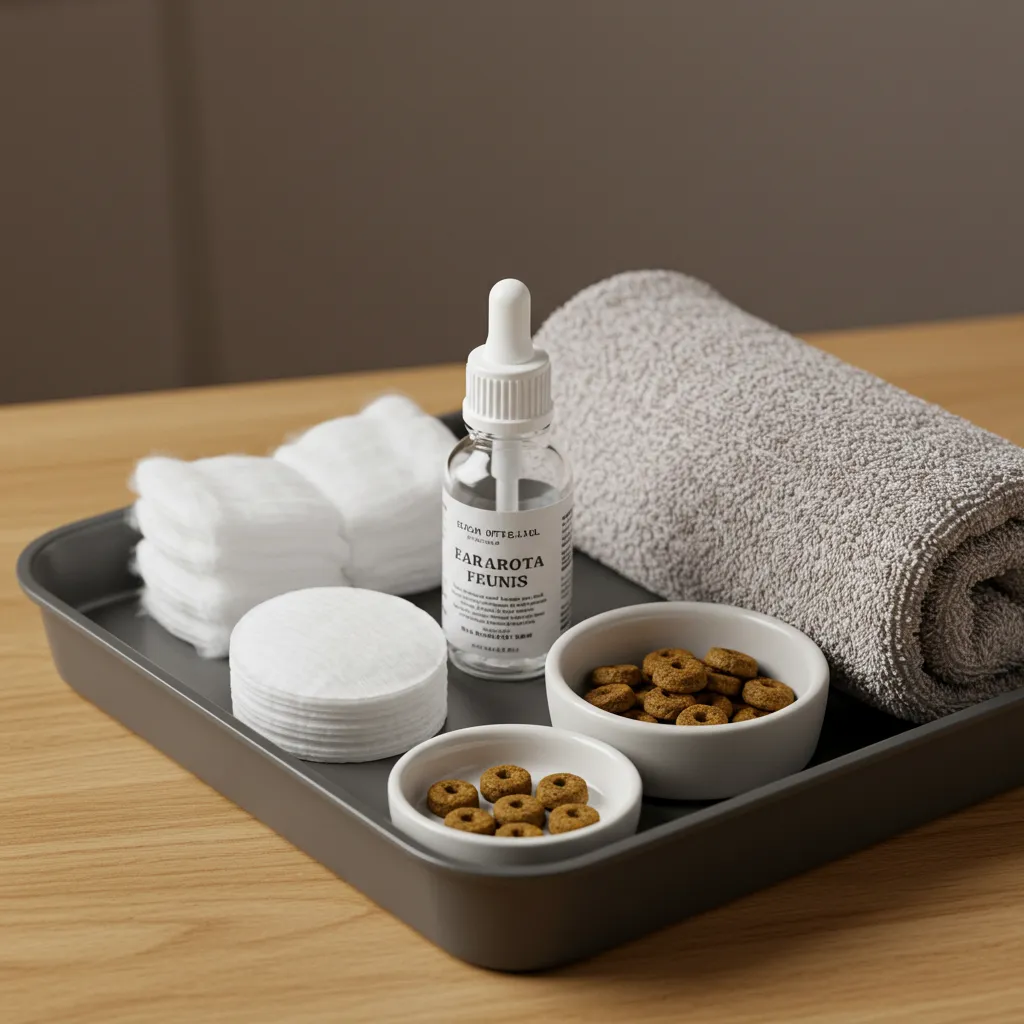
Tip: Practice touching your cat’s ears during playtime to desensitize them. Positive reinforcement turns a chore into a bonding moment.
Step-by-Step Guide: How to Give Cat Ear Drops Safely and Effectively
Here’s the heart of our cat ear drops guide: A detailed, actionable walkthrough.
- Secure Your Cat Gently: Sit comfortably and wrap your cat in a towel (burrito style) to restrain paws without stress. Leave the head exposed.
- Clean the Ear First: Use a vet-approved cleaner on a cotton ball to wipe the outer ear. Avoid Q-tips deep inside to prevent injury.
- Administer the Drops: Hold the ear flap up, insert the dropper tip just inside the canal, and squeeze the prescribed amount. Don’t touch the tip to the ear.
- Massage the Base: Gently rub the ear base for 15-30 seconds to distribute the medication. You’ll hear a squishy sound—that’s good!
- Let Them Shake: Release your cat and let them shake out excess. Wipe any residue.
- Reward Immediately: Praise and treat to associate the experience positively.
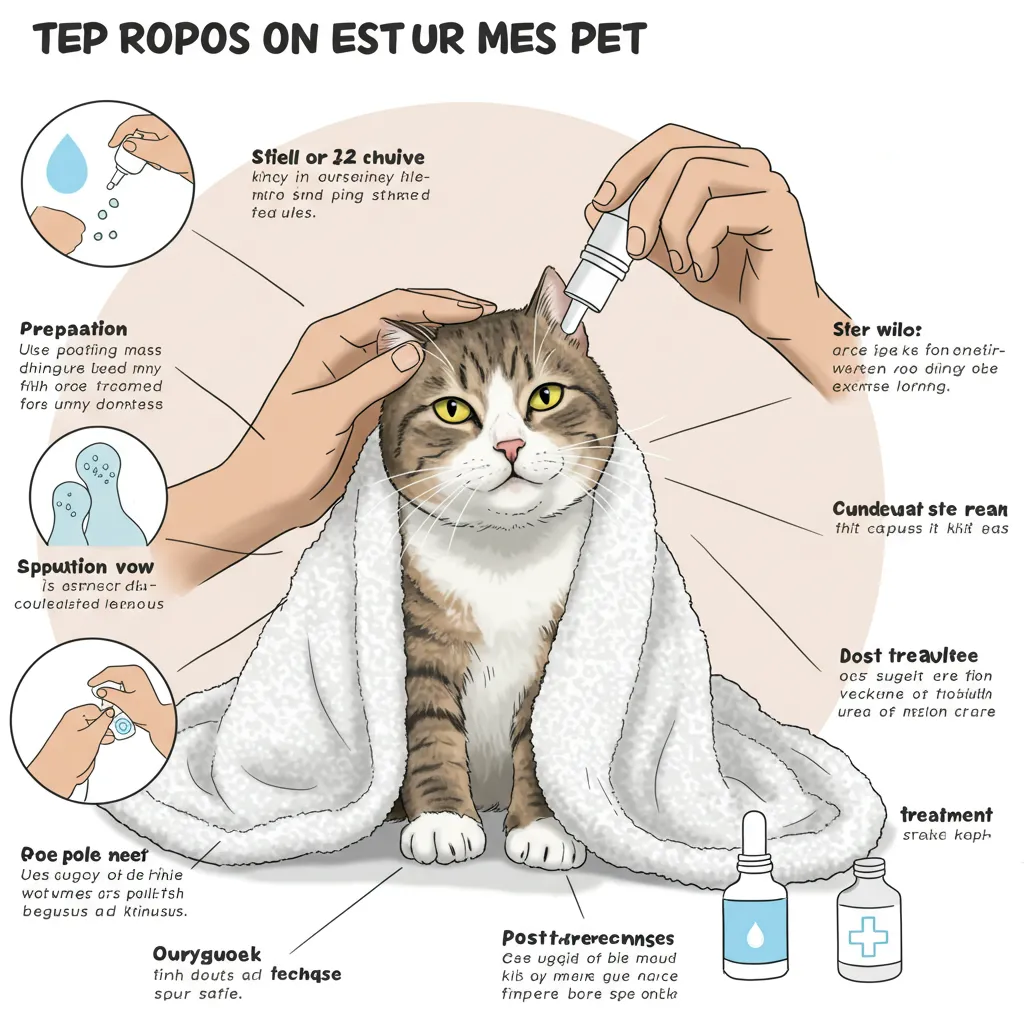
Repeat for the other ear if needed. For giving cats eye drops and ear drops, the process is similar—gentle restraint and quick action.
If your cat resists, take breaks. Consistency builds tolerance.
Tips for Giving Cat Ear Drops Without Scratching
The big question: How to give cat ear drops without scratching? Start slow—fondle ears during cuddles to build comfort. Use the burrito wrap to contain claws. If alone, kneel with the cat between your legs for stability.
Other cat ear health tips: Do it after play when they’re tired, or use pheromone sprays for calm. If scratches happen, clean wounds and try gloves next time. For feisty cats, consult a vet for sedatives in extreme cases.
Real example: A friend’s cat hated drops until they paired it with tuna treats—now it’s a non-event!
How to Give a Cat Pills and Liquid Medicine
Expanding on how to give a cat medication, pills and liquids require finesse. For pills: Hide in treats or use a pill popper. Hold the head back, drop the pill far back, and blow on the nose to swallow.
For liquids: Mix with wet food or use a syringe aimed at the cheek pouch. Hold the mouth closed and stroke the throat to encourage swallowing.
Pros/Cons Table for Methods:
| Method | Pros | Cons |
|---|---|---|
| Pill pockets | Tasty disguise | Cat might eat around pill |
| Syringe for liquids | Precise dosing | Can be messy if cat spits |
| Manual pilling | Quick for pros | Risk of bites |
These safe cat medication techniques make routine care easier.
Administering Spot-On Medication to Cats
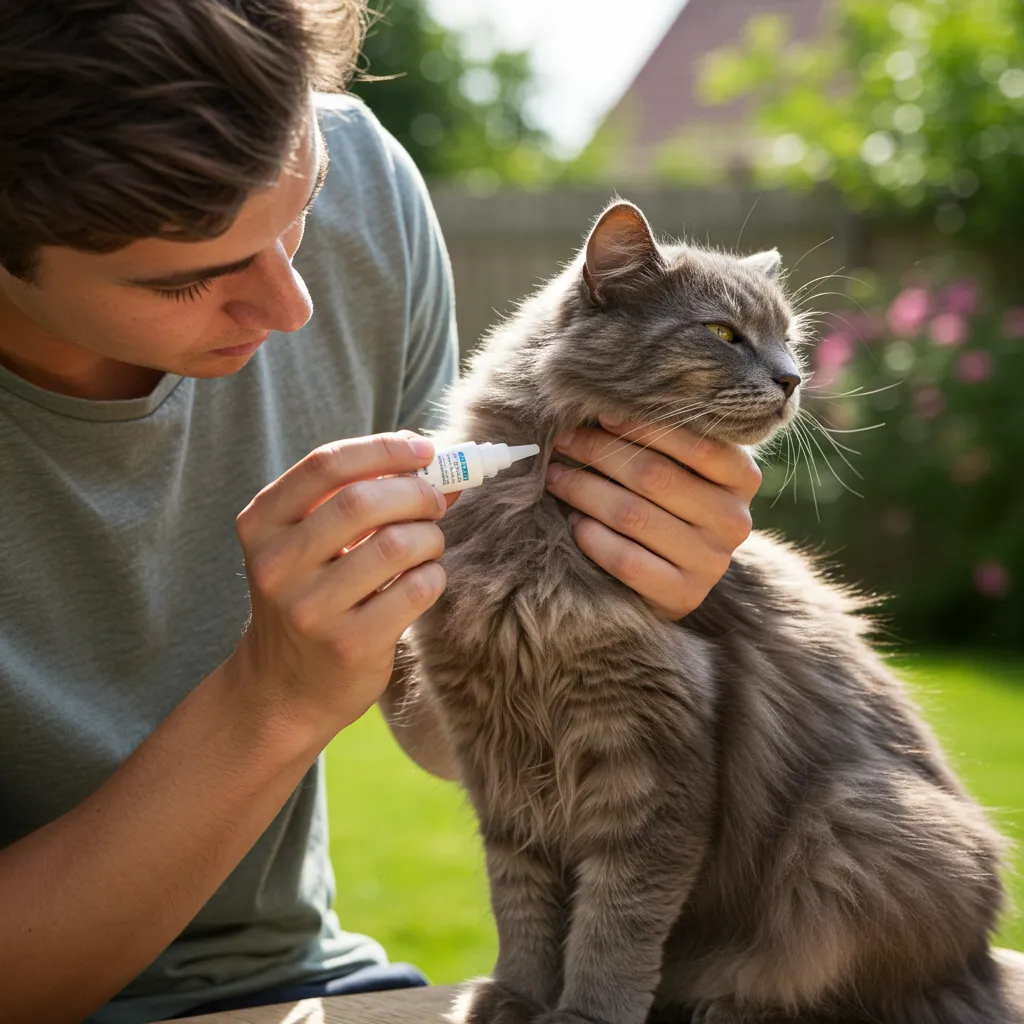
Spot-on meds, like flea treatments, are simpler. Part the fur at the neck base, apply directly to skin, and avoid touching until dry. It’s contactless, reducing stress. Ideal for cats who hate oral meds.
Cat Ear Cleaning and Maintenance Tips
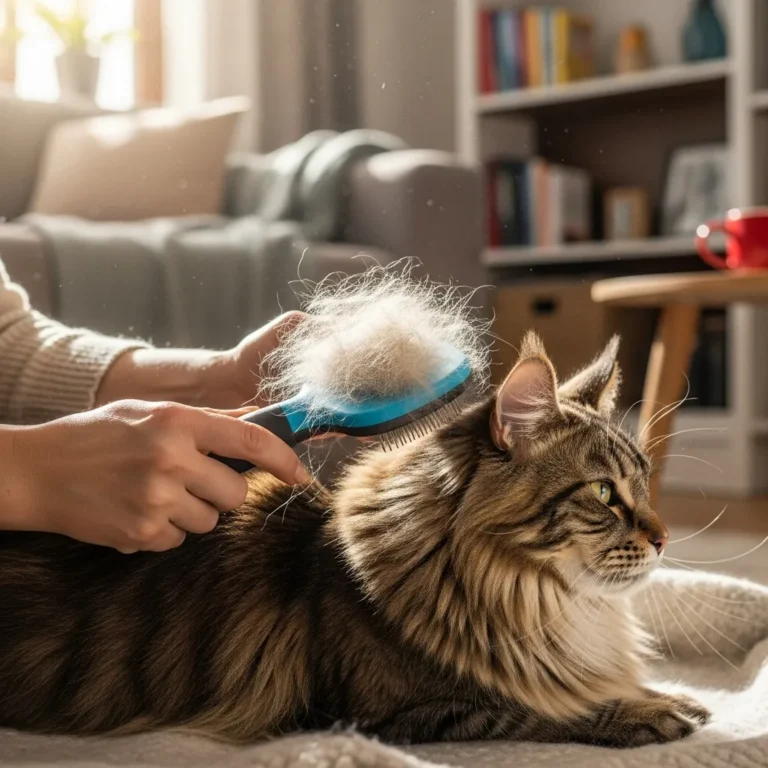
For ongoing cat ear cleaning and ear care, use a gentle solution weekly if prone to buildup. Wipe with cotton balls soaked in cleaner, massage, and let shake.
Avoid over-cleaning to prevent dryness. For how to care for cat ears long-term, incorporate into grooming routines.
Best Way to Give Medicine to Cats: Safe Techniques for All Types
The best way to give medicine to cats? Patience and positivity. Whether ear drops, pills, or spot-on, use restraint methods like towels and always reward. For beginners, videos from trusted sources help.
Conclusion: Master Cat Ear Care for a Happier Feline
Wrapping up, mastering how to give cat ear drops and related care ensures your cat’s comfort and health. From spotting symptoms to safe administration, you’ve got the tools to handle it like a pro. Remember, always consult your vet for personalized advice—home remedies complement, not replace, professional care.
FAQ
How do I give ear drops to my cat?
Secure your cat gently, clean the ear, apply drops, massage, and reward. Follow our step-by-step for details.
What is the best way to apply cat ear drops?
Use the burrito wrap to avoid scratches, warm the drops, and massage the base for penetration.
How do I give pills or liquid medication to my cat?
Hide pills in treats or use a popper; for liquids, syringe into the cheek pouch and encourage swallowing.
How do I apply spot-on medication to my cat?
Part the fur at the neck, apply to skin, and let dry without petting.
Can I treat cat ear mites at home?
Yes, with oils like olive or coconut, but confirm with a vet first for safety.