Cats Reacting to New Foods: The Ultimate Guide to Funny Reactions, Safe Transitions, and Happy (or Dramatic) Taste Tests
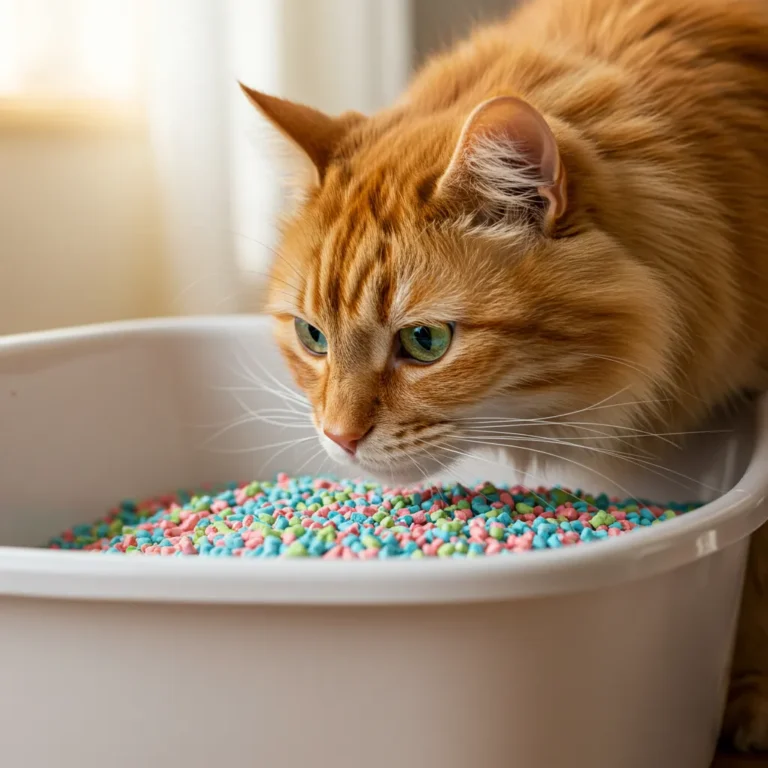
If you’ve ever watched your cat take one cautious sniff of a new kibble, back away like it personally offended them, then dramatically fling themselves onto the floor in protest, congratulations: you’ve witnessed peak “cats reacting to new foods” theater. One minute they’re purring angels, the next they’re Oscar-worthy divas convinced you’re trying to poison them with… salmon pâté.
In this monster guide we’re covering everything: why cats turn into food critics, how to introduce new food to cats without World War III in your kitchen, the funniest viral cat food reactions of 2025 (watermelon, anyone?), plus a vet-approved cat food transition guide that actually works. Whether your cat is a fearless foodie or the pickiest eater on the planet, you’ll walk you through it step by step.
Quick Summary – What You’ll Learn Today
- Why cats have such extreme (and hilarious) reactions to new foods
- The science behind feline neophobia and super-taster abilities
- Exact 10–14 day slow-transition plan that prevents vomiting and diarrhea
- Funny + viral foods cats lose their minds over (cucumber, watermelon, olives, rotisserie chicken)
- Safe human foods for cats and the ones that send you straight to the emergency vet
- How to film an epic “cat taste test challenge” for TikTok without stressing your kitty
- Real-life stories from Cat Bloom Haven readers (you’ll laugh, you’ll cry, you’ll relate)
Let’s dive in.
Why Do Cats React So Dramatically to New Foods?
Cats aren’t just being jerks (most of the time). There are three big reasons behind the hissing, side-eye, and full-body “nope” when you switch their dinner.
- Neophobia – Built-in Survival Mechanism
Kittens learn what’s safe to eat from their mom between 4–12 weeks. Anything that smells different after that period triggers an ancestral alarm bell: “This could kill me in the wild.” Domestic cats kept this trait even though their biggest threat now is running out of treats. - Super-Taster Tongue
Cats have only about 470 taste buds compared to our 9,000, but they’re wired completely differently. They barely taste sweet, yet they’re extremely sensitive to bitter compounds (which often signal toxins in nature). A new protein or fat source can taste overwhelmingly bitter to them even if it smells amazing to us. - Scent Is 90% of Flavor for Cats
When your cat sniffs new food and walks away, they’ve already “tasted” it. If the volatile aroma compounds don’t match what they expect, the bowl might as well be empty.

Classic Cat Food Reactions – Ranked by Drama Level
From personal experience and thousands of videos submitted to Cat Bloom Haven in 2025, here are the top 10 reactions in order of theatricality:
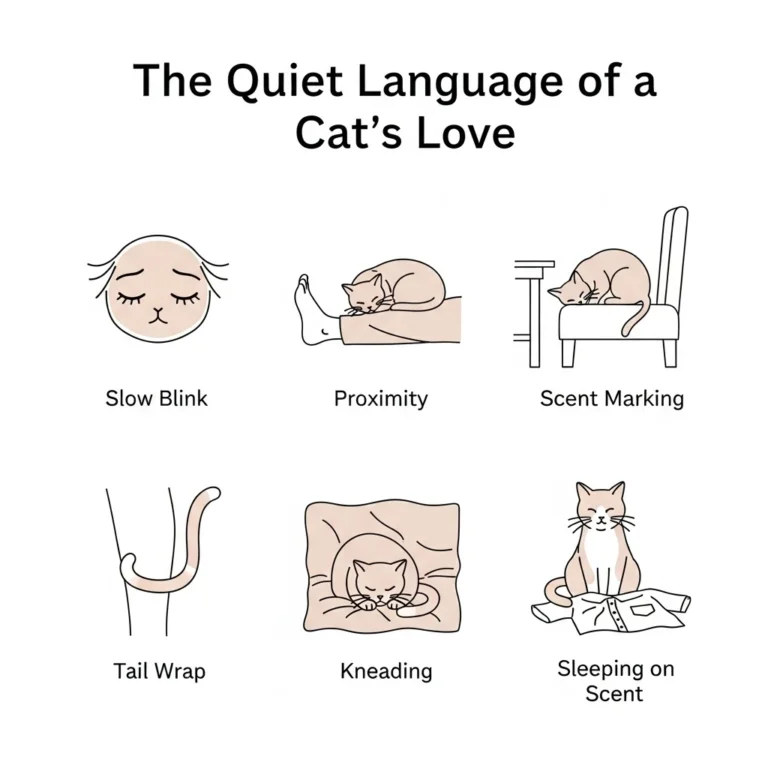
- The Slow Blink of Judgment
- The Single Paw Pat (testing if it’s real)
- The Dramatic Back-Away
- The Full Body Shake (like they touched something wet)
- Burying Motion Around the Bowl
- Hissing at Inanimate Food
- The 3 AM Revenge Poop Outside the Litter Box
- The “I Will Starve Before Eating This” Hunger Strike
- The Olympic-Level Bowl Flip
- The Instant Zoomies + Wall Climbing Combo (usually after olives or catnip-infused treats)
How to Introduce New Food to Cats Without Losing Your Mind (Vet-Approved 14-Day Plan)
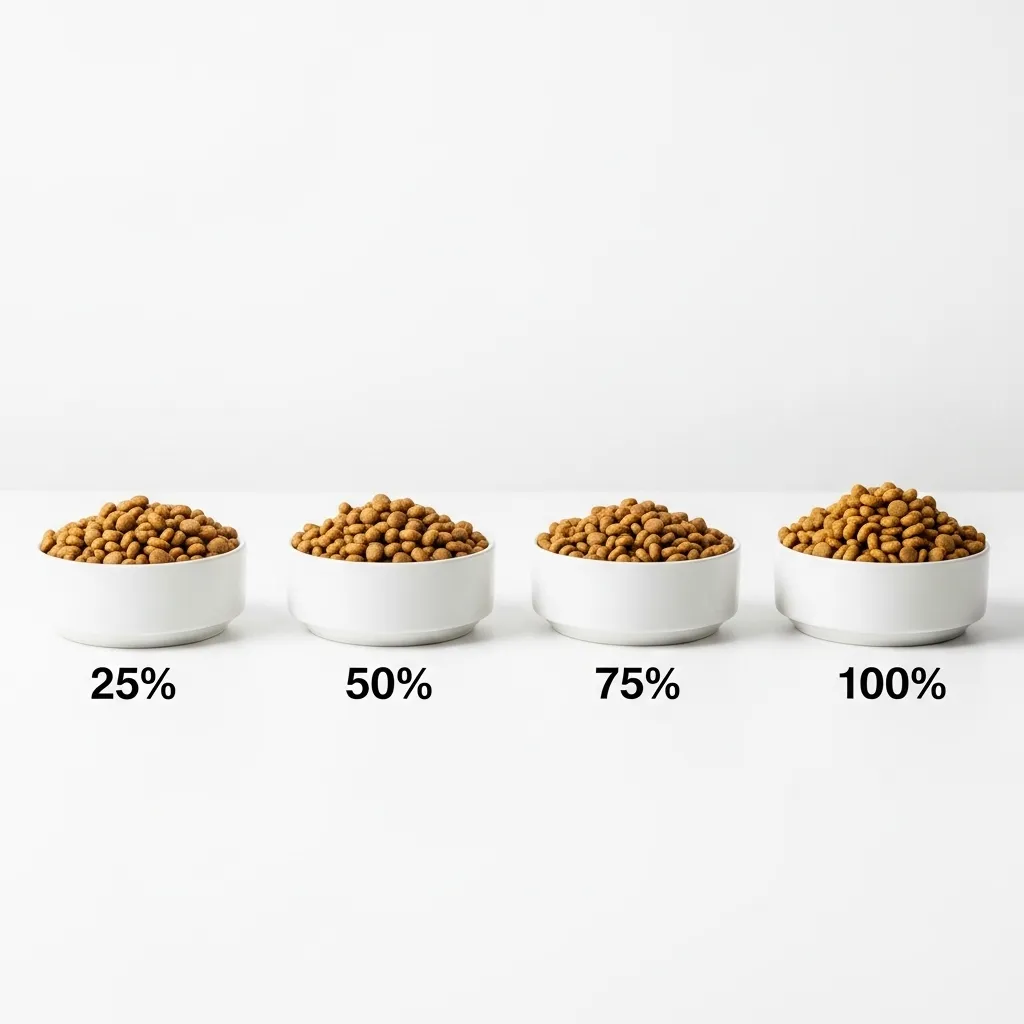
Forget the “just mix it and they’ll eat eventually” advice. That leads to digestive upset 60% of the time. Use this slow transition cat diet method instead.
| Day | Old Food | New Food | Notes |
|---|---|---|---|
| 1–3 | 90% | 10% | Barely noticeable, most cats accept |
| 4–6 | 75% | 25% | Watch for soft stool or vomiting |
| 7–9 | 50% | 50% | Critical phase – go slower if needed |
| 10–12 | 25% | 75% | Excitement usually returns here |
| 13–14+ | 0% | 100% | Full switch – celebrate! |
Pro tips that make the difference:
- Warm the new food slightly (10 seconds in microwave) – enhances aroma
- Sprinkle crushed freeze-dried treats or Fortiflora probiotic on top the first week
- Feed in the same bowl, same spot, same time – routine reduces stress
- Multiple small meals instead of two big ones during transition
Viral Cat Taste Test Challenges That Took Over TikTok in 2025
These foods caused absolute chaos online this year:
- Cat Reacts to Watermelon – The scream-flip combo went mega-viral
- Cats Trying Rotisserie Chicken for the First Time – 90% lose their tiny minds
- Cucumber Prank Backfire Compilation – (Please don’t do this – it scares them)
- Cats Trying Green Olives – Contains isoprenoids similar to catnip
- Cat Taste Test: Tuna Juice vs Bone Broth – Bone broth won 8/10 times
- Cats First Time Eating Churus – Instant addiction, zero chill
Safe? Yes in tiny amounts. Everyday treat? Absolutely not.

Safe Human Foods for Cats (and the No-Fly List)
Safe in small amounts (plain, unseasoned):
- Cooked chicken, turkey, salmon
- Scrambled or boiled egg
- Plain canned pumpkin (great for hairballs)
- Steamed carrots or green beans
- Small cubes of cheese or plain yogurt (lactose-free better)
Never ever:
- Chocolate, raisins, grapes
- Onions, garlic, chives
- Xylitol (in sugar-free gum)
- Raw dough, alcohol, caffeine
Why Some Cats Meow Non-Stop After New Food (and How to Stop It)
Common scenario: You finally get Fluffy eating the new kidney diet, but now she screams at 3 AM. Here’s why:
- Blood sugar spike/crash from higher carbs
- Not enough volume in stomach (prescription diets are dense)
- Learned behavior – “If I yell, human gives me old food”
Fixes that work:
- Split daily amount into 4–6 mini meals
- Use puzzle feeders or slow-feed bowls
- Add a teaspoon of warm water to make it more filling
Cat Picky Eating Solutions That Actually Work
Tried everything and still have a food critic? Try these in order:
- Food temperature trick – microwave 8–10 seconds
- Topper hierarchy: crushed Churu > Fortiflora > crushed freeze-dried chicken > parmesan cheese
- Bowl material matters – many cats hate plastic (try ceramic or stainless)
- Location change – some cats refuse to eat near loud appliances
- Mirror therapy – place a mirror near the bowl (makes them think another cat wants it)
FAQ Cats Reacting to New Foods
Q: How long do cats take to accept new food?
A: Most healthy adult cats accept a properly transitioned food within 14–21 days. Kittens and seniors can take up to 4 weeks.
Q: My cat keeps burying his new food bowl. Normal?
A: Classic “this food is dead to me” behavior. It usually stops by day 10 of slow transition.
Q: Is it safe to do the “cat taste test challenge” with random foods?
A: Only with vet-approved safe foods and tiny portions. Never force or scare your cat for content.
Q: Why does my cat throw up after trying new food?
A: Eating too fast + stress + rich new flavor = common recipe for regurgitation. Slow transition prevents this 90% of the time.
Q: My cat loved the sample packet but hates the bag. What gives?
A: Manufacturers sometimes use different fat sprays on sample batches. Ask for another sample or buy the smallest bag possible.
Final Thoughts
Watching cats reacting to new foods will never stop being entertaining, but behind every dramatic bowl flip is a sensitive digestive system and a creature wired for survival. Respect the process, go slow, and you’ll end up with a happier, healthier cat (and probably some hilarious videos along the way).
Ready for more feline wisdom?
→ Discover why cats knead (and how to protect your lap) in our American Shorthair kneading guide
Explore more expert cat care and behavior guides on Cat Bloom Haven because your cat ownership shouldn’t feel like guessing game.
What was the funniest food reaction your cat ever had? Drop it in the comments best story gets featured in next month’s roundup! 🐱