The Hidden World of Indoor Cats: How Routine Shapes Their Emotions and Deepens Your Bond
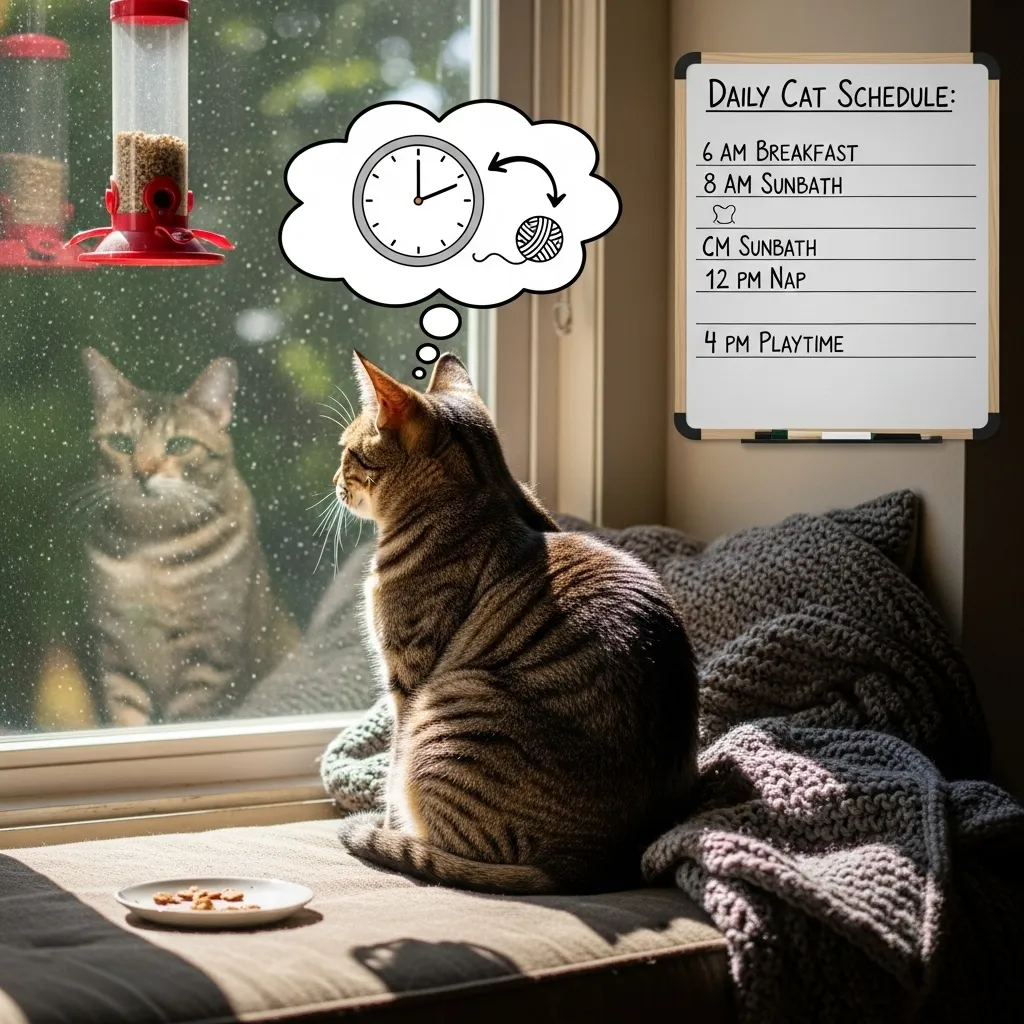
Have you ever noticed your indoor cat waiting by the door at exactly 6 p.m., knowing you’ll be home from work? Or felt their silent disapproval when you dared to move their favorite chair? This isn’t your cat being dramatic it’s a profound display of their emotional world, meticulously structured around the routines you’ve built together. For our indoor companions, predictable patterns of feeding, play, and affection aren’t just preferences; they are the cornerstones of psychological security and the secret language of a deep, complex bond.
Unlike their outdoor counterparts who navigate a world of varied stimuli, indoor cats rely on the environment we create. Their entire universe from territory to social connections is contained within our walls. This makes routine and predictability not just comforting, but essential for their emotional well-being. Understanding the psychology behind your cat’s indoor cats habits and emotional routines of cats is the key to preventing stress, deepening your connection, and ensuring they lead a truly enriched life.
Key Takeaways:
- Routine is Security: For indoor cats, predictable daily routines reduce anxiety, create a sense of control, and build profound trust with their humans.
- Attachment is Natural: Close cohabitation in a shared, defined territory fosters a unique and often stronger social bond, explaining why indoor cats are more attached.
- Behavior is Communication: “Naughty” behaviors like scratching furniture or vocalizing are often expressions of disrupted routine, boredom, or unmet instinctual needs.
- Enrichment is Essential: A mentally and physically stimulating indoor environment prevents problems and is crucial for your cat’s long-term mental health.
- You Are Their World: Your presence, consistency, and interaction are the most vital components of your indoor cat’s emotional well-being.
The Feline Mind: Why Cats Crave Predictability
To understand indoor cats behavior, we must first look at feline psychology. Cats are creatures of habit by evolutionary design. In the wild, predictability equals survival knowing the safest routes, the best hunting grounds, and the patterns of prey. While the dangers have changed, the hardwiring remains.
A predictable routine in a domestic setting directly lowers a cat’s stress hormones. When a cat knows what to expect when food comes, when play happens, when you return their world feels safe and controllable. This is the foundation of cat psychology basics. Disruptions to this routine, no matter how small they seem to us, can trigger anxiety. This can manifest as hiding, excessive vocalization, or changes in litter box habits, which are all classic cat stress signs.
For a deeper dive into specific behaviors and what they mean, our guide on what is my cat thinking can help you decode their unique language.
The Science of Security: Territory and Trust
A cat’s territory is its kingdom. For indoor cats, this kingdom is your home. They form a detailed “mental map” of this space, noting safe zones, play areas, and observation points. A consistent routine reinforces this map, making every corner feel secure.
When you become a reliable part of that map the consistent provider of food, play, and gentle affection—you are woven into their sense of security. This is how feline emotional attachment is built. It’s not just love; it’s a deep-seated trust that you are a stable, positive part of their world. This explains the often-asked question, are indoor cats more emotional? They are not necessarily more emotional, but their emotions are more intensely focused on and expressed within the limited social world they share with you.
Decoding the Daily Rhythm: A Cat’s Emotional Routine
An indoor cat’s daily routine behavior is a tapestry of activity, rest, and social interaction. Each phase serves an emotional and instinctual purpose.
- The Morning Greeting & Feed: This isn’t just about hunger. The morning ritual of vocalizing, rubbing against your legs, and then eating confirms that the world is as it should be. You have returned, and the provider role is fulfilled. Skipping this can cause significant anxiety.
- Post-Meal Grooming & Rest: After eating, grooming is a self-comforting behavior that signals safety. The long rest period that follows is when they process stimuli and recharge. A cat who feels unsafe will not engage in prolonged, relaxed grooming.
- The Evening “Zoomies” & Play: This burst of energy is a release of pent-up predatory instinct. Engaging in interactive play during this time satisfies this deep need, prevents frustration, and is a powerful form of cat emotional bonding. It’s a shared activity that builds your relationship. Explore fun ways to engage in our article on cat chaos memes 2025, which celebrates this playful energy.
- The Nighttime Cuddle or Vigil: Some cats seek physical closeness at night, while others patrol. Both are expressions of trust either feeling safe enough to sleep vulnerably near you, or confidently guarding the shared territory.
The Bonding Behaviors: More Than Just Cute Quirks
Many behaviors we find endearing are actually active components of your cat’s emotional bonding process and routine reinforcement.
| Behavior | Instinctual Root | Emotional Meaning in Routine |
|---|---|---|
| Kneading | Kitten behavior to stimulate mother’s milk. | Ultimate comfort and contentment, often performed during relaxed, predictable moments like lap time. |
| Head-Butting & Cheek-Rubbing | Scent marking from facial glands. | “You are mine.” This marks you as safe family and reinforces the social group. It’s a daily check-in. |
| Slow Blinking | A feline sign of trust, as closing eyes indicates no threat. | “I feel safe with you.” A quiet, routine communication that deepens bonds. Learn more in our guide on cat slow blink meaning. |
| Following & “Supervising” | Social group behavior and curiosity. | You are a central part of their world. They want to be involved in the activities of their family unit. |
| Chattering at Birds | Frustrated predatory instinct. | Mental stimulation and practice, a crucial part of their daily cognitive routine even if they can’t hunt. |
| Bringing You Toys | Offering “prey.” | You are being included in the social hunt, a sign of great trust and a shared activity. |
When Routine Breaks: Stress, Anxiety, and Acting Out
Indoor cat separation anxiety and stress often surface when routines are disrupted. Changes like a new work schedule, moving furniture, house guests, or even a different brand of food can shake their sense of security.
Signs of routine-based stress include:
- Inappropriate Elimination: Peeing outside the litter box is a major red flag for anxiety.
- Excessive Vocalization: Meowing or yowling, especially at night or when alone.
- Destructive Scratching: Targeting furniture or walls, often in prominent areas, to mix their scent with yours and reclaim a feeling of control.
- Hiding or Withdrawal: Becoming reclusive and avoiding interaction.
- Over-Grooming: Creating bald patches from compulsive licking.
If you see these signs, look first at what has changed in their routine. Re-establishing predictability is the first step to healing. For practical solutions on specific issues like scratching, our guide on how to stop cats scratching furniture offers vet-backed strategies.
Creating a Sanctuary: Building Healthy Emotional Routines
You are the architect of your cat’s emotional world. Here’s how to build routines that foster security and happiness.
1. Master the Consistent Core Schedule
- Feeding: Feed at the same times each day. Measured meals are better than free-feeding for weight control and routine-building.
- Play: Schedule two dedicated 10-15 minute interactive play sessions daily (dawn and dusk are ideal). Use wand toys to mimic prey.
- Quiet Time: Respect their need for undisturbed sleep and solo time.
2. Enrich Their Environment (Their Territory)
A bored cat is an anxious cat. Environmental enrichment satisfies instincts and makes their routine fulfilling.
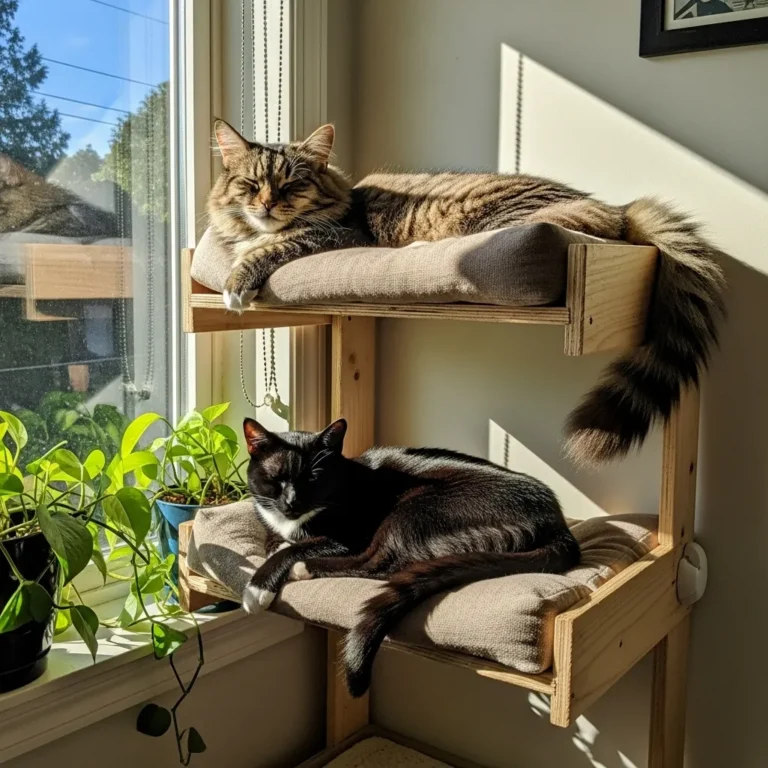
- Vertical Space: Cat trees, shelves, and window perches satisfy the need to climb and observe.
- Hunting & Foraging: Use puzzle feeders to make mealtime a brain game. Hide treats for them to find.
- Sensory Stimulation: Provide a safe window view (“cat TV”), cat-safe grasses to nibble, and different textures to explore.
3. Make Yourself a Predictable Source of Good Things
Your interactions should be the highlight of their routine. Always initiate petting calmly and let them come to you. End play sessions on a positive note with a treat, so the routine has a clear, rewarding conclusion.
Special Considerations: The Multi-Cat Dynamic
In multi-cat homes, indoor cats behavior around routine becomes more complex. Each cat needs:
- Separate Resources: Multiple litter boxes, food/water stations, and high-value resting spots to prevent competition.
- Individual Attention: One-on-one play and affection with each cat to strengthen your unique bond and prevent jealousy.
- Routine as Peacekeeper: A predictable schedule helps reduce tension, as each cat learns when to expect access to resources and attention.
FAQ: Your Indoor Cat Psychology Questions Answered
Q: Are indoor cats happier than outdoor cats?
A: Indoor cats live longer, safer lives on average. Their happiness depends entirely on us providing a stimulating, enriched environment that meets their instinctual needs. A bored indoor cat is not happy, but a well-cared-for indoor cat can lead a supremely content and secure life.
Q: Why does my cat get upset when I rearrange the furniture?
A: You’ve altered their mental map of their territory. This is disorienting and can feel threatening. Introduce changes gradually and ensure their key items (bed, scratching post) remain in familiar locations.
Q: My cat follows me everywhere. Is this separation anxiety?
A: Not necessarily. It’s often a sign of a strong, secure bond and social curiosity. True indoor cat separation anxiety involves vocal distress, destruction, or inappropriate elimination when you are actually gone.
Q: How can I tell if my cat’s routine is boring them?
A: Look for lethargy, excessive sleeping (beyond the normal 12-16 hours), lack of interest in play, or engaging in attention-seeking behaviors like knocking things over. These can be signs they need more mental stimulation.
Q: Do different breeds have different routine needs?
A: Absolutely. High-energy breeds like Bengals or Abyssinians need much more vigorous, interactive play in their routine. Conversely, a Persian may be content with a calmer schedule. Understanding your cat’s inherent cat breeds personalities is key to tailoring the perfect routine.
Conclusion: The Rhythm of a Shared Life
Understanding your indoor cat’s emotional routines is the greatest gift you can give them. It transforms you from a mere caretaker into a trusted part of their inner world. Their predictable habits, their quirky rituals, and even their anxious moments are a language one that speaks of their need for security, their capacity for deep attachment, and their absolute reliance on the world you’ve built together.
By honoring their need for routine, enriching their environment, and responding to their emotional cues, you do more than prevent problems. You create a haven. You build a bond of mutual trust that turns your house into a true home for the fascinating, complex, and deeply emotional creature who shares it with you.
For more insights into building a joyful life with your feline friend, explore our complete library of expert cat care and behavior guides here on Cat Bloom Haven.