The Complete Guide to Managing Hairballs Through Nutrition: A Vet-Approved Approach
Key Takeaways:
- Hairballs form when cats ingest hair during grooming that accumulates in their digestive tract
- Nutritional management is the most effective long-term strategy for minimizing hairballs
- Key dietary components include fiber, moisture, and specific nutrients that promote gastrointestinal motility
- Certain breeds and long-haired cats require specialized nutritional approaches
- Combining diet with proper grooming creates the most effective hairball prevention plan
Introduction: Understanding the Feline Hairball Dilemma
If you’re a cat owner, you’ve likely experienced that distinctive, unsettling sound in the middle of the night the rhythmic hacking that precedes the arrival of a hairball. That wet, tubular mass of fur is more than just a household nuisance; it’s a sign of your cat’s intricate grooming behavior colliding with their digestive physiology. While the occasional hairball is normal, frequent episodes signal that your cat’s system needs support.
Managing hairballs through nutrition isn’t about finding a quick fix; it’s about creating an internal environment where hair passes through the digestive tract smoothly rather than accumulating into problematic masses. This comprehensive guide explores how strategic dietary choices can transform your cat’s hairball experience, reducing frequency and improving their overall digestive health.
What Exactly Are Hairballs and Why Do They Form?
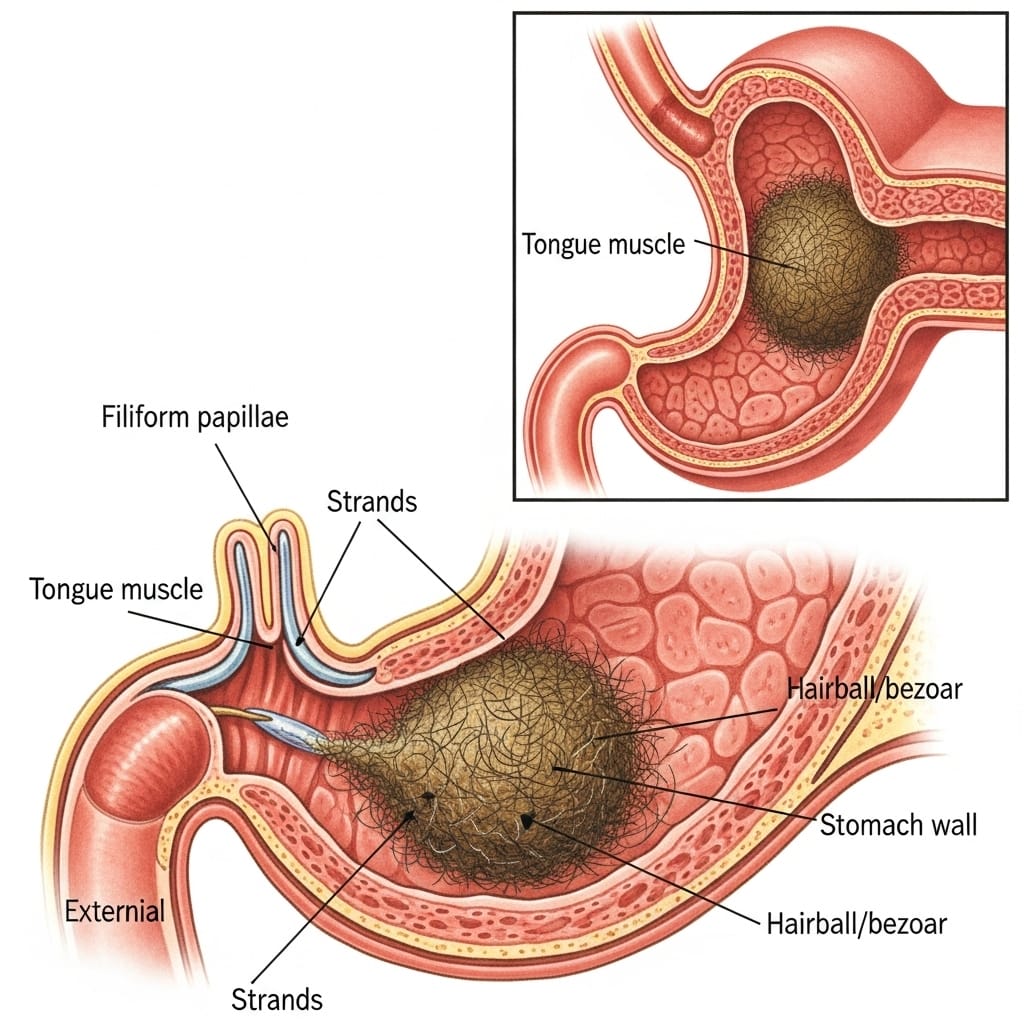
Hairballs, scientifically known as trichobezoars, form when the hair your cat ingests during grooming fails to pass through their digestive system. Unlike humans, cats have backward-facing papillae on their tongues tiny hook-like structures that trap loose hair during grooming. This hair is then swallowed and typically passes through the gastrointestinal tract without issue.
Problems arise when hair accumulates in the stomach, forming a dense mass that cannot move into the intestines. The cat’s body recognizes this foreign object and attempts to expel it through vomiting. While all cats groom and swallow hair, several factors increase hairball formation:
- Grooming frequency and efficiency: Overgroomers ingest more hair
- Coat length and type: Long-haired cats like Persians and Maine Coons are particularly prone
- Digestive motility: How efficiently the GI tract moves material through
- Hydration status: Affects the lubrication of the digestive tract
- Underlying health issues: IBD, food allergies, or metabolic disorders
The Nutritional Foundation: How Diet Influences Hairball Formation
Your cat’s diet plays a crucial role in either exacerbating or alleviating hairball issues. The right nutritional approach addresses three key areas: digestive motility, hair passage, and coat health. Let’s examine how specific dietary components influence hairball management.
Dietary Fiber: The Natural Transit Promoter
Fiber isn’t typically associated with carnivorous diets, but for hairball management, specific types of fiber are invaluable. Fiber works by:
- Adding bulk to stool: Helping move hair through the intestines
- Binding with hair: Preventing hair from clumping together
- Promoting regular bowel movements: Maintaining consistent digestive rhythm
There are two primary types of fiber beneficial for hairball management:
Soluble Fiber: Forms a gel-like substance in the digestive tract that helps lubricate the passage of hair. Sources include pumpkin, psyllium, and certain gums.
Insoluble Fiber: Adds bulk to stool and speeds intestinal transit. Common sources include cellulose and beet pulp.
The ideal hairball management diet contains a balanced blend of both fiber types. Too much insoluble fiber can cause constipation, while excessive soluble fiber might lead to loose stools. Most veterinary-formulated hairball foods contain between 3-8% crude fiber.
Moisture Content: The Lubrication Factor
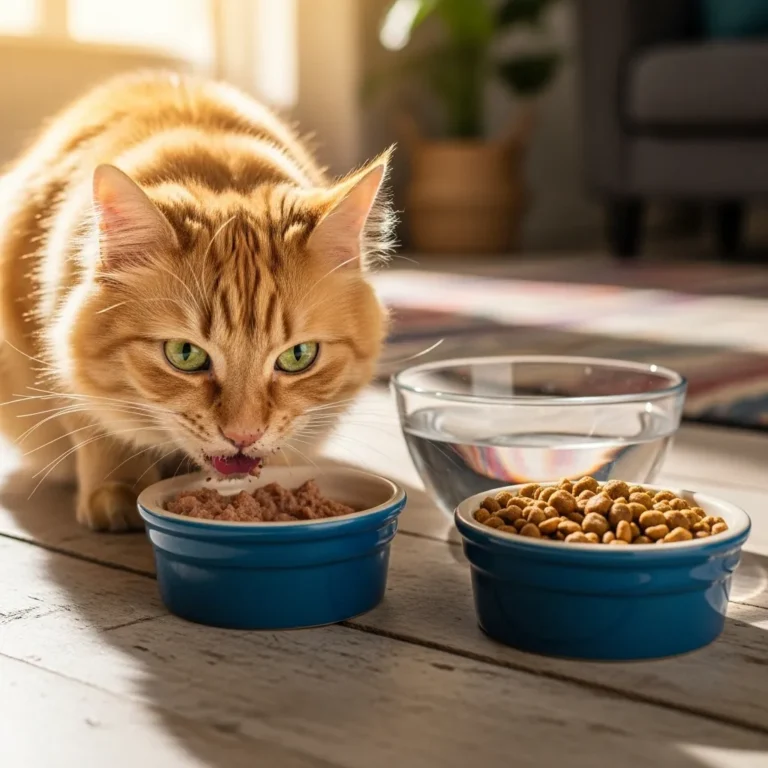
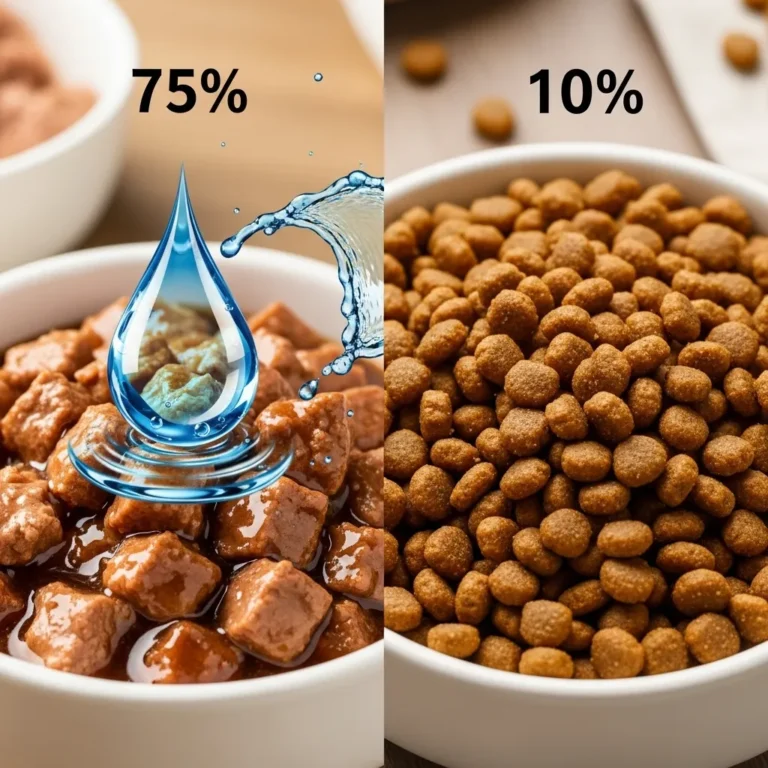
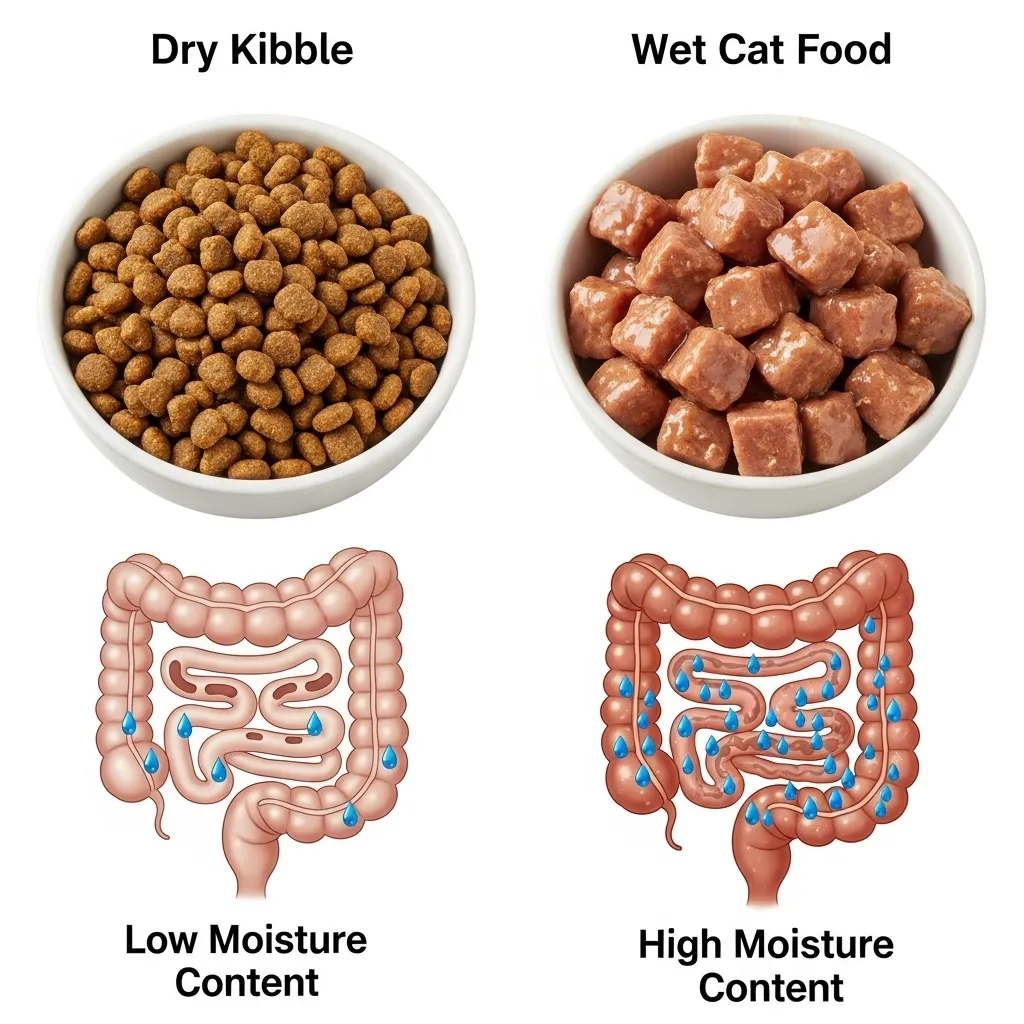
Hydration is critical for hairball prevention. Well-hydrated cats have better gastrointestinal lubrication, allowing hair to slide through more easily. Dry food typically contains only 10% moisture, while canned food contains 75-85%. This dramatic difference significantly impacts how hair moves through the digestive system.
Cats on dry food diets often suffer from chronic mild dehydration, even when they drink water. This is because cats evolved to get most of their moisture from prey. The result? Thicker, more viscous digestive juices that struggle to move hair along.
Essential Fatty Acids: Coat Health from the Inside Out
A healthy coat sheds less, meaning less hair is available for ingestion during grooming. Omega-3 and Omega-6 fatty acids are crucial for maintaining skin barrier function and coat quality. When a cat’s skin is healthy and moisturized, hair grows stronger and sheds in a more controlled manner.
Sources of these essential fatty acids include:
- Fish oils (rich in EPA and DHA)
- Flaxseed oil
- Chicken fat (balanced Omega-6 source)
Regular inclusion of these fats in your cat’s diet can reduce excessive shedding by up to 30%, significantly decreasing the raw material available for hairball formation.
Specialized Nutrients for Hairball Management
Beyond basic nutrition, certain ingredients and nutrients specifically target hairball prevention:
Cellulose: A natural fiber source that gently scours the digestive tract, preventing hair accumulation.
Psyllium: Forms a soft, gel-like mass that helps move hair through the intestines without irritating the digestive lining.
Medium-Chain Triglycerides (MCTs): Found in coconut and palm oils, these fats may help improve coat condition and reduce shedding.
Digestive Enzymes: Some formulations include enzymes like cellulase that may help break down hair components.
Prebiotics and Probiotics: Support healthy gut flora, which improves overall digestive function and motility.
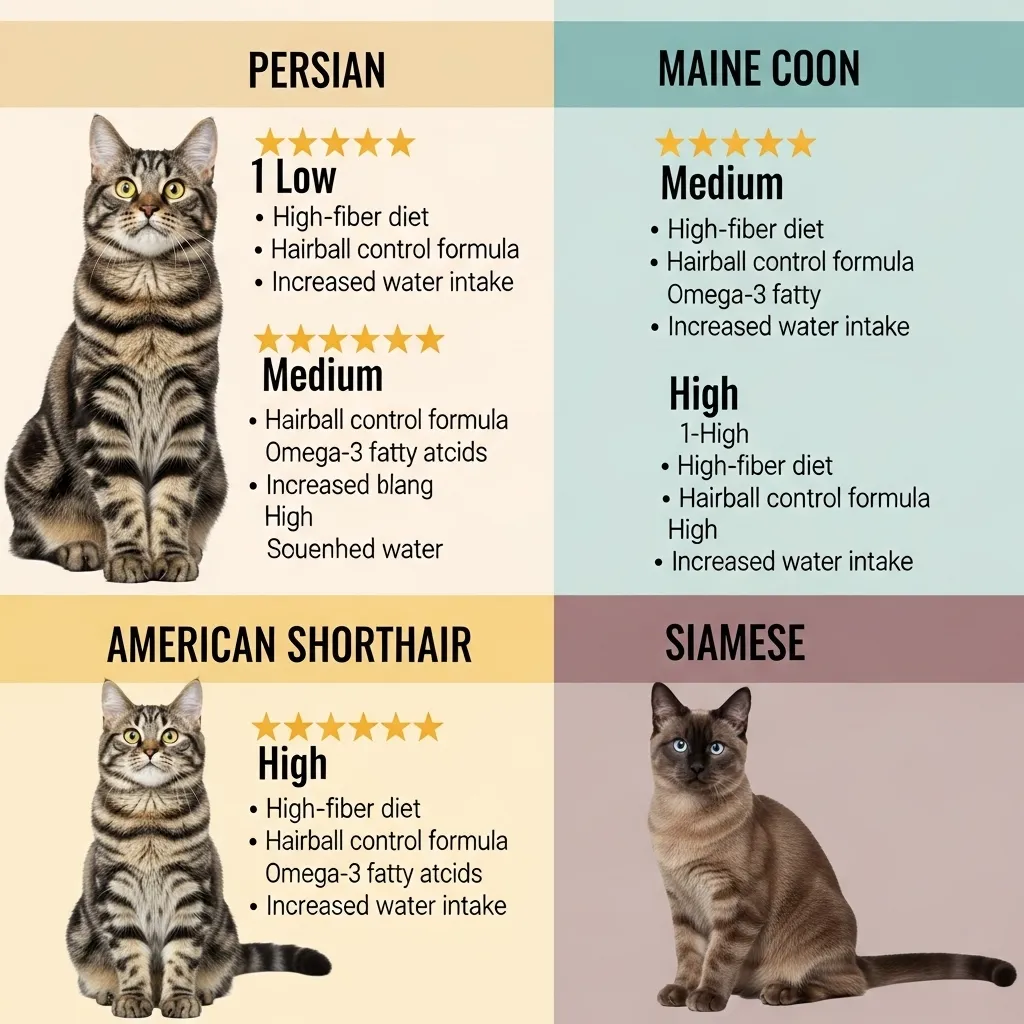
Breed-Specific Nutritional Considerations
Different breeds have varying susceptibilities to hairballs based on coat type, grooming habits, and digestive tendencies. Explore our detailed guide on specific breed needs in our cat breeds personalities article.
Long-Haired Breeds: Persian, Maine Coon, Ragdoll
These breeds require higher fiber diets and may benefit from specialized hairball formulas year-round. Their dense undercoats shed profusely, especially during seasonal changes. Learn more about Ragdoll cat care for breed-specific advice.
Medium-Haired Breeds: American Shorthair, British Shorthair
While less prone than long-haired breeds, these cats still benefit from preventive nutrition, particularly during shedding seasons. Discover how to manage American Shorthair hairballs effectively.
Short-Haired Breeds: Siamese, Bengal, Russian Blue
These breeds typically have fewer hairball issues but can develop problems if they’re overgroomers due to stress or skin conditions. Read about Bengal cat vomiting to distinguish between hairballs and other issues.
Life Stage Nutrition for Hairball Management
A cat’s nutritional needs change throughout their life, and hairball management strategies should adapt accordingly:
Kittens: Rarely have hairball issues but establishing good nutrition early supports healthy skin and coat development. Focus on high-quality protein and essential fatty acids.
Adult Cats (1-7 years): This is when hairball issues typically emerge. Implement preventive nutrition with balanced fiber sources and adequate hydration.
Senior Cats (7+ years): May experience reduced digestive motility. Consider easily digestible fiber sources and monitor for constipation. Learn more about senior cat care nutritional needs.
Reading Cat Food Labels for Hairball Management
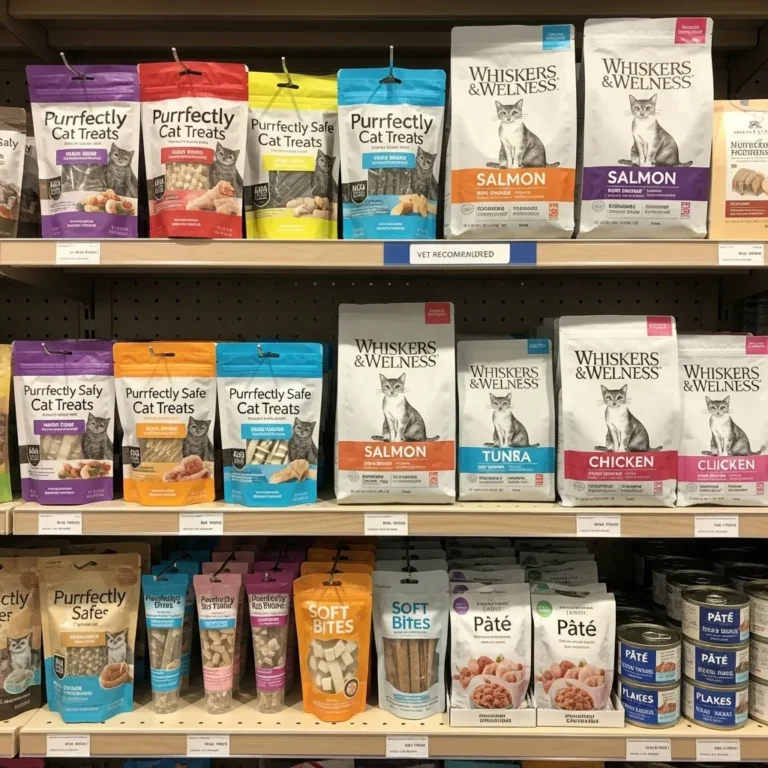
Not all “hairball formula” foods are created equal. When evaluating options, look for:
- Specific fiber sources listed (not just “fiber”)
- Moisture content (higher is better for hairball prevention)
- Omega fatty acids in the ingredients
- AAFCO statement confirming complete nutrition
- Appropriate life stage designation
Be wary of foods with excessive fiber content (over 10%), as this can interfere with nutrient absorption. Also watch for unnecessary carbohydrates that provide empty calories without hairball benefits.
The Role of Hydration in Hairball Prevention
Water is the simplest yet most overlooked component of hairball management. Well-hydrated cats have:
- Softer stools that move hair along more easily
- Better overall digestive function
- Reduced hair clumping in the stomach
Strategies to increase water intake include:
- Feeding wet/canned food as at least 50% of the diet
- Using water fountains (cats prefer moving water)
- Placing multiple water stations around the home
- Adding water or broth to dry food
For cats resistant to increased water consumption, explore our cat hydration guide for creative solutions.
Combining Nutrition with Grooming: The Complete Approach
While nutrition addresses hairball formation internally, external grooming reduces the amount of hair available for ingestion. The most effective hairball management combines both approaches:
Regular Brushing: Removes loose hair before your cat can ingest it. Frequency depends on coat length:
- Long-haired: Daily brushing
- Medium-haired: Every other day
- Short-haired: 2-3 times per week
Professional Grooming: For some long-haired breeds, regular professional grooming or “lion cuts” during heavy shedding seasons can dramatically reduce hairball formation.
Bathing Considerations: While most cats don’t require regular bathing, occasional baths during heavy shedding can remove loose hair. Use only cat-specific shampoos.
Discover more cat grooming hacks to make the process easier for both you and your cat.
When Hairballs Signal Underlying Health Issues
While nutritional management solves most hairball problems, frequent hairballs can sometimes indicate underlying health concerns. Consult your veterinarian if your cat experiences:
- More than one hairball per week
- Difficulty passing stool or constipation
- Loss of appetite or weight loss
- Lethargy or depression
- Unproductive retching (trying to vomit but nothing comes up)
These symptoms could indicate conditions like:
- Inflammatory bowel disease (IBD)
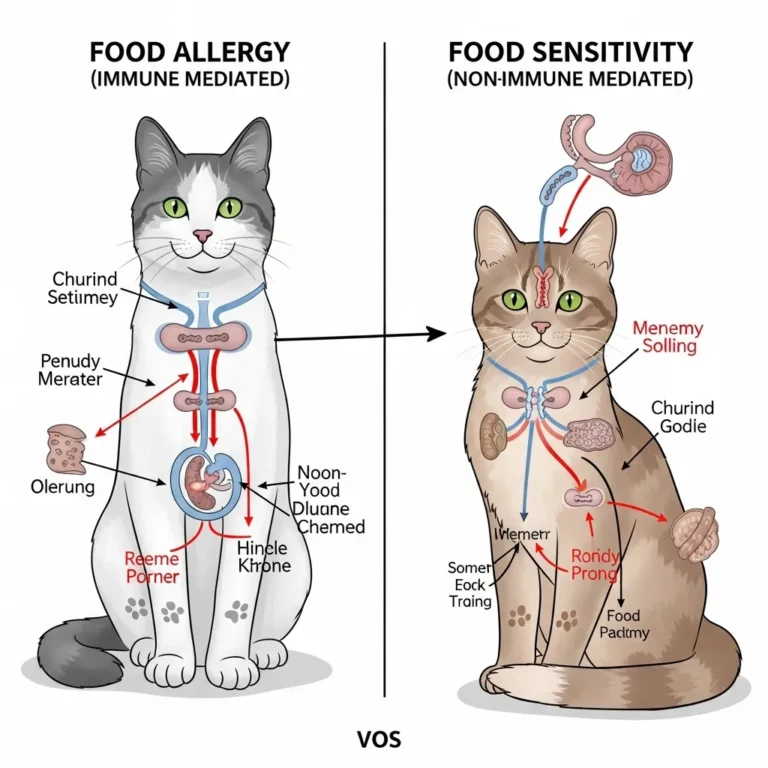
- Food allergies or intolerances
- Intestinal parasites
- Metabolic disorders
- Intestinal blockages (a medical emergency)
Learn to recognize other cat sick signs that warrant veterinary attention.
Homemade and Supplemental Approaches
Some owners prefer to supplement commercial diets with homemade additions. Safe, effective options include:
Pumpkin Puree: 1/2 to 1 teaspoon daily provides soluble fiber. Use plain canned pumpkin, not pumpkin pie filling.
Psyllium Husk: 1/8 to 1/4 teaspoon mixed with wet food can help move hair through. Always ensure adequate water intake with psyllium.
Fish Oil Supplements: Provide Omega-3 fatty acids for coat health. Follow dosage instructions based on your cat’s weight.
Malt-Based Hairball Remedies: These lubricants help hair pass through. Use as directed, typically 2-3 times weekly.
Important: Always introduce supplements gradually and consult your veterinarian, especially if your cat has underlying health conditions.
Transitioning to a Hairball-Management Diet
Sudden diet changes can cause digestive upset. Transition gradually over 7-10 days:
- Days 1-3: 75% old food, 25% new food
- Days 4-6: 50% old food, 50% new food
- Days 7-9: 25% old food, 75% new food
- Day 10: 100% new food
Monitor stool consistency and hairball frequency during the transition. Some cats may need a slower transition period.
Frequently Asked Questions
Q: How often should a healthy cat produce hairballs?
A: Most healthy cats produce hairballs once every week or two at most. More frequent hairballs warrant dietary adjustment or veterinary evaluation.
Q: Can hairball foods cause weight gain?
A: Some hairball formulas are higher in fiber but not necessarily higher in calories. Monitor portion sizes and adjust according to your cat’s activity level to prevent weight gain.
Q: Are hairball treats effective?
A: Hairball treats can supplement a good diet but shouldn’t replace proper nutrition. They typically contain lubricants or fiber that help move hair through the system.
Q: Should I change my cat’s diet seasonally for hairballs?
A: Yes, many cats benefit from increased hairball prevention measures during spring and fall shedding seasons. You might increase brushing frequency or temporarily add a hairball supplement.
Q: Can kittens get hairballs?
A: Kittens rarely get hairballs since they groom less and have finer hair. If a kitten frequently produces hairballs, consult your veterinarian.
Q: How long does it take to see results from dietary changes?
A: Most cats show improvement within 2-4 weeks of consistent dietary management. The digestive tract needs time to adjust to increased fiber or moisture.
Q: Are some cats just prone to hairballs regardless of diet?
A: While some individuals and breeds are more prone, proper nutrition can significantly reduce frequency and severity in almost all cases.
Conclusion: A Holistic Approach to Hairball Management
Managing hairballs through nutrition is both a science and an art. It requires understanding your cat’s unique needs considering their breed, age, health status, and individual tendencies. The most effective approach combines strategic dietary choices with proper grooming and adequate hydration.
Remember that hairball management is fundamentally about supporting your cat’s natural digestive processes. By providing the right balance of fiber, moisture, and nutrients, you create an internal environment where hair passes through smoothly rather than accumulating into problematic masses.
The journey to fewer hairballs begins with assessing your cat’s current diet and making thoughtful adjustments. Start with one change perhaps increasing moisture by adding wet food or introducing a fiber supplement and observe how your cat responds. Patience and consistency are key; digestive changes take time to manifest.
Your reward will be fewer late-night hairball episodes, a healthier digestive system for your cat, and the peace of mind that comes from knowing you’re addressing this common issue at its nutritional root.
Explore more expert cat care, behavior, and nutrition guides on Cat Bloom Haven. From breed-specific advice to understanding feline behavior, our comprehensive resources help you provide the best care for your feline companion. Discover practical tips for cat food nutrition, learn about best wet cat food options, or understand how diet affects cat digestion and overall health.