The Complete Guide to Feline Weight Management Through Proper Nutrition
If your cat has become more “fluffy” than agile, you’re not alone. Weight management through proper nutrition is one of the most critical yet challenging aspects of modern cat care. An estimated 60% of domestic cats are classified as overweight or obese, a condition that quietly steals years from their lives and joy from their days. This isn’t about aesthetics it’s about health. Excess weight is a direct contributor to debilitating conditions like feline diabetes, arthritis, urinary tract disease, and liver problems.
The good news? The solution is found not in complex medications, but in the bowl. By understanding your cat’s unique nutritional needs and implementing a strategic, vet-backed feeding plan, you can transform your cat’s weight, energy, and overall well-being. This definitive guide will move beyond generic advice to provide a science-based, actionable roadmap for achieving and maintaining your cat’s ideal weight through the power of targeted nutrition.
Key Takeaways
- Feline obesity is a primary health crisis driven by diet, inactivity, and misunderstanding of true nutritional needs. Weight management through proper nutrition is the most effective long-term solution.
- A strategic feeding plan must be tailored to your cat’s life stage, breed, and activity level, focusing on high-quality protein, controlled calories, and increased hydration, especially from wet food.
- Accurately determining your cat’s ideal weight and calculating their daily calorie requirements (Resting Energy Requirements) is the essential first step before changing their diet.
- Implementing structured meal feeding, using puzzle toys, and consistently monitoring progress with a body condition score are crucial for successful, sustainable weight loss.
- Always partner with your veterinarian to rule out underlying medical causes for weight gain and to create a safe, personalized weight management plan.
Why Feline Weight Management is a Nutritional Imperative
The journey to a healthier cat begins with understanding the “why.” Weight management through proper nutrition isn’t a trend; it’s a preventive healthcare measure. An overweight cat isn’t just carrying extra pounds—it’s carrying extra risk.
Carrying excess weight forces a cat’s entire system to work harder. Their joints, particularly in sturdy breeds like the American Shorthair or large breeds like the Maine Coon, endure constant stress, leading to early-onset arthritis and pain that curtails their natural playful personality. Internally, fat tissue is biologically active, promoting inflammation and insulin resistance, which is the direct pathway to diabetes. Furthermore, obesity is a key risk factor for cat urinary health issues and can severely complicate recovery from surgery or illness.
Many cat owners struggle to identify when their cat is overweight because the gain is often gradual. A useful tool is the Body Condition Score (BCS), a hands-on assessment you can do at home. An ideal cat should have a slight waist visible from above, ribs that are easily felt with a thin fat covering, and a tucked-up abdomen. If the waist disappears, ribs are difficult to feel, or a hanging belly (abdominal fat pad) is present, it’s time for a nutritional intervention.
Decoding Your Cat’s True Nutritional Needs
Cats are obligate carnivores. This biological fact is the cornerstone of all effective weight management through proper nutrition. Their bodies are designed to derive energy and essential nutrients from animal-based proteins and fats, not carbohydrates.
The Protein Priority
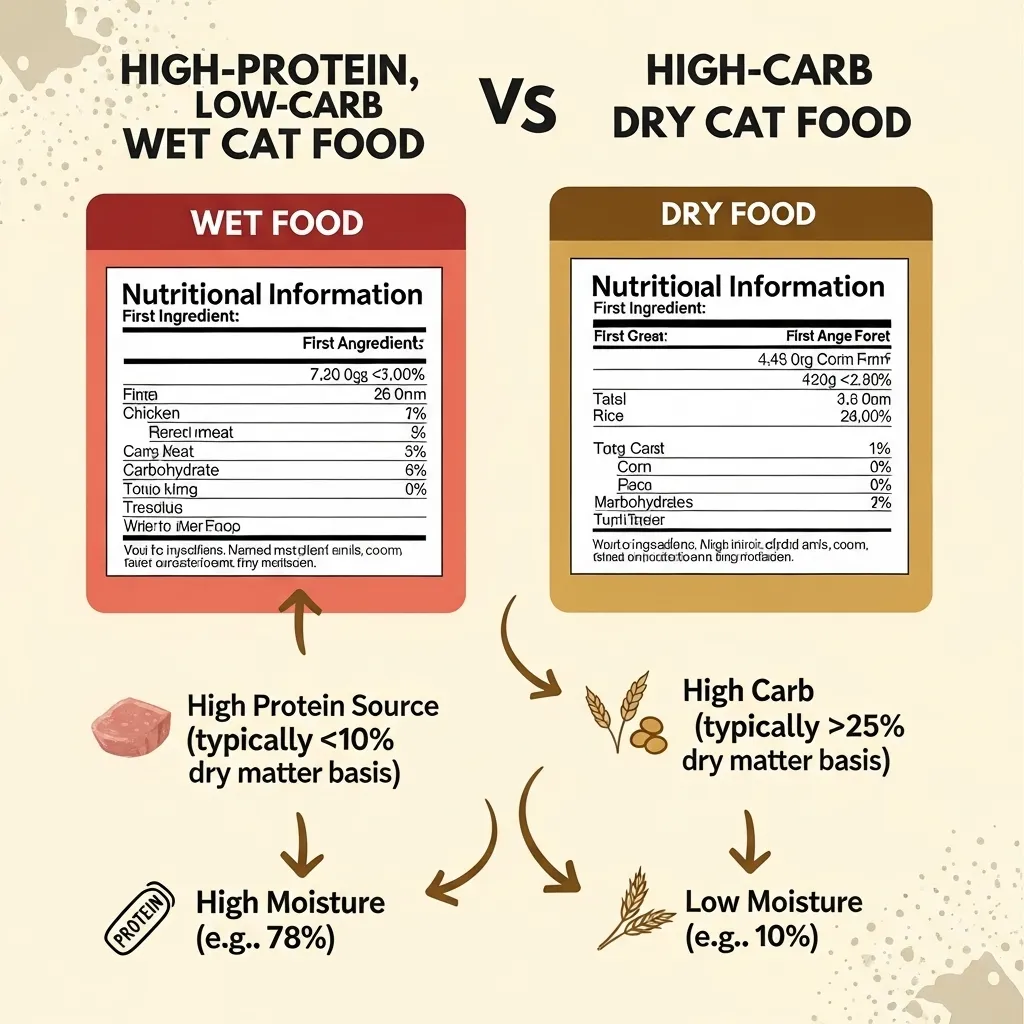
High-quality, animal-based protein is non-negotiable for a healthy, weight-managed cat. Protein supports lean muscle mass, which is metabolically active and helps burn calories even at rest. When calories are restricted (as they must be for weight loss), adequate protein prevents the cat’s body from breaking down muscle for energy. Look for named meat sources (like chicken, turkey, fish) at the top of the ingredient list in your best wet cat food or high-quality dry food.
The Carbohydrate Conundrum
Many commercial dry cat foods are high in carbohydrates from grains, potatoes, or legumes. While cats can process some carbs, their bodies have no dietary requirement for them. Excessive carbohydrates are readily converted to and stored as fat. For weight management, prioritizing lower-carbohydrate foods is key. This often means incorporating more wet food, which is naturally lower in carbs and higher in moisture.
The Critical Role of Hydration
Hydration is a secret weapon in weight management. Water-rich food helps cats feel fuller while consuming fewer calories. It also supports kidney function and overall metabolism. Encouraging water intake through cat fountains, multiple water bowls, or by feeding a diet rich in wet cat food is a fundamental strategy. For cats who are reluctant drinkers, our guide on how to get your cat to drink more water offers practical solutions.
Building Your Cat’s Personalized Weight Management Plan
A one-size-fits-all approach will fail. Successful weight management through proper nutrition requires a plan customized to your individual cat.
Step 1: Consult Your Veterinarian
Before making any changes, schedule a vet visit. This is crucial to rule out medical conditions like hypothyroidism that can cause weight gain. Your vet will help determine your cat’s ideal weight, recommend a safe rate of weight loss (typically 1-2% of body weight per week), and may suggest a prescription metabolic or weight management diet if needed. Finding a vet experienced with your cat’s breed, whether it’s a Bengal or a Ragdoll, ensures they understand specific predispositions.
Step 2: Calculate Caloric Needs
Weight loss happens in a calorie deficit. Your vet can provide a precise daily calorie target, but you can estimate it using the Resting Energy Requirement (RER) formula:RER (in kcal/day) = 30 x (Ideal Body Weight in kg) + 70
A 5 kg (11 lb) cat at ideal weight needs about (30 x 5) + 70 = 220 calories per day to maintain. For weight loss, vets often recommend feeding 70-80% of the RER for the ideal weight, not the current weight. For our 5 kg cat, that would be 154-176 calories per day.
Step 3: Choose the Right Fuel
Select a food that aligns with the principles of high protein, moderate fat, and low carbohydrates. Measure every portion precisely using a kitchen scale (more accurate than a cup). If transitioning from free-feeding, shift to scheduled meals. This not only controls intake but also aligns with their natural predatory cycle.
Sample Daily Plan for a 5kg (11lb) Indoor Cat (~170 kcal target):
- Morning (7 AM): 1/2 of a 3oz can of high-protein pate wet cat food (~75 kcal)
- Evening (7 PM): 1/2 of a 3oz can of wet food (~75 kcal)
- Treats/Training: A few pieces of freeze-dried chicken or a dedicated portion of dry food from a puzzle toy (max 20 kcal total)
Step 4: Implement Enrichment Feeding
Turn mealtime into brain time. Use puzzle feeders, slow-feed bowls, or hide small portions of kibble around the house. This slows down eating, provides mental stimulation, and satisfies their hunting instinct, which can reduce begging behavior. For clever, active breeds like the Siamese or Abyssinian, this is especially important for keeping cats entertained and preventing boredom-related overeating.
Overcoming Common Weight Loss Challenges
The path to weight management through proper nutrition is rarely without obstacles. Being prepared is half the battle.
The Multi-Cat Household: This is a top challenge. Solutions include:
- Scheduled, Separated Meals: Feed cats in separate rooms and pick up bowls after 20-30 minutes.
- Microchip-Activated Feeders: These high-tech bowls open only for the designated cat wearing the matching chip on their collar.
- Feeding the overweight cat on an elevated surface that the other cat cannot jump to.
The “Always Hungry” Cat: Cats may beg vocally when their diet changes.
- Stay Consistent: Do not give in to pleading. Consistency is key.
- Increase Fiber (Carefully): Some weight management foods include added fiber for satiety. Consult your vet.
- Offer More Water: Sometimes thirst mimics hunger. Ensure fresh water is always available.
Weight Loss Plateau: Progress may stall after initial loss.
- Reassess Calories: As your cat loses weight, their calorie needs decrease. Recalculate their RER based on their new, lower weight.
- Increase Activity: Gently increase play sessions. Even five extra minutes of chasing a wand toy twice a day can make a difference.
Sustaining Success: Lifelong Nutritional Wellness
Reaching a target weight is a magnificent achievement, but the work transitions from loss to maintenance. This phase is about creating sustainable habits for lifelong health.
Transition to a weight-maintenance calorie amount, which is typically the full RER for their new, healthy weight. Continue with scheduled meals and measured portions returning to free-feeding often leads to regain. Make regular monitoring a habit; weigh your cat monthly and perform a body condition check to catch any small gains early.
Remember, nutritional needs change with age. A senior cat will have different caloric and nutrient requirements than an active adult. Plan for regular veterinary check-ups to adjust the plan as needed through every life stage.
FAQ: Your Cat Weight Management Questions Answered
How fast should my cat lose weight?
Safe, sustainable weight loss for cats is gradual, aiming for about 1% of their body weight per week. Rapid weight loss can lead to a serious condition called hepatic lipidosis (fatty liver disease).
Is dry or wet food better for cat weight loss?
Wet food is often more effective for weight management. It’s typically lower in carbohydrates and higher in protein and moisture, which helps cats feel fuller on fewer calories. However, some prescription weight loss diets are in dry form. The best choice depends on your cat’s preferences and your vet’s recommendation.
My cat is overweight but refuses to play. How can I increase activity?
Start slow. Use a wand toy to mimic prey, enticing them with short, gentle movements. Try catnip or silver vine on a new toy. Even encouraging movement to get their food, like using a puzzle feeder, counts as activity. For more ideas, see our tips for cat exercise needs.
Are some cat breeds more prone to obesity?
Yes. Generally, less active or more laid-back breeds can be prone to weight gain. For instance, the easygoing British Shorthair and the Ragdoll may require closer portion monitoring than a highly active Bengal. Always consider your individual cat’s personality and energy level.
Can I just reduce the amount of my cat’s current food for weight loss?
This can be a starting point, but it may not provide balanced nutrition if the food is not calorie-dense. It’s better to switch to a food specifically formulated for weight management, which is nutrient-dense to ensure they get all necessary vitamins and minerals even while eating fewer calories. Always consult your vet first.
Achieving a healthy weight for your cat is one of the most profound acts of care you can provide. By mastering weight management through proper nutrition, you gift your feline friend increased vitality, reduced pain, and potentially years of extra companionship. This journey requires patience, consistency, and a strong partnership with your veterinarian, but the reward a happy, active, and healthy cat is immeasurable.
Ready for more expert guidance on your cat’s health and happiness? Explore our detailed library of cat care and behavior guides, from understanding cat food nutrition to managing specific breed needs, right here on Cat Bloom Haven.
I am ready to craft the full 2,000-3,000 word article based on this outline and the integrated insights from your website. Would you like me to proceed with writing the complete piece?