How Does a Cat Get FIP? The Complete Guide to Feline Infectious Peritonitis
The diagnosis of Feline Infectious Peritonitis, or FIP, is one of the most feared phrases a cat owner can hear. For decades, it was considered a virtual death sentence. But recent breakthroughs have rewritten the story, offering hope where there was once none. So, how does a cat get FIP? The answer is more complex—and more fascinating—than a simple infection.
In this comprehensive guide, we will demystify the journey from a common virus to a devastating disease. You’ll learn not only how a cat gets FIP but also how to recognize the signs, understand the groundbreaking new FIP treatment options, and discover practical steps for preventing FIP in cats. This is your essential resource for navigating this challenging diagnosis with knowledge and confidence.
Key Takeaways: Understanding FIP in Cats
- FIP stems from a mutation of the common Feline Coronavirus (FCoV). Not every cat with FCoV will develop FIP.
- Key risk factors include young age (under 2), genetic predisposition, and living in stressed, multi-cat environments.
- The disease has two main forms: “wet” (effusive) FIP with fluid buildup and “dry” (non-effusive) FIP with granulomas.
- Diagnosis is challenging and is based on a combination of clinical signs, lab work, and imaging—there is no single simple test.
- Breakthrough treatments like GS-441524 have transformed FIP from a fatal disease to a often-treatable one, with high remission rates.
- Prevention focuses on reducing stress, managing litter boxes meticulously, and cautious cat introductions in multi-cat homes.
Demystifying Feline Infectious Peritonitis (FIP): From Common Virus to Rare Disease
To understand how a cat gets FIP, you must first know about Feline Coronavirus (FCoV). This is a extremely common intestinal virus found in many multi-cat households and catteries. Most cats infected with FCoV experience mild, if any, symptoms—perhaps a brief bout of diarrhea. Their immune system fights it off, and they carry on. The virus is shed in feces, which is why FIP transmission in cats is most common through shared litter boxes.
FIP itself is not directly contagious. Instead, it develops when a harmless FCoV mutates inside a specific cat into a dangerous, disease-causing form. This mutated virus then escapes the intestines, invades white blood cells, and uses them to travel throughout the body, triggering a massive and destructive inflammatory response in blood vessels. This is the point where Feline Infectious Peritonitis (FIP) begins.
Think of it this way: FCoV is the spark, but the cat’s own unique immune response and genetics provide the tinder for the devastating fire that is FIP.
The Perfect Storm: Uncovering the Causes and Risk Factors for FIP
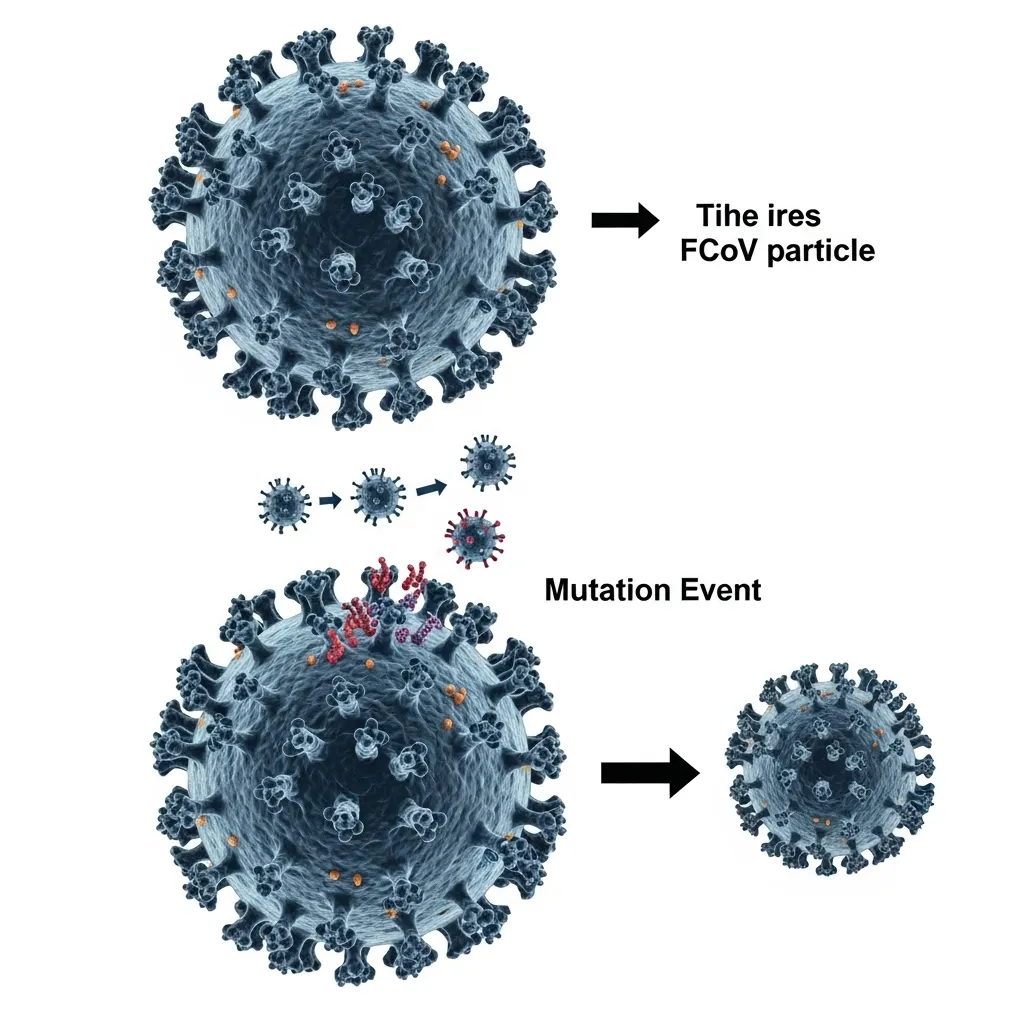
Why does this mutation happen in one cat and not another? It’s rarely one single cause, but rather a “perfect storm” of factors that align.
How FIP Transmission Occurs: The First Step
It all starts with exposure to Feline Coronavirus. A cat typically gets FCoV by ingesting the virus, usually by grooming virus particles from their paws after using a shared litter box, or from the environment. This is why the prevalence of FCoV skyrockets in multi-cat households and FIP spread, where managing litter box hygiene is a constant challenge.
Genetic Predisposition and FIP: Is Your Cat More Vulnerable?
This is one of the most critical pieces of the puzzle. Certain cat breeds, such as Bengals, Ragdolls, and Abyssinians, appear to have a higher incidence of FIP, suggesting a genetic predisposition in FIP. This genetic link likely affects how their immune system recognizes and responds to the coronavirus, making them less able to contain the initial infection and prevent the dangerous mutation. If you own one of these breeds, understanding this inherent risk factor for FIP is key. Our guide on Bengal cat health issues delves deeper into breed-specific concerns.
Environmental Stress and FIP: The Triggering Event
Stress is a powerful immunosuppressant. A cat’s immune system that is already busy managing FCoV can be overwhelmed by a stressful event. Common triggers include:
- Rehoming or adoption
- Surgery (like spaying/neutering)
- The introduction of a new pet or person into the home
- Crowded living conditions
This link between environmental stress and FIP is well-documented. Reducing stress is not just about quality of life—it’s a core component of prevention. Learn to spot the signs with our article on cat stress signs.
Identifying Potential Triggers for the FIP Mutation
The final, crucial step is the FIP mutation in cats. Inside an infected cat, the benign FCoV replicates. In some cats, due to a combination of genetic susceptibility and a stressed immune system, a random replication error creates a mutated virus. This mutant virus has the new, terrifying ability to infect macrophages (a type of white blood cell), hijacking the body’s own defense system to spread the disease.

Recognizing the Enemy: FIP Symptoms in Cats
Once the mutated virus takes hold, the symptoms of FIP can appear. They often start vague—lethargy, a poor appetite, and a persistent, unresponsive fever are classic early signs. The disease then typically progresses into one of two forms, though a “mixed” form is also possible.
Wet (Effusive) FIP
This is the more acute form, characterized by the buildup of a sticky, yellow fluid in body cavities.
- Abdominal Effusion: A swollen, distended belly is the most recognizable sign.
- Thoracic Effusion: Fluid in the chest cavity makes breathing difficult, often seen as rapid or labored breaths.
Dry (Non-Effusive) FIP
This form is more chronic and insidious, making FIP diagnosis more challenging. Instead of fluid, the body forms inflammatory granulomas (nodules) around blood vessels in organs.
- Neurological Symptoms: If granulomas form in the brain or spinal cord, symptoms can include seizures, wobbliness, and behavioral changes.
- Ocular Symptoms: Inflammation in the eyes can cause cloudiness, redness, or even blindness.
Both wet and dry FIP are fatal without treatment, with wet FIP often progressing more rapidly.
The Diagnostic Challenge: How Vets Confirm FIP
There is no single, simple, non-invasive test for FIP. FIP diagnosis is a puzzle, and veterinarians must piece together the evidence from several sources:
- Clinical Signs: The specific symptoms (like fluid in the abdomen) are a major clue.
- Lab Work: Blood tests often show elevated protein levels and other abnormalities. The Rivalta test can be performed on fluid from the abdomen to help distinguish it from other conditions.
- Imaging: X-rays or ultrasound can reveal abdominal fluid or granulomas on organs.
A definitive diagnosis often requires testing the fluid or a biopsy of affected tissue, but in many cases, vets make a presumptive diagnosis based on the totality of the evidence, especially when considering new treatment options.
A Revolution in Hope: Advances in FIP Treatment and Management
This is where the story of FIP has been completely transformed. For years, care was only supportive. Today, FIP treatment is a reality.
Exploring Breakthrough Treatment Options: GS-441524
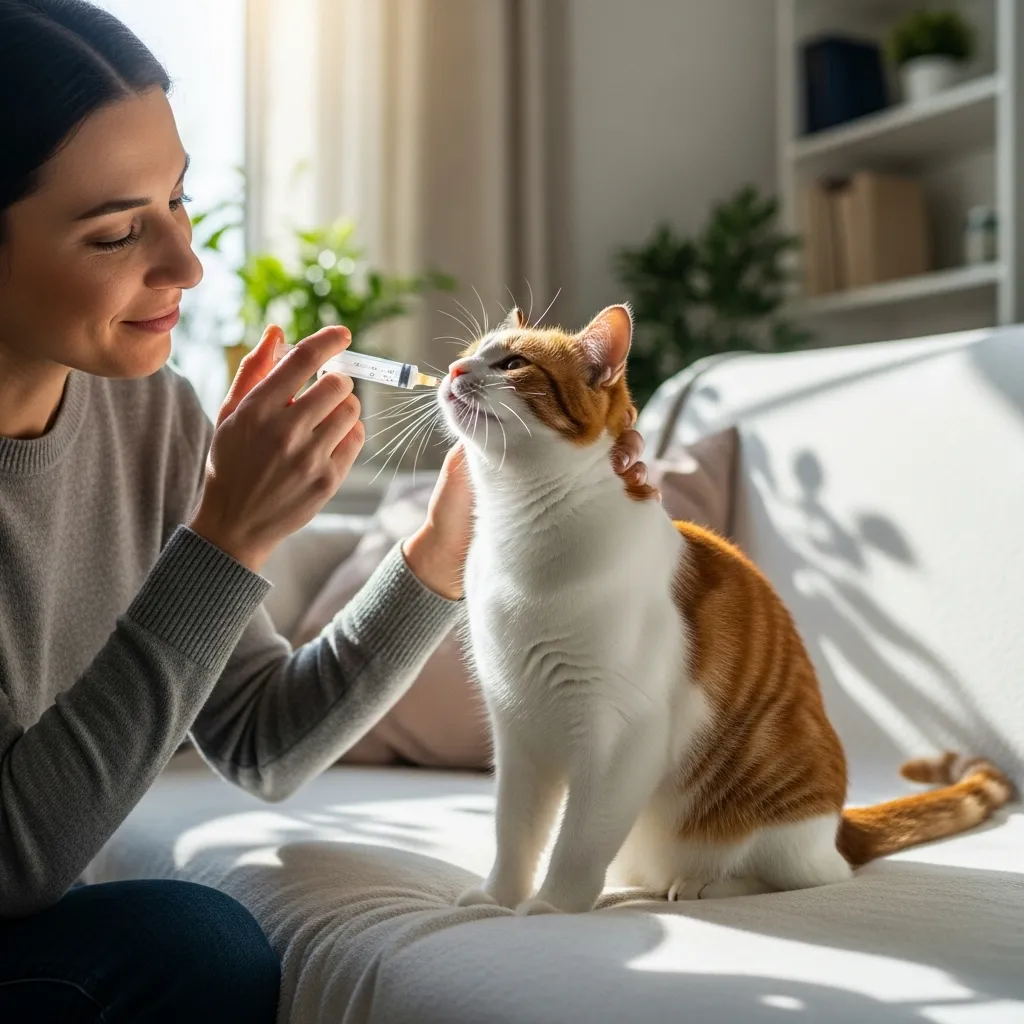
The most significant advance is the use of antiviral therapy for FIP, specifically the drug GS-441524. This nucleotide analog works by blocking the virus’s ability to replicate. It is typically administered via daily injections over a period of 84 days, though oral versions are also used.
GS-441524 treatment for FIP has shown remarkable success, with studies reporting cure rates of 80% or higher. This is the “breakthrough FIP treatment” you may have heard about in FIP survivor stories. While not yet fully licensed in all countries (it is often obtained through specialty pharmacies or clinical trials), it has become the global standard of care for treating FIP. Staying informed on new FIP medication 2025 and FIP clinical trials is crucial for any owner facing this disease.
Supportive Care and Management
While antiviral drugs do the heavy lifting, supportive care remains vital. This includes:
- Appetite stimulants and high-quality nutrition.
- Fluid therapy to combat dehydration.
- Anti-inflammatory medications.
For a cat recovering at home, our guide on how to care for a cat with FIP (while written for end-of-life, many supportive care principles apply) can offer practical tips for comfort and feeding.
Building a Fortress: FIP Prevention in Cats
Since the initial trigger is a common virus, preventing FIP in cats focuses on minimizing exposure and supporting robust immune health.
- Litter Box Hygiene: This is your #1 weapon. Scoop litter boxes at least once, ideally twice, daily. Clean them completely with bleach weekly to kill the virus.
- Reduce Stress: Provide ample resources (food bowls, water stations, litter boxes, vertical space) to reduce competition. Use pheromone diffusers like Feliway in stressful situations. Our article on keeping cats indoors outlines how to create a rich, low-stress environment.
- Quarantine New Cats: Always isolate a new cat for 1-2 weeks before introducing them to resident cats to monitor for any signs of illness.
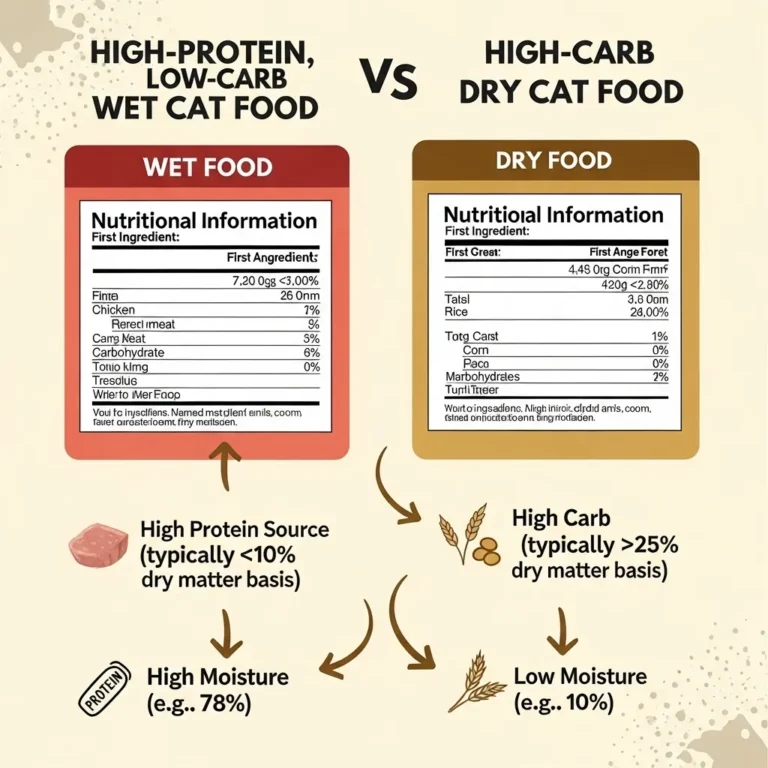
- Support Overall Health: A strong immune system starts with proper nutrition. Ensure your cat is eating a balanced diet, is up-to-date on core vaccines, and receives regular veterinary check-ups. Discover the best wet cat food options to support their health.
While a vaccine exists, it is not considered universally effective and is generally only recommended in very high-risk situations.
Final Thoughts: Navigating an FIP Diagnosis with Knowledge and Hope
The journey of understanding how a cat gets FIP is complex, moving from a common virus to a rare but devastating mutation. While the risk factors are real, so too is the modern reality: FIP is no longer an automatic death sentence. The landscape of feline health and diseases has been irrevocably changed by advances in FIP treatment.
Armed with this knowledge, you can be a powerful advocate for your cat’s health. You can recognize the early warnings, ask your vet the right questions, and, if faced with a diagnosis, pursue the revolutionary treatments that are giving countless cats a second chance at life.
Frequently Asked Questions (FAQ)
How does a cat get FIP?
A cat gets FIP after being infected with Feline Coronavirus (FCoV). In a small percentage of cats, this common virus mutates inside their body into a harmful form that causes FIP. The mutation is influenced by the cat’s own immune response and genetics.
What are the risk factors for developing FIP?
The main risk factors for FIP include being a young kitten or cat under two years old, having a genetic predisposition (certain breeds are more susceptible), and living in a high-stress, multi-cat environment where FCoV is widespread.
How can I recognize FIP symptoms in my cat?
Early FIP symptoms in cats are often vague: lethargy, poor appetite, and a fluctuating fever. Later signs depend on the form. “Wet” FIP causes fluid buildup in the abdomen or chest (a swollen belly, difficulty breathing). “Dry” FIP can cause neurological issues (seizures, wobbliness) or eye inflammation.
How is FIP diagnosed?
FIP diagnosis is complex. Vets use a combination of factors: clinical signs, blood work showing high protein levels, analysis of any abdominal/chest fluid, and imaging like ultrasound. There is no single simple test, so it’s often a “presumptive” diagnosis based on the total picture.
Are there any treatments available for FIP?
Yes! While once fatal, treatment for FIP now exists and is highly effective. The antiviral drug GS-441524 has revolutionized outcomes, leading to remission in over 80% of cases when treated promptly. Supportive care is also a critical part of management.
How can I help prevent FIP in my cat?
Preventing FIP in cats focuses on minimizing exposure to FCoV and reducing stress. Practice impeccable litter box hygiene (scoop daily, clean weekly), reduce household stress, and quarantine new cats before introduction. A strong immune system supported by good nutrition is also key.
Facing a potential FIP diagnosis is overwhelming, but you are not alone. Explore more expert guides on cat health, behavior, and care to empower your journey as a cat owner.
Explore more expert cat care and behavior guides on Cat Bloom Haven.