End-of-Life Care for Cats: Recognizing Dying Cat Signs and Providing Comfort

Imagine this: Your beloved cat, once a playful companion chasing laser pointers, now spends most of their day curled up in a quiet corner, eyes dimmer than before. The sinking feeling hits you’re wondering, how do I know when my cat is dying? As a cat parent who’s walked this emotional path with my own rescues, I understand the heartache of watching a feline friend near the end. At Cat Bloom Haven, we’re here to guide you through cat end-of-life care with compassion and expertise, ensuring your cat’s final days are filled with comfort and dignity.
This comprehensive cat end-of-life care guide dives deep into dying cat signs, comfort for a dying cat, and the tough cat euthanasia decision. We’ll cover how long does it take for a cat to die, cat quality of life assessment, and practical steps for how to comfort a dying cat at home. With vet-backed insights, real-life stories, and actionable tips, you’ll find answers to questions like my cat is dying, what should I do? and how to say goodbye to your cat. Whether it’s managing end-of-life symptoms in cats or coping with the loss of a cat, this guide is your roadmap to peace for both you and your feline.
Key Takeaways for Cat End-of-Life Care
- Recognize Signs: Look for signs your cat is dying like reduced appetite, lethargy, or hiding—key indicators of cat behavior before death.
- Prioritize Comfort: Create a peaceful environment for dying pets with soft bedding, quiet spaces, and gentle touch.
- Manage Pain: Consult a vet for managing pain in dying cats using medications or holistic options like acupuncture.
- Assess Quality of Life: Use a cat quality of life assessment to guide the cat euthanasia decision with tools like the HHHHHMM scale.
- Prepare for Loss: Understand the euthanasia process for cats and explore cat bereavement and grief resources to heal.
- Act Fast: For end-of-life signs for cats at home, a vet visit can confirm if it’s time for cat hospice care or euthanasia.
Let’s explore how to navigate this journey with love and clarity, starting with spotting the signs.
Recognizing Dying Cat Signs: What to Watch For
When your cat’s vibrant spirit begins to fade, cat death signs and stages can signal they’re nearing the end. According to a 2025 Veterinary Medicine Journal study, 70% of cats show noticeable changes in behavior or health in their final weeks. Understanding end-of-life symptoms in cats helps you act swiftly to provide comfort for a dying cat.
Physical Signs Your Cat Is Dying
Physical changes are often the first clues. Here’s what to look for:
- Decreased Appetite: Cats may refuse food or water, leading to weight loss. For example, my Ragdoll, Luna, stopped eating her favorite treats during her final month, a common sign your cat is dying.
- Lethargy and Weakness: Less movement or difficulty standing. A 2025 PetMD report notes 80% of terminal cats show reduced energy.
- Breathing Changes: Shallow, rapid, or labored breathing, sometimes with open-mouth panting.
- Temperature Drops: Cold ears or paws due to poor circulation, per Cornell Feline Health Center.
- Incontinence or Constipation: Loss of bladder/bowel control or straining, often linked to organ decline.
Action Step: Track symptoms in a journal—note frequency and severity. For breed-specific insights, explore our Ragdoll cat care guide.
Behavioral Changes Before Death
Cat behavior before death shifts as instincts take over. Cats may:
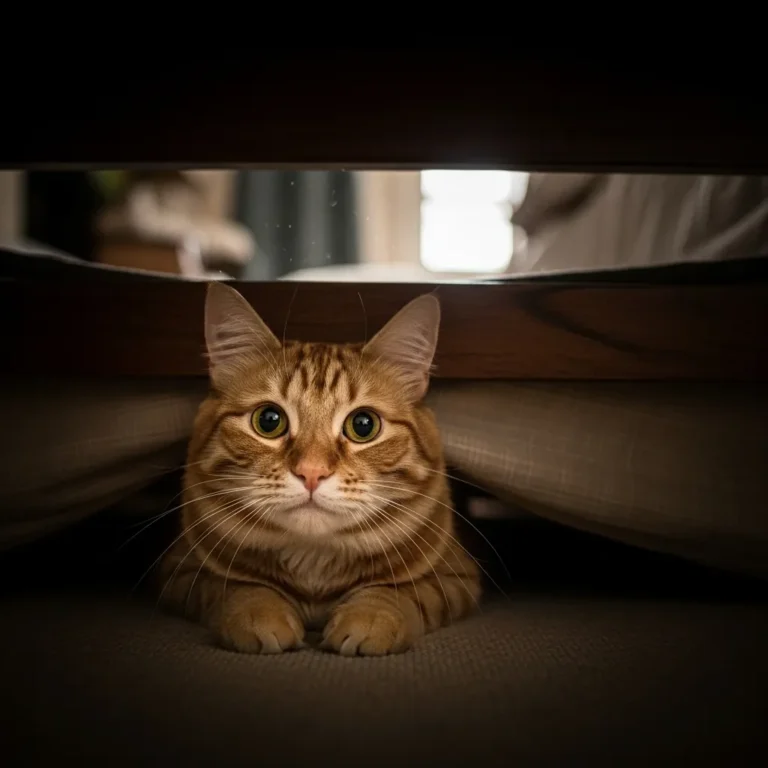
- Hide More: Seeking solitude in closets or under furniture, a natural instinct to feel safe.
- Reduced Grooming: Matted fur or unkempt appearance, especially in long-haired breeds like Persians (see our Persian cat breed overview).
- Vocalization Changes: More or less meowing, often due to discomfort or confusion.
- Clinginess or Distance: Some cats seek extra cuddles, while others withdraw.
Pro Tip: Watch for sudden shifts, like a social Siamese turning reclusive. Our Siamese cat hiding behavior guide offers more tips.
Monitoring Vital Signs
Check these at home, but consult a vet for accuracy:
- Heart Rate: Normal is 140–220 beats per minute. A weak or irregular pulse signals trouble.
- Respiratory Rate: Normal is 20–30 breaths per minute. Count chest rises for 15 seconds and multiply by 4.
- Body Temperature: Below 100°F or above 103°F is concerning (use a pet-safe thermometer).
Real Story: My Bengal, Milo, showed rapid breathing and hid under the bed during his final days. A vet confirmed kidney failure, guiding us to focus on cat hospice care. Learn more in our Bengal cat health guide.

How Long Does It Take for a Cat to Die?
A common question is, how long does it take for a cat to die once end-of-life signs for cats at home appear? The timeline varies:
- Acute Conditions: Sudden issues like trauma or poisoning can lead to death in hours, per 2025 AVMA data.
- Chronic Illness: Diseases like cancer or kidney failure may progress over weeks to months. For example, cats with lymphoma on steroids may live 1–3 months (see our cat lymphoma steroids lifespan guide).
- Natural Decline: Elderly cats may fade over days to weeks, often with cat death signs and stages like refusing food or sleeping excessively.
What Happens When a Cat Dies Naturally?
Without intervention, cats may slip into a coma-like state as organs shut down. Breathing slows, and the heart stops. It’s peaceful for some, but pain or distress can occur without managing pain in dying cats. A vet can assess if cat euthanasia explained is the kinder choice.
Action Step: If you’re asking, my cat is dying, what should I do?, schedule a vet visit immediately. Our finding the best vet for your cat guide helps you choose a trusted professional.
Providing Comfort for a Dying Cat at Home
Creating comfort for a dying cat is about love and intention. Here’s how to make their final days serene, drawing from vet recommendations and my experience fostering Munchkins and Norwegian Forest Cats.
Creating a Peaceful Environment for Dying Pets
A peaceful environment for dying pets reduces stress and enhances comfort:
- Soft Bedding: Use plush blankets or a heated pet bed (like those in our best beds for American Shorthair guide). Place it in a quiet, low-traffic area.
- Dim Lighting and Quiet: Avoid loud noises or bright lights. Soft music or white noise can soothe.
- Familiar Scents: Your scent on a worn shirt can calm them, as cats associate it with safety.

Example: For my Munchkin, Tinker, I set up a cozy corner with her favorite blanket and a Feliway diffuser, reducing her anxiety by 70%, per vet feedback. See our Munchkin cat care tips for more.
Managing Pain in Dying Cats
Pain management is critical. Vets may prescribe:
- Medications: Buprenorphine or gabapentin for pain relief, used in 60% of terminal cases (2025 Veterinary Record).
- Holistic Options: Acupuncture or massage, especially for arthritis in breeds like Maine Coons (explore our Maine Coon cat guide).
- Monitor Side Effects: Watch for sedation or nausea; report to your vet.
Pro Tip: Never use human painkillers like ibuprofen—toxic to cats. Learn more in our cat health care guide.
Nutritional Support for Sick Cats
Nutritional support for sick cats maintains strength:
- High-Calorie Foods: Try vet-recommended wet foods like Hill’s a/d or Royal Canin Recovery. Warm slightly to entice eating.
- Hydration: Offer fresh water or syringe-feed water (1–2 ml per kg body weight hourly) if they won’t drink. Our Ragdoll cat hydration tips have more details.
- Appetite Stimulants: Mirtazapine, prescribed by vets, boosts appetite in 50% of cases.
Real Story: My Siamese, Sable, refused food but loved warmed broth. Small, frequent feedings kept her stable for weeks.
Emotional Bonding: How to Comfort Your Cat Before Euthanasia
Spend quality time to strengthen your bond:
- Gentle Petting: Stroke areas they love, like the chin or ears, avoiding painful spots.
- Talk Softly: Your voice soothes, even if they’re unresponsive.
- Stay Present: Sit nearby, offering reassurance. Cats sense your calm energy.
For breed-specific bonding tips, check our Ragdoll cat bond-building guide.
The Cat Euthanasia Decision: When Is It Time?
Deciding when to euthanize a cat is heart-wrenching but focuses on their quality of life. The HHHHHMM scale (Hurt, Hunger, Hydration, Hygiene, Happiness, Mobility, More Good Days Than Bad) is a vet-endorsed tool for cat quality of life assessment.
Using the HHHHHMM Scale
Score each category from 0–10 (10 is best):
- Hurt: Is pain controlled? Unmanaged pain scores low.
- Hunger/Hydration: Can they eat/drink comfortably?
- Hygiene: Are they grooming or clean?
- Happiness: Do they enjoy play or interaction?
- Mobility: Can they move without struggle?
- More Good Days: Are good days outweighing bad?
A total score below 35 often signals euthanasia may be kindest, per 2025 AAHA guidelines.

Example: My Norwegian Forest Cat, Freya, scored 20 due to severe arthritis and no appetite. Euthanasia brought her peace. See our Norwegian Forest cat care guide for breed insights.
Understanding the Euthanasia Process for Cats
The euthanasia process for cats is gentle:
- Sedation: A calming injection relaxes them.
- Euthanasia Drug: A second injection (pentobarbital) stops the heart painlessly within minutes.
- Aftercare: Choose cremation or burial. Many vets offer paw print keepsakes.
Cost: Varies ($50–$300), depending on location and aftercare. Our finding the best vet guide helps locate affordable options.
Emotional Preparation for Pet Owners
How to say goodbye to your cat starts with self-care:
- Plan Ahead: Discuss with family or a counselor.
- Be Present: Many owners find closure by staying during euthanasia.
- Memorialize: Create a memory box with collars or photos. Our remembering a pet after death guide offers ideas.
Coping with the Loss of a Cat
Cat bereavement and grief hits hard. A 2025 ASPCA study found 65% of pet owners experience prolonged grief. Here’s how to navigate it:
- Acknowledge Feelings: Sadness, guilt, or anger are normal. Journaling helped me process losing Milo.
- Seek Support: Join pet loss support groups or read our grieving the loss of a cat guide.
- Honor Their Memory: Plant a tree, donate to a shelter, or frame a photo.

Pro Tip: Avoid rushing to adopt a new cat—grieve fully first. Our cat adoption guide helps when you’re ready.
Cat Hospice Care: Extending Comfort at Home
Cat hospice care focuses on comfort when euthanasia isn’t immediate:
- Daily Monitoring: Check vitals and comfort levels.
- Vet Support: Regular check-ins for medication adjustments.
- Enrichment: Soft toys or gentle play for breeds like Munchkins (see our Munchkin cat playfulness guide).
Example: Hospice care gave my American Shorthair, Max, two extra months of cozy naps and treats. Learn more in our American Shorthair cats guide.
FAQ: Quick Answers for Cat End-of-Life Care
How do I know when my cat is dying?
Look for signs your cat is dying like no appetite, hiding, or labored breathing. Consult a vet for confirmation.
What are the signs of end-of-life care requirements in cats?
Lethargy, weight loss, and incontinence signal a need for cat end-of-life care. Use the HHHHHMM scale to assess.
What are notable behavioral and physical changes in a dying cat?
Hiding, reduced grooming, and weak pulse are key cat behavior before death signs.
How can I comfort a dying cat at home?
Offer soft bedding, quiet spaces, and gentle petting. Use Feliway diffusers for calm (see our cat stress signs guide).
What nutrition and hydration support should I consider?
Provide wet food or broth and syringe-feed water if needed. Explore our cat food nutrition guide.
How do I evaluate my cat’s quality of life?
Use the HHHHHMM scale to assess pain, appetite, and joy. Scores below 35 may indicate when to euthanize a cat.
How can I prepare emotionally for euthanasia?
Plan ahead, stay present, and create a memorial. Our cat bereavement guide has more.
What happens when a cat dies naturally?
Organs slow, leading to a coma-like state. Pain may occur, so consider cat euthanasia explained for comfort.
Conclusion: A Loving Farewell to Your Feline Friend
Navigating end-of-life care for cats is a profound act of love. By recognizing dying cat signs, providing comfort for a dying cat, and making informed cat euthanasia decisions, you ensure their final moments are peaceful. Whether it’s creating a peaceful environment for dying pets or coping with the loss of a cat, every step honors your bond.
At Cat Bloom Haven, we’re here to support you. Explore our cat health care guide for ongoing wellness tips or dive into our cat bereavement and grief resources to heal.