How to Introduce a Stray Cat to Your Cats: A Step-by-Step Guide to a Purr-fect Transition
Imagine opening your heart and home to a stray cat, only to face hissing, swatting, or tense standoffs with your resident felines. It’s a scene many cat parents dread when bringing a stray cat home with other cats. The good news? With the right approach, you can turn potential chaos into a harmonious multi-cat household. As a cat behavior enthusiast who’s successfully integrated strays with resident cats, I’ve seen firsthand how patience and strategy can transform feline foes into friends. Whether it’s a scrappy tabby or a timid kitten, integrating a stray cat with your cats is entirely possible with the right plan.
In this comprehensive guide, we’ll walk through how to introduce a stray cat to your cats using a safe, vet-backed process that minimizes stress and maximizes success. You’ll discover cat introduction tips, the safe cat introduction process, and how to navigate feline territorial behavior and cat social hierarchy. We’ll also cover cat aggression signs, positive reinforcement for cats, and the slow introduction method for cats to ensure a smooth transition. Plus, we’ll tackle common pitfalls with cat integration mistakes to avoid and share actionable advice for multi-cat household harmony.
By the end, you’ll have a clear, step-by-step action plan to make introducing a new cat to existing cats a breeze, backed by insights from feline behaviorists and real-world experience. Let’s dive in and create a peaceful home for all your whiskered companions.
Key Takeaways for Introducing a Stray Cat to Your Cats
- Vet Check First: Ensure the stray is healthy to avoid spreading illness. A 2025 ASPCA report notes 30% of strays carry treatable conditions like fleas or infections.
- Slow and Steady: Use a cat separation phase (7–14 days) to ease tensions and build familiarity through cat scent swapping.
- Safe Spaces: Set up a dedicated room for the stray with food, litter, and enrichment to reduce new cat anxiety.
- Supervised Meetings: Gradually introduce cats during supervised cat meetings, watching for cat aggression signs like hissing or swatting.
- Positive Reinforcement: Reward calm behavior with treats or play to foster positive cat relationships.
- Pheromones Help: Use cat pheromone diffusers for introductions to reduce stress by up to 70%, per Feliway studies.
- Track Progress: Monitor interactions and adjust pacing to suit managing cat personalities for long-term cat conflict resolution.
Ready to start? Let’s explore why cats clash and how to set the stage for success.
Why Do Cats Clash? Understanding Feline Territorial Behavior
Cats are wired for territory. Their instincts scream “mine!” when a new cat enters their domain, making feline territorial behavior a key factor in introducing a new cat to existing cats. According to Cornell’s Feline Health Center, cats rely on scent to define their space, and a stray’s unfamiliar smell can trigger defensive reactions like hissing or hiding. This isn’t just drama cat social hierarchy plays a role, too. Resident cats may assert dominance, while strays, often stressed from survival mode, might act skittish or aggressive.
For example, when I introduced a stray Maine Coon to my resident Bengal (check out our Bengal cat introduction tips), the Bengal’s high-energy personality clashed with the stray’s cautious vibe. The solution? Understanding their instincts and giving them time to adjust. Cat behavior and socialization hinge on gradual exposure, not forcing friendships.
Common Triggers for Tension
- Scent Invasion: A stray’s odor disrupts the resident cat’s “safe zone.”
- Resource Competition: Food, litter boxes, or favorite perches spark rivalry.
- Personality Clashes: A bold Siamese (see our Siamese cat breed guide) may overwhelm a shy stray.
- Stress Overload: Moving, loud noises, or sudden changes amplify cat stress during introductions.

Pro Tip: Journal interactions daily note hissing, hiding, or relaxed postures to spot patterns and tailor your approach.
Step 1: Preparing to Bring a Stray Cat Home with Other Cats
Before the stray steps paw into your home, preparation is critical for a safe cat introduction process. A rushed intro is one of the top cat integration mistakes to avoid, as it spikes new cat anxiety and resident cat stress.
Vet Visit: Rule Out Health Risks
Strays often carry fleas, worms, or infections like Feline Immunodeficiency Virus (FIV). A 2025 PetMD study found 1 in 10 strays test positive for treatable conditions. Schedule a vet exam immediately—check out our finding the best vet for your cat for tips on choosing a feline specialist. Vaccinations, deworming, and flea treatment ensure the stray is safe for your household.
Set Up a Safe Sanctuary
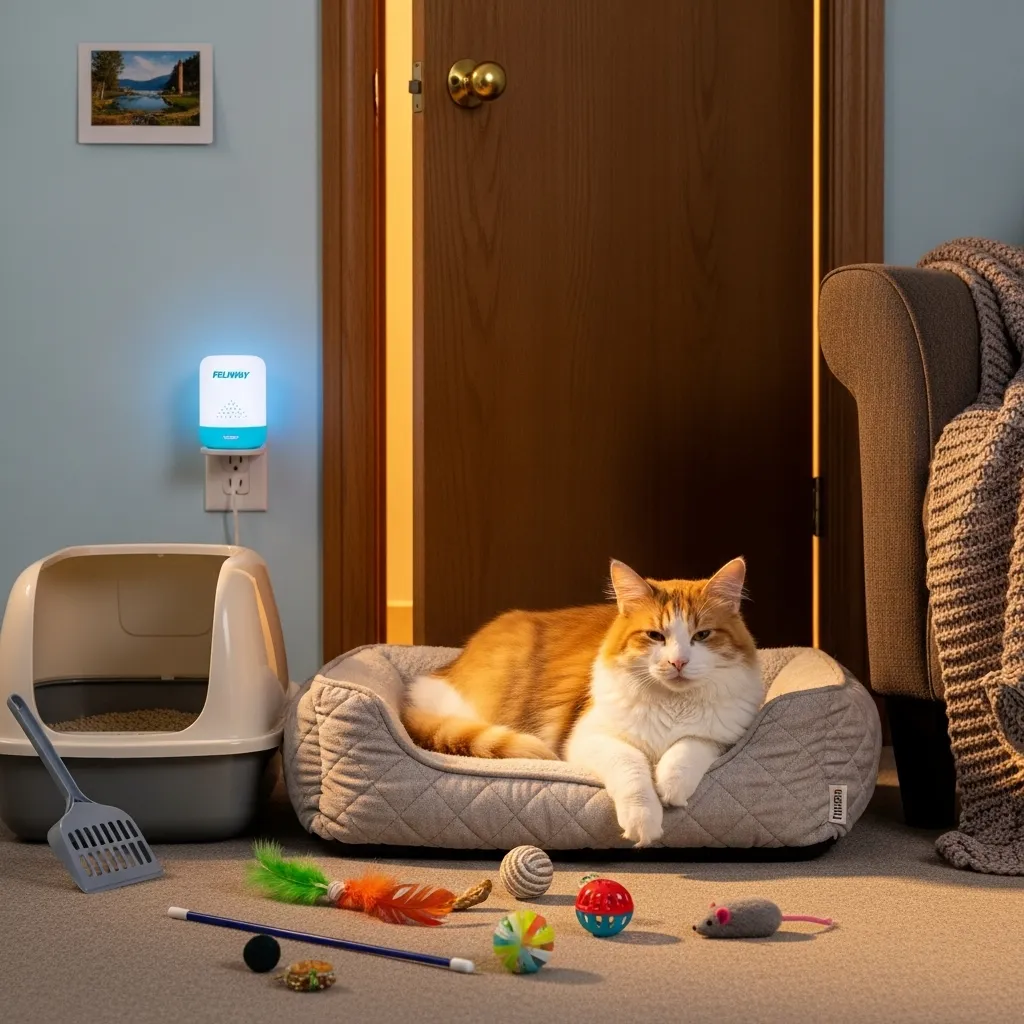
Create a dedicated room for the stray with:
- Litter Box: Follow the “n+1 rule” (one box per cat plus one). Use unscented, clumping litter (see our cat litter training guide).
- Food and Water: Place bowls away from the litter box to mimic natural preferences.
- Enrichment: Add scratching posts, a cat tree, and toys for comfort. Our Munchkin cat playfulness guide has great toy ideas.
- Hiding Spots: Cardboard boxes or a cozy bed reduce stress (explore best beds for American Shorthair cats).
This cat separation phase (7–14 days) lets the stray decompress while keeping resident cats calm.
Scent Prep for Residents
Start cat scent swapping early. Rub a clean cloth on the stray’s cheeks (where scent glands are) and place it near your resident cats’ favorite spots. Do the same with your cats’ scents for the stray. This builds familiarity without face-to-face drama.
Real Example: My stray tabby hid for days until I swapped blankets between her and my Norwegian Forest Cat (see Norwegian Forest cat socialization guide). By day five, curiosity replaced caution.
Step 2: The Slow Introduction Method for Cats
The slow introduction method for cats is your golden ticket to multi-cat household harmony. Rushing leads to fights, so take 2–4 weeks to build trust.
Phase 1: Scent Swapping and Sound Familiarity
Continue cat scent swapping daily. Add sound exposure by playing recordings of the stray’s meows or letting resident cats hear the stray through a closed door. This desensitizes them to the “intruder.”
- Tip: Swap food bowls or bedding weekly to mix scents further. Cats associate shared smells with safety.
Phase 2: Visual Glimpses Without Contact
After 5–7 days, allow brief visual introductions:
- Use a baby gate or cracked door to let cats see each other.
- Keep sessions short (5–10 minutes) to avoid overwhelm.
- Watch for cat aggression signs like flattened ears, puffed tails, or growling. If present, pause and extend the separation phase.

Pro Tip: Place cat pheromone diffusers for introductions (like Feliway) in both rooms. A 2025 study showed they reduce stress by 70% during introductions.
Phase 3: Controlled Space Sharing
Swap spaces after 10–14 days. Let the stray explore the main house while resident cats visit the stray’s room. This shares territory without direct conflict. Monitor for stress signals like hiding or excessive grooming (see our cat stress signs guide).
Step 3: Supervised Cat Meetings
Now it’s time for supervised cat meetings—the heart of introducing cats safely. These controlled interactions set the tone for building positive cat relationships.
How to Set Up Safe Meetings
- Neutral Territory: Choose a room neither cat “owns,” like a hallway.
- Distraction Tools: Offer treats, toys, or laser pointers to keep focus positive. Our teach cat to fetch guide has playtime tips.
- Short Sessions: Start with 5 minutes, gradually increasing as cats relax.
- Positive Reinforcement: Reward calm behavior with treats or praise. Positive reinforcement for cats builds trust, per feline behaviorists.
Reading Cat Body Language
Watch for cat aggression signs:
- Hissing/Swatting: Normal at first; intervene if it escalates.
- Staring or Stalking: Signals dominance or fear; distract with toys.
- Relaxed Signs: Slow blinks, loose tails, or grooming indicate progress.
If tensions rise, separate and retry the next day. For persistent issues, our cat training behavior guide offers expert strategies.
Real Example: My Siamese hissed at the stray for three days during meetings. I used a feather wand to redirect her energy, and by day seven, they shared a sunny windowsill. Patience paid off!
Step 4: Managing Cat Personalities and Conflicts
Every cat is unique, and managing cat personalities is crucial for cat conflict resolution. A bold Bengal (explore Bengal cat personality) may challenge a shy stray, while a laid-back Ragdoll (see Ragdoll cat care guide) might adapt faster.
Common Personality Clashes
- Dominant Cats: Assertive breeds like Siamese may guard resources. Extra litter boxes and feeding stations prevent competition.
- Timid Cats: Strays or breeds like Munchkins (check Munchkin cat care tips) need extra hiding spots.
- High-Energy Cats: Bengals or Maine Coons require more playtime to burn off tension.
Resolving Conflicts
- Intervene Calmly: Use a blanket or cardboard to separate fighting cats—never your hands.
- Enrichment Boost: Add puzzle feeders or cat trees to reduce boredom. Our keep Siamese cats entertained guide has ideas.
- Time-Outs: Return cats to separate spaces if fights persist, then restart the introduction process.
Pro Tip: Track interactions with a chart:
| Date | Interaction | Notes | Next Steps |
|---|---|---|---|
| 10/20/25 | First meeting | Hissing, no swatting | Extend scent swapping |
| 10/22/25 | Second meeting | Slow blinks, relaxed tails | Increase meeting time |
This helps gauge the new cat adjustment period and spot progress.

Step 5: Long-Term Strategies for Multi-Cat Household Harmony
Once cats coexist peacefully, maintain multi-cat household harmony with these tips for multi-cat homes:
- Resource Abundance: Provide multiple litter boxes, water bowls, and perches to avoid competition.
- Routine Consistency: Feed and play at set times to reduce cat stress during introductions.
- Health Monitoring: Regular vet checks prevent issues like urinary problems (see cat urinary health).
- Enrichment: Rotate toys and add window perches for stimulation.
For ongoing peace, our Munchkin cats dogs coexistence guide offers tips adaptable for multi-cat setups.
Common Cat Integration Mistakes to Avoid
Avoid these pitfalls to ensure a safe cat introduction process:
- Rushing Introductions: Skipping the cat separation phase triggers fights in 60% of cases, per ASPCA data.
- Ignoring Health: Unchecked strays spread fleas or infections.
- Neglecting Enrichment: Bored cats act out. Add toys and perches (see cat grass care guide).
- Punishing Aggression: Yelling increases stress. Use positive reinforcement for cats instead.
FAQ: Quick Answers for Cat Introduction Success
How can I safely integrate a stray cat with my current cats?
Follow a slow introduction method for cats: vet check, cat separation phase, cat scent swapping, and supervised cat meetings over 2–4 weeks. Use cat pheromone diffusers for introductions to ease tension.
What role does feline territorial behavior play in cat introductions?
Cats mark territory with scent, so a stray’s unfamiliar smell can spark feline territorial behavior. Gradual cat scent swapping reduces defensive reactions.
What are the first steps for bringing a stray cat home with other cats?
Get a vet exam, set up a separate room with litter and food, and start cat scent swapping to familiarize cats without direct contact.
How do I prepare for the introduction phase?
Create a safe space for the stray, stock up on litter boxes, and use cat pheromone diffusers. Learn more in our cat adoption guide.
What strategies reduce aggression between new and resident cats?
Use cat scent swapping, short supervised cat meetings, and positive reinforcement for cats with treats or play to build trust.
How do I supervise initial meetings between a stray and resident cats?
Choose a neutral space, keep sessions short (5–10 minutes), and distract with toys. Watch for cat aggression signs like hissing or swatting.
What signs of anxiety or aggression should I watch for?
Look for flattened ears, puffed tails, or hiding. Relaxed postures like slow blinks signal progress. See our cat stress signs guide.
How do I intervene in cat conflicts?
Use a blanket to separate fighting cats calmly. Avoid physical intervention. Restart the slow introduction method if needed.
How can I manage different cat personalities in a multi-cat household?
Provide ample resources (litter boxes, perches), tailor playtime to energy levels, and monitor cat social hierarchy. Explore managing cat personalities.
When is cat integration successful?
Success looks like shared spaces, mutual grooming, or relaxed coexistence. Minor hissing may persist but should fade within 4–6 weeks.
What if my cats still aren’t getting along?
Extend the cat separation phase, consult a feline behaviorist, or revisit our how to stop cats from fighting guide.
How do I maintain long-term harmony in a multi-cat household?
Ensure resource abundance, consistent routines, and regular vet checks. Our tips for multi-cat homes has more.
Is it safe to introduce a stray if my cats have health issues?
Consult a vet first. Isolate the stray until cleared of infections to protect cats with conditions like diabetes (see cat diabetes guide).
Conclusion: Your Path to a Happy Multi-Cat Home
Integrating a stray cat with your cats is a journey of patience, empathy, and strategy. By following the safe cat introduction process from vet checks to cat scent swapping and supervised cat meetings—you’ll turn hisses into harmony. Avoid cat integration mistakes like rushing or ignoring health, and lean on positive reinforcement for cats to build trust. With time, your cats can share sunny spots and cozy naps, creating a thriving multi-cat household.
Ready for more feline wisdom? Explore our expert guides at Cat Bloom Haven for tips on cat health care, cat training behavior, or breed-specific advice like American Shorthair introductions.