Why Is My Cat Obsessed With Food? Unpacking the Causes, Risks, and Proven Ways to Restore Balance
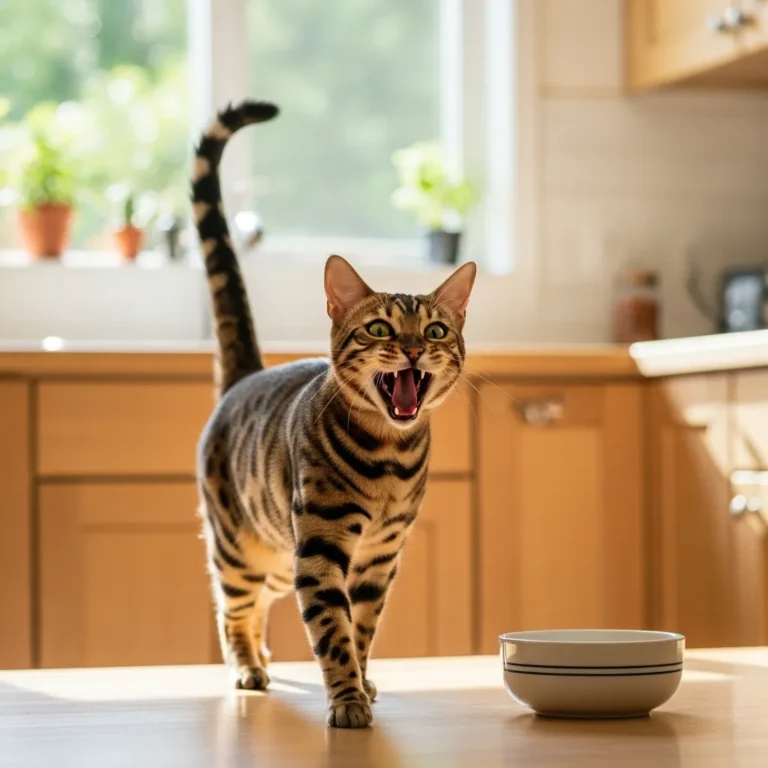
Picture this: You open the fridge, and before the light even flickers on, your cat is weaving between your legs, yowling like it’s been weeks since her last meal. Sound familiar? If your feline friend acts like every moment is a race to the food bowl, you’re not alone. A “cat obsessed with food” is one of the top concerns cat parents search for daily and for good reason. Left unchecked, this behavior can spiral into feline obesity risks, stress, and even serious medical conditions.
In this comprehensive guide from Cat Bloom Haven, we’ll dig deep into why your cat is constantly hungry, separate instinct from illness, and hand you vet-approved, practical strategies to curb overeating without frustrating your kitty. By the end, you’ll know exactly how to manage cat food obsession, spot hidden health red flags, and create feeding routines that keep tails wagging (well, twitching happily).
Key Takeaways Upfront
- Up to 60% of U.S. cats are overweight or obese—food fixation is often the first warning sign.
- Causes range from natural instincts in cats to medical conditions like hyperthyroidism or diabetes.
- Simple switches—like puzzle feeders and scheduled meals—can slash begging by 70% in two weeks.
- Always rule out illness first; a quick vet blood panel can save months of guesswork.
Ready to turn mealtime mayhem into calm, controlled bliss? Let’s dive in.
The Real Scope of Cat Food Obsession: You’re Not Imagining It
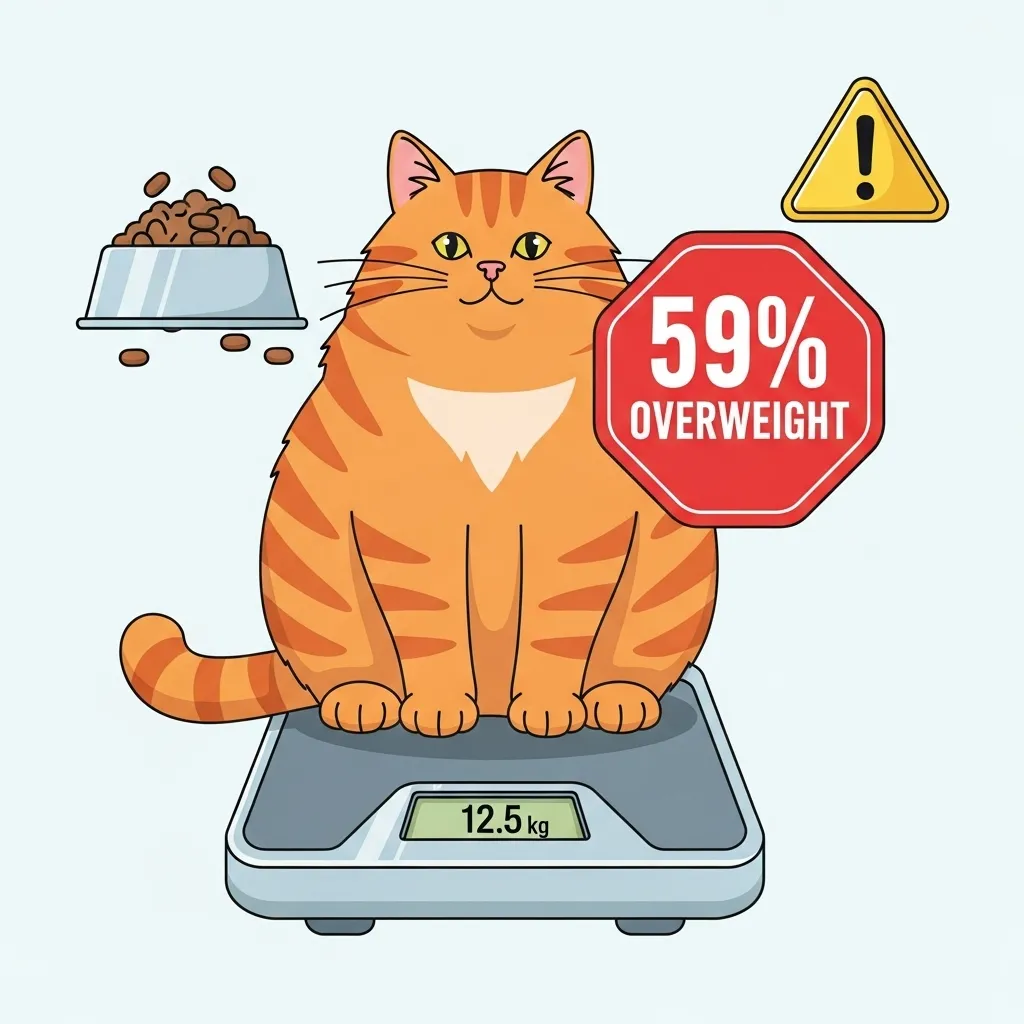
A 2024 survey by the Association for Pet Obesity Prevention found that 59% of cats are clinically overweight. That’s not just a cosmetic issue—excess weight shortens lifespan by up to 2.5 years. The gateway? Excessive cat appetite that starts innocently: a paw on your leg at dinner, a midnight serenade outside the pantry.
Cat behavioral signs of food obsession include:
- Vocalizing nonstop when the bowl is empty (even minutes after eating).
- Guarding the kitchen or food storage area like a tiny, furry sentinel.
- Stealing food from counters, plates, or other pets.
- Pica-like behavior—chewing non-food items out of frustration.
If three or more of these ring true, it’s time for action. But first, let’s unpack why.
Instinct vs. Obsession: Decoding Natural Hunger Cues in Cats
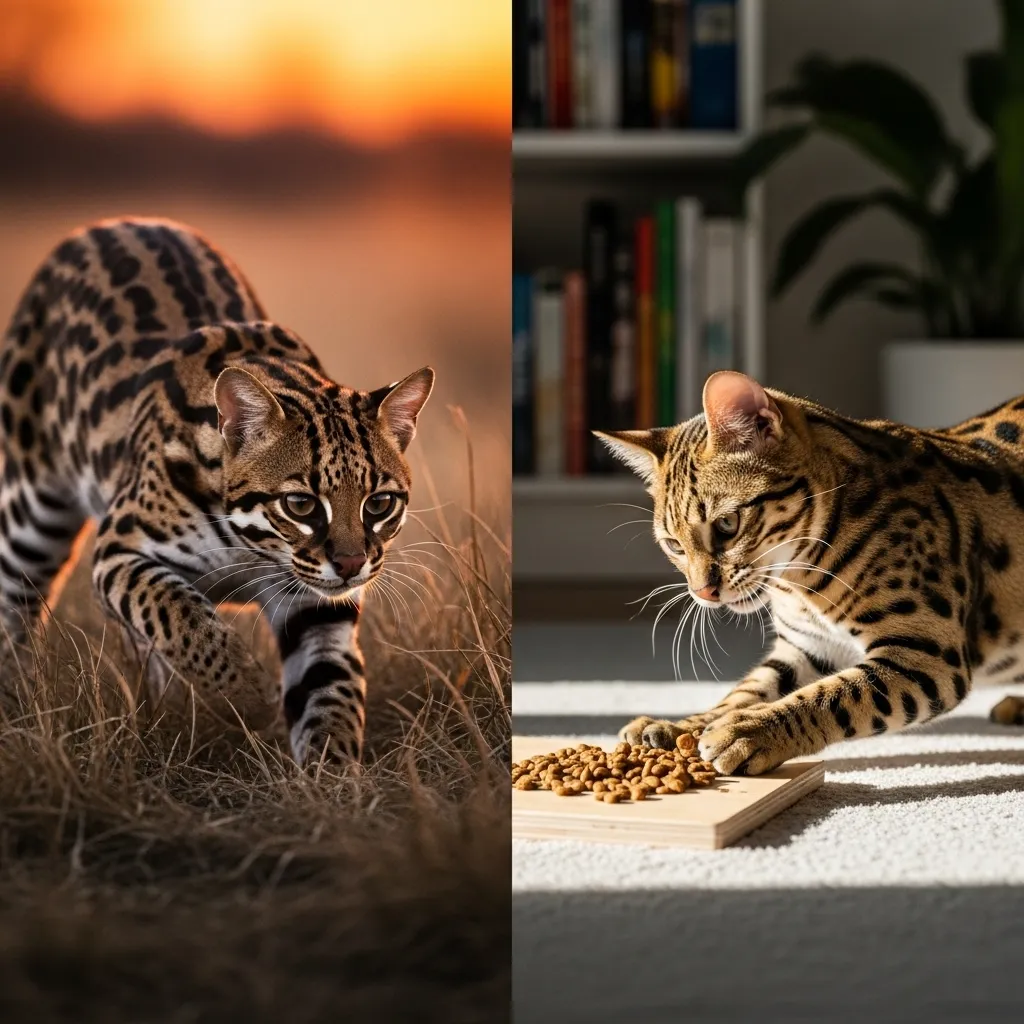
Wild cats eat 10–20 small meals a day. Domestic cats? They’re hardwired the same way, even with a full bowl. This evolutionary mismatch fuels much of the “cat constantly hungry” complaint.
The Hunter’s Brain in a House Cat’s Body
Your tabby isn’t broken—she’s a micro-predator. Dopamine spikes when she “hunts” kibble in a puzzle toy the same way her ancestors felt chasing mice. Free-feeding dulls that reward loop, turning eating into a reflex rather than a triumph.
Pro Tip: Mimic the hunt. Scatter a portion of daily kibble across a snuffle mat. One study in Applied Animal Behaviour Science showed cats spent 40% longer “working” for food—and begged 60% less.
Explore more on feline instincts in our American Shorthair Playful Personality guide.
Medical Red Flags: When “Cat Overeating” Signals Something Serious
Sometimes, a ravenous appetite isn’t behavioral—it’s biological. Here are the top cat medical conditions that increase appetite:
| Condition | Classic Hunger Symptoms | Other Telltale Signs |
|---|---|---|
| Hyperthyroidism | Eats double yet loses weight | Vomiting, hyperactivity, greasy coat |
| Diabetes Mellitus | Drinks and eats excessively | Frequent urination, sweet breath |
| Intestinal Parasites | Bottomless pit despite normal weight | Scooting, bloated belly, worms in stool |
| Exocrine Pancreatic Insufficiency | Craves food but stays skinny | Greasy, voluminous stools |
| Cushing’s Disease (rare) | Pot-bellied, thirsty, hungry | Hair loss, fragile skin |
Vet Insight: “Any cat over 8 years old with sudden food fixation needs a T4 blood test,” says Dr. Emily Chen, DVM, of Feline Health Institute. “We catch 1 in 3 hyperthyroid cases this way—early treatment adds years.”
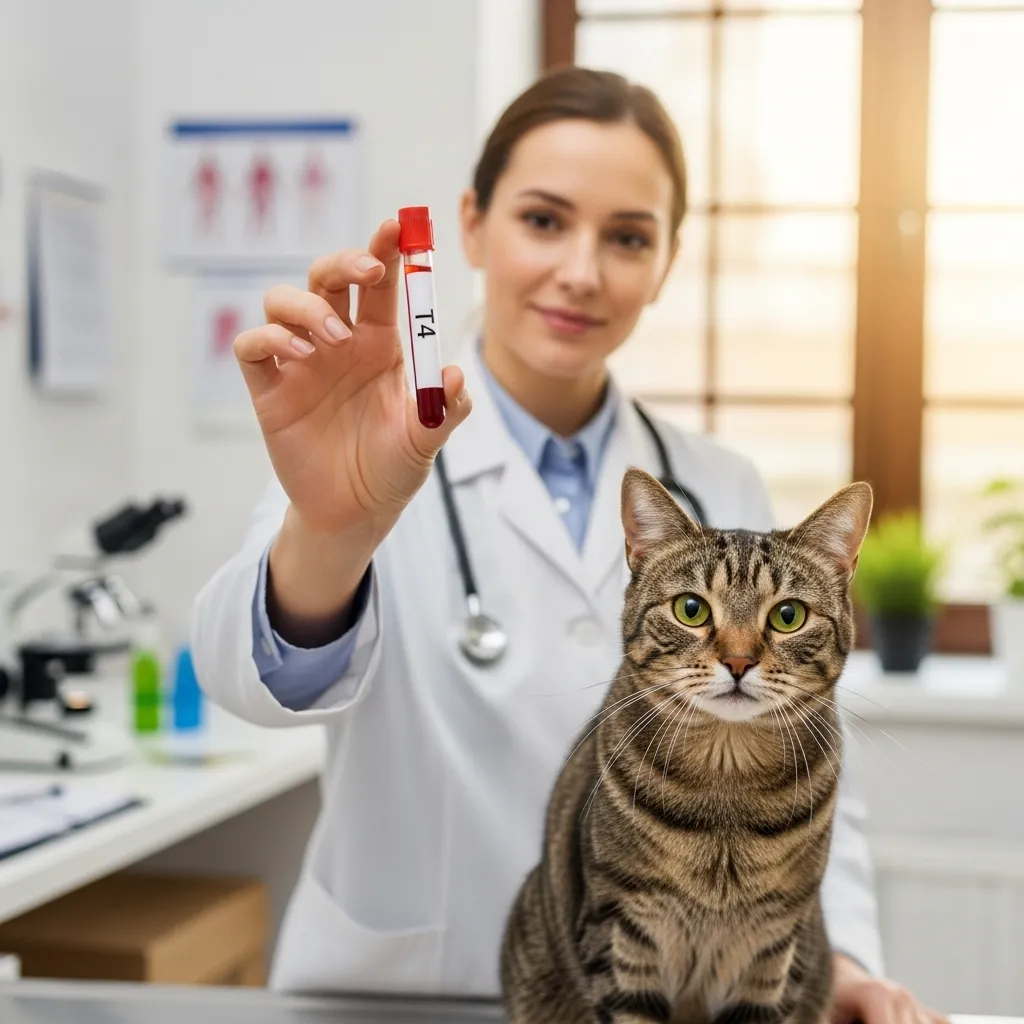
If your cat shows cat hunger symptoms like weight loss despite overeating, book a visit ASAP. Discover how to prep in Finding the Best Vet for Your Cat.
The Nutrient Gap: Could Your Cat’s Diet Be the Culprit?
Even premium kibble can fall short. Nutritional deficiencies in cats trigger compensatory gorging:
- Low protein (<30% dry matter) → cat seeks more volume.
- Missing taurine or arginine → organ stress → heightened hunger signals.
- High-carb fillers → blood-sugar rollercoaster → crashes that mimic starvation.
Switching to a meat-first wet food (≥40% protein on dry-matter basis) often curbs appetite within days. Calculate portions with our Ragdoll Hydration Calculator—it doubles as a calorie tracker.
Stress Eating Is Real: Emotional Well-Being and Cat Eating Habits
Cats don’t raid the fridge after a breakup, but emotional eating in cats manifests differently:
- Boredom → repetitive bowl-checking.
- Anxiety (new baby, move, another pet) → comfort-seeking via food.
- Grief → increased appetite or total disinterest.
A 2023 study in Journal of Veterinary Behavior linked enriched environments (vertical spaces, daily play) to a 42% drop in stress-related overeating.
Quick fix: 10-minute laser pointer sessions twice daily. Learn structured play in Teach Your Cat to Fetch.
Practical Strategies: How to Manage Cat Food Obsession Like a Pro
1. Ditch Free-Feeding—Adopt Precision Portions
Divide daily calories into 3–5 small meals. Use a kitchen scale; eyeballing leads to 20% overfeeding on average.
| Cat Weight | Daily kcal (maintenance) | Example (wet food, 3% body weight) |
|---|---|---|
| 8 lb | 180–220 | 2.5 oz × 3 meals |
| 12 lb | 280–320 | 3.8 oz × 3 meals |

2. Deploy Interactive Feeding for Cats
Puzzle toys turn meals into brain games. Top picks:
- Doc & Phoebe Indoor Hunting Feeder – mimics 5 mice.
- Catit Treat Ball – adjustable difficulty.
- DIY: Hide kibble in egg cartons or toilet-paper rolls.
Users report 80% less countertop surfing within a week.
3. Scheduled Feeding Rituals That Stick
Feed at the same times daily. Pair with a cue (“Dinner!”) to shift focus from begging to anticipation.
4. Enrich the Environment—Burn Calories Mentally
- Window perches for bird TV.
- Rotating toy boxes to prevent habituation.
- Catios or leash walks for high-energy breeds (see Bengal Cat Personality).
Healthy Feeding Practices for Cats: Building Lifelong Habits
- Wet over dry when possible boosts hydration, slows eating.
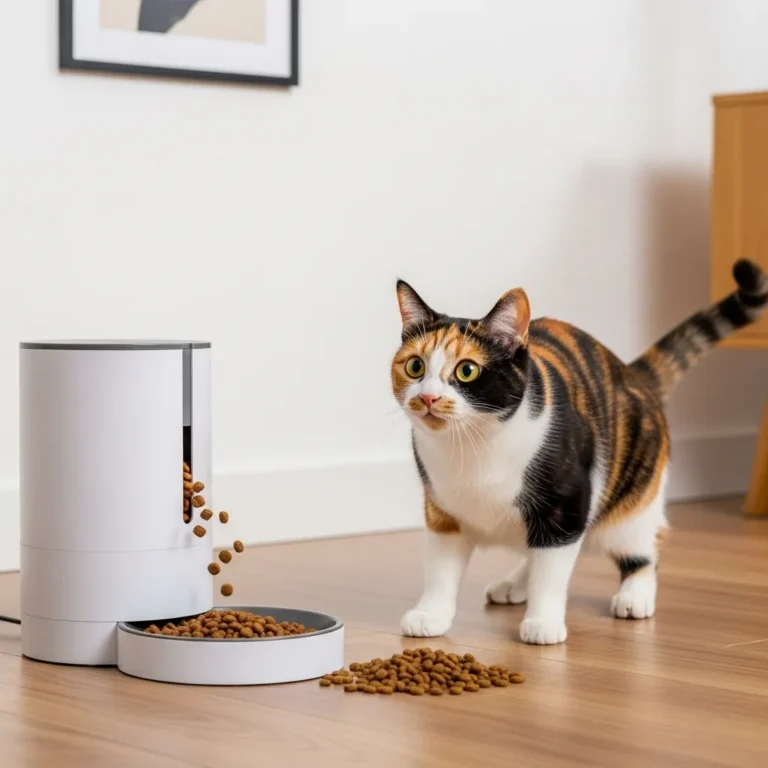
- Auto-feeders with timers for multi-cat homes (prevents bullying).
- Elevated bowls for senior cats with arthritis.
- No human food even “just a lick” of tuna trains begging.
For portion math tailored to seniors, check Best Foods for Senior Bengal Cats.
When to Worry: Red-Flag Combinations
| Behavior Combo | Likely Cause | Next Step |
|---|---|---|
| Eats more + loses weight | Hyperthyroidism/Diabetes | Vet bloodwork within 48 hrs |
| Eats more + gains rapidly | Overfeeding/Obesity | Diet consult + activity plan |
| Eats more + vomits bile | GI inflammation | Bland diet trial 3 days, then vet |
Real Owner Stories: From Chaos to Calm
Case 1 – Luna, 5-year-old DSH
Problem: Screamed at 3 a.m. for food despite 24/7 kibble.
Fix: Switched to two puzzle-feeder meals + nighttime frozen Kong.
Result: Silent nights in 9 days; lost 0.8 lb in 6 weeks.
Case 2 – Milo, 11-year-old Maine Coon
Problem: Ravenous but dropping weight.
Fix: Vet diagnosed early hyperthyroidism; started methimazole.
Result: Appetite normalized; gained 1.2 lb muscle in 3 months.

FAQ: Quick Answers to Your Burning Questions
Why is my cat hungry all the time even after eating?
Most often boredom or low-protein diet. Try puzzle feeders and meat-rich food first; if no change in 10 days, schedule a vet check for parasites or thyroid issues.
How can I stop my cat from begging for food?
Remove visual cues (store food in opaque bins), use auto-feeders, and redirect with play 5 minutes before meals. Consistency is key—ignore all begging.
Is it normal for cats to act obsessed with food on TikTok videos?
Yes—viral “food dance” clips exploit natural pouncing instincts. Replicate safely with treat-dispensing toys instead of handouts.
What are natural ways to curb cat appetite?
High-fiber vet diets, chilled wet food (slows gulping), and L-carnitine supplements (with vet OK) shift metabolism toward fat-burning.
Can emotional stress make my cat overeat?
Absolutely. New pets, moves, or loud renovations spike cortisol, which triggers hunger hormones. Calming pheromones + routine help 70% of cases.
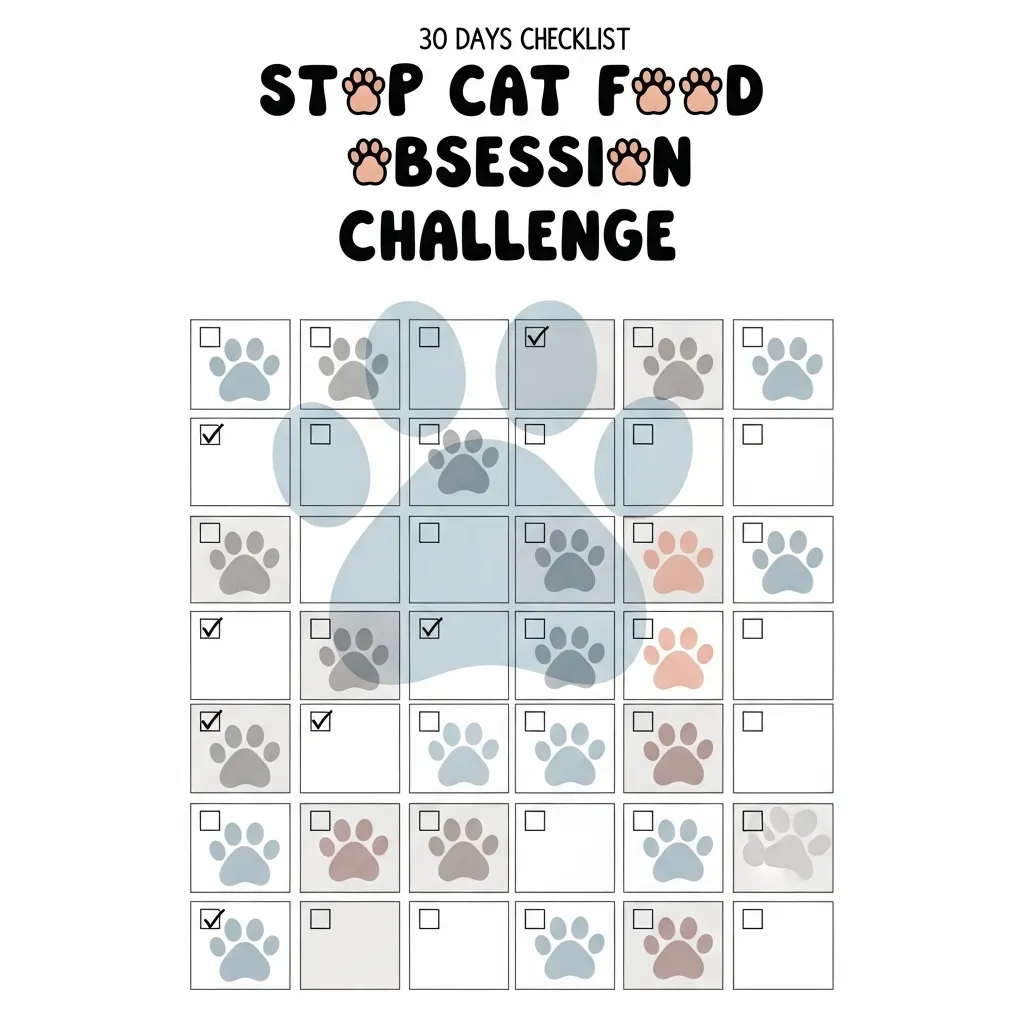
Prevent Cat Obesity Before It Starts: Your 30-Day Action Plan
| Week | Goal | Action |
|---|---|---|
| 1 | Baseline | Weigh cat, photograph from above, log current food brand/amount. |
| 2 | Vet Clear | Bloodwork + parasite screen. |
| 3 | Switch & Enrich | 50% new high-protein food + one puzzle toy. |
| 4 | Full Transition | 100% new diet, 3–5 scheduled meals, 10 min play daily. |
Track progress with waistline photos—aim for a visible tuck behind the ribs.
Wrapping Up: A Happier, Healthier Cat Awaits
A cat obsessed with food isn’t “naughty” she’s communicating. Whether it’s instinct, illness, boredom, or a nutrient gap, you now have the tools to decode and redirect that drive into joy rather than jeopardy. Start with a vet visit if red flags wave, then layer in interactive feeding, precise portions, and play. In weeks, you’ll trade frantic meows for contented purrs.
Ready for more feline wisdom? Explore our Cat Diet and Nutrition hub or discover breed-specific appetite quirks in Siamese Cat Breed. At Cat Bloom Haven, we’re here to make every whisker count.