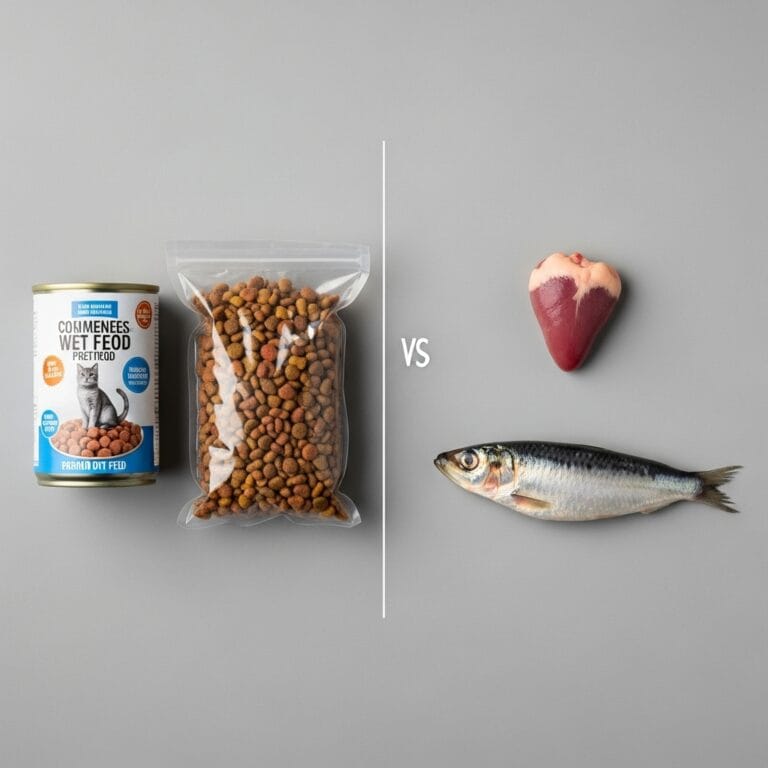
What Your Cat’s Food Preferences Reveal About Its Health
Cats are notorious for their discerning tastes. One day, your feline friend devours a particular flavor with enthusiasm; the next, they turn up their nose at the same bowl. While it might seem like simple pickiness, what your cat’s food preferences reveal about its health can offer valuable clues. Subtle shifts in eating habits often signal underlying issues, from dental discomfort to digestive problems or even more serious conditions.
As a cat owner, paying close attention to these preferences helps you catch potential health concerns early. In this guide, we explore how food choices reflect wellness, common red flags, and practical steps to support your cat’s nutrition. You will learn to interpret preferences, spot warning signs, and make informed diet decisions.
Key Takeaways
- Sudden changes in food preferences often indicate health issues like dental pain, nausea, or allergies; consult a vet promptly.
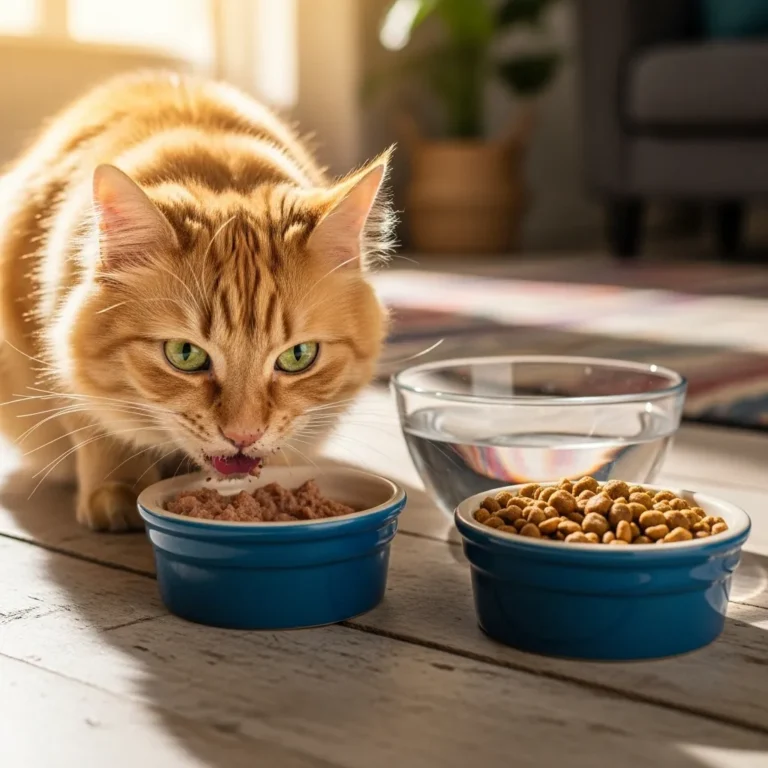
- Preference for wet food can support hydration and urinary health, while dry food may aid dental cleaning in some cases.
- Texture choices (soft vs. crunchy) frequently tie to oral health; older cats or those with dental disease lean toward softer options.
- Picky eating in seniors might stem from reduced smell/taste or conditions like kidney disease.
- Always prioritize complete, balanced nutrition; preferences guide choices, but health needs come first.
Understanding Normal Cat Food Preferences
Cats develop strong food likes and dislikes early in life. Kittens exposed to varied flavors and textures tend to remain more adaptable adults. Most cats favor strong aromas, animal-based proteins, and specific textures that mimic natural prey.
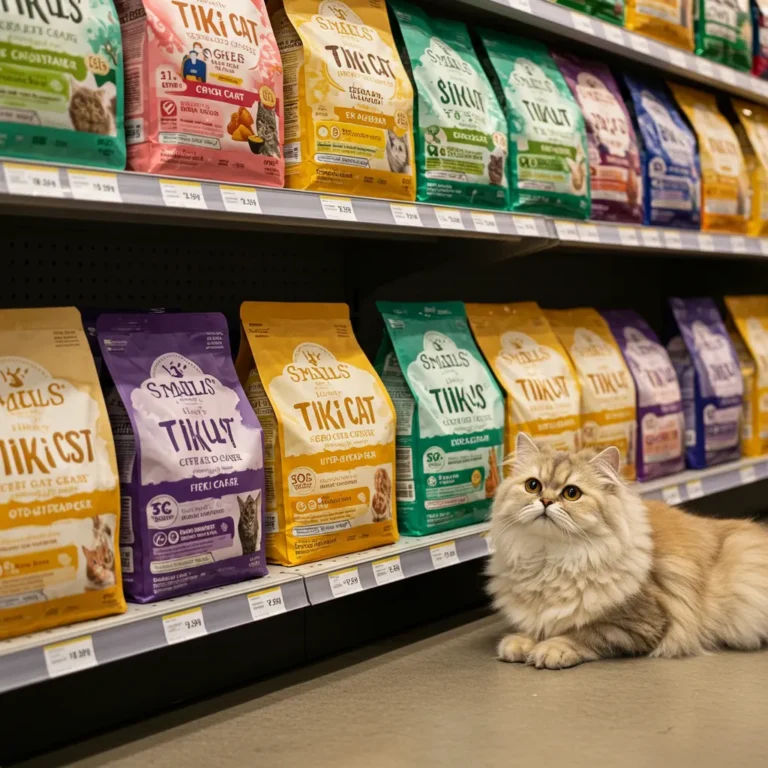
Flavor tops the list for many cats. Fish, poultry, and meaty scents often win out. Studies show cats select diets based on protein, fat, and overall palatability. Some gravitate toward wet food for its moisture and intense smell, while others prefer the crunch of dry kibble.
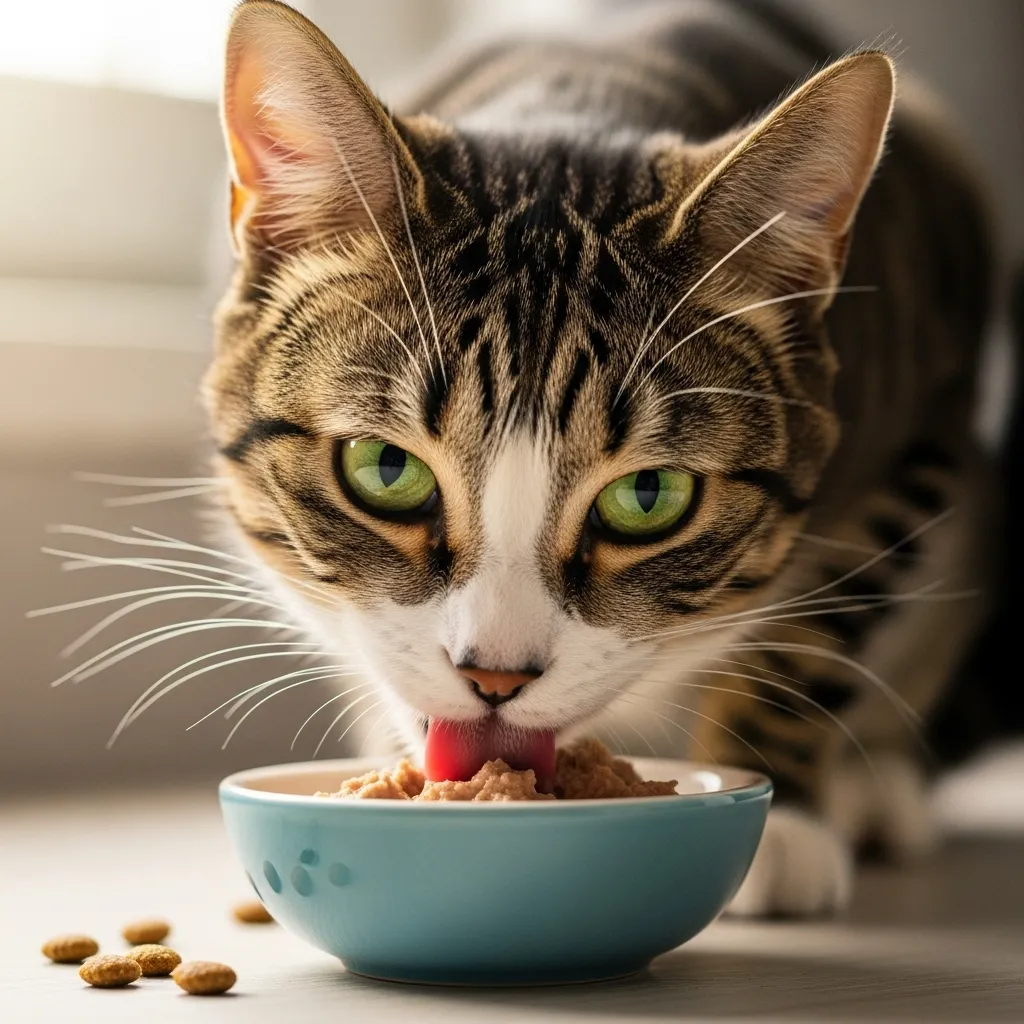
Texture plays a key role too. Crunchy kibble appeals to cats with healthy teeth, providing a satisfying chew. Softer pâtés or chunks in gravy suit those who prefer easier eating. These preferences usually remain stable unless health changes intervene.
When Preferences Signal Health Concerns
Not all pickiness stems from personality. Changes in what your cat’s food preferences reveal about its health merit attention. A once-voracious eater who suddenly ignores favorites warrants investigation.
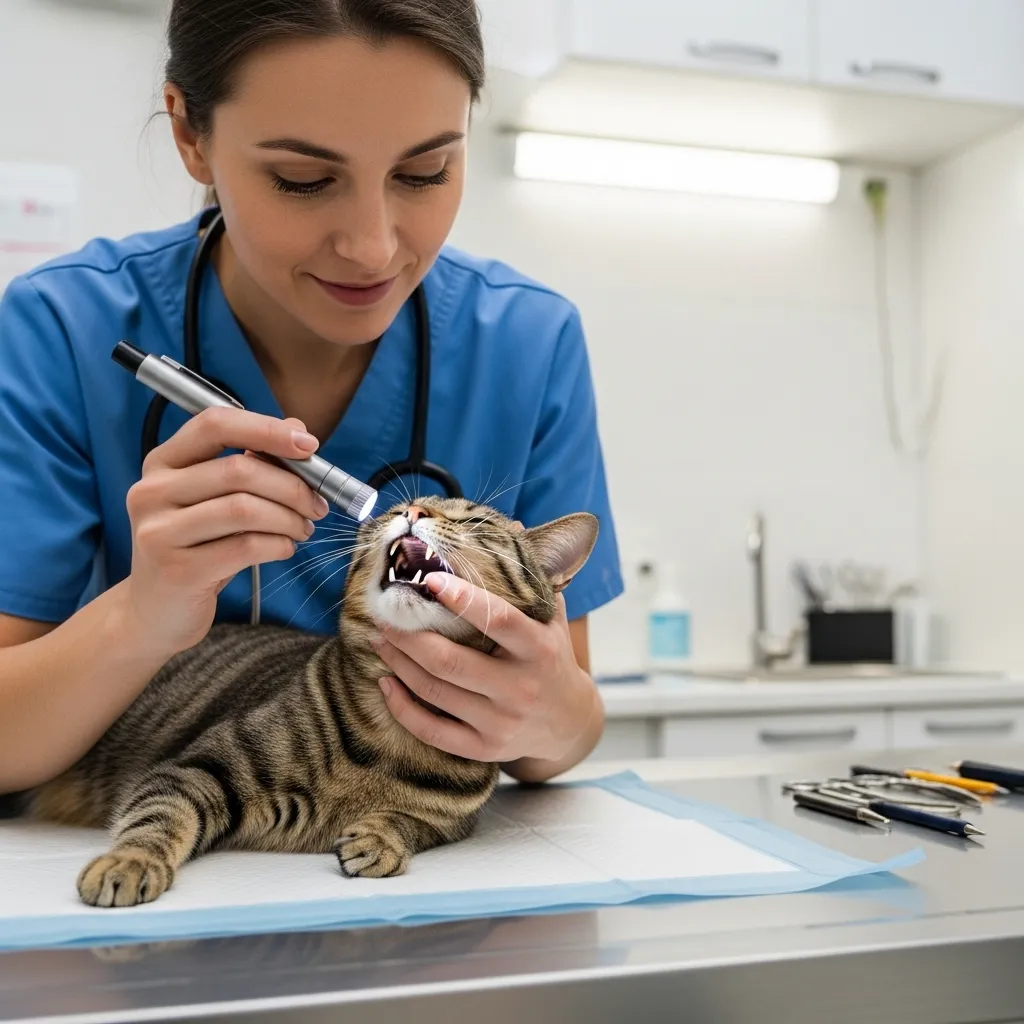
Sudden refusal of dry food often points to dental problems. Pain from plaque, tartar, gingivitis, or broken teeth makes crunching uncomfortable. Cats may drool, paw at their mouth, or eat only soft foods. Veterinary exams frequently uncover hidden issues below the gumline.
Shift to wet food sometimes reflects nausea or gastrointestinal upset. Conditions like inflammatory bowel disease, parasites, or food intolerances reduce appetite for certain textures. Cats feeling unwell instinctively choose easier-to-digest options.
Allergies or intolerances trigger avoidance too. Common culprits include beef, fish, chicken, or dairy. Symptoms like itching, vomiting, or diarrhea accompany selective eating. Elimination trials help identify triggers.
Red Flags: When to See a Vet
Monitor these signs alongside preference changes:
- Weight loss despite normal eating
- Vomiting, diarrhea, or constipation
- Lethargy or hiding
- Bad breath or visible tartar
- Increased thirst/urination (possible kidney or diabetes indicators)
Texture Preferences and Dental Health
Texture choices provide direct insights into oral wellness. Cats preferring soft foods may experience dental discomfort. Crunchy kibble offers mild abrasive action, but specialized dental diets with larger, textured pieces prove more effective for plaque reduction.
Wet food, while less abrasive, benefits cats with existing dental disease. Its softness eases chewing, and higher moisture supports overall health. Many vets recommend mixing textures or using dental treats/chews for maintenance.
Senior cats often favor softer textures as gums recede and teeth wear. This shift signals age-related changes, not just preference.
Wet vs. Dry: Hydration and Urinary Health Implications
Many cats naturally prefer wet food, aiding hydration. Felines evolved with low thirst drives, getting moisture from prey. Wet diets (70-80% moisture) help prevent dehydration, supporting kidney and urinary tract health.
Dry food preference might suit active cats with strong teeth, but risks lower water intake. This contributes to urinary crystals or stones in prone individuals.
Mixed feeding balances benefits: dry for convenience/dental action, wet for moisture. Breed predispositions matter; Persians face higher urinary risks, benefiting from moisture-rich diets.
Age-Related Changes in Preferences
Senior cats (7+ years) undergo sensory declines. Reduced smell and taste make them pickier. Metabolism slows, increasing obesity risk from overeating preferred foods.
Appetite fluctuations signal kidney disease, hyperthyroidism, or arthritis pain. Seniors may prefer warmed food to enhance aroma or softer textures for comfort.
High-protein, moderate-calorie senior formulas maintain muscle mass. Antioxidants support cognitive health.
Learn more in our senior cat care guide.
Breed Influences on Food Preferences
Some breeds show tendencies, though individual variation dominates. Maine Coons, large and active, thrive on higher-calorie, joint-supporting diets. Persians, with brachycephalic faces, prefer easy-to-eat kibble shapes.
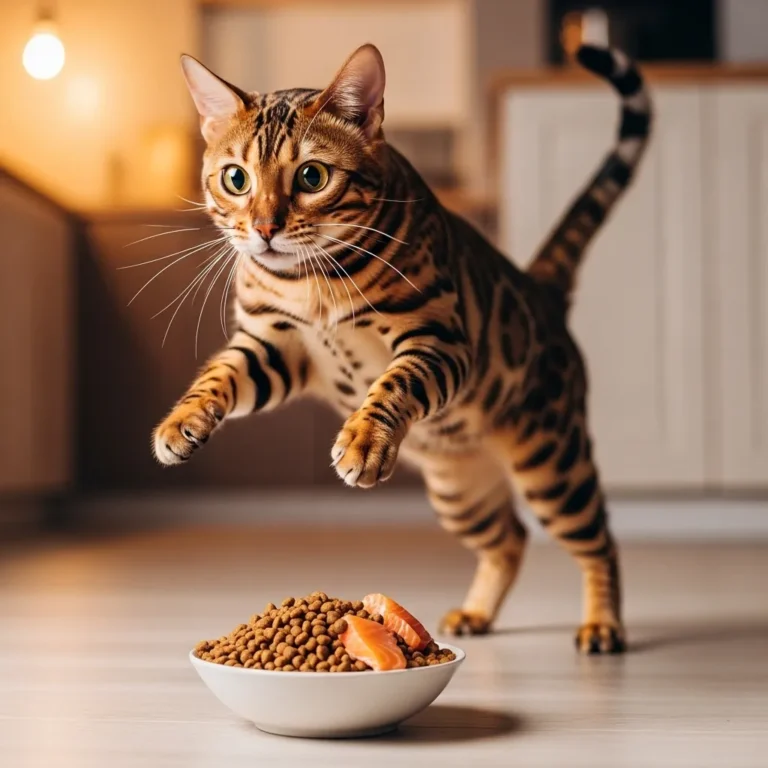
Bengals lean toward high-protein options matching energy levels. Siamese often vocalize preferences strongly.
Breed-specific foods address predispositions, but quality complete nutrition suffices for most.
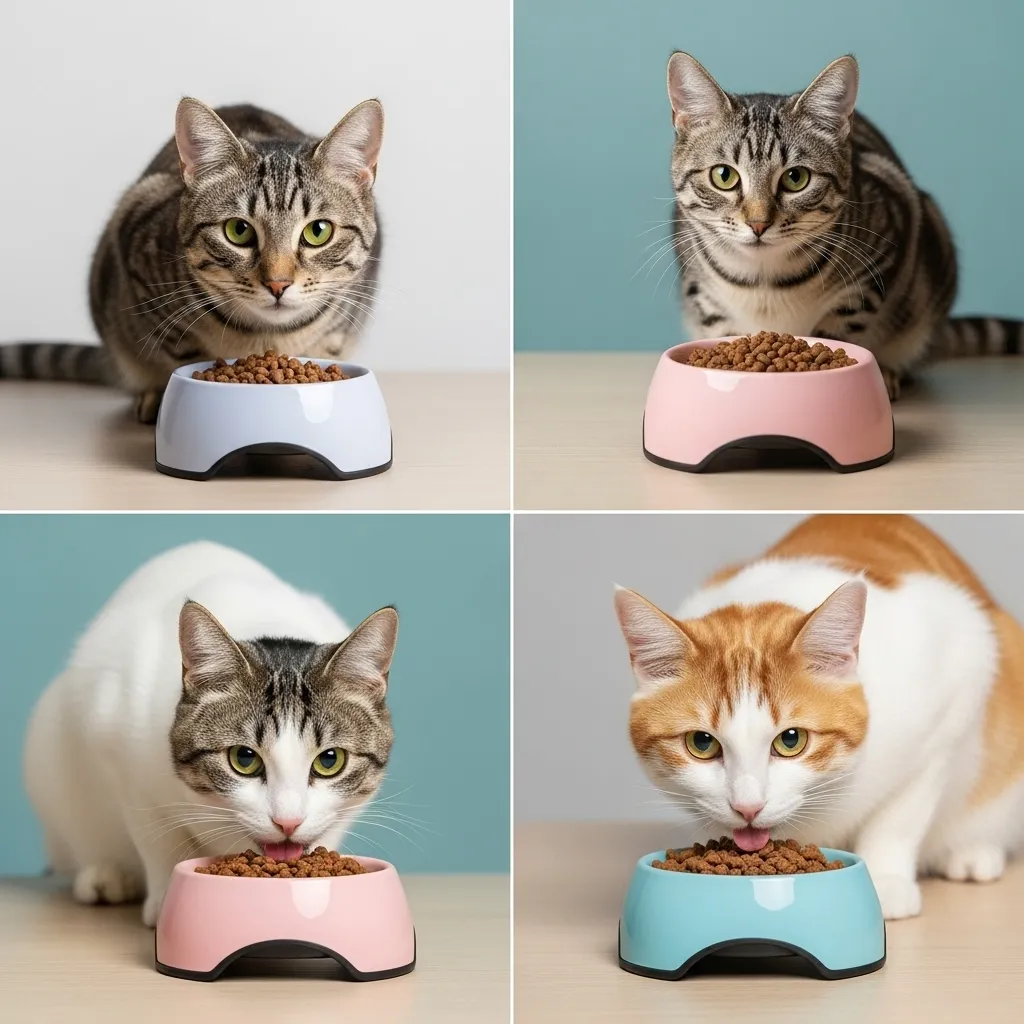
How to Respond to Changing Preferences
Observe patterns first. Track eaten foods, amounts, and behaviors.
Experiment safely: Offer small new food portions alongside familiar ones. Warm wet food slightly to boost appeal.
Enhance hydration: Use fountains or add broth.
Transition gradually over 7-10 days to avoid upset.
Consult vets for persistent changes. Bloodwork or exams uncover root causes.
Choosing cat food involves balancing preferences with nutrition.
Nutrition Basics: Beyond Preferences
Prioritize high-quality protein from animal sources. Avoid excess carbs; cats are obligate carnivores.
Taurine, essential for heart/eye health, must appear in complete foods.
Omega-3s support skin, coat, and joints.
Portion control prevents obesity.
FAQ
Why does my cat suddenly prefer wet food?
This often indicates dental pain, nausea, or hydration needs. Wet food is softer and more aromatic. Check for health issues if the change is abrupt.
Can picky eating mean my cat is sick?
Yes, especially with sudden onset. Dental disease, GI problems, or systemic illnesses like kidney disease cause appetite shifts.
Is it normal for senior cats to change food preferences?
Common due to dulled senses or health changes. Offer varied textures and consult vets for tailored senior diets.
Do food allergies cause cats to avoid certain foods?
Allergies lead to avoidance of triggers like beef or fish, plus itching or GI signs. Elimination diets diagnose them.
Should I switch to breed-specific food?
Not necessary, but helpful for predispositions. Focus on individual health needs.
How do I encourage a picky cat to eat?
Warm food, try toppers, or puzzle feeders. Rule out medical causes first.
Final Thoughts
What your cat’s food preferences reveal about its health extends beyond fussiness. These choices reflect instincts, comfort, and wellness signals. Stay observant, respond thoughtfully, and partner with your vet.
Prioritizing balanced nutrition while respecting preferences keeps your cat thriving.
Explore more expert cat care and behavior guides on Cat Bloom Haven, from cat health care to breed-specific insights like American Shorthair cats guide or Ragdoll cat care guide.