How to Feed Cat Wet Food While Away: Your Ultimate Guide to Stress-Free Travel and Happy Meals
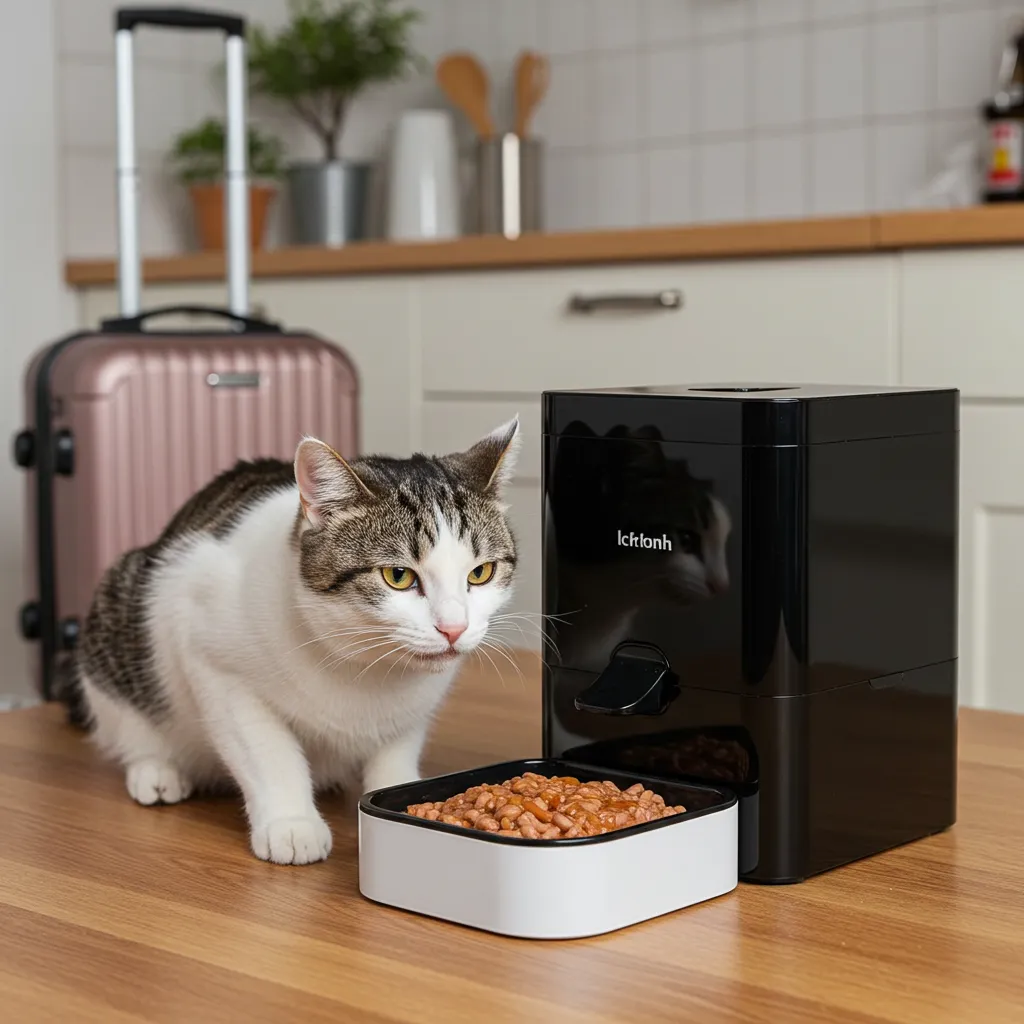
Hey there, fellow cat parent—picture this: You’ve finally booked that dream vacation, the one with sun-soaked beaches or cozy cabin vibes, but as the countdown ticks down, one nagging worry creeps in. Your whiskered overlord, who’s basically glued to their routine of twice-daily wet food feasts, is staring at you with those big, judgmental eyes. How on earth do you feed your cat wet food while away without turning your trip into a guilt-fueled check-in marathon?
I’ve been there—last summer, I jetted off for a week-long hiking escape in the Rockies, leaving my picky eater, Luna, behind. The last thing I wanted was her turning into a hangry diva or worse, dealing with spoiled food disasters. That’s why I dove deep into the world of cat care hacks, from high-tech feeders to old-school tricks, to make sure she stayed pampered and purring.
You’re not alone in this; thousands of cat lovers search for solutions every year because wet food isn’t just a treat—it’s a hydration hero and nutritional powerhouse for our feline friends. But leaving it out? Nope, that’s a bacterial breeding ground waiting to happen. In this no-fluff guide, we’ll unpack everything from why wet food rocks (spoiler: it’s not just about the jiggle) to foolproof ways to keep it fresh,
smart gadgets that let you spy on mealtime via your phone, and even vacation cat feeding hacks that saved my sanity. By the end, you’ll have a personalized plan that keeps your cat healthy, your wallet happy, and your adventures uninterrupted. Let’s ditch the worry and get your cat set up for success—because they deserve fresh pâté, not your stress-induced apologies.
Why Wet Cat Food Is a Game-Changer (And Why Sticking to It on Trips Matters)
Before we jump into the logistics of feeding cats while on vacation, let’s talk real talk: Wet cat food isn’t just slop in a can—it’s a lifeline for your kitty’s health. As an obligate carnivore, your cat evolved munching on prey that’s about 70% moisture, not crunching through arid kibble.
Switching to dry food temporarily might seem like an easy fix, but it can lead to dehydration woes, especially if your cat’s already prone to urinary issues or kidney concerns. According to the Cornell Feline Health Center, cats on wet diets drink less from bowls because they’re getting that essential H2O built-in—up to 80% of their daily needs!
The Top Benefits of Wet Cat Food: More Than Just Hydration
Wet food packs a punch in ways dry just can’t match. Here’s a quick breakdown to show why ditching it for vacation mode isn’t ideal:
| Benefit | Wet Cat Food | Dry Cat Food | Why It Matters for Travel |
|---|---|---|---|
| Moisture Content | 70-80% water | ~10% water | Prevents dehydration during stress (travel anxiety amps up thirst); keeps urinary tract flowing smoothly. |
| Protein Power | Higher animal-based protein (often 10-12%) | More carbs/fillers (8-10% protein) | Supports muscle maintenance—crucial if your cat’s pacing the house missing you. |
| Calorie Control | Lower density (fewer calories per gram) | Higher carbs/calories | Easier portioning to avoid weight gain from boredom munching. |
| Palatability | Aromatic, soft texture | Crunchy, less appealing to picky eaters | Reduces strike risk when routine’s disrupted. |
| Dental & Digestion | Softer on teeth; aids digestion | May scrape tartar (but not a cure-all) | Gentler for seniors or dental-issue cats during unsupervised days. |
Real-life example: My neighbor’s tabby, Whiskers, went full hunger strike on a dry-only trial run before their cruise. Back to wet? He devoured it like it was his last meal. Vets like Dr. Dorothy Laflamme from Purina echo this—wet food’s moisture edge can slash chronic kidney disease risk by 30-40% in long-term studies. And for short trips? It keeps their gut happy amid the upheaval.
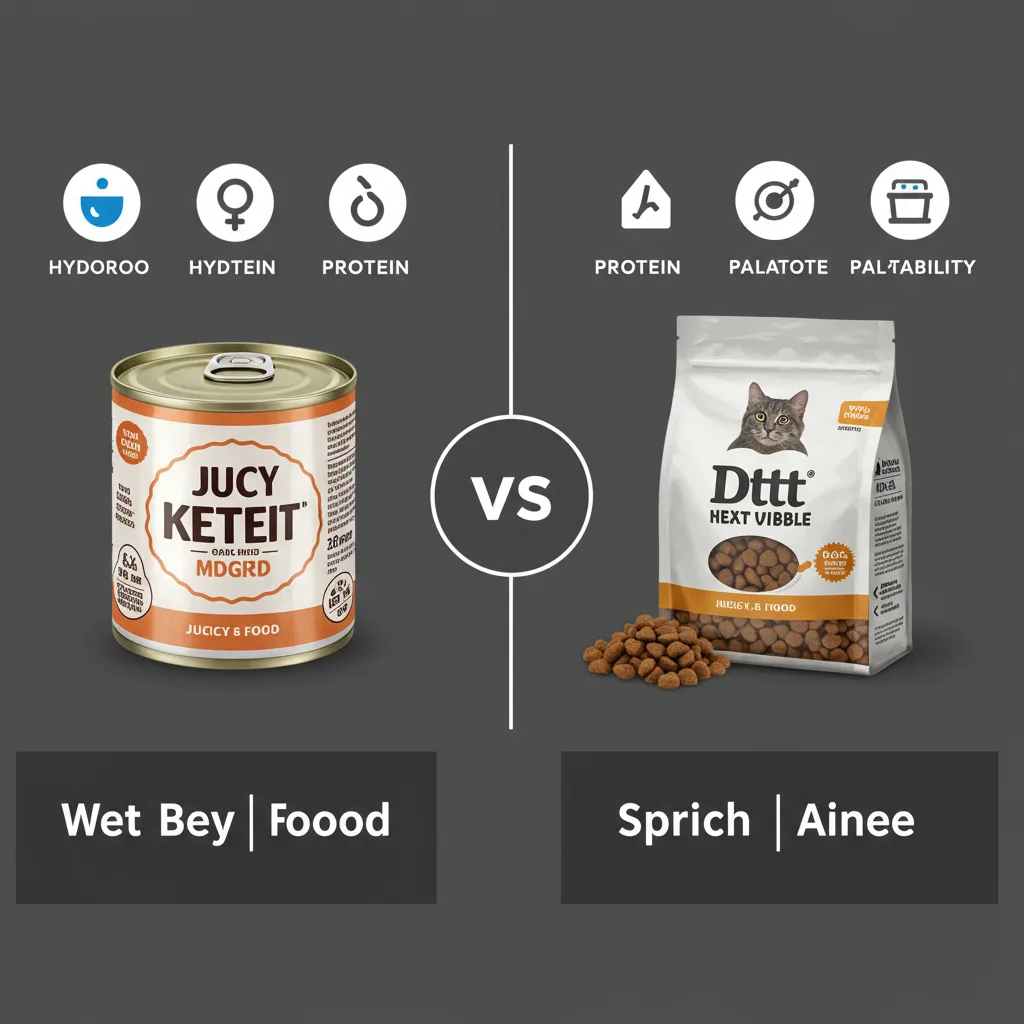
Wet vs. Dry Cat Food: When to Mix It Up (But Probably Don’t)
Sure, dry’s convenient—no refrigeration drama—but it’s carb-heavy and thirst-quenching fail. A 2025 Preventive Vet review notes wet food trumps for hydration and protein, especially for older cats or those with FLUTD (feline lower urinary tract disease). If your cat’s open to a hybrid, try 75% wet/25% dry at home to ease transitions. But for pure wet fans? We’ll focus on keeping that goodness fresh. Pro tip: Always consult your vet before big diet shifts—E-E-A-T in action, folks.
Bottom line: Committing to wet cat food means prioritizing health over hassle. Now, let’s tackle the biggie—keeping it fresh so your cat’s not noshing on a science experiment.
Keeping Wet Cat Food Fresh: Essential Storage Tips for Short and Long Absences
Nothing kills vacation buzz like picturing your cat turning up her nose at funky food. Wet cat food spoils fast at room temp , so smart storage is non-negotiable. Whether you’re popping out for a workday or a weekender, here’s how to master wet cat food storage tips that keep it safe, tasty, and nutrient-packed.
Refrigerating Wet Cat Food: Your Go-To for Overnight Stays
Fridge magic: Opened wet food lasts 2-5 days at 40°F or below, covered tightly to fend off fridge odors and drying. FDA say 3-4 days max for safety—beyond that, toss it.
Step-by-Step Guide to Refrigerating Like a Pro:
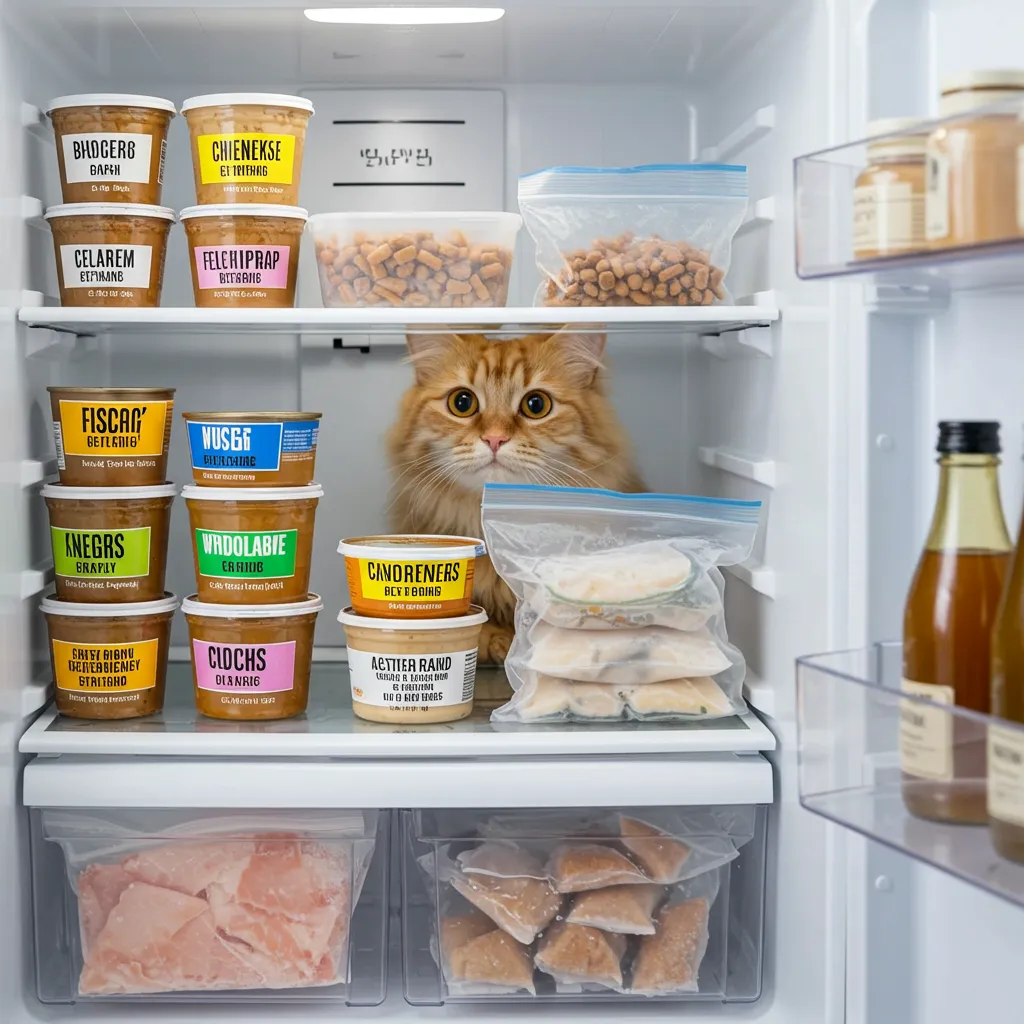
- Portion Immediately: Scoop leftovers into airtight glass or BPA-free plastic (silicone lids FTW—$10 on Amazon).
- Label & Date: Sharpie the date; no guessing games.
- Store Smart: Back of the middle shelf (coolest spot, away from door drafts).
- Thaw Gently: Microwave 5-10 seconds or warm water bath—cats hate icy slop.
- Serve Fresh: Room temp in 20-30 mins; discard uneaten after 1 hour.
Hack: For multi-day preps, chill individual servings in muffin tins lined with foil—pop ’em out frozen for easy transport. One reader shared on Reddit: “Froze portions in ice cube trays; my sitter just thawed what she needed. Zero waste!”
Freezing Wet Cat Food: Bulk Prep for Peace of Mind
Freezing extends life to 3-6 months, but texture can mush post-thaw (safe, but some cats meh it).
Pros & Cons Table for Freezing Wet Cat Food:
| Aspect | Pros | Cons |
|---|---|---|
| Shelf Life | Up to 6 months frozen | Texture softens (pâté > chunks) |
| Safety | Kills bacteria if thawed properly | Avoid refreezing; risk of freezer burn |
| Convenience | Bulk buy without spoilage | Takes 24+ hours to thaw safely (fridge, not counter) |
| Cat Appeal | Fine for most; add warm water post-thaw | Picky eaters may balk at changes |
How-To Freeze Without Fails:
- Portion Small: 1-2 oz per serving in freezer bags or trays—flatten for quick thaw.
- Seal Tight: Squeeze air out; double-bag to dodge odors.
- Freeze Flat: Stack like pancakes for space-saving.
- Thaw Safe: Fridge overnight; never microwave from frozen (uneven heat = hot spots).
- Check Before Serving: Sniff test—no off smells, and it’s good.
Example: For my Rockies trip, I froze Luna’s week’s worth in labeled bags. Sitter thawed daily— she scarfed it down, no drama. Bonus: Freezing kills some parasites if raw-fed (but consult vet).
How to Keep Wet Cat Food Fresh Longer: Everyday Hacks
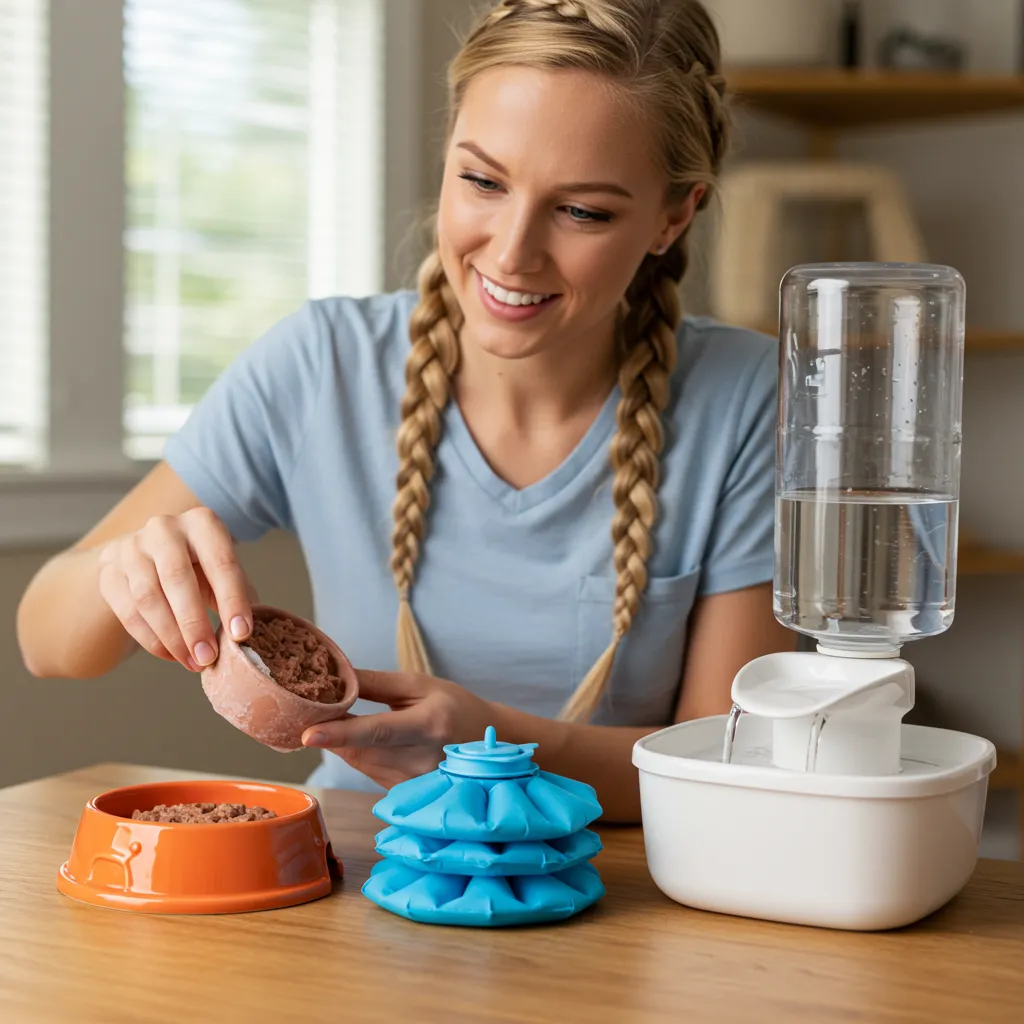
- Ice Packs in Feeders: Slip under bowls for 4-6 extra hours cool.
- Vacuum Sealers: $20 gadgets suck air from pouches.
- Room Temp Rule: Serve at 70°F—warm slightly for appeal.
- Avoid Mixing: New + old = faster spoilage.
With these, you’re golden for 1-3 day jaunts. For longer? Enter the tech saviors.
Automatic Wet Cat Food Feeders: Tech That Keeps Meals Fresh and You Sane
Gone are the days of soggy disasters—2025’s automatic wet cat food feeders are game-changers, blending refrigeration, apps, and portion control. No more “how to keep cat fed while away” panic; these bad boys handle wet cat food for travel like pros. Based on WIRED’s 2025 tests, here’s the lowdown.
Benefits of Automatic Wet Cat Food Feeders: Convenience Meets Health
Why invest? They maintain cat feeding schedules while away, reducing stress-eating or skips. Key perks:
- Freshness Lock: Built-in cooling keeps food safe 24-72 hours.
- Portion Precision: 1-50g servings prevent obesity.
- Remote Peace: App alerts for low food or jams.
- Hydration Boost: Timed wet drops mimic routines.
Top Smart Automatic Cat Feeder Picks for 2025
- Petlibro Polar Wet Food Feeder ($130): Refrigerated magic—holds 3 days’ worth at 50°F. App schedules, warms food pre-serve. Pros: Quiet, 1080p camera option. Cons: Bulky (14×13″). “Chilled my raw mix perfectly for a 4-day trip,” raves a WIRED tester.
- Cat Mate C500 ($50): Budget tray with ice packs—5 compartments, 1.45 cups each. Pros: Low-tech reliable. Cons: Manual timer. Great for weekends.
- BistroCat Automated Feeder ($200+): Pod-based, self-cleaning. Tracks intake via app. Pros: Subscription fresh pods. Cons: Proprietary food.
Comparison Table: Best Automatic Cat Feeders for Wet Food
| Feeder | Capacity | Cooling Method | App/Camera? | Price | Best For |
|---|---|---|---|---|---|
| Petlibro Polar | 3 meals/72 hrs | Built-in fridge | Yes/Optional | $130 | Long trips |
| Cat Mate C500 | 5 meals/2 days | Ice packs | No | $50 | Budget weekends |
| BistroCat | Unlimited pods | Sealed pods | Yes/Yes | $200+ | Tech lovers |
| Casfuy Cordless | 4 meals/48 hrs | Ice packs | Basic app | $80 | Portability |
Pick based on trip length—Polar for week-long escapes.
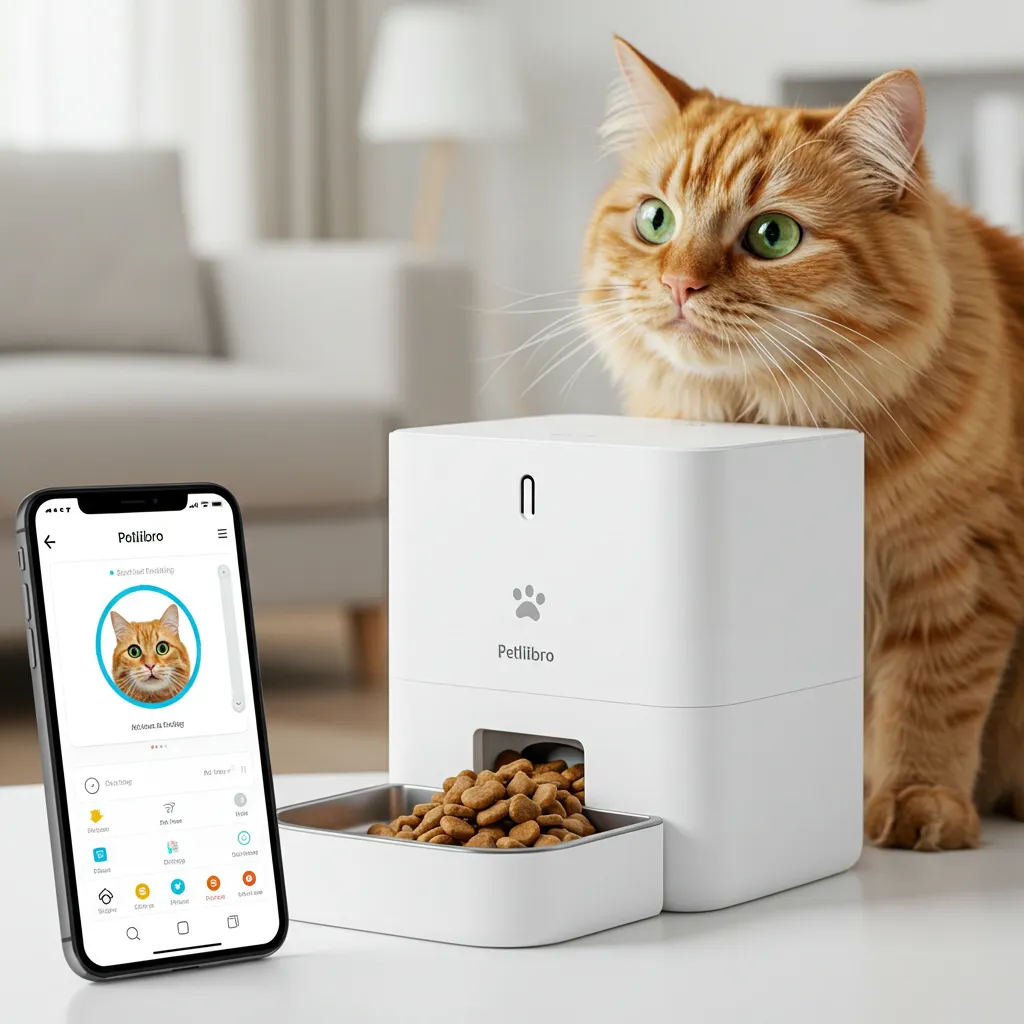
Cat Feeding with Camera Monitor: Spy on Supper Time
Craving visuals? Remote cat feeding systems like Petlibro Granary ($160) add HD cams with night vision. “Watched my cat’s happy face from Paris—priceless,” shares a Reddit user. Two-way audio soothes separation blues. For 2025, CNN Underscored crowns it for seamless monitoring.
Setup tip: Place near litter for full wellness checks.
Cat Feeding Alternatives: Beyond Gadgets for Flexible Travel
Tech’s cool, but not always feasible. Here’s a roundup of cat feeding alternatives that keep wet in play.
Enlist Friends or Family: The Low-Cost Classic
Pros: Personal touch, playtime included. Cons: Scheduling flakes.
How to Make It Foolproof:
- Pre-portion frozen meals with thaw instructions.
- Demo via video call.
- Offer gas gift cards as thanks.
One family I know traded cat-sits for dog walks—mutual magic.
Hire a Pro Cat Sitter: Hands-Off Luxury
Apps like Rover connect you to vetted pros ($20-40/visit). Pros: Insured, experienced. Cons: Cost adds up.
Vetting Steps:
- Meet & greet—ensure cat chemistry.
- Share feeding schedule while away (e.g., 6 AM/6 PM).
- Request daily pics/videos.
For my trip, a sitter cost $150/week—worth every penny for Luna’s zoomies updates.
Cat Boarding Facilities: Full-Service Spa Days
Pros: Socialization, vet on-site. Cons: Stress for homebodies; $30-60/night.
Choose ones with wet food accommodations—many do.
Vacation Cat Feeding Hacks: DIY Genius
- Frozen “Bombs”: Ice cube trays of wet food—thaw in bowls for timed release.
- Dual Bowls: One fridge-chilled, one room-temp backup.
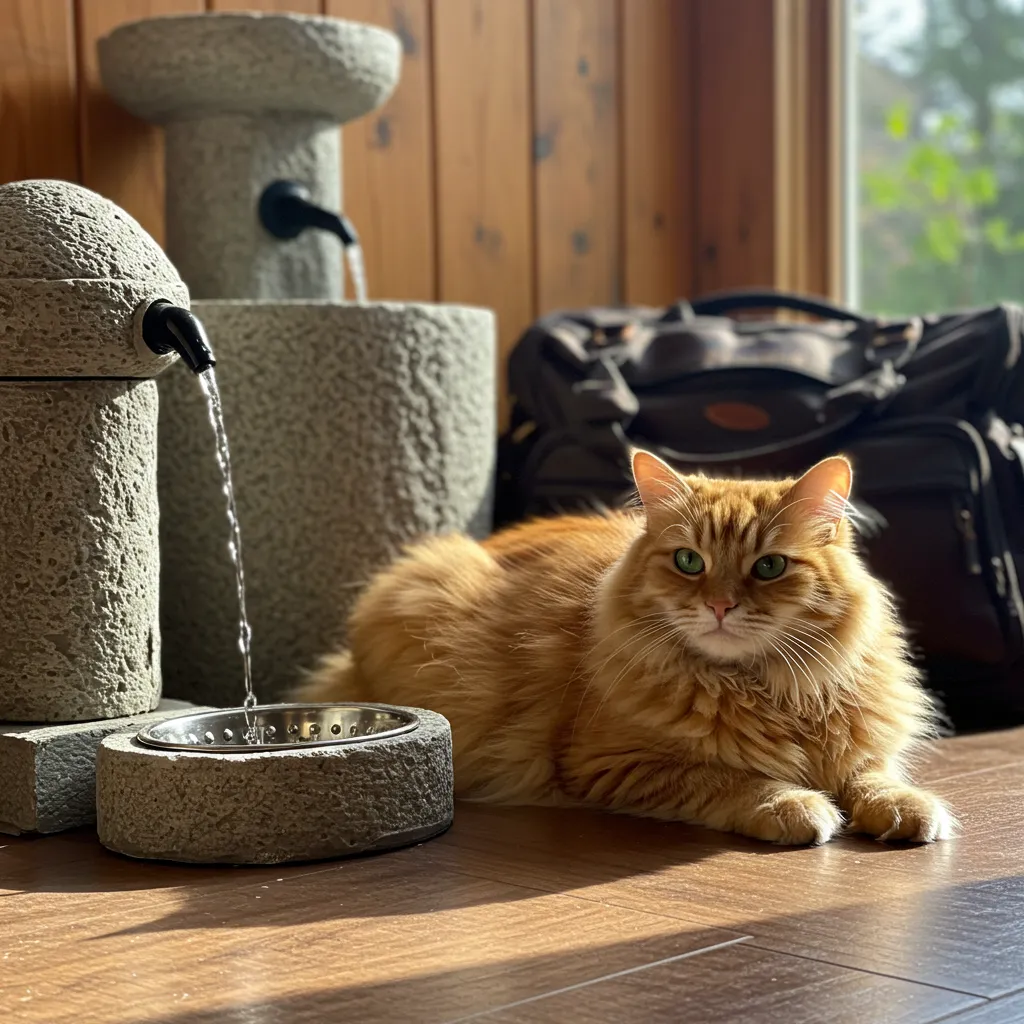
- Water Boost: Fountains like Catit PIXI keep hydration high.
How to Keep Your Cat Healthy While Traveling: Beyond the Bowl
Feeding’s key, but holistic cat care while traveling seals the deal. Maintain routines: Same litter, toys out. Litter-Robot’s guide stresses self-cleaning boxes to cut odors. Monitor via cams for lethargy—early vet alerts save trips.
For wet cat food for travel, pack samples if boarding. And benefits of wet cat food shine here: Softer stools, less constipation from stress.
FAQ: Quick Answers to Your Burning Questions
How long can wet cat food stay fresh in the refrigerator?
Up to 3-5 days when covered and stored at 40°F. Always sniff-test before serving.
Can I freeze wet cat food?
Yes, for 3-6 months in portions. Thaw in fridge; avoid refreezing.
How do automatic wet cat food feeders work?
They use timers, ice packs, or fridges to dispense pre-portioned wet food on schedule, often with app control.
What should I consider when choosing an automatic wet cat food feeder?
Capacity (2-5 days), cooling tech, app features, and cat size—test for jamming.
What are the alternatives for feeding my cat while I’m away?
Pet sitters, family, boarding, or hybrid dry/wet with auto-feeders.
How can I ensure my cat’s well-being while I’m on vacation?
Stick to routines, use cams, provide toys, and line up check-ins—wet food helps hydration hugely.
Wrapping It Up: Feed Smart, Travel Bold, Love Fiercely
There you have it—the full blueprint for how to feed cat wet food while away, from fridge hacks to 2025’s smartest feeders like the Petlibro Polar. Remember: Prioritize freshness (refrigerate 3 days, freeze for months), lean on tech for schedules, and blend alternatives like sitters for that personal purr. Your cat thrives on wet’s hydration and protein perks, so don’t compromise—healthy kitties mean guilt-free getaways.