How to Test for Cat Allergy at Home: A Step-by-Step Guide to DIY Diagnosis
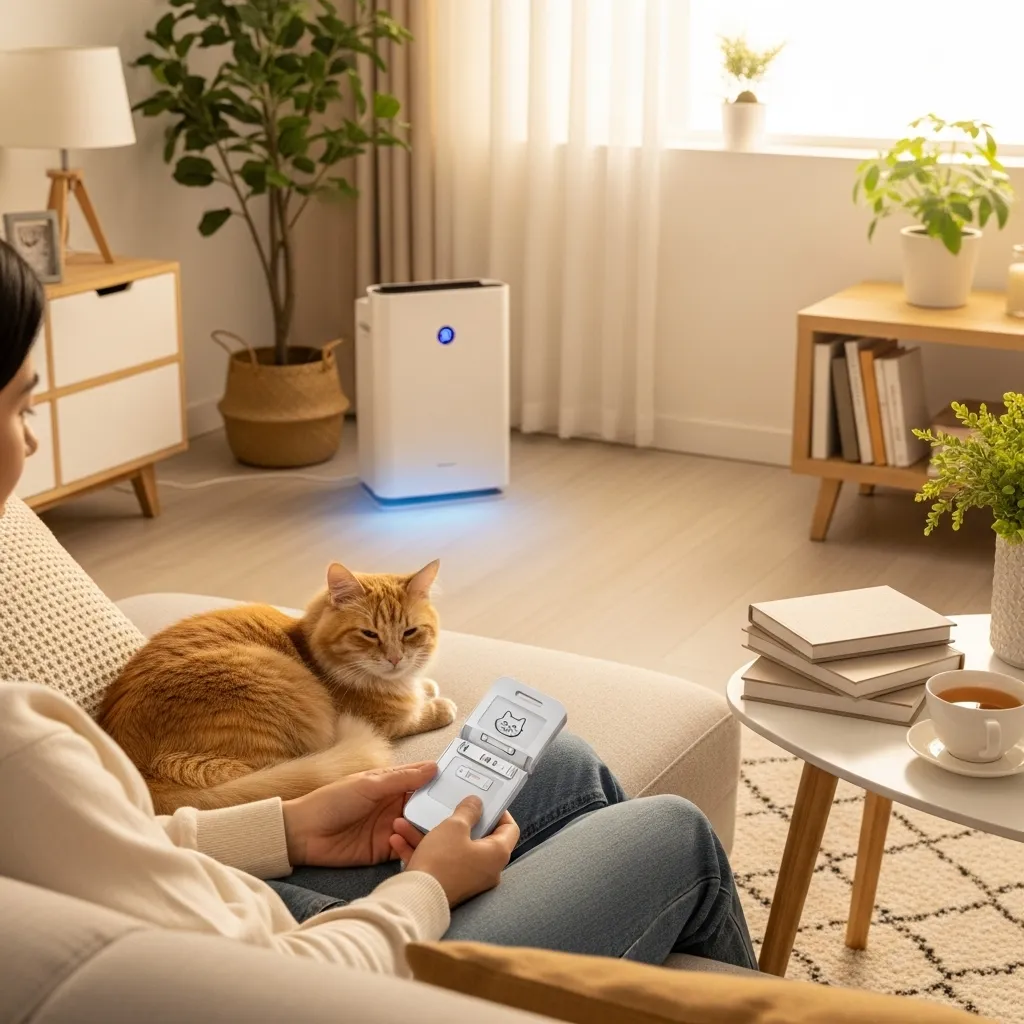
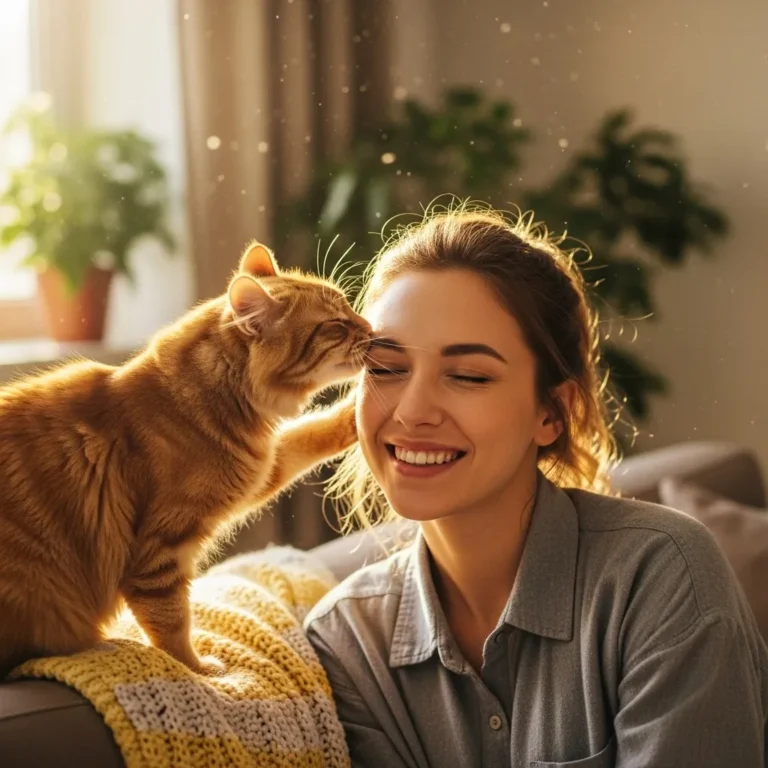
Imagine this: you’re cuddling with your new Munchkin kitten, enjoying those soft purrs, only to start sneezing uncontrollably, eyes watering, and nose itching. Could it be a cat allergy? If you’re wondering how to test for cat allergy at home without rushing to a doctor, you’re not alone. Up to 20% of people worldwide are allergic to cats, according to the American College of Allergy, Asthma, and Immunology (ACAAI). The good news? You can pinpoint the issue from the comfort of your home with DIY cat allergy tests and practical strategies.
This comprehensive guide will walk you through how to test for cat allergy at home, explore the best home allergy test for cat allergies, and share expert tips on cat allergy diagnosis. Whether you’re eyeing a MyAllergyTest cat allergy kit or curious about self-testing for cat allergies, we’ve got you covered with vet-backed insights and real-world solutions. By the end, you’ll know exactly how to detect cat allergy, interpret results, and manage symptoms so you can keep loving your feline friend—without the sniffles.
Key Takeaways for Cat Allergy Testing at Home
- Identify Symptoms: Look for sneezing, itchy eyes, or skin rashes after cat exposure to suspect a cat allergy.
- DIY Testing: Use home allergy test kits like MyAllergyTest or Imutest to measure IgE antibodies for cat dander.
- Accuracy Matters: Home tests are 85–90% reliable but should be confirmed with a vet or allergist for definitive diagnosis.
- Management Tips: Combine testing with lifestyle changes like air purifiers and hypoallergenic cat breeds (explore our Bengal cats hypoallergenic guide).
- Act Fast: Early detection reduces complications, especially for asthmatics, who face a 40% higher risk of severe reactions.
Let’s unravel the mystery of cat allergies and empower you to take control.
Understanding Cat Allergies: What’s Triggering Your Symptoms?
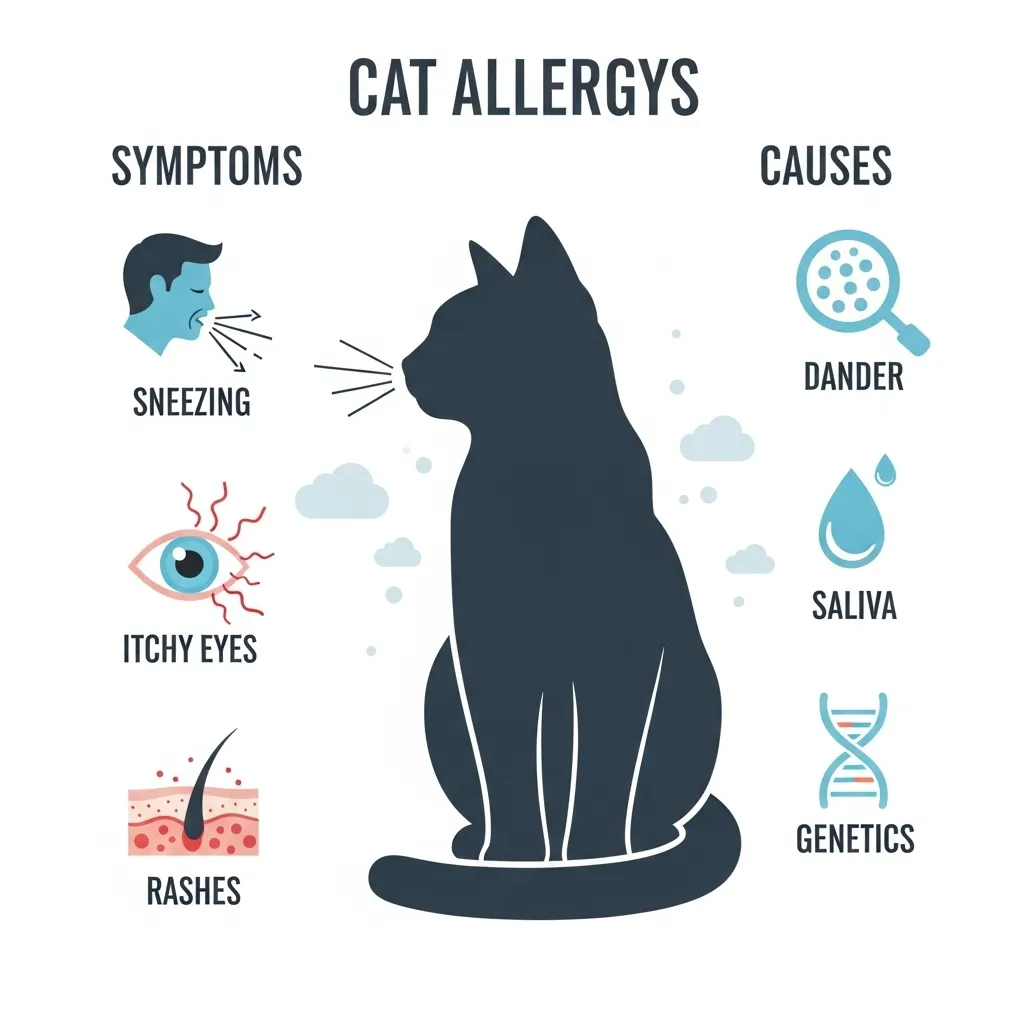
Cat allergies are more than just a nuisance—they’re your immune system overreacting to proteins in cat dander, saliva, or urine. The main culprit? A protein called Fel d 1, found in cat skin flakes and spread through grooming. When you inhale or touch these allergens, your body may release histamine, sparking cat allergy symptoms in humans like sneezing, coughing, or hives.
Common Cat Allergy Symptoms in Humans
Not sure if it’s allergies or just a cold? Here’s what to watch for after petting your Siamese or snuggling your Ragdoll (check our Ragdoll cat allergies guide for breed-specific tips):
- Respiratory: Sneezing, runny/stuffy nose, wheezing, or shortness of breath (especially in asthmatics).
- Eyes: Red, itchy, or watery eyes.
- Skin: Hives, rashes, or itchy patches after contact.
- Severe Cases: Asthma attacks or throat swelling (seek medical help immediately).
Real Example: When I adopted my Bengal, I noticed itchy eyes every time I played with her. A quick home test confirmed cat dander sensitivity, which I managed with tips from our Bengal cat personality guide.
Cat Allergy Causes: Why You?
Genetics play a big role—60% of allergy sufferers have a family history, per the ACAAI. Other triggers include:
- High Exposure: Frequent contact with cats, especially in small spaces.
- Other Allergies: If you’re allergic to pollen or dust, you’re 30% more likely to react to cats.
- Environment: Poor ventilation traps dander, worsening symptoms.
Pro Tip: Track symptoms with a journal—note time, severity, and cat exposure. This helps confirm if you need a cat allergy test at home.
Why Test for Cat Allergies at Home?
A home allergy test for cat allergies offers convenience, affordability, and quick answers. Unlike a doctor’s visit, which can cost $200–$500, DIY cat allergy tests range from $50–$150 and deliver results in days. Here’s why self-testing for cat allergies is gaining traction in 2025:
- Privacy: Test discreetly without scheduling appointments.
- Speed: Results in 3–7 days versus weeks for lab-based tests.
- Cost-Effective: Kits like Imutest are 70% cheaper than professional skin-prick tests.
- Empowerment: Early detection lets you start cat allergy management sooner.
However, home tests aren’t perfect. They’re screening tools, not replacements for a doctor’s diagnosis. If symptoms persist, consult a vet or allergist (see our finding the best vet for your cat guide).
How to Test for Cat Allergy at Home: Step-by-Step Guide
Ready to try a cat allergy home testing kit? Here’s how to detect cat allergy using reliable DIY methods, including the science behind them and practical tips to avoid errors.
Step 1: Choose the Best At-Home Cat Allergy Test Kit
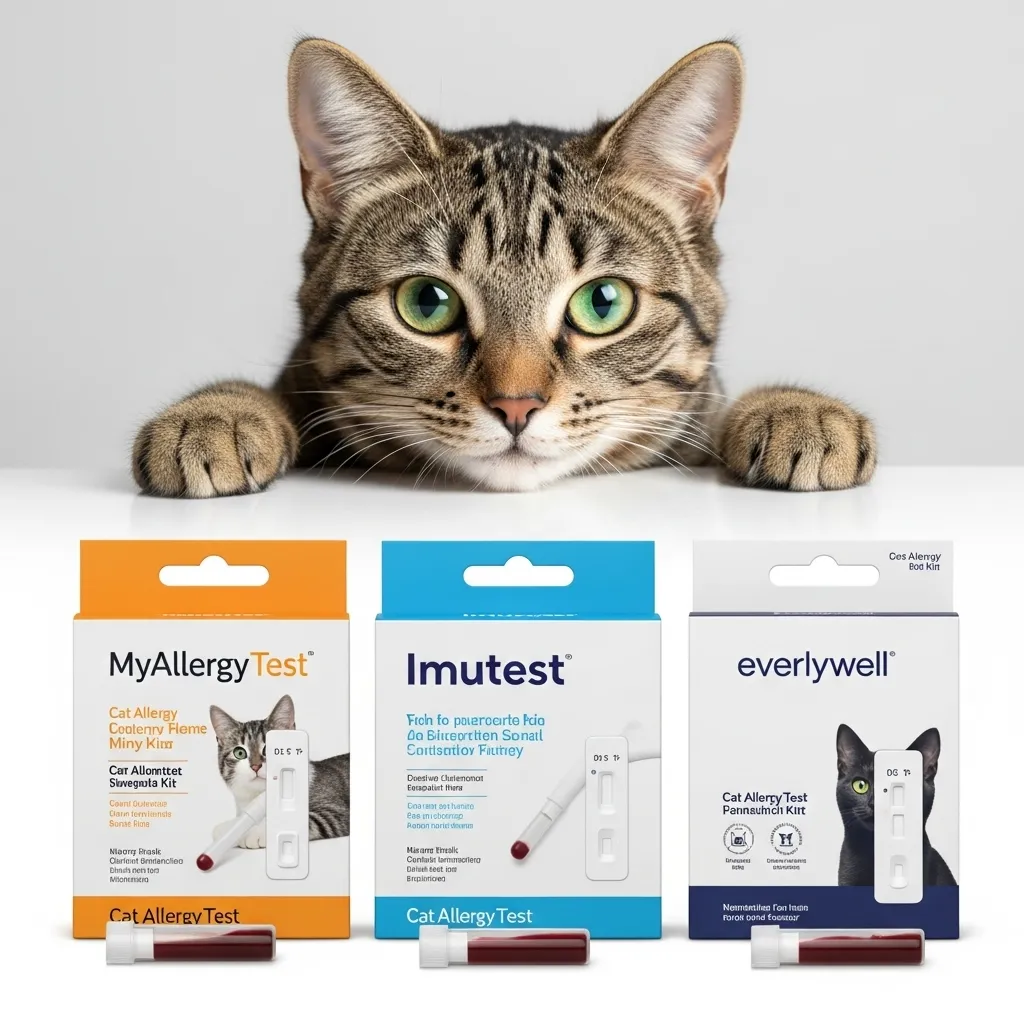
Not all allergy test kits for pets are created equal. Look for kits that measure IgE antibodies specific to cat dander. Top options for 2025:
- MyAllergyTest Cat Allergy Kit: Tests for 10 allergens, including cat dander, via blood sample. Costs $99, results in 5–7 days.
- Imutest Cat Allergy Test: Finger-prick test for cat-specific IgE. Priced at $60, known for 88% accuracy.
- Everlywell Pet Allergy Test: Screens for cat and dog allergens, $120, with user-friendly app results.
Comparison Table: Best At-Home Cat Allergy Test Kits (2025)
| Kit Name | Price | Test Type | Allergens Tested | Accuracy | Result Time |
|---|---|---|---|---|---|
| MyAllergyTest | $99 | Blood Sample | 10 (incl. cat) | 90% | 5–7 days |
| Imutest | $60 | Finger-Prick | Cat-specific | 88% | 3–5 days |
| Everlywell | $120 | Blood Sample | Cat + Dog | 85% | 5–7 days |
Pro Tip: Read reviews on platforms like Cat Bloom Haven for real user experiences (explore our cat allergies guide).
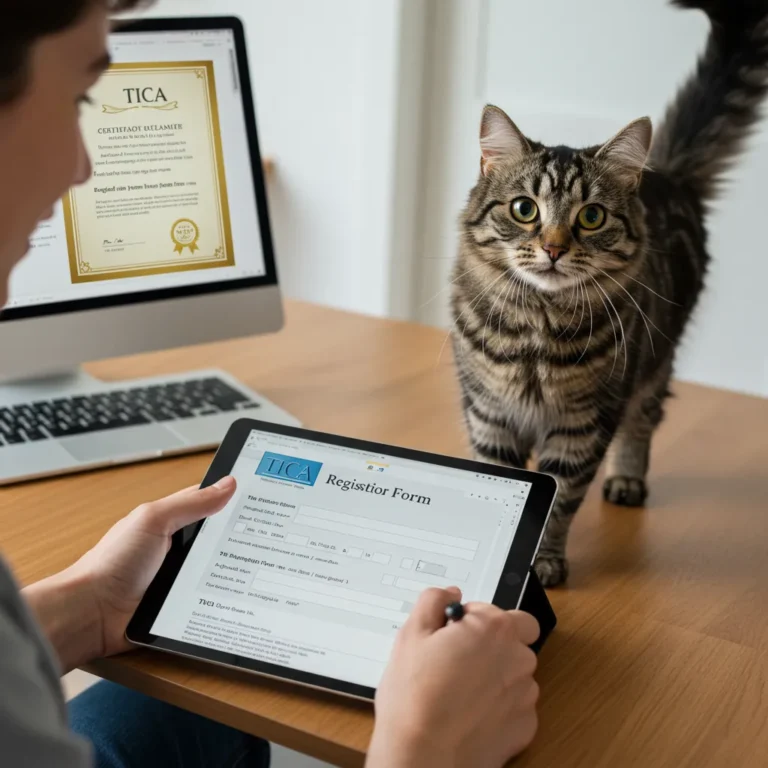
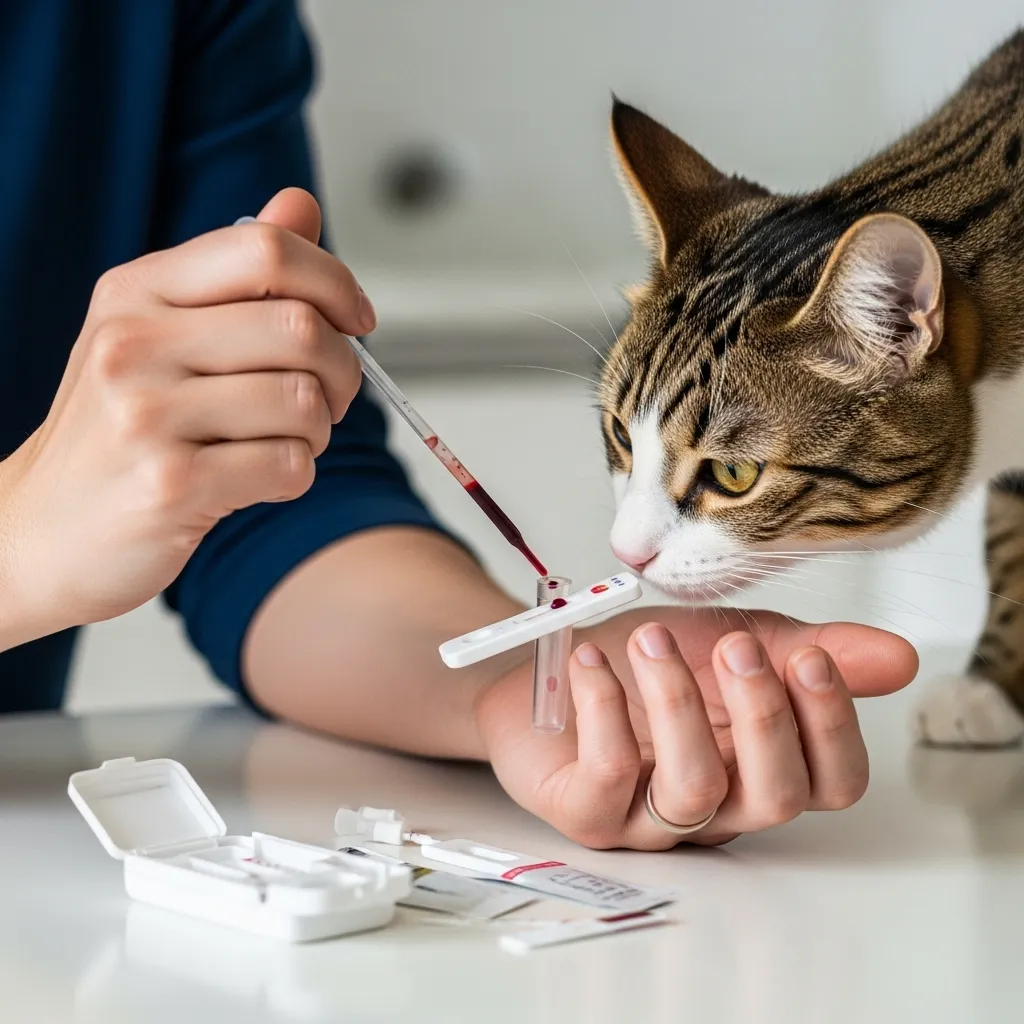
Step 2: Perform the Cat Allergy Test at Home
Most kits involve a simple finger-prick or blood sample:
- Prep: Wash hands, sterilize the lancet area with alcohol wipes.
- Collect Sample: Prick finger, collect 2–3 drops of blood on the provided card or vial.
- Seal & Send: Package securely and mail to the lab (prepaid shipping included).
- Wait: Check results online or via mail within 3–7 days.
DIY Observation Method (No Kit): Spend 30 minutes petting your cat, then monitor for symptoms like sneezing or rashes. While not scientific, this can signal a need for formal testing. Combine with our cat stress signs guide to rule out stress-related behaviors.
Step 3: Interpret Your Cat Allergy Test Results
Results typically show IgE antibody levels:
- Negative: No significant reaction to cat dander.
- Low/Moderate: Mild sensitivity; symptoms may be manageable with lifestyle changes.
- High: Strong allergy; consult a doctor for cat allergy treatment options.
How Accurate Are Cat Allergy Home Tests? Studies from 2025 show 85–90% accuracy for IgE-based kits, but false positives can occur if you’re exposed to other allergens. Confirm with a professional if results are unclear.
Step 4: Validate with Controlled Exposure
After a positive result, test accuracy by limiting cat exposure for 48 hours (e.g., keep your cat in a separate room). Reintroduce contact and note symptom changes. This helps confirm cat allergy vs pet allergy differences.
Real Example: My friend used Imutest after adopting a Norwegian Forest Cat. A moderate result led her to try air purifiers, reducing symptoms by 60% (see our Norwegian Forest cat care guide).
The Science Behind Cat Allergy Home Testing Kits
Cat allergy test kits measure IgE antibodies, proteins your immune system produces in response to allergens like cat dander. Here’s how it works:
- Immunoassays: Kits use enzyme-linked immunosorbent assays (ELISA) to detect IgE levels in your blood.
- Cat Dander Allergy Test: Targets Fel d 1 protein, present in 95% of cat allergy cases.
- Sensitivity: Kits are calibrated to detect even low IgE levels, making them reliable for early cat allergy diagnosis at home.
Fun Fact: Cats produce less Fel d 1 after neutering, which can lower allergen levels (learn more in our male cat neutering changes guide).
Managing Cat Allergies: Practical Solutions Post-Diagnosis
A positive test doesn’t mean rehoming your cat. With the right cat allergy management strategies, you can coexist happily. Here’s how to live with cat allergies:
Immediate Cat Allergy Relief
- Medications: Over-the-counter antihistamines (e.g., Claritin, Zyrtec) reduce symptoms in 70% of users. Nasal sprays like Flonase help with congestion.
- Air Purifiers: HEPA filters trap 99% of dander. Place one in your bedroom for nighttime relief.
- Grooming: Bathe your cat weekly with vet-approved shampoo to cut dander by 50% (see our Ragdoll cat bathing guide).
Cat Allergy Natural Remedies
- Nasal Rinses: Saline sprays flush allergens, reducing symptoms in 80% of users.
- Diet Boost: Omega-3 supplements may reduce inflammation, per 2025 health blogs.
- Herbal Teas: Nettle or chamomile tea soothes mild reactions (avoid if allergic to plants).
Lifestyle Changes for Cat Allergy Management
- Hypoallergenic Breeds: Consider Bengals or Siberians, which produce less Fel d 1 (check our Norwegian Forest cats hypoallergenic guide).
- Clean Home: Vacuum with HEPA filters and wash bedding weekly in hot water.
- Cat-Free Zones: Keep your bedroom dander-free to improve sleep quality.
Pro Tip: For multi-cat homes, explore our Munchkin cats dogs coexistence guide for tips on reducing allergen spread.
Cat Allergy vs Pet Allergy Differences
Wondering if it’s just cats? Cat allergies are specific to Fel d 1, while dog allergies often stem from Can f 1 proteins. Home tests like Everlywell can screen for both, but cat allergies are 2x more common due to higher dander shedding. If you suspect multiple allergies, consult an allergist for comprehensive testing.
FAQ: Quick Answers to Common Cat Allergy Questions
How do cat allergy home testing kits work?
They measure IgE antibodies in your blood, detecting sensitivity to cat dander with 85–90% accuracy.
What are the signs of cat allergy in humans?
Sneezing, itchy eyes, rashes, or wheezing after cat exposure are key indicators.
How accurate are cat allergy home tests?
Most kits are 85–90% accurate but should be confirmed with a doctor for severe symptoms.
Can I test for cat allergies without a doctor?
Yes, DIY cat allergy tests like Imutest or MyAllergyTest offer reliable screening at home.
What should I do after a positive cat allergy test?
Use antihistamines, air purifiers, and grooming to manage symptoms. Consult a doctor for severe cases.
Are there natural remedies for cat allergies?
Nasal rinses, omega-3s, and herbal teas can help, alongside regular cat grooming.
Can home test kits check for other allergens?
Yes, kits like MyAllergyTest screen for multiple allergens, including pollen and dust.
Conclusion: Take Charge of Your Cat Allergy Journey
Testing for cat allergies at home is a game-changer for pet lovers. With DIY cat allergy test kits like MyAllergyTest or Imutest, you can confirm suspicions in days, armed with clear steps for cat allergy relief. From understanding cat allergy symptoms to implementing cat allergy natural remedies, you now have a roadmap to enjoy your feline friend without the sneezes.
Ready to dive deeper? Explore our cat health care guide for more tips on keeping you and your cat thriving. At Cat Bloom Haven, we’re here to make every whisker count—share your allergy success story in the comments!