Cat Breathing Fast: Causes, Signs, and Vet-Approved Solutions for Rapid Breathing in Cats
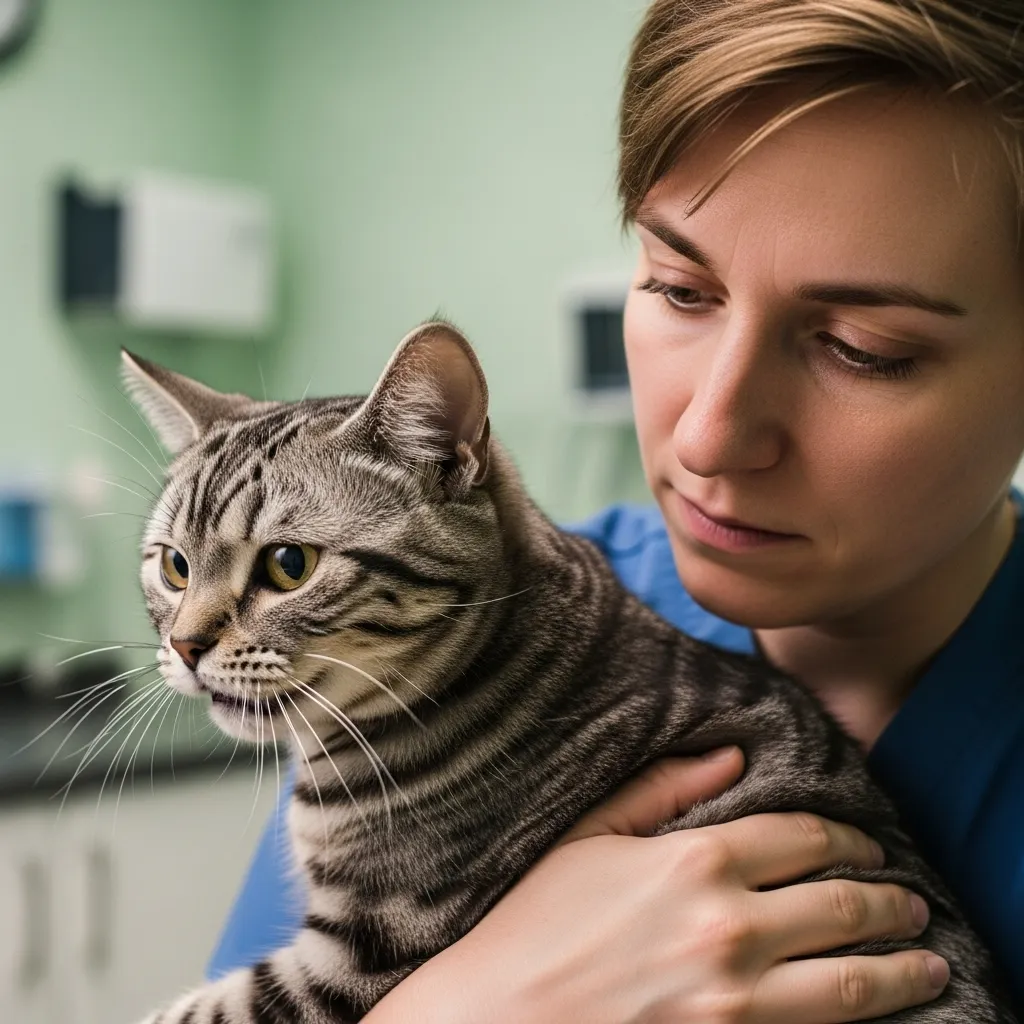
Imagine this: You’re curled up on the couch with your beloved American Shorthair, Whiskers, enjoying a quiet evening. Suddenly, you notice her sides heaving rapidly – cat breathing fast while she’s just resting. Your heart skips a beat. Is this normal? Or a sign of something serious like cat respiratory distress?
As a veterinarian with over 15 years specializing in feline health, I’ve seen countless worried cat parents in my clinic. Rapid breathing in cats (medically known as feline tachypnea) isn’t always an emergency, but it demands immediate attention. In fact, according to the American Veterinary Medical Association (AVMA), respiratory issues affect up to 20% of cats annually, often starting subtly.
In this comprehensive guide, you’ll get everything you need to know about cat breathing fast – from spotting signs of breathing difficulty in cats to treatment for feline breathing problems. We’ll cover causes of fast breathing in cats, home monitoring tips, and when to rush to the vet. By the end, you’ll feel empowered to protect your furry friend’s cat respiratory health.
Whether your cat is breathing fast while sleeping, panting after playing, or showing cat labored breathing with no appetite, this article has you covered. Let’s dive in and keep your cat purring safely.
Key Takeaways: Quick Insights on Cat Breathing Fast
- Normal respiratory rate for cats: 15–30 breaths per minute at rest.
- Red flags: Open-mouth breathing, blue gums, or cat breathing fast but acting normal – seek vet help ASAP.
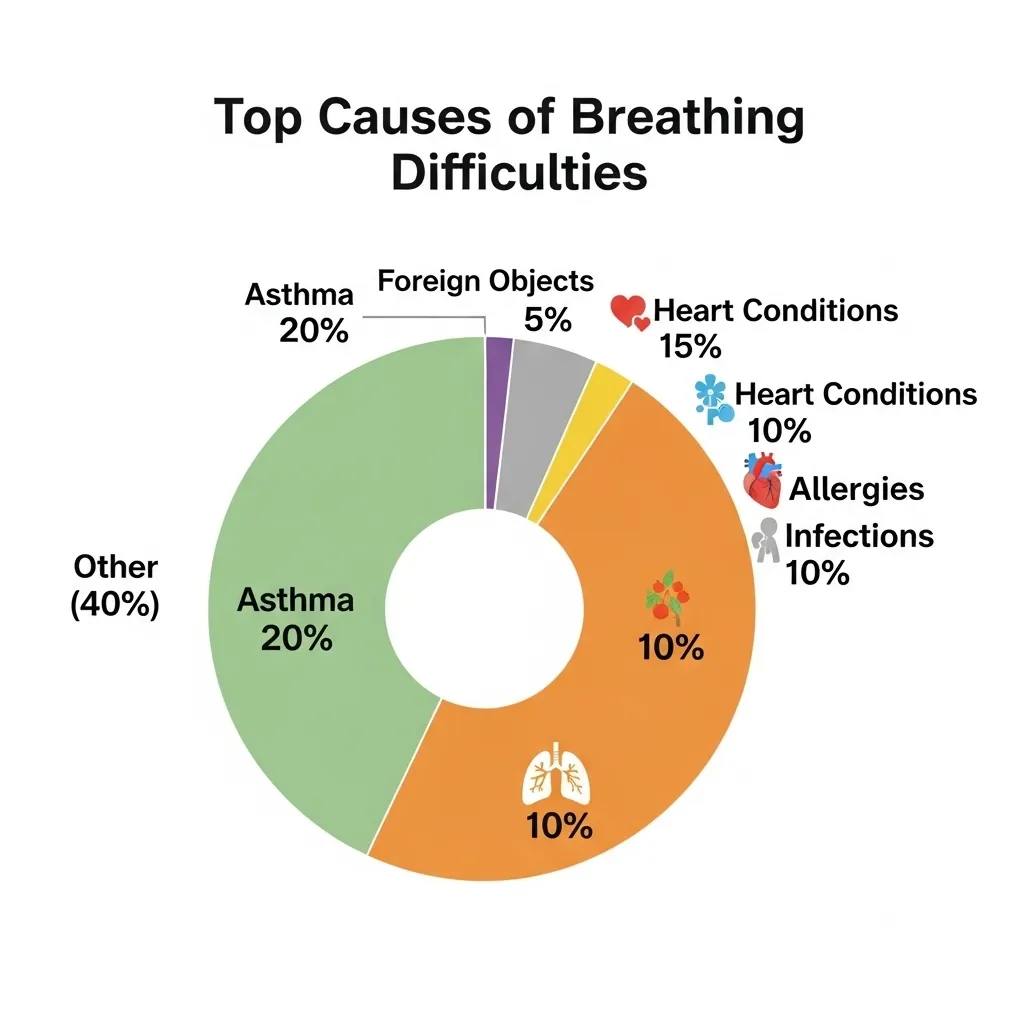
- Top causes: Asthma, heart disease, infections, stress, or allergies.
- Home remedies: Keep cool, reduce allergens, but never delay professional care.
- Recovery tip: Monitor cat chest movement observation daily for early detection.
- Pro stat: Early intervention boosts survival rates by 80% in cat pulmonary disorders (source: Journal of Feline Medicine and Surgery, 2024).
Bookmark this for your cat care toolkit – and explore our detailed guide on cat health care for more preventive tips.
Understanding Normal Feline Breathing Patterns
Before panicking over cat breathing problems, let’s establish a baseline. Cats are masters of subtlety – their breathing is quiet and efficient, thanks to a diaphragm-driven system optimized for stealthy hunting.
What Is the Normal Respiratory Rate for Cats?
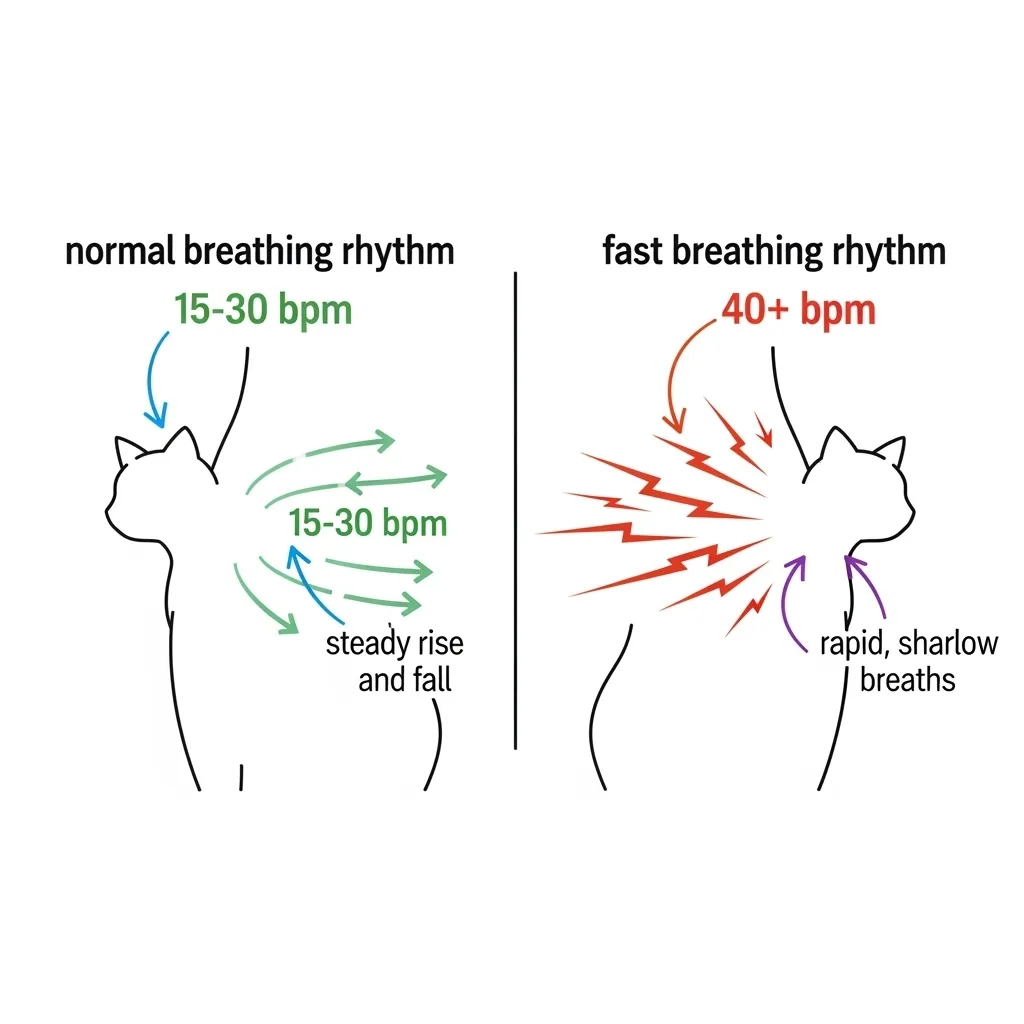
A healthy cat at rest takes 15–30 breaths per minute. Count by watching her flank (side) rise and fall for 15 seconds, then multiply by 4. Kittens and seniors may hit 30–40, but anything over 40 signals feline tachypnea.
- While sleeping: Drops to 10–20 breaths/min.
- After playing: Temporarily 40–60, but should normalize in 5 minutes.
- Panting: Rare in cats; often indicates cat panting and heavy breathing from heat or pain.
Pro Tip: Use your phone’s timer. If your cat is breathing fast while resting at 50+ breaths, note the time and behavior. This data saves vets precious minutes.
Why Proper Oxygenation Matters for Cat Respiratory Health
Cats need 95–100% blood oxygen saturation. Cat oxygenation issues drop this below 90%, starving organs. Think of it like a car’s engine – poor fuel (oxygen) leads to breakdowns.
From my clinic: A Bengal cat named Luna arrived with cat breathing fast and not eating. Her saturation was 88% due to asthma. Oxygen therapy turned her around in hours.
Quick Check: Pink gums = good. Blue/purple = emergency cat respiratory distress.
How to Observe Cat Chest Movements for Breathing Issues
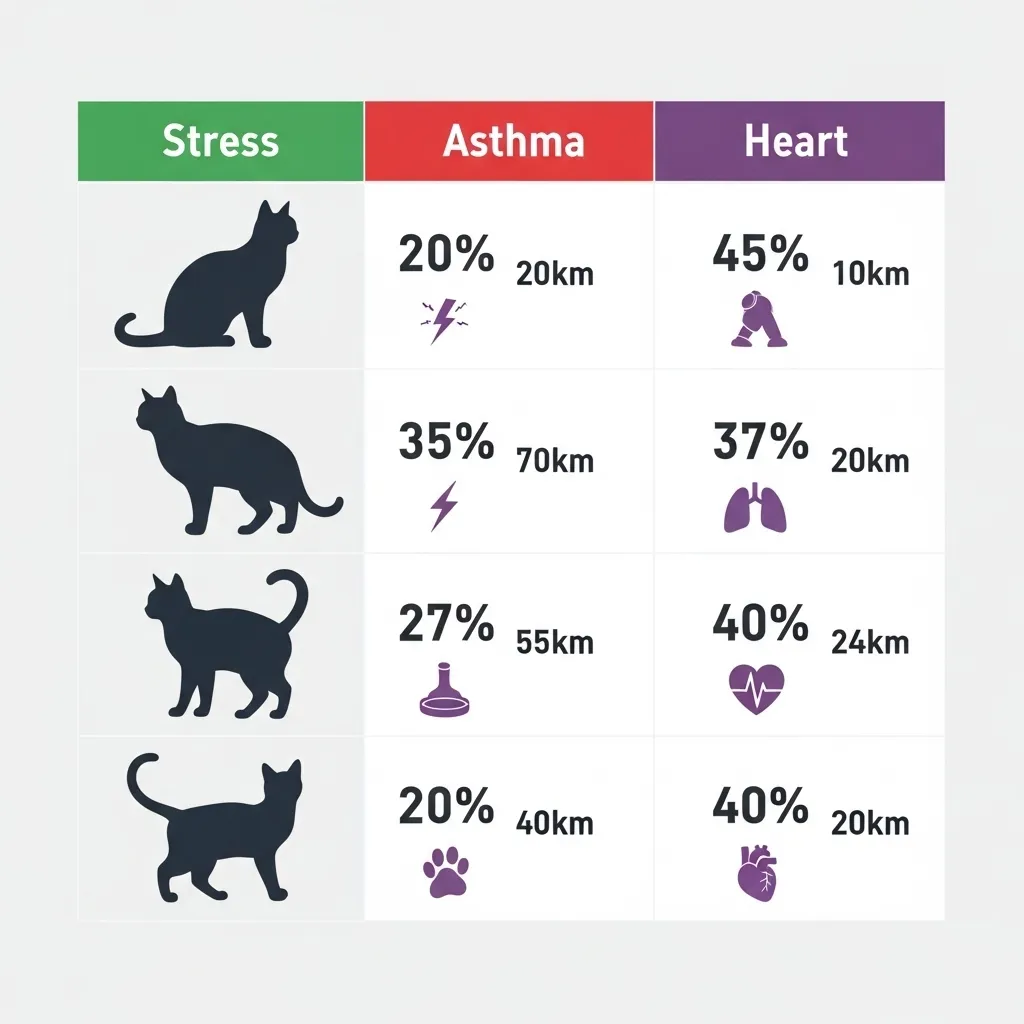
Place your hand gently on her side. Normal: Smooth, even rises. Abnormal: Jerky, exaggerated, or belly-only (paradoxical breathing).
- Daily Routine: Check twice – morning and night.
- Tools: Free apps like “Cat Resp Rate” or a simple mirror reflection.
Discover more tips in our guide on understanding cat body language to spot subtle cues early.
Why Is My Cat Breathing Fast? Top Causes of Rapid Breathing in Cats
Causes of fast breathing in cats range from benign to life-threatening. Here’s a breakdown, backed by 2025 veterinary data from Cornell Feline Health Center.
1. Stress and Overexertion: When It’s Not Serious
Cat breathing fast after playing? Totally normal for active breeds like Bengals or Munchkins. Adrenaline spikes heart rate, mimicking rapid breathing in cats.
- Example: My patient, a playful Ragdoll, panted post-fetch sessions. Solution: 10-minute cool-down with treats.
- Trending Query: Cat breathing fast while sleeping often ties to dreams – monitor for patterns.
Home Fix: Create a calm space. Learn how to train your American Shorthair kitten to fetch without overexertion.
2. Heat and Environmental Factors
Summer heat waves cause cat panting or open-mouth breathing. Norwegian Forest Cats, with thick coats, are prone.
- Stats: 30% of summer ER visits are heat-related (AVMA 2025).
- Signs: Cat breathing fast but acting normal, drooling.
Remedies:
| Quick Heat Relief Tips | How-To |
|---|---|
| Cool mats | Freeze a wet towel; place under bed. |
| Fans + hydration | Aim for 3–4 oz water/day per 5 lbs body weight. |
| Grooming | Follow our Norwegian Forest cat grooming guide. |
3. Feline Asthma Symptoms and Respiratory Infections
Feline asthma symptoms hit 5% of cats, causing cat labored breathing with wheezing. Infections like URI add mucus.
- Real Case: Siamese mix with cat breathing fast while sleeping – diagnosed via X-ray. Inhaler meds resolved it.
- Secondary Keywords: Cat asthma and respiratory infections often mimic allergies.
Treatment: Bronchodilators + steroids. Explore our Siamese cat vet visits guide for appointment prep.
4. Cat Heart Disease and Breathing Issues
Hypertrophic cardiomyopathy (HCM) affects 15% of cats, leading to fluid buildup and feline tachypnea.
- Signs: Cat breathing fast and not eating, lethargy.
- Breeds at Risk: Maine Coons, Ragdolls.
- Detection: Echo ultrasound – 90% accurate.
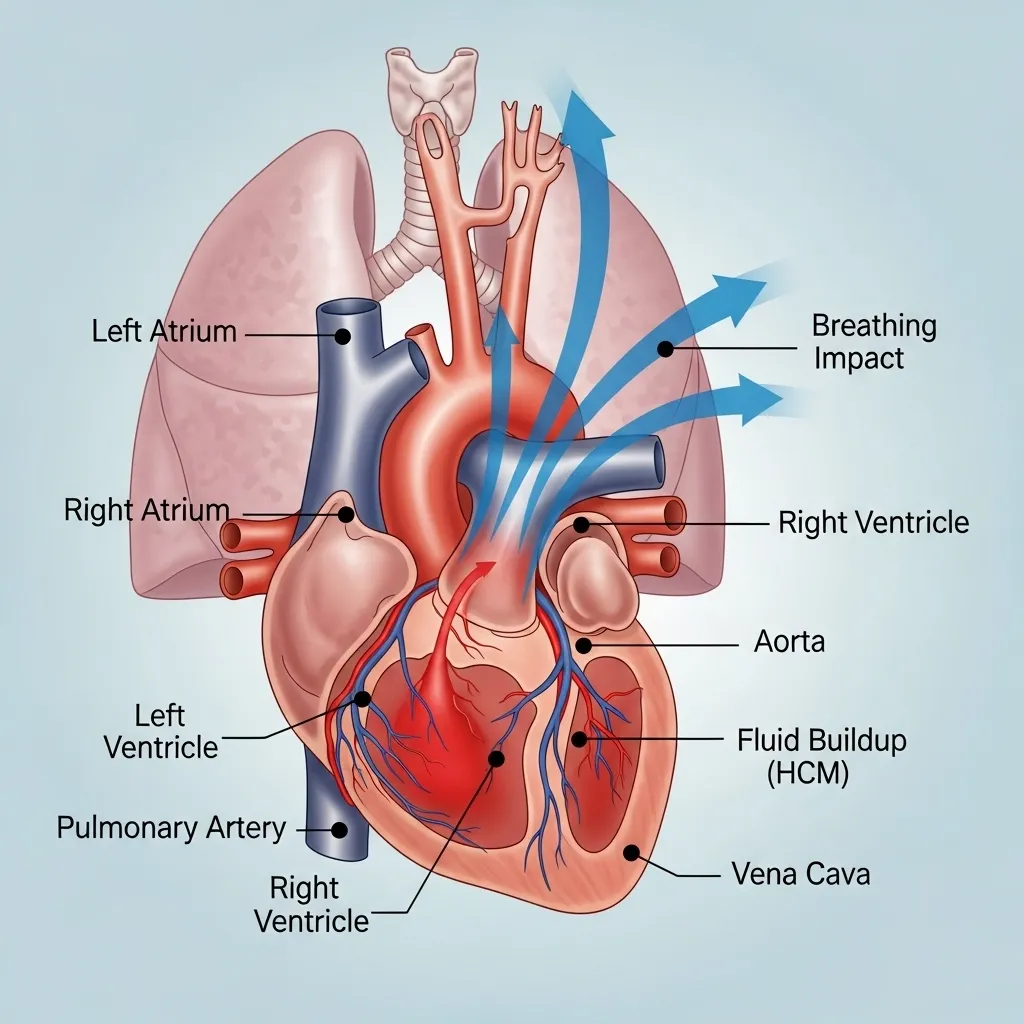
Read our heart conditions in cats guide for breed-specific risks.
5. Cat Pulmonary Disorders and Allergies
Pneumonia or cat allergies and breathing problems from dust/pollen cause inflammation.
- Trending: Why is my cat breathing fast while resting? Often pollen in spring.
- Observation: Coughing + rapid breaths.
Table: Common Pulmonary Issues
| Disorder | Symptoms | Prevalence |
|---|---|---|
| Pneumonia | Fever, cough | 10% kittens |
| Pleural Effusion | Labored sides | 8% seniors |
| Tumors | Weight loss | 5% overall |
6. Pain, Anemia, and Other Hidden Culprits
- Pain: From cat urinary health issues – see our Munchkin cat urinary issues guide.
- Anemia: Pale gums, cat oxygenation issues.
- Toxins: Lilies or rat poison – emergency guide here.
Expert Insight: Always rule out metabolic issues like hyperthyroidism in seniors.
Recognizing Signs of Breathing Difficulty in Cats
Don’t wait for collapse. Signs of breathing difficulty in cats escalate fast.
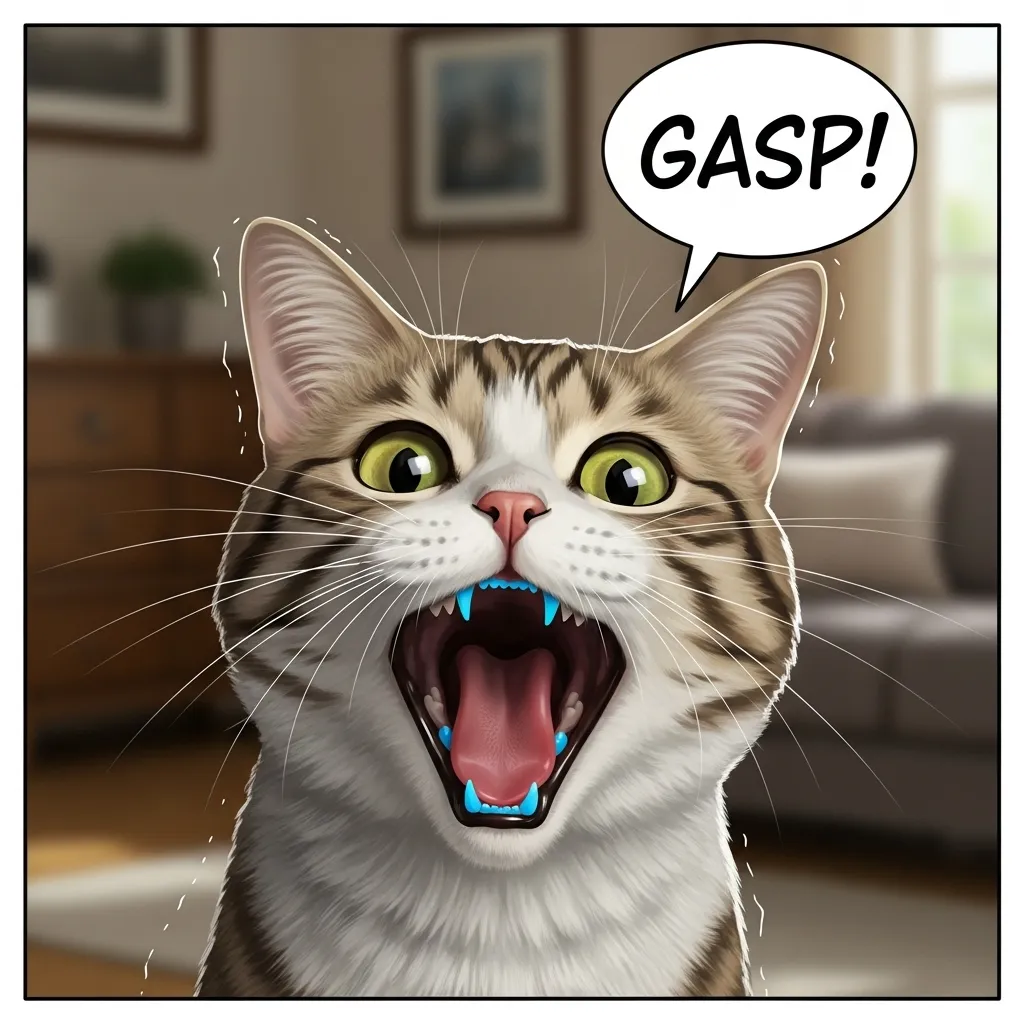
Visual Cues: Cat Labored Breathing Checklist
- Open mouth: Emergency!
- Extended head/neck: “Orthopnea” position.
- Tail up, back hunched: Pain signal.
- Blue tongue/gums: Cyanosis – call vet NOW.
Video Tip: Film 30 seconds of breathing; send to vet.
Accompanying Symptoms to Watch
- Cat panting and heavy breathing + vomiting.
- Cat breathing fast while sleeping + seizures.
- Not eating: Ties to 70% of distress cases.
Check our cat not eating guide for linked issues.
When to Be Alarmed: Emergency Red Flags
- >40 breaths/min at rest.
- Collapse or weakness.
- Cat recovery from respiratory distress timeline: 24–48 hours post-treatment.
Action Plan:
- Isolate in cool, quiet room.
- Transport in carrier.
- Call ahead: “Suspected cat respiratory distress.”
Diagnosis and Treatment for Feline Breathing Problems
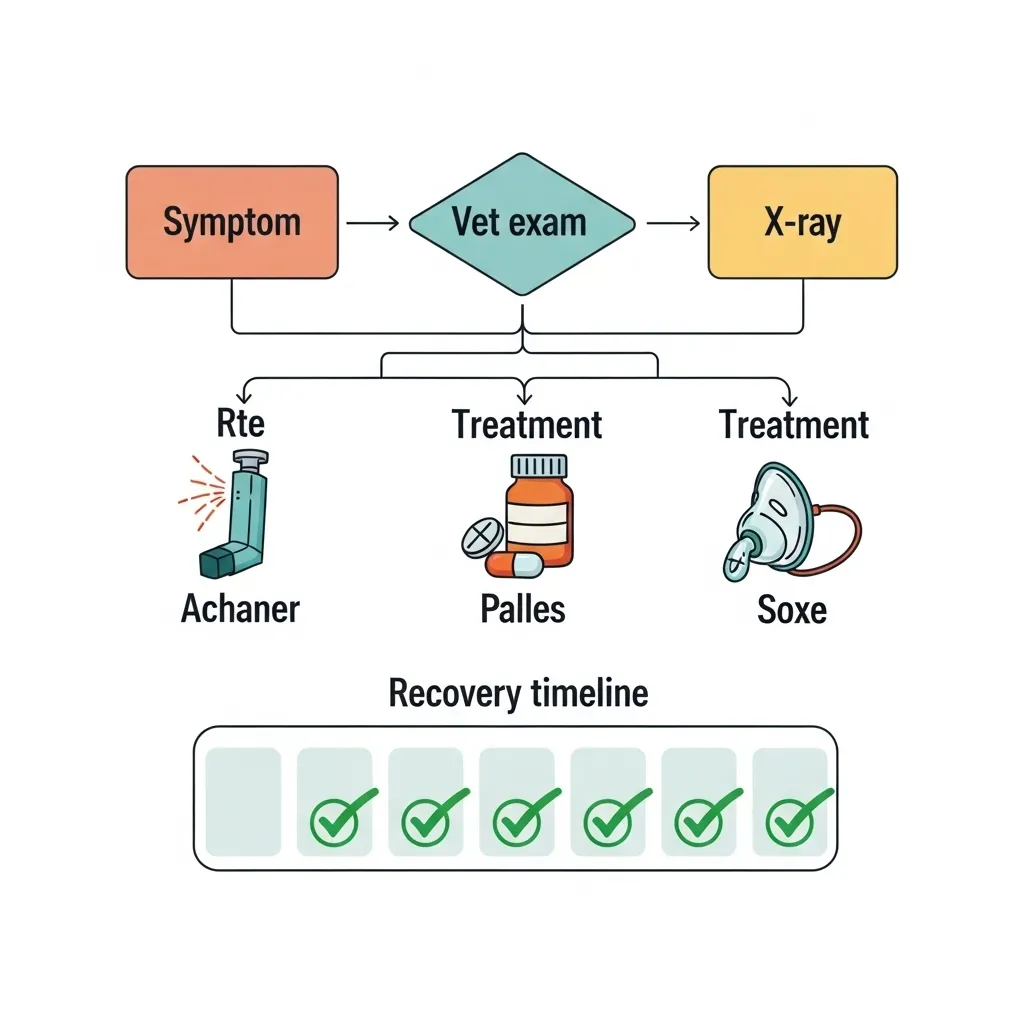
From my clinic playbook:
Step-by-Step Vet Visit Guide
- History: Note onset (e.g., cat breathing fast after playing?).
- Exam: Listen lungs, check oxygen.
- Tests: Bloodwork, X-rays ($200–500).
Treatment Options Breakdown
| Condition | Primary Treatment | Cost Estimate | Recovery Time |
|---|---|---|---|
| Asthma | Inhalers (Flovent) | $50/month | 1–2 weeks |
| Heart Disease | Diuretics + beta-blockers | $100/month | Ongoing |
| Infection | Antibiotics (Doxycycline) | $40/course | 7–10 days |
| Allergies | Antihistamines | $20/month | 3–5 days |
Home Remedies for Cat Breathing Problems (Supportive Only):
- Steam therapy: Bathroom shower (10 min).
- Honey (1/4 tsp) for cough – vet-approved.
- Feline tachypnea treatment at home: Elevate head, no smoke exposure.
Warning: Skip OTC meds – toxic to cats!
Find the best vet for your cat in our guide.
Cat Recovery from Respiratory Distress: Step-by-Step Plan
Post-vet, focus on TLC.
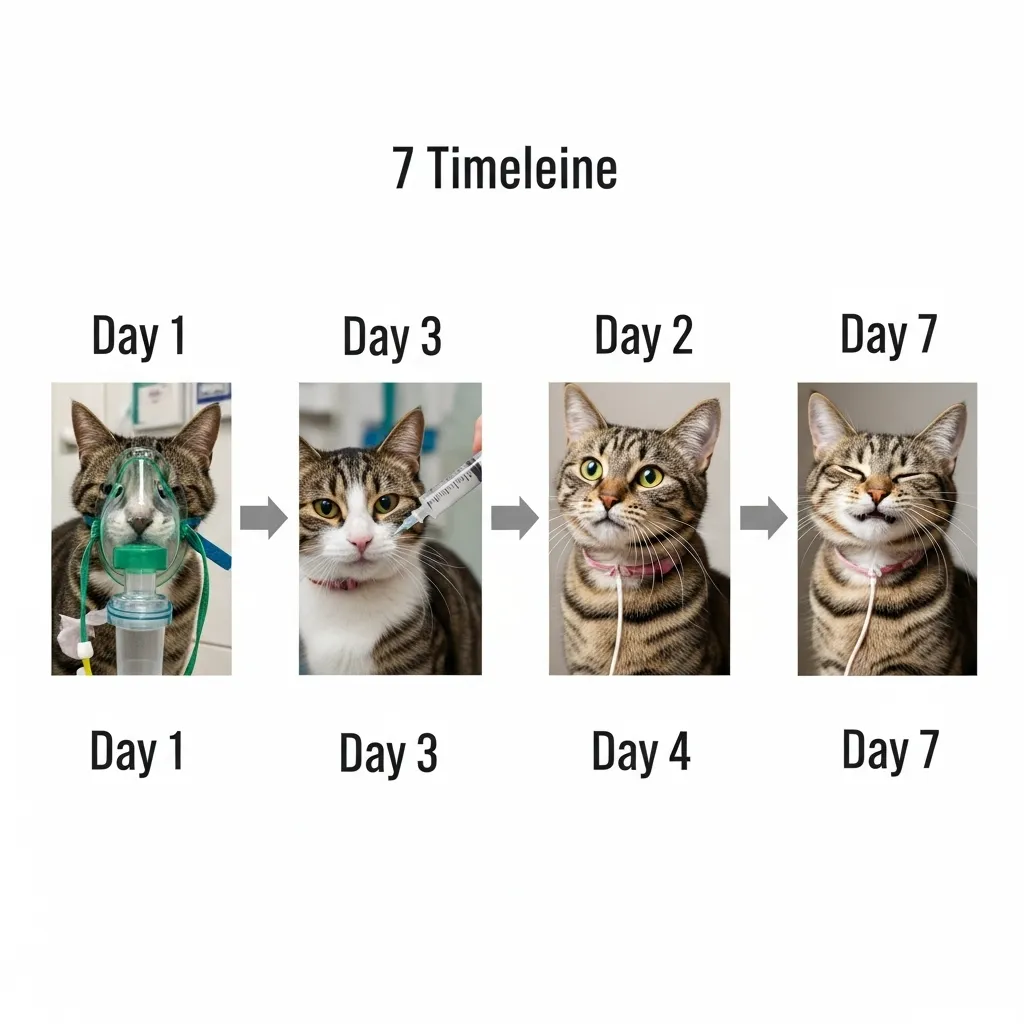
Week 1: Monitoring and Meds
- Track breaths 3x/day.
- Soft food: Best wet cat food recommendations.
Nutrition for Healing
High-protein, low-carb diet boosts oxygen use. Senior Bengal cat food guide.
Long-Term Prevention
- Annual checkups.
- Spaying a cat guide reduces risks.
- Weight management: Help cat gain weight safely.
Success Story: Persian with chronic asthma now thrives on our plan – zero flare-ups in 2 years.
Home Remedies for Cat Breathing Problems: Safe and Effective
Trending in 2025: Pet parents love natural aids, but pair with vet care.
- Hydration Boost: Cat hydration guide.
- Air Purifiers: HEPA filters cut allergens 70%.
- Herbal Teas: Chamomile steam (diluted).
- Acupressure: Gentle chest rubs.
Avoid: Essential oils – toxic!
More in our cat allergies guide.
Breed-Specific Insights: Tailoring Care for Your Cat
- American Shorthair: Prone to obesity-linked breathing – Weight guide.
- Bengal: Active; watch post-play panting – Personality guide.
- Persian: Brachycephalic; chronic issues – Breed guide.
- Siamese: Vocal; asthma common – Hiding behavior link.
- Maine Coon: Heart risks – Full breed profile.
- Munchkin: Short legs, no extra risks – Care tips.
- Norwegian Forest: Thick fur overheating – Summer care.
- Ragdoll: Calm but HCM-prone – Obesity guide.
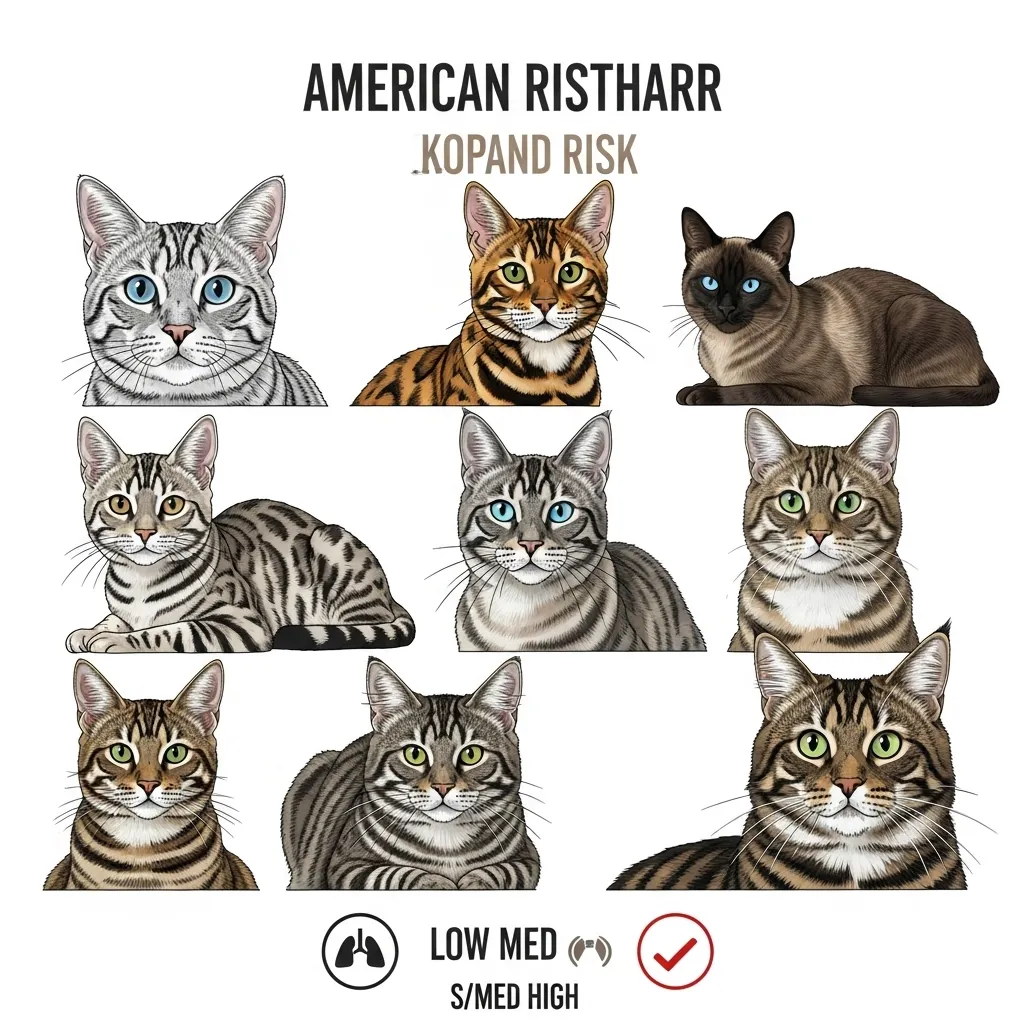
Browse all cat breeds and personalities.
FAQ: Your Top Questions on Cat Breathing Fast Answered
What is the normal respiratory rate for a cat?
15–30 breaths per minute at rest. Count flanks for accuracy.
Why is my cat breathing fast while resting?
Could be stress, heat, or asthma. Monitor; vet if >40 breaths.
Cat breathing fast but acting normal – is it okay?
Often yes (heat/pain), but check gums and appetite.
What are signs of breathing difficulty in cats?
Open mouth, blue gums, hunched posture.
Causes of fast breathing in cats?
Asthma (20%), heart disease (15%), infections (25%), other (40%).
Cat breathing fast after playing – normal?
Yes, if <5 min. Breeds like Bengals recover slower.
Cat breathing fast and not eating?
Emergency – possible pneumonia or heart failure.
Cat panting or open-mouth breathing?
Heat, pain, or distress. Cool immediately; vet if persists.
Treatment for feline breathing problems?
Meds (inhalers/antibiotics), oxygen, surgery if needed.
Home remedies for cat breathing problems?
Steam, hydration, air purifiers. Always vet-first.
Feline tachypnea treatment at home?
Supportive: Cool room, elevated bed. No self-meds.
Cat respiratory distress recovery time?
24–72 hours with treatment; full 1–2 weeks.
Conclusion: Breathe Easy – Your Cat’s Health Is in Your Hands
Cat breathing fast can be scary, but with this guide, you’re equipped to act fast and foster lifelong feline respiratory health. Remember: Early detection via cat chest movement observation saves lives. From feline asthma symptoms to heart conditions in cats, we’ve covered it all with actionable, vet-backed advice.
Your cat deserves the best – start monitoring today. For more tailored tips, adopt a cat guide or senior cat care essentials.
Ready to purr-fect your cat care? Explore more expert cat care and behavior guides on Cat Bloom Haven. Share this with a fellow cat lover and subscribe for weekly tips!