What Happens When Cats Eat the Same Food for Years
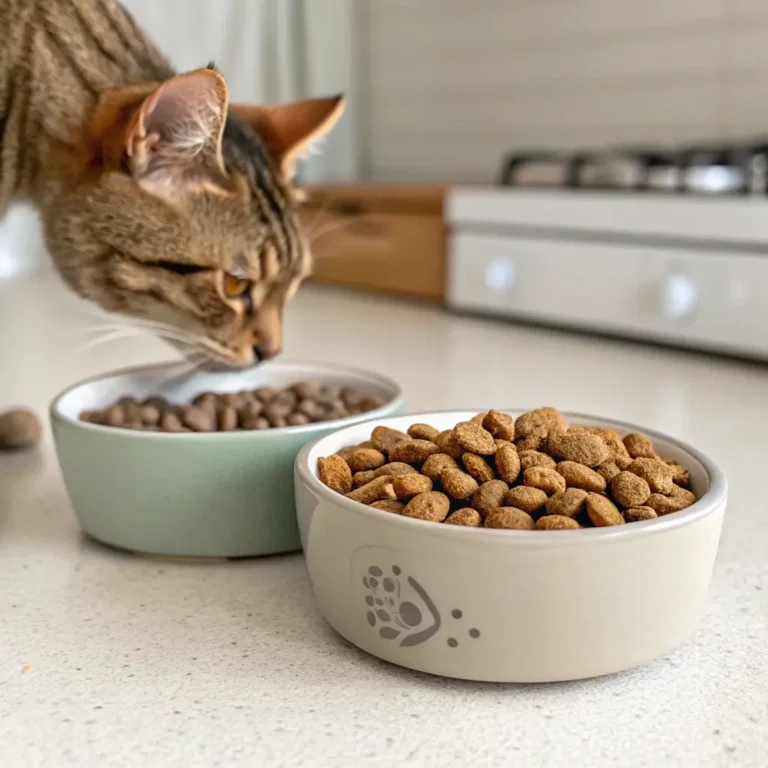
Many cat owners stick to one brand or flavor of food because their feline seems content. It simplifies routines and avoids upset stomachs from sudden changes. But what happens when cats eat the same food for years? While some thrive on consistency, others face subtle issues over time, from boredom to potential nutritional gaps or sensitivities.
This article explores the realities. You’ll learn the pros and cons, signs to watch for, and practical ways to support your cat’s long-term health. Whether your cat devours the same kibble daily or you’ve noticed waning enthusiasm, understanding these dynamics helps you make informed choices.
Key Takeaways
- Feeding the same food long-term isn’t inherently harmful if it’s a complete, balanced diet from a reputable brand.
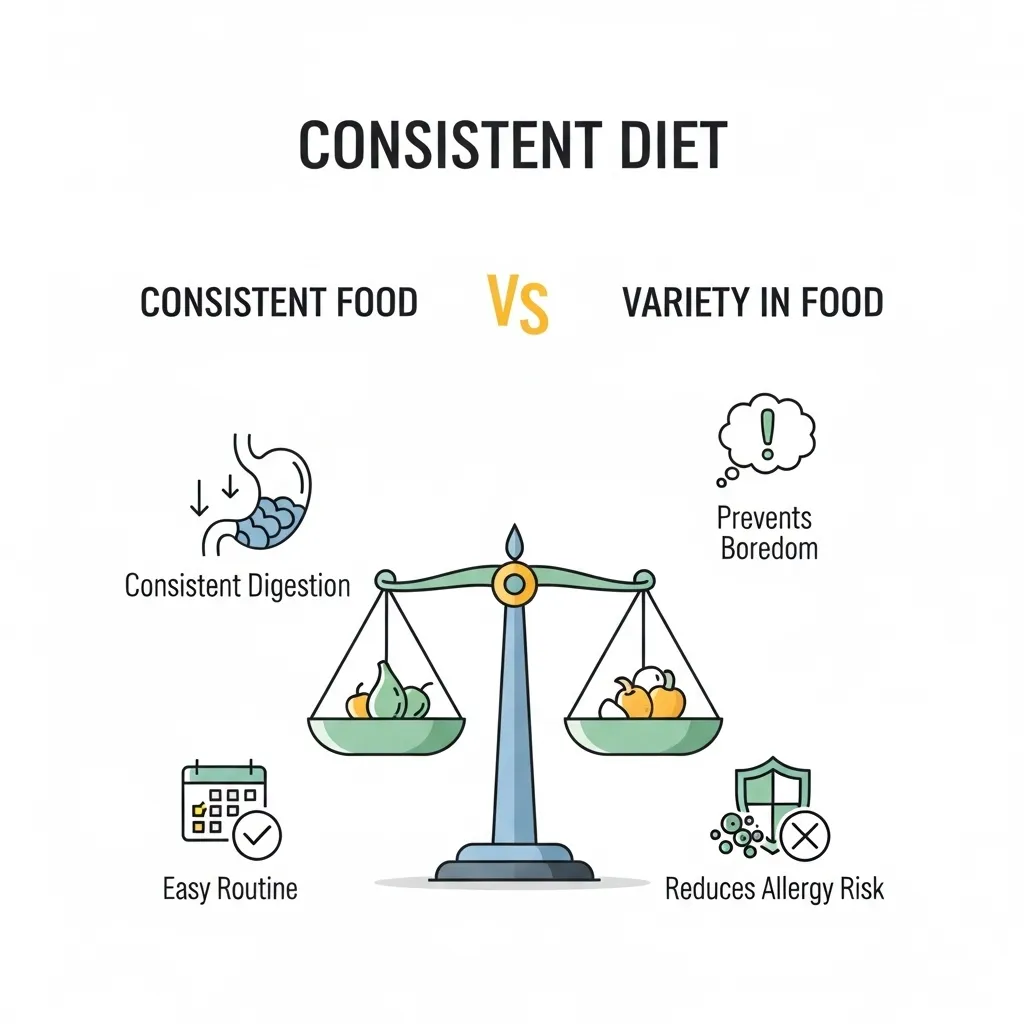
- Potential downsides include food boredom (leading to picky eating), higher risk of developing allergies to common proteins, and difficulty switching foods later.
- Benefits of variety: Prevents finickiness, may reduce allergy risks, and mimics natural dietary diversity.
- Always transition slowly and consult a vet for personalized advice, especially if your cat has health conditions.
- Focus on quality nutrition over endless variety many cats live long, healthy lives on consistent diets.
Why Do So Many Cats Eat the Same Food Every Day?
Cats are creatures of habit. In the wild, ancestors hunted similar prey repeatedly, but domestic cats often get one reliable meal source. Pet food companies design complete formulas, so owners feel secure sticking to what works.
Veterinary sources, like Cornell University’s Feline Health Center, note that many cats do fine on a single food if it’s nutritionally balanced. Cats have fewer taste buds than humans and prioritize smell and texture. If the food smells appealing and feels right, they often don’t crave change like we do.
Real-life example: I’ve heard from countless owners whose cats ate the same chicken-based kibble for 15+ years and reached ripe old ages without issues. Consistency can reduce digestive upset, especially in sensitive cats.
Yet, problems arise for some. Let’s break down what can happen.
Potential Risks of a Monotonous Diet Over Years
No diet is risk-free, even premium ones. Feeding the same food exclusively for years carries these potential downsides:
1. Food Boredom and Picky Eating Habits
Cats can tire of repetition. Signs include walking away from full bowls, reduced enthusiasm at mealtime, or begging for human food.
Over time, this leads to decreased appetite or refusal to eat, causing stress for owners and potential weight loss for the cat. Frequent changes to “fix” boredom can worsen pickiness cats learn to hold out for something new.
2. Increased Risk of Food Sensitivities or Allergies
Repeated exposure to the same proteins (like chicken or fish, common in many foods) can trigger intolerances.
Veterinary nutritionists observe that long-term feeding of one protein heightens allergy risks. Symptoms: Itchy skin, ear infections, vomiting, or diarrhea.
Rotating proteins early reduces this likelihood by building tolerance.
3. Nutritional Imbalances (Rare but Possible)
Reputable commercial foods meet AAFCO standards for complete nutrition. However, manufacturing variations or recalls pose risks if your cat only accepts one food, a recall forces stressful switches.
Homemade or poor-quality diets amplify deficiencies, but even commercial ones might lack subtle variety in micronutrients from diverse sources.
4. Difficulty Adapting to Necessary Changes
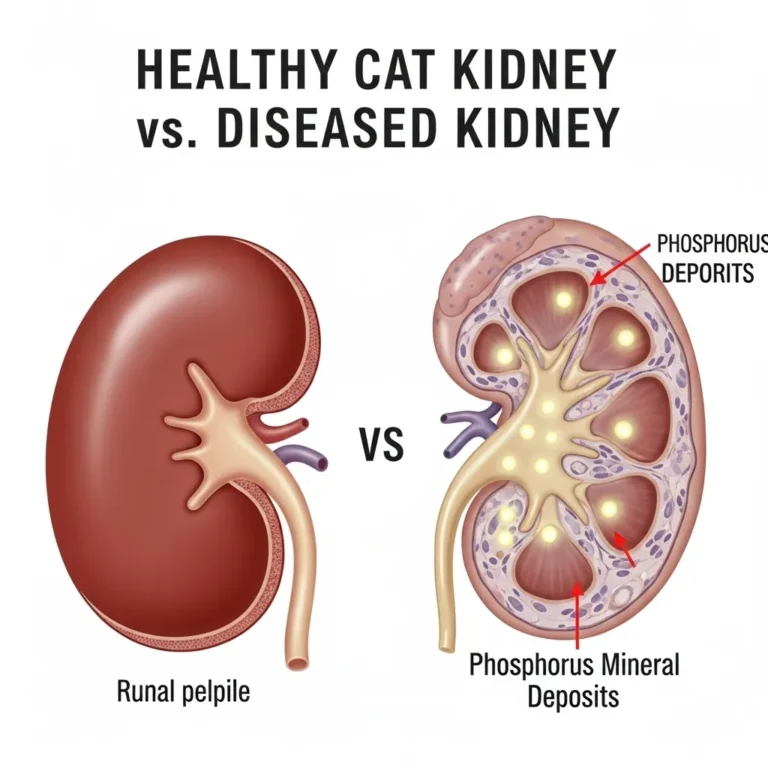
Life happens: Age-related needs (senior formulas), health issues (prescription diets for kidney disease or allergies), or simple unavailability.
Cats accustomed to one food often resist new ones, leading to hunger strikes or digestive issues during transitions.
Benefits of Sticking to One Food (When It Works)
Consistency shines for many cats:
- Predictable digestion: Fewer upset stomachs.
- Easier monitoring: You quickly spot changes in appetite or stool.
- Simpler for multi-cat homes or busy owners.
- Many long-lived cats (18+) ate the same diet lifelong.
If your cat maintains a healthy weight, shiny coat, energy, and normal vet checkups, no need to fix what’s not broken.
Signs Your Cat Might Be Tired of Their Food
Watch for these clues:
- Sniffing the bowl then walking away.
- Eating less overall or leaving food uneaten.
- Increased begging or counter-surfing.
- Sudden pickiness after years of acceptance.
Rule out medical issues first dental pain, nausea, or illness can mimic boredom.
How to Safely Introduce Variety
If you want to mix things up, do it thoughtfully:
- Start slow: Mix 25% new food with 75% old, increasing over 7-10 days.
- Rotate proteins: Switch between chicken, turkey, fish, beef, or novel ones like duck.
- Use the same brand initially for consistent base ingredients.
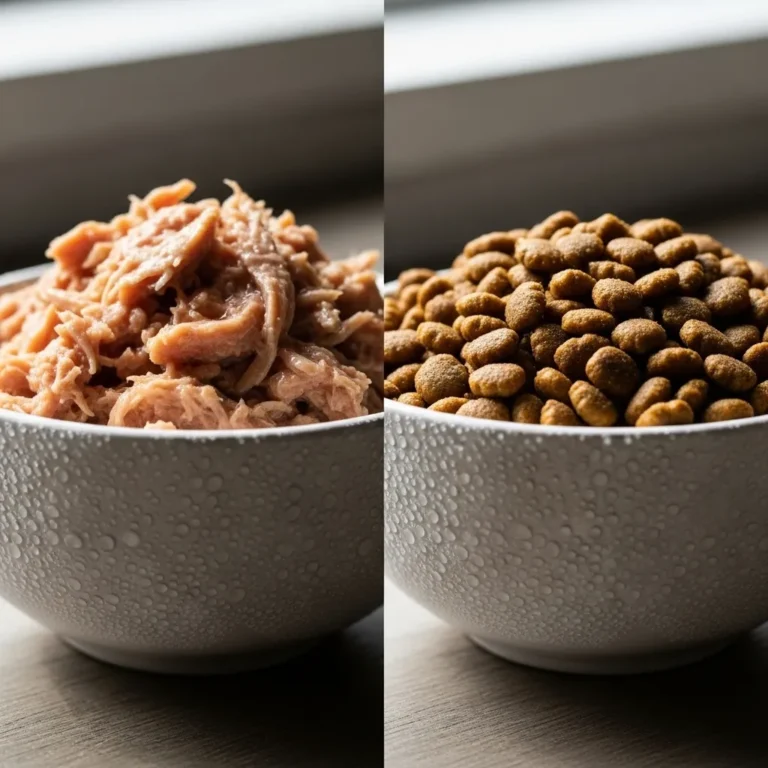
- Add excitement without full switches: Toppers, puzzle feeders, or warmed wet food.
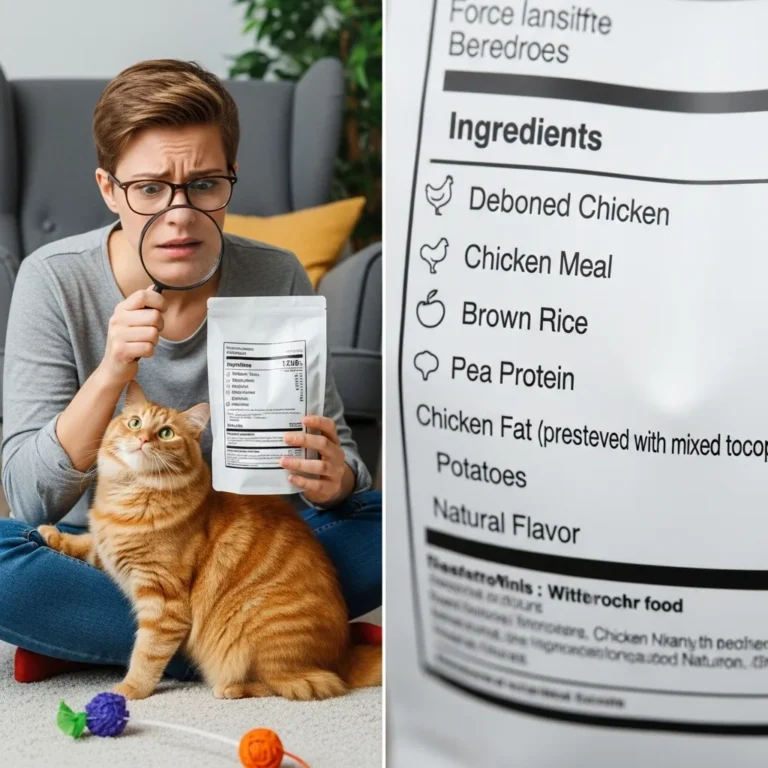
Explore our detailed guide on choosing cat food for tips on reading labels and selecting quality options.
Explore our detailed guide on choosing cat food
For breed-specific needs, check resources like our Bengal cat guide or American Shorthair cats guide.
Bengal cat guide, American Shorthair cats guide
Table: Sample Rotation Schedule for Adult Cats
| Week | Primary Protein | Food Type | Notes |
|---|---|---|---|
| 1-2 | Chicken | Wet pate | Base familiar flavor |
| 3-4 | Turkey | Wet chunks in gravy | Add texture variety |
| 5-6 | Salmon/Fish | Wet + dry mix | Boost omega-3s |
| 7-8 | Beef or Lamb | Wet only | Novel protein trial |
Adjust based on your cat’s preferences and vet input.
Expert Tips from Veterinary Sources
Vets often recommend offering 2-3 foods early in life to prevent exclusive preferences. For adults, rotation is optional but beneficial for most healthy cats.
Prioritize moisture-rich wet foods for hydration and urinary health—see our best wet cat food recommendations.
Avoid frequent drastic changes; they stress sensitive digestive systems.
Real Owner Experiences
Owners report mixed results. Some cats demand variety and thrive on rotation, becoming more engaged at meals. Others reject changes outright and do best with consistency.
One common thread: Cats on varied diets adapt better to prescription foods later in life.
When to Consult Your Vet
Always chat with your vet before major changes, especially if your cat has:
- History of GI issues.
- Allergies or skin problems.
- Chronic conditions like kidney disease or diabetes.
They can recommend tailored plans or test for underlying issues.
For finding a great vet, read our guide on finding the best vet for your cat.
finding the best vet for your cat
Conclusion
What happens when cats eat the same food for years depends on the individual. Many do perfectly fine, enjoying the routine and reliability. Others benefit from thoughtful variety, staying engaged and potentially healthier long-term.
Listen to your cat’s cues, prioritize balanced nutrition, and err on the side of quality over quantity of changes. A happy, healthy cat starts with informed choices.
Explore more expert cat care and behavior guides on Cat Bloom Haven, from breed personalities to health tips.
cat breeds personalities, cat health care
FAQ
Is it bad to feed my cat the same food every day?
Not necessarily, if it’s complete and balanced. Many cats thrive this way, but variety can prevent boredom and sensitivities.
Do cats get bored of eating the same food?
Some do, showing reduced interest or pickiness. Others are content lifelong.
Can feeding the same food cause allergies?
Prolonged exposure to one protein increases intolerance risk, though not guaranteed.
How do I switch my cat’s food safely?
Gradual transition over 7-10 days, mixing old and new.
Should senior cats have diet variety?
Consistency often suits them best, but consult a vet for age-related needs.
What if my cat refuses new foods?
Stick to what they like if healthy; forcing changes causes stress.