Why Cats Beg for Food Even After Eating
If you’ve ever finished feeding your cat a full meal only to have them stare at you with those big, pleading eyes minutes later, you’re not alone. Many cat owners wonder why cats beg for food even after eating. This behavior can feel frustrating, especially when their bowl was just topped off. The truth is, it’s rarely simple hunger. Cats have instincts, habits, and sometimes health factors driving this persistent begging.
In this guide, we’ll explore the real reasons behind it, from evolutionary roots to everyday triggers. You’ll learn when it’s normal, when to worry, and practical steps to manage it. By the end, you’ll have tools to reduce the meowing and create calmer mealtimes for both of you.
Quick Summary: Key Reasons Cats Beg After Eating
- Instinctual drive: Cats evolved as opportunistic hunters who eat small, frequent meals.
- Learned behavior: Begging often works, reinforcing the habit.
- Boredom or attention-seeking: Food time means interaction.
- Diet issues: Low-volume or unappealing food leaves them unsatisfied.
- Medical causes: Conditions like hyperthyroidism or parasites increase appetite.
- Environmental factors: Stress, routine changes, or multi-cat competition.

The Evolutionary Roots of Begging Behavior
Cats descend from solitary desert hunters like the African wildcat. In the wild, food wasn’t guaranteed. They hunted small prey multiple times a day, eating 10-20 tiny meals rather than a few large ones.
This opportunistic style wired them to seek food whenever possible. Even with a full stomach, a chance for more feels like survival. Domestic cats retain this trait. Their ancestors scavenged or begged from humans in early settlements, laying the groundwork for today’s behavior.
[Place images here: Images 10 and 11 – Wild or feral cats hunting/scavenging. Alt text: “Feral cat hunting in natural environment”; “Stray cat scavenging for food.” These show the instinctual side contrasting with pampered house cats.]
Modern cats don’t face scarcity, but the drive persists. Breeds like Bengals, closer to wild roots, often show higher food motivation and more frequent “hunting” behaviors.
Normal vs. Excessive Begging: What’s Typical?
Some begging is normal. Many cats vocalize or follow owners near mealtimes. They prefer grazing throughout the day.
But constant begging – meowing right after eating, pawing, or counter-surfing – signals an issue. Watch for patterns: Does it happen only around your meals? Or all day?
[Place images here: Images 4, 5, 6 – Cats eating from full bowls. Alt text: “Cat happily eating from a full food bowl”; “Tabby cat enjoying meal from bowl”; “Gray cat eating kibble.” These illustrate a satisfied cat post-meal.]
If your cat finishes food quickly then begs immediately, it’s likely not true hunger. We’ll cover solutions soon.
Common Behavioral Reasons Cats Beg Even When Full
1. Learned Habits and Reinforcement
Cats learn fast. If meowing or rubbing legs ever earned extra food or attention, they’ll repeat it. Even scolding reinforces by giving focus.
2. Attention-Seeking
Food routines often involve interaction – opening cans, praise. Begging becomes a way to get petting or play.
3. Boredom and Lack of Stimulation
Indoor cats lack natural hunting. Begging fills the void. Food puzzles mimic hunting and reduce it significantly.
[Place images here: Images 12, 13, 14 – Cats with puzzle feeders. Alt text: “Cat engaging with interactive food puzzle toy”; “Cats playing with treat-dispensing puzzle”; “Cat solving sliding puzzle box for food.” Perfect for showing enrichment alternatives.]
4. Food Preferences or Bowl Issues
Cats might dislike food flavor, texture, or temperature. Or “whisker fatigue” from deep bowls makes eating uncomfortable, leaving food but prompting begs.
Picky eaters hold out for better options, like human food.
Medical and Health-Related Causes
Rule these out first. Sudden or intense begging, especially with weight loss, warrants a vet visit.
- Hyperthyroidism: Common in older cats; speeds metabolism, causing constant hunger.
- Diabetes: Body can’t use nutrients properly, leading to ravenous appetite.
- Parasites (worms): Steal nutrition, leaving cats hungry despite eating.
- Gastrointestinal issues: Poor absorption mimics hunger.
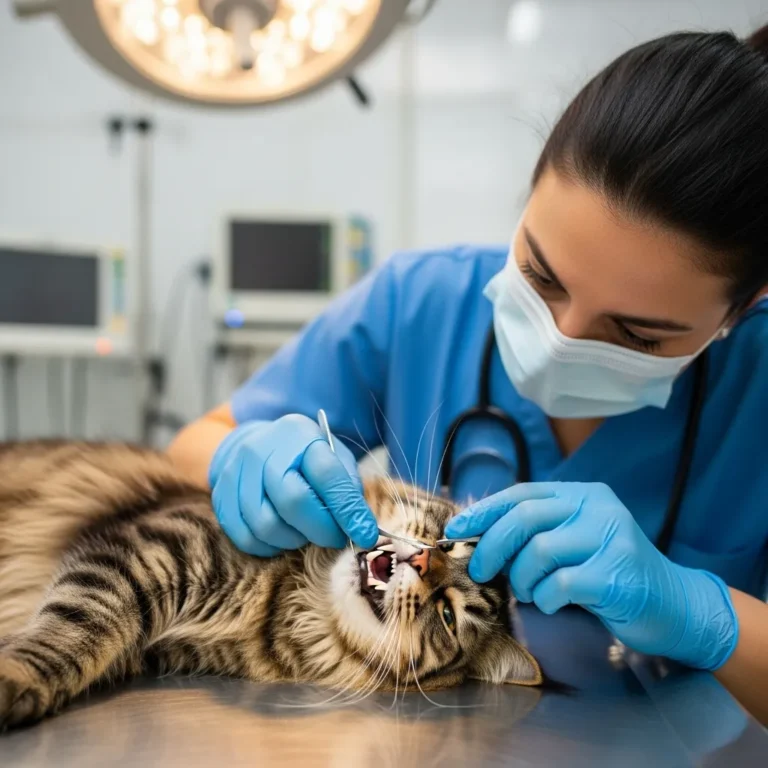
- Dental pain: Makes eating painful, so they beg but eat little.
Other signs: Increased thirst, vomiting, or lethargy. Blood tests diagnose most.
Discover more in our guide on cat health care or why cats vomit.
How Diet and Feeding Style Influence Begging
Portion Size and Meal Frequency
Large meals don’t align with natural grazing. Smaller, more frequent ones keep cats satisfied longer.
Automatic feeders help with portions while you’re away.
Food Type and Quality
High-fiber or bulky foods promote fullness. Wet food often satisfies more than dry due to moisture.
Low-calorie diets for weight loss can increase begging if not managed.
Check our recommendations on best wet cat food or choosing cat food.
Breed Differences in Food Motivation
Some breeds are more food-driven:
- Bengals: High energy, strong hunt drive.
- Siamese: Vocal and demanding.
- Maine Coons: Large size needs more calories but can overeat.
Explore breed personalities in articles like Bengal cat personality or Siamese cat breed.
Practical Tips to Reduce Begging Behavior
- Establish a Consistent Schedule
Feed at set times, 3-4 small meals daily. Use an automatic feeder for reliability. - Ignore Begging Completely
No eye contact, talking, or pushing away. Wait for quiet, then reward with attention elsewhere. - Enrich Mealtimes
Use puzzle feeders or slow bowls to make eating engaging and slower. - Provide Alternatives for Stimulation
Daily play sessions with wand toys. Interactive toys or window perches combat boredom. - Optimize the Food Setup
Shallow bowls for whisker comfort. Separate feeding areas in multi-cat homes. - Positive Reinforcement Training
Reward calm behavior around food times with treats or play. - Gradual Diet Changes
If switching foods, mix old and new to avoid pickiness.
For training ideas, see cat training behavior or teach cat to fetch.
Consistency is key. Changes take weeks, but most owners see improvement.
When to See a Vet
Consult if begging starts suddenly, pairs with weight changes, excessive thirst, or other symptoms. Early detection matters for conditions like hyperthyroidism.
Routine check-ups help. Learn more in finding the best vet for your cat.
FAQ: Common Questions About Cats Begging for Food
Why does my cat beg for food right after eating?
Often learned behavior or boredom. They associate you with food delivery.
Is it normal for cats to act hungry all the time?
Somewhat, due to grazing instincts. Excessive suggests diet, boredom, or health issues.
How can I tell if my cat is truly hungry or just begging?
Check body condition – visible waist, palpable ribs. If overweight and begging, likely habit.
Do certain breeds beg more?
Yes, vocal breeds like Siamese or high-energy like Bengals tend to demand more.
Can puzzle feeders really stop begging?
They help many by providing mental stimulation and slowing eating.
What if ignoring the begging makes it worse?
Normal initially (extinction burst). Stay consistent; it improves.
Is giving treats okay if they beg?
No reinforces behavior. Use treats for training good habits.
For more on feeding, check cat food nutrition.
Final Thoughts
Understanding why cats beg for food even after eating turns frustration into empathy. It’s rooted in instincts, shaped by environment and habits. Address the cause enrichment, routine, or vet check for a happier cat and peaceful home.
Every cat is unique, so experiment patiently. You’ll likely find a balance that works.
Explore more expert cat care and behavior guides on Cat Bloom Haven, like cat zoomies guide or why cats knead. Your feline friend will thank you.