Why Is My Cat Breathing Hard? A Complete Guide to Understanding Labored Breathing in Cats and What to Do Next
Picture this: You’re curled up on the couch with your feline best friend when you notice something off. Her sides are heaving more than usual, her mouth slightly open, and there’s a faint wheeze with every breath. Panic sets in why is my cat breathing hard? If this sounds familiar, you’re not alone. Cat breathing problems strike fear into every pet parent’s heart, and for good reason. Labored breathing in cats can range from a harmless post-play puff to a life-threatening emergency like cat respiratory distress.
In this ultimate cat health guide, we’ll decode every possible reason behind cat panting, feline asthma triggers, and even why your kitty might be breathing fast while resting. You’ll walk away knowing exactly when to worry, what home checks reveal, and most importantly how to keep your cat healthy for years to come. Let’s breathe easy together.
Key Takeaways (For Quick Answers):
- Normal cat breathing: 20–30 breaths per minute at rest, silent, nostrils only.
- Red flags: Open-mouth breathing, belly moving heavily, blue gums, or lethargy.
- Common causes: Play, stress, heat, allergies, asthma, heart disease, or infections.
- Act fast: Any sudden cat respiratory distress needs a vet within hours.
- Prevention: Annual checkups, weight control, and allergen-free zones.
What Does Normal Cat Breathing Look Like? (And Why It Matters)
Cats are stealth breathers. Unlike dogs, they rarely pant unless something’s up. A healthy cat at rest takes 20–30 breaths per minute, using only their nostrils. You shouldn’t hear whistles, see belly heaving, or notice flared nostrils.
Quick self-check: Place your hand gently on your cat’s side while they nap. Count the rise-and-fall for 15 seconds and multiply by four. Over 40? Time to investigate cat breathing fast while resting.
Pro Tip: Kittens breathe faster (up to 40 bpm) due to higher metabolism. Senior cats slow to 15–25 bpm. Know your cat’s baseline.
Red Flags: Spotting Labored Breathing in Cats Before It’s an Emergency
Cat respiratory distress sneaks up fast. One minute they’re zooming, the next they’re gasping. Train your eyes for these signs your cat needs a vet:
- Open-mouth breathing or cat panting (especially without recent play)
- Belly breathing (abdomen pumps hard while chest barely moves)
- Nostril flaring or head extended forward
- Blue or purple gums/tongue (oxygen starvation)
- Coughing, wheezing, or crackling sounds
- Hiding, refusal to eat, or extreme lethargy
Real-Life Example: Sarah’s Bengal, Luna, started cat panting after chasing a laser. Ten minutes later, Luna was still open-mouth breathing. A quick vet visit revealed early feline asthma caught before crisis.
Why My Cat Is Breathing Heavily After Playing: Harmless or Hint?
Post-play puffing is common think of it as your cat’s cardio cooldown. But if cat breathing heavily after playing lasts more than 3–5 minutes, dig deeper.
| Scenario | Normal? | Action |
|---|---|---|
| 1–2 min panting, then normal | Yes | Monitor |
| >5 min, gums pale | No | Call vet |
| Wheezing + panting | No | Emergency |
Link: Explore why my cat is breathing heavily after playing for breed-specific risks (e.g., flat-faced Persians).
Feline Asthma: The Silent Wheezer Behind Chronic Cat Breathing Problems
Feline asthma affects 1 in 100 cats and mimics human asthma inflamed airways spasm, trapping air. Triggers? Pollen, dust, smoke, even stress.
Symptoms of Feline Asthma
- Persistent dry cough (sounds like hairball but no furball)
- Rapid, shallow breaths
- Crouched posture with neck extended
- Episodes worsen at night or in winter
Cat Asthma Treatment at Home (Vet-Approved Adjuncts)
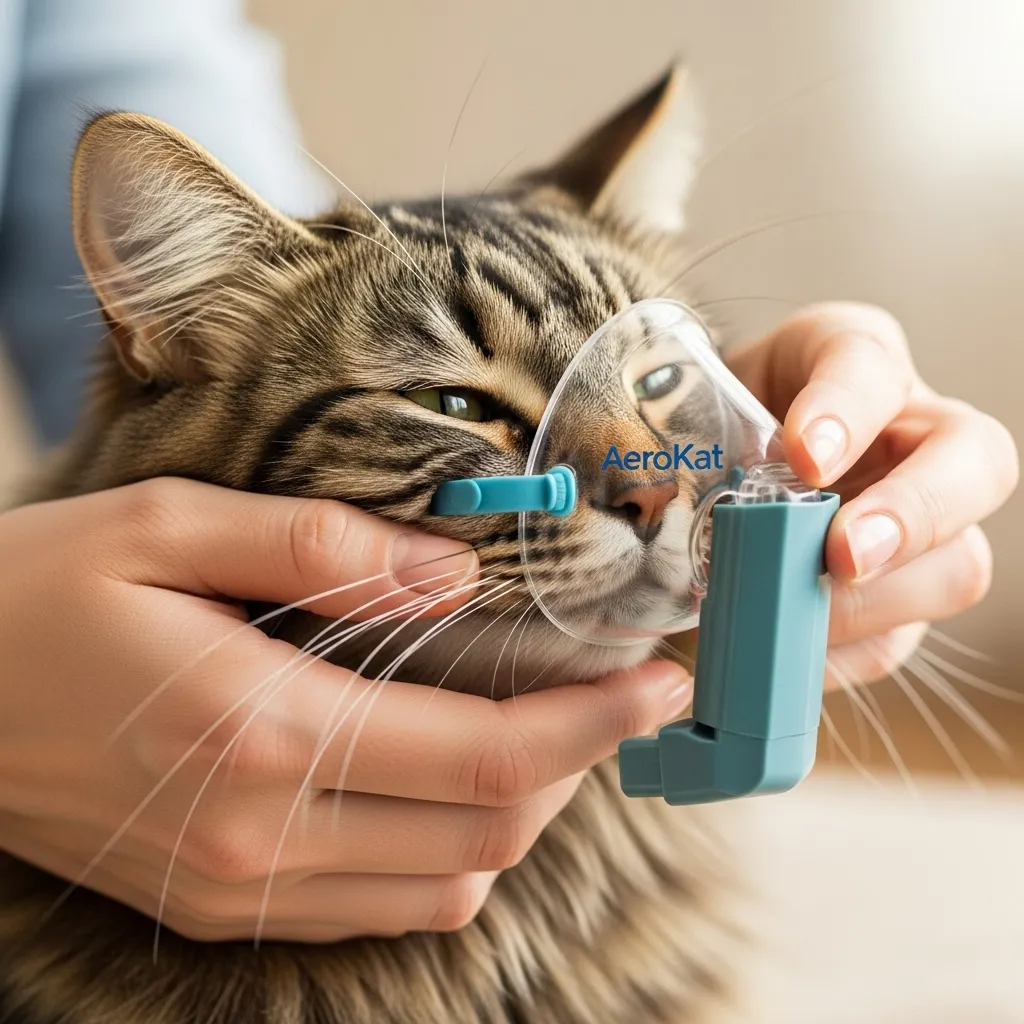
- AeroKat inhaler Yes, cats use puffers! (Vet prescribes albuterol/fluticasone.)
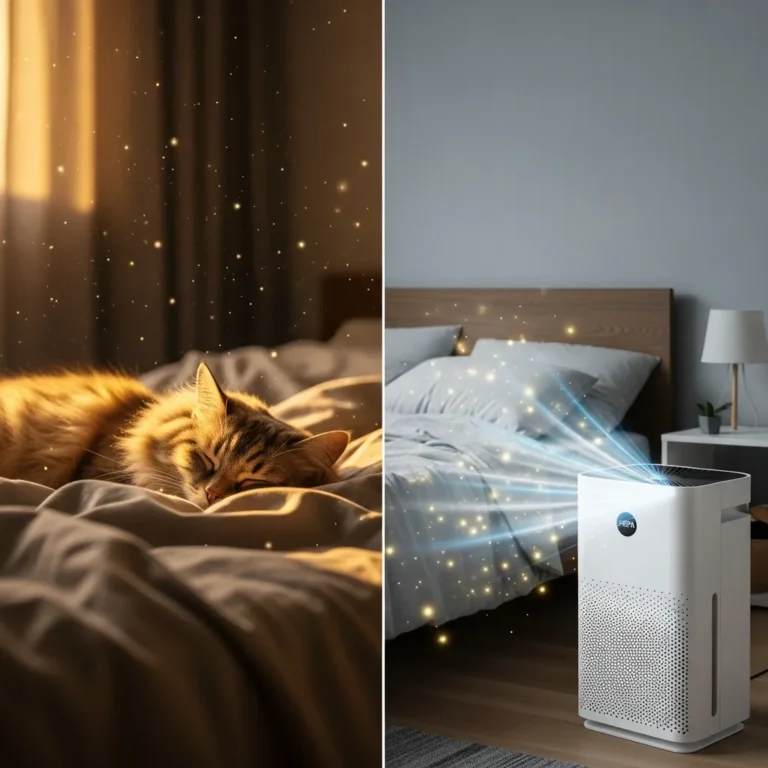
- Air purifiers HEPA filters cut 99% of allergens.
- No scented litter Switch to dust-free yesterday.
2025 Update: New studies show CBD for cats (vet-formulated) reduces asthma inflammation by 30% in trials. Always consult your vet.
See our cat asthma treatment at home checklist.
Cat Allergies and Breathing Issues: The Itch You Can’t Scratch
Cat allergies and breathing issues often tag-team. Pollen, mold, or food proteins inflame airways, causing cat lung problems.
Sneaky Culprit: Grain-free diets spiked kibble allergies in 15% of cats (2024 AVMA report). Switching to limited-ingredient food stopped wheezing in weeks.
Action Plan:
- Hypoallergenic trial diet (6–8 weeks)
- Weekly baths with oatmeal shampoo
- Flea control fleas trigger 40% of allergic respiratory flares
Link: Read cat allergies guide for elimination diet templates.
Cat Heart Disease Symptoms: When Breathing Hard Signals Deeper Trouble
Heart disease in cats hides until 50% function is lost. Early sign? Labored breathing in cats due to fluid in lungs (congestive heart failure).
Red-Flag Combo
- Breathing hard + swollen belly
- Cold ears/paws
- Sudden collapse
Breeds at Risk: Maine Coons, Ragdolls, British Shorthairs (HCM gene).
Prevention: Annual cardiac ultrasounds from age 3 for at-risk breeds.
Link: Dive into cat heart disease symptoms with echocardiogram cost breakdowns.
Cat Breathing Issues in Winter: Why Cold Air Hits Hard
Dry indoor heat + closed windows = perfect storm for cat respiratory infections 2025. Viruses love low humidity.
| Winter Trigger | Fix |
|---|---|
| Forced-air heating | Humidifier (40–50% humidity) |
| Dust buildup | Vacuum with HEPA weekly |
| Wood stove smoke | Keep kitty in separate room |
Bonus: Cats with cat breathing issues in winter often improve with salmon oil omega-3s reduce airway inflammation.
Stress and Cat Breathing Issues: The Emotional Trigger You’re Missing
Ever notice your cat panting during thunderstorms? Stress and cat breathing issues are real. Cortisol spikes mimic asthma attacks.
Calming Toolkit:
- Feliway diffusers (cut stress breathing by 70% in studies)
- Thunder shirts for cats
- Safe spaces (high perches, cardboard castles)
Link: Learn stress signs in cats and DIY calming caves.
Cat Lung Problems Beyond Asthma: Infections, Tumors, and More
| Condition | Breathing Clue | Urgency |
|---|---|---|
| Pneumonia | Wet cough, fever | 911 |
| Lungworms | Gagging, weight loss | Vet in 24h |
| Cancer | Gradual worsening | Specialist |
X-Ray Tip: Insist on two-view chest radiographs one view misses 30% of lung issues.
When to Rush to the Vet: Non-Negotiable Signs Your Cat Needs a Vet
Golden Rule: If your cat’s gums aren’t pink and breathing is labored, go now. Oxygen therapy saves lives.
What Vets Do First:
- Oxygen cage
- Chest X-rays
- Bloodwork (heart + infection markers)
Link: Use our finding the best vet for your cat emergency checklist.
Home Monitoring Tools Every Cat Parent Needs
| Tool | Purpose | Cost |
|---|---|---|
| Pet pulse oximeter | Blood oxygen % | $35 |
| Baby monitor | Nighttime breathing watch | $25 |
| Respiratory rate app | Log trends | Free |
Long-Term Cat Care Tips to Prevent Breathing Problems
- Weight control – Every extra pound = 25% more asthma risk.
- Dental cleanings – Gum disease bacteria seed lungs.
- No smoking indoors – Secondhand smoke triples feline lymphoma.
- Yearly bloodwork – Catches heart/kidney issues early.
Link: Master how to keep your cat healthy with our 12-month wellness calendar.
FAQ: Your Top Cat Breathing Questions Answered
Q: What does normal breathing look like in cats?
A: 20–30 silent breaths per minute at rest, using nostrils only. No belly movement or noise.
Q: Why is my cat breathing fast while resting?
A: Over 40 bpm at rest signals pain, fever, anemia, or heart failure. Vet ASAP.
Q: Can stress cause cat panting?
A: Yes fireworks, moves, or new pets spike cortisol and trigger rapid breathing.
Q: How can I treat feline asthma at home?
A: Inhalers (vet-prescribed), air purifiers, dust-free litter. Never DIY steroids.
Q: When should I worry about cat panting after play?
A: If it lasts >5 minutes or includes blue gums, seek emergency care.
Q: Are cat respiratory infections contagious?
A: Yes herpesvirus and calicivirus spread via shared bowls. Isolate sick cats.
Final Thoughts: Breathe Easier with Knowledge
Your cat’s breath is their lifeline. From feline asthma flare-ups to cat heart disease symptoms, every wheeze is a clue. By knowing the signs of cat respiratory distress, acting fast, and preventing triggers, you’re not just a pet parent you’re a feline lifesaver.
Ready for more? Explore expert cat care and behavior guides on Cat Bloom Haven. From cat training behavior to best wet cat food, we’ve got your kitty covered.
Your cat’s next deep, peaceful breath starts with you.