The New Wave of Cat Care: 8 Modern Habits Transforming Feline Wellbeing
Introduction: A Shift in Feline Stewardship
Something quiet but profound is happening in living rooms, apartments, and homes worldwide. The new cat care habits owners are adopting represent more than just passing trends they signal a fundamental evolution in how we understand and nurture our feline companions. Gone are the days when cat care meant simply providing food, water, and an occasional scratch behind the ears. Today’s informed cat guardian recognizes that our cats are complex, sentient beings with rich emotional lives, distinct personalities, and sophisticated needs that extend far beyond basic survival.
This transformation in cat care philosophy isn’t happening by accident. It’s driven by groundbreaking research in feline behavior, veterinary medicine, and nutritional science. As we uncover more about what truly makes cats thrive, our care practices are evolving accordingly. From environmental enrichment that respects their wild heritage to preventative healthcare that catches issues before they become emergencies, modern cat care is becoming more intentional, more empathetic, and more scientifically informed.
In this comprehensive guide, we’ll explore the eight most significant new cat care habits owners are adopting that are elevating feline wellbeing to unprecedented levels. Whether you’re a new cat parent or a seasoned guardian looking to refresh your approach, these evidence-based practices will help you create a life for your cat that isn’t just about existing, but truly flourishing.
Key Takeaways: What You’ll Discover
Before we dive deep, here’s what this guide will help you implement:
- How to create a vertical territory that reduces stress and satisfies natural climbing instincts
- Why moisture-rich diets are becoming non-negotiable for long-term kidney health
- The art of cooperative care that transforms vet visits from traumatic to tolerable
- How environmental enrichment prevents behavioral issues before they start
- Why regular weight monitoring is more critical than annual vet checks alone
- How clicker training builds confidence and strengthens your bond
- The importance of dedicated quiet zones in multi-pet or busy households
- Why preventative dental care saves thousands in veterinary bills and preserves quality of life
1. Environmental Enrichment: Beyond Basic Needs
Creating a Feline-Centric Habitat
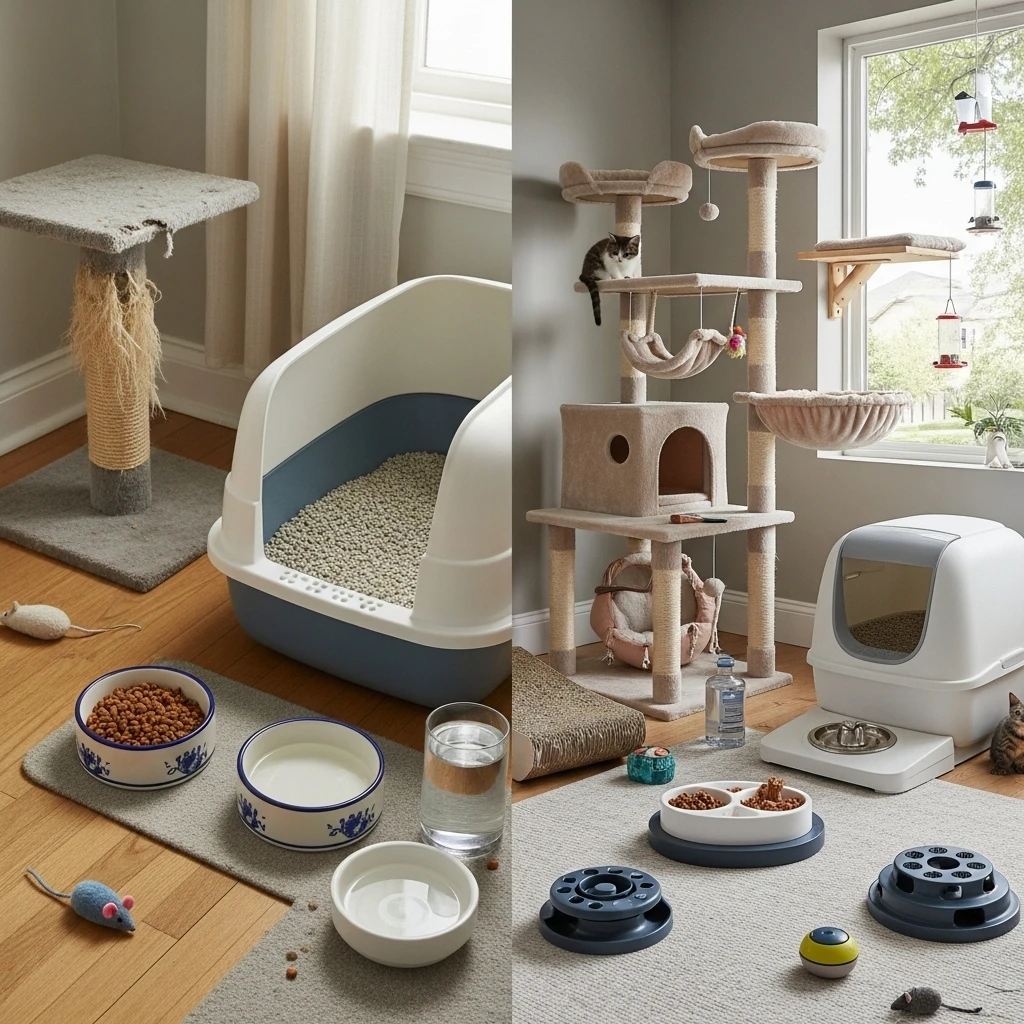
The most significant shift in modern cat care is the move from merely meeting basic needs to actively creating stimulating environments. Research consistently shows that environmental enrichment reduces stress, prevents behavior problems, and even alleviates symptoms of certain medical conditions. The new cat care habits owners are adopting in this domain focus on addressing all five of a cat’s senses and natural behaviors.
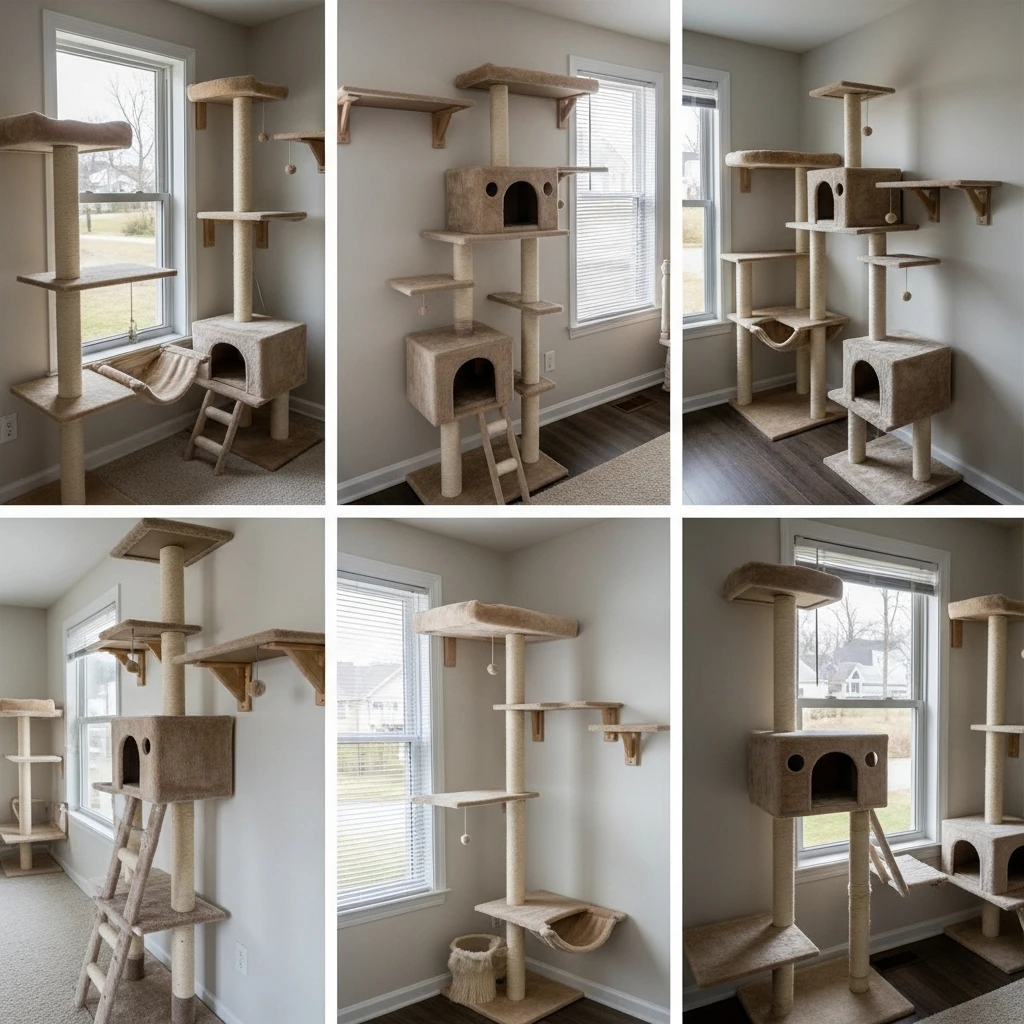
Vertical space is no longer a luxury it’s recognized as essential for feline wellbeing. Cats are both predators and prey animals in the wild, and elevated positions provide security, observation points, and escape routes. Modern cat guardians are installing wall shelves, window perches, and cat trees not as decorative afterthoughts, but as integral components of their home design. This vertical territory allows cats to navigate their environment without feeling trapped or forced into uncomfortable interactions.
Sensory Stimulation Strategies
Beyond physical space, sensory enrichment has become a cornerstone of modern cat care. This includes:
- Visual stimulation: Bird feeders outside windows, fish tanks (securely covered), and even cat-specific television programming
- Olfactory enrichment: Cat-safe herbs like catnip, silver vine, and valerian root used in rotation to prevent habituation
- Tactile variety: Different textures for scratching, resting, and walking from sisal and cardboard to soft fleece and cool ceramic
- Auditory enrichment: Species-appropriate sounds played at low volumes, particularly for indoor-only cats
The key to successful enrichment is novelty and rotation. Just as we tire of the same entertainment, cats benefit from changing their “toys” regularly. A simple hack many owners are adopting: creating a “toy library” with four sets of toys that rotate weekly, keeping each rotation fresh and engaging.

2. Hydration-Focused Nutrition: The Wet Food Revolution
Understanding Feline Hydration Biology
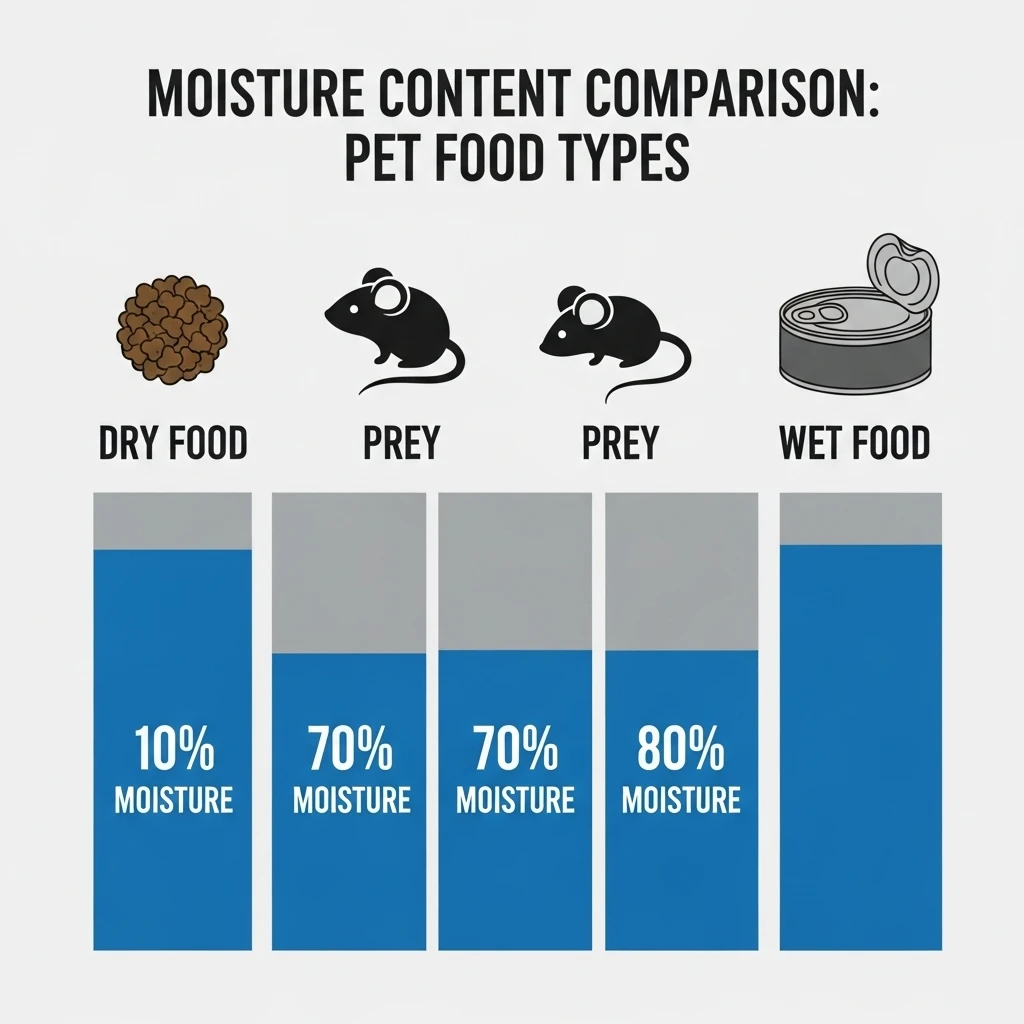
Perhaps no area of cat care has seen more dramatic revision than nutritional understanding. The critical realization driving new cat care habits owners are adopting is that cats have a low thirst drive a legacy of their desert-dwelling ancestors who obtained most moisture from prey. This biological reality makes them prone to chronic mild dehydration when fed exclusively dry food, contributing to the epidemic of kidney disease in domestic cats.
Modern cat guardians are shifting toward moisture-rich diets as a preventative health measure. This doesn’t necessarily mean 100% canned food (though many choose this route), but rather ensuring that the majority of a cat’s daily water intake comes from food, not a water bowl. The goal is to mimic the moisture content of natural prey, which is approximately 70-75% water.
Implementing Hydration Strategies
Successful implementation involves several approaches:
- Combination feeding: Offering both wet and dry food, with wet food constituting at least 50% of daily calories
- Food texture variety: Some cats prefer pâté, others like chunks in gravy experimentation helps find what your cat enjoys most
- Temperature tweaks: Gently warming wet food to body temperature (around 100°F/38°C) enhances aroma and appeal
- Hydration supplements: Broths specifically formulated for cats, or ice cubes made from tuna water (no salt added)
Water delivery systems have also evolved. Multiple water stations throughout the home, cat water fountains with different flow styles, and even adding water to wet food to create a “soup” are all part of the modern hydration toolkit. Discover more about feline nutrition in our comprehensive guide to what cat food is made of and how it affects health.
3. Cooperative Care: Transforming Veterinary Experiences
Desensitization and Counterconditioning
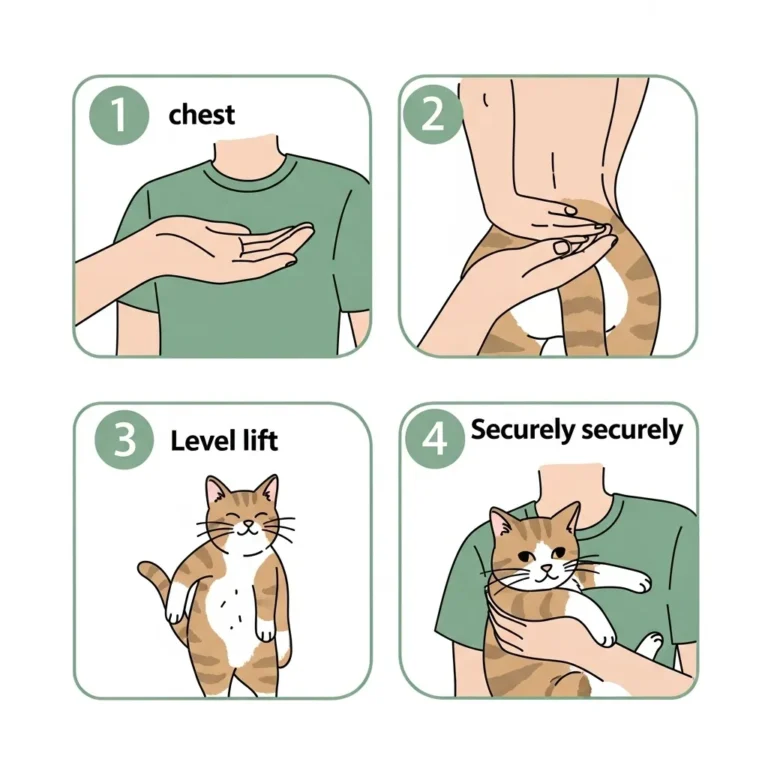
The traditional approach to cat handling restraint until the procedure is done is being replaced by cooperative care techniques that reduce stress for everyone involved. These new cat care habits owners are adopting recognize that forced restraint creates negative associations that make future care increasingly difficult. Instead, cooperative care builds positive associations through gradual desensitization and choice.
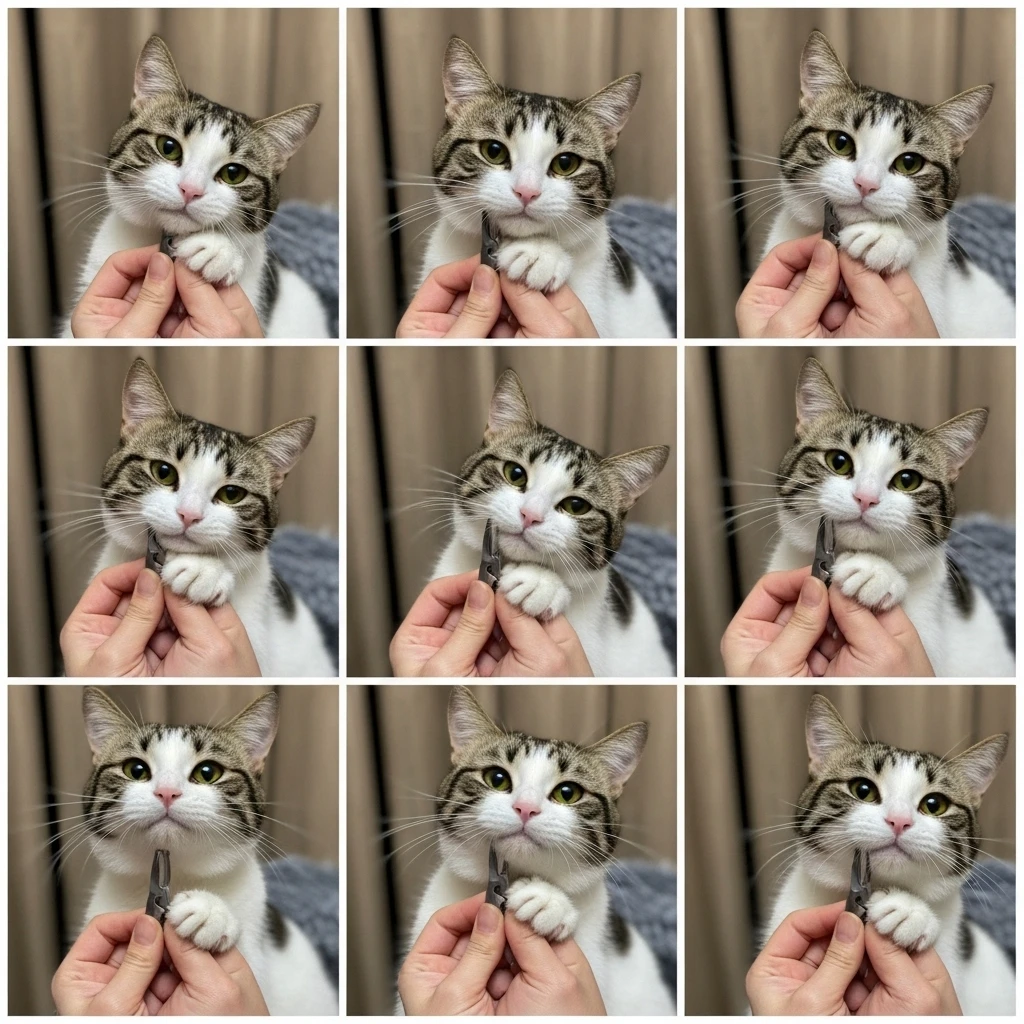
The philosophy is simple: teach cats to participate voluntarily in their own care. This might mean training a cat to present their paw for nail trims, climb onto a scale voluntarily, or even tolerate blood pressure measurement without restraint. The process starts with breaking procedures into tiny, manageable steps and rewarding each successful approximation.
Practical Applications at Home and Clinic
Common cooperative care applications include:
- Nail trims: Teaching cats to touch a nail clipper with their paw for a treat, then gradually working toward actual trimming
- Medication administration: Training cats to approach a syringe or pill pocket voluntarily
- Examinations: Getting cats comfortable with being touched in various areas through positive reinforcement
- Carrier training: Making the carrier a safe, positive space rather than a predictor of scary experiences
The benefits extend beyond convenience. Reduced stress means more accurate veterinary examinations (stress elevates blood pressure and blood glucose), better owner compliance with home care, and improved quality of life. For cat-specific veterinary advice, explore our guide on finding the best vet for your cat.
4. Preventative Health Monitoring: The Data-Driven Approach
Regular Weight Tracking and Body Condition Scoring
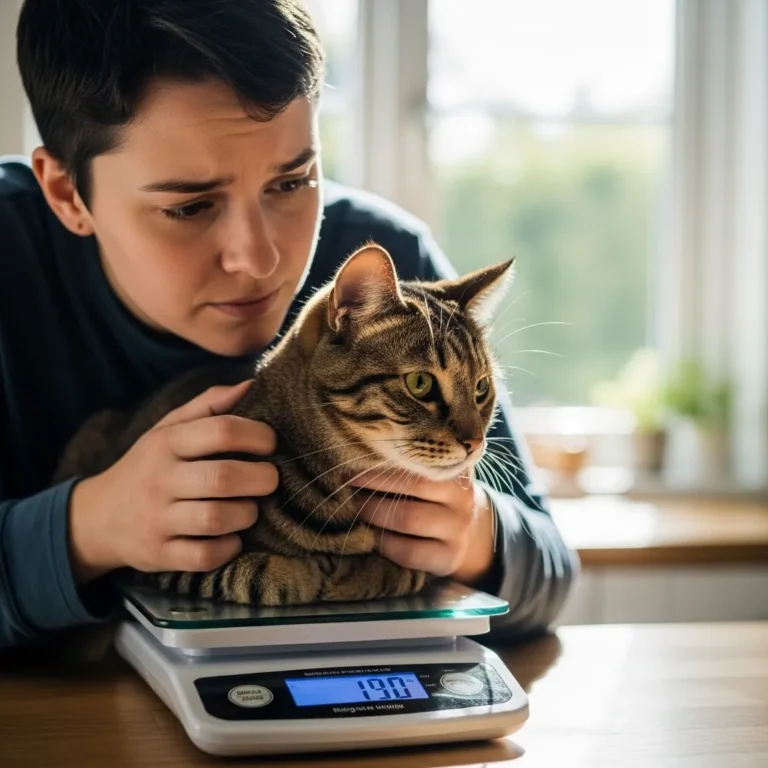
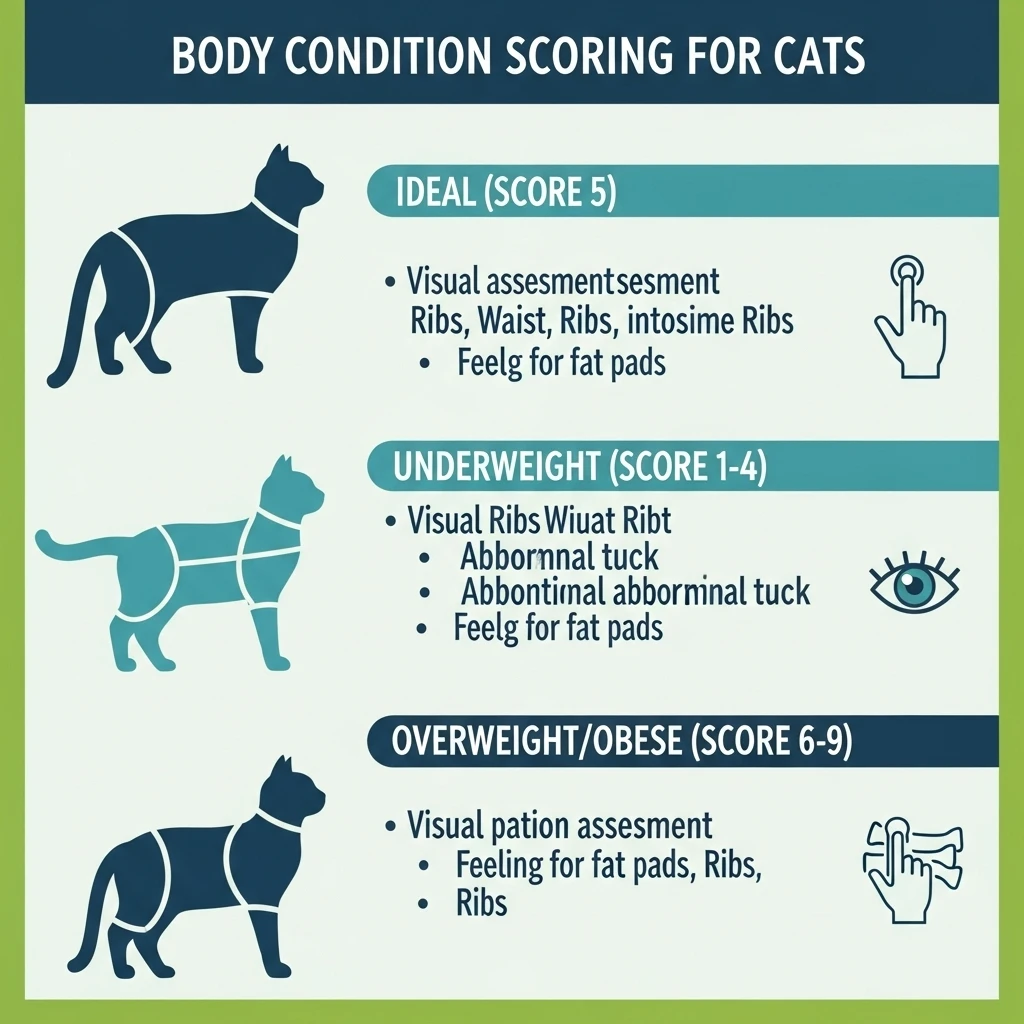
Modern cat care has embraced technology and routine monitoring to catch health issues in their earliest, most treatable stages. The most significant of these new cat care habits owners are adopting is regular weight tracking. Unlike humans, cats don’t experience “slow” weight gain a change of just 0.5 pounds represents approximately 10% of body weight for an average cat, which is medically significant.
Weekly weigh-ins using a baby scale or pet scale create a valuable baseline and trend data. Sudden weight loss can indicate hyperthyroidism, kidney disease, or diabetes, while gradual gain might signal reduced activity or metabolic changes. Paired with weight tracking, monthly body condition scoring (assessing palpable fat cover over ribs, spine, and hips) provides a more complete picture than weight alone.
At-Home Health Surveillance
Beyond weight, modern cat guardians are learning to monitor:
- Water consumption: Measuring daily water intake to detect early kidney issues or diabetes
- Litter box output: Noting changes in frequency, consistency, or volume
- Activity levels: Using pet cameras or simply noting play engagement to detect pain or lethargy early
- Coat and skin condition: Regular checks for dandruff, oiliness, hair loss, or parasites
This data becomes invaluable during veterinary visits, moving conversations from “something seems off” to “here’s exactly what’s changed and when.” For senior cats, this monitoring becomes even more critical, as explored in our senior cat care guide.
5. Positive Reinforcement Training: Building Bonds Through Communication
Dispelling the “Untrainable Cat” Myth
The outdated belief that cats cannot be trained has been thoroughly debunked, and modern cat guardians are embracing training as both practical skill-building and relationship enhancement. The new cat care habits owners are adopting in this area use positive reinforcement rewarding desired behaviors to teach everything from basic manners to impressive tricks.
Clicker training, borrowed from marine mammal training, has proven particularly effective with cats. The precise “mark” of the clicker tells the cat exactly which behavior earned the reward, accelerating learning. Beyond practicality, training provides mental stimulation, builds confidence in shy cats, and creates a shared language between cat and human.
Essential Skills Every Cat Can Learn
Useful behaviors to train include:
- Recall: Coming when called, valuable for safety and convenience
- Stationing: Going to a specific mat or bed, useful during meals or when guests visit
- Harness training: Preparing for safe outdoor adventures
- Grooming cooperation: Teaching tolerance of brushing, nail trims, and handling
- Carrier entry: Making vet visits less stressful from the start
Training sessions should be brief (1-2 minutes), frequent (several times daily), and always end on a positive note. The goal isn’t obedience but communication and engagement. For more on feline behavior, see our guide on what your cat is thinking.
6. Stress Reduction Through Environmental Design
Creating Predictable Routines and Safe Spaces
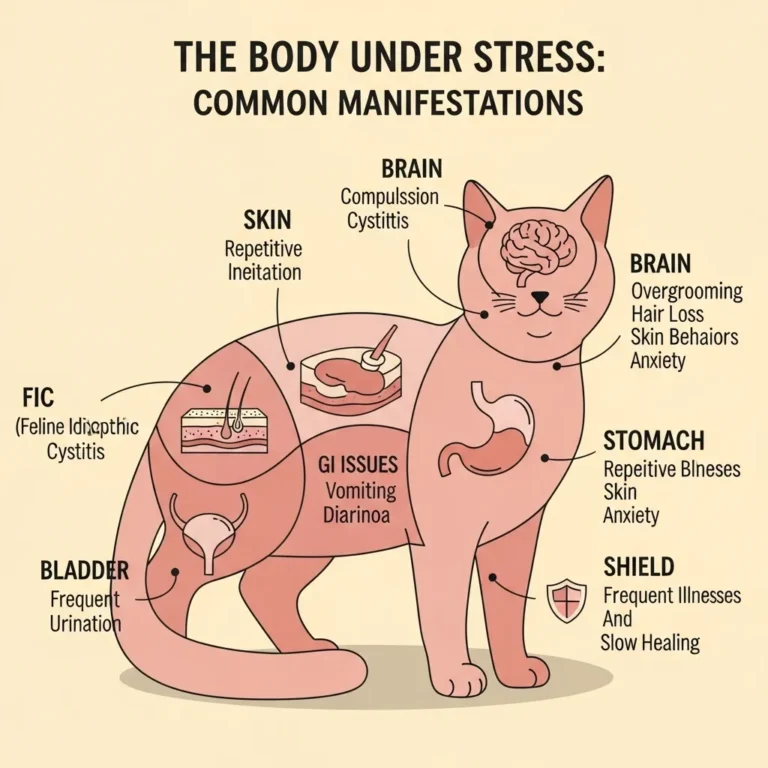
Modern understanding of feline stress recognizes that what seems minor to humans can be significant for cats. The new cat care habits owners are adopting focus on creating predictable environments that minimize stressors and provide clear escape options. Cats are creatures of habit who find comfort in routine, and modern care respects this need while also preparing them for inevitable changes.
One key innovation is the creation of dedicated quiet zones areas where cats can retreat completely from household activity, other pets, or visitors. These aren’t just hiding spots but properly equipped sanctuaries with comfortable bedding, water, and sometimes even a separate litter box. In multi-cat households, the rule is one quiet zone per cat plus one extra.
Multi-Cat Household Dynamics
For homes with multiple cats, modern care emphasizes:
- Resource distribution: Ensuring each cat has access to food, water, litter, and resting areas without competition
- Separate feeding stations: Preventing food guarding and allowing for different dietary needs
- Visual barriers: Using furniture arrangement to create lines of sight that prevent constant staring between cats
- Individual attention: Ensuring each cat receives one-on-one interaction daily
Pheromone diffusers (Feliway and similar products) have become commonplace not as magic solutions but as part of comprehensive stress reduction strategies. These synthetic versions of feline facial pheromones create reassuring “this is safe” messages in the environment. Learn more about multi-cat dynamics in our guide to multi-cat homes.
7. Preventative Dental Care: Beyond Annual Cleanings
The Oral-Systemic Health Connection
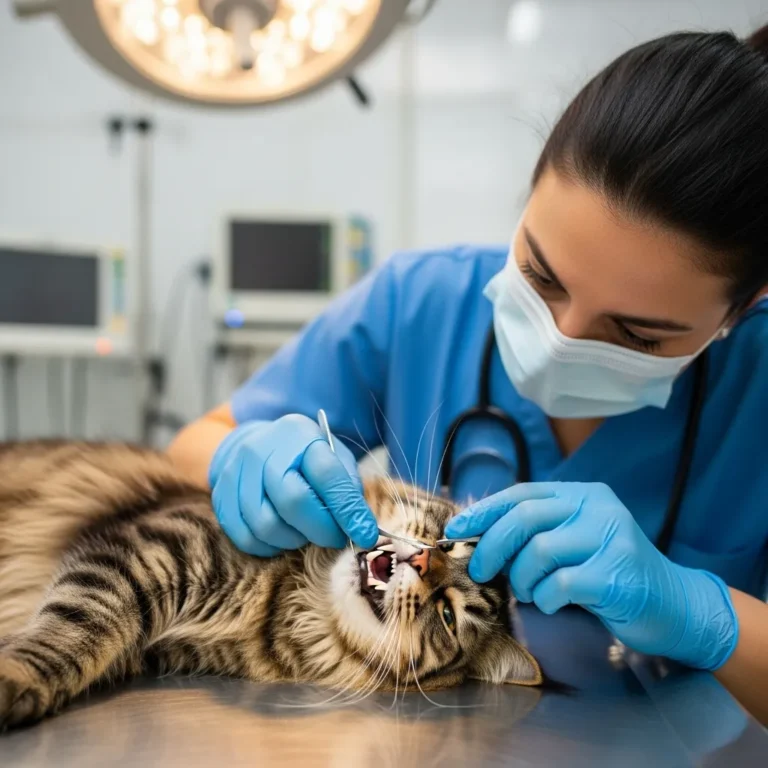
Perhaps the most overlooked aspect of feline health is dental care, but modern cat guardians are changing this. The new cat care habits owners are adopting recognize that dental disease isn’t just about bad breath it’s a source of chronic pain and systemic inflammation that can affect kidneys, heart, and liver. With approximately 70% of cats showing signs of dental disease by age three, prevention has become a priority.
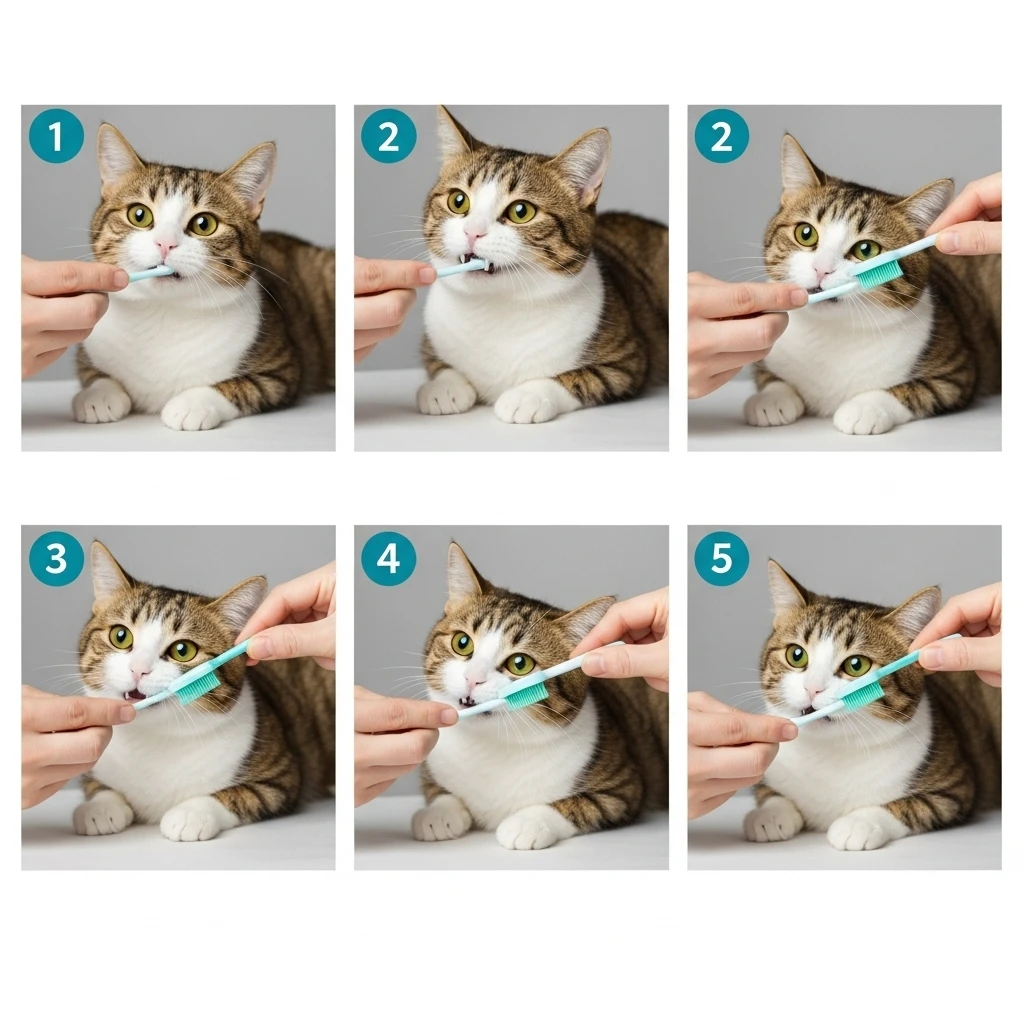
The gold standard remains daily tooth brushing, but modern approaches are more nuanced and gradual than the old “just hold them and brush” method. Cooperative care techniques apply here too, with desensitization to tooth brushing happening over weeks or months. For cats who absolutely won’t tolerate brushing, alternatives include dental diets, water additives, and specially formulated chews.
Implementing a Dental Care Routine
A progressive approach might look like:
- Week 1-2: Simply lift lips and reward
- Week 3-4: Touch teeth with finger, reward
- Week 5-6: Introduce toothpaste on finger (never human toothpaste it’s toxic to cats)
- Week 7-8: Introduce toothbrush or finger brush
- Week 9+: Begin brushing a few teeth at a time
Regular veterinary oral exams (at least annually) complement home care. Dental radiographs under anesthesia remain the only way to fully assess tooth health below the gumline. For cats with existing dental issues, our guide to cat gum disease and diet offers helpful information.
8. Life Stage-Specific Care: Recognizing Changing Needs
Kittenhood Through Senior Years
The final shift in modern cat care is the move away from one-size-fits-all approaches toward life stage-specific care. The new cat care habits owners are adopting recognize that a kitten, adult, and senior cat have dramatically different nutritional, environmental, and healthcare needs. This tailored approach maximizes quality of life at every stage.
For kittens, focus is on socialization, establishing routines, and preventative care foundations. Adults need maintenance, enrichment, and monitoring for early signs of age-related changes. Seniors require more frequent veterinary assessment, environmental modifications for mobility issues, and potentially different nutritional profiles. The transition from adult to senior care is particularly important, as many owners miss the subtle signs of aging.
Recognizing Subtle Aging Signs
Key transitions to watch for include:
- 7-10 years: Considered “mature,” may need diet adjustment to maintain lean body mass
- 11-14 years: Officially “senior,” biannual veterinary exams recommended
- 15+ years: “Geriatric,” may need additional support for mobility, cognition, and chronic conditions
Environmental modifications for seniors might include:
- Ramps or steps to access favorite high places
- Softer, orthopedic bedding for arthritic joints
- Lower-sided litter boxes for easier entry
- Night lights to navigate in darkness
Regular quality of life assessments using tools like the HHHHHMM scale (Hurt, Hunger, Hydration, Hygiene, Happiness, Mobility, More Good Days Than Bad) help make objective decisions about care as cats age. Our comprehensive senior cat care guide offers more detailed guidance.
Frequently Asked Questions
Q: How much does implementing all these new care habits cost?
A: Many improvements are about approach rather than expense. Environmental enrichment can be DIY, training requires only treats and a clicker, and preventative monitoring costs nothing. The biggest investment is time and consistency. Some areas like premium foods or dental care do cost more upfront but typically save money on veterinary bills long-term.
Q: My cat is already 10 years old. Is it too late to change our routine?
A: It’s never too late to improve a cat’s quality of life. Introduce changes gradually cats of any age can learn new routines with patience. Focus first on areas that address any existing issues (like hydration if kidney values are borderline, or enrichment if there are behavior problems).
Q: How do I convince my partner/family to adopt these new approaches?
A: Share the science behind the recommendations. Many people respond to understanding the “why”—explaining that vertical space reduces stress because cats feel safer up high, or that wet food prevents kidney disease. Start with one change that addresses a current concern to demonstrate effectiveness.
Q: Are these habits only for indoor cats?
A: While indoor cats benefit most from intentional enrichment, outdoor/indoor cats also need these considerations. Safety, preventative healthcare, and positive relationships are important regardless of lifestyle. Outdoor cats may have different nutritional needs based on activity level.
Q: How do I balance structure/routine with needed flexibility?
A: Cats thrive on predictability but also need to develop resilience. Maintain consistent feeding times, play sessions, and routines, but occasionally vary enrichment items, treat types, or play styles. This creates both security and mental stimulation.
Conclusion: The Future of Feline Care is Here
The new cat care habits owners are adopting represent more than just improved techniques they signify a deepening understanding of and respect for our feline companions. This evolution from basic caretaking to holistic stewardship recognizes cats as complex individuals with emotional, physical, and cognitive needs that deserve our attention and understanding.
What’s most encouraging about these modern approaches is their accessibility. You don’t need to implement everything at once or perfectly. Start with one area that resonates with your situation perhaps improving hydration if your cat eats mostly dry food, or adding vertical space if your home feels crowded. Each positive change builds upon the last, creating cumulative benefits for your cat’s wellbeing.
The ultimate goal isn’t perfection but progress. It’s about moving from reactive care (addressing problems after they emerge) to proactive care (creating conditions that prevent problems). It’s about shifting from seeing veterinary visits as the sole source of healthcare to recognizing that daily habits form the foundation of lifelong health.
As we continue to learn more about feline needs, these practices will undoubtedly continue to evolve. What remains constant is the commitment to providing our cats with lives of comfort, stimulation, and dignity that honor their unique nature. The revolution in cat care isn’t coming it’s already here, happening in homes like yours, one thoughtful habit at a time.
Ready to continue your journey as a modern cat guardian? Explore more expert cat care and behavior guides on Cat Bloom Haven, where we combine scientific understanding with practical application for every stage of your cat’s life.