How to Clean Cat Ears Without Solution: A Stress-Free, Natural Cat Ear Cleaning Guide for Every Pet Parent
Imagine your cat tilting their head, scratching furiously at their ears, or leaving little brown specks on your white couch. That tiny discomfort can snowball into vet bills, antibiotics, and a stressed-out kitty. The good news? You can master how to clean cat ears without solution using nothing more than your hands, a soft cloth, and a sprinkle of patience. No harsh chemicals, no wrestling matches just gentle cat ear cleaning methods that keep ears healthy and your bond unbreakable.
In this ultimate cat ear cleaning guide, you’ll discover vet-approved, natural cat care techniques to remove wax, spot signs of cat ear infection early, and turn ear checks into a purr-filled routine. Whether you’re a first-time cat parent or a multi-cat household hero, these DIY pet grooming steps will save you time, money, and heartache.
Key Takeaways
- Clean cat ears naturally with a damp cloth and gentle wiping never cotton swabs.
- Check ears weekly; clean only when you see visible wax or debris.
- Red flags like head shaking, odor, or dark discharge mean “vet now.”
- Use treats and short sessions for stress-free cat grooming.
- Pair ear care with a healthy cat routine for lifelong feline hygiene.
Ready to become your cat’s ear-whisperer? Let’s dive in.
Why Ear Hygiene for Cats Matters More Than You Think
Cats are self-grooming ninjas, but their ears? Not so much. Folded pinnae trap dust, pollen, and wax, creating a cozy home for mites or yeast. Regular ear hygiene for cats prevents infections, reduces scratching, and catches problems before they escalate.
Vet Insight: “Eighty percent of chronic ear issues in cats stem from neglected buildup,” says Dr. Lila Corwin, DVM, feline specialist with 15 years in small-animal practice. “A 30-second weekly check can spare your cat months of discomfort.”
Explore our cat health care at home guide for more preventive tips.
How to Check Cat Ears for Problems: Your 60-Second Health Scan
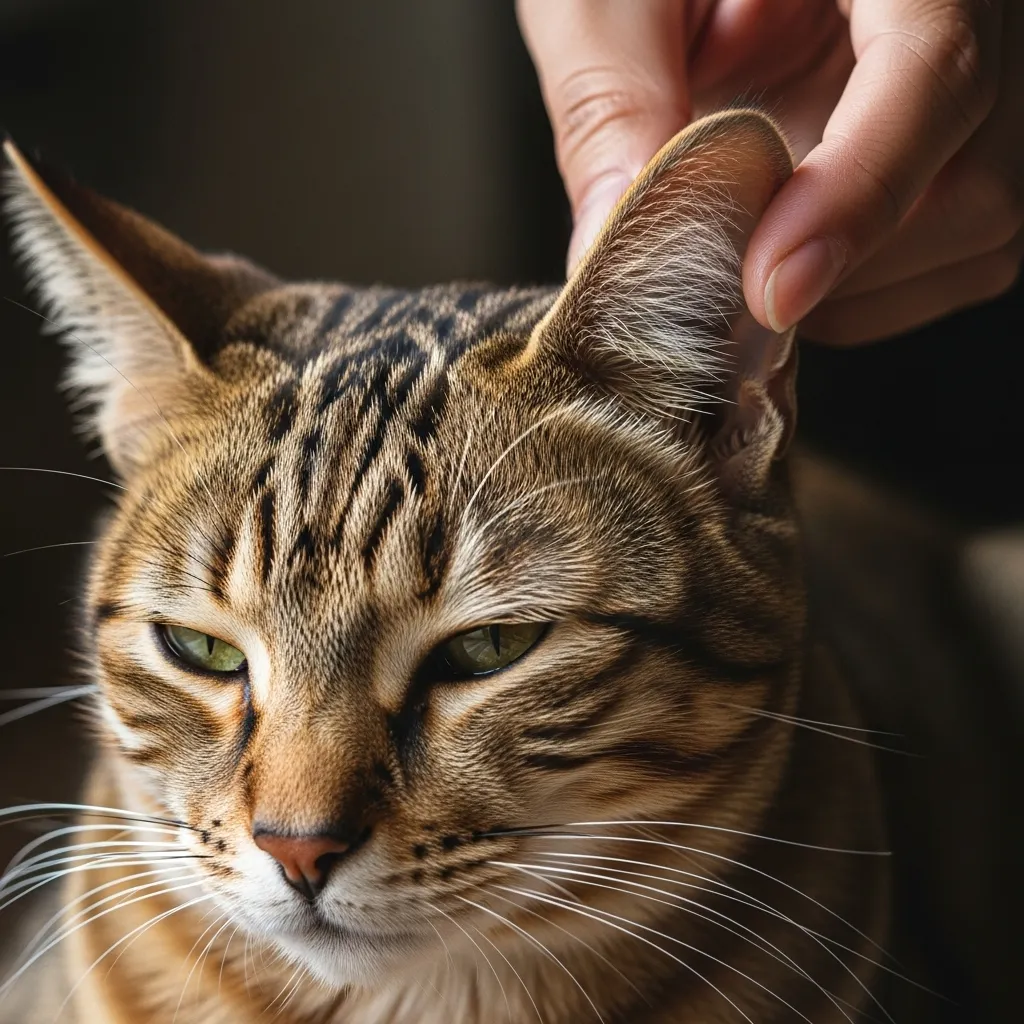
Before cleaning, inspect. Here’s your foolproof routine:
- Set the mood Choose a quiet room after playtime when your cat is mellow.
- Lift the ear flap gently Look inside without forcing.
- Assess the landscape:
- Healthy: Pale pink, minimal wax, no odor.
- Watch for: Dark brown/black specks (mites), yellow discharge, redness, or swelling.
Pro Tip: Snap a weekly photo with your phone. Subtle changes are easier to spot over time.
Tools for Cleaning Cat Ears: Minimalist Edition
Forget fancy kits. Your cat ear care tips arsenal needs just three items:
- Soft microfiber cloth or gauze squares (lint-free).
- Lukewarm water in a small bowl.
- High-value treats (freeze-dried chicken works wonders).
Optional: Hemostat or tweezers with rounded tips for loose debris only—never dig.
Discover more DIY pet grooming essentials in our grooming hub.
Step-by-Step: How to Clean Cat Ears Naturally (No Solution Needed)
Follow this gentle cat ear cleaning method to keep ears spotless and your cat purring.
Step 1: Prep Your Cat (and Yourself)
- Sit on the floor cats feel safer at ground level.
- Offer a treat before touching ears to create positive associations.
- Wrap anxious cats in a “purrito” (towel burrito) leaving only the head out. See our cat burrito technique for visuals.
Step 2: Dampen Your Cloth
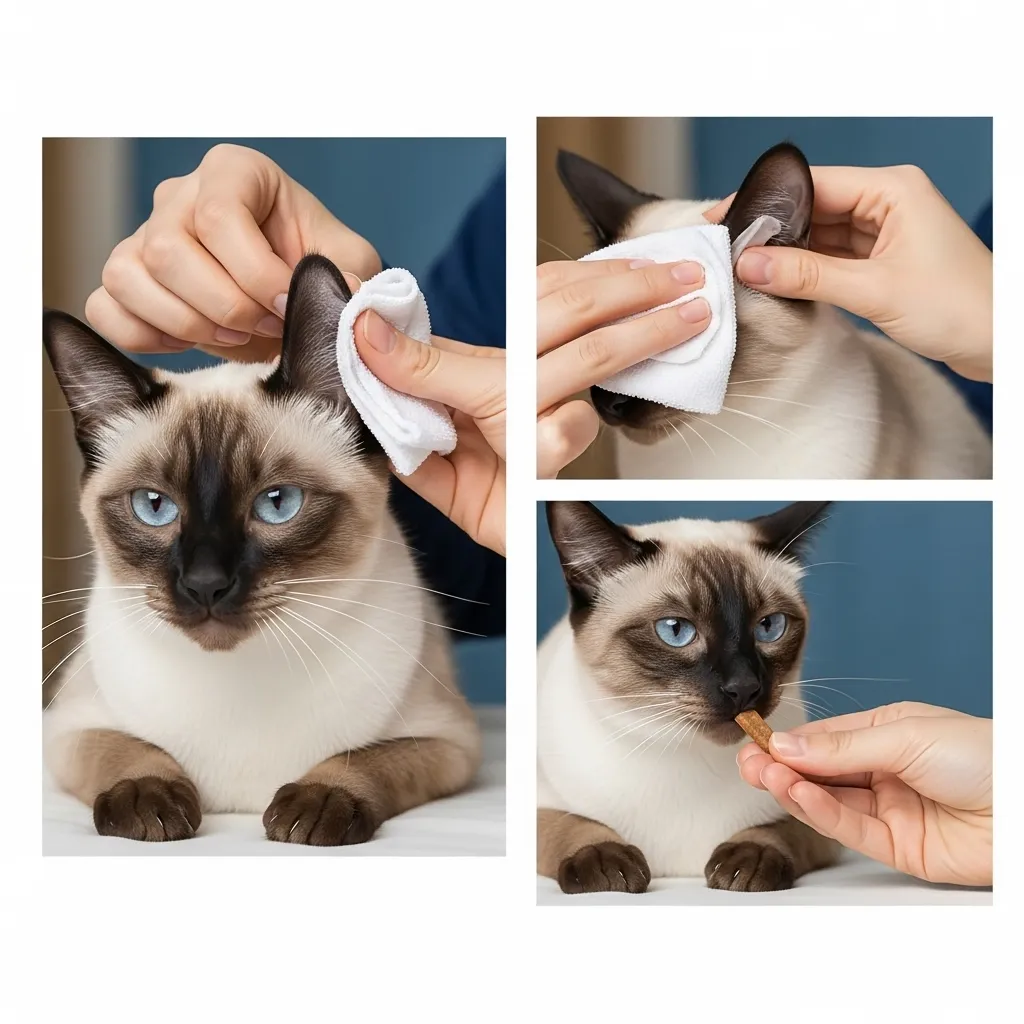
- Dip cloth in lukewarm water.
- Wring until barely damp—dripping water in ears = instant hate.
Step 3: Wipe the Visible Areas
- Fold the ear flap back gently.
- Wipe in one direction from the base outward, removing visible cat ear wax.
- Use a fresh section of cloth for each wipe.
Step 4: Tackle Stubborn Wax (If Needed)
- For crusty bits, hold the damp cloth against the wax for 10 seconds to soften.
- Wipe gently—never scrape.
- If wax is rock-hard or excessive, stop and call your vet.
Step 5: Reward and Release
- Immediate treat + praise.
- Keep sessions under 2 minutes per ear.
Frequency Table: How Often to Clean Cat Ears Naturally
| Cat Type | Clean When… | Frequency |
|---|---|---|
| Short-haired | Visible wax or debris | Every 2–4 weeks |
| Long-haired/Persian | Weekly checks, clean as needed | Every 1–2 weeks |
| Outdoor cats | After dusty adventures | Weekly |
| Kittens | Rarely—mom handles it | Only if dirty |
Cat Ear Wax Removal: What’s Normal vs. Nope
Healthy wax is light brown and waxy. Problematic wax looks like:
- Coffee grounds → Ear mites (especially in kittens).
- Yellow pus → Bacterial infection.
- Bloody or black tar → Trauma or polyps.
Real-Life Example: Sarah from Ohio noticed her Bengal, Luna, shaking her head during Zoom calls. A quick check revealed coffee-ground debris. A single vet-prescribed mite treatment later, Luna was back to stealing socks. Early cat ear wax removal saved a $300 ER visit.
Signs of Cat Ear Infection You Can’t Ignore
Stop cleaning and speed-dial your vet if you spot:
- Persistent head tilting.
- Foul odor (think old cheese).
- Swelling or heat around the ear base.
- Pain when touched (hissing, swatting).
- Balance issues or walking in circles.
Learn more in our cat ear infection guide.
Stress-Free Cat Grooming: Turn Ear Cleaning into Bonding Time
Cats hate surprises. Build trust with:
- Desensitization: Touch ears daily during pets for 3 seconds, gradually increasing.
- Clicker training: Click + treat every time they allow ear flips.
- Scent swapping: Rub the cloth on your cat’s cheek first they’ll recognize their own smell.
Check our train American Shorthair kitten to fetch for more positive reinforcement tricks.
Common Mistakes in Natural Cat Ear Cleaning (And How to Avoid Them)
| Mistake | Why It’s Bad | Fix |
|---|---|---|
| Using Q-tips | Pushes wax deeper, risks eardrum | Stick to visible areas only |
| Over-cleaning | Strips natural protective oils | Clean only when dirty |
| Forcing a resistant cat | Creates lifelong ear phobia | Use purrito or wait for calmer moment |
| Ignoring one ear | Misses unilateral infections | Always check both |
Home Remedies for Cat Cleaning: When Water Isn’t Enough
Still see gunk after wiping? Try these home remedies for cat cleaning (vet-approved for mild cases):
- Coconut oil dab Melt 1/8 tsp, cool to room temp, apply with cloth to soften wax. Wipe away excess.
- Warm compress Hold a warm, damp cloth against the ear base for 1 minute to loosen debris.
Never use vinegar, hydrogen peroxide, or essential oils toxic and irritating.
Integrating Ear Care into Your Healthy Cat Routine
Make ear checks part of a weekly basic cat care guide:
- Sunday Spa: Nails, ears, teeth 10 minutes total.
- Treat Tracker: Log cleanings in a phone note to avoid overdoing it.
- Multi-Cat Hack: Clean one cat at a time in separate rooms to prevent jealousy.
Pair with our cat dental care tips for full-body wellness.
FAQ: Your Top Cat Ear Care Questions Answered
How often should I clean my cat’s ears without solution?
Only when you see visible wax or debris typically every 2–4 weeks for most cats. Over-cleaning removes protective oils.
What are the essential tools for cleaning cat ears naturally?
A damp microfiber cloth, lukewarm water, and treats. Skip swabs or solutions.
Can I use coconut oil for cat ear wax removal?
Yes, sparingly. Use a pinhead amount to soften crusty wax, then wipe gently. Avoid if infection is present.
How do I know if my cat has an ear infection?
Look for head shaking, foul smell, dark discharge, or pain when touched. Vet visit required.
Are there stress-free ways to clean a cat’s ears at home?
Yes use the purrito method, high-value treats, and keep sessions under 2 minutes.
What if my cat hates ear cleaning?
Start with daily 3-second ear touches + treats. Build tolerance gradually. Never force.
Final Thoughts: Clean Ears, Happy Cat, Proud Parent
Mastering how to clean cat ears without solution isn’t just about hygiene it’s about trust. Those 60 seconds of gentle wiping strengthen your bond, catch issues early, and keep your feline friend purring through every season.
Start tonight: Grab a cloth, a treat, and your calmest voice. Your cat’s ears (and your vet) will thank you.
Explore more expert cat care and behavior guides on Cat Bloom Haven. From Bengal cat personality quirks to senior cat hydration tips, we’ve got your kitty covered.