How to Get a Cat to Trust You: A Step-by-Step Guide to Building a Lifelong Bond
Bringing a new cat home sparks excitement, but that first wary glance or quick dash under the couch reveals the real challenge: earning trust. Whether you adopt a shy rescue, help a scared stray, or rebuild a bond with your own feline, cat trust building demands patience, empathy, and strategy.
This guide delivers proven, vet-approved techniques to make a cat feel safe, open up, and choose you as their person. You’ll learn to read subtle cat body language signs, create a cat-friendly environment, and use positive reinforcement for cats that turns fear into affection.
Key Takeaways
- Trust forms slowly; expect weeks or months for shy or traumatized cats.
- Respect space, use slow blinking at cats, and reward calm behavior.
- Predictable routines and safe spaces accelerate bonding.
- Watch for feline stress reduction cues like relaxed ears and steady tails.
Why Cat Trust Matters More Than Treats Alone
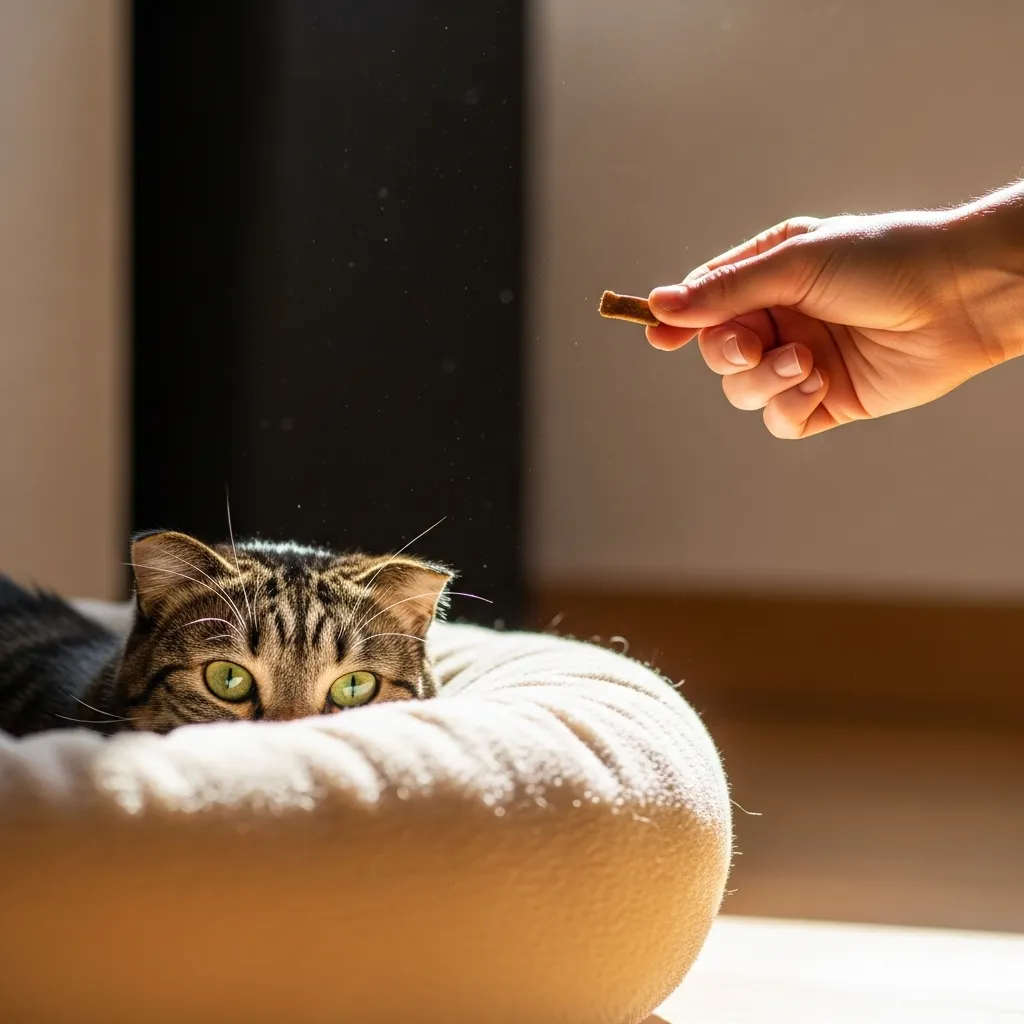
Cats don’t bond like dogs. Felines evolved as solitary hunters; survival once meant distrusting everything bigger. A 2023 study in Animals showed cats form secure attachments similar to human infants, but only when caregivers consistently meet emotional needs. Skip the foundation, and you’ll face scratched hands or a cat that hides forever. Master cat behavior and trust, and you unlock head boops, lap naps, and midnight purrs.
First-time cat owners often rush interaction. The result? A stressed pet. Anxiety in rescue cats runs high; shelters report 60% arrive fearful. Your job: prove you’re not a threat.
Step 1: Create a Safe Space for Cats Before Day One
A cat-friendly environment setup starts with one room. Choose a quiet bedroom or office. Include:
- Covered bed or cardboard box with blankets.
- Litter box in a corner, far from food.
- Vertical perch (cat tree or window shelf).
- Fresh water in a wide, shallow bowl.
Why one room? New smells overwhelm. Confinement prevents bolting and lets the cat decompress. Explore our cat adoption adjustment tips for room-prep checklists.

Step 2: Master Cat Body Language Signs
Understanding feline behavior separates amateurs from pros. Watch these cues:
| Sign | Meaning | Action |
|---|---|---|
| Ears forward, whiskers relaxed | Curious, open | Speak softly, offer treat |
| Ears flat, pupils dilated | Fear or aggression | Back away, lower gaze |
| Tail high, tip twitching | Friendly interest | Slow blink, stay still |
| Tail puffed, thrashing | Extreme stress | Leave the room |
Cat communication cues evolve daily. Note changes in a journal. Discover more in cat tail language guide.
Step 3: Approach a Shy Cat Without Triggering Flight
How to approach a shy cat: move like a statue in slow motion.
- Enter the safe room quietly.
- Sit on the floor; height intimidates.
- Avoid direct stares; use peripheral vision.
- Extend a closed fist at cat-nose level, 12 inches away. Let them investigate.
The viral “slow blink cat” trend works. Close your eyes for two seconds, open slowly. Research from the University of Sussex confirms cats return slow blinks to trusted humans.
Step 4: Use Positive Reinforcement for Cats That Actually Works
Treats help, but timing rules. Reward the instant the cat chooses proximity.
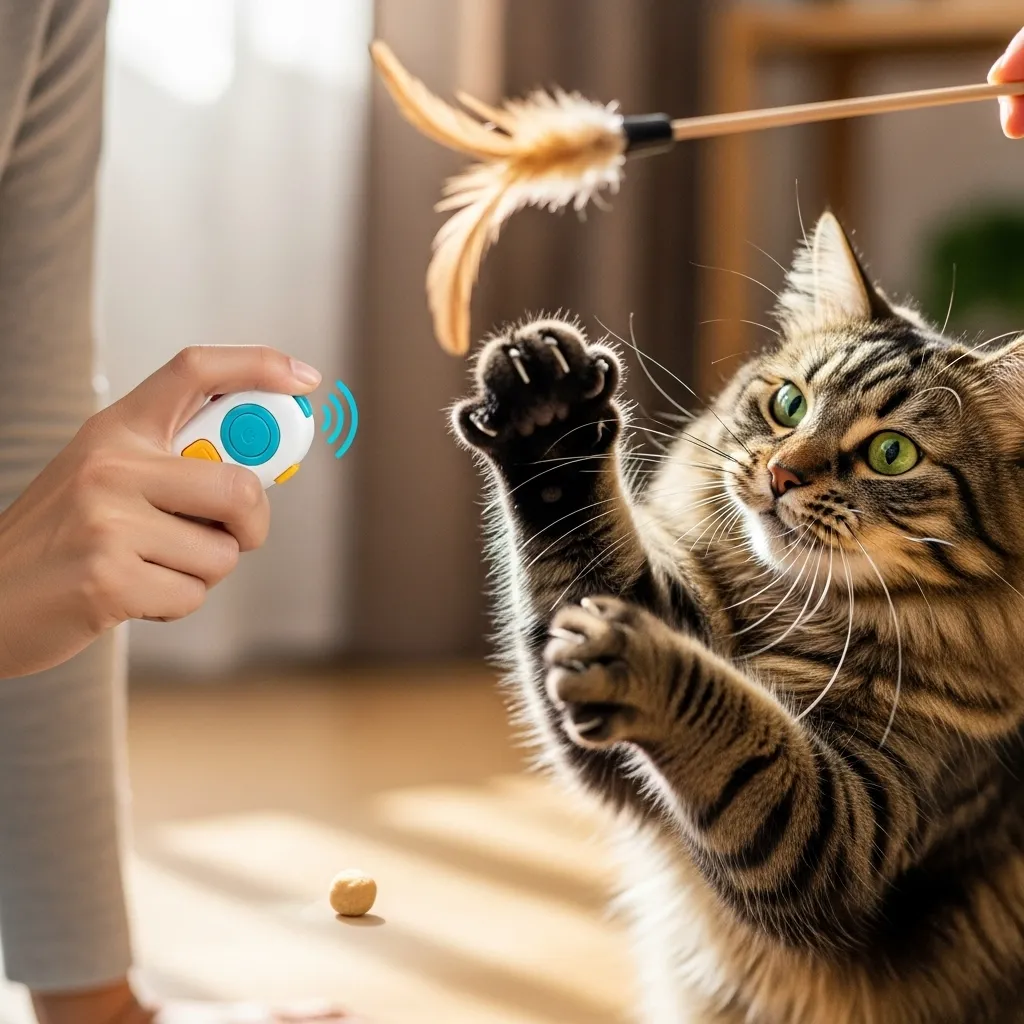
- Clicker training: click, treat when cat emerges.
- High-value rewards: freeze-dried chicken or tuna flakes.
- Never punish; fear erases progress.
Cat bonding techniques flourish with play. Wand toys mimic prey, satisfying hunt instincts without risk. Learn toy selection in cat enrichment ideas.
Step 5: Establish Cat Routine and Predictability
Cats crave sameness. Feed, play, and clean litter at fixed times. Example schedule for adult cats:
- 7 AM: Breakfast + 5-minute play.
- 6 PM: Dinner + interactive puzzle feeder.
- 9 PM: Brush or gentle petting if tolerated.
Predictability lowers cortisol. A 2024 Journal of Veterinary Behavior study linked routine to 40% faster socialization in shelter cats.
Step 6: Calm a Nervous Cat with Science-Backed Tools
Cat calming pheromones like Feliway spray benefits include mimicking maternal markers. Plug-in diffusers cover 700 sq ft; sprays target carriers or beds. Combine with:
- Classical music at 50 dB (Spotify’s “Music for Cats”).
- Cardboard scratchers soaked in catnip (for confident cats only).
Read product comparisons in cat stress-relief products.
Step 7: Interact with a Fearful Cat Through Non-Threatening Play
Play builds confidence. Start with:
- Da Bird wand (long pole, erratic motion).
- Laser pointers (end with physical toy to avoid frustration).
- Treat-dispensing balls for solo confidence.
Sessions last 5–10 minutes, twice daily. Stop before overstimulation; watch for dilated pupils or skin rippling.
Step 8: Gentle Ways to Handle Cats Without Breaking Trust
No scruffing adults. Support chest and hindquarters. If the cat resists, use a towel burrito for vet visits. Nail trims pair with treats; see trim Siamese cats nails for breed-agnostic steps.
Real-Life Trust Timeline: From Hiss to Headbutt
Week 1: Cat eats only when alone. You sit silently reading.
Week 3: Cat watches play from afar; accepts treats from floor.
Week 6: First slow blink returned; cat sleeps on bed edge.
Month 3: Voluntary lap time; purrs during brushing.
Rescue cats with trauma may need six months. Celebrate micro-wins.

Common Mistakes That Ruin Cat Trust
- Forcing cuddles: triggers defensive bites.
- Inconsistent feeding: sparks food aggression.
- Loud voices or sudden movements: resets progress.
- Ignoring hissing: escalates to swatting.
Advanced Cat Socialization Guide for Tough Cases
For ferals or abuse survivors:
- TNR vets recommend trap-neuter-return then gradual indoor transition.
- Use feeding stations outside, move bowl inches closer daily.
- Install microchip feeders to separate shy cats from bold ones.
Detailed protocols in how to tame feral cat.
How Cats Show Affection Once Trust Is Earned
- Head bunting: scent-marking you as safe.
- Kneading: kittenhood comfort replay.
- Tail wrapping around your leg.
- Exposing belly (pet only if invited).
Decode more in why cats show bellies.
Cat Comfort and Security Beyond the Basics
Vertical territory matters. Install shelves at staggered heights; cats feel safest 4–5 feet up. Window hammocks provide bird TV without escape risk.
First-Time Cat Owner Advice: Trust Starts with You
Model calm energy. Breathe slowly; cats mirror heart rates. Avoid strong perfumes; felines have 200 million scent receptors.
TikTok Cat Bonding Tips That Actually Work
The “treat trail” trend: place treats in a line leading to your lap. Works for food-motivated cats. Film progress for accountability.
FAQ
How long does it take to gain a cat’s trust?
Kittens: days to weeks. Adult shelter cats: 1–6 months. Traumatized cats: up to a year. Consistency speeds the process.
What makes a scared cat trust you faster?
Zero pressure, predictable routine, and pheromone diffusers. Never corner or pick up until the cat initiates contact.
Can you speed up trust with treats alone?
Treats help, but forced interaction backfires. Pair food with freedom to leave.
Why does my new cat still hide after two weeks?
Hiding is normal. Provide multiple bolt-holes; emergence follows when cortisol drops.
How do I know my cat finally trusts me?
Voluntary proximity, slow blinks, purring, and sleeping exposed in your presence signal secure attachment.
Building a Bond with Your Cat: The Long Game
Trust isn’t a milestone; it’s daily maintenance. Keep routines, respect boundaries, and celebrate quirks. Your reward? A feline who chooses your lap over the entire couch.
Ready for more? Explore expert cat care and behavior guides on Cat Bloom Haven. From American Shorthair introductions to Ragdoll cat bond-building, we’ve got every breed and stage covered.