Simple Training Techniques That Improve Cat Behavior in 7 Days
Many cat owners feel frustrated when their feline friend scratches furniture, ignores the litter box, or nips during play. These issues often stem from unmet instincts or lack of clear guidance. The good news is that simple training techniques can improve cat behavior in just 7 days. With consistent positive reinforcement, most cats respond quickly and form better habits.
This guide focuses on practical, force-free methods backed by feline behavior experts. You will learn a step-by-step 7-day plan using rewards to encourage good actions. Results vary by cat age, personality, and consistency, but many owners notice calmer, more responsive pets within a week.
Key Takeaways for Quick Results
- Focus on positive reinforcement Reward desired behaviors immediately with treats, praise, or play.
- Keep sessions short 3–5 minutes, 2–3 times daily, to maintain engagement.
- Be consistent Everyone in the household must follow the same rules.
- Rule out health issues first Sudden changes may signal pain or illness; consult a vet.
- Expect progress, not perfection Aim for noticeable improvements in 7 days.
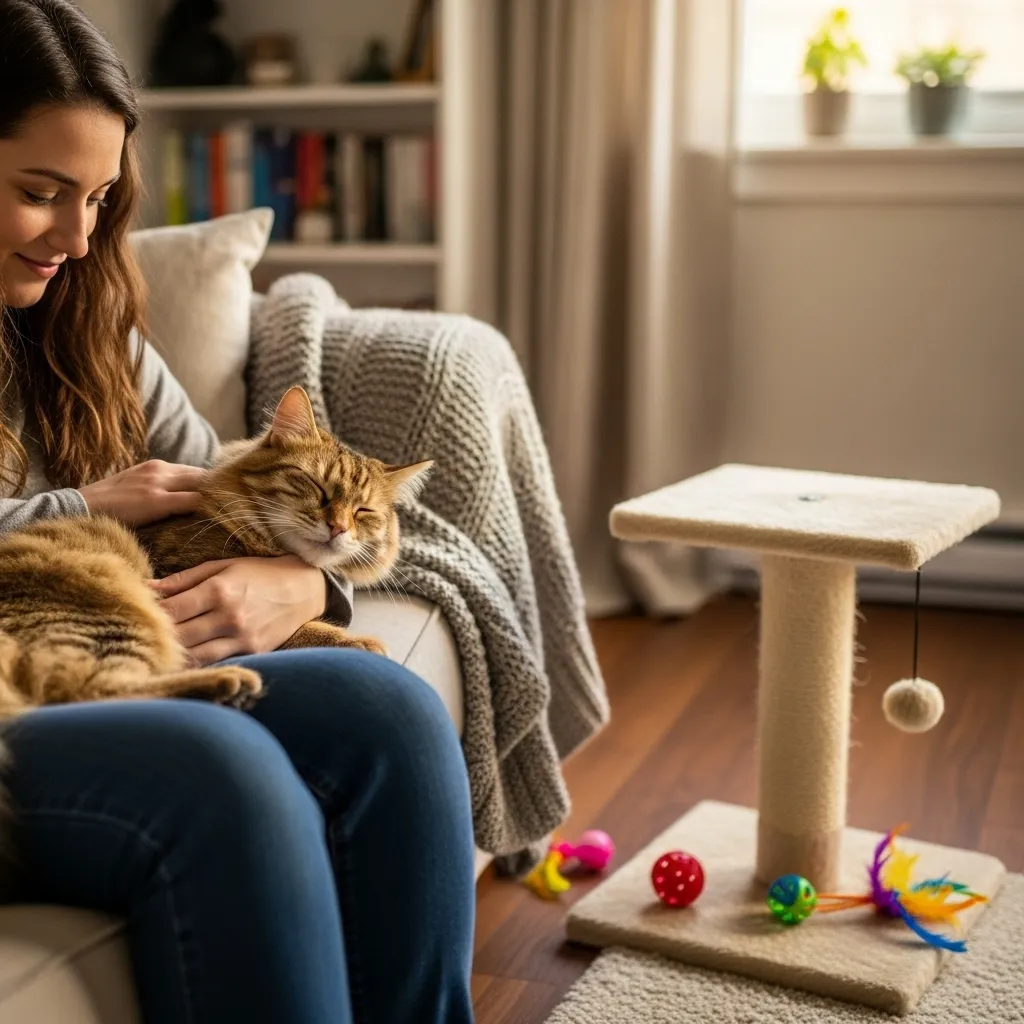
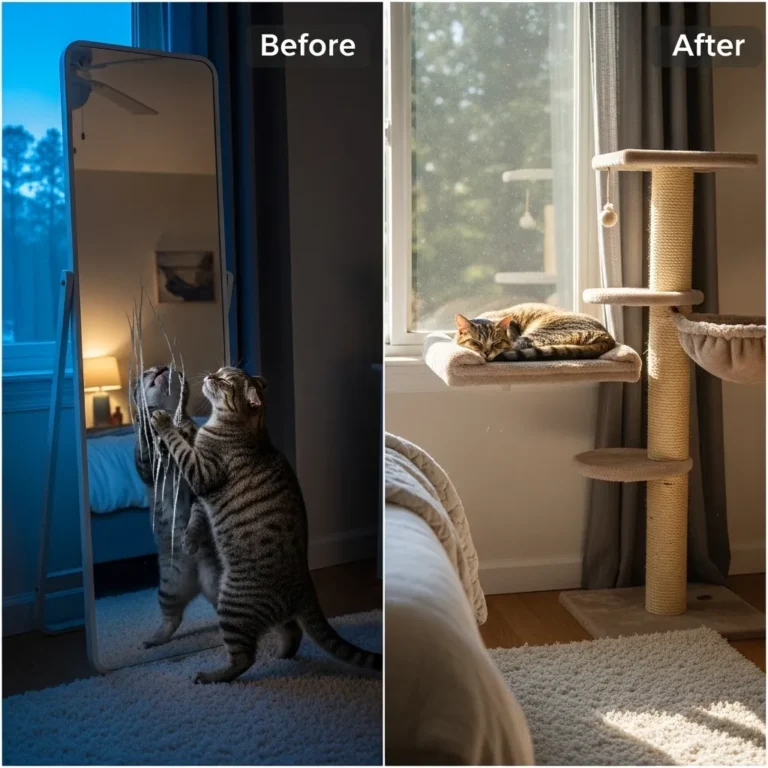
![Calm cat in a home environment with enrichment items, illustrating improved behavior after training.]](https://catbloomhaven.com/wp-content/uploads/2025/12/Image_fx-2025-12-22T144508.922.webp "Simple Training Techniques That Improve Cat Behavior in 7 Days 1")
Why Training Works So Quickly for Cats
Cats learn through association. Positive reinforcement links good actions to rewards, making them more likely to repeat those behaviors. Experts recommend clicker training or verbal markers like “yes!” to mark the exact moment.
Punishment, such as yelling or spraying water, often backfires. It creates fear and stress, worsening problems like aggression or avoidance.
Simple training techniques that improve cat behavior in 7 days rely on short, rewarding sessions. Cats have short attention spans but strong food motivation. High-value treats, such as small pieces of tuna or chicken, speed up learning.
Common quick wins include teaching “sit,” redirecting scratching, reinforcing litter box use, and reducing play biting.
Getting Started: Tools You’ll Need
Gather these basics before Day 1:
- High-value treats (soft, pea-sized pieces your cat loves).
- A clicker (or use “yes!” as a marker).
- Interactive toys (wand toys, kickers).
- Scratching posts (tall, sturdy, various textures).
- Multiple litter boxes (one per cat plus one extra).
Charge the clicker first: Click and treat 10–20 times until your cat anticipates the reward.
Your 7-Day Training Plan
Follow this daily structure. Focus on one or two issues per day, building on progress.
Day 1: Build the Foundation – Teach “Sit” and Name Response
Start with basics to boost confidence.
- Hold a treat above your cat’s nose and move it back over their head. They naturally sit to follow it.
- Mark the sit (click or “yes!”) and reward immediately.
- Repeat 10–15 times per session.
- Call your cat’s name and reward when they look or approach.
By evening, most cats sit on cue reliably.
Goal: Your cat responds to their name and sits for treats.
Day 2: Redirect Scratching to Appropriate Surfaces
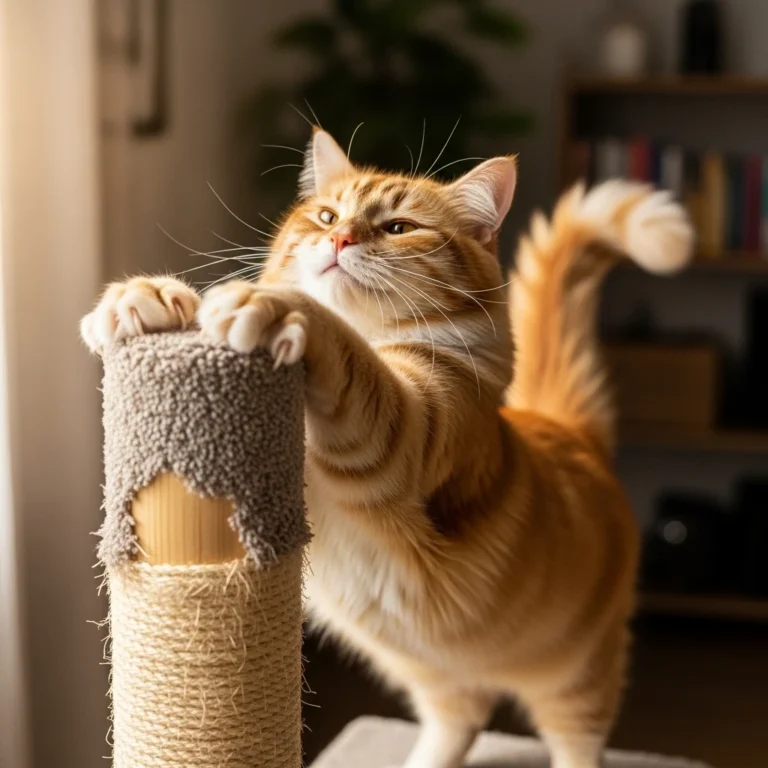
Scratching is natural for marking and claw maintenance.
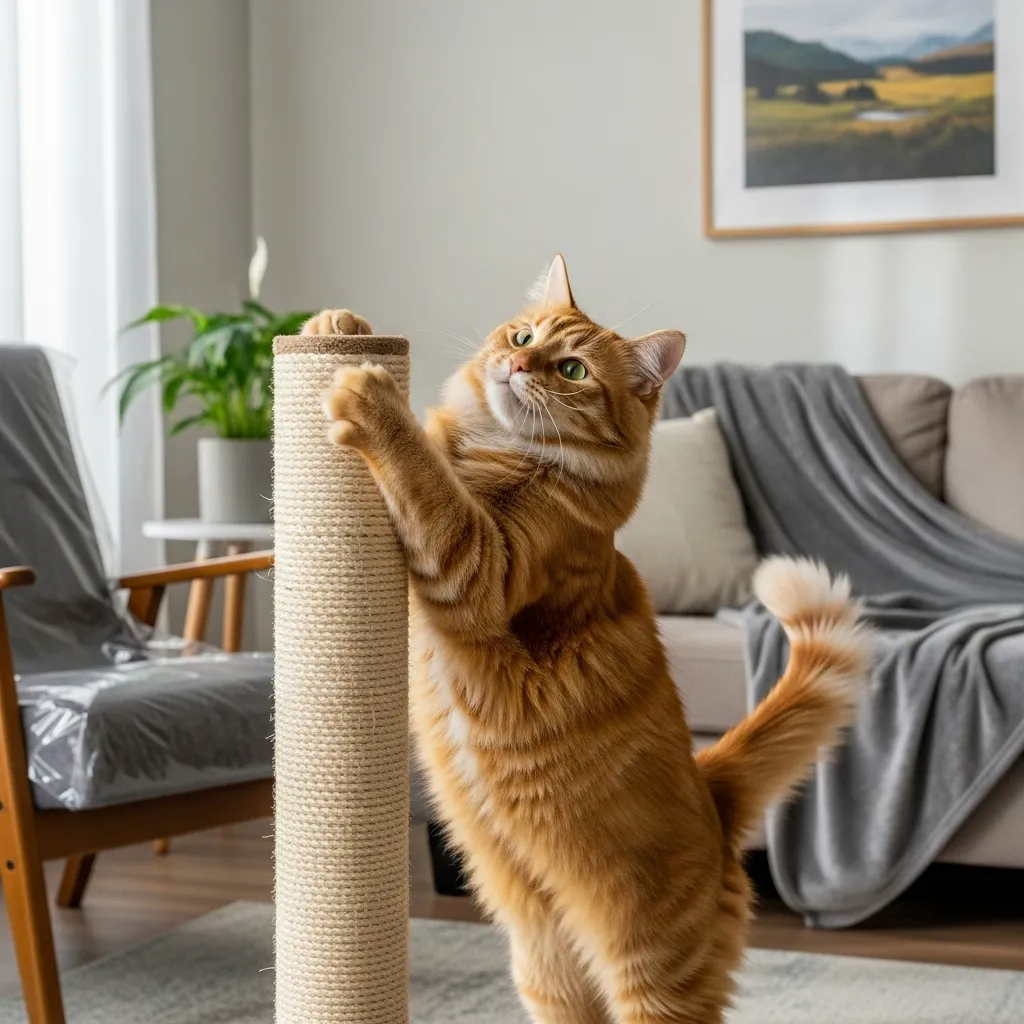
- Place sturdy posts near problem furniture.
- Rub catnip on posts or dangle toys to attract attention.
- When your cat uses the post, mark and reward lavishly.
- Cover furniture temporarily with double-sided tape or foil.
Many cats switch preferences in 2–3 days with consistent rewards.
Discover more tips in our detailed guide on stopping cats from scratching furniture.
Day 3: Reinforce Litter Box Habits
If accidents occur, increase boxes and clean thoroughly.
- Scoop daily; use unscented clumping litter.
- Place boxes in quiet, accessible spots.
- When your cat uses the box, quietly reward with a treat nearby.
- Clean accidents with enzymatic cleaners to remove odors.
Consistency often resolves issues quickly.
Explore our litter box problems guide for deeper troubleshooting at cat litter box problems.
Day 4: Reduce Play Biting and Overstimulation
Play aggression peaks in young cats.
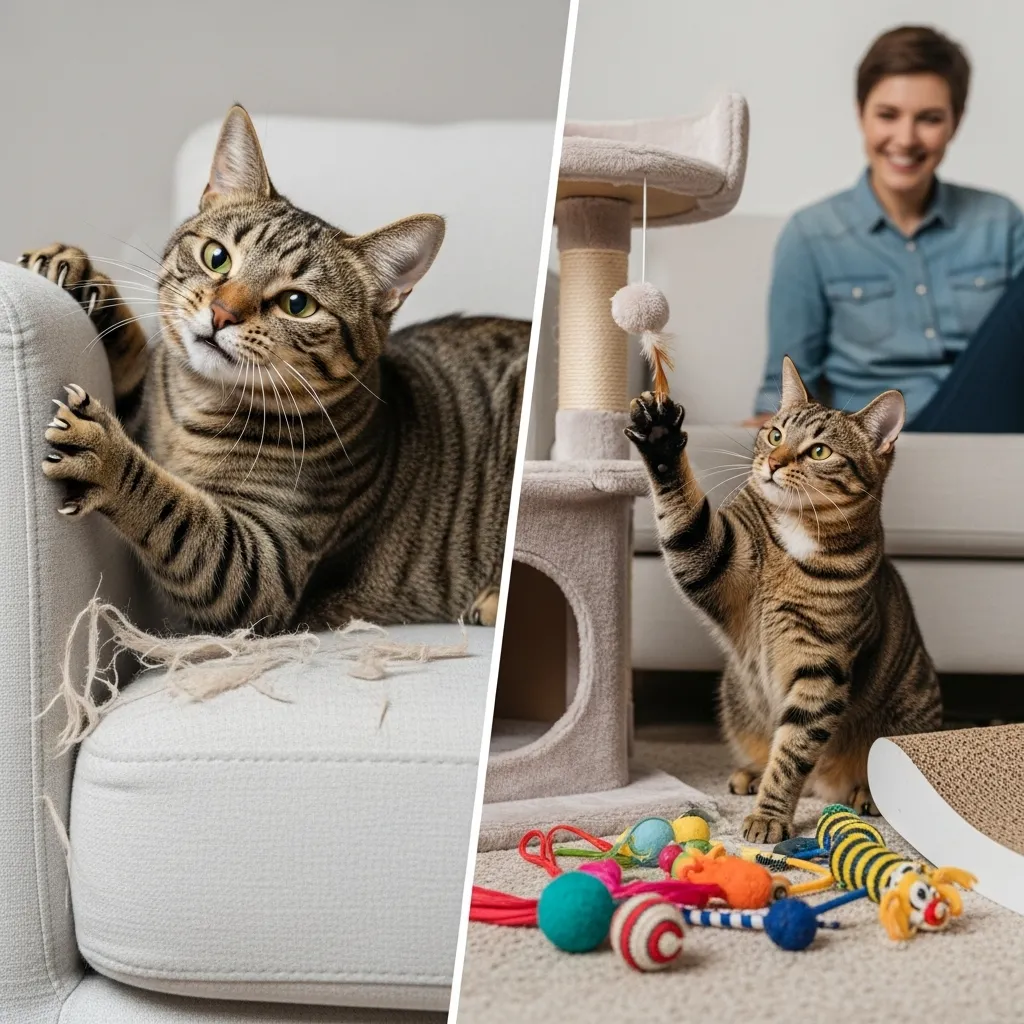
- Never use hands as toys; redirect to wand toys or kickers.
- If biting occurs, freeze, say “ouch” calmly, and end play.
- Resume after 30 seconds with a toy.
- Schedule two 10–15 minute play sessions daily to drain energy.
Cats learn boundaries fast when play stops upon biting.
Day 5: Teach “Come” and Basic Targeting
- Use name or “come” cue, mark, and reward approaches.
- Introduce targeting: Hold a stick or finger; reward nose touches.
These build recall and focus for advanced training.
Day 6: Address Excessive Meowing or Night Activity
Meowing often seeks attention.
- Ignore demands; reward quiet behavior.
- Add evening play to tire them out.
- Use puzzle feeders for mental stimulation.
Improvements appear as cats learn quiet gets rewards.
Day 7: Combine Skills and Maintain Progress
Practice all cues in different rooms. Fade treats gradually, replacing with praise or play.
Troubleshoot lingering issues: Add enrichment like window perches or cat trees.
Common Challenges and Solutions
| Issue | Likely Cause | Quick Fix |
|---|---|---|
| Scratching furniture | No alternatives | Provide posts; reward use; deter furniture temporarily |
| Biting during petting | Overstimulation | Watch for tail flicking; stop petting before bite |
| Litter box avoidance | Dirty box or stress | Scoop daily; add boxes; enzymatic clean accidents |
| Nighttime zooming | Pent-up energy | Evening play sessions; puzzle feeders |
| Ignoring cues | Low motivation | Use higher-value treats; shorter sessions |
Real Owner Stories: What to Expect in 7 Days
One owner with a furniture-scratching Bengal reported 80% reduction by Day 4 after placing posts strategically and rewarding.
A Siamese with play biting calmed significantly by Day 5 when hands stopped being toys.
Results depend on consistency, but most see calmer cats and stronger bonds.
For breed-specific tips, check our Bengal cat personality guide or Siamese cats guide.
FAQ
Can any cat learn these techniques in 7 days?
Most adult cats and kittens respond well, though seniors or anxious ones may need more time. Start slow.
What if my cat isn’t food-motivated?
Use play or affection as rewards. Some prefer wand toys over treats.
Is clicker training necessary?
Helpful for precision, but a verbal “yes!” works too.
When should I see a vet or behaviorist?
If aggression suddenly appears or training fails, rule out medical issues first.
How do I maintain improvements after 7 days?
Continue short sessions weekly; enrich the environment with toys and perches.
Final Thoughts
Simple training techniques that improve cat behavior in 7 days transform frustrated owners into proud ones. Focus on rewards, consistency, and understanding instincts for lasting change.
Your cat wants to please you once they understand the rules. With patience, you’ll enjoy a harmonious home.
Explore more expert cat care and behavior guides on Cat Bloom Haven, like our cat training behavior section or teach cat to fetch.