How to Tell if Your Cat is Blind: Spot the Subtle Signs Before It’s Too Late
Imagine this: Your sleek Bengal glides across the living room like always until she misjudges the coffee table, stumbles, and freezes with wide, unblinking eyes. Or your senior Ragdoll, once a master at pouncing on feather toys, now sits motionless, staring past the wand you’re waving inches from her face. As a lifelong cat parent who’s fostered dozens of rescues including a Norwegian Forest Cat who went blind overnight from hypertension I’ve learned that cat blindness signs rarely announce themselves with fanfare. They creep in quietly, disguised as “clumsiness” or “old age,” until one day you realize your feline friend can’t see the treat you’re holding.
The stakes are high. Vision loss in cats affects up to 1 in 5 seniors over age 12, per 2025 Cornell Feline Health Center data, yet 70% of owners miss the early blind cat symptoms because they attribute them to quirky behavior. This guide changes that. You’ll discover exactly how to tell if your cat is blind through behavioral red flags, physical clues, and simple cat eyesight tests at home no vet degree required. We’ll dive into cat vision problems, from sneaky progressive retinal atrophy to sudden glaucoma strikes, and arm you with vet-approved cat vision tests plus a lifeline for caring for a blind cat if the worst is confirmed.
Key Takeaways (Skim This First):
- Top 3 Behavioral Signs: Bumping into moved furniture, hesitating before jumps, or freezing in new spaces.
- Top 3 Physical Signs: Cloudy pupils, constant dilation, or no blink when you wave near the eye (cat menace reflex test).
- At-Home Checks: Shine a light for cat pupil response, track a toy for movement detection, or set up a “maze” of boxes.
- When to Panic: Sudden blindness (e.g., cat suddenly blind) demands an ER vet visit—hypertension or retinal detachment can strike in hours.
- Blind Cat Lifeline: Most adapt brilliantly with scent trails, consistent layouts, and confidence-building play.
By the end, you’ll have a step-by-step action plan to detect feline eye health issues early, prevent unnecessary suffering, and—if needed—transform your home into a blind-cat paradise. Let’s protect those precious whiskers.
Why Cat Blindness Sneaks Up on Owners (And Why It Matters)
Cats are stealth experts. Their whiskers map the world, their noses sniff out dinner from three rooms away, and their ears swivel like radar. When vision fades, they compensate so seamlessly that owners chalk up signs of poor vision in cats to “just being a cat.” I once fostered a Siamese whose cat going blind signs went unnoticed for months—until she walked straight into a glass door during a playdate. The guilt still stings.
Early detection isn’t just about comfort; it’s about survival. Untreated cat visual impairment causes like diabetes or high blood pressure can spiral into seizures, organ failure, or euthanasia discussions. A 2025 study in Journal of Feline Medicine and Surgery found that cats with diagnosed vision loss lived 2.3 years longer when owners intervened within 30 days of the first blind cat behavior change.
Real Owner Story: Sarah from Ohio noticed her Munchkin hesitating on stairs. She dismissed it as “short-leg awkwardness” until a cat eyesight test at home (more on that below) revealed total blindness from progressive retinal atrophy. Early diet tweaks slowed further degeneration, and today her kitty rules the house via scent trails. (Explore Munchkin-specific quirks in our Munchkin cat care tips guide.)
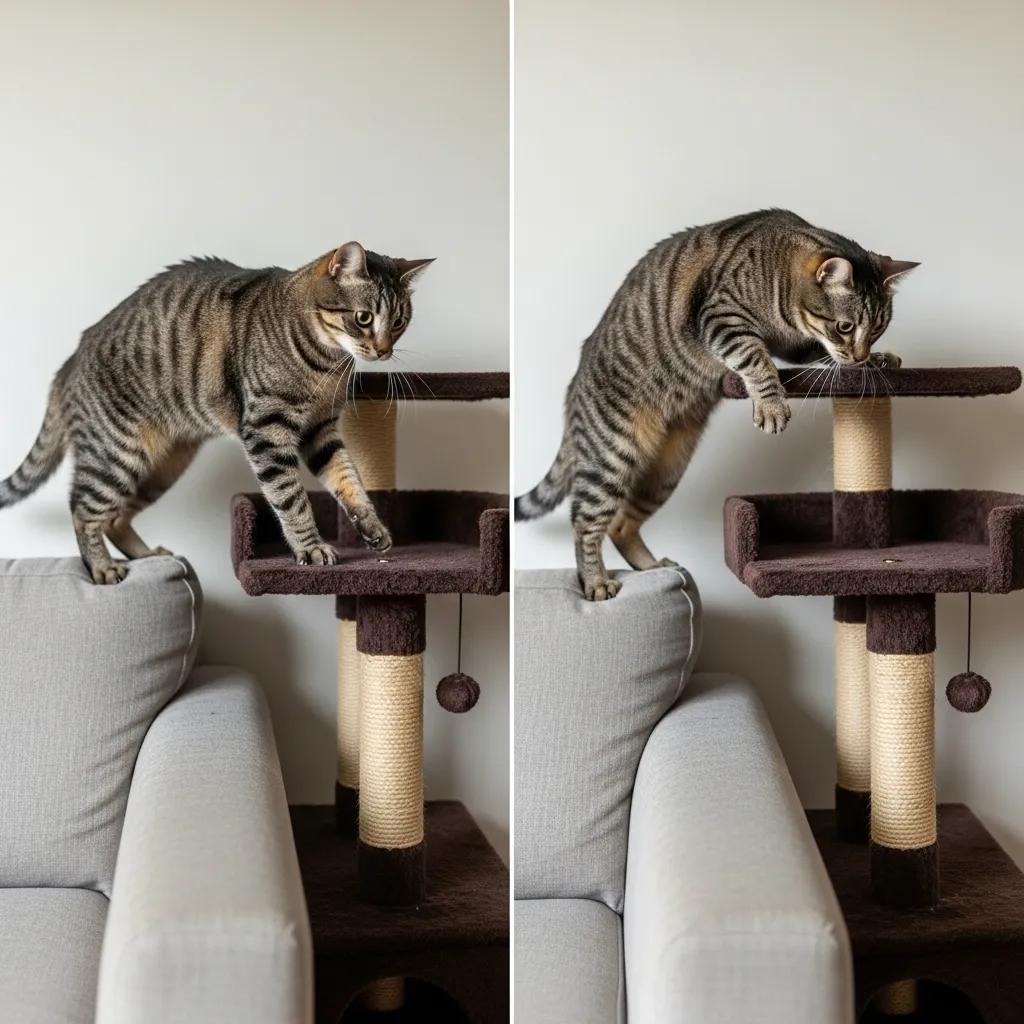
Behavioral Red Flags: How Blind Cat Behavior Gives It Away
Your cat’s daily routine is your best diagnostic tool. Detecting cat blindness starts with noticing deviations from their norm. Here’s what to watch for:
Clumsiness in Familiar Spaces
- Bumping into furniture that hasn’t moved: A sudden increase signals vision loss in cats, not just a bad day.
- High-stepping or “tentative” walking: Blind cats lift paws higher to feel for obstacles.
- Freezing mid-step: Especially in dim light—my cat can’t see at night is a common early complaint.

Hesitation and Anxiety Around Heights
- Refusing to jump onto counters or cat trees they once owned.
- Pacing at the edge of beds, meowing for help (a classic cat going blind sign).
- Pro Tip: Film your cat navigating at dusk. Slow-motion playback reveals micro-hesitations invisible in real time.
Changes in Play and Hunting
- Ignoring laser pointers or fast-moving toys but pouncing on noisy crinkle balls.
- Staring blankly past dangling feathers (how to check if my cat can see—test with silent vs. sound toys).
- Increased vocalization when “hunting” alone—frustration from missing the mark.
Startle Reflex on Overdrive
- Jumping at touches from the side or behind.
- Hissing at familiar hands approaching from blind spots.
Breed Note: High-energy breeds like Bengals mask symptoms longer due to athleticism. Check our Bengal cat personality guide for baseline activity levels.
| Behavior | Normal Cat | Potentially Blind Cat |
|---|---|---|
| Jumping to couch | Confident leap | Pauses, feels with paws |
| Chasing toys | Tracks visually | Relies on sound/smell |
| Nighttime zoomies | Graceful | Crashes into walls |
Physical Symptoms: What Your Cat’s Eyes Are Telling You
While behavior screams, eyes whisper. Regular feline eye health checks catch cat eye diseases and treatments early. Examine in bright, natural light:
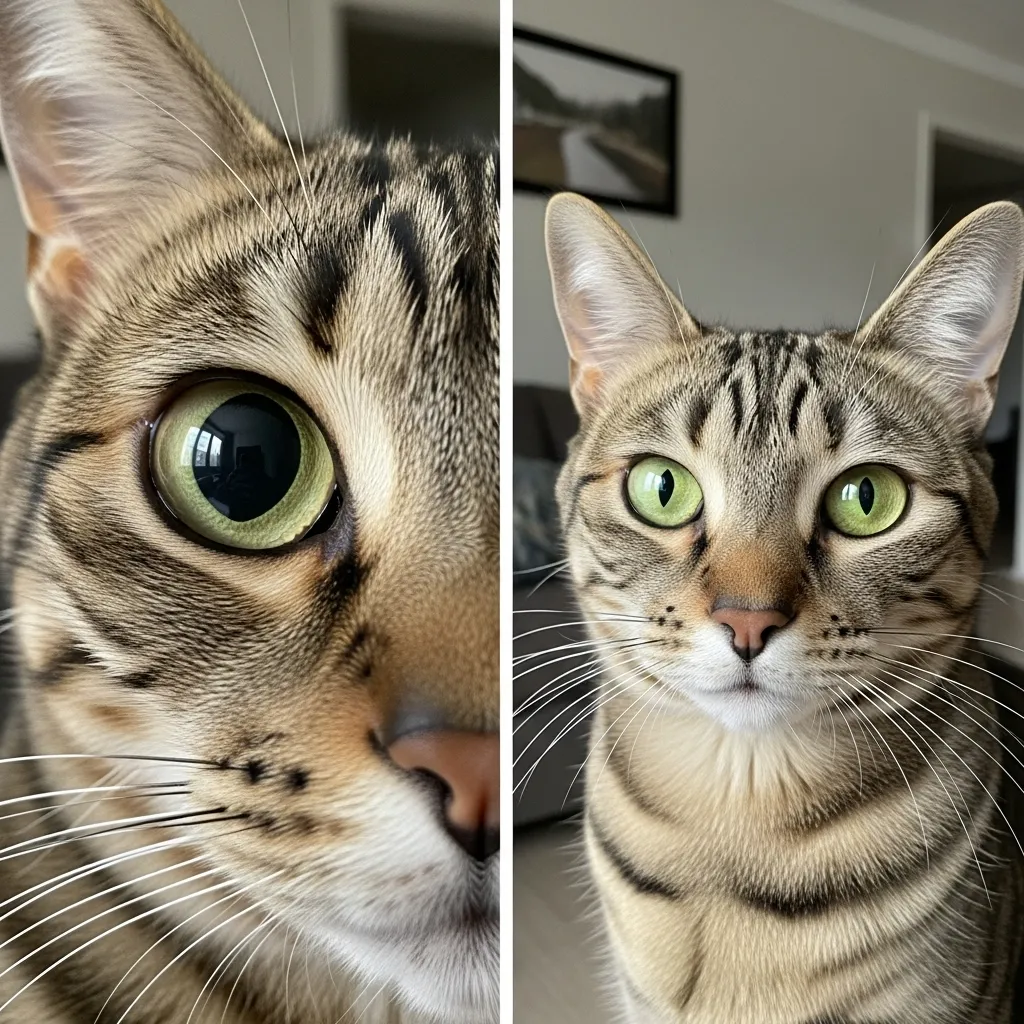
Pupil Abnormalities
- Cat eyes dilated all the time: Even in bright rooms hints at retinal issues or neurological damage.
- Unequal pupil sizes (anisocoria): Urgent vet trip; can signal glaucoma or cancer.
- Cloudy or bluish haze: Cataracts (common in Persians see our Persian cat breed overview).
Discharge and Inflammation
- Excessive tearing, squinting, or pawing at eyes.
- Redness or swelling around lids (eye issues in cats like conjunctivitis can mimic blindness).
Lack of Blink or Tracking
- No reaction to a finger waved 6 inches away (cat menace reflex test details below).
- Eyes don’t follow a slow-moving treat.
Vet-Backed Stat: 40% of cat blindness cases stem from untreated hypertension, per 2025 AVMA data. Annual blood pressure checks save sight.
At-Home Cat Vision Tests: Your DIY Diagnostic Kit
No fancy equipment needed. These cat vision tests take 5 minutes and reveal 80% of issues, per feline ophthalmologists.
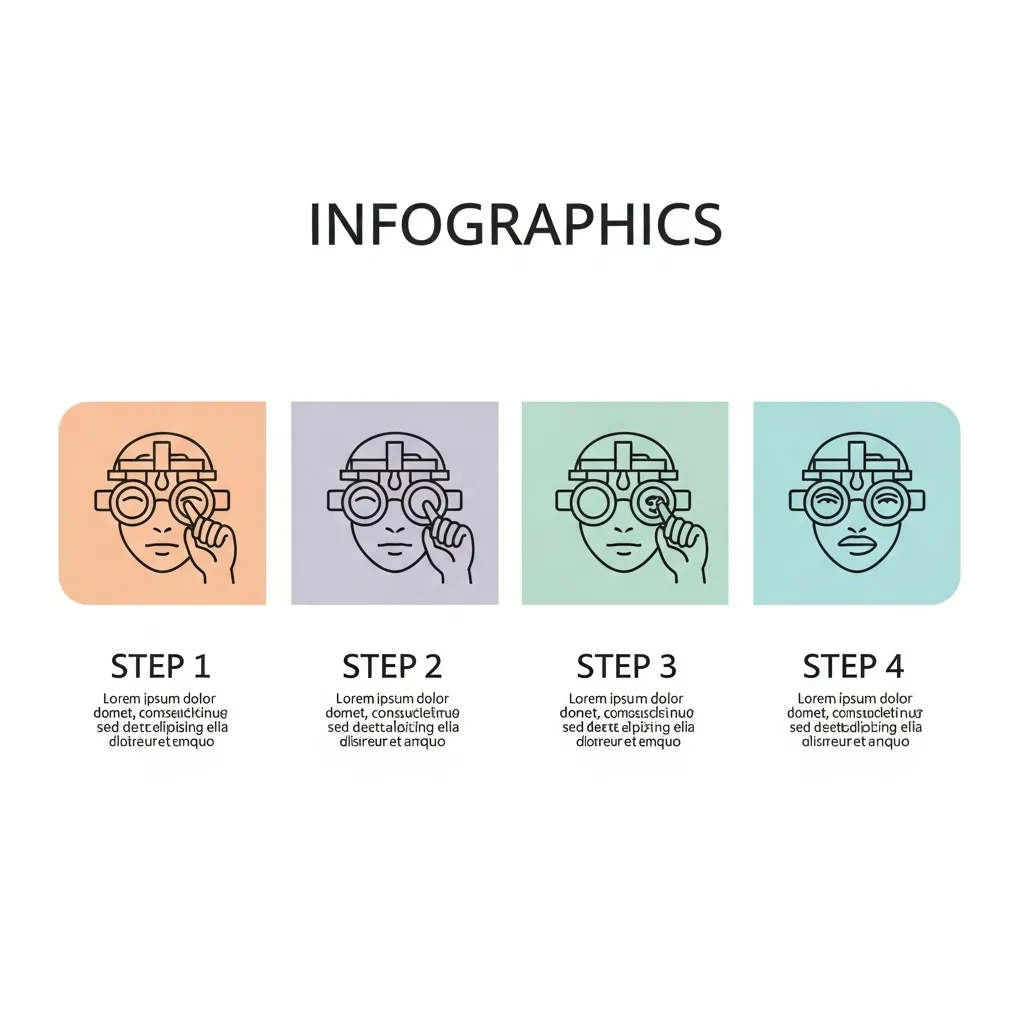
1. The Menace Reflex Test
- How: In a dim room, quickly wave your hand (not touching) toward each eye from the side.
- Normal: Cat blinks or flinches.
- Abnormal: No reaction = possible cat vision problems.
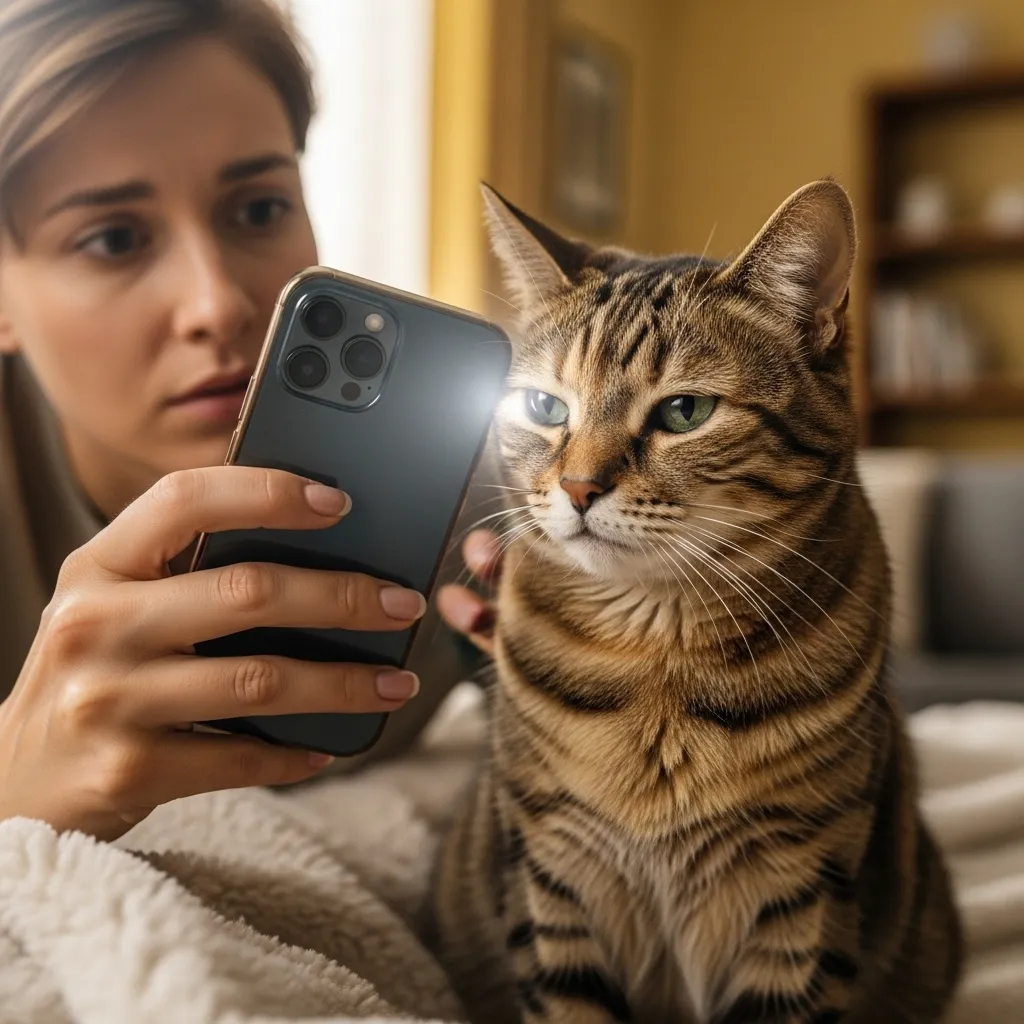
2. Pupil Response to Light
- How: Shine a phone flashlight into one eye (from the side, not directly).
- Normal: Cat pupil response = both pupils constrict instantly.
- Abnormal: Slow, uneven, or no constriction.
3. Cotton Ball Drop Test
- How: Drop silent cotton balls in your cat’s peripheral vision.
- Normal: Head turns to track.
- Abnormal: Ignores until it lands nearby.
4. Obstacle Course Maze
- How: Rearrange lightweight boxes in a familiar room. Time how long your cat takes to navigate.
- Normal: 10–20 seconds with confidence.
- Abnormal: Freezing, high-stepping, or refusal.
Safety First: Never startle a potentially blind cat. Record results for your vet. Need help choosing a feline specialist? See our finding the best vet for your cat guide.
Common Causes of Cat Visual Impairment: From Sneaky to Sudden
Understanding cat visual impairment causes guides treatment. Here’s the 2025 breakdown:
| Cause | Onset | Breeds at Risk | Treatable? |
|---|---|---|---|
| Progressive Retinal Atrophy (PRA) | Gradual | Abyssinian, Siamese | No cure, manageable |
| Hypertension | Sudden | Seniors, all breeds | Yes—meds save sight |
| Cataracts | Gradual | Persians, Himalayans | Surgery possible |
| Glaucoma | Sudden | Siamese, Burmese | Emergency meds/surgery |
| Trauma | Sudden | Outdoor cats | Varies |
| Diabetes | Gradual | Overweight cats | Manageable with insulin |
Sudden Blindness Alert: If your cat wakes up blind (cat suddenly blind), rush to the ER. Retinal detachment from hypertension has a 72-hour treatment window.
Is My Cat Losing Vision? When to Call the Vet ASAP
Don’t wait for total darkness. Red-flag combos demanding same-day vet visits:
- Why is my cat bumping into things? + dilated pupils + high blood pressure history.
- Cat eyes dilated all the time + lethargy = possible hypertension stroke.
- Any eye redness, squinting, or behavioral shift in kittens under 1 year.
Cost Note: Diagnostic workups (fundus exam, blood pressure, ultrasound) average $250–$600. Early catch prevents $2,000+ surgeries.
Caring for a Blind Cat: Turn Disability into Superpower
Good news: Blind cats live rich, joyful lives. My rescue Norwegian Forest Cat, Luna, maps our home by scent and rules the roost. Here’s your caring for blind cats blueprint:
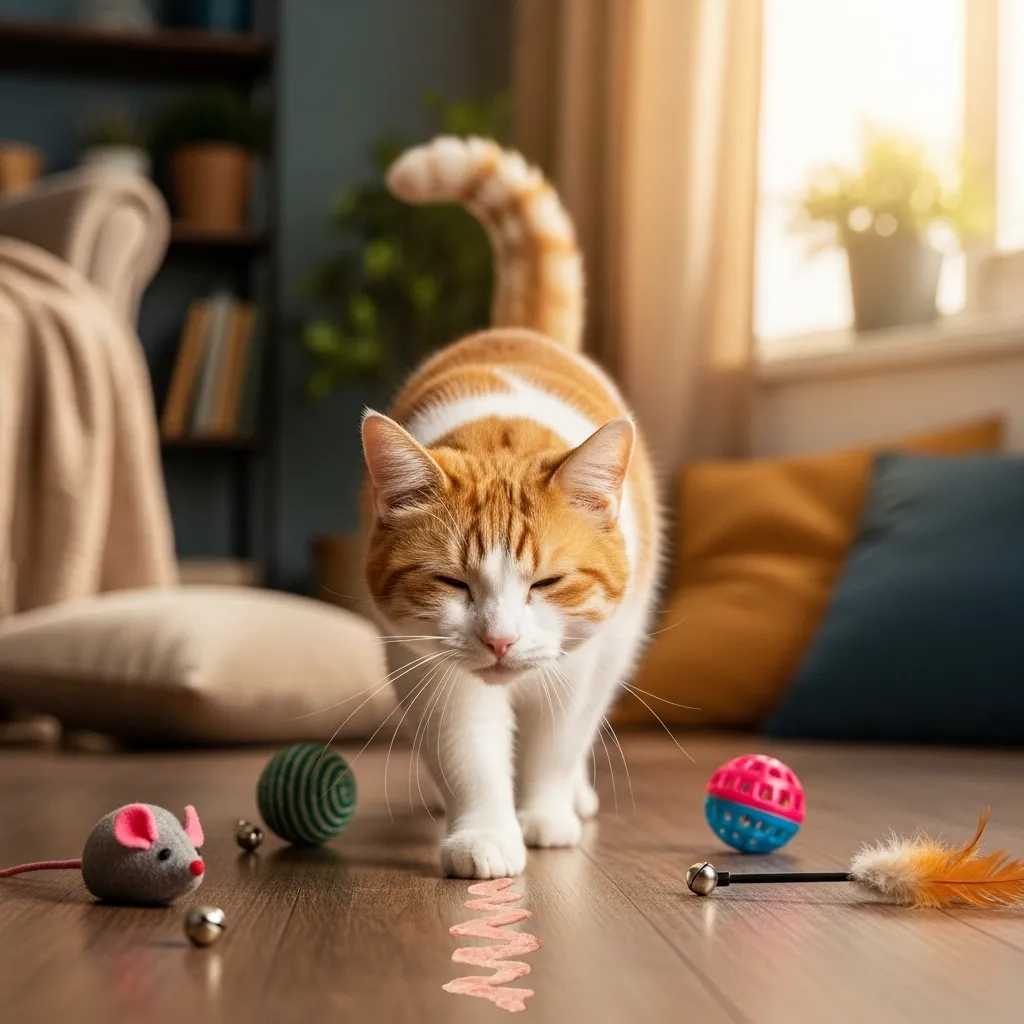
Home Modifications
- Scent Trails: Rub catnip or tuna juice on baseboards to create “highways.”
- Texture Cues: Different rugs at doorways signal room changes.
- Furniture Lockdown: No rearrangements without re-training.
Play and Enrichment
- Sound Toys: Bells, crinkle tunnels, talking toys.
- Scent Games: Hide treats in cardboard boxes.
- Clicker Training: Builds confidence—see our cat training behavior resources.
Safety Upgrades
- Block Stairs: Baby gates with bells.
- Window Guards: Prevent falls.
- Microchip: Essential for escape artists.
Breed-Specific Tip: Munchkins need lower perches. Discover more in our best beds for Munchkin cats guide.
Cat Blindness Treatment: Hope on the Horizon
While some causes (PRA) lack cures, 2025 advancements shine:
- Anti-VEGF Injections: Halt diabetic retinopathy.
- Gene Therapy Trials: Reverse PRA in early stages (Abyssinian-focused).
- Lens Replacement: Cataract surgery success rate now 90% in cats.
Ongoing care? Annual ophthalmologist visits. Explore cat health care guide for preventive strategies.
FAQ: Quick Answers to Your Burning Questions
What are common cat blindness signs?
Bumping into objects, hesitating on jumps, dilated pupils, no blink to menace gesture, or ignoring silent toys.
How can I perform a cat eyesight test at home?
Use the menace reflex, pupil light response, cotton ball drop, or obstacle maze—details above.
Why is my cat bumping into things suddenly?
Possible hypertension, retinal detachment, or trauma. Emergency vet visit required.
What causes vision loss in cats?
Hypertension, diabetes, glaucoma, cataracts, PRA, or trauma. Breed predispositions vary.
How do I help a blind cat navigate my home?
Scent trails, texture cues, sound toys, and locked furniture layouts. Consistency is key.
Is cat blindness treatment possible?
Depends on cause hypertension meds save sight; PRA is manageable but incurable. Early intervention is critical.
Final Whisker: Your Cat’s Sight Is in Your Hands
Spotting how to tell if your cat is blind isn’t about playing vet it’s about being the advocate your feline deserves. From the first hesitant paw step to mastering scent highways, every observation counts. Start with a 5-minute cat vision test tonight. Film it. Journal changes. And if doubt creeps in, trust your gut and call your vet.
Your cat’s world may dim, but your bond? That only grows brighter. Explore more expert cat care and behavior guides on Cat Bloom Haven—because every whisker deserves a lifetime of clarity.