Where Can I Drop Off a Stray Cat: Your Complete Guide to Humane Solutions and Stray Cat Care
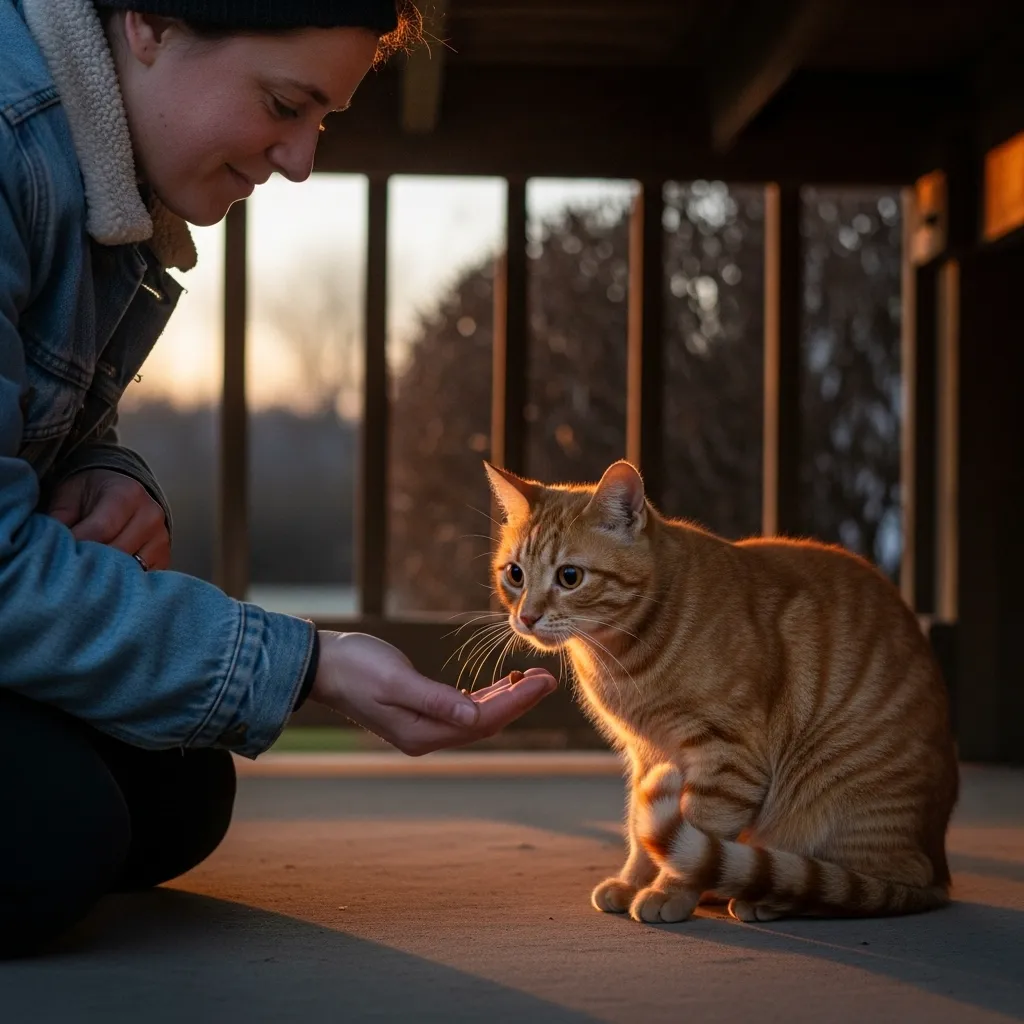
Imagine this: It’s a chilly evening, and you spot a wide-eyed tabby huddled under your porch, meowing softly for attention. Your heart melts, but reality hits where do you even start? If you’re like most compassionate folks, the first question on your mind is, “Where can I drop off a stray cat?” You’re not alone. Every year, millions of people across the U.S. encounter stray cats, and the good news is there are proven, humane ways to help without overwhelming your local resources or putting the cat at risk.
As a cat behavior specialist with over 15 years working alongside vets and rescue organizations, I’ve seen firsthand how the right approach can turn a scary situation into a life-saving one. In this guide, we’ll cut through the confusion, covering everything from distinguishing a lost pet from a community cat to step-by-step instructions on Trap-Neuter-Return (TNR) programs, local drop-off spots, and even temporary care tips. By the end, you’ll have actionable steps to make a real difference—whether that means rehoming, supporting feral cat programs, or fostering a bond that leads to adoption.
This isn’t just advice; it’s a roadmap backed by experts from the ASPCA, Alley Cat Allies, and community initiatives like those from Stray Cat Alliance. Let’s dive in and empower you to be the hero this stray needs.
Key Takeaways: Quick Wins for Helping a Stray Cat
Before we get into the details, here’s a snapshot of what you’ll gain from this guide—optimized for those quick Google searches or AI overviews:
- Assess First: Observe the cat’s behavior to tell if it’s a friendly stray (likely lost) or a feral community cat (better suited for TNR).
- Humane Trapping Essentials: Use live traps baited with smelly treats like tuna; never chase or grab—safety first for you and the cat.
- Top Drop-Off Options: Local animal shelters, TNR clinics, and rescues like Petfinder-listed spots are your go-tos; always call ahead due to capacity limits.
- Legal Smarts for 2025: Most states protect strays under anti-cruelty laws, but TNR is now endorsed in places like California and New York for population control.
- Long-Term Impact: Participate in TNR to reduce kitten litters by up to 66% in colonies, per Alley Cat Allies studies.
- Pro Tip: If the cat’s friendly, scan for a microchip at a vet—many “strays” are just lost pets waiting to go home.
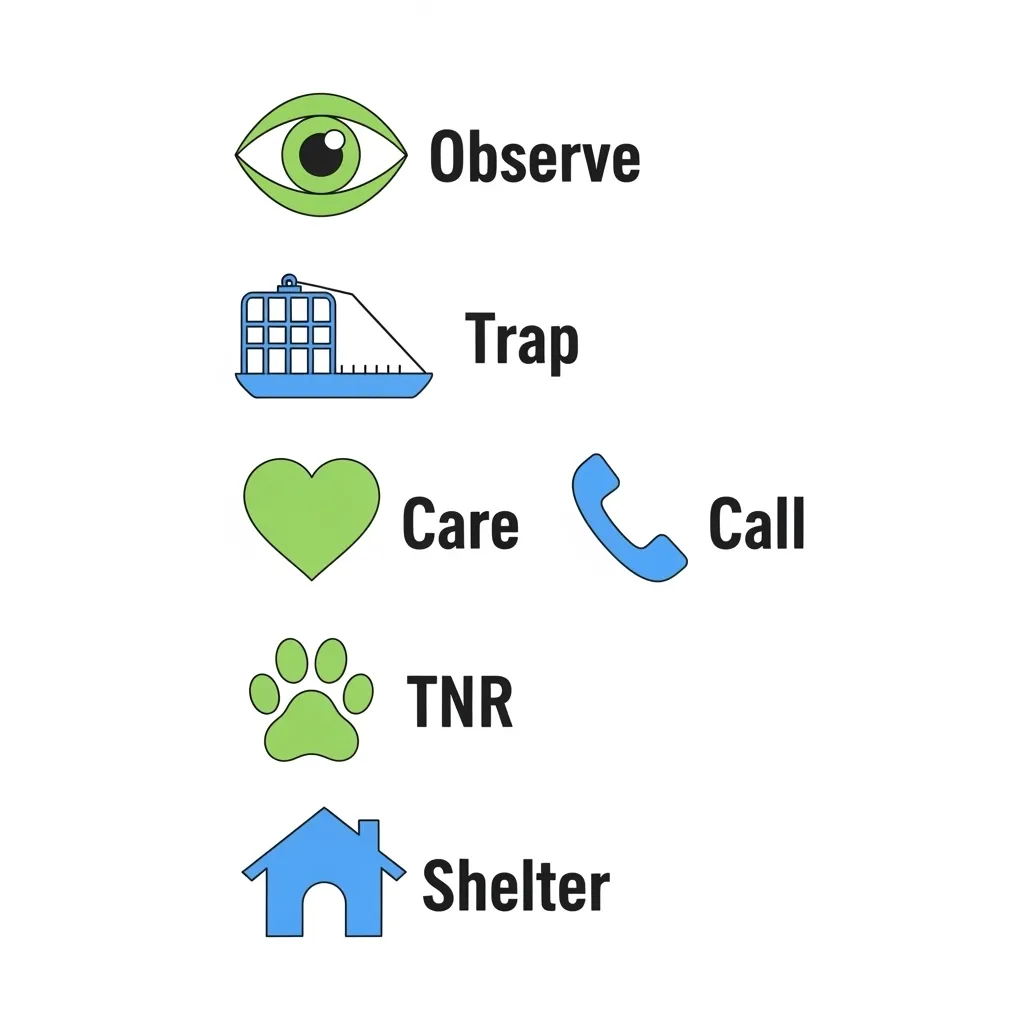
These nuggets alone can get you started today. Now, let’s build on them with deeper insights.
Understanding Stray Cats: Stray vs. Feral vs. Community Cats
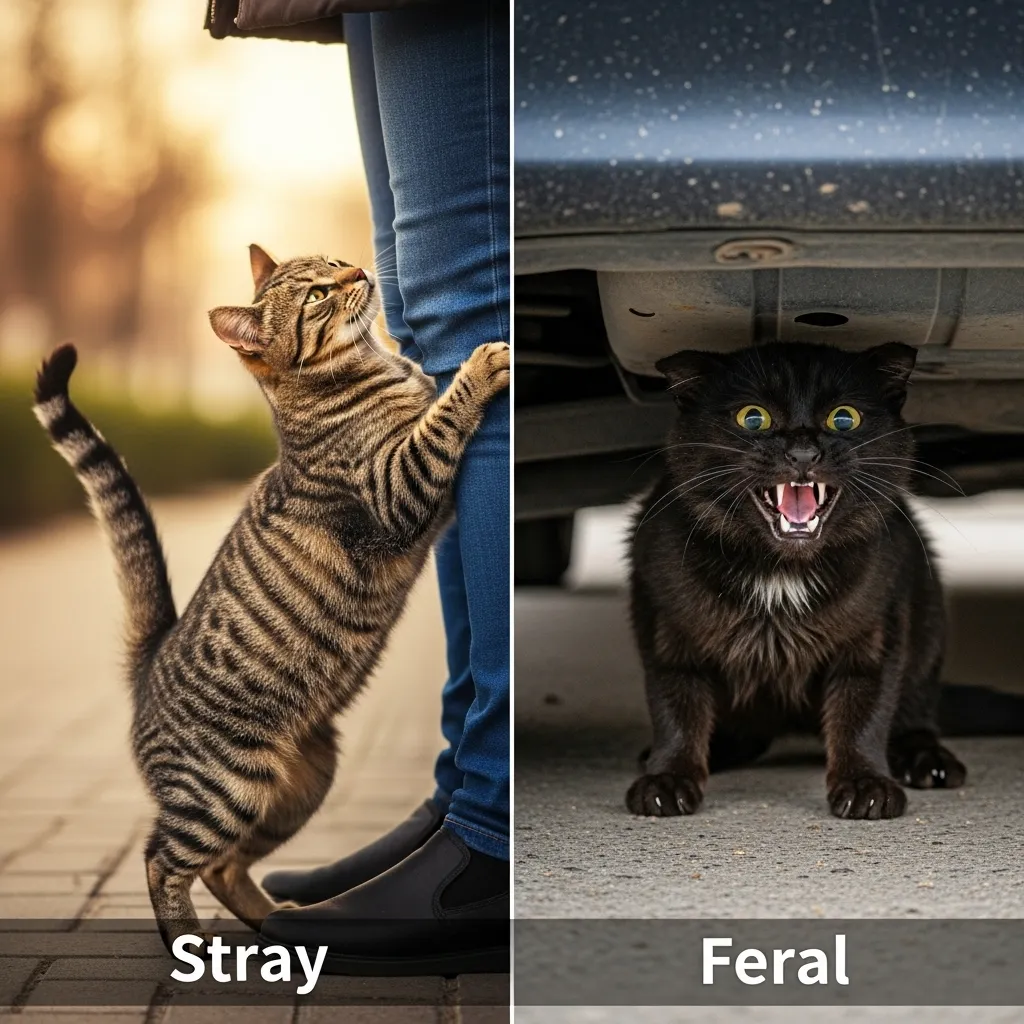
Not all outdoor cats are created equal, and mistaking one for another can lead to heartbreak. A “stray cat” typically means a domesticated feline that’s lost or abandoned think a once-indoor kitty with a collar, meowing for pets and rubbing against your legs. These social butterflies often seek human interaction and might show up thin or disheveled from their ordeal.
On the flip side, feral cats are the wild children of the feline world: born outdoors, skittish around people, and more likely to hiss or bolt at the sight of you. They’re not “mean” just adapted to survival without human touch. Then there are community cats, an umbrella term for unowned outdoor cats (strays + ferals) who form loose colonies in neighborhoods, parks, or alleys. According to the Humane Society, about 80% of kittens in the U.S. come from these groups, fueling overpopulation.
Why does this matter for your “where can I drop off a stray cat” quest? Friendly strays might thrive in a shelter or foster home, while ferals often fare better through TNR trapping them humanely, neutering, vaccinating, ear-tipping (a quick snip for ID), and returning to their turf. Dropping a feral into a shelter? It stresses them out and spikes euthanasia risks in overcrowded facilities.
Real-life example: I once consulted on a case in suburban Chicago where a family mistook a feral mama and her kittens for strays. They scooped them up and headed to the pound only to learn the shelter was at capacity. Heartbroken, they called a TNR group instead. The kittens socialized beautifully and got adopted, while mom returned healthier to her colony. Lesson? Observe for a week: Does the cat approach you? Eat from your hand? That’s a stray. Hides and eats at night? Go TNR route.
For more on cat behaviors that signal distress or need, check out our detailed guide on cat stress signs.
The Power of Trap-Neuter-Return (TNR) Programs: Why It’s the Gold Standard for Stray Cat Care
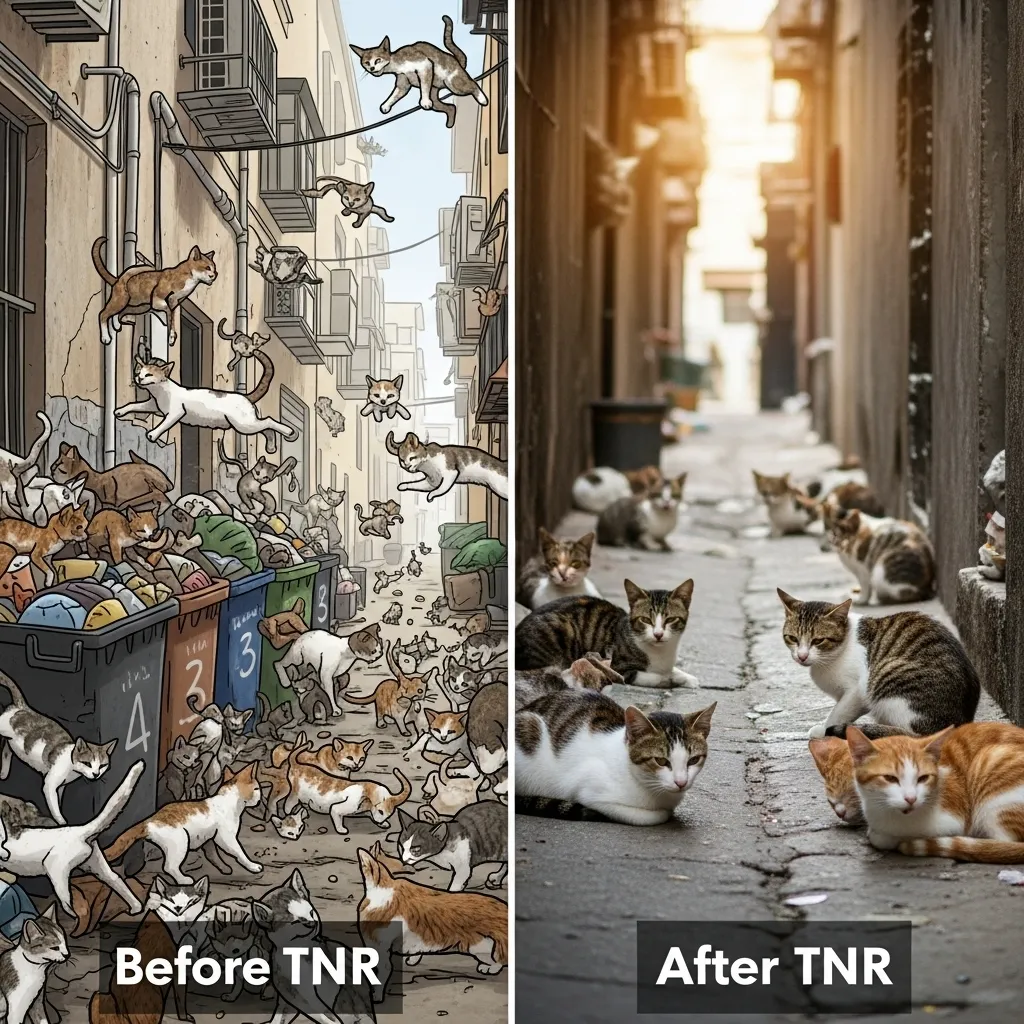
If you’re dealing with a feral or established community cat, TNR isn’t just a buzzword—it’s a game-changer. Endorsed by the ASPCA and Humane Society, TNR stabilizes populations humanely, cutting births and curbing nuisances like yowling or spraying. Studies show colonies shrink by 30-66% over years, saving taxpayer dollars on shelter intakes.
In 2025, TNR is booming with “TNR programs near me” searches up 25% amid rising awareness of humane stray cat solutions. Cities like Los Angeles (via LA Animal Services’ Citywide Cat Program) and New York (Mayor’s Alliance NYC Feral Cat Initiative) offer free traps and transport. Even smaller spots like Fresno TNR provide low-cost clinics.
| TNR Benefit | Impact on Cats | Impact on Community |
|---|---|---|
| Ends Breeding Cycle | No more surprise litters; healthier moms avoid pregnancy stress | Fewer kittens overwhelming shelters (up to 80% reduction in intakes) |
| Reduces Behaviors | Less roaming, fighting, and noise—neutered cats chill out | Quieter neighborhoods, fewer complaints to animal control |
| Boosts Welfare | Vaccines and ear-tips prevent disease; eartip signals “already fixed” | Lowers rabies risks; saves $35K+ per 100 cats vs. trap-and-kill |
| Long-Term Population Drop | Colonies stabilize or decline naturally via attrition | Sustainable stray cat care without mass euthanasia |
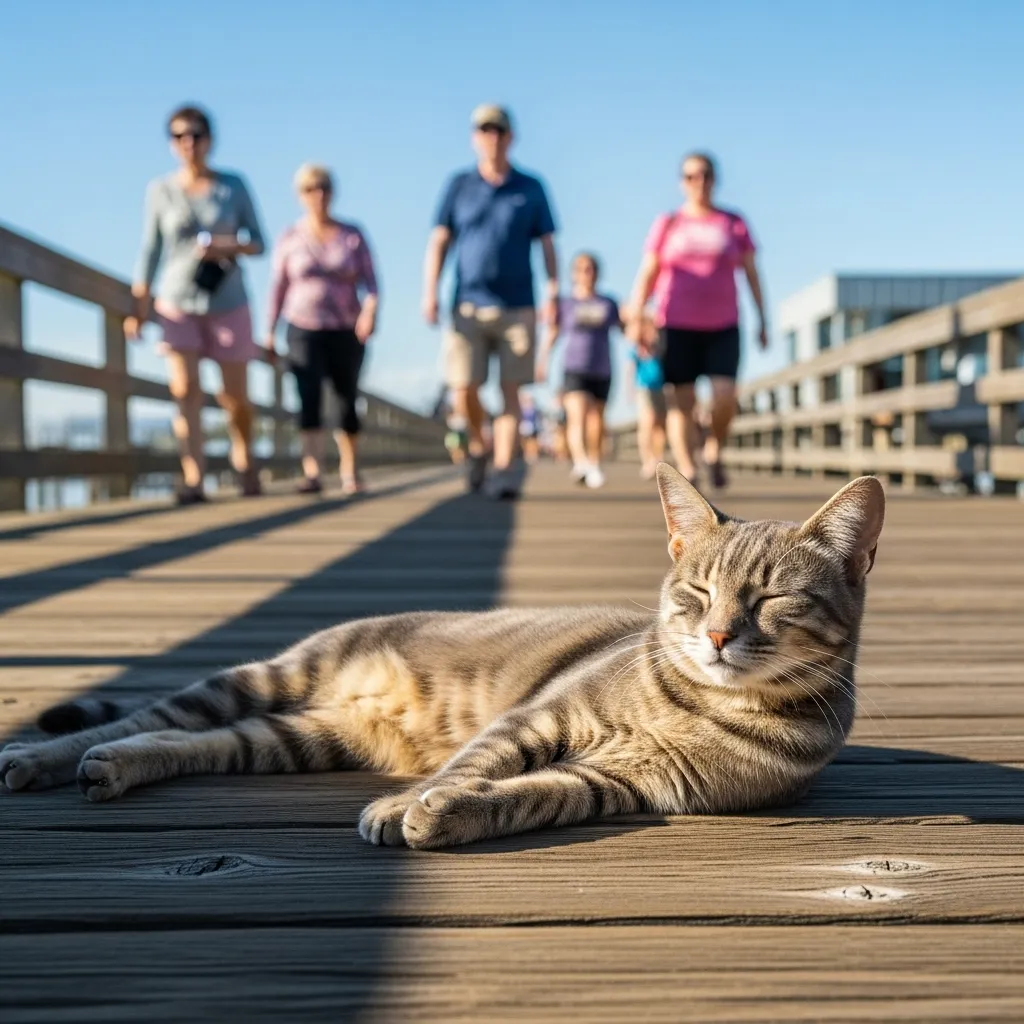
Success story: In Atlantic City, Alley Cat Allies’ Boardwalk Cats TNR project turned a chaotic colony into a managed group—now, tourists snap pics instead of calling complaints. Ready to join? Search “TNR near me” on Alley Cat Allies’ site for local partners.
How to Safely Catch a Stray Cat: Step-by-Step Trapping Guide
Catching a stray isn’t about heroics it’s about patience and prep to avoid scratches or escapes. Rushing leads to stress (for everyone), so plan ahead. First, assess: Sick or injured? Call animal control or a vet immediately. Healthy? Gear up for humane trapping.
Gear Up: What You’ll Need
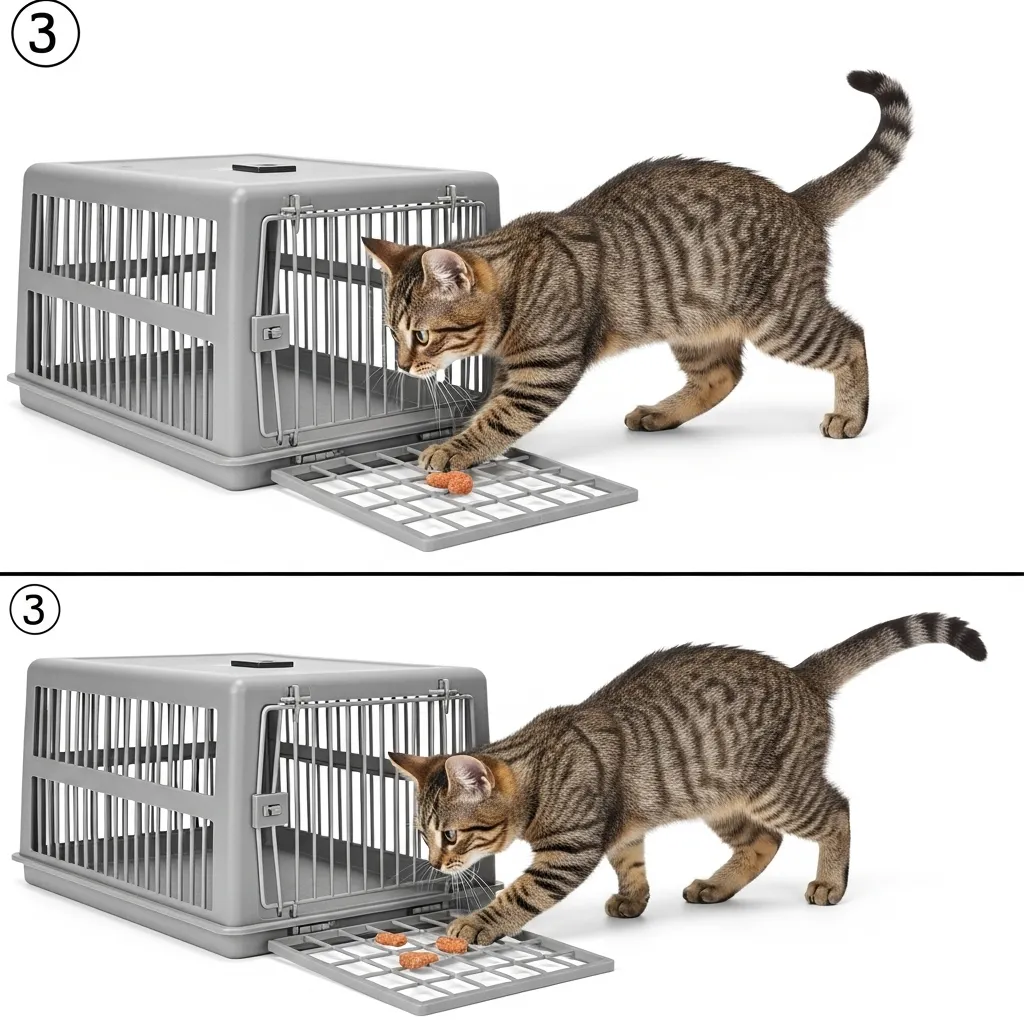
- Humane Live Trap: Borrow from shelters (e.g., via Petfinder) or buy a Havahart ($30-50). Avoid drop traps unless experienced.
- Bait: Smelly winners like canned tuna, sardines, or cooked chicken. Skip dry food—it lacks punch.
- Coverings: Dark towel or sheet for calming; thick gloves for handling.
- Backup: Carrier for transport; first-aid kit (antibacterial for bites).
The Trapping Process: 7 Foolproof Steps
- Observe and Feed: For 3-5 days, feed at the same spot/time to build trust. Place food near (but not in) the trap initially.
- Prep the Trap: Set on flat ground in a quiet spot. Line with newspaper, bait the back, and drizzle juice to the entrance. Cover three sides with towel for a “den” feel—cats love dark, secure vibes.
- Bait and Wait: Early morning or dusk works best. Monitor from afar (use a webcam if handy). One trap per cat; for litters, trap mom first to lure kittens.
- Spring and Secure: Once caught, cover fully immediately—reduces panic. Speak softly; no poking.
- Check for Others: Scan collar/microchip at a vet (free scans often). Already fixed (eartip)? Release.
- Transport Safely: Drive smoothly; keep covered. Aim for TNR clinic same-day.
- Post-Trap Care: If fostering, quarantine in a quiet room with litter, food, and hides.
Pro tip: For scared friendlies, try a pillowcase slip-over if trapping fails but gloves on! And for bite first-aid? Our guide on stray cat bite first aid has vet-approved steps.
Common pitfalls? Over-baiting attracts raccoons, or setting traps too sensitive (cat sniffs, door slams—scare city). Patience pays: One Alley Cat Allies trapper nabbed a wily tom after two weeks of tuna teasers.
Stray Cat Drop-Off Locations: Finding Local Animal Shelters and Rescues
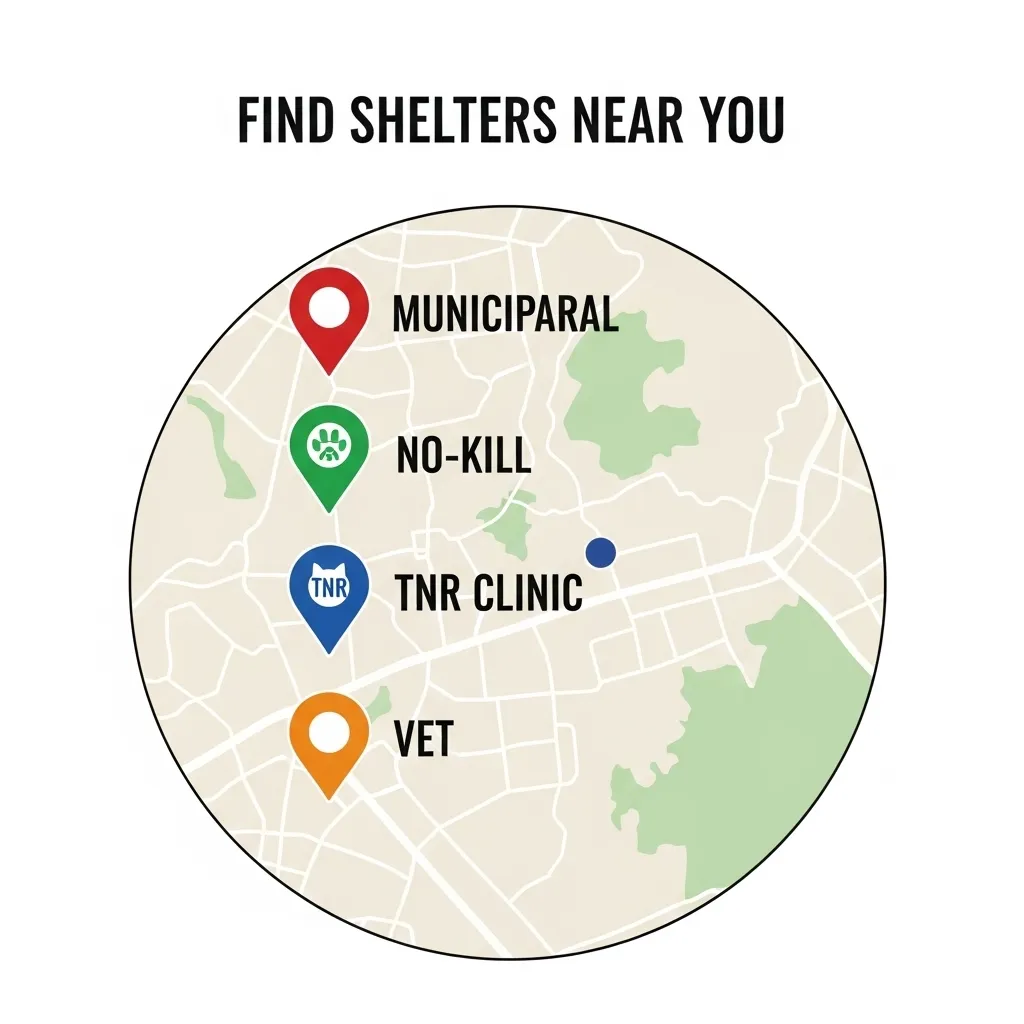
So, you’ve trapped your stray now where? Start with a quick “stray cat drop off locations near me” search, but here’s the scoop: Not all shelters accept walk-ins, especially in 2025’s post-pandemic crunch. Capacity limits mean calling ahead is key; many prioritize emergencies.
National Hotlines and Databases
- ASPCA Shelter Finder: Nationwide tool lists intakes; NYC folks dial 311 for AC&C.
- Petfinder: Search by zip for no-kill spots like Stray Cat Alliance (LA) or KittyKind (NYC).
- Humane Society Local Affiliates: E.g., Animal Humane Society (MN) offers TNR intakes.
Regional Gems
- West Coast: LA’s BARC or Stray Cat Alliance for TNR-focused drops.
- East Coast: NYC’s ACC (appointment via 212-788-4000) or MeowSquad for ferals.
- Midwest/South: Kern County (CA) or San Antonio Feral Cat Coalition for low-cost TNR.
| Type of Facility | Best For | Intake Tips | Example Orgs |
|---|---|---|---|
| Municipal Shelters | Emergencies (injured/sick strays) | Call first; limited space | BARC (Houston), ACC (NYC) |
| No-Kill Rescues | Friendly strays for adoption | Appointments; foster options | SAFE Haven (FL), Stray Animals Matter (MO) |
| TNR Clinics | Ferals/community cats | Walk-ins often; free traps | Alley Cat Allies, Fresno TNR |
| Vet Clinics | Microchip scans/quick checks | $20-50 fee; TNR partners | Local via Petfinder |
Reddit threads echo this: Users in NYC rave about Little Wanderers for Bronx strays, while Indy folks point to Rosie’s Southside. Pro move: Post lost/found flyers and Nextdoor ads first—many strays reunite this way.
Navigating Local Laws and Humane Stray Cat Surrender in 2025
Laws evolve, and 2025 brings sharper focus on stray cat surrender laws. All 50 states ban animal cruelty, but specifics vary: California now mandates shelters accept strays (per recent rulings against “abandonment” in TNR), while Texas allows “predatory” culls but favors TNR. NYC treats community cats as protected companions, not wildlife.
Key rules:
- Impound Mandates: In places like LA, report strays within 4 hours if holding; after 30 days, surrender or adopt.
- No-Kill Shifts: Euthanasia only for untreatable cases; TNR exemptions in OR’s HB 3604.
- Caretaker Liability: Feeding doesn’t make you “owner,” but document TNR to shield from complaints.
For rehoming, use Rehome by Adopt-a-Pet—stress-free alternatives to shelters. Always prioritize humane trapping equipment over force.

Dive deeper into local laws for stray animal handling with our expert breakdown.
Stray Cat Care Guide: Temporary Home and Fostering Tips
Can’t drop off right away? No sweat—here’s how to provide interim care without turning your space into a litter apocalypse.
Setting Up a Safe Space
Quarantine in a bathroom or spare room: Litter box (one per cat + one extra), fresh water, high-quality wet food, and hides like boxes. For nutrition, blend kitten formula if tiny; adults need taurine-rich kibble. Vet check ASAP for fleas, worms—use Revolution, not bombs.
Socialization and Health
Friendly strays? Gentle pets build trust; ferals? Hands-off, use food rewards. Watch for signs like lethargy (fever?) or watery eyes (URI). Fostering? Our cat fostering and rehoming guide covers matching personalities.
Rehoming Roadmap
- Post on Petfinder, Facebook Lost Pets.
- Vet services for stray cats: Affordable vaccines via clinics like AlterClinic.
- For kittens: “Where to rehome stray kittens” leads to rescues like SAFE Haven.
One foster’s tale: A LA family took in a vomiting Bengal stray (common issue see our Bengal cat vomiting guide). Post-TNR, she blossomed into a playful adoptee.

Getting Involved: Cat Rescue Organizations and Volunteer Opportunities
Why stop at one cat? Join the movement. “Cat rescue volunteers needed” is trending as initiatives like San Antonio Feral Cat Coalition seek trappers. Trap loans, food banks, or awareness drives—your skills count.
Local shouts: Bronx’s Little Wanderers or Houston’s BARC for hands-on. Explore cat rescue organizations for more.
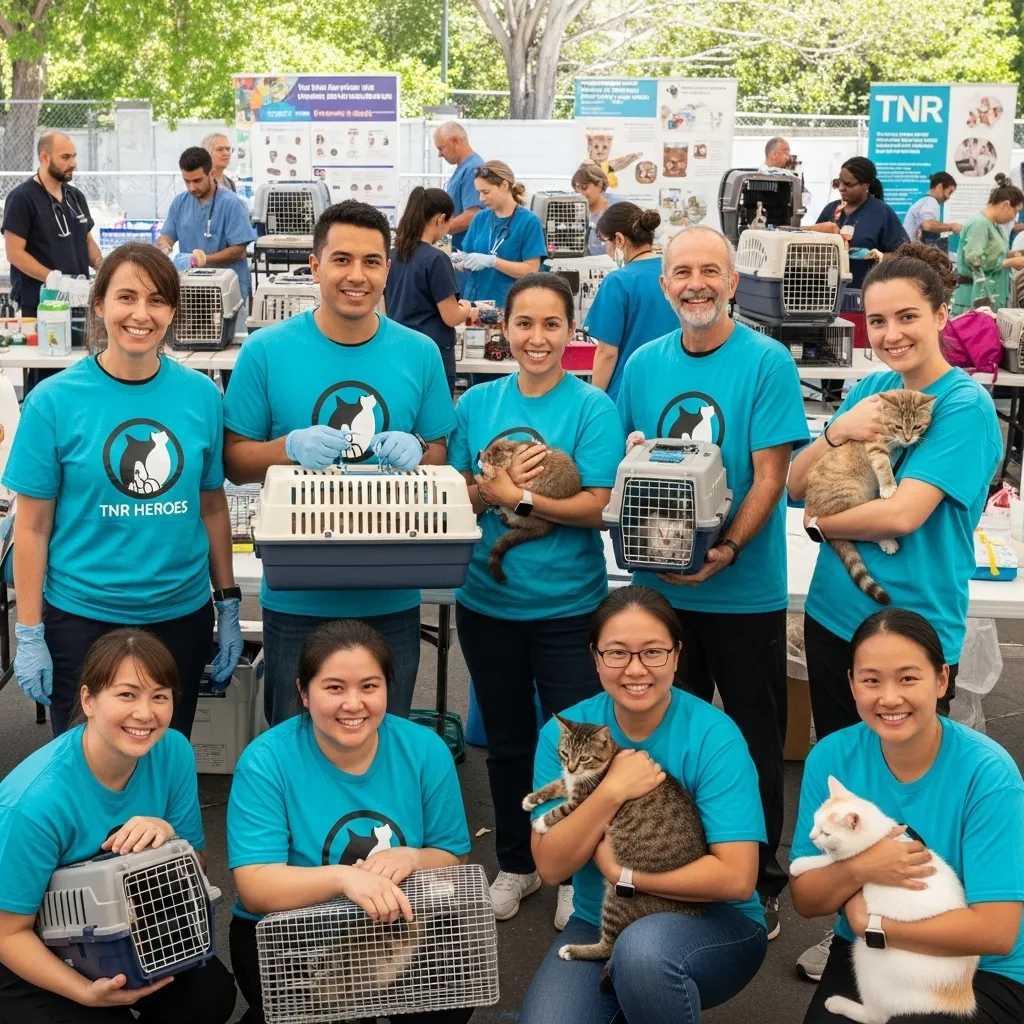
Trap-Neuter-Release Success Stories: Real Wins from the Field
Nothing inspires like proof. Take Trap-Neuter-Release success stories: In Kern County, TNR slashed complaints by 70%. Or NYC’s NYCFCI, TNR-ing thousands since 2005—colonies now self-sustain.
Personal fave: A Mesa, AZ, neighborhood’s “nuisance” colony? Post-TNR, cats became chill ambassadors, with volunteers fostering adoptable kittens.
FAQ: Your Burning Questions on Stray Cat Surrender and Care
What is Trap-Neuter-Return (TNR) and why is it important for stray cats?
TNR humanely traps outdoor cats, sterilizes/vaccinates them, and returns to habitat. It’s vital for population control, reducing litters by 66% and behaviors like fighting—endorsed by ASPCA for ethical stray cat welfare.
How can I prepare for the TNR process?
Borrow a trap, bait with tuna, feed consistently for days, then trap at dawn/dusk. Cover and transport to a clinic like SNiP Vet (Phoenix) for same-day service.
Where can I find local stray cat drop-off locations?
Use Petfinder’s shelter search or ASPCA’s tool; e.g., ACC in NYC (212-788-4000) or Stray Cat Alliance in LA. Call ahead—many require appointments.
What are the legal considerations and humane approaches to surrendering a stray cat?
Under 2025 laws, shelters must accept strays in states like CA; avoid “dumping” use TNR for ferals. Anti-cruelty protects all; document efforts.
How can I get involved with TNR programs and contribute to the welfare of stray cats?
Volunteer with groups like Alley Cat Allies—trap, transport, or donate. “Cat rescue volunteers needed” listings on Reddit or Petfinder connect you fast.
Wrapping It Up: Your Role in Responsible Cat Rescue
You’ve got the tools now from spotting the difference in cat types to mastering humane trapping and tapping into TNR programs near you. Remember, asking “where can I drop off a stray cat” is the start of compassion in action. Whether it’s a quick shelter handoff or diving into community cat care, every step counts toward fewer litters, healthier felines, and harmonious hoods.
At Cat Bloom Haven, we’re passionate about all things cats from playful personalities to health hiccups. Explore more expert cat care and behavior guides on Cat Bloom Haven, like our cat adoption guide for next steps. What’s your stray story? Share in the comments we’re here to help. Together, let’s build a world where no cat goes unwanted.