Tabby Cat Colors: A Complete Guide to Patterns, Markings, and Genetics
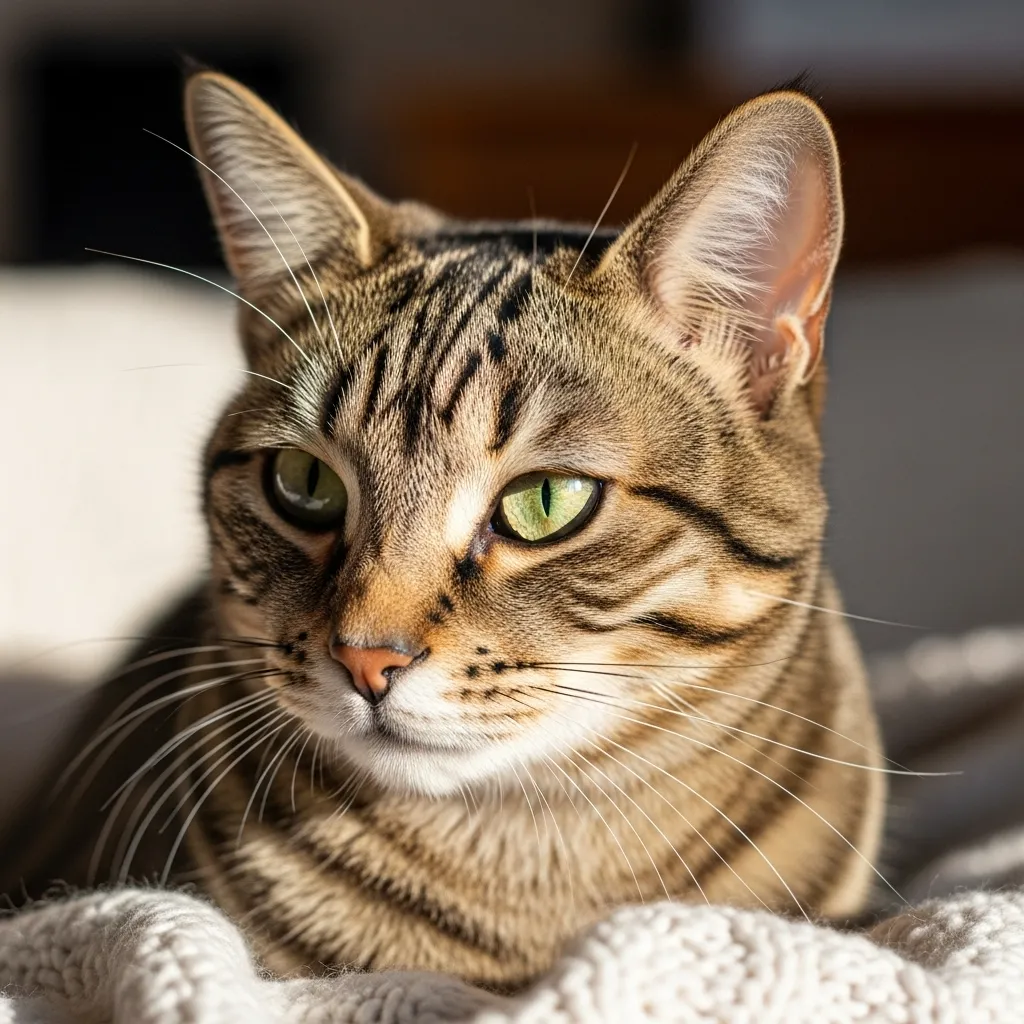
Tabby cat colors and patterns captivate cat lovers with their stunning variety, from swirling classic tabbies to sleek, striped mackerels. Whether you’re a new cat owner or a seasoned feline enthusiast, understanding tabby cat colors can deepen your appreciation for these unique felines.
This guide dives into the vibrant world of tabby cat patterns, exploring their genetics, markings, and the breeds that showcase them. You’ll learn how to identify tabby types, decode the iconic “M” marking, and uncover the science behind their mesmerizing coats. Let’s unravel the beauty of tabby cats and help you spot one in your own home!
Key Takeaways
- Tabby isn’t a breed—it’s a coat pattern found across many cat breeds.
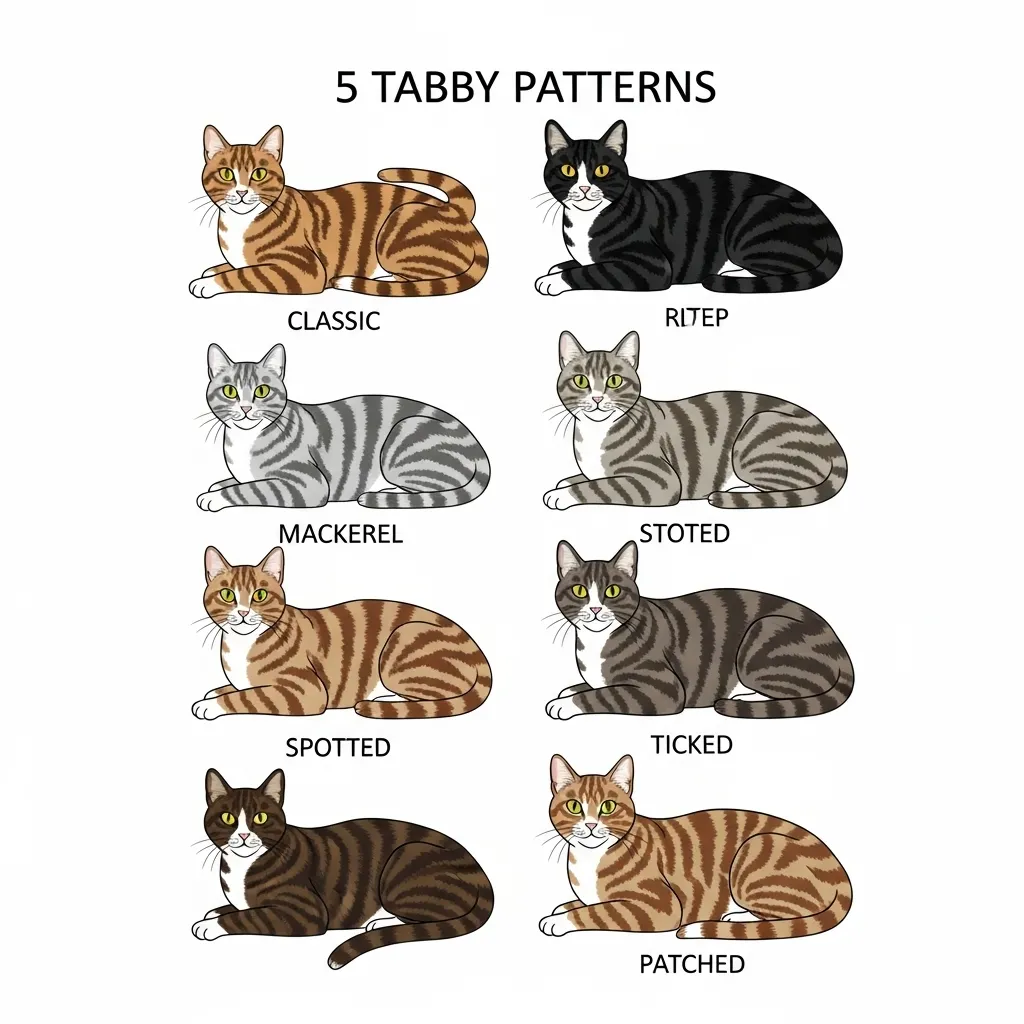
- Tabby cats come in five main patterns: classic, mackerel, spotted, ticked, and patched.
- The “M” marking on a tabby’s forehead is a signature feature with fascinating myths.
- Tabby colors range from brown and black to red, cream, and silver, influenced by genetics.
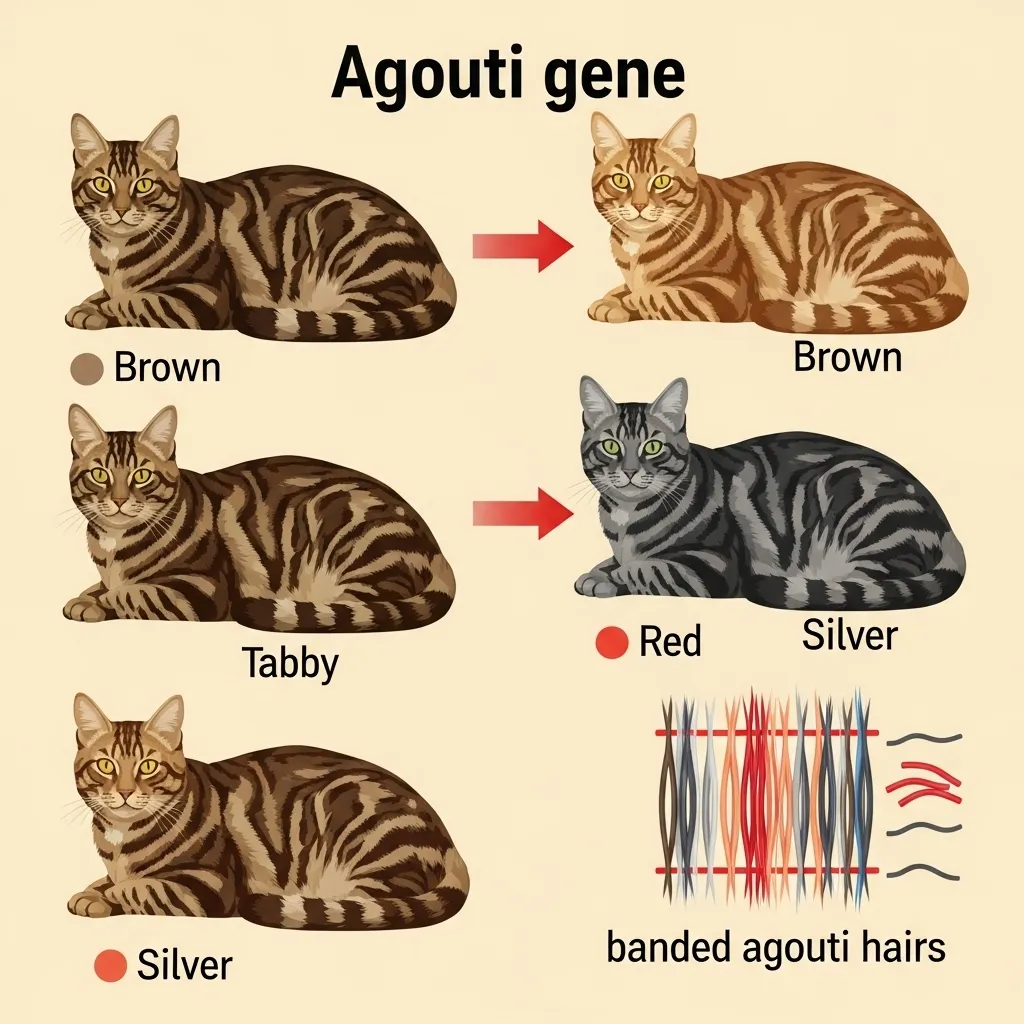
- Agouti hairs create the distinctive tabby look, blending light and dark bands.
- Common tabby breeds include American Shorthair, Maine Coon, and Bengal.
- Explore more about cat breeds in our Cat Breeds and Personalities Guide.
What Are Tabby Cat Colors and Patterns?
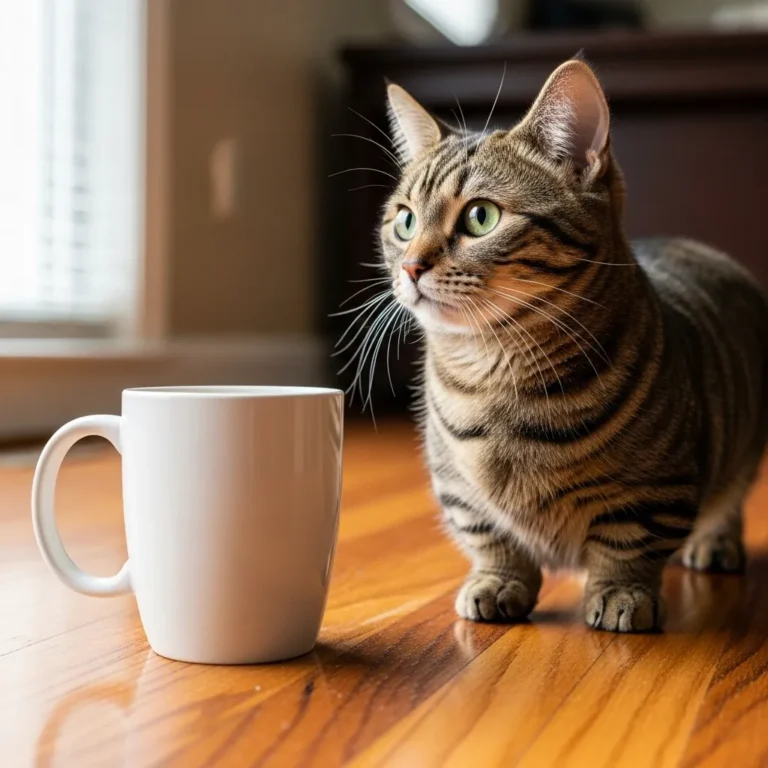
Tabby cats are known for their distinctive coat patterns, not a specific color or breed. The term “tabby” refers to a pattern of stripes, swirls, spots, or ticks that can appear in various colors like brown, black, red, cream, or silver. These patterns are caused by a genetic trait called the agouti gene, which creates banded hairs that give tabbies their unique look. Unlike solid-colored cats, tabbies always have some form of markings—stripes, spots, or swirls—along with the iconic “M” on their foreheads.
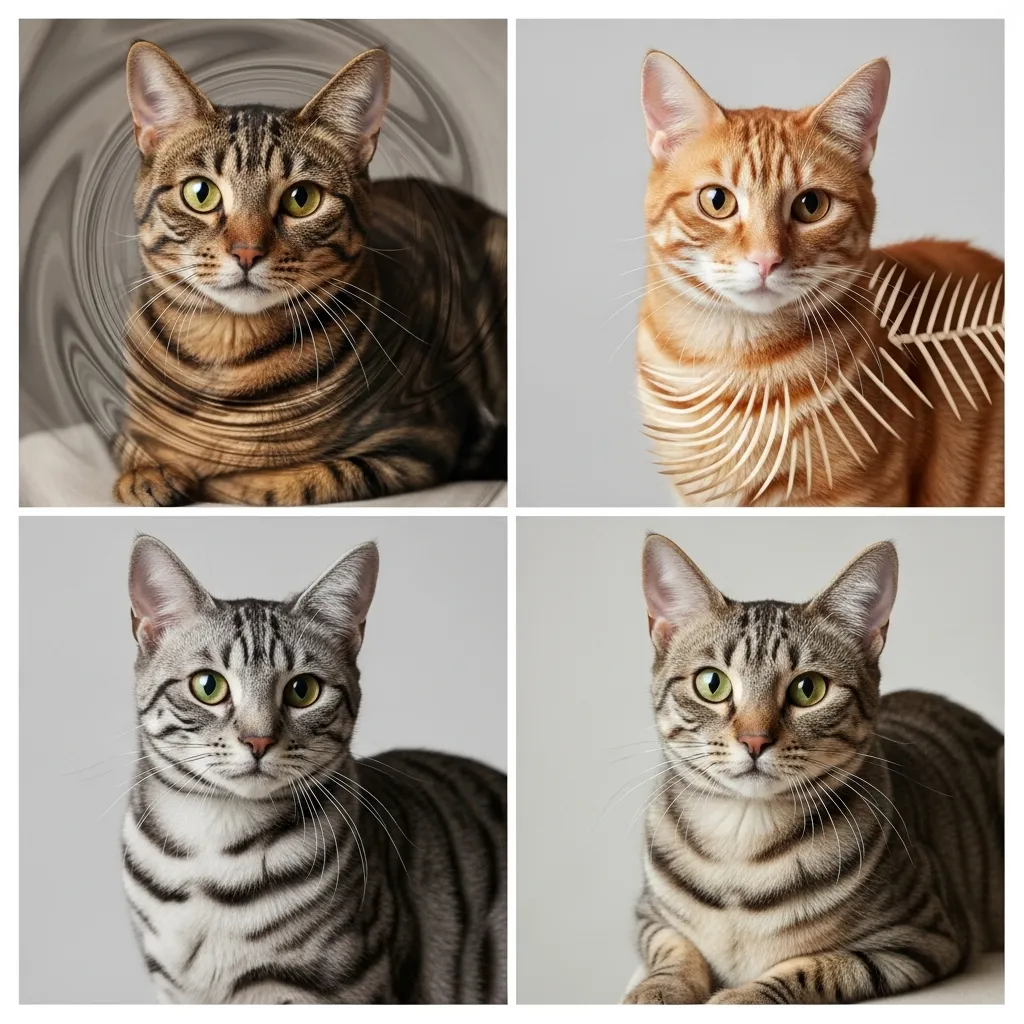
Tabby patterns are universal across many breeds, from the playful American Shorthair to the majestic Maine Coon. Understanding these patterns helps you identify your cat’s coat and appreciate its genetic roots.
Why Tabby Cats Aren’t a Breed
Many people mistake “tabby” for a breed, but it’s a coat pattern that appears in numerous breeds. For example, a Bengal cat might sport a spotted tabby coat, while a Persian could have a classic tabby pattern. The tabby pattern is one of the most common feline coat patterns, seen in both purebred and mixed-breed cats.
The Five Types of Tabby Cat Patterns
Tabby cats display five distinct patterns, each with unique markings. Here’s a breakdown of each type, including their identifying features and examples.
1. Classic Tabby Cats
Classic tabby cats, often called “blotched” tabbies, feature bold, swirling patterns resembling a marble cake. Their coats have broad stripes, whorls, and spirals, especially on the sides, with a distinctive “bullseye” or circular pattern.
- Identifying Features: Swirling patterns, thick stripes, and a butterfly-like shape on the shoulders.
- Common Colors: Brown, black, or red with contrasting markings.
- Breeds: Often seen in American Shorthairs and Norwegian Forest Cats.
- Fun Fact: The classic tabby pattern is one of the most recognizable, often associated with the “traditional” tabby look.

2. Mackerel Tabby Cats
Mackerel tabbies have narrow, parallel stripes that resemble a fishbone, earning them the nickname “tiger cats.” Their stripes run vertically along the body, with a distinct spine-like line down the back.
- Identifying Features: Thin, evenly spaced stripes and a striped tail with rings.
- Common Colors: Brown, black, or silver with darker markings.
- Breeds: Common in Siamese and Maine Coon mixes.
- Fun Fact: Mackerel tabbies are considered the “original” tabby pattern, resembling wild cat ancestors.
3. Spotted Tabby Cats
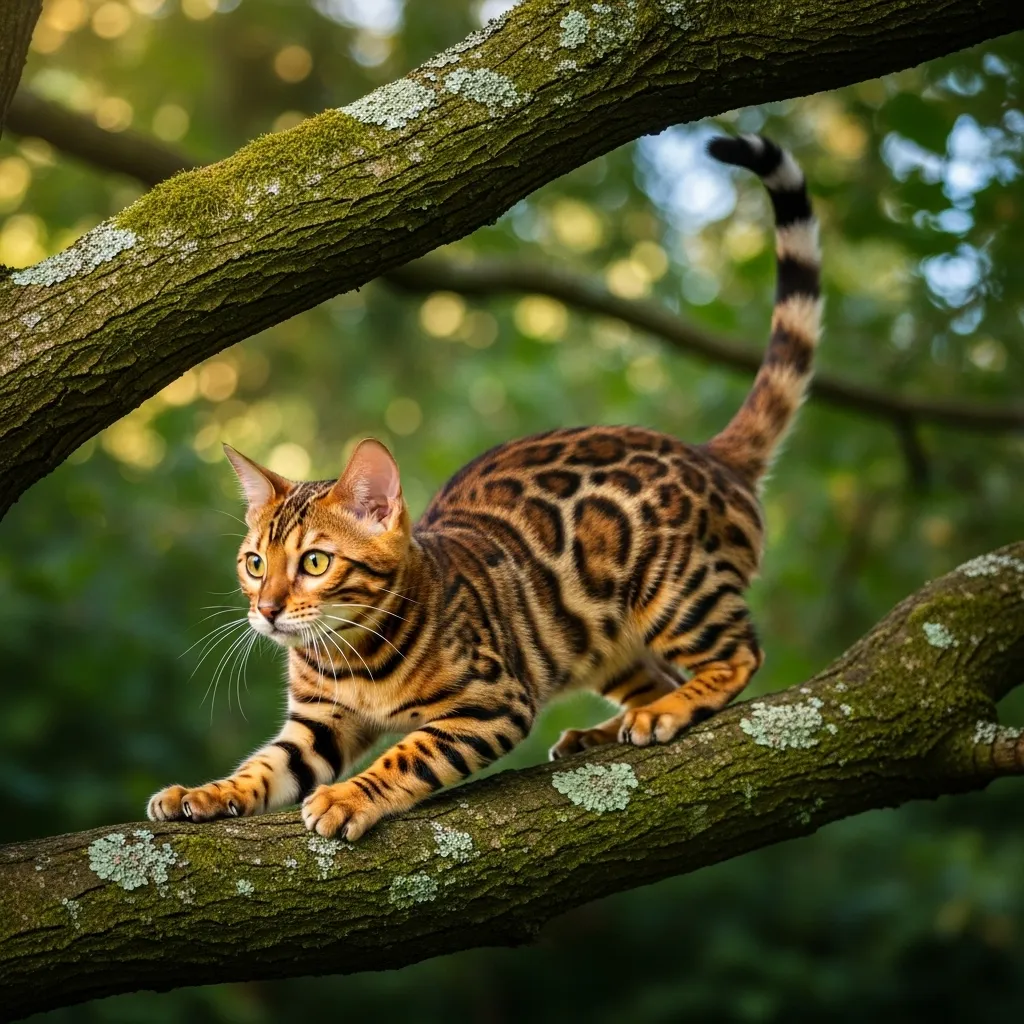
Spotted tabbies have distinct spots or rosettes instead of stripes or swirls. These spots can be large or small, scattered across the body, giving a leopard-like appearance.
- Identifying Features: Oval or round spots, sometimes resembling rosettes.
- Common Colors: Brown, silver, or red with darker spots.
- Breeds: Prominent in Bengals and Ocicats.
- Fun Fact: The spotted pattern is a favorite in breeds bred for wild aesthetics, like the Bengal.
4. Ticked Tabby Cats
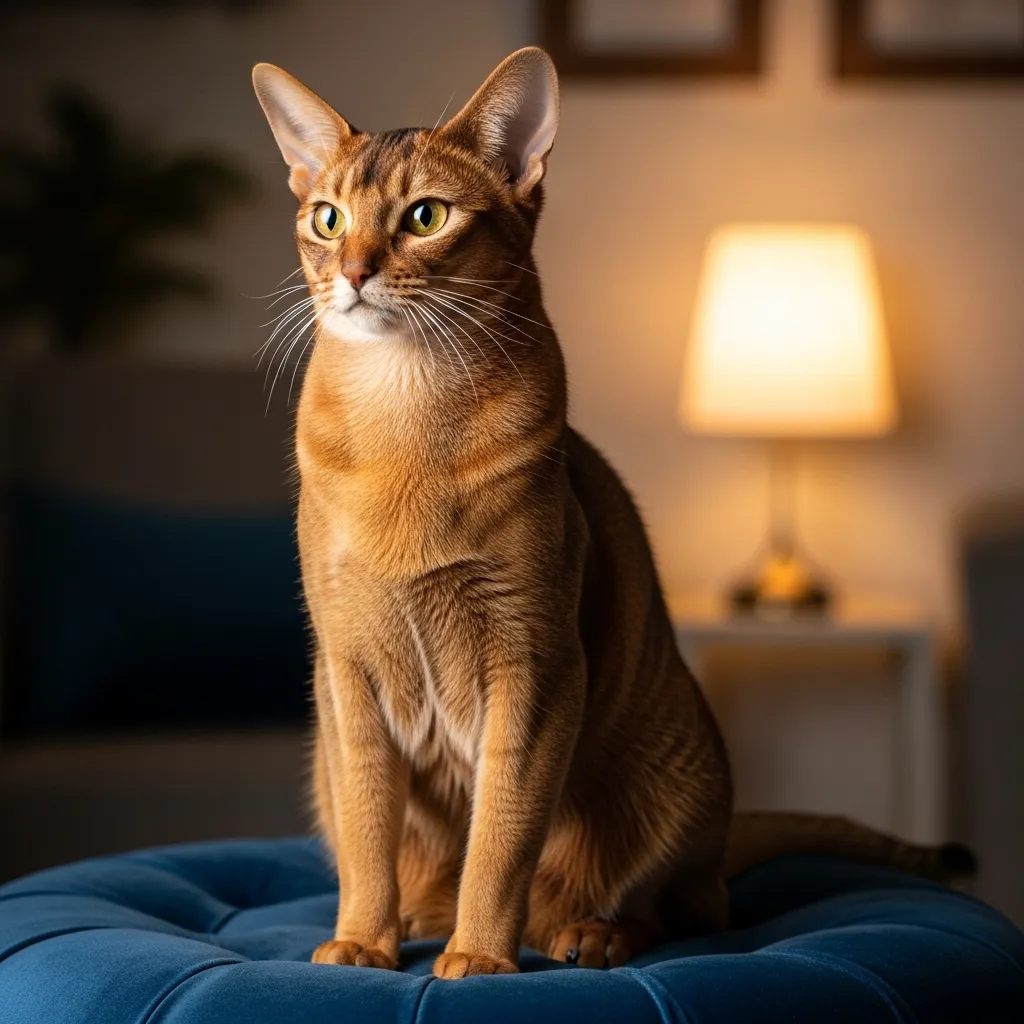
Ticked tabbies, also known as agouti tabbies, have a salt-and-pepper appearance due to individual hairs with alternating light and dark bands. This creates a shimmering effect without clear stripes or spots.
- Identifying Features: Minimal visible patterns, with a speckled or grizzled look.
- Common Colors: Red, cream, or blue with a ticked texture.
- Breeds: Seen in Abyssinians and some Ragdolls.
- Fun Fact: Ticked tabbies often look solid from a distance but reveal their pattern up close.
5. Patched Tabby Cats
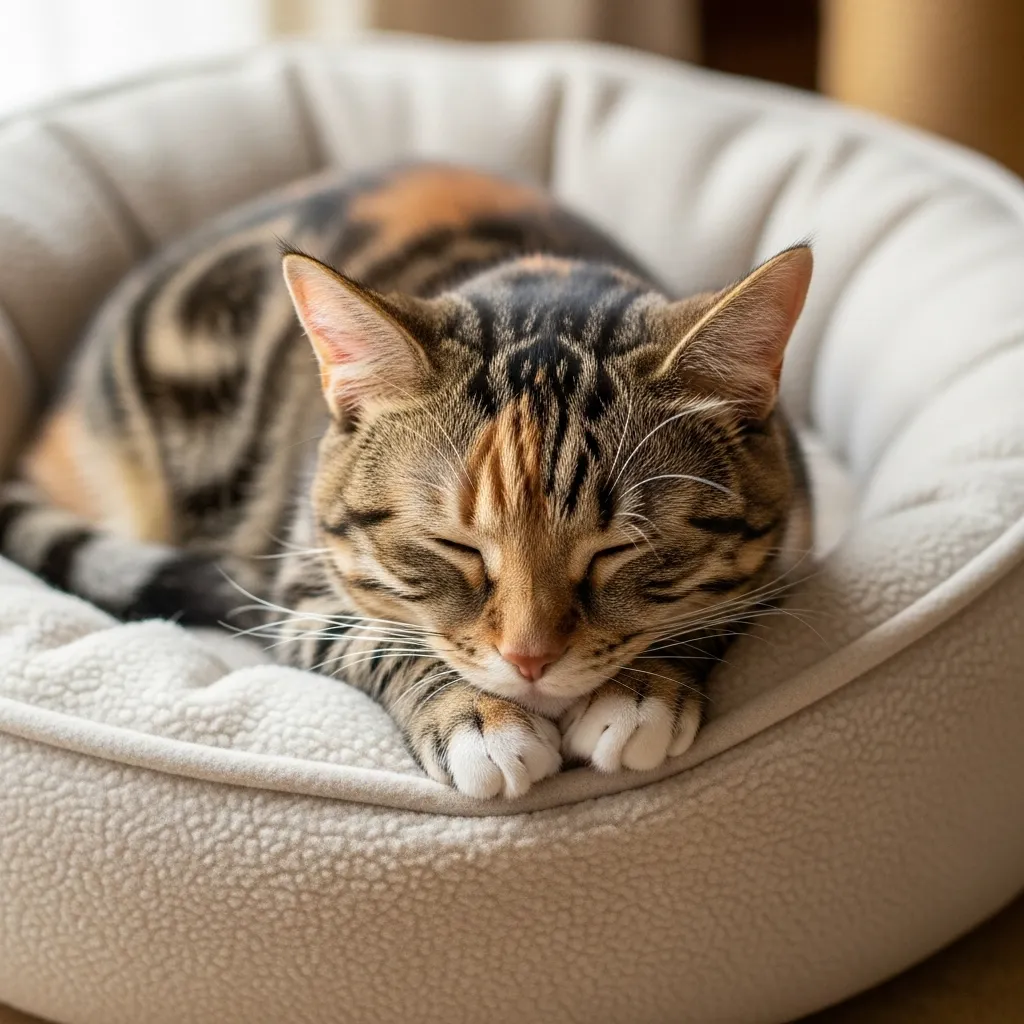
Patched tabbies, or “torbies,” combine tabby patterns with tortoiseshell coloring. They have patches of red, cream, or black mixed with tabby markings, creating a mottled effect.
- Identifying Features: Mix of tabby stripes or spots with tortoiseshell patches.
- Common Colors: Red, black, and cream combinations.
- Breeds: Found in Munchkin cats and mixed breeds.
- Fun Fact: Patched tabbies are almost always female due to the genetics of tortoiseshell coloring.
For more on how coat patterns vary across breeds, check out our Cat Breeds Guide.
The Science Behind Tabby Cat Colors: Genetics Explained
Tabby cat colors and patterns stem from complex genetics, primarily driven by the agouti gene and pigment distribution. Here’s a simplified breakdown of how it works.
The Role of Agouti Hairs
Agouti hairs are the secret behind tabby patterns. Each hair has alternating bands of light and dark pigment, creating the striped, spotted, or swirled appearance. The agouti gene (A) controls whether a cat displays a tabby pattern:
- Dominant Agouti (A/-): Produces tabby patterns with banded hairs.
- Non-Agouti (a/a): Results in solid-colored coats, suppressing tabby markings.
Even solid-colored cats carry tabby genes, which can appear in their offspring. For example, two solid-colored cats can produce tabby kittens if they carry the recessive agouti gene.
Pigment and Color Variations
Tabby colors are influenced by two main pigments:
- Eumelanin: Produces black, brown, or blue-gray shades.
- Pheomelanin: Creates red, orange, or cream tones.
These pigments combine with the agouti gene to create the spectrum of tabby colors:
- Brown/Black Tabby: Dark stripes on a lighter brown or gray background.
- Red Tabby: Orange or reddish stripes on a cream or light orange base.
- Silver Tabby: Black or gray markings on a silvery-white background.
- Cream Tabby: Pale red or cream markings on a lighter base.
The “M” Marking: A Genetic Signature
The iconic “M” on a tabby’s forehead is a hallmark of the tabby pattern. This marking appears due to the way pigment is distributed during fetal development. While its exact formation is genetic, myths abound about its meaning—some say it stands for “Mau” (Egyptian for cat) or ties to ancient legends about cats and the moon. Regardless, it’s a universal trait across all tabby patterns.
For a deeper dive into cat health and genetics, explore our Cat Health Care Guide.
Tabby Cat Breeds: Where Patterns Shine
Tabby patterns appear in many breeds, each showcasing unique variations. Here are some popular breeds known for their tabby coats:
| Breed | Common Tabby Patterns | Notable Features |
|---|---|---|
| American Shorthair | Classic, Mackerel | Playful, family-friendly, with bold patterns. |
| Maine Coon | Classic, Mackerel, Spotted | Large size, tufted ears, and bushy tails. |
| Bengal | Spotted, Marbled | Wild appearance, energetic personality. |
| Abyssinian | Ticked | Sleek, elegant, with a shimmering coat. |
| Ragdoll | Ticked, Patched | Docile, with soft, plush fur. |
Each breed brings its own flair to the tabby pattern, making them stand out in shelters or homes. To learn more about caring for these breeds, check out our Cat Adoption Guide.

The “M” Marking: Myths and Meanings
The “M” marking on a tabby’s forehead sparks curiosity and folklore. Beyond its genetic origins, here are some popular myths:
- Islamic Legend: The Prophet Muhammad loved cats, and one saved him from a snake, earning the “M” as a blessing.
- Egyptian Connection: Ancient Egyptians revered cats, and the “M” may tie to “Mau,” meaning cat.
- Christian Folklore: A tabby cat warmed baby Jesus in the manger, earning the “M” from Mary.
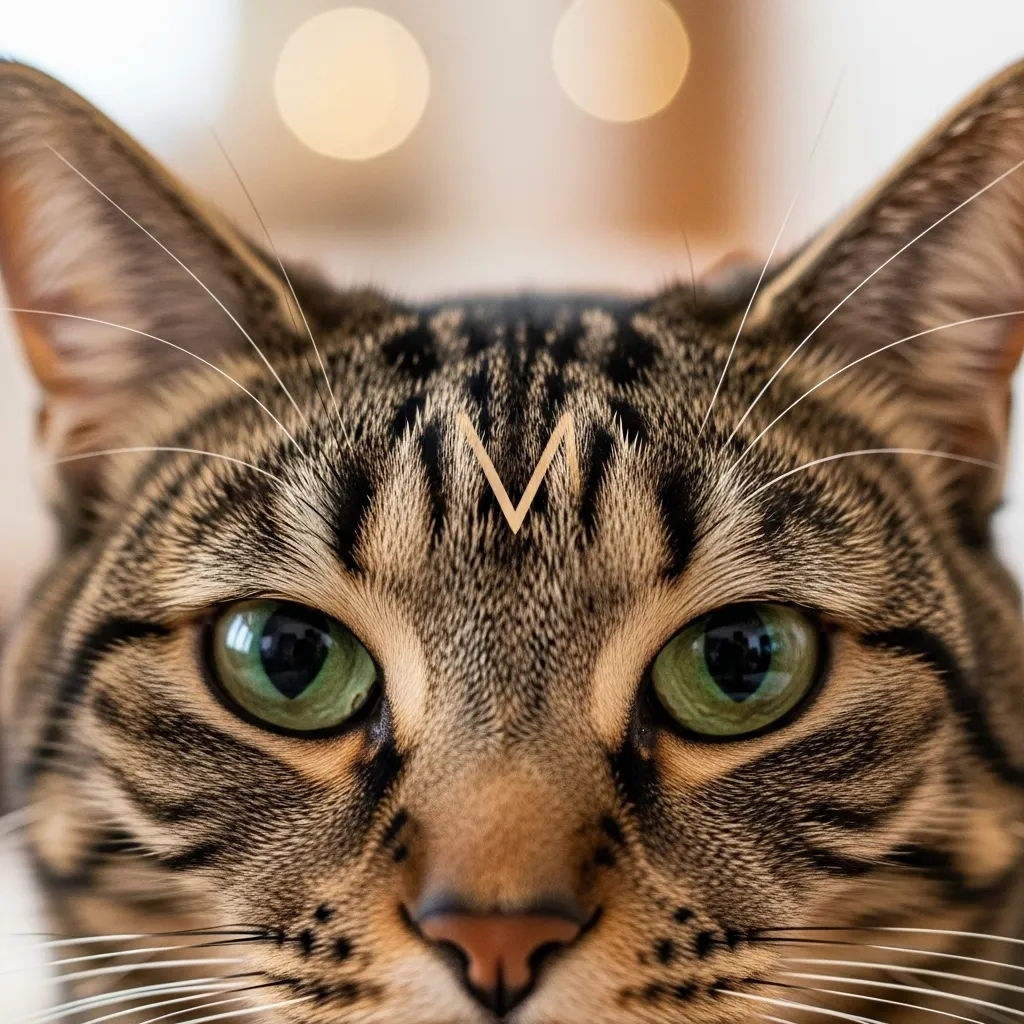
While these stories add charm, the “M” is a natural result of pigment patterns. It’s a unifying feature across all tabby types, making them instantly recognizable.
Classic vs. Mackerel Tabby: What’s the Difference?
Choosing between classic and mackerel tabbies often comes down to aesthetics, as both patterns are stunning but distinct:
- Classic Tabby: Swirling, bold patterns with a marbled look. Ideal for those who love dramatic, artistic coats.
- Mackerel Tabby: Sleek, linear stripes resembling a tiger. Perfect for fans of a wild, streamlined appearance.
Both patterns can appear in the same litter, as they’re controlled by modifier genes. For tips on identifying your cat’s pattern, see our Cat Coat Patterns Guide.
Tabby Cat Personality Myths: Are They Unique?
A common myth is that tabby cats have distinct personalities tied to their coat patterns. While personality varies by breed and individual, some generalizations persist:
- Myth: Tabbies are more aloof or independent.
- Reality: Personality depends on breed and upbringing. For example, a tabby Ragdoll is likely affectionate, while a tabby Bengal may be high-energy.
- Myth: Red tabbies are feisty.
- Reality: Red tabbies, like any cat, vary widely in temperament.
For more on cat behavior, check out our Cat Training and Behavior Guide.
Tabby Cat Variations Chart
Here’s a quick reference for tabby patterns and their characteristics:
| Pattern | Markings | Colors | Common Breeds |
|---|---|---|---|
| Classic | Swirls, bullseyes | Brown, black, red | American Shorthair, Maine Coon |
| Mackerel | Narrow stripes | Brown, silver, cream | Siamese, Maine Coon |
| Spotted | Spots, rosettes | Brown, silver, red | Bengal, Ocicat |
| Ticked | Speckled, banded hairs | Red, cream, blue | Abyssinian, Ragdoll |
| Patched | Tabby + tortoiseshell | Red, black, cream | Munchkin, mixed breeds |
Caring for Your Tabby Cat’s Coat
Tabby coats require regular grooming to maintain their vibrancy, especially in long-haired breeds like Norwegian Forest Cats. Here are vet-backed tips:
- Brush Weekly: Prevents matting and reduces shedding. Use a slicker brush for long-haired tabbies.
- Check for Fleas: Tabby patterns can hide fleas, so inspect regularly. Learn more in our Flea Bath Guide.
- Nutrition: A diet rich in omega-3s supports coat health. See our Cat Food Nutrition Guide.
- Monitor Skin Issues: Patterns can mask skin bumps or hair loss. Check out our Cat Skin Bumps Guide.
FAQ: Common Questions About Tabby Cat Colors
What Varieties of Colors Do Tabby Cats Come In?
Tabby cats come in brown, black, red, cream, silver, and blue-gray, with patterns like stripes, swirls, or spots. The base color and markings vary by genetics.
How Do Genetics Influence Tabby Cat Patterns?
The agouti gene controls tabby patterns, creating banded hairs. Modifier genes determine whether the pattern is classic, mackerel, spotted, ticked, or patched.
What Are Agouti Hairs and How Do They Affect Tabby Cat Colors?
Agouti hairs have alternating light and dark bands, giving tabbies their distinctive patterns. They’re responsible for the striped, spotted, or swirled appearance.
What Is the Significance of the “M” Marking on Tabby Cats?
The “M” marking is a genetic trait caused by pigment distribution. Myths link it to cultural or religious stories, but it’s a universal tabby feature.
How Can I Identify a Classic Tabby Cat?
Look for swirling patterns, bullseye shapes, and broad stripes on the sides, often in brown or black tones.
Which Breeds Are Known for Sporting the Classic Tabby Pattern?
American Shorthair, Maine Coon, and Norwegian Forest Cats commonly display classic tabby patterns.
How Varied Are Tabby Cat Colors?
Tabby colors span brown, black, red, cream, silver, and blue-gray, with endless combinations due to genetic variation.
What Sets Mackerel Tabby Cats Apart from Other Tabbies?
Mackerel tabbies have narrow, parallel stripes resembling a fishbone, unlike the swirls of classic tabbies or spots of spotted tabbies.
For more answers to cat care questions, visit our Cat Health Care Guide.
Conclusion: Celebrate Your Tabby’s Unique Coat
Tabby cat colors and patterns are a testament to the beauty and diversity of felines. From the swirling elegance of classic tabbies to the tiger-like stripes of mackerels, each pattern tells a story of genetics and heritage. Whether you’re identifying your cat’s coat or simply admiring their “M” marking, understanding tabby patterns deepens your bond with your furry friend. Explore more expert cat care and behavior guides on Cat Bloom Haven to keep your tabby happy and healthy!