Why Does My Cat Poop on the Lawn? Proven Solutions for a Cleaner Yard
If you’ve ever stepped onto your lawn only to discover an unwelcome surprise from your cat, you’re not alone. Why does my cat poop on the lawn instead of using the litter box? This frustrating behavior can leave pet owners puzzled, annoyed, and searching for answers.
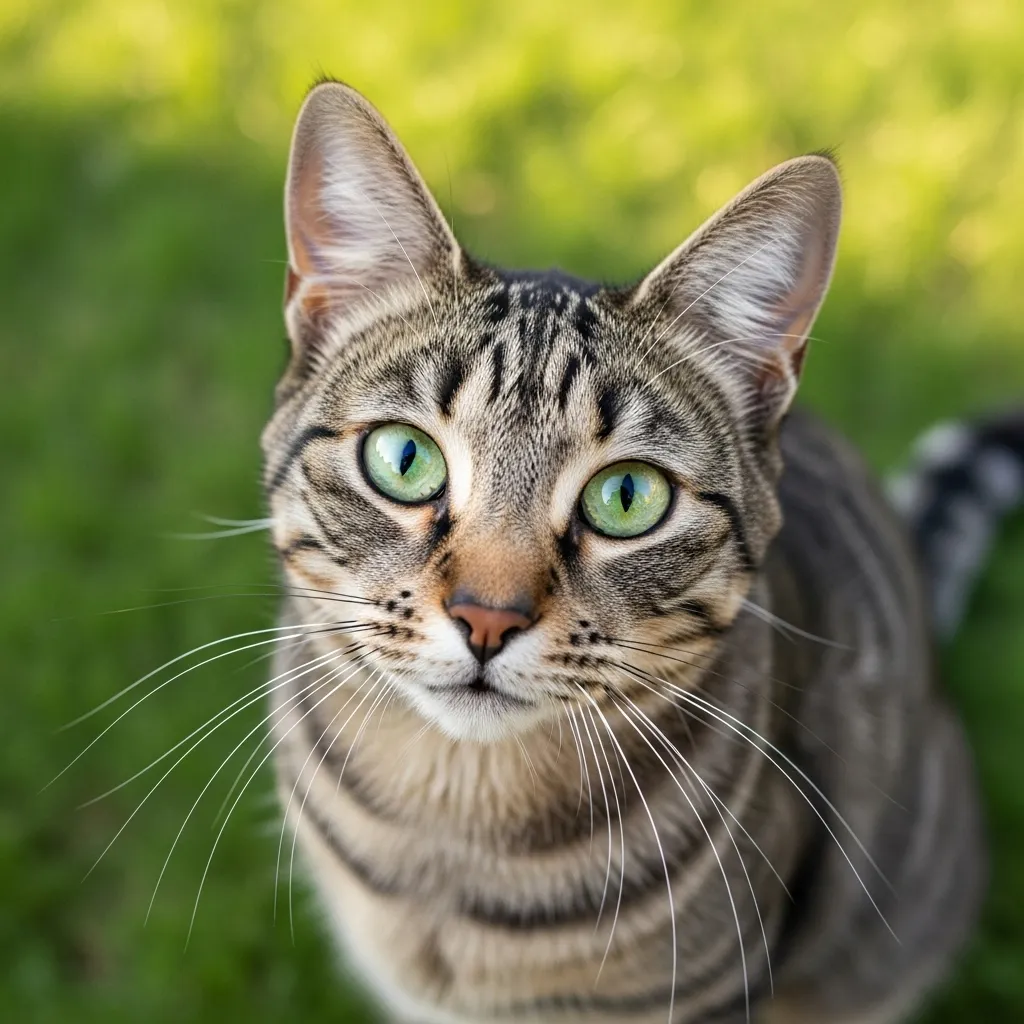
Whether it’s a one-off incident or a recurring issue, understanding your cat’s outdoor bathroom habits is the first step to solving the problem. In this comprehensive guide, we’ll uncover the reasons behind cat pooping on the lawn, explore feline behavior, and share practical, vet-backed solutions to stop it. From territorial instincts to health concerns, we’ll cover it all plus, tips to keep your yard clean and safe.
Key Takeaways
- Behavioral Roots: Cats may poop on the lawn to mark territory, seek comfort, or avoid a problematic litter box.
- Health Concerns: Outdoor cat poop can carry risks like toxoplasmosis, so proper cleanup is essential.
- Solutions: Address litter box issues, create a safe bathroom space, and use deterrents to prevent lawn pooping.
- Training Tips: Positive reinforcement and environmental adjustments can redirect your cat’s bathroom habits.
- Explore More: Learn about cat litter box problems and cat territory marking on Cat Bloom Haven.
Understanding Why Cats Poop on the Lawn
Cats are creatures of instinct, and their bathroom habits are no exception. When your cat chooses the lawn over the litter box, it’s not just being rebellious—it’s communicating something. Let’s break down the key reasons behind cat pooping on the lawn.
Instincts and Territory: Why Cats Choose the Lawn
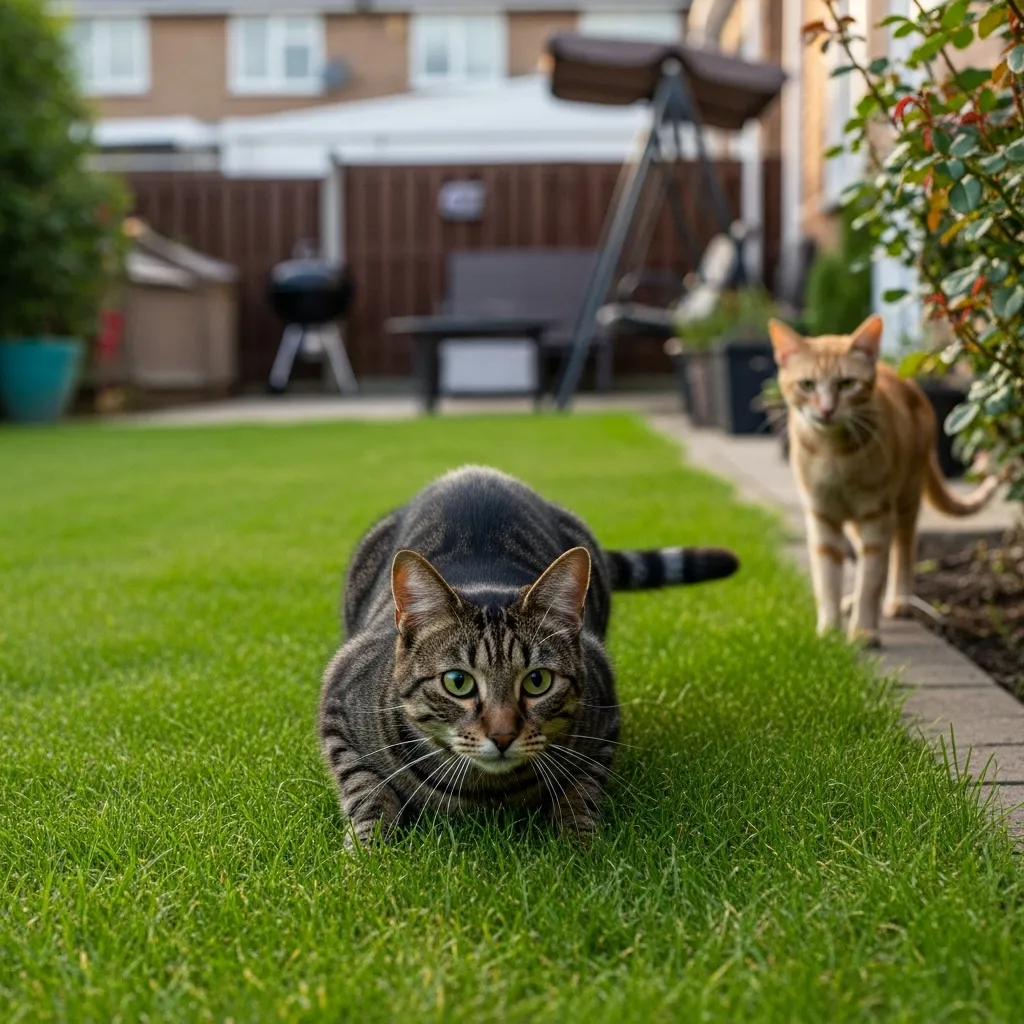
Cats are territorial animals, and cat territory marking is a natural behavior. Pooping outside the litter box, especially on a lawn, can be a way for your cat to claim their space. Unlike urine spraying, which is more common, fecal marking is less frequent but still significant. According to feline behaviorists, outdoor areas like lawns are prime spots for cats to leave their scent, signaling to other animals, “This is my turf!”
- Why the lawn? Lawns are open, visible spaces where scent markers are easily detected by other cats or animals.
- Indoor vs. outdoor cats: Outdoor cats or indoor-outdoor hybrids are more likely to use the lawn, as they encounter competing scents from stray cats or wildlife.
- Stress triggers: Changes in the household, like a new pet or neighbor’s cat, can prompt cat stress and territory marking.
Real-Life Example: Sarah, a cat owner in Seattle, noticed her Maine Coon, Luna, started pooping on the lawn after a stray cat began visiting the yard. By addressing Luna’s territorial anxiety with a vet and adding a second litter box, Sarah redirected Luna’s bathroom habits. Learn more about Maine Coon behavior for breed-specific insights.
Litter Box Avoidance: Is the Litter Box the Problem?
If your cat is avoiding the litter box, the lawn might seem like a more appealing option. Cat litter box avoidance is one of the most common reasons for cat pooping on the lawn. Here’s what could be going wrong:
| Litter Box Issue | Why It Matters | Solution |
|---|---|---|
| Dirty Litter Box | Cats are fastidious and avoid soiled boxes. | Clean daily; scoop waste and change litter weekly. |
| Wrong Litter Type | Some cats dislike certain textures or scents. | Experiment with unscented, clumping litter. |
| Box Size | Small boxes feel cramped, especially for larger breeds. | Use a box 1.5x the length of your cat. |
| Location | Noisy or high-traffic areas deter use. | Place in a quiet, private spot. |
| Multiple Cats | Competition or bullying can prevent access. | Provide one box per cat, plus one extra. |
Vet Tip: Dr. Emily Carter, a feline veterinarian, suggests checking the litter box setup first. “Cats are particular about their bathroom environment. A single issue, like a box that’s too small or in a loud area, can push them to find alternatives like the lawn.” Explore more on cat litter training.
Health Issues: Could Your Cat’s Pooping Be a Red Flag?
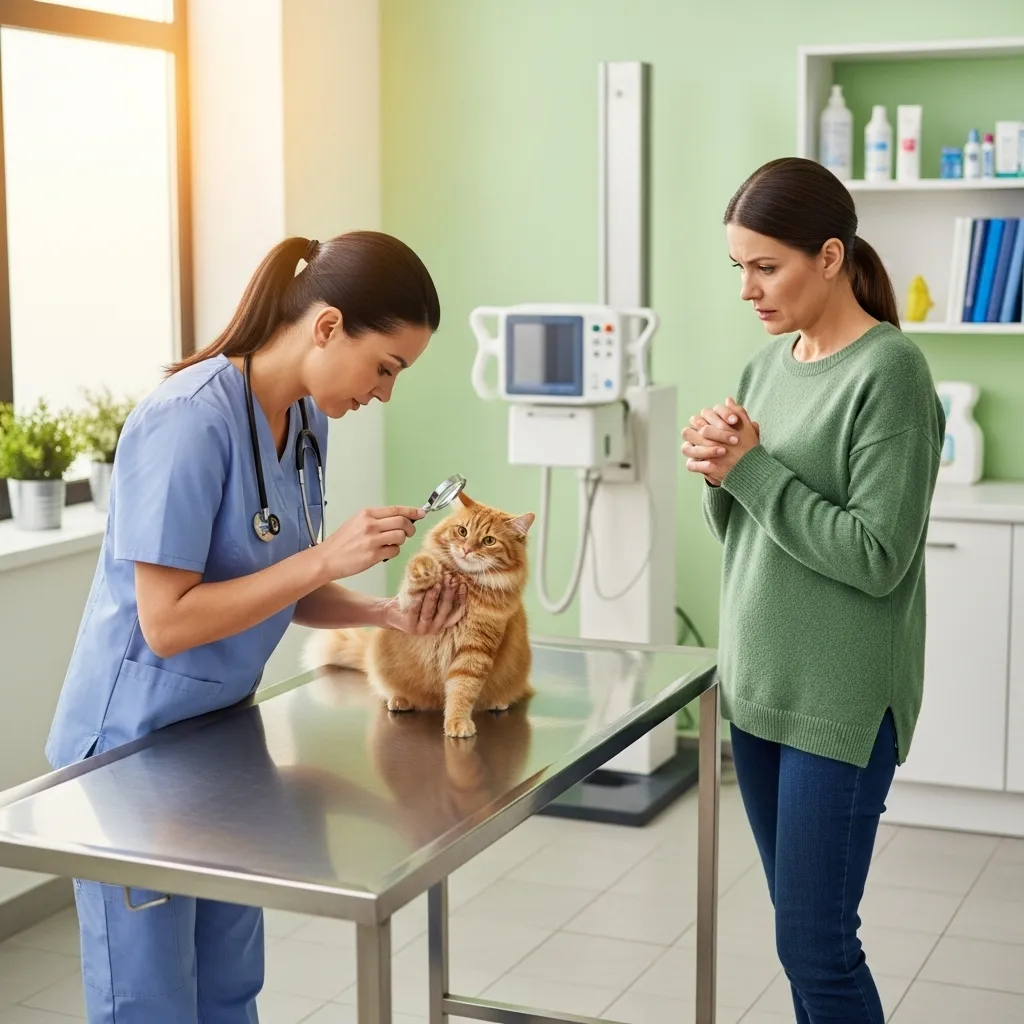
Sometimes, cat pooping on the lawn signals an underlying health issue. Cats may associate the litter box with pain or discomfort, leading them to seek other spots. Potential health concerns include:
- Constipation or Diarrhea: Painful bowel movements can cause avoidance. Check for changes in stool consistency.
- Urinary Issues: Conditions like urinary tract infections (UTIs) can mimic litter box problems. Learn more about cat urinary health.
- Arthritis: Older cats may struggle to climb into high-sided boxes.
- Toxoplasmosis or Parasites: These can alter behavior and pose health risks.
Action Step: If your cat’s lawn-pooping habit is new or accompanied by symptoms like lethargy, vomiting, or weight loss, consult a vet immediately. Read our cat health care guide for more tips.
The Risks of Cat Poop on the Lawn
Cat pooping on the lawn isn’t just a nuisance—it can pose health and environmental risks. Understanding these dangers helps you act quickly and responsibly.
Toxoplasmosis and Public Health
Toxoplasmosis in cat feces is a major concern, especially for pregnant women, children, or immunocompromised individuals. This parasite, found in some cat feces, can cause flu-like symptoms or severe complications if untreated.
- How it spreads: Contact with infected feces (e.g., gardening without gloves) or contaminated soil.
- Risk to humans: About 30% of people exposed to toxoplasmosis develop antibodies, but severe cases are rare.
- Risk to other animals: Wildlife or neighborhood pets can contract it from your lawn.
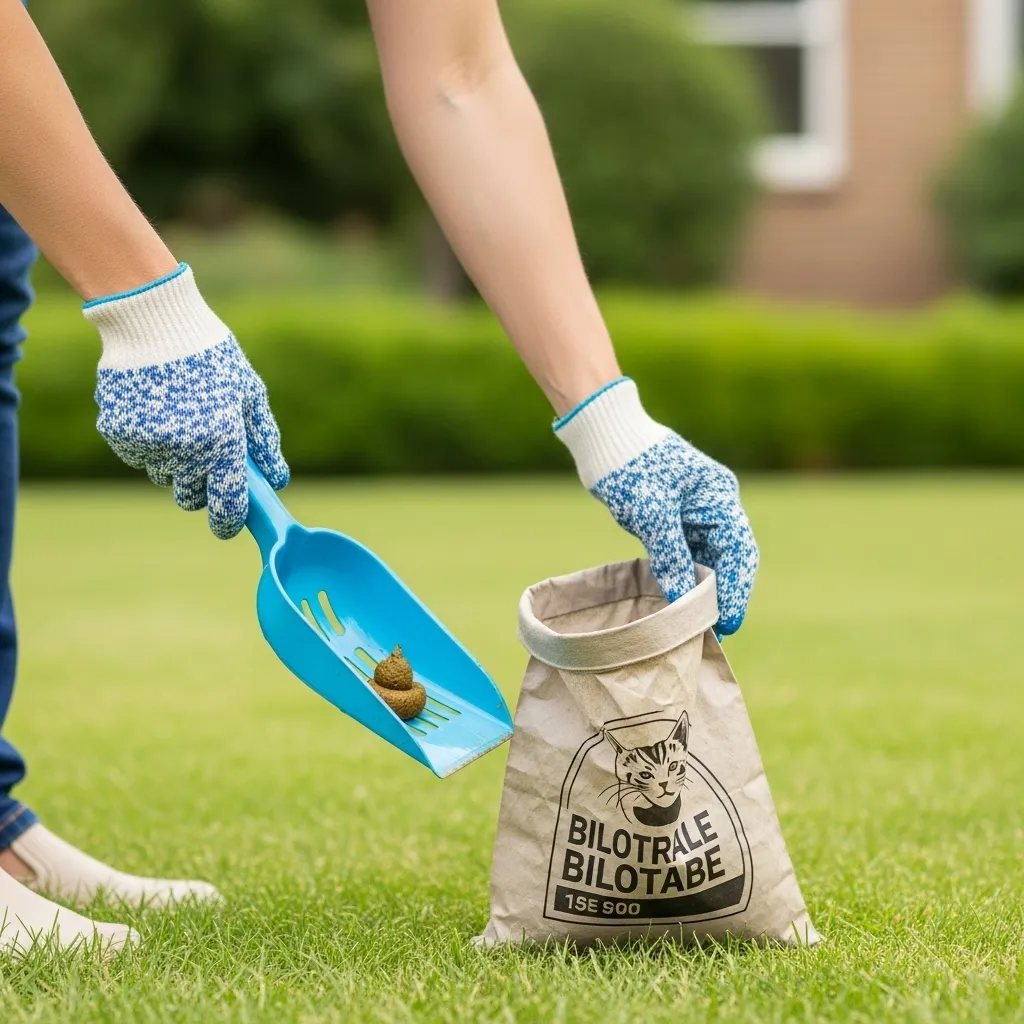
Cleaning Tip: Wear gloves, use a scoop, and dispose of feces in a sealed bag. Avoid composting cat waste, as toxoplasmosis can survive in soil. Discover safe cat poop cleanup methods.
Environmental Impact
Cat feces can harm your lawn and local ecosystem. The high nitrogen content in cat poop can burn grass, leaving unsightly patches. Additionally, runoff from rain can carry pathogens into water sources, affecting wildlife.
Eco-Friendly Solution: Use biodegradable poop bags or enzymatic cleaners to break down waste safely. Check out eco-friendly ways to clean cat poop for sustainable tips.
How to Stop Your Cat from Pooping on the Lawn
Now that you understand why your cat poops on the lawn, let’s dive into actionable solutions to redirect their behavior and keep your yard clean.
1. Optimize the Litter Box Experience
A comfortable, accessible litter box is your first line of defense. Here’s how to make it irresistible:
- Clean Regularly: Scoop daily and deep-clean weekly to prevent odors.
- Choose the Right Litter: Unscented, clumping litter is preferred by most cats. Avoid scented options, which can deter sensitive felines.
- Multiple Boxes: For multi-cat homes, follow the “n+1” rule (one box per cat, plus one extra).
- Accessible Location: Place boxes in quiet, low-traffic areas away from food and water.
- Size Matters: Larger breeds like Maine Coons or Norwegian Forest Cats need oversized boxes. See our Norwegian Forest Cat care guide for breed-specific advice.
Success Story: Mark from Texas stopped his Siamese cat, Milo, from lawn pooping by switching to a larger, uncovered litter box with unscented litter. “Milo hated the covered box—it felt like a trap!” Mark shared. Learn more about Siamese cat behavior.
2. Create a Safe Outdoor Bathroom Space
If your cat prefers the outdoors, consider a controlled alternative to the lawn:
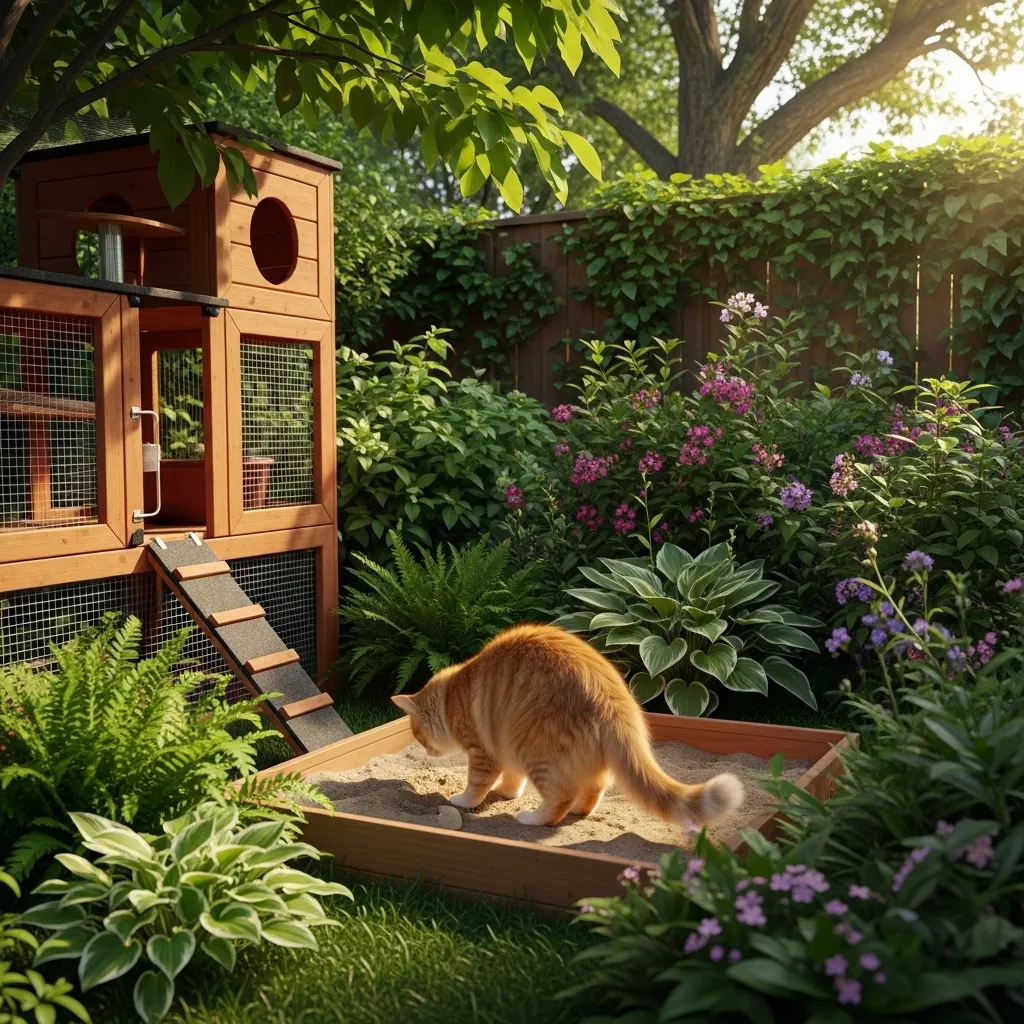
- Designated Outdoor Litter Area: Set up a sandbox or mulch patch with cat-friendly substrate. Train your cat to use it with treats.
- Cat Enclosures: A catio or enclosed outdoor space lets your cat enjoy the outdoors safely. Explore ragdoll cat outdoor enclosures.
- Scent Deterrents: Sprinkle citrus peels, coffee grounds, or commercial cat repellents on the lawn to discourage pooping.
3. Address Territorial Stress
If cat territory marking is the issue, reduce stress and competition:
- Spay/Neuter: Unaltered cats are more likely to mark. Learn about male cat neutering changes.
- Block Visual Triggers: Use privacy fencing or plants to block views of stray cats or wildlife.
- Pheromone Diffusers: Products like Feliway can calm anxious cats and reduce marking.
4. Train Your Cat to Use the Litter Box Again
Positive reinforcement works wonders for how to train a cat to use the litter box again:
- Reward Good Behavior: Offer treats or praise when your cat uses the litter box.
- Gradual Reintroduction: If your cat avoids the box, place it near their preferred lawn spot and slowly move it indoors.
- Monitor Progress: Track usage to identify patterns or issues.
Pro Tip: Avoid punishment—it can increase stress and worsen the behavior. Check out our cat training guide for more strategies.
5. Consult a Vet for Health Checks
Persistent lawn pooping may indicate a medical issue. Schedule a vet visit to rule out:
- Gastrointestinal problems
- Parasites like worms (see worms in cats)
- Stress-related disorders
Vet Insight: “Behavioral changes like lawn pooping often have a medical root,” says Dr. Lisa Patel. “A simple fecal test or exam can uncover issues you might miss.”
Cleaning Cat Poop from the Lawn Safely
Cleaning up cat poop on the lawn requires care to avoid health risks and lawn damage. Follow these steps:
- Wear Protective Gear: Use gloves and a mask to avoid contact with pathogens.
- Scoop Promptly: Remove feces as soon as possible to prevent grass burn or parasite spread.
- Use Eco-Friendly Cleaners: Enzymatic sprays neutralize odors and break down waste.
- Dispose Properly: Seal waste in biodegradable bags and trash it—don’t compost.
- Sanitize the Area: Rinse with water or a pet-safe disinfectant to remove residue.
For more tips, read our guide on cat health and hygiene.
FAQ: Quick Answers to Common Questions
Why does my cat poop on the lawn instead of the litter box?
Your cat may be marking territory, avoiding an unappealing litter box, or experiencing health issues like constipation. Check the litter box setup and consult a vet.
How can I stop my cat from pooping on the lawn?
Optimize the litter box, create a safe outdoor bathroom space, use deterrents, and address stress or health issues. Positive reinforcement helps retrain them.
Is cat poop on the lawn dangerous?
Yes, cat feces can carry toxoplasmosis and other parasites, posing risks to humans and animals. Clean up promptly with gloves and dispose of waste safely.
Why does my cat prefer the lawn over the litter box?
Lawns offer soft soil, open space, and a chance to mark territory. Litter box issues like size, cleanliness, or location often drive this preference.
Can stress cause my cat to poop on the lawn?
Yes, stress from new pets, strays, or household changes can trigger cat stress and territory marking. Pheromone diffusers and a calm environment can help.
Conclusion: A Cleaner Lawn and Happier Cat
Dealing with cat pooping on the lawn can feel overwhelming, but understanding the reasons—territorial instincts, litter box avoidance, or health issues—empowers you to take action. By optimizing your cat’s litter box, creating safe bathroom spaces, addressing stress, and cleaning up responsibly, you can stop this behavior and keep your yard pristine. With patience and the right strategies, you’ll have a happier cat and a cleaner lawn in no time.
Explore more expert cat care and behavior guides on Cat Bloom Haven to keep your feline friend thriving. From litter training tips to cat health insights, we’ve got you covered!