Why Does My Cat Stink? Proven Solutions to Eliminate Feline Odors
If you’ve ever wrinkled your nose and wondered, “Why does my cat stink?” you’re not alone. Cat odors can range from mildly unpleasant to downright concerning, leaving pet owners searching for answers. Whether it’s a whiff of bad breath, a fishy scent, or a lingering smell that won’t quit, these odors often signal underlying issues that need attention.
The good news? Most causes of cat smells are treatable with the right approach. In this comprehensive guide, we’ll uncover the root causes of feline odors, share vet-backed solutions, and provide practical tips to keep your cat fresh and healthy. From dental issues to grooming habits, you’ll learn how to tackle cat odor causes and ensure your furry friend smells as good as they look.
Key Takeaways
- Common Causes: Cat smells often stem from dental issues, skin infections, ear problems, or poor grooming habits.
- Health Checks: Regular vet visits can catch odor-causing issues like infections or dental disease early.
- Grooming Solutions: Routine brushing, baths, and ear cleaning can prevent and eliminate bad smells.
- Diet Matters: Poor-quality food or dietary issues can contribute to bad breath or body odor.
- Home Remedies: Safe, natural solutions like baking soda or vet-approved shampoos can help freshen your cat.
- When to Act: Persistent odors, especially fishy or foul smells, may indicate serious health concerns requiring immediate vet attention.
Explore our detailed guide on cat health and hygiene for more tips on keeping your feline friend in top shape.
Understanding Why Your Cat Smells Bad
Cats are naturally fastidious groomers, so a persistent bad smell is often a red flag. The odor could originate from their mouth, skin, ears, or even their litter box habits. Identifying the source is the first step to finding effective cat bad smell solutions. Let’s break down the most common culprits behind cat odor causes and how to address them.
Dental Problems: The Hidden Cause of Cat Bad Breath
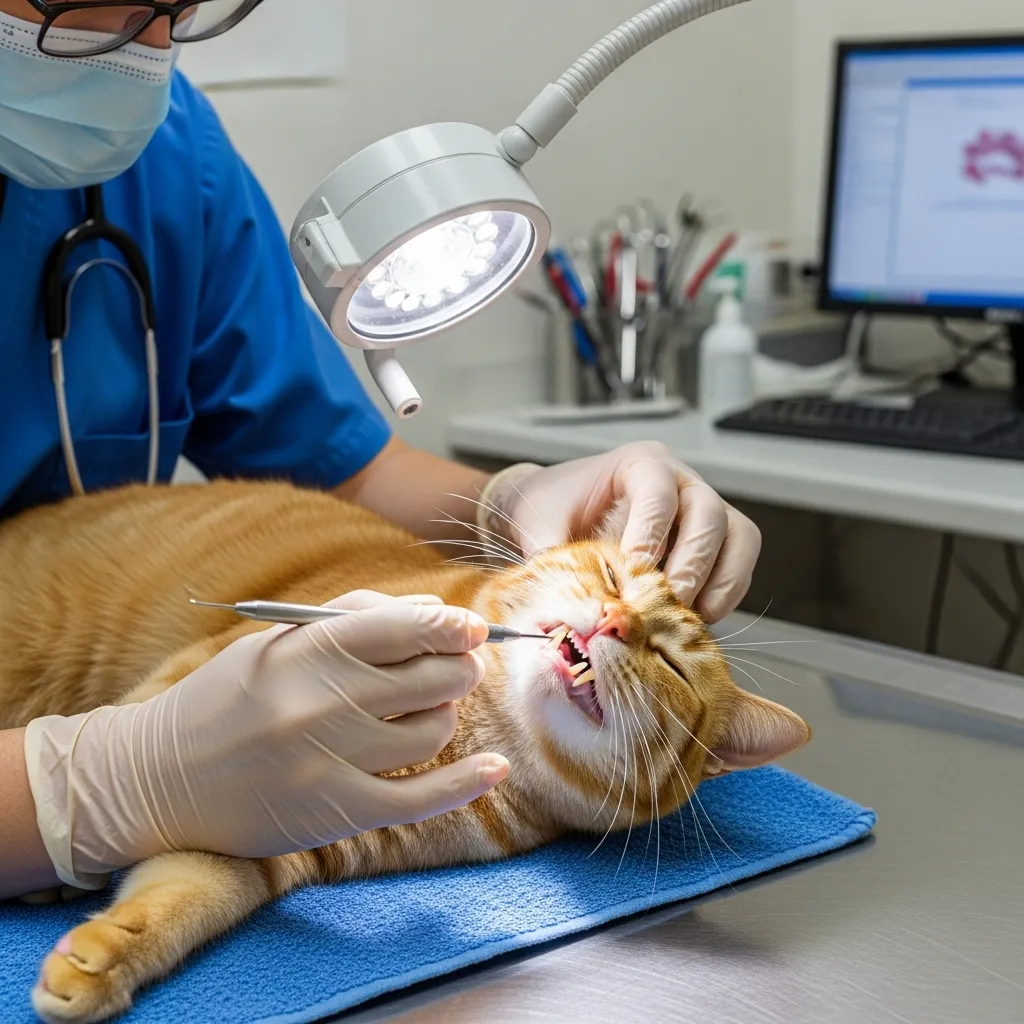
One of the most frequent reasons for a stinky cat is poor oral health. Cats can develop dental issues like plaque buildup, gingivitis, or periodontal disease, which lead to foul breath. If your cat’s breath smells like rotting fish or garbage, it’s likely more than just a tuna dinner lingering.
Why Dental Issues Cause Odor
- Plaque and Tartar: Bacteria thrive in plaque, releasing sulfur compounds that create a foul smell.
- Gingivitis: Inflamed gums can harbor bacteria, worsening breath odor.
- Tooth Decay: Advanced dental disease can cause rotting teeth, leading to persistent bad breath.
- Oral Infections: Abscesses or ulcers in the mouth can produce a strong, unpleasant odor.
Signs to Watch For
- Difficulty eating or chewing on one side.
- Drooling or pawing at the mouth.
- Red, swollen, or bleeding gums.
- Visible tartar or yellowing teeth.
Solutions for Feline Dental Hygiene
- Brush Their Teeth: Use a cat-specific toothbrush and toothpaste (never human products) 2–3 times a week. Start slowly to get your cat comfortable.
- Dental Treats: Vet-approved dental chews or treats can reduce plaque buildup.
- Professional Cleaning: Schedule annual dental checkups with your vet, who may recommend professional cleaning under anesthesia.
- Dietary Support: Feed dental-specific cat food to promote oral health.
For more on keeping your cat’s teeth sparkling, check out our cat dental care guide.
Skin and Coat Conditions: Why Your Cat’s Fur Might Stink
A cat’s coat is usually a source of pride, but skin infections, poor grooming, or parasitic infestations can turn it into an odor hotspot. If your cat smells like poop, rotten fish, or has a musty odor, their skin and coat might be the issue.
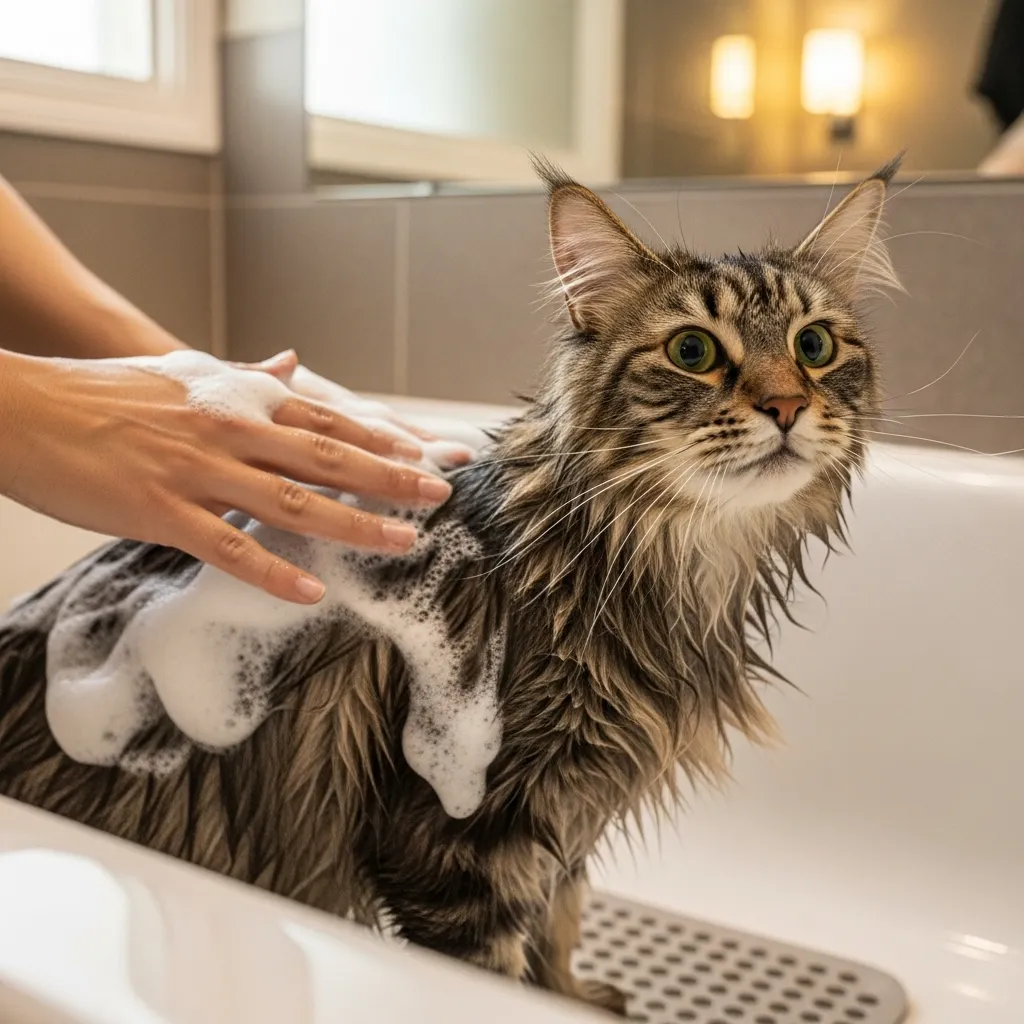
Common Skin-Related Odor Causes
- Skin Infections: Bacterial or yeast infections can cause a sour or yeasty smell, especially in folds or under the tail.
- Matted Fur: Trapped dirt, urine, or feces in matted fur can create a persistent stench.
- Sebaceous Glands: Overactive glands or seborrhea can lead to oily, smelly skin.
- Parasites: Fleas, mites, or ticks can cause itching, leading to infections and odors.
Signs of Skin and Coat Issues
- Excessive scratching or licking.
- Red, scaly, or greasy skin.
- Hair loss or bald patches.
- A fishy smell in cats, often linked to anal gland issues.
Grooming for Cats: Solutions to Try
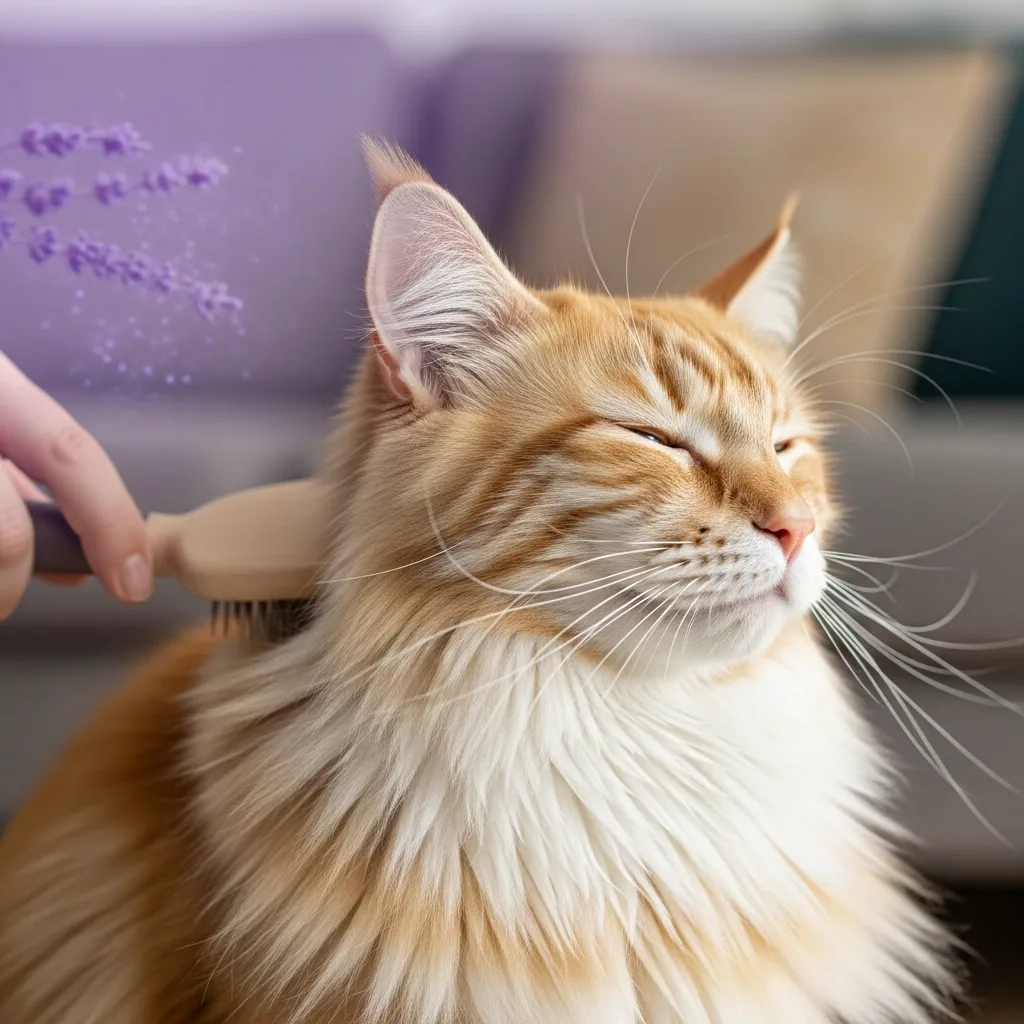
- Regular Brushing: Brush your cat 2–3 times a week to remove dirt and prevent matting. Long-haired breeds like Persians need daily brushing.
- Bathing: Use a vet-approved cat shampoo for occasional baths. Avoid over-bathing, which can strip natural oils.
- Flea Control: Use vet-recommended flea preventatives to keep parasites at bay. Learn more in our guide on flea baths for cats.
- Anal Gland Check: If a fishy smell persists, ask your vet to check your cat’s anal glands, which may need expressing.
For breed-specific grooming tips, explore our Norwegian Forest cat grooming guide.
Ear Infections: A Sneaky Source of Cat Odor
Ear infections are a common but often overlooked cause of cat smells. If your cat’s ears have a strong, yeasty, or foul odor, an infection could be to blame.
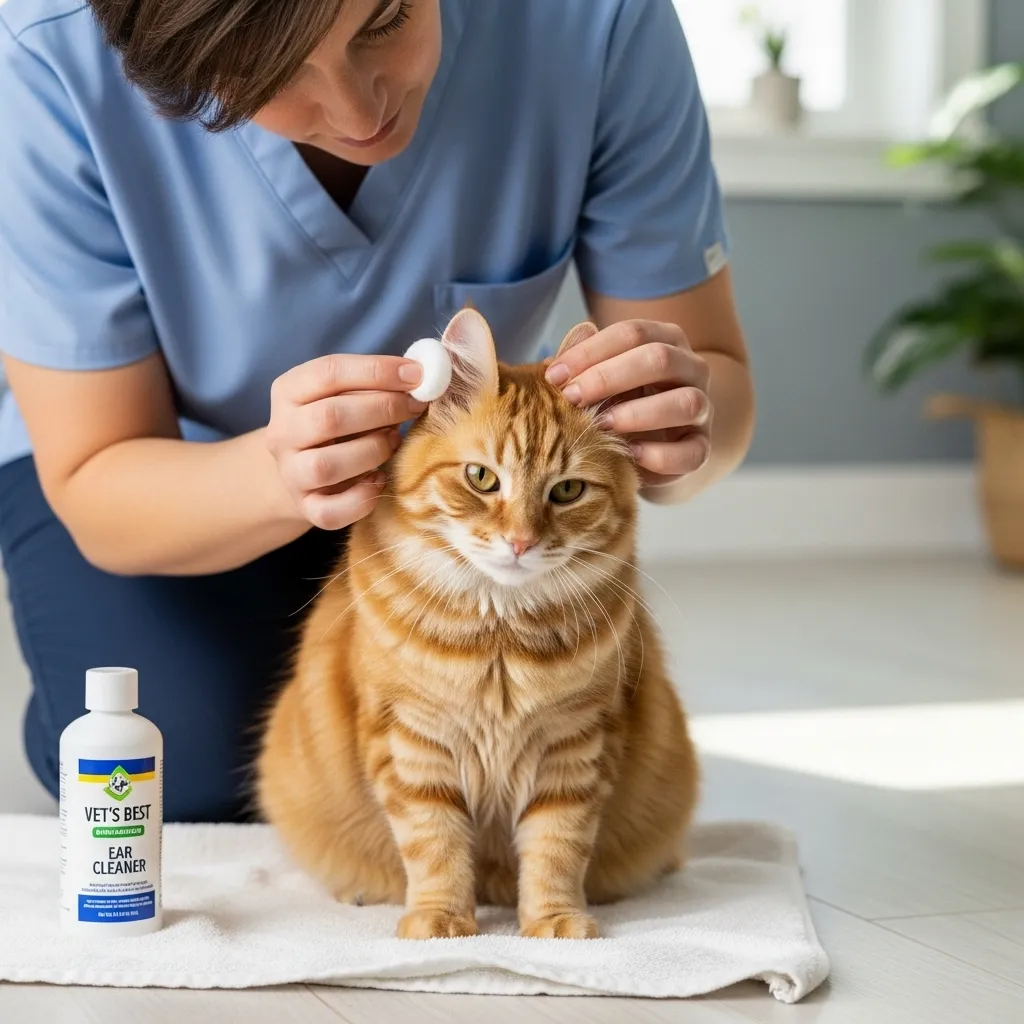
Why Ear Infections Cause Odor
- Bacterial or Yeast Growth: Warm, moist ear canals are perfect breeding grounds for bacteria or yeast, leading to a musty smell.
- Mites: Ear mites can cause irritation and secondary infections, resulting in odor.
- Wax Buildup: Excessive wax can trap debris, creating a foul scent.
Signs of Ear Infections
- Head shaking or tilting.
- Scratching at the ears.
- Dark, waxy, or crusty discharge.
- Redness or swelling in the ear canal.
Cat Odor Removal Tips for Ears
- Clean Gently: Use a vet-recommended ear cleaner and cotton balls to clean your cat’s ears weekly. Never use Q-tips, which can damage the ear canal.
- Vet Visit: Persistent ear odors require a vet’s diagnosis. They may prescribe antibiotic or antifungal drops.
- Prevent Mites: Regular flea and tick treatments can prevent mite infestations.
Learn how to safely administer ear drops in our guide on giving cat ear drops.
Litter Box Issues: When Poor Hygiene Leads to Smells
A dirty litter box or improper elimination habits can make your cat smell like poop or urine. Cats are meticulous, but issues like stress or health problems can disrupt their litter box routine.
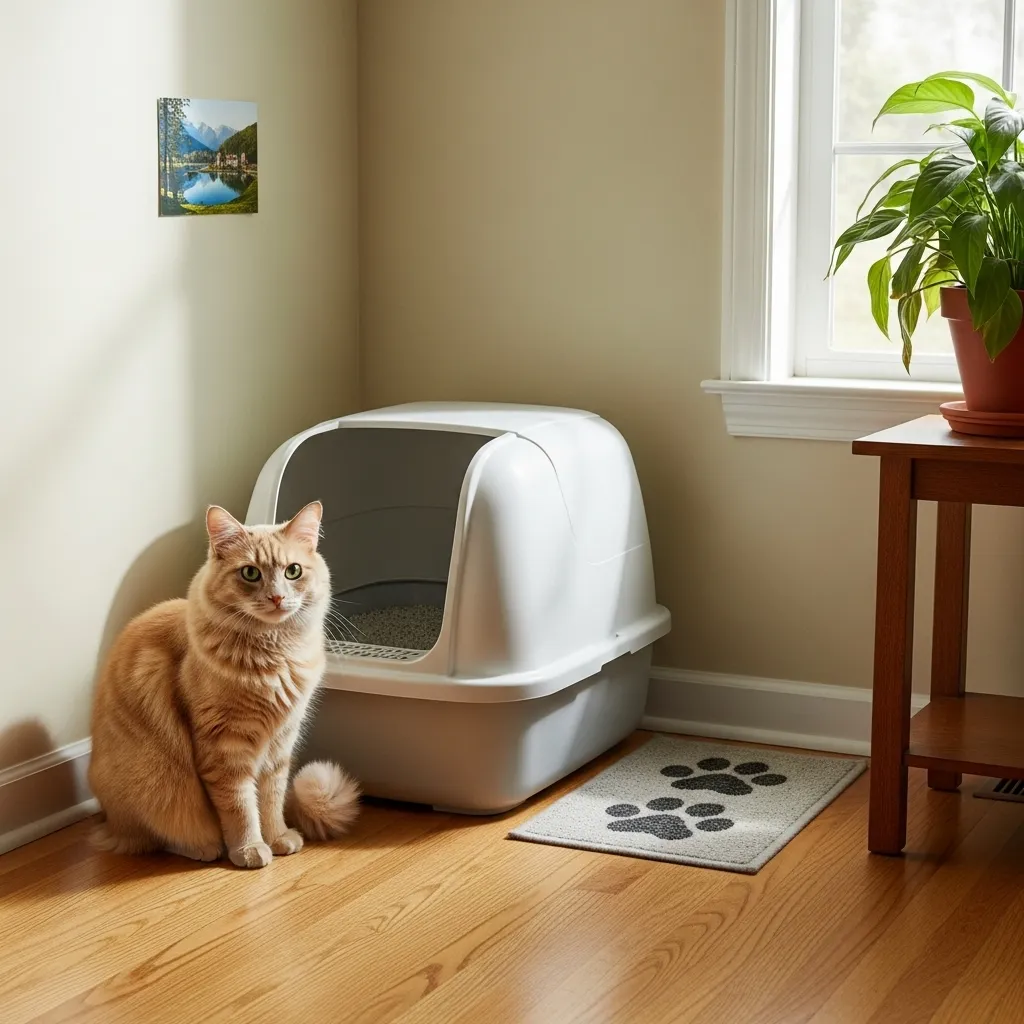
Causes of Litter Box Odors
- Dirty Litter Box: Infrequent cleaning traps odors in the litter and on your cat.
- Urinary Issues: Conditions like urinary tract infections (UTIs) can cause strong-smelling urine.
- Constipation or Diarrhea: Digestive issues can lead to smelly feces clinging to your cat’s fur.
- Stress: Anxiety or territorial issues may cause your cat to avoid the litter box.
Signs to Watch For
- Urinating or defecating outside the litter box.
- Straining or crying in the litter box.
- Wet or matted fur around the hindquarters.
- Strong ammonia-like urine smell.
Cat Hygiene Problems: Solutions
- Clean Daily: Scoop the litter box daily and change the litter weekly. Use odor-neutralizing litter for extra freshness.
- Multiple Boxes: Provide one litter box per cat, plus one extra, in quiet, accessible locations.
- Vet Check: If your cat’s litter box habits change, a vet can rule out UTIs or digestive issues. See our cat urinary health guide for more.
- Bathing: For cats with feces stuck in their fur, a gentle bath with a cat-safe shampoo can help.
For litter box training tips, check out our cat litter training guide.
Diet and Digestive Issues: A Surprising Odor Source
What your cat eats can directly affect how they smell. Poor-quality food, food intolerances, or digestive problems can lead to bad breath, flatulence, or body odor.
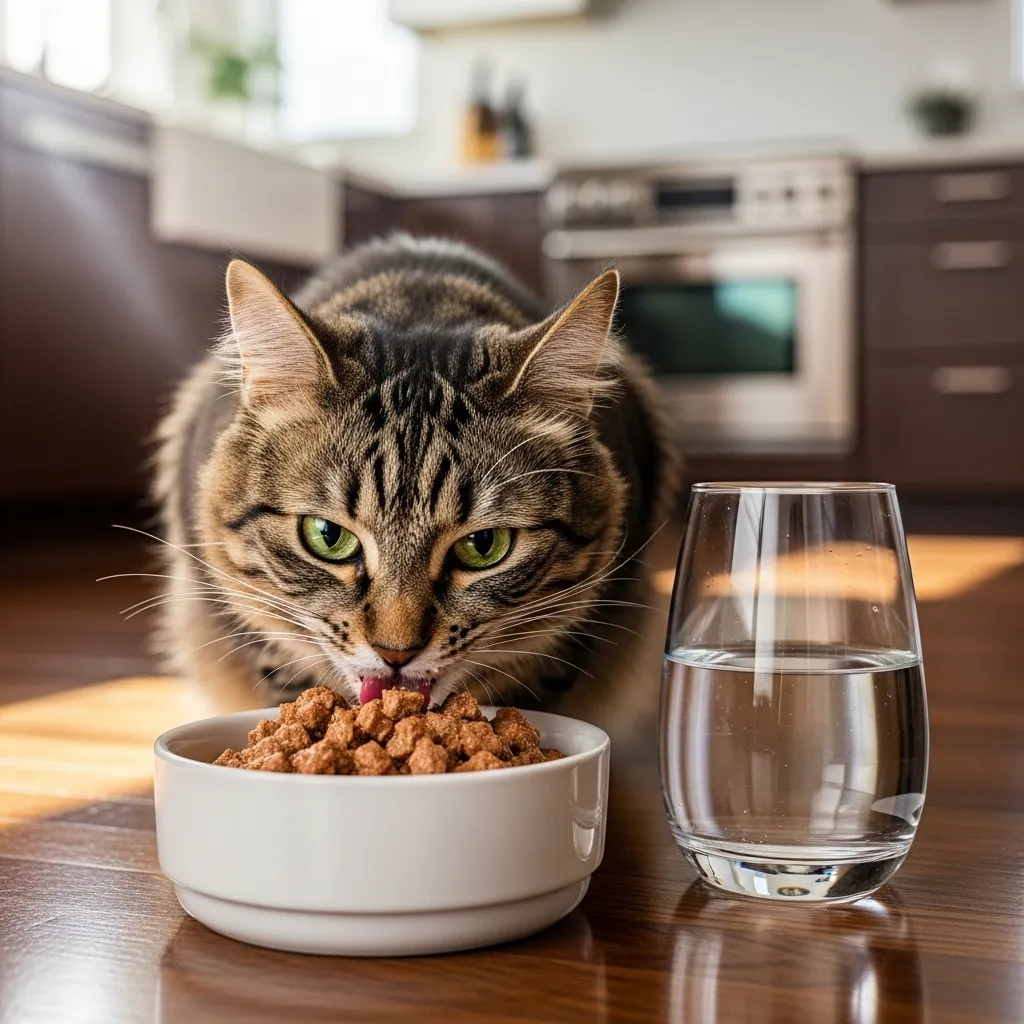
How Diet Contributes to Odor
- Low-Quality Food: Cheap foods with fillers can cause bad breath or smelly stools.
- Food Allergies: Sensitivities to ingredients like grains or proteins can lead to skin issues and odors.
- Gas or Bloating: Digestive upset can cause foul-smelling gas or stools.
- Dehydration: Lack of water can concentrate urine, making it smell stronger.
Signs of Dietary Issues
- Frequent gas or burping.
- Loose stools or diarrhea.
- Dull coat or excessive shedding.
- Persistent bad breath despite good dental care.
Cat Odor Prevention Through Diet
- High-Quality Food: Choose vet-recommended, high-protein cat food with minimal fillers. Learn more in our cat food nutrition guide.
- Hydration: Ensure fresh water is always available, and consider wet food to boost moisture intake.
- Probiotics: Vet-approved probiotics can improve gut health and reduce odors.
- Allergy Testing: If food allergies are suspected, work with your vet to identify triggers.
For senior cats, explore our best foods for senior Bengal cats for dietary tips.
Natural Cat Odor Remover: Home Remedies That Work
If you’re looking for safe, natural ways to freshen up your cat, try these vet-approved home remedies. Always consult your vet before trying new treatments, especially for persistent odors.
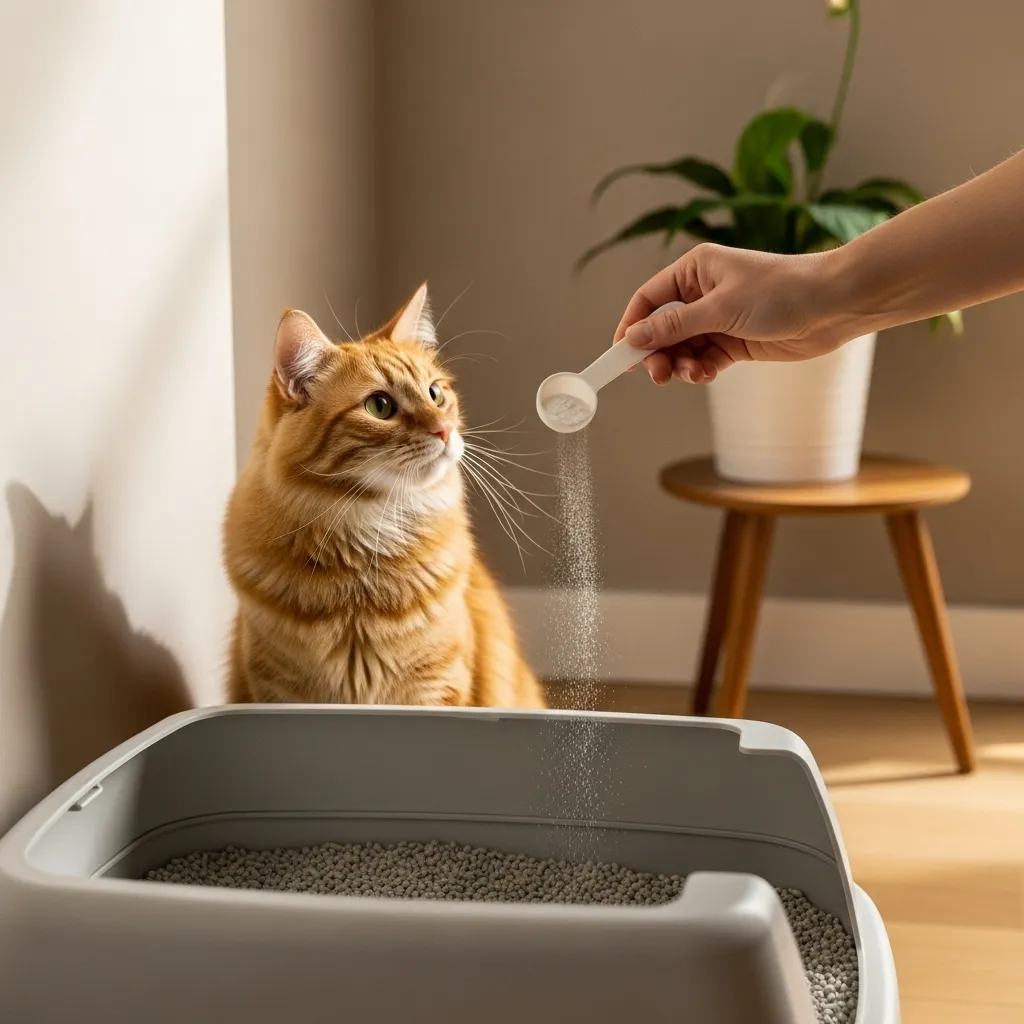
- Baking Soda: Sprinkle a small amount in the litter box to neutralize odors. Avoid direct contact with your cat’s skin.
- Apple Cider Vinegar Rinse: Dilute 1 part vinegar with 4 parts water for a gentle coat rinse to reduce mild odors. Rinse thoroughly.
- Oatmeal Baths: Use an oatmeal-based cat shampoo for soothing skin and reducing odors caused by dirt or oil.
- Coconut Oil: A tiny amount (pea-sized) applied to the coat can improve skin health and reduce odors, but use sparingly to avoid greasiness.
For more home remedies, check out our cat grooming tips.
When to See a Vet: Red Flags for Cat Odor
While many cat odors can be managed at home, some signal serious health issues that require immediate attention. Contact your vet if you notice:
- A persistent fishy smell (possible anal gland issues or infections).
- Foul breath accompanied by drooling, weight loss, or lethargy (possible dental disease or systemic illness).
- Strong, unusual odors from ears or skin with discharge or redness.
- Changes in litter box habits, like straining or blood in urine/stool.
- A sudden increase in odor despite regular grooming.
For help finding a trusted vet, see our guide on finding the best vet for your cat.
Breed-Specific Odor Considerations
Certain cat breeds may be more prone to odor-causing issues due to their physical traits or health predispositions. Here’s a quick look:
| Breed | Common Odor Issue | Solution |
|---|---|---|
| Persian | Matted fur, skin folds | Daily brushing, regular baths |
| Siamese | Dental issues | Routine dental care, vet checkups |
| Maine Coon | Ear infections, thick coat | Weekly ear cleaning, thorough grooming |
| Munchkin | Skin infections due to short legs | Regular baths, flea prevention |
| Norwegian Forest Cat | Heavy shedding, matted fur | Frequent brushing, detangling sprays |
Discover more breed-specific tips in our cat breeds and personalities guide.
Cat Odor Prevention: Long-Term Strategies
Preventing odors is easier than eliminating them. Incorporate these habits to keep your cat smelling fresh:
- Regular Grooming: Brush weekly, bathe as needed, and clean ears and teeth regularly.
- Annual Vet Visits: Catch health issues early with routine checkups.
- Clean Environment: Maintain a spotless litter box and wash bedding weekly.
- Healthy Diet: Feed high-quality food and ensure proper hydration.
- Stress Management: Reduce anxiety with toys, scratching posts, and a calm environment.
For more on keeping your cat’s environment clean, see our guide on how to keep your cat clean.
FAQ: Quick Answers to Common Cat Odor Questions
Why does my cat stink even after grooming?
Persistent odors despite grooming may indicate dental issues, skin infections, or anal gland problems. Consult your vet for a thorough exam.
What causes a fishy smell in cats?
A fishy smell often points to anal gland issues or bacterial skin infections. A vet can express glands or prescribe treatment.
How can I improve my cat’s bad breath?
Brush their teeth regularly, offer dental treats, and schedule vet checkups to rule out gingivitis or tooth decay. See our cat dental care guide.
Are ear infections common in cats?
Yes, especially in breeds with large ears like Maine Coons. Clean ears weekly and watch for discharge or odor. Learn more in our cat ear infection guide.
Can diet cause my cat to smell bad?
Yes, low-quality food or allergies can lead to bad breath, gas, or skin odors. Switch to high-quality, vet-approved food.
What are the best natural cat odor removers?
Baking soda for litter boxes, diluted apple cider vinegar rinses, and oatmeal shampoos are safe options. Always consult your vet first.
How often should I bathe my cat?
Most cats need baths every 4–6 weeks, but long-haired breeds may require more frequent bathing. Use cat-safe shampoos only.
Conclusion: Freshen Up Your Feline Friend
A stinky cat isn’t just a nuisance it’s a sign that something might be off with their health or hygiene. By addressing dental issues, grooming regularly, maintaining a clean litter box, and feeding a high-quality diet, you can keep your cat smelling fresh and feeling great. If odors persist, don’t hesitate to consult your vet to rule out serious health concerns. With the right care, your feline friend will be back to their cuddly, odor-free self in no time.
Explore more expert cat care and behavior guides on Cat Bloom Haven to ensure your pet thrives in every way.