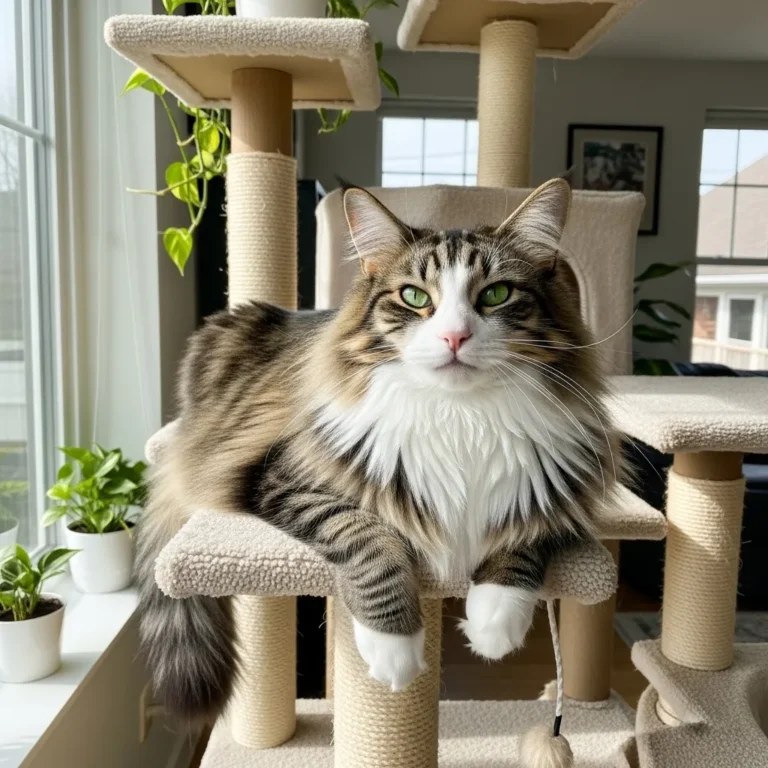
Why Is My Cat Being Distant All of a Sudden? A Comprehensive Guide to Understanding and Helping Your Feline Friend
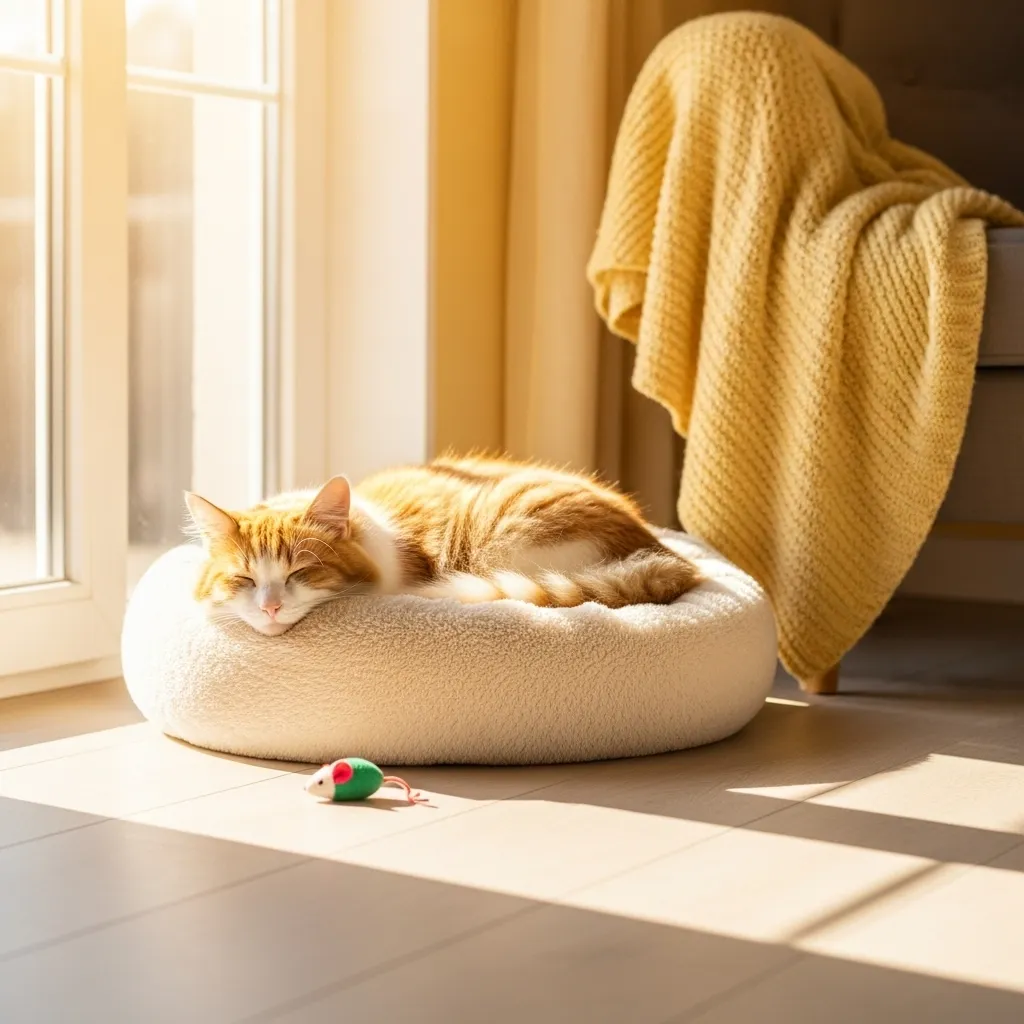
Is your cat suddenly acting aloof, avoiding you, or hiding more than usual? If you’re wondering, “Why is my cat being distant all of a sudden?” you’re not alone. Cats are known for their quirky, independent personalities, but a sudden change in behavior can be concerning. Whether your feline friend is ignoring you, retreating to quiet corners, or showing signs of stress, this behavior shift often signals something deeper be it emotional, environmental, or health-related. At Cat Bloom Haven, we’re here to help you decode your cat’s behavior and get your bond back on track.
In this guide, we’ll explore the reasons behind your cat acting distant, from stress and environmental changes to potential health issues. You’ll learn how to identify cat stress symptoms, recognize behavioral changes in cats, and take actionable steps to comfort your furry companion. With expert insights, practical tips, and vet-backed advice, this article will empower you to understand and support your cat. Let’s dive in!
Key Takeaways: Why Your Cat Might Be Acting Distant
- Sudden aloofness could stem from stress, health issues, or environmental changes.
- Common stressors include new pets, loud noises, or changes in routine.
- Health concerns like pain, dental issues, or illnesses may cause your cat to withdraw.
- Behavioral shifts require observation—look for hiding, reduced appetite, or litter box changes.
- Actionable solutions include creating a safe space, reducing stressors, and consulting a vet when needed.
- When to act: Persistent distance, aggression, or physical symptoms warrant a vet visit.
Understanding Your Cat’s Behavior: Is It Normal or a Cause for Concern?
Cats are naturally independent creatures, but a sudden shift to aloofness isn’t always just them “being a cat.” To understand why your cat is being distant suddenly, it’s important to distinguish between their natural tendencies and signs of distress.
The Independent Nature of Cats
Some cats are simply more reserved. Breeds like the Russian Blue or Siamese may display selective affection, choosing when and how to engage. Independent feline behavior includes:
- Spending time alone in favorite spots.
- Choosing specific times for cuddles or play.
- Displaying a calm, self-assured demeanor.
Explore our detailed guide on cat behavior explained to learn more about feline personalities.
However, if your usually affectionate cat is now avoiding you, it’s time to investigate.
Recognizing Sudden Aloofness vs. Normal Behavior
A cat suddenly aloof might show these signs:
- Hiding in unusual places, like under furniture or in closets.
- Avoiding physical touch or petting.
- Ignoring calls or treats they usually respond to.
- Reduced playfulness or interaction.
If these behaviors are new or intensified, they could point to stress, fear, or health issues. Let’s explore the possible reasons behind this shift.
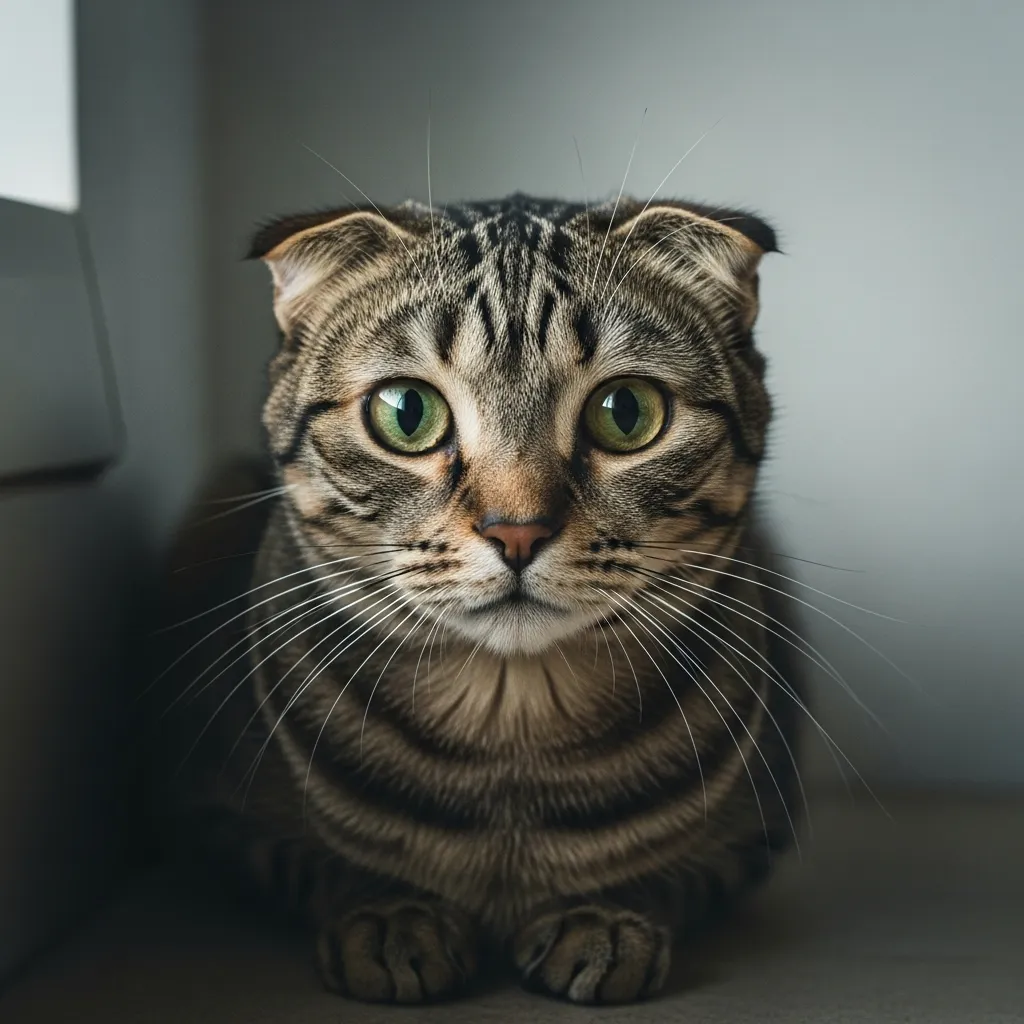
Why Is My Cat Being Distant All of a Sudden? Common Causes
When your cat starts acting distant or ignoring you all of a sudden, several factors could be at play. Below, we break down the most common causes, from environmental stressors to health concerns.
1. Environmental Stressors for Cats
Cats are sensitive to their surroundings, and changes in their environment can trigger feline stress. Common culprits include:
- New household members: A new pet, baby, or roommate can make your cat feel threatened. For tips on smooth introductions, check out introducing a new cat.
- Moving or rearranging furniture: Cats thrive on familiarity, and a new home or shifted furniture can unsettle them.
- Loud noises: Construction, fireworks, or even a new appliance can cause cat anxiety symptoms.
- Changes in routine: Altered feeding times, travel, or your absence can disrupt their sense of security.
Real-life example: When Sarah moved to a new apartment, her Maine Coon, Luna, hid under the bed for days. By creating a quiet corner with Luna’s favorite blanket and toys, Sarah helped her adjust.
2. Feline Stress and Anxiety
Stress is a major reason for sudden change in cat behavior. Cats express stress differently than humans, often through subtle cues. Look for these signs of stress in cats:
- Excessive grooming or hair loss (learn more in our cat hair loss guide).
- Hiding or avoiding social interaction.
- Changes in appetite or litter box habits.
- Aggression or irritability when approached.
Cat fear triggers might include strangers, loud sounds, or even a new scent in the home (like a guest’s perfume). Stress can also stem from boredom or lack of stimulation, especially in active breeds like the Bengal.
3. Health Issues That Cause Distant Behavior
A cat behavior change can signal underlying health problems. Cats often hide pain, so withdrawal might be their way of coping. Potential health issues that cause distant behavior in cats include:
- Dental problems: Tooth pain or gingivitis can make eating or grooming uncomfortable, leading to aloofness. See our cat dental care guide for tips.
- Infections or injuries: Ear infections, wounds, or urinary issues (common in Munchkin cats) can cause discomfort.
- Chronic conditions: Diseases like hyperthyroidism, diabetes, or lymphoma may lead to lethargy or withdrawal. Our cat diabetes guide offers more insight.
- Pain or arthritis: Especially in senior cats, joint pain can make movement or interaction unpleasant. Learn more in our senior cat care guide.
Vet-backed tip: If your cat’s aloofness is paired with symptoms like vomiting, weight loss, or lethargy, schedule a vet visit immediately. Early detection can make a big difference.
4. Emotional or Social Factors
Cats form strong bonds with their owners, and emotional changes can affect their behavior. For example:
- Grief or loss: If another pet or family member is gone, your cat may withdraw.
- Jealousy: A new pet or person stealing your attention can lead to a cat avoiding you.
- Boredom: Lack of mental stimulation can make active breeds like the Siamese seem disinterested.
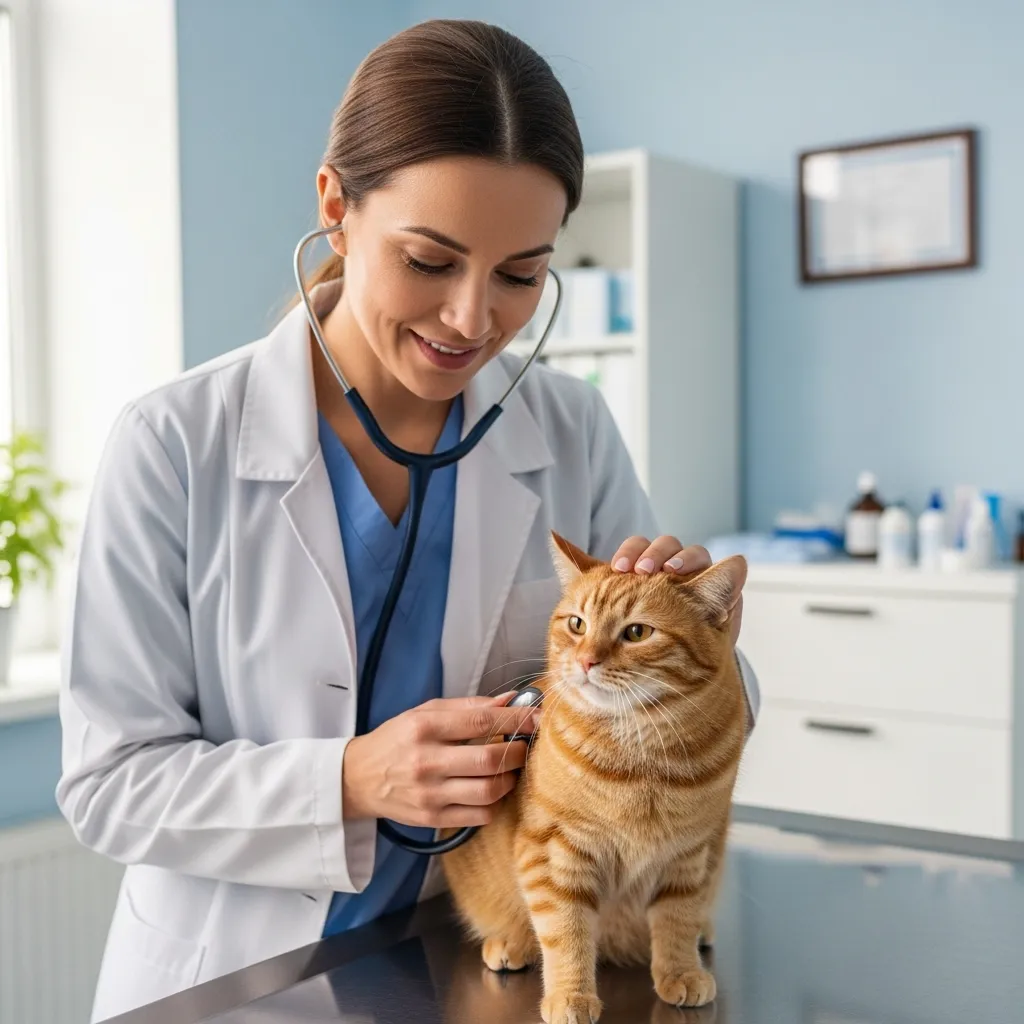
How to Assess Behavioral Changes in Your Cat
To pinpoint why your cat is acting weird lately, observe their behavior closely and consider these steps:
- Track the timeline: When did the distance start? Did it coincide with a new event, like a move or a visitor?
- Monitor physical symptoms: Check for changes in eating, drinking, or litter box habits. Our cat urinary health guide can help identify issues.
- Note their environment: Have there been loud noises, new scents, or schedule changes?
- Observe body language: A tucked tail, flattened ears, or dilated pupils can indicate stress or fear. Learn more in our cat tail language guide.
Pro tip: Keep a journal of your cat’s behavior for a week. Note their eating, sleeping, and interaction patterns to share with your vet if needed.
How to Help a Stressed or Distant Cat
If your cat is acting distant due to stress or environmental factors, you can take steps to comfort them and rebuild your bond. Here’s how to calm a stressed cat:
1. Create a Safe Space
Cats need a quiet, secure area to retreat to. Set up:
- A cozy bed or hiding spot (check out best beds for cats).
- Familiar items like blankets or toys with your scent.
- A perch or window seat for observation, especially for breeds like the Norwegian Forest Cat.
2. Reduce Environmental Stressors
- Minimize loud noises by closing windows or using white noise machines.
- Introduce changes gradually, like new furniture or pets.
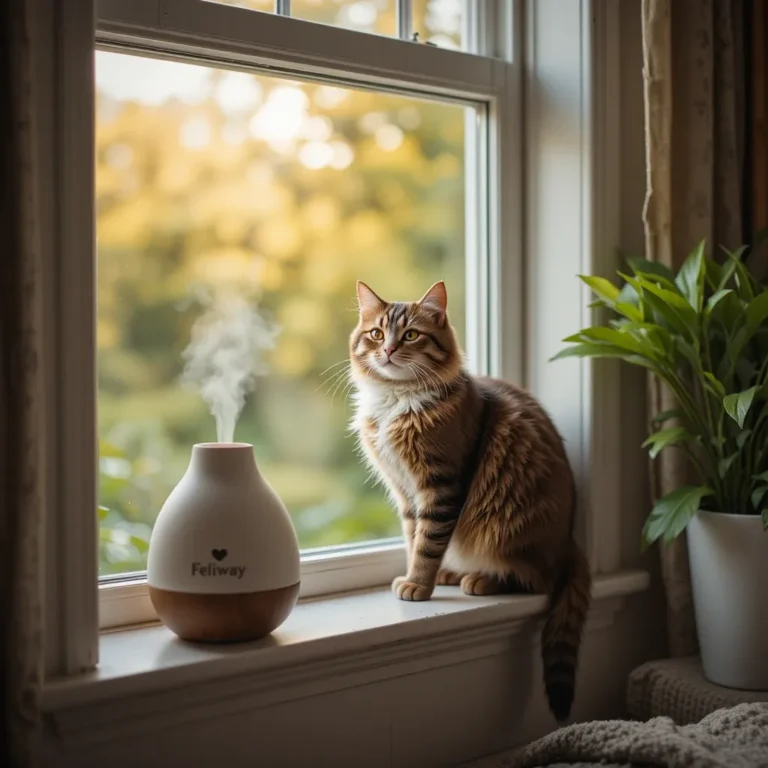
- Use pheromone diffusers like Feliway to promote calm.
Real-life example: When Mark introduced a new dog, his Ragdoll, Bella, became distant. By following our cat and dog coexistence tips, he helped Bella feel secure again.
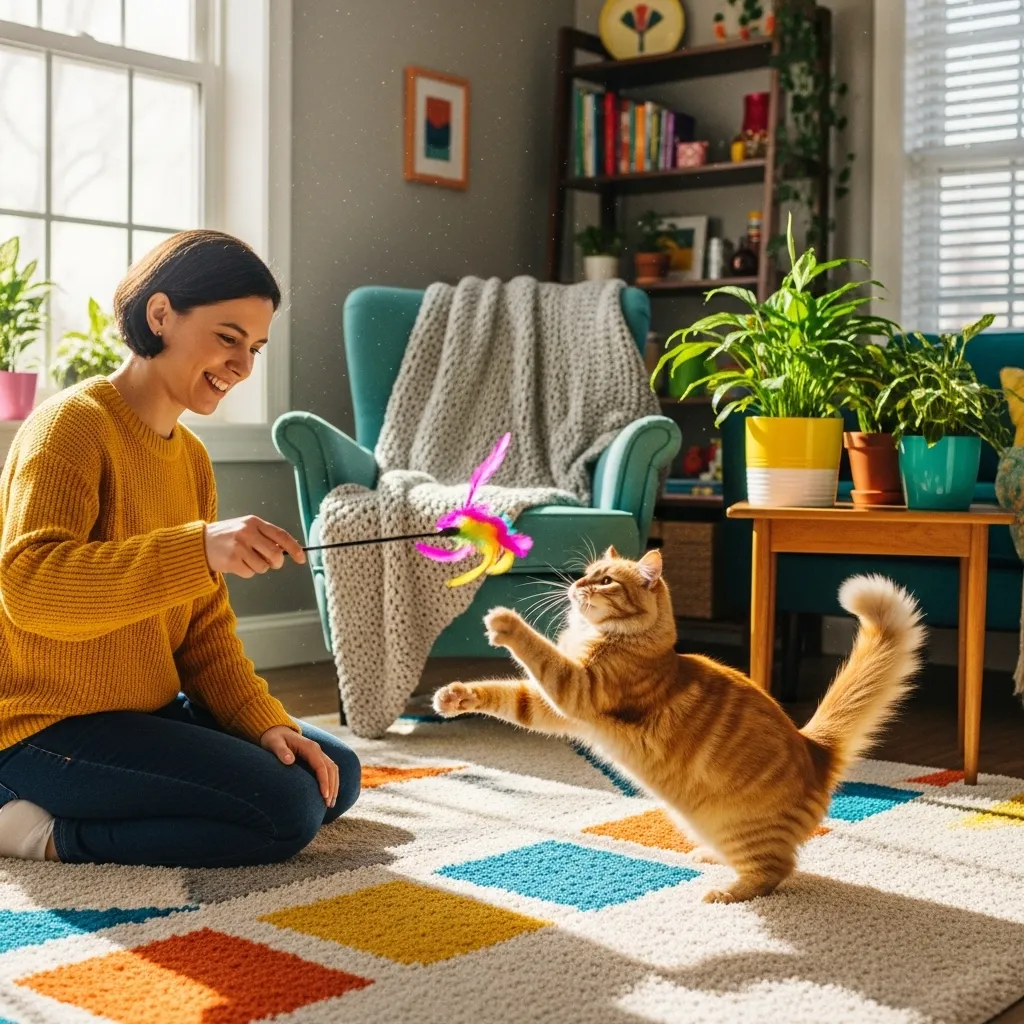
3. Engage with Play and Enrichment
Stimulate your cat’s mind with:
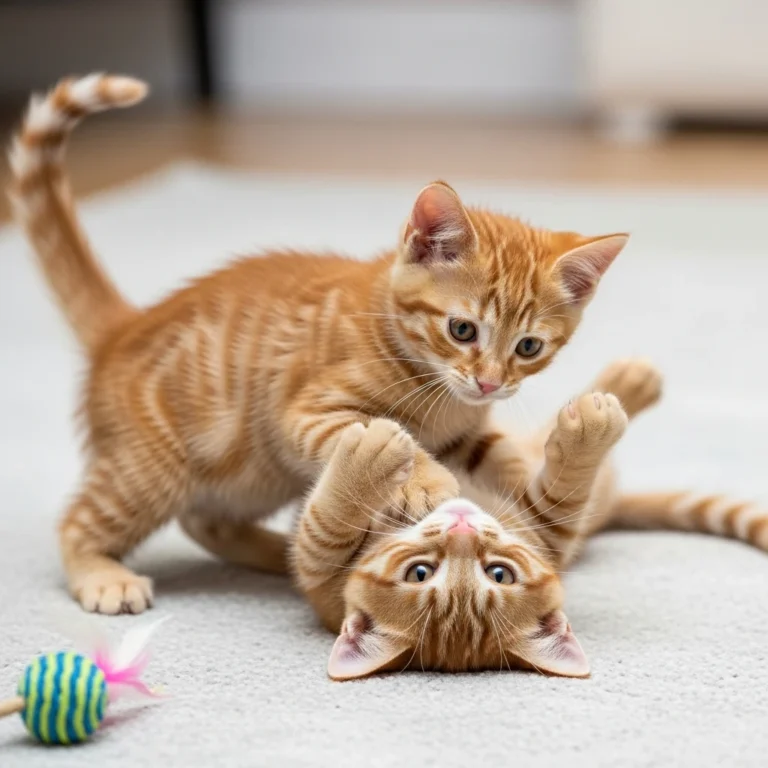
- Interactive toys like feather wands or laser pointers.
- Puzzle feeders to engage their hunting instincts.
- Regular playtime to strengthen your bond.
Discover more tips in our guide on keeping cats entertained.
4. Monitor and Adjust Diet
Stress or health issues can affect appetite. Ensure your cat’s diet supports their feline mental health:
- Offer high-quality wet food for hydration (see best wet cat food).
- Avoid sudden food changes, which can cause stress.
- Consult a vet for dietary supplements if needed.
5. Rebuild Trust Gradually
- Avoid forcing interaction; let your cat approach you.
- Use treats or catnip to encourage positive associations.
- Spend quiet time near them, reading or sitting calmly.
Learn more in our bond-building guide.
When to See a Vet for Cat Behavior Changes
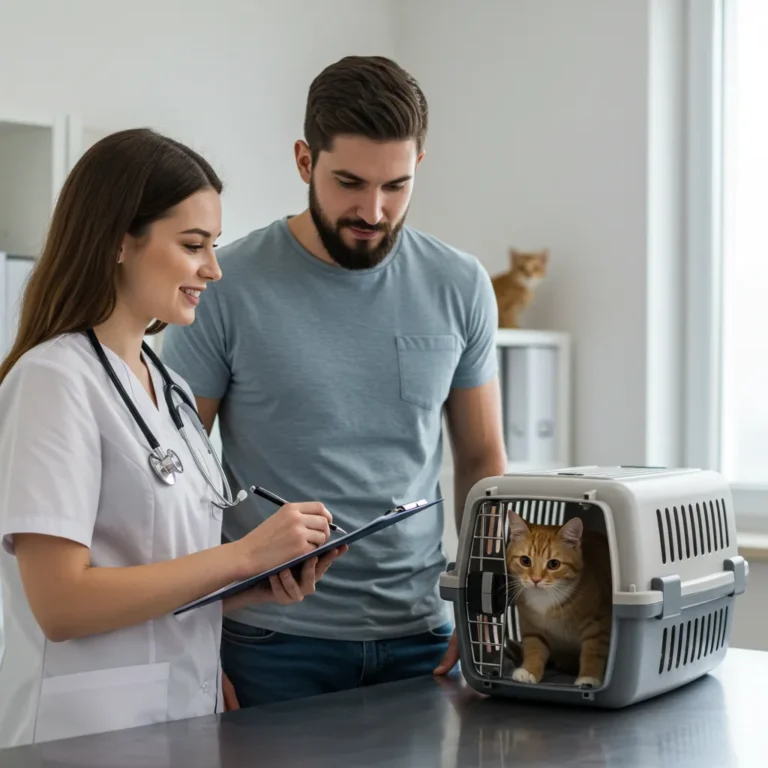
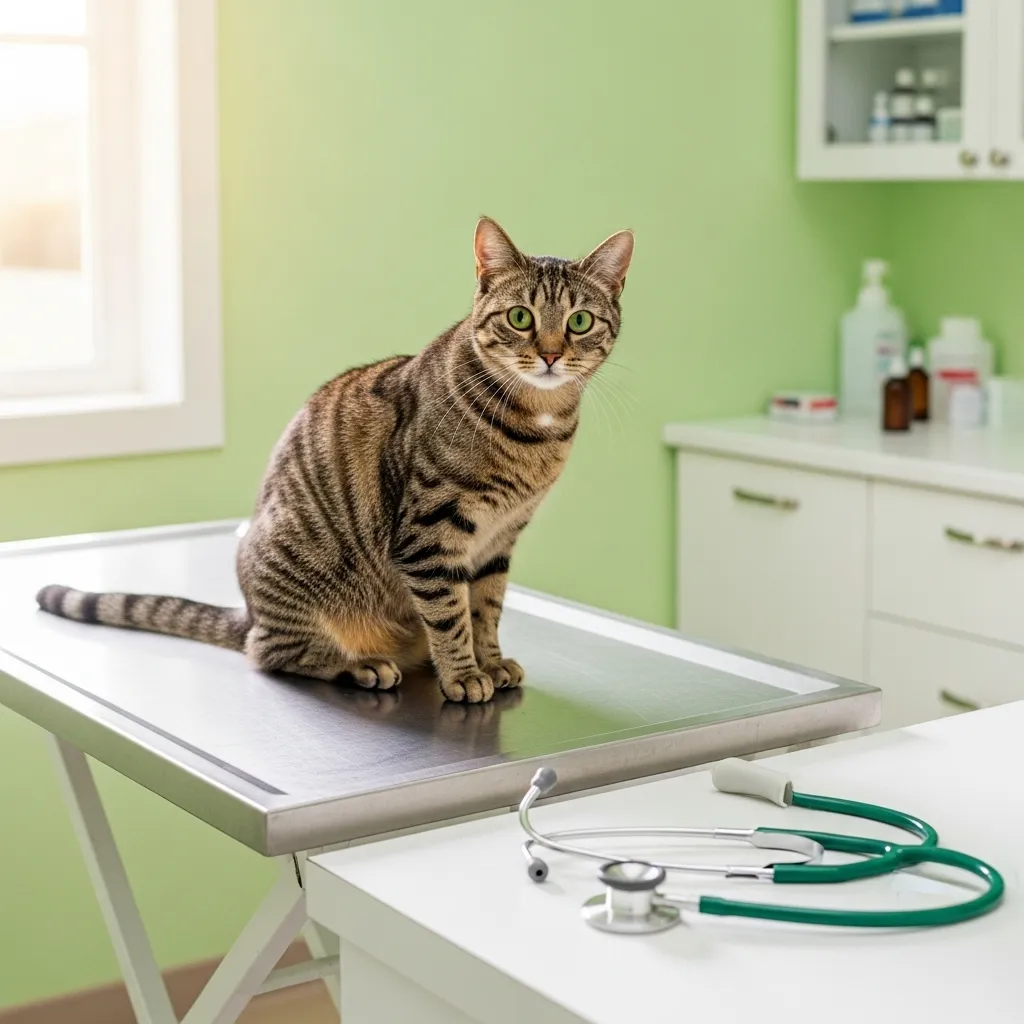
If your cat’s sudden aloofness persists or is accompanied by concerning symptoms, it’s time to consult a professional. When to see a vet for cat behavior includes:
- Physical symptoms: Vomiting, diarrhea, weight loss, or changes in grooming. Check our cat vomiting guide for more.
- Litter box issues: Straining, blood, or avoiding the box could indicate urinary problems.
- Lethargy or aggression: These may signal pain or serious conditions like feline leukemia.
- Persistent hiding: Ongoing withdrawal beyond a week or two.
Vet-backed advice: Schedule a visit with a trusted veterinarian (see finding the best vet) and bring notes on your cat’s behavior for a thorough diagnosis.
FAQ: Common Questions About Cats Acting Distant
Q: Why is my cat ignoring me all of a sudden?
A: Your cat might be stressed, ill, or reacting to environmental changes like a new pet or routine shift. Observe for other symptoms and create a calm space to help them adjust.
Q: What are common signs of stress in cats?
A: Signs include hiding, excessive grooming, reduced appetite, or litter box avoidance. Learn more in our cat stress signs guide.
Q: How can I tell if my cat’s aloofness is natural or concerning?
A: Natural aloofness aligns with their usual personality, while sudden changes paired with physical symptoms or prolonged withdrawal suggest stress or health issues.
Q: What health issues might cause my cat to act distant?
A: Dental pain, infections, arthritis, or chronic conditions like diabetes can cause withdrawal. Consult a vet if symptoms persist.
Q: How can I comfort a stressed cat?
A: Provide a safe space, reduce stressors, engage with play, and use pheromone diffusers. Check our how to calm a stressed cat guide.
Q: When should I seek veterinary help for my cat’s behavior?
A: Seek help if your cat shows physical symptoms, persistent hiding, or aggression for more than a week. Early vet visits can catch issues early.
Conclusion: Helping Your Cat Feel Like Themselves Again
A cat being distant suddenly can be unsettling, but with patience and observation, you can uncover the cause and help your feline friend feel secure again. Whether it’s stress from a new environment, a health issue, or simply a need for space, addressing the root cause is key. By creating a calm environment, engaging in play, and monitoring for health concerns, you can rebuild your bond and ensure your cat’s well-being.
For more expert tips on understanding and caring for your cat, explore our guides at Cat Bloom Haven. From cat behavior explained to cat health and wellness, we’ve got you covered to keep your feline friend happy and healthy!