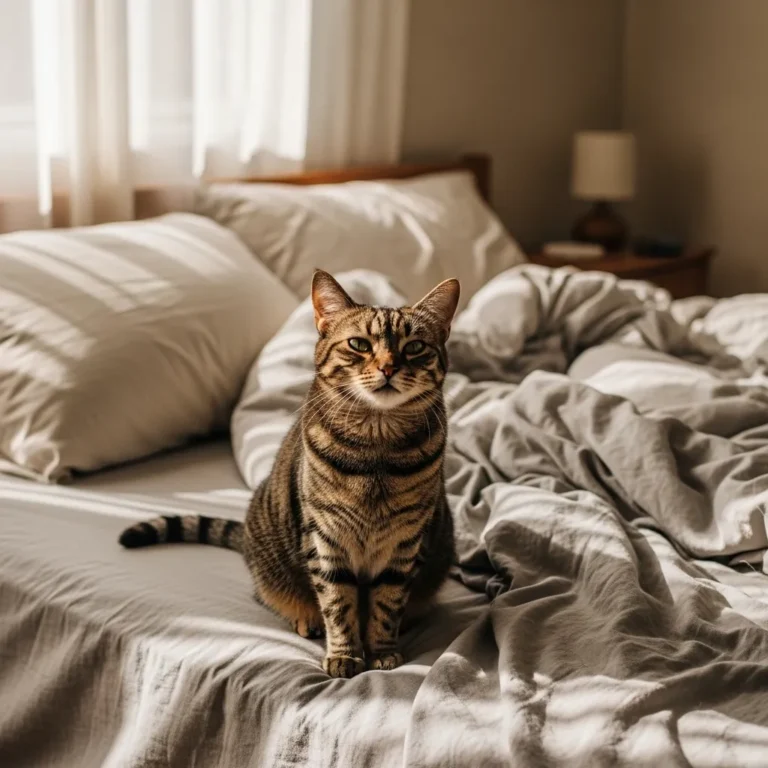
Why Is My Cat Crying at Night? Proven Solutions for Peaceful Sleep
If your cat’s relentless meowing is turning your nights into a sleepless saga, you’re not alone. Cat crying at night is a common issue that leaves pet parents frustrated and desperate for answers. Whether it’s a plaintive yowl, a persistent meow, or a restless pacing session, your feline’s nighttime vocalizations can disrupt your household’s peace. The good news? There’s a reason behind this behavior, and with the right approach, you can help your cat (and yourself) enjoy restful nights.
In this comprehensive guide, we’ll uncover why cats cry at night, explore practical solutions to stop cat meowing at night, and share expert-backed tips to calm your feline friend. From addressing health concerns to tweaking their environment, you’ll learn actionable strategies to tackle cat night behavior and ensure everyone gets a good night’s sleep. Let’s dive in!
Key Takeaways
- Understand the Cause: Cats cry at night due to hunger, boredom, health issues, anxiety, or natural instincts.
- Actionable Solutions: Adjust feeding schedules, increase daytime stimulation, and create a calm sleep environment.
- Health Check: Rule out medical issues like pain, thyroid problems, or cognitive decline in senior cats.
- Behavioral Fixes: Use play, routine, and environmental tweaks to reduce cat crying at night for no reason.
- When to Seek Help: Persistent crying may require a vet visit to address underlying issues like cat anxiety and stress.
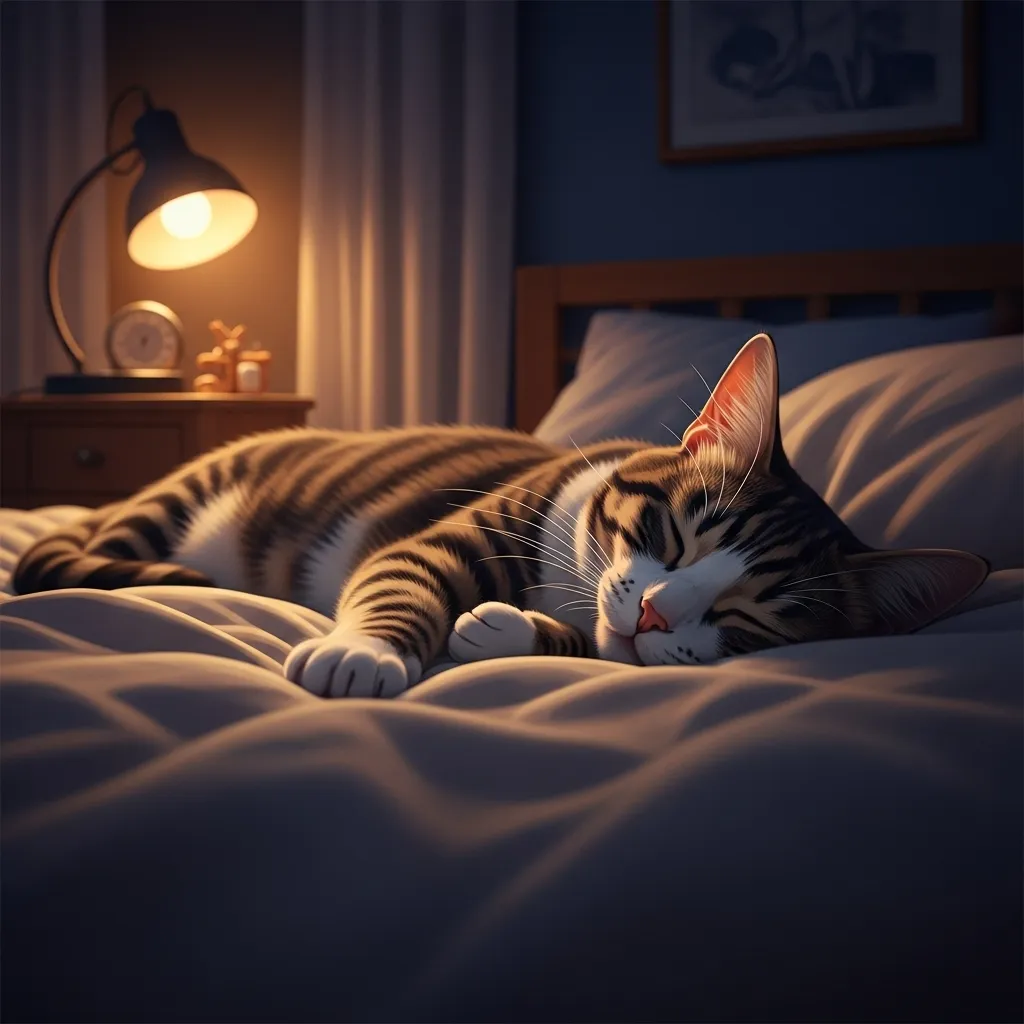
Why Does My Cat Cry at Night? Decoding the Causes
Understanding why cats are active at night is the first step to solving the problem. Cats are naturally crepuscular, meaning they’re most active at dawn and dusk. However, excessive cat yowling at night often signals an underlying issue. Here are the most common reasons:
1. Hunger or Thirst
Cats may cry if they’re hungry or their water bowl is empty. A light evening meal might not satisfy their needs, especially for active breeds like the Siamese or Bengal.
- Signs: Meowing near the food bowl or kitchen area.
- Quick Fix: Offer a small, protein-rich meal before bed to keep them full.
2. Boredom or Lack of Stimulation
A bored cat is a noisy cat. If your feline isn’t getting enough mental or physical activity during the day, they may become restless at night.
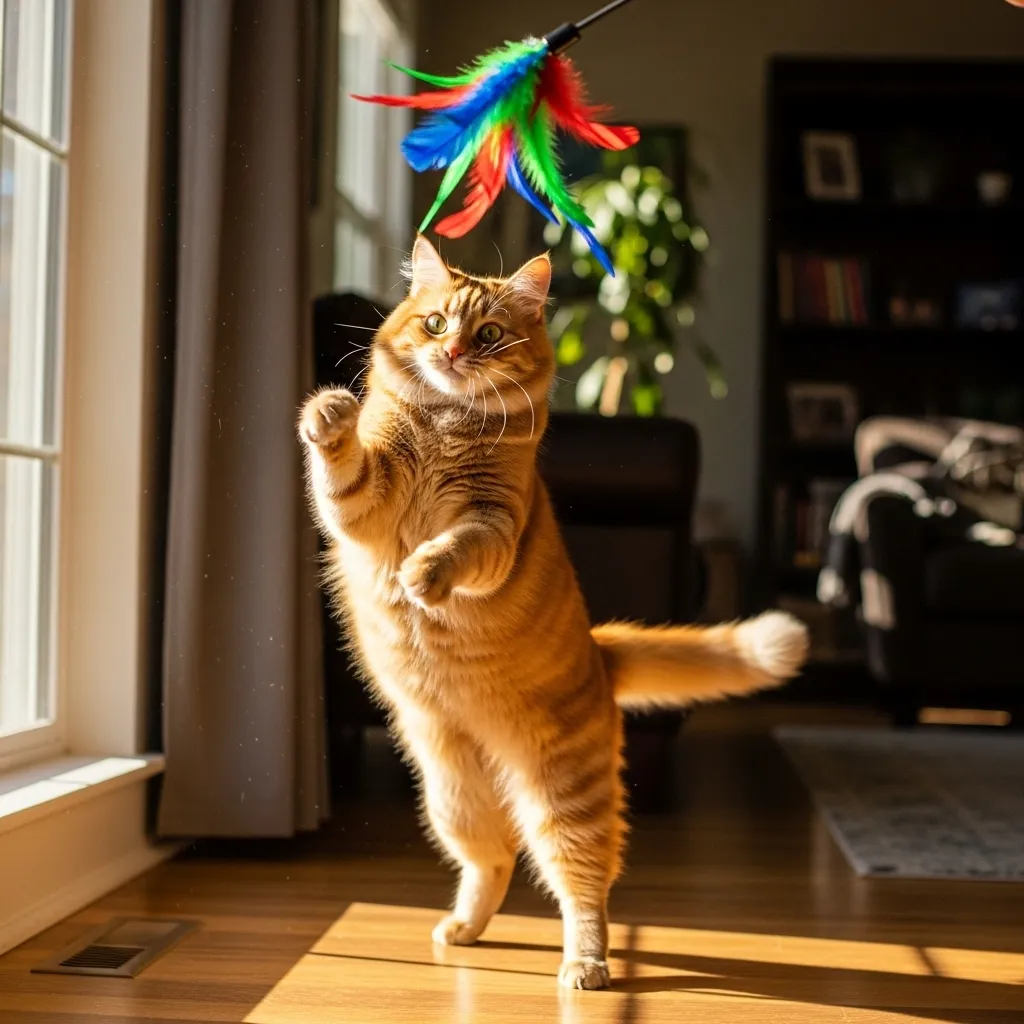
- Signs: Zoomies, excessive meowing, or destructive behavior.
- Solution: Increase daytime play with toys like feather wands or laser pointers. Explore more tips in our guide to keeping cats entertained.
3. Health Issues
Cat crying at night can be a red flag for medical problems, especially in senior cats meowing at night. Pain, hyperthyroidism, or cognitive dysfunction (similar to dementia) can cause vocalizations.
- Signs: Changes in appetite, litter box habits, or grooming.
- Action: Schedule a vet visit to rule out issues like cat health concerns.
4. Anxiety or Stress
Cat crying due to anxiety is common, especially after changes like moving, a new pet, or altered routines. Separation anxiety or cat crying after a new kitten can also trigger nighttime vocalizations.
- Signs: Hiding, clinginess, or aggression.
- Solution: Create a safe space and use calming aids. Learn more in our cat stress signs guide.
5. Hormonal Behaviors
Unneutered cats, especially females in heat or males seeking mates, may yowl loudly. Cat crying in heat is particularly intense and repetitive.
- Signs: Restlessness, excessive affection, or spraying.
- Solution: Spaying or neutering can help. Check out our spaying guide.
6. Aging and Cognitive Decline
Older cats may experience cognitive dysfunction, leading to confusion and senior cat meowing at night.
- Signs: Disorientation, staring at walls, or altered sleep patterns.
- Solution: Maintain a consistent routine and consult a vet for supplements or medications.
7. Attention-Seeking
Some cats learn that crying gets your attention, even if it’s just a sleepy “shush” from you.
- Signs: Meowing stops when you engage with them.
- Solution: Avoid rewarding the behavior with attention. Redirect with toys or a calming routine.
How to Stop a Cat Crying at Night: Practical Strategies
Now that you know why does my cat cry at night, let’s explore proven ways to stop cat meowing at night. These strategies focus on addressing the root cause and creating a calm nighttime environment.
1. Establish a Robust Evening Routine
A consistent routine signals to your cat that it’s time to wind down. Here’s how to build one:
- Evening Playtime: Engage your cat in 15–20 minutes of active play before bed. Use toys that mimic prey, like feather teasers or balls, to satisfy their hunting instincts.
- Nighttime Feeding: Offer a small, high-protein meal or treat after play. This mimics the hunt-eat-sleep cycle cats naturally follow.
- Calm Environment: Dim lights and reduce noise to create a soothing atmosphere.
Example: For my American Shorthair, a 15-minute session with a laser pointer followed by a small scoop of wet food works wonders. Discover more about their playful nature in our American Shorthair guide.
2. Boost Daytime Engagement
A cat that’s mentally and physically stimulated during the day is less likely to be noisy at night.
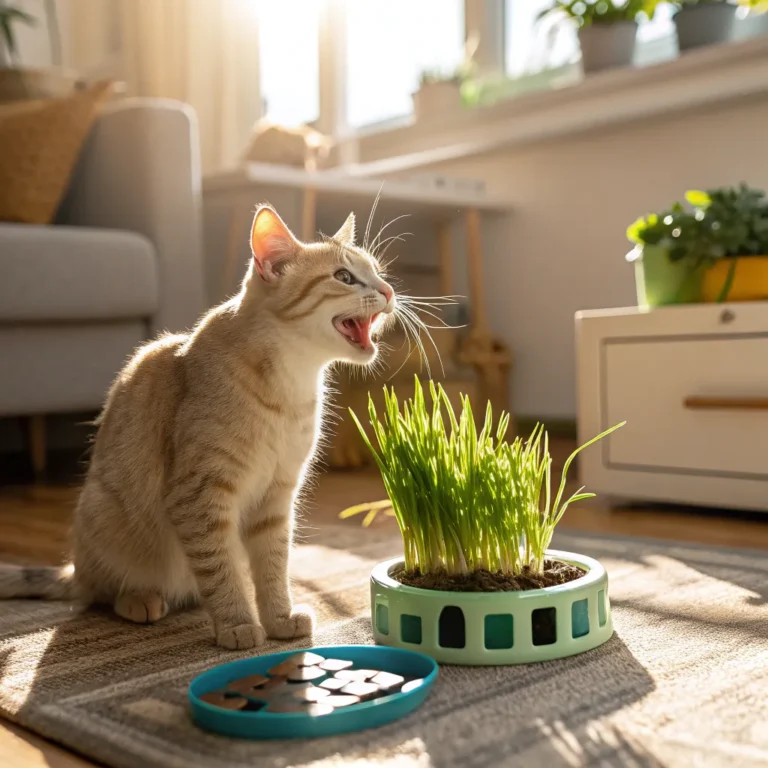
- Interactive Toys: Puzzle feeders or treat-dispensing toys keep their brain busy.
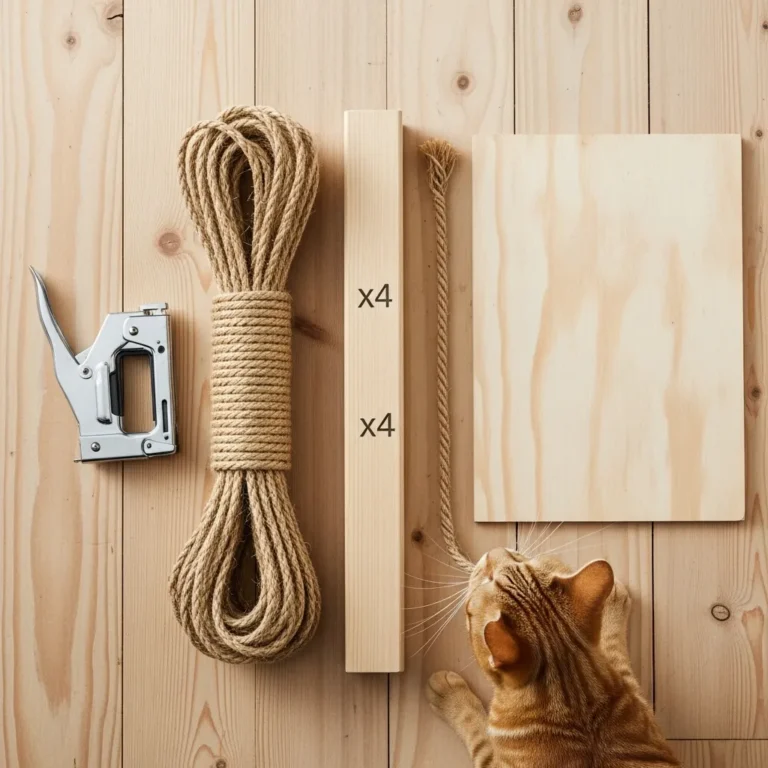
- Environmental Enrichment: Add perches, scratching posts, or a window seat for bird-watching.
- Social Interaction: Spend quality time with your cat to reduce cat crying due to separation anxiety.
Tip: For active breeds like the Munchkin, try short, frequent play sessions throughout the day.
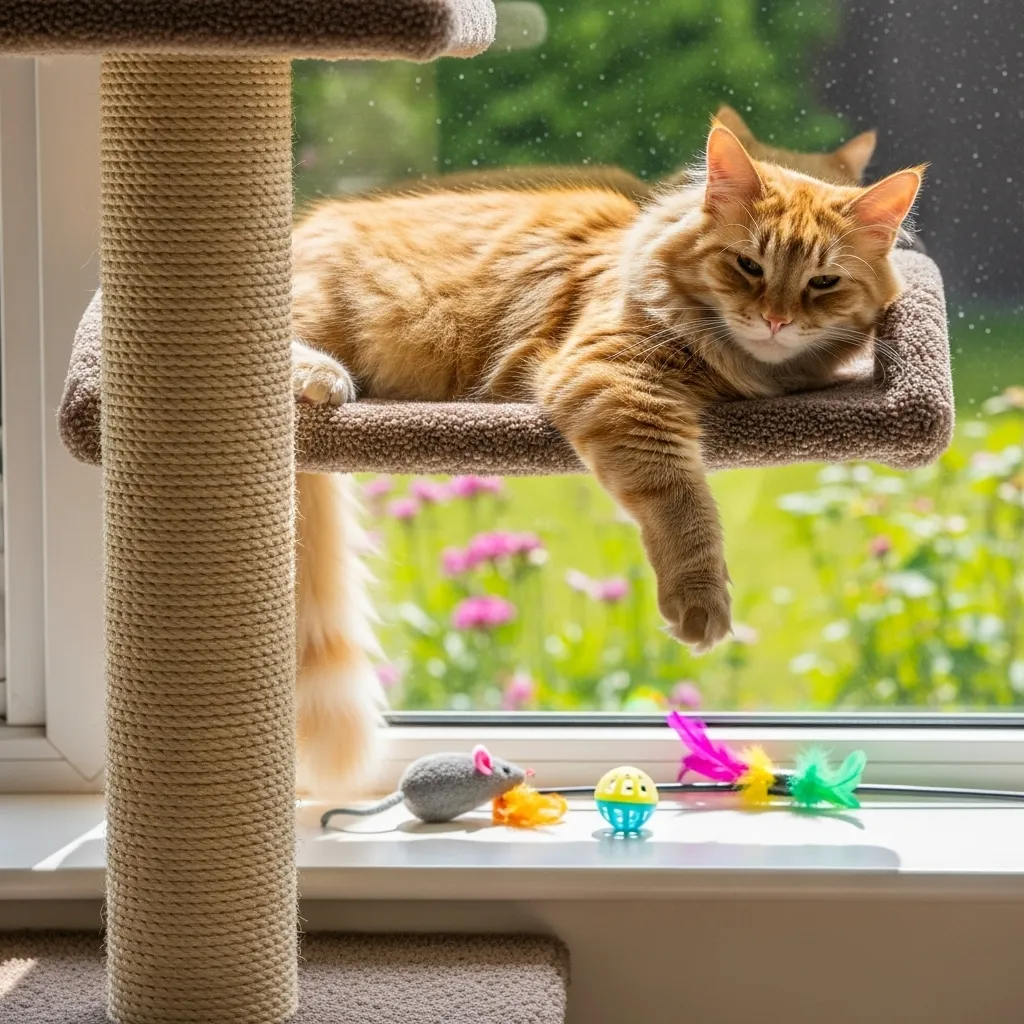
3. Create a Sleep-Friendly Environment
Cat restless at night? Your home’s setup might be the culprit. Make these adjustments:
- Cozy Bedding: Provide a warm, comfortable bed in a quiet area. Check out our best beds for cats.
- Litter Box Access: Ensure easy access to a clean litter box to prevent cat crying and not sleeping.
- Nightlights: Cats with poor vision or cognitive issues may feel disoriented in the dark.
Real-Life Example: A reader reported that moving their Ragdoll’s bed to a quieter corner and adding a nightlight reduced nighttime yowling significantly.
4. Address Health Concerns Promptly
If you suspect a medical issue, don’t delay. Common health-related causes of cat crying at night include:
| Condition | Symptoms | Action |
|---|---|---|
| Hyperthyroidism | Weight loss, increased appetite, yowling | Blood tests and medication. See cat health care. |
| Pain (e.g., arthritis) | Limping, reluctance to jump, vocalizing | Vet exam and pain management. |
| Cognitive Dysfunction | Confusion, staring, excessive meowing | Vet consultation for supplements or meds. |
| Urinary Issues | Straining, frequent urination, crying | Immediate vet visit. Learn more in our cat urinary health guide. |
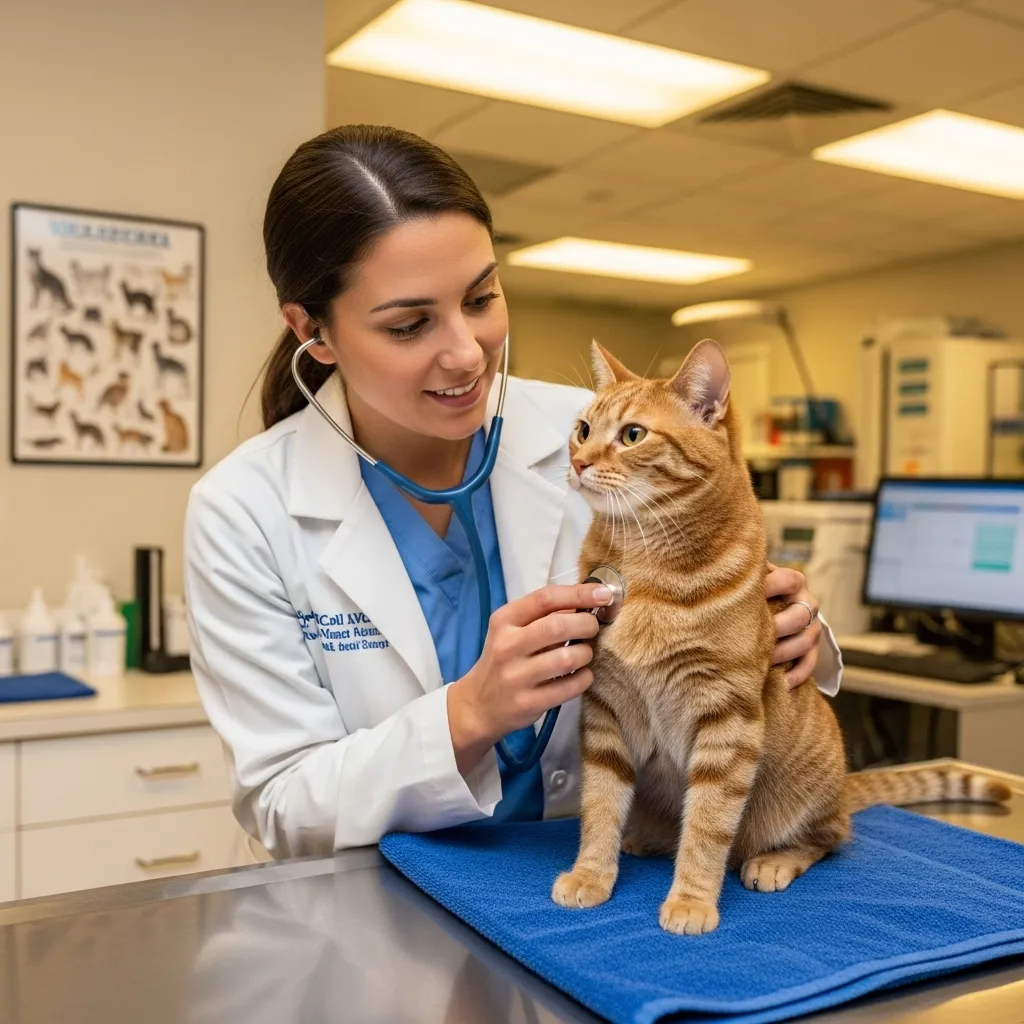
5. Soothe Anxiety and Stress Naturally
How to calm a cat at night often comes down to reducing stress. Try these natural remedies:
- Pheromone Diffusers: Products like Feliway mimic calming feline pheromones.
- Calming Treats: Look for treats with L-theanine or chamomile.
- Safe Spaces: Create a cozy hideout with blankets or a cat cave.
Pro Tip: For anxious breeds like the Siamese, a consistent routine and pheromone diffusers can work wonders.
6. Spay or Neuter Your Cat
If your cat is unneutered, cat crying in heat or mating instincts could be the issue. Spaying or neutering reduces hormonal behaviors and can significantly decrease nighttime vocalizations. Learn more in our neutering guide.
7. Ignore Attention-Seeking Behavior
If your cat cries for attention, avoid responding. Instead:
- Wait for a moment of silence, then reward with a treat or affection.
- Redirect their energy with a toy or puzzle feeder before bed.
Example: One owner stopped their noisy cat at night by ignoring meows and offering a treat only when the cat was quiet for 5 minutes.
Special Considerations for Senior Cats
Senior cat meowing at night often stems from age-related issues like cognitive decline or sensory loss. Here’s how to help:
- Regular Vet Checkups: Monitor for conditions like hyperthyroidism or arthritis.
- Comfortable Environment: Provide easy-access beds and litter boxes. See our senior cat food guide.
- Supplements: Omega-3s or joint supplements can ease discomfort.
- Nighttime Routine: Keep it consistent to reduce confusion.
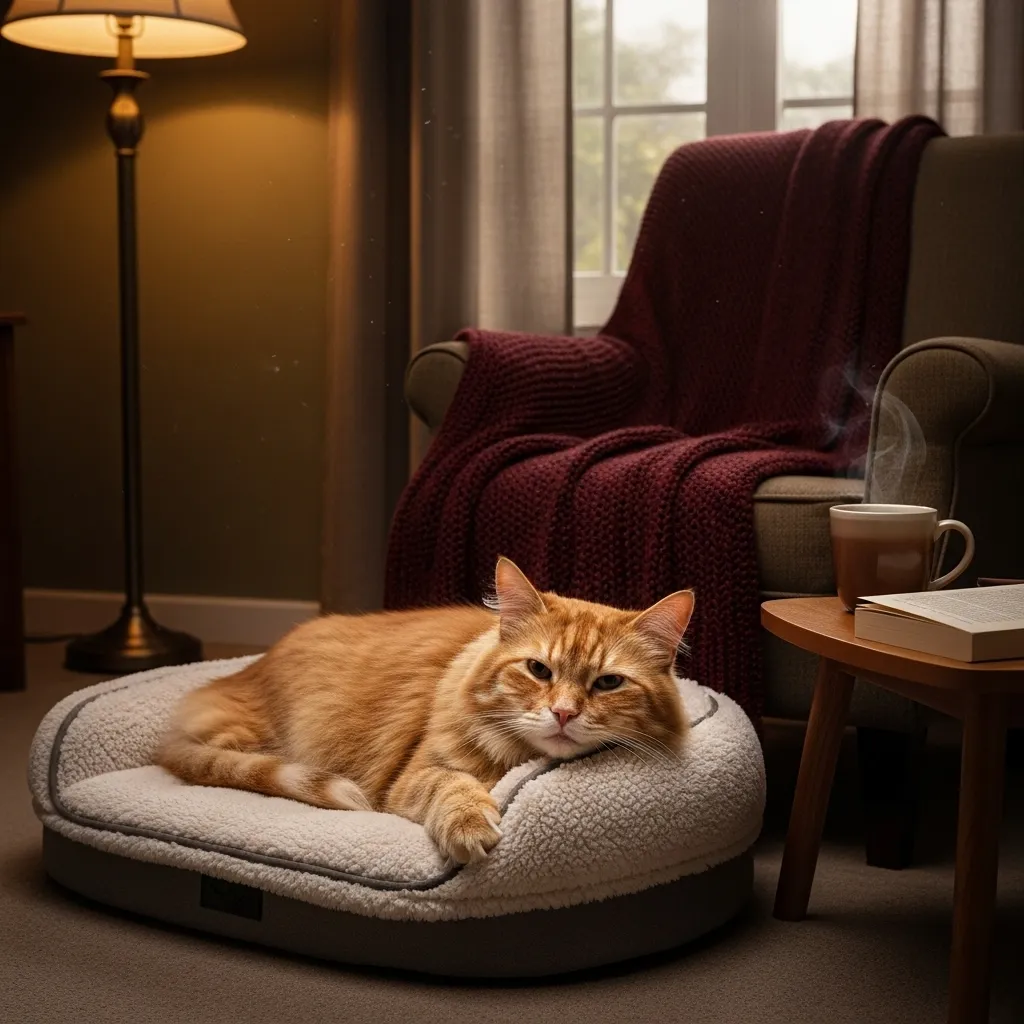
Real-Life Example: A 14-year-old Norwegian Forest Cat stopped yowling after her owner added a heated bed and a low-entry litter box.
When to Consult a Vet
If you’ve tried everything and your cat won’t stop crying at night, it’s time for professional help. Contact a vet if you notice:
- Sudden changes in behavior or appetite.
- Signs of pain, like limping or avoiding touch.
- Symptoms of illness, such as vomiting or lethargy. See our vet visit guide.
FAQ: Quick Answers to Common Questions
Why does my cat cry at night?
Cats cry at night due to hunger, boredom, health issues, anxiety, or hormonal behaviors. Identifying the cause is key to finding a solution.
How can I soothe my cat when they cry at night?
Use calming aids like pheromone diffusers, provide a cozy bed, and establish a soothing evening routine with play and feeding.
How can I stop my cat from crying at night?
Increase daytime stimulation, feed a protein-rich meal before bed, and ensure a clean litter box and comfortable sleep environment.
What does it mean when an older cat cries at night?
Senior cats may cry due to cognitive dysfunction, pain, or sensory decline. A vet checkup can pinpoint the issue.
Are there health issues that may cause my cat to cry at night?
Yes, conditions like hyperthyroidism, arthritis, or urinary issues can cause nighttime crying. Consult a vet for diagnosis.
How can I help my cat sleep through the night?
Create a consistent routine, provide daytime enrichment, and ensure their health and environment are optimized. Learn more in our cat sleep habits guide.
Why does my cat cry after a new kitten is introduced?
Your cat may feel stressed or territorial. Gradual introductions and extra attention can help. Check out our cat introduction guide.
Conclusion: Restore Peaceful Nights with Your Cat
Cat crying at night can feel overwhelming, but with patience and the right strategies, you can address the root cause and enjoy restful nights again. Whether it’s tweaking their routine, boosting daytime play, or addressing health concerns, these expert tips will help you calm your feline friend. Start with small changes, monitor their behavior, and consult a vet if needed.
For more expert advice on feline behavior and care, explore our detailed guides on Cat Bloom Haven. From cat anxiety solutions to litter training tips, we’ve got you covered to keep your cat happy and healthy!