Why Does My Cat Sleep with Eyes Open? Exploring This Quirky Behavior
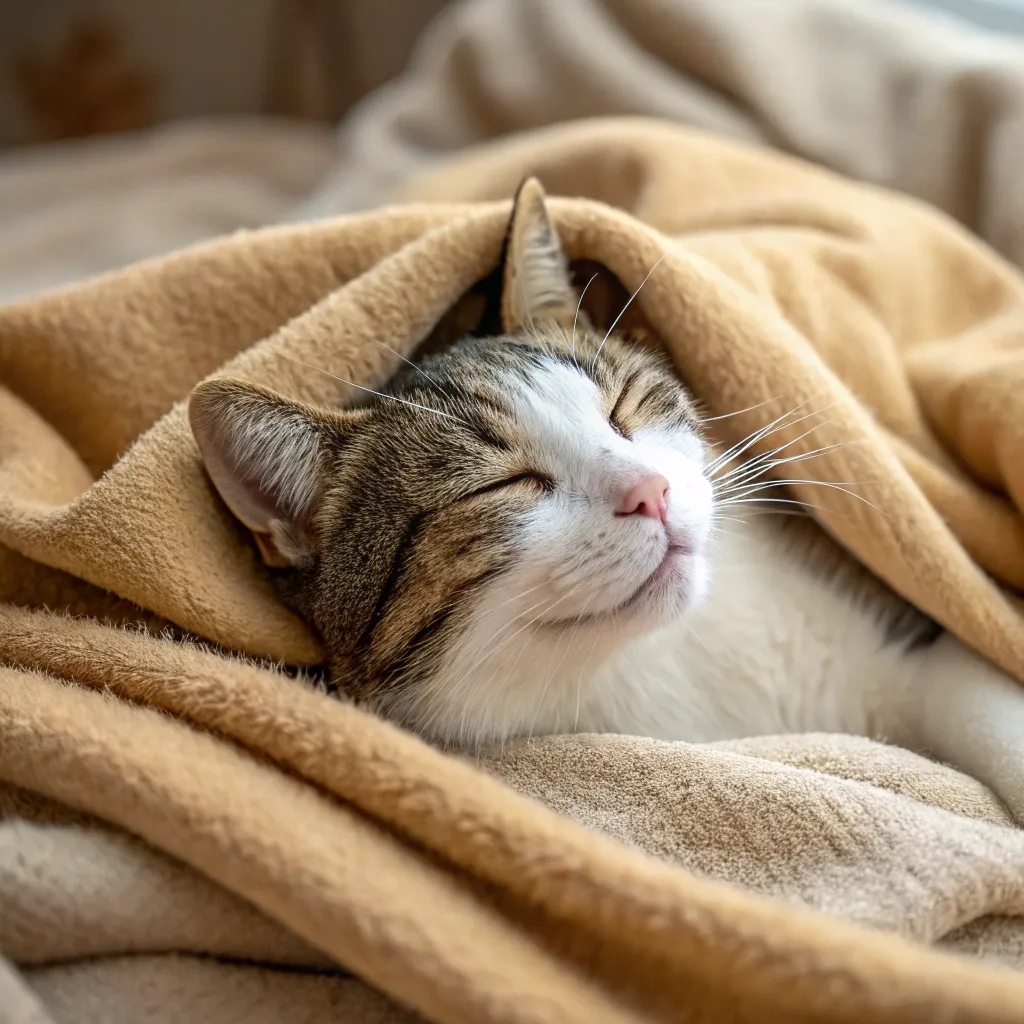
Cats are fascinating creatures, and their sleeping habits can sometimes leave us puzzled. If you’ve ever noticed your cat sleeps with eyes open, you might wonder what’s going on. Is it normal? Should you be concerned? This article dives into the reasons behind this curious behavior, explores cat sleeping patterns, and offers practical tips to ensure your feline friend’s health and comfort.
Key Takeaways
- Cats may sleep with their eyes open due to natural instincts, relaxation, or specific sleep cycles.
- This behavior is often harmless but could signal health issues in rare cases.
- Understanding your cat’s sleep cycle and habits can improve their well-being.
- Simple care tips can enhance your cat’s safety and comfort while resting.
Why Do Cats Sleep with Their Eyes Open?
Cats sleeping with their eyes open can seem odd, but it’s often tied to their biology and instincts. This behavior, sometimes called “unihemispheric slow-wave sleep,” allows cats to stay partially alert even while resting. In the wild, staying vigilant is crucial for survival, so their brains and bodies are wired to maintain a state of readiness.
When a cat sleeps with eyes open, it might be in a light sleep phase, keeping an eye (literally) on their surroundings. This is especially common in environments where they feel slightly uneasy or overly relaxed. Their eyelids may stay partially open, giving the appearance of wakefulness even during rest.
Cat Sleep Cycle: A Closer Look
Cats have unique sleep cycles, spending 12–16 hours a day snoozing. Their sleep is split into two main phases:
- Non-Rapid Eye Movement (NREM) Sleep: This is the deeper, restorative phase where the body repairs and regenerates.
- Rapid Eye Movement (REM) Sleep in Cats: This is when dreaming occurs, and you might notice subtle cat eye movement during sleep. During REM, their eyes may twitch or remain partially open, contributing to the open-eyed sleeping look.

Understanding these cycles helps explain why your cat’s eyes might not fully close. Kittens and older cats may show this behavior more often due to differences in their sleep patterns.
Factors Behind Open-Eyed Sleep in Cats
Several factors influence why a cat might sleep with its eyes open, ranging from instincts to physical comfort. Let’s break them down:
1. Comfort and Security
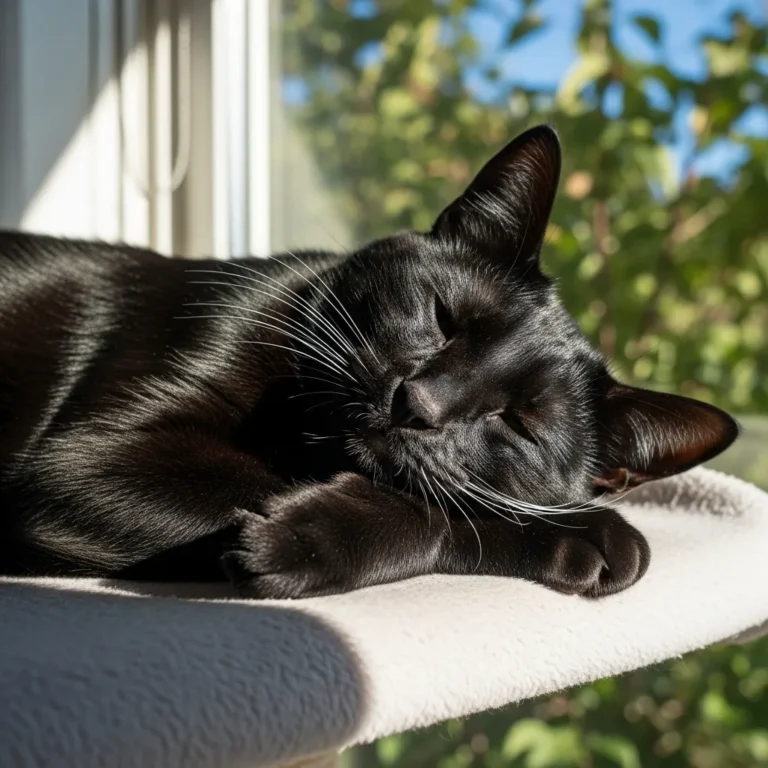
Cats choose sleeping positions based on how safe and comfortable they feel. A cat resting with eyes open may feel secure enough to relax but still wants to monitor their environment. Creating a cozy, quiet space can encourage fully closed eyes during deeper sleep.
2. Temperature Regulation
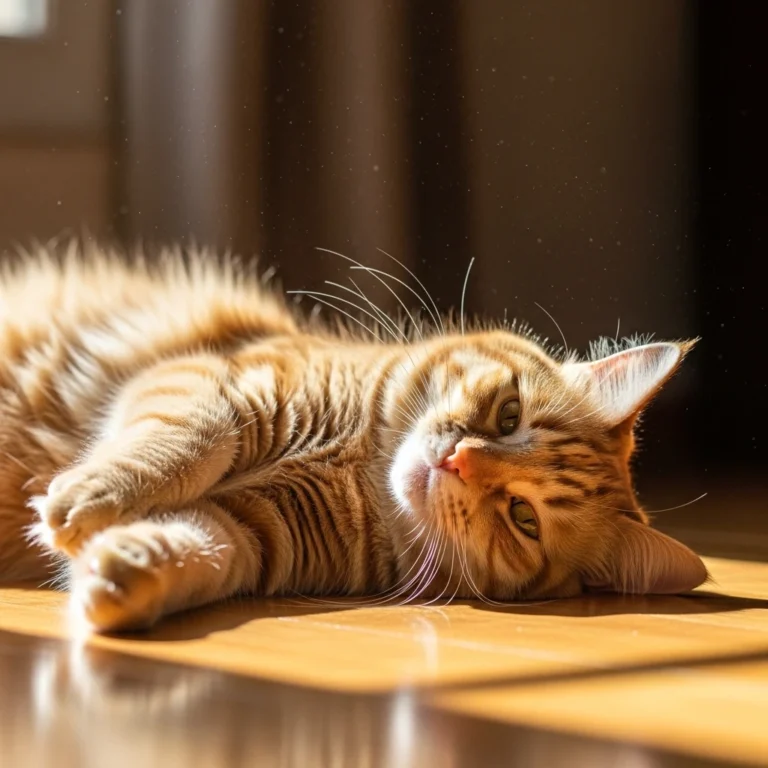
Cats often adjust their sleeping posture to stay cool or warm. Open eyes might occur when they’re sprawled out in a warm spot, as their relaxed muscles prevent full eyelid closure. Ensure their sleeping area is at a comfortable temperature to promote better rest.
3. Eye Health and Alertness
In some cases, open-eyed sleep could relate to eye health. Dryness or irritation might prevent full closure, though this is rare. If your cat’s eyes look red, watery, or cloudy, it’s time to consult a vet to rule out infections or other issues.
How Age Affects Cat Sleeping Habits
A cat’s age plays a big role in how cats sleep. Kittens, with their developing brains, spend more time in REM sleep, which can lead to more eye movement or partially open eyes. Senior cats, on the other hand, may have weaker eyelid muscles or health conditions that make open-eyed sleep more common. Monitoring your cat’s resting habits as they age can help you spot changes that might need attention.
When Should You Worry About Open-Eyed Sleep?
While it’s usually normal for a cat to sleep with eyes open, certain signs could indicate a problem:
- Persistent redness, discharge, or squinting.
- Unusual lethargy or changes in cat sleeping behavior.
- Difficulty waking up or disorientation.
If you notice these, a vet visit is a smart move to check for underlying issues like infections, neurological conditions, or dehydration. Protecting your cat’s eye health is key to their overall well-being.
Tips for Improving Your Cat’s Sleep Comfort
Want to help your cat rest better? Here are some practical cat care tips to enhance their sleep quality and safety:
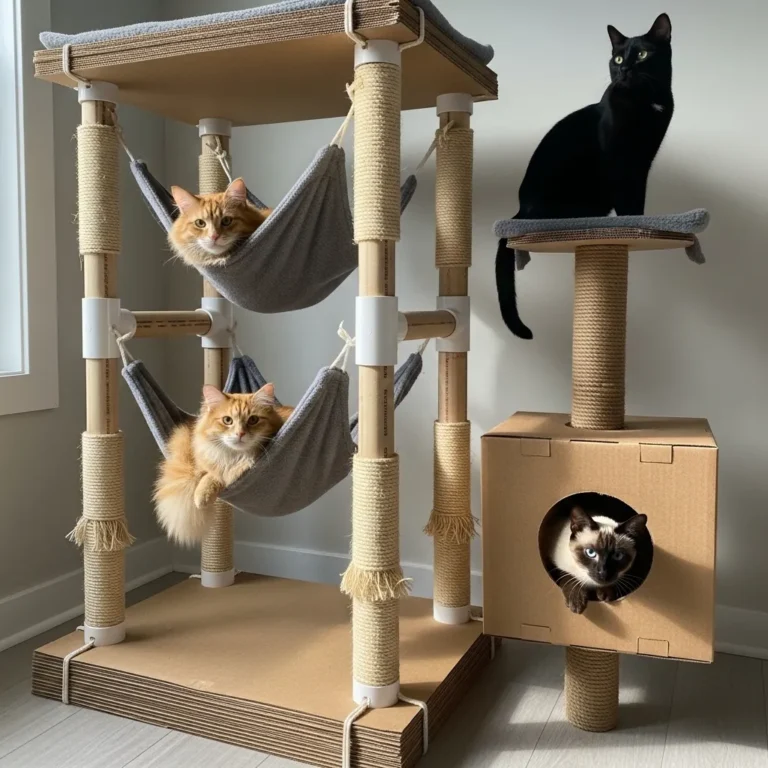
- Create a Safe Space: Set up a quiet, cozy bed away from loud noises or busy areas to promote cat safety while sleeping.
- Maintain a Routine: Consistent feeding and playtime schedules help regulate their sleep cycle.
- Monitor Health: Regular vet checkups ensure your cat’s health and comfort, catching any issues early.
- Provide Enrichment: Toys and activities keep your cat mentally stimulated, leading to better rest.
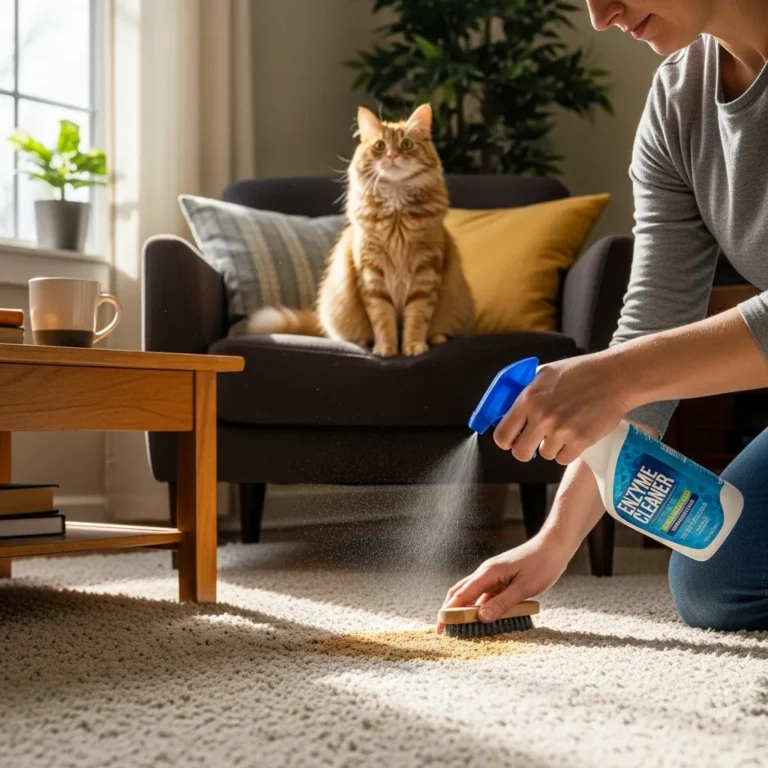
- Keep It Clean: Wash their bedding regularly to prevent irritation that could affect their eyes or sleep.
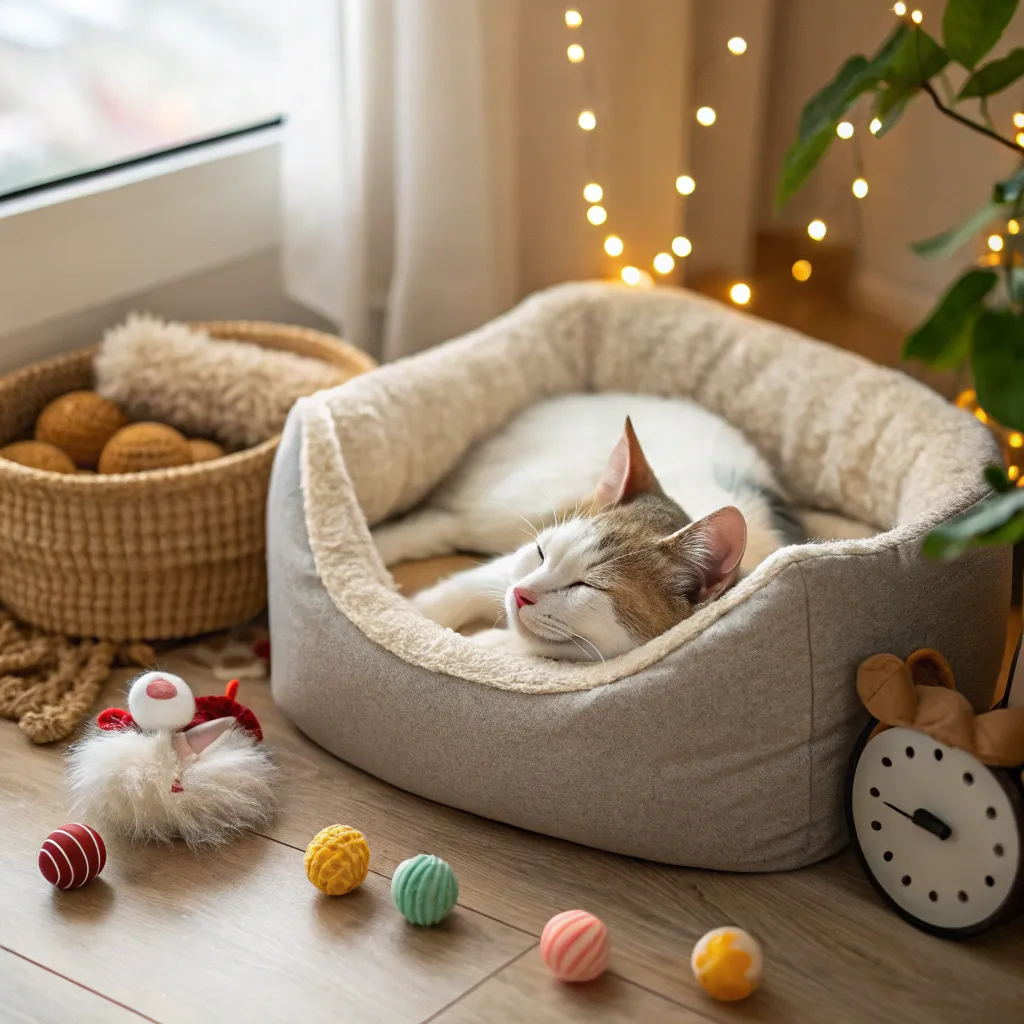
Quote: “A well-rested cat is a happy cat. Pay attention to their sleeping habits to keep them thriving.” – Feline Behavior Expert
Understanding Cat Resting Habits
Every cat has unique resting habits, from curling up in a ball to sprawling out with eyes half-open. Observing how your cat sleeps can give you insights into their comfort and health. For example, frequent eye movement during sleep might indicate vivid dreams during REM sleep, while a tense posture could signal stress.
By learning your cat’s habits, you can tailor their environment to suit their needs, ensuring they feel secure and relaxed.
Conclusion
Seeing your cat sleep with eyes open can be surprising, but it’s often a normal part of their biology and instincts. By understanding their sleep cycles, creating a comfortable environment, and keeping an eye on their health, you can ensure your feline friend enjoys restful, safe sleep. If you ever suspect something’s off, don’t hesitate to reach out to a vet for peace of mind.
FAQs
Why do some cats sleep with their eyes open?
It’s often due to their survival instincts or light sleep phases, allowing them to stay alert. It’s usually normal unless accompanied by other symptoms.
What influences a cat’s sleep positions?
Comfort, safety, temperature, and health all play a role in how and where cats choose to rest.
How does age impact a cat’s sleeping habits?
Kittens and senior cats may show more open-eyed sleep due to differences in sleep cycles or muscle control.
When should open-eyed sleep be a concern?
If paired with redness, discharge, or behavioral changes, consult a vet to check for health issues.
What are a cat’s sleep cycles?
Cats experience NREM (deep sleep) and REM (dreaming) phases, with REM often involving eye movement or partially open eyes.
How can I help my cat sleep better?
Provide a safe, cozy space, maintain routines, and ensure regular vet care for optimal rest.
Why is understanding cat sleep habits important?
It helps you spot health or stress issues early and create an environment where your cat thrives.