Not Neutering Your Cat: Consequences, Risks, and Why It Matters

If you’re wondering about the consequences of not neutering your cat, you’re not alone. Many pet owners hesitate to spay or neuter their cats, often due to myths, cost concerns, or simply not knowing the full impact. But choosing not to neuter your cat male or female can lead to significant health, behavioral, and societal challenges that affect both your pet and the community.
This comprehensive guide dives deep into why neutering is critical, exploring the risks, behaviors, and broader implications of skipping this procedure. By the end, you’ll understand the benefits of neutering cats, the dangers of leaving them unneutered, and how to make an informed decision for your feline friend.
Key Takeaways
- Health Risks: Unneutered cats face higher risks of serious conditions like pyometra, mammary tumors, and testicular cancer.
- Behavioral Issues: Unneutered cats often exhibit aggression, spraying, and roaming, making them harder to manage.
- Population Control: Not neutering contributes to cat overpopulation, straining shelters and increasing stray cat numbers.
- Cost Savings: Neutering prevents costly health issues and reduces behaviors that lead to property damage.
- Community Impact: Responsible neutering helps reduce feral cat colonies and supports animal welfare.
Explore our detailed guide on spaying and neutering cats for more insights on the procedure itself.
What Happens If You Don’t Neuter Your Cat?
Choosing not to neuter your cat—whether male or female—has far-reaching consequences. From health complications to behavioral challenges and societal impacts, the decision affects more than just your household. Let’s break it down into clear categories to understand the full scope of what happens if you don’t neuter your cat.
Health Risks of Not Neutering Cats
Unneutered cats face significant health challenges that can shorten their lifespan and reduce their quality of life. Here’s a closer look at the risks for both male and female cats.
Health Risks for Unspayed Female Cats
Female cats that aren’t spayed are at risk for life-threatening conditions:
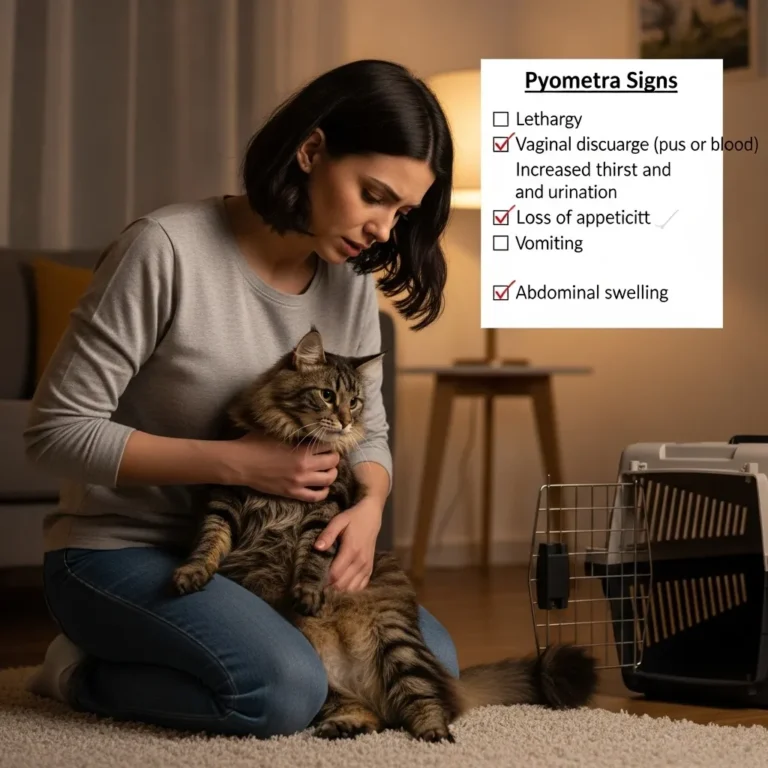
- Pyometra: This is a severe uterine infection that often requires emergency surgery. According to the ASPCA, pyometra affects up to 25% of unspayed female cats by age 10, with a mortality rate as high as 5-20% if untreated.
- Mammary Tumors: Unspayed females have a sevenfold higher risk of developing mammary tumors, with 85-90% of these being malignant, per veterinary studies. Early spaying reduces this risk dramatically.
- Heat Cycle Stress: Female cats go into heat multiple times a year, causing physical stress, vocalization, and discomfort. Each cycle increases the risk of uterine and ovarian issues.
Health Risks for Unneutered Male Cats
Male cats also face serious health issues if left unneutered:
- Testicular Cancer: While rare, this cancer is a risk for unneutered males and can spread if not addressed.
- Prostate Problems: Unneutered males are prone to benign prostatic hyperplasia, leading to urinary issues and discomfort.
- Fight-Related Injuries: Unneutered males often fight over territory or mates, resulting in abscesses, infections, and costly vet bills. A 2023 study by the Humane Society found that unneutered males are 3.5 times more likely to require emergency vet care due to injuries.
Discover more about maintaining your cat’s health in our cat health and wellness guide.
Behavioral Issues in Unneutered Cats
Unneutered cats often develop behaviors that make them challenging to live with. These behaviors stem from hormonal drives and can disrupt your household and community.
Cat Spraying and Territorial Behavior
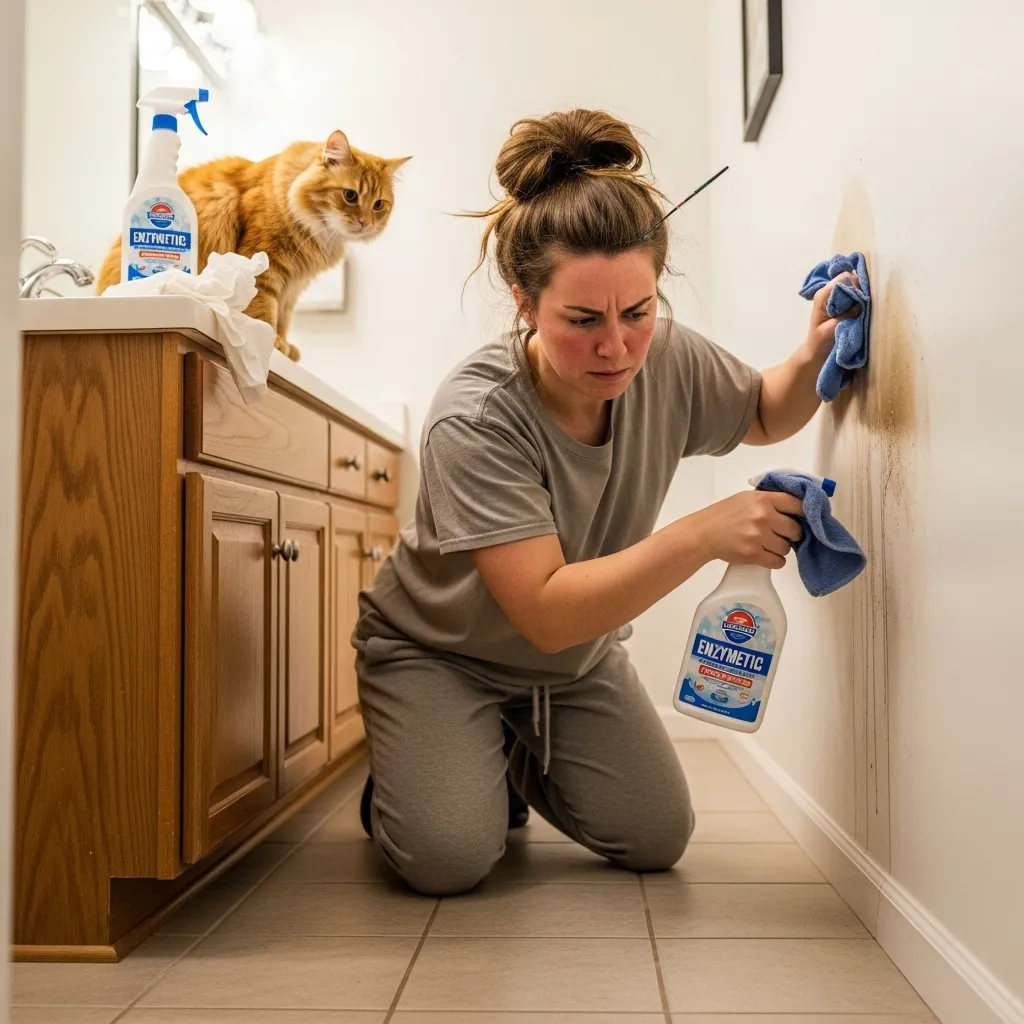
- Spraying: Unneutered males (and sometimes females) spray strong-smelling urine to mark territory. This behavior can damage furniture, walls, and carpets, leading to costly cleanups.
- Roaming: Unneutered cats, especially males, roam far from home to find mates, increasing their risk of getting lost, hit by cars, or injured in fights. A 2024 veterinary report noted that unneutered males are 80% more likely to roam than neutered ones.
- Vocalization: Unneutered cats yowl loudly, especially during mating season, disturbing households and neighbors.
Male Cat Aggression After Not Neutering
- Fighting: Unneutered males are prone to aggression, fighting with other cats over territory or mates. These fights often lead to injuries, infections, or transmission of diseases like FIV (Feline Immunodeficiency Virus).
- Dominant Behaviors: Unneutered cats may display dominant behaviors like swatting or hissing at other pets or even humans, making them less suitable as family pets.

Learn more about managing feline behavior in our cat training and behavior guide.
Cat Population Control: The Bigger Picture
Not neutering your cat doesn’t just affect your pet—it contributes to a broader societal issue: cat overpopulation. Here’s how:
Uncontrolled Cat Population Growth
- Rapid Reproduction: A single unspayed female cat and her offspring can produce over 400,000 cats in just seven years, according to the Humane Society. This exponential growth fuels overpopulation.
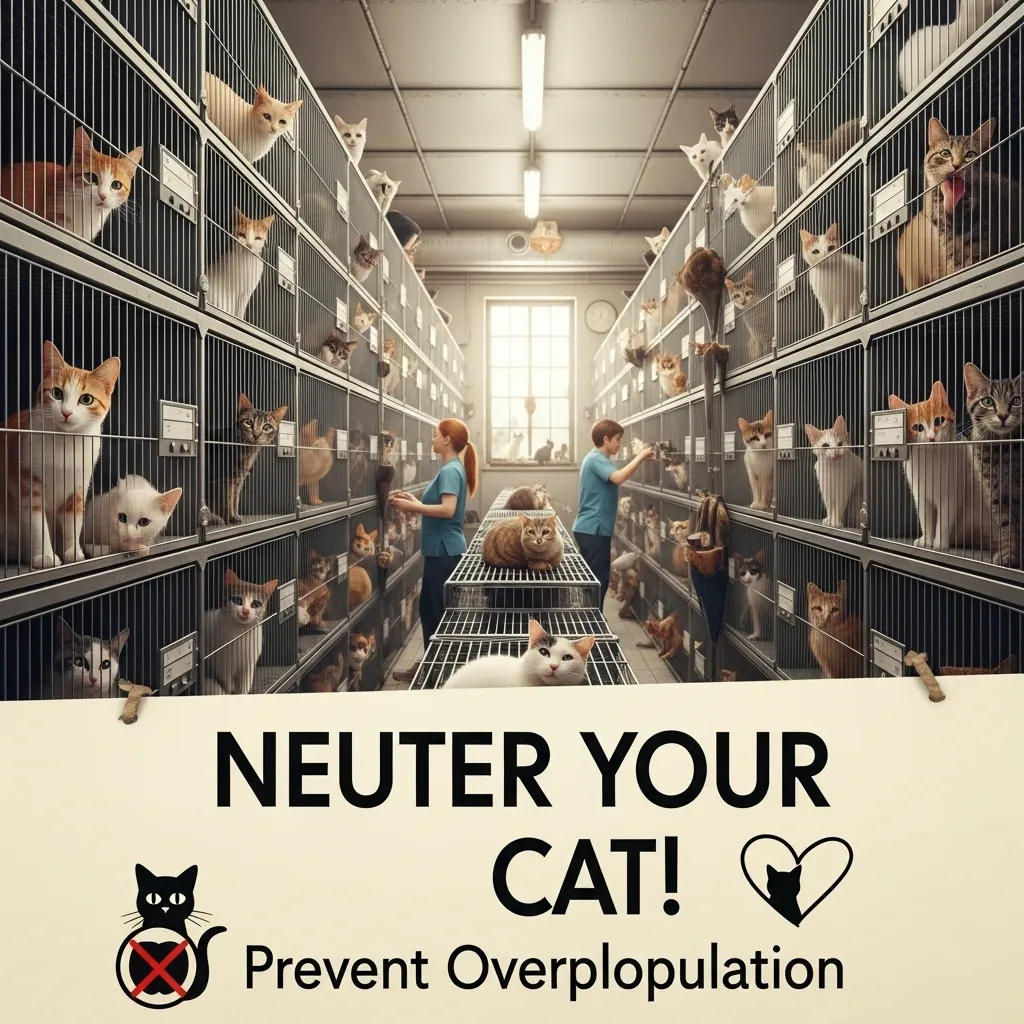
- Strain on Animal Shelters: Shelters are overwhelmed with unwanted kittens, with millions euthanized annually due to lack of homes. In 2025, U.S. shelters reported handling over 3.2 million cats, many from unneutered pets.
- Stray and Feral Cat Problems: Unneutered cats that roam or are abandoned contribute to feral colonies, leading to public health concerns, property damage, and wildlife predation.
Impact on Animal Shelters and Rescues
- Shelters face resource strain, with adoption rates unable to keep up with incoming cats. Neutering prevents unwanted litters, easing this burden.
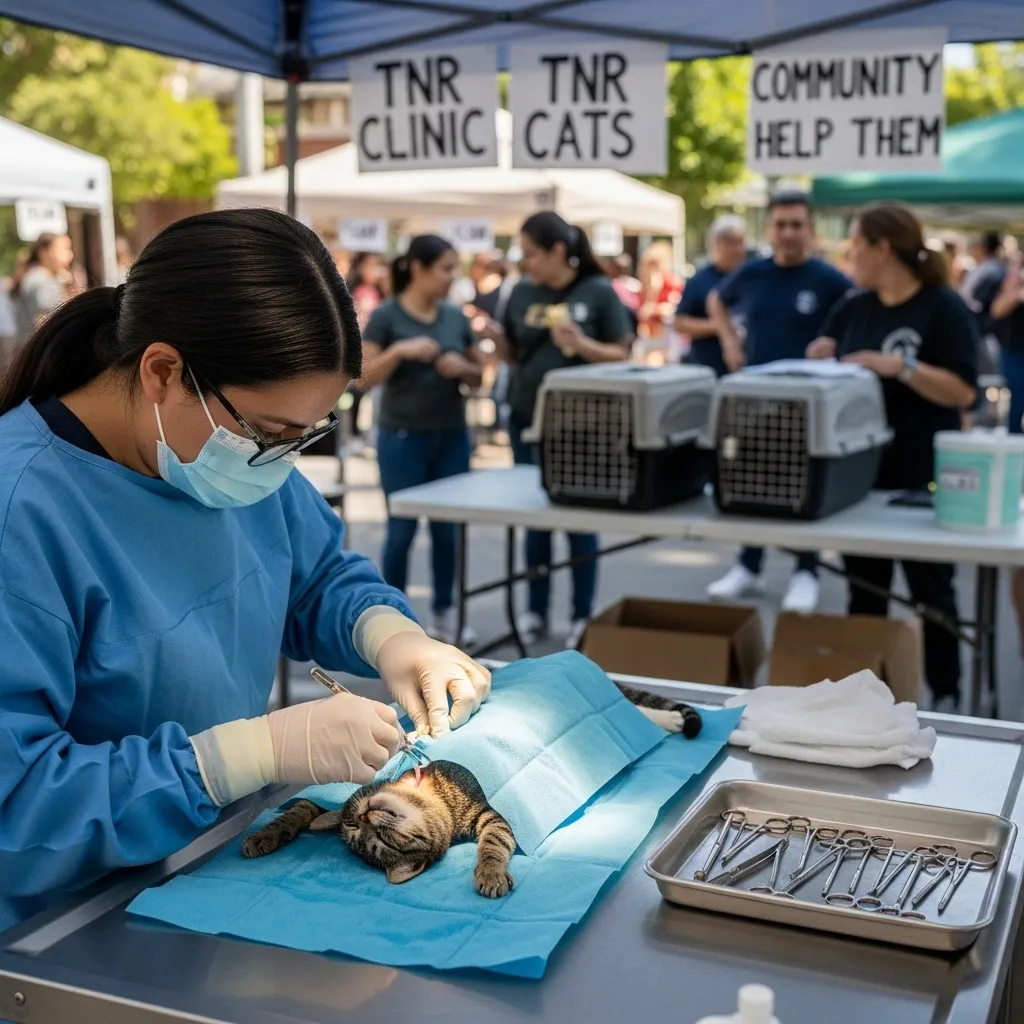
- Feral cat colonies, often fueled by unneutered strays, require costly Trap-Neuter-Return (TNR) programs to manage.
For tips on supporting shelters, check out our cat adoption guide.
Benefits of Neutering Cats
Neutering offers significant advantages for your cat’s health, behavior, and the community. Here’s why you should neuter your cat:
- Health Benefits: Neutering reduces the risk of cancers, infections, and stress-related conditions, potentially adding years to your cat’s life. A 2023 study found neutered cats live 1-3 years longer on average.
- Behavioral Improvements: Neutering curbs spraying, roaming, and aggression, making your cat a calmer, more affectionate companion.
- Cost Savings: Preventing health issues and unwanted litters saves thousands in vet bills and kitten care.
- Community Good: Neutering supports responsible pet ownership, reducing stray populations and shelter overcrowding.

Explore our spaying and neutering guide for a step-by-step look at the process.
Cat Neutering Pros and Cons
To help you weigh the decision, here’s a balanced look at the pros and cons of neutering:
| Aspect | Pros | Cons |
|---|---|---|
| Health | Reduces cancer risks, infections, and stress-related issues. | Slight risk of surgical complications (less than 1% per veterinary data). |
| Behavior | Decreases spraying, roaming, and aggression. | May lead to weight gain if diet isn’t managed (see our cat obesity guide). |
| Cost | Prevents costly health issues and litter expenses. | Initial surgery cost ($50-$200, depending on location). |
| Population | Helps control overpopulation and shelter strain. | None significant. |
Real-Life Example: The Cost of Not Neutering
Meet Sarah, a cat owner who decided against neutering her male cat, Max, thinking it was unnecessary since he was indoors. Within a year, Max began spraying in the house, ruining carpets and furniture costing $1,200 to replace. He also escaped during a heat cycle, got into a fight, and required $800 in vet care for an abscess. Had Sarah neutered Max, she could have avoided these expenses and stress. Her story highlights the tangible consequences of not neutering a cat.
Addressing Common Myths About Neutering
- Myth: Neutering makes cats lazy or fat.
Fact: Neutering may slow metabolism, but proper diet and exercise keep cats healthy. Check our cat food and nutrition guide for tips. - Myth: It’s cruel to neuter a cat.
Fact: Neutering is a safe, routine procedure that reduces stress and health risks, improving quality of life. - Myth: Indoor cats don’t need neutering.
Fact: Indoor cats still exhibit problematic behaviors and face health risks if unneutered.
The Cat Overpopulation Crisis and Ethical Pet Ownership
The cat overpopulation crisis is a pressing issue in 2025, with millions of cats in shelters and feral colonies. Choosing not to neuter your cat contributes to this problem, as even one litter can overwhelm local resources. Responsible pet ownership includes neutering to prevent unplanned litters and support community welfare. Programs like Neuter Awareness Month highlight the importance of spaying and neutering to curb this crisis.
Learn how to contribute to pet overpopulation solutions in our adopt a cat guide.
FAQ: Common Questions About Not Neutering Your Cat
What happens if you don’t neuter your cat?
Unneutered cats face health risks like cancer and infections, exhibit problematic behaviors like spraying and aggression, and contribute to overpopulation.
What are the risks of pyometra and mammary tumors in unspayed cats?
Pyometra is a life-threatening uterine infection, and mammary tumors are often malignant in unspayed females, with a 7x higher risk compared to spayed cats.
Why does not neutering lead to cat spraying and territorial behavior?
Hormones drive unneutered cats to mark territory with urine and roam, leading to property damage and increased injury risks.
How does not neutering contribute to the cat overpopulation crisis?
Unneutered cats produce litters that add to shelter populations and feral colonies, with one female potentially leading to 400,000+ cats in seven years.
What are the benefits of neutering cats?
Neutering reduces health risks, curbs unwanted behaviors, saves costs, and helps control cat overpopulation.
How does male cat aggression change after not neutering?
Unneutered males are more likely to fight, roam, and act aggressively due to testosterone, increasing injury and disease risks.
For more answers, visit our cat health care guide.
Conclusion: Make an Informed Choice for Your Cat
Not neutering your cat may seem like a simple choice, but it carries significant consequences for your pet’s health, behavior, and the community. From life-threatening conditions like pyometra to the strain of overpopulation on shelters, the risks of not neutering far outweigh the initial cost or hesitation. By choosing to neuter, you’re investing in your cat’s long-term health, reducing problematic behaviors, and supporting responsible pet ownership.
Ready to take the next step? Explore more expert cat care and behavior guides on Cat Bloom Haven to ensure your feline friend thrives.