When a Cat Stops Eating: Understanding the Urgency, Causes, and Life-Saving Steps
Imagine this: Your playful, food-obsessed feline suddenly turns up their nose at dinner. The bowl sits untouched, and that familiar crunch-crunch is replaced by silence. Panic sets in. When a cat stops eating, it’s not just a quirky phase it’s a red flag that demands immediate attention. Cats can spiral into serious health decline faster than most pet parents realize, especially with risks like hepatic lipidosis in cats lurking.
In this comprehensive guide from Cat Bloom Haven, you’ll discover how long a cat can survive without food, the hidden reasons cats stop eating, and signs a cat is dying versus temporary cat loss of appetite. We’ll walk you through behavioral changes, physical symptoms, and proven strategies to get your kitty eating again backed by veterinary insights and real owner stories. Whether it’s stress-related appetite loss in cats, elderly cat not eating, or cat not eating after surgery, you’ll leave equipped to act.
Key Takeaways :
- Cats can survive 3–4 days without food but risk fatal liver failure after 24–48 hours of cat inappetence.
- Sudden appetite loss in cats often signals pain, dental issues, or illness never ignore it.
- Watch for dehydration in cats, lethargy, and hiding as early cat health decline warnings.
- Always consult a vet within 24 hours if your cat not eating persists.
Ready to protect your furry friend? Let’s dive in.
Why Cat Appetite Changes Matter More Than You Think
Cats are masters of disguise when it comes to illness. Unlike dogs, who wear their discomfort on their sleeve, felines mask pain until it’s advanced. A cat loss of appetite (medically termed anorexia or inappetence) is often the first clue something’s wrong.
Veterinarians emphasize: Even one missed meal in an adult cat warrants observation. Kittens and seniors? Zero tolerance. Their smaller fat reserves mean risks of cats not eating escalate rapidly.
“Fasting in cats isn’t like in humans,” explains Dr. Lisa Pierson, DVM, a feline nutrition specialist. “Their livers can’t handle prolonged periods without protein, leading to hepatic lipidosis in cats a life-threatening condition where fat overwhelms the liver.”
Explore our cat nutrition basics guide for deeper insights into feline dietary needs.
How Long Can a Cat Survive Without Food? The Hard Truth
Let’s address the burning question: How long can a cat survive without food?
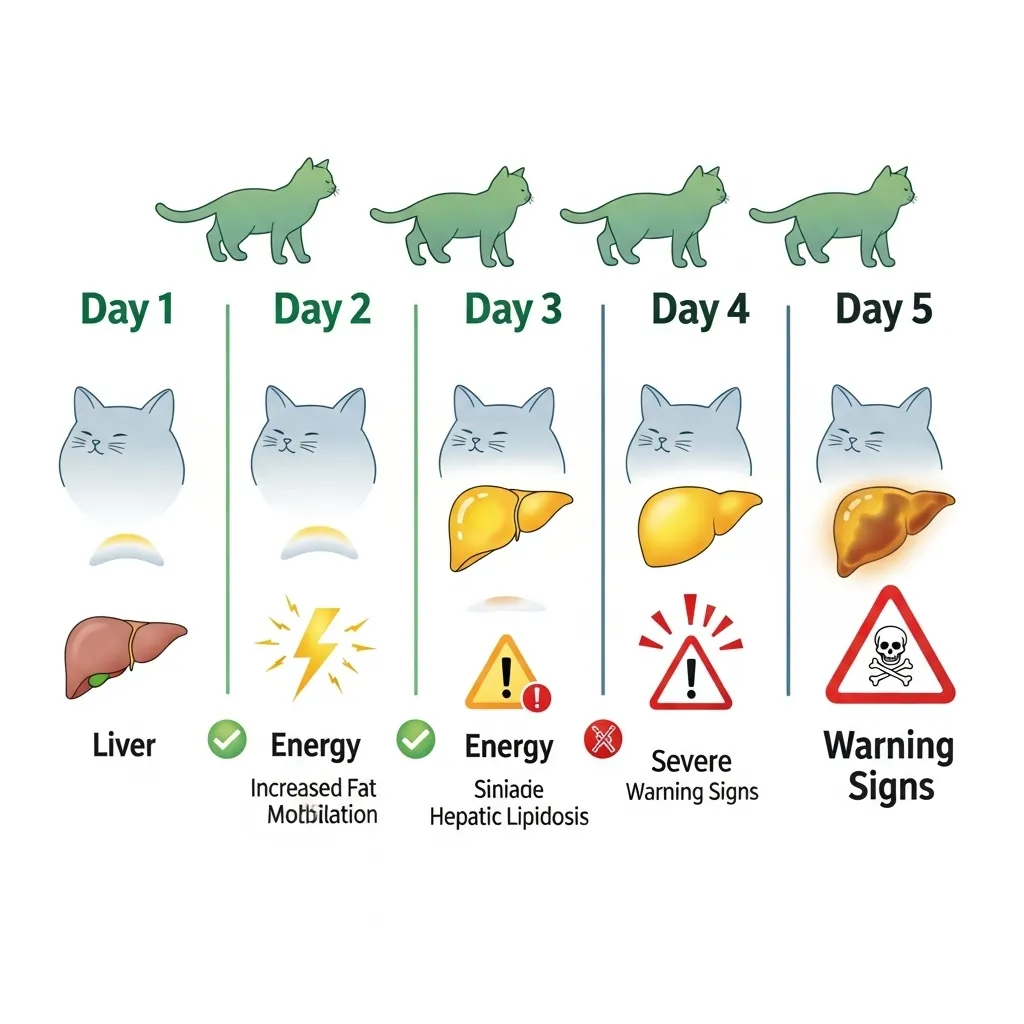
| Time Without Food | Cat’s Physiological Response | Risk Level |
|---|---|---|
| 12–24 hours | Uses glycogen stores; mild lethargy | Low (if healthy) |
| 24–48 hours | Fat breakdown begins; hepatic lipidosis risk rises | Moderate–High |
| 3–4 days | Severe liver damage; organ failure possible | Critical |
| 5+ days | Multi-organ shutdown; survival unlikely without intervention | Fatal |
Bottom line: A healthy adult cat might technically last 1–2 weeks without food if drinking water, but cat health decline becomes irreversible after just 2–3 days of cat not eating. Water intake is crucial learn more in our cat hydration guide.
Real story: Sarah’s 7-year-old Siamese, Luna, stopped eating after a stressful move. By day 3, Luna was jaundiced. Emergency vet care saved her, but Sarah wishes she’d acted on day 1. Don’t wait.
Reasons Cats Stop Eating: From Benign to Life-Threatening
Unpacking why cats refuse food requires detective work. Let’s break down cat inappetence causes into categories.
Everyday Triggers (Usually Harmless)
- Stress-related appetite loss in cats: New pets, moving, loud noises. See our cat stress signs article.
- Picky eating or food boredom: Especially with cat not eating wet food suddenly.
- Environmental changes: Dirty bowl, new food brand, or competition from other pets.
- Heat cycles in unspayed females.
Pro Tip: Rotate proteins weekly to prevent boredom details in choosing cat food.
Medical Red Flags Requiring Vet Attention
- Dental disease: Broken teeth, gingivitis, or cat stomatitis (read life expectancy insights here).
- Gastrointestinal issues: Hairballs, constipation, or foreign objects.
- Kidney disease: Common in seniors; paired with why is my cat not eating but drinking water.
- Respiratory infections: Nasal congestion blocks smell (cats won’t eat what they can’t smell).
- Cancer or hyperthyroidism: Gradual cat appetite changes over weeks.
Post-Procedure or Life Stage Factors
- Cat not eating after surgery: Anesthesia nausea lasts 24–48 hours.
- Sudden cat appetite loss after vaccination: Mild reaction; monitor closely.
- Elderly cat not eating: Arthritis pain, cognitive decline, or reduced senses.
Discover breed-specific risks in our senior cat care guide.
Recognizing Symptoms of Sick Cats: Behavioral and Physical Clues
Behavioral changes in cats often appear before physical ones. Train yourself to spot these physical signs of illness in cats:
Behavioral Red Flags
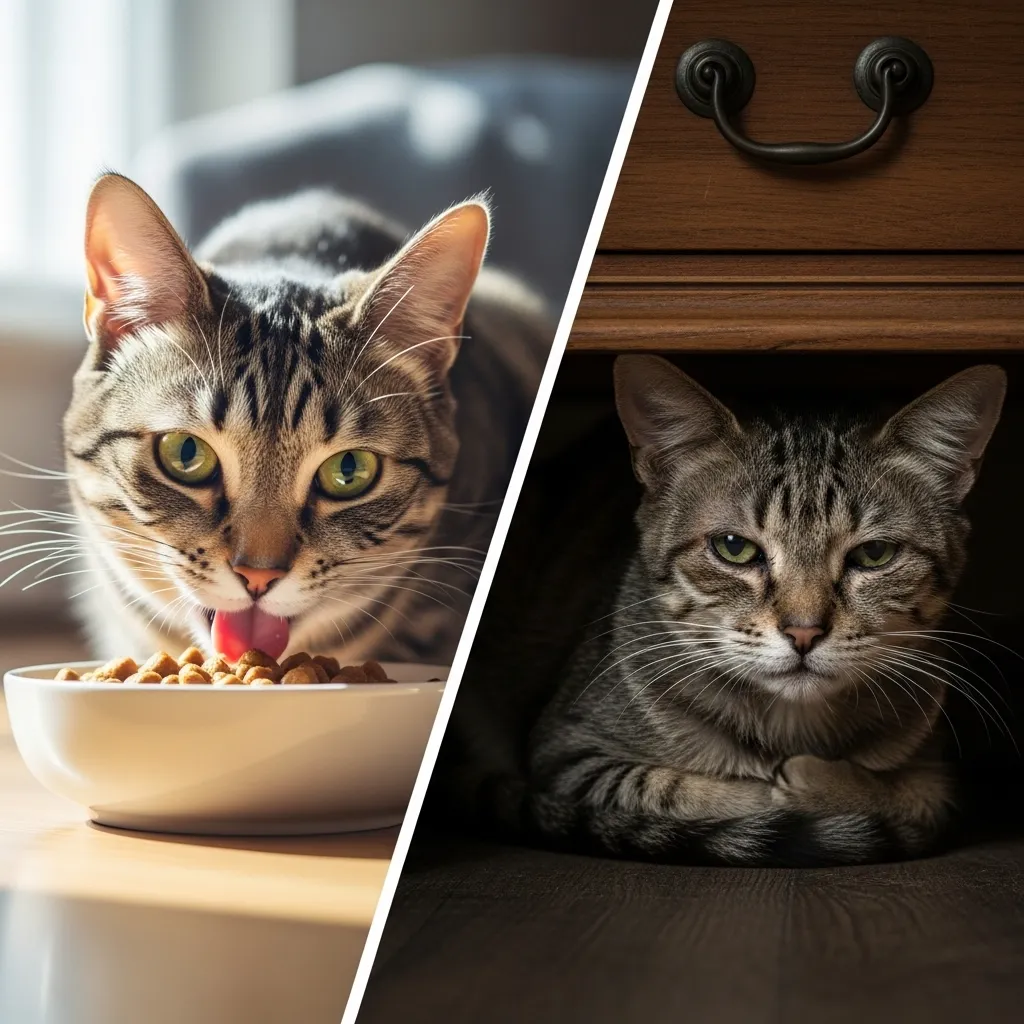
- Hiding more than usual (cat hiding behavior see Siamese-specific tips here).
- Decreased grooming or over-grooming bald patches.
- Aggression when touched (pain response).
- Vocalizing differently hoarse meows signal cat lost voice issues.
Physical Warning Signs
- Dehydration in cats: Pinch the scruff; if skin stays tented, emergency.
- Sunken eyes, dry gums, or cat bad breath (kidney or dental clue).
- Weight loss: Feel for prominent spine/hips.
- Vomiting, diarrhea, or cat vomiting brown liquid.
Combine these with cat not eating sleeping too much? Vet ASAP.
End-of-Life Signs in Cats: When to Prepare for the Worst
Heartbreaking but essential: Understanding signs a cat is dying helps you provide comfort. These overlap with severe cat health decline but cluster rapidly.
Cluster of Concerning Symptoms
- Complete cat refusal of food and water for 48+ hours.
- Extreme lethargy barely lifts head.
- Labored breathing or cat breathing fast.
- Incontinence or inability to reach litter box.
- Cold extremities (ears, paws).
Learn compassionate care in our cat end-of-life care guide and how to help a dying cat.
Owner quote: “Whiskers stopped eating, then stopped purring. I knew. The vet confirmed kidney failure. We chose quality over quantity.” Anonymous
Risks of Cats Not Eating: Focus on Hepatic Lipidosis
This “fatty liver syndrome” is the silent killer when a cat stops eating. Here’s the science:
- Cat goes without food → body mobilizes fat.
- Fat floods liver faster than it can process.
- Liver fails → jaundice, vomiting, seizures.
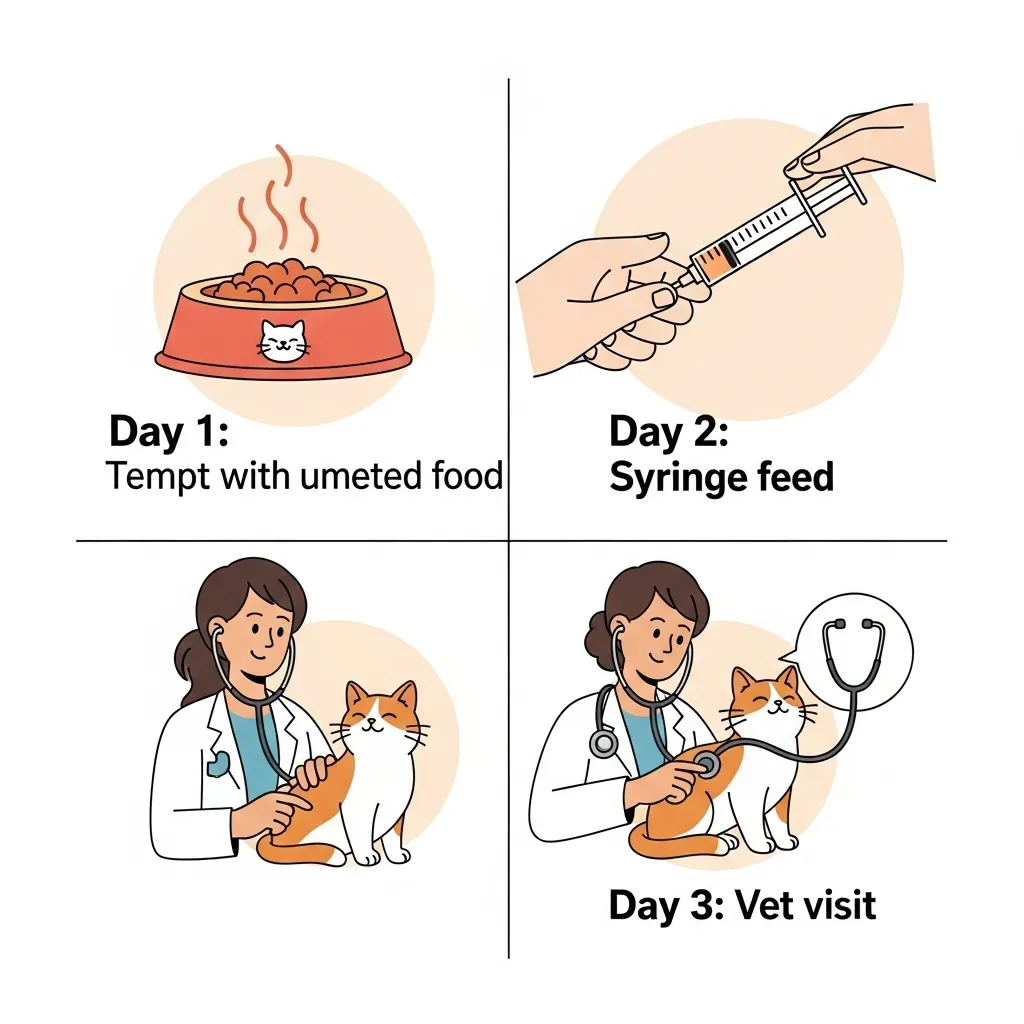
Prevention: Force-feed (vet-guided) if cat not eating exceeds 24 hours. Syringe-feeding critical care formulas saves lives.
Immediate Actions: How to Help a Cat Not Eating
Don’t panic act strategically.
Step 1: Rule Out Simple Fixes
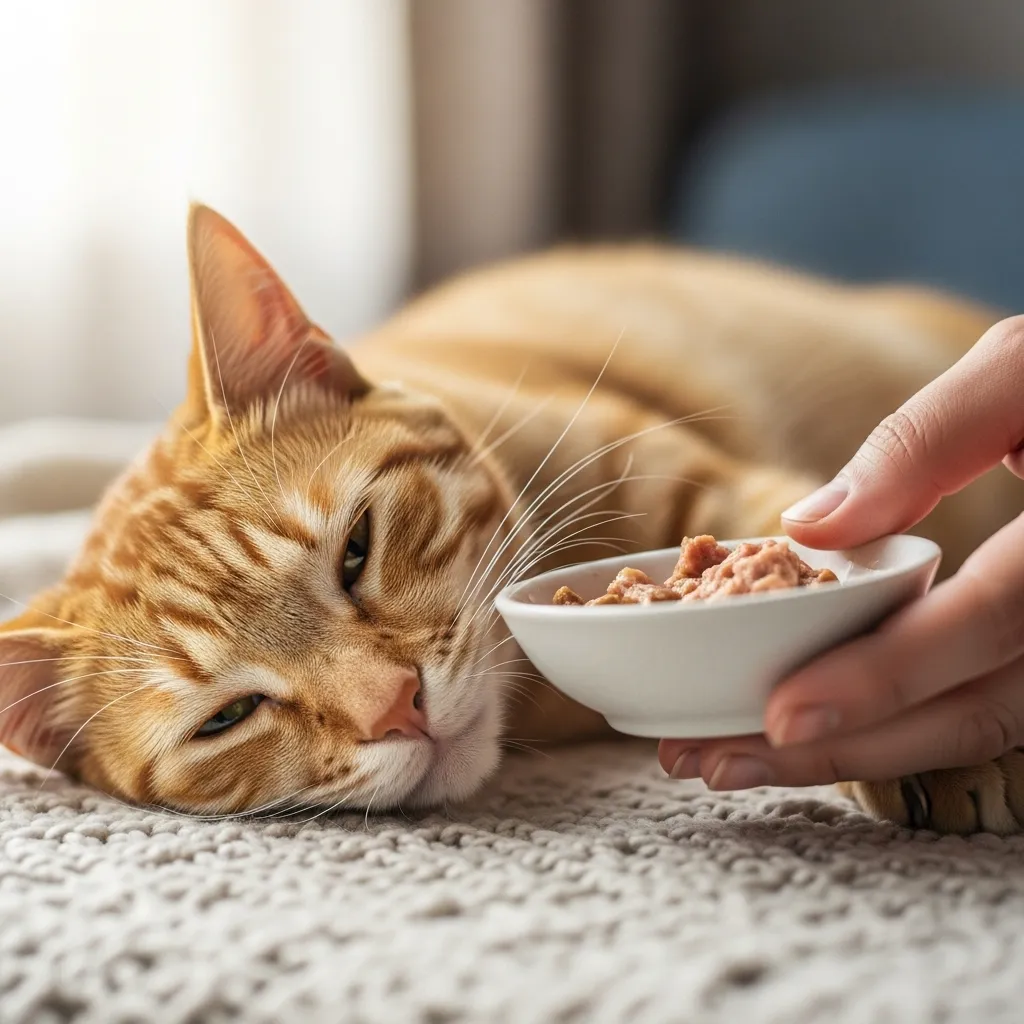
- Warm wet food to enhance smell.
- Offer strong-scented options (tuna juice, baby food meat).
- Try best appetite stimulants for cats like mirtazapine (vet-prescribed).
Step 2: Monitor and Document
- Weigh daily.
- Track water intake (fountain encourages drinking).
- Note poop/pee output.
Step 3: Vet Intervention Timeline
| Duration of Inappetence | Action |
|---|---|
| 12–24 hours (adult) | Observe + tempt |
| 24+ hours or any in kittens/seniors | Vet visit |
| 48+ hours | Emergency |
Diagnostic tools: Bloodwork, X-rays, ultrasound.
Explore finding the best vet for your cat.
Long-Term Cat Care to Prevent Future Episodes
Prevention beats crisis. Integrate these cat health tips:
- Annual wellness exams + dental cleanings.
- Stress-free environment (Feliway diffusers, routine).
- Senior bloodwork starting at age 7.
- Weight management obesity worsens outcomes.
See our cat feeding schedule and best wet cat food guides.
FAQ: Answering Your Most Urgent Questions
How long can a cat survive without food but with water?
3–4 days max before organ damage; hepatic lipidosis risk skyrockets after 48 hours.
Why is my cat not eating but drinking water?
Common in kidney disease, nausea, or dental pain. Vet within 24 hours.
What are signs a cat is dying from not eating?
Refusal of all food/water, extreme hiding, cold paws, labored breathing.
How to help a dying cat that won’t eat?
Focus on comfort: warmth, quiet, subcutaneous fluids (vet-administered). Discuss quality of life.
Best appetite stimulants for cats?
Mirtazapine (prescription), cyproheptadine, or capromorelin (Entyce). Never DIY.
Cat not eating wet food but eats treats?
Texture aversion or dental pain. Try pâté or warmed food first.
Elderly cat not eating normal or emergency?
Never normal. Seniors decompensate fast vet same day.
Stress-related appetite loss in cats: how long until eating resumes?
Usually 1–3 days with stressor removal. Persistent = vet check.
Conclusion: Your Cat’s Health Is in Your Hands
When a cat stops eating, every hour counts. From sudden appetite loss in cats post-vaccination to end-of-life signs in cats, you now have the knowledge to act decisively. Monitor, tempt, and escalate to veterinary care without delay.
Your bond with your feline deserves proactive long-term cat care. Bookmark this guide, share it with fellow cat parents, and explore more expert advice across Cat Bloom Haven.
🐱 Next Reads:
- Stimulate cat appetite naturally
- Cat not eating sleeping too much: causes & solutions
- Why cat not eating: full diagnostic checklist
Cat Bloom Haven: Where feline wellness meets heartfelt expertise.