Invisible Cat Hazards in Most Homes: The Silent Threats Every Cat Owner Needs to Spot Before It’s Too Late
Your cat seems perfectly fine leaping from the couch to the windowsill, purring on your lap, and batting at that feather toy like nothing in the world could touch them. Yet right under our noses, ordinary homes are full of invisible cat hazards that never make a sound until a vet bill or an emergency visit forces us to notice. These aren’t the obvious dangers like open windows or toxic lilies. They’re the quiet, everyday ones: things you walk past a dozen times a day without realizing they could slowly harm your cat’s health, or worse, cause a sudden crisis.
I’ve spent years talking to veterinarians, toxicologists, and thousands of cat owners who only discovered these risks after something went wrong. This guide pulls together everything I’ve learned so you don’t have to find out the hard way.
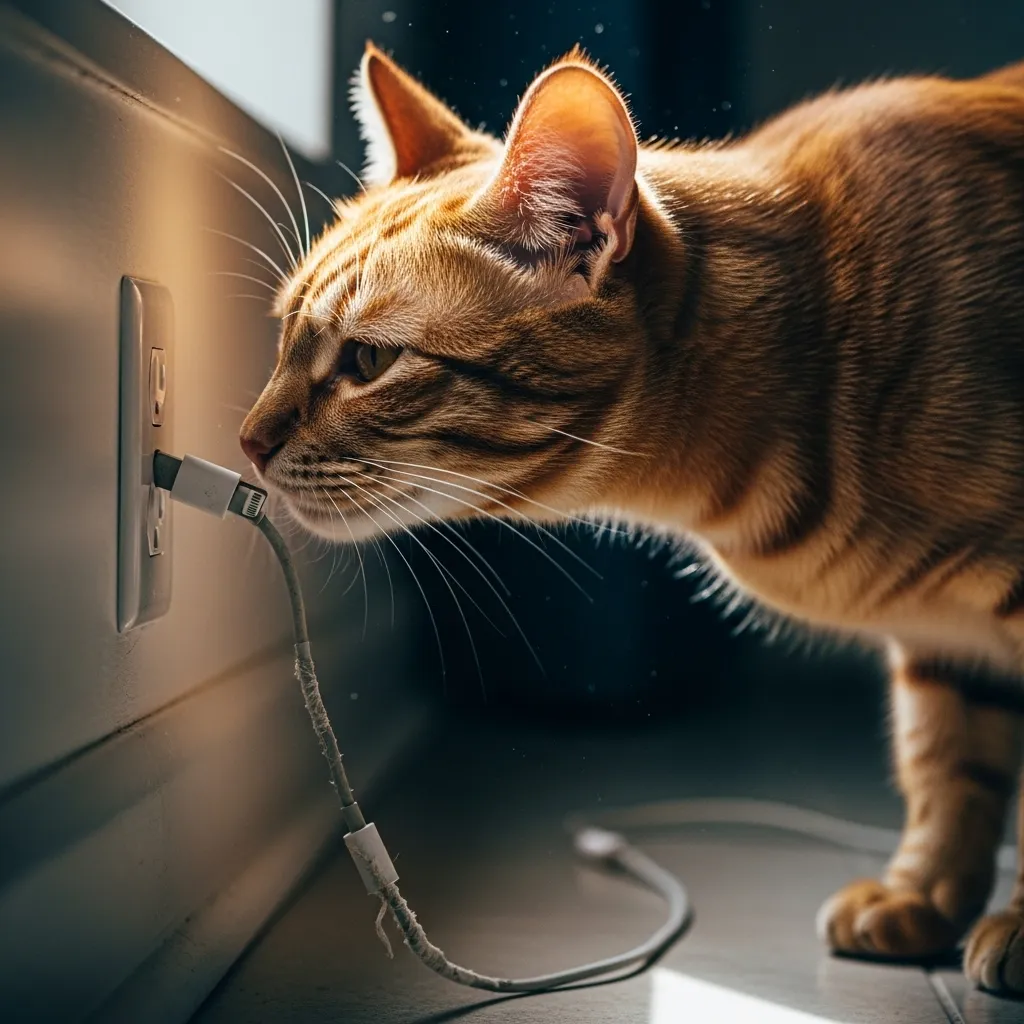
Quick Summary: The 10 Most Common Invisible Cat Hazards (So You Can Scan Your Home in 5 Minutes)
- Frayed or exposed electrical cords
- Essential oil diffusers and liquid potpourri
- Hidden ingestion of thread, string, or dental floss (linear foreign bodies)
- Toxic houseplants you forgot were poisonous
- Open toilets with cleaning tablets or drops
- Medications left on nightstands or in open purses
- Silica gel packets and oxygen absorbers in packaging
- Small batteries (especially button batteries)
- Antifreeze or windshield washer fluid drips in the garage
- Mold and dust-mite buildup in rarely cleaned areas
Keep reading for detailed prevention steps, symptoms to watch for, and exactly what to do if exposure happens.
1. Electrical Cords and Charging Cables The Silent Chewing Risk
Cats love to chew. Kittens teethe; adults often chew out of boredom or stress. A single frayed USB-C cable can deliver a deadly electrical burn to the tongue or trigger cardiac arrest.
What to look for
- Any cord that lies flat on the floor or dangles within paw reach
- Phone chargers, laptop cables, and lamp cords are the biggest offenders
Fast fixes that actually work
- Wrap cords with split loom tubing or bitter-apple coated cord protectors
- Use cord management clips to lift cables off the ground completely
- Switch to short, flat magnetic-breakaway chargers when possible
Real story: One owner on our community lost her 18-month-old Bengal to oral burns because a MacBook charger had a tiny nick no one noticed. Three days of intensive care couldn’t save her.
Learn more about Bengal cat personality traits and why they chew more than average in our complete Bengal cat guide.
2. Essential Oils and Diffusers Pretty Smells, Deadly Vapors
Essential oils are everywhere now. Diffusers, wax melts, plug-ins – many contain concentrated phenols and terpenes that cats cannot metabolize.
Most toxic oils for cats
- Tea tree
- Peppermint
- Citrus oils
- Pine
- Eucalyptus
- Cinnamon
- Wintergreen
Even “pet-safe” blends sold online often still contain problematic concentrations.
Signs of poisoning
- Drooling
- Vomiting
- Wobbling or tremors
- Difficulty breathing
- Low body temperature
If you diffuse, move the unit to a cat-free room with the door closed and a fan blowing out a window. Better yet, switch to water-based or enzyme air fresheners.
3. Linear Foreign Bodies The Thread That Can Kill
A piece of sewing thread trailing from a needle. Dental floss in the bathroom trash. Yarn from a craft project. Cats see these as perfect toys. Once swallowed, the string catches under the tongue or at the pylorus while the intestines keep moving – literally sawing through the gut.
Prevention checklist
- Store sewing kits, yarn, and craft supplies in hard plastic bins
- Use covered trash cans in every bathroom
- Never leave “pull toys” with long strings unattended
If your cat is vomiting repeatedly, stretching out like a sausage, or crying when you gently touch the belly, go to an emergency vet immediately. Time matters more than almost any other hazard.
4. The Houseplants Most People Don’t Realize Are Toxic
You already know about lilies (deadly). But these common ones fly under the radar:
| Plant | Toxic Part | Symptoms |
|---|---|---|
| Dieffenbachia | All parts | Oral burning, swelling, drooling |
| Philodendron | All parts | Same as above |
| Pothos (Devil’s Ivy) | All parts | Oral irritation, vomiting |
| Snake plant | All parts | Nausea, vomiting |
| ZZ plant | All parts | Rare but possible irritation |
| Sago palm | All parts, especially seeds | Liver failure within 72 hours |
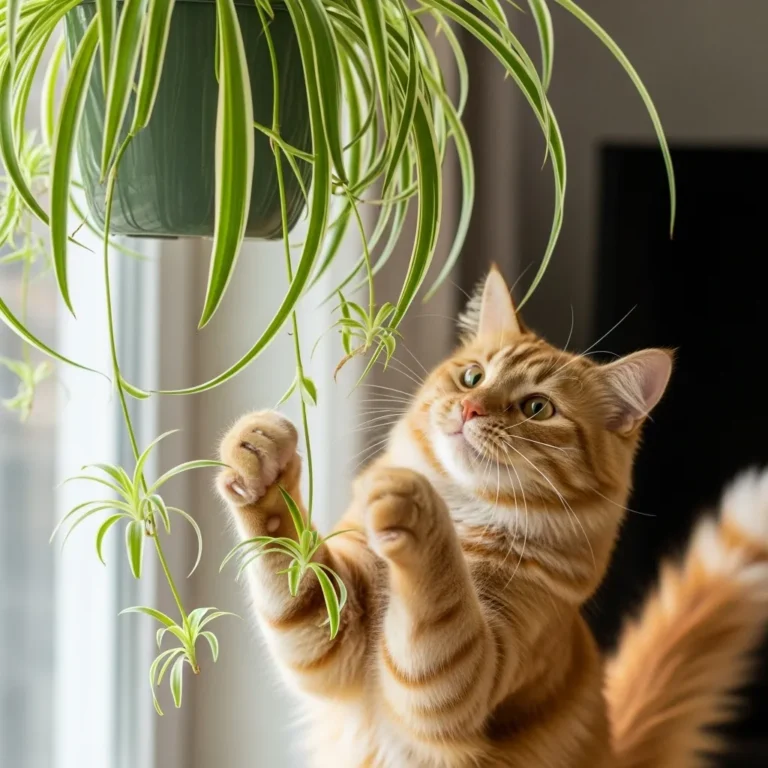
Move them high or replace with cat-safe alternatives like spider plants, Boston ferns, or cat grass.

5. Toilet Bowl Cleaners and Automatic Tablets
Those blue tablets or drop-ins that keep the bowl fresh? Many contain cationic detergents or concentrated chlorine that can cause chemical burns to the mouth and esophagus if a cat drinks from the toilet.
Simple rule: Keep the lid down or the bathroom door closed. A heavy ceramic toilet-lid lock works wonders for determined cats.
6. Human Medications One Pill Can End It
A single ibuprofen, acetaminophen (Tylenol), or antidepressant dropped on the floor can be fatal. Cats are not small dogs; their livers lack the enzymes to process many common drugs.
Safe storage habits
- Keep purses and backpacks zipped and off the floor
- Count pills every time you open a bottle
- Use weekly pill organizers with locking lids
If you ever suspect ingestion, call the ASPCA Poison Control hotline (888-426-4435) immediately have the pill bottle ready.
7. Silica Gel and Oxygen Absorber Packets
Those “Do Not Eat” packets in shoe boxes, jerky bags, and new purses? Cats sometimes chew them open. While silica itself is fairly inert, the real danger is choking or intestinal blockage, and some oxygen absorbers contain iron that causes severe toxicity.
Throw them away the moment a package is opened, ideally into a sealed outdoor bin.
8. Button Batteries Tiny but Horrific
The small disc batteries in remotes, flameless candles, and singing greeting cards release caustic material when punctured. One bite can cause liquefactive necrosis of the esophagus within hours.
Store anything battery-powered in drawers or use bitter-tasting battery covers.
9. Antifreeze and Garage Chemicals
Even a few licks of antifreeze (ethylene glycol) cause irreversible kidney failure. It smells sweet, and cats will lap it off the floor.
Switch to propylene glycol-based antifreeze (usually labeled “pet safe”) and wipe up any spills immediately.
10. Hidden Mold and Dust Mites
Chronic exposure to mold in walls, HVAC vents, or damp basements can trigger asthma-like symptoms in sensitive cats. Dust mites in old cat beds or carpets are another common trigger.
Monthly HEPA vacuuming, washing cat beds in hot water, and using dehumidifiers below 50% humidity make a measurable difference.
Early Warning Signs That Something Invisible Is Wrong
Look for subtle changes that often appear before a full crisis:
- Increased thirst or urination
- Sudden bad breath
- Drooling or pawing at the mouth
- Hiding more than usual
- Vomiting more than once a month
- Red or swollen gums
- Unexplained weight loss or gain
If two or more appear together, schedule a vet visit even if your cat still “seems fine.”
Your 15-Minute Invisible Hazard Home Audit (Free Checklist)
- Walk every room at cat-eye level – get on the floor.
- Look for dangling cords, open trash cans, and low plants.
- Open drawers and cabinets – anything a determined cat could pry?
- Check the garage for chemical drips.
- Peek inside closets for stored yarn or ribbon.
Print this list and stick it on the fridge. Do it again every season.
Final Thoughts
The scariest part about invisible cat hazards is how normal they look. That phone charger? Been there for months. That pothos on the shelf? You’ve had it for years. Yet thousands of cats end up in emergency clinics every year because of exactly these things.
You don’t need to bubble-wrap your house. You just need to see it through your cat’s eyes once in a while.
Explore more expert cat care and behavior guides on Cat Bloom Haven from keeping your Bengal safe from boredom-related chewing to choosing truly non-toxic houseplants. Your cat is counting on you to notice what they can’t tell you in words.
Stay vigilant, stay safe, and give your kitty an extra chin scratch tonight – they deserve it.
For further reading:
- Discover safe indoor plants for cat homes
- See our complete guide to cat-proofing your house without ruining the aesthetic
- Learn why some cats chew everything (and how to redirect it) in our cat behavior section