Feeding Cats with Hyperthyroidism: A Comprehensive Guide to Diet and Nutrition
If your cat has been diagnosed with hyperthyroidism, you’re likely wondering how to best support their health through diet. Feeding cats with hyperthyroidism requires careful attention to their unique nutritional needs, as this condition speeds up their metabolism, often leading to weight loss, increased appetite, and other challenges.
This guide dives deep into crafting the best diet for hyperthyroid cats, offering practical, vet-backed strategies to ensure your feline thrives. From meal frequency to choosing the right food, you’ll find actionable tips to manage feline hyperthyroidism effectively, whether your cat is on medication, a prescription diet, or a customized feeding plan.
In this article, you’ll learn:
- How hyperthyroidism affects your cat’s nutritional needs.
- The best foods and feeding schedules for hyperthyroid cats.
- How to balance thyroid and kidney health through diet.
- Practical tips for portion control, hydration, and supplements.
- Answers to common questions about cat hyperthyroidism diet and care.
Let’s explore how to keep your hyperthyroid cat healthy and happy with a tailored nutrition plan.
Key Takeaways for Feeding Cats with Hyperthyroidism
- Frequent, Small Meals: Hyperthyroid cats benefit from multiple small meals daily to stabilize metabolism and maintain weight.
- Low-Iodine Diets: Prescription diets like Hill’s y/d or low-iodine homemade foods can help manage thyroid hormone levels.
- Wet Food Preference: Wet food supports hydration and is often easier for senior cats to digest.
- High-Protein, High-Calorie: Hyperthyroid cats need nutrient-dense foods to combat muscle loss and meet increased energy demands.
- Veterinary Guidance: Always consult a vet to tailor the diet to your cat’s specific health needs, especially if kidney disease is present.
- Monitor Weight and Hydration: Regular weigh-ins and access to fresh water are critical for long-term management.
Understanding Feline Hyperthyroidism and Its Impact on Nutrition
What Is Feline Hyperthyroidism?
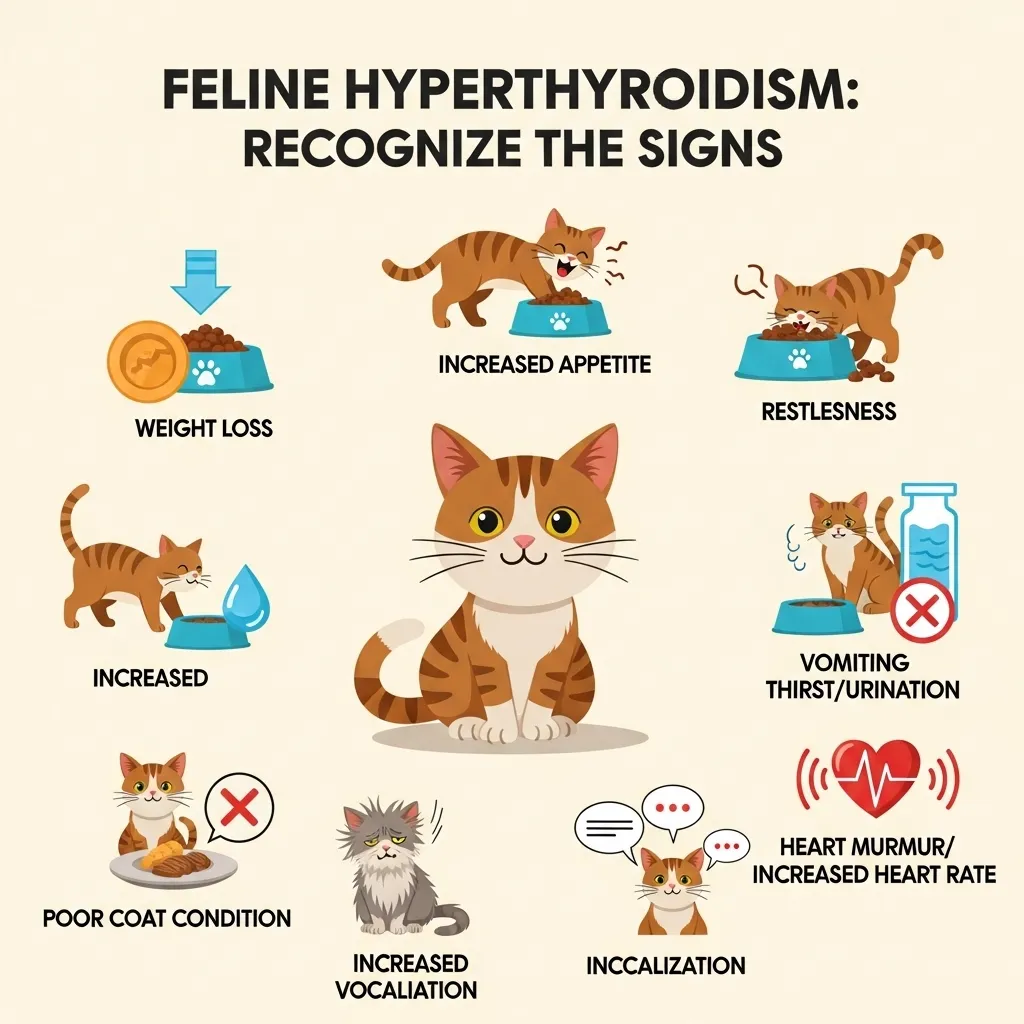
Feline hyperthyroidism is a common endocrine disorder in older cats, typically caused by a benign tumor on the thyroid gland that overproduces thyroid hormones (T4 and T3). These hormones regulate metabolism, so excess production speeds up bodily functions, leading to symptoms like:
- Increased appetite with weight loss
- Increased thirst and urination
- Restlessness or hyperactivity
- Vomiting or diarrhea
- Muscle wasting
This condition affects how your cat processes nutrients, making diet a cornerstone of feline hyperthyroidism management. A well-planned cat hyperthyroidism diet can help maintain weight, support organ health, and improve quality of life.
How Hyperthyroidism Affects Nutritional Needs
The accelerated metabolism in hyperthyroid cats burns calories faster, increasing their caloric needs. Without proper nutrition, they risk losing muscle mass and body condition. Key nutritional considerations include:
- High-Calorie Foods: To counteract weight loss.
- High-Quality Protein: To preserve muscle mass, especially in senior cats.
- Low-Iodine Content: Iodine fuels thyroid hormone production, so limiting it can help manage the condition.
- Hydration: Increased thirst makes wet food or water-rich diets critical.
- Balanced Nutrients: To support overall health, especially if kidney disease coexists.
Explore our detailed guide on cat health care for more insights on managing chronic conditions in cats.
Crafting the Best Diet for Hyperthyroid Cats
Choosing the Right Food for Hyperthyroid Cats
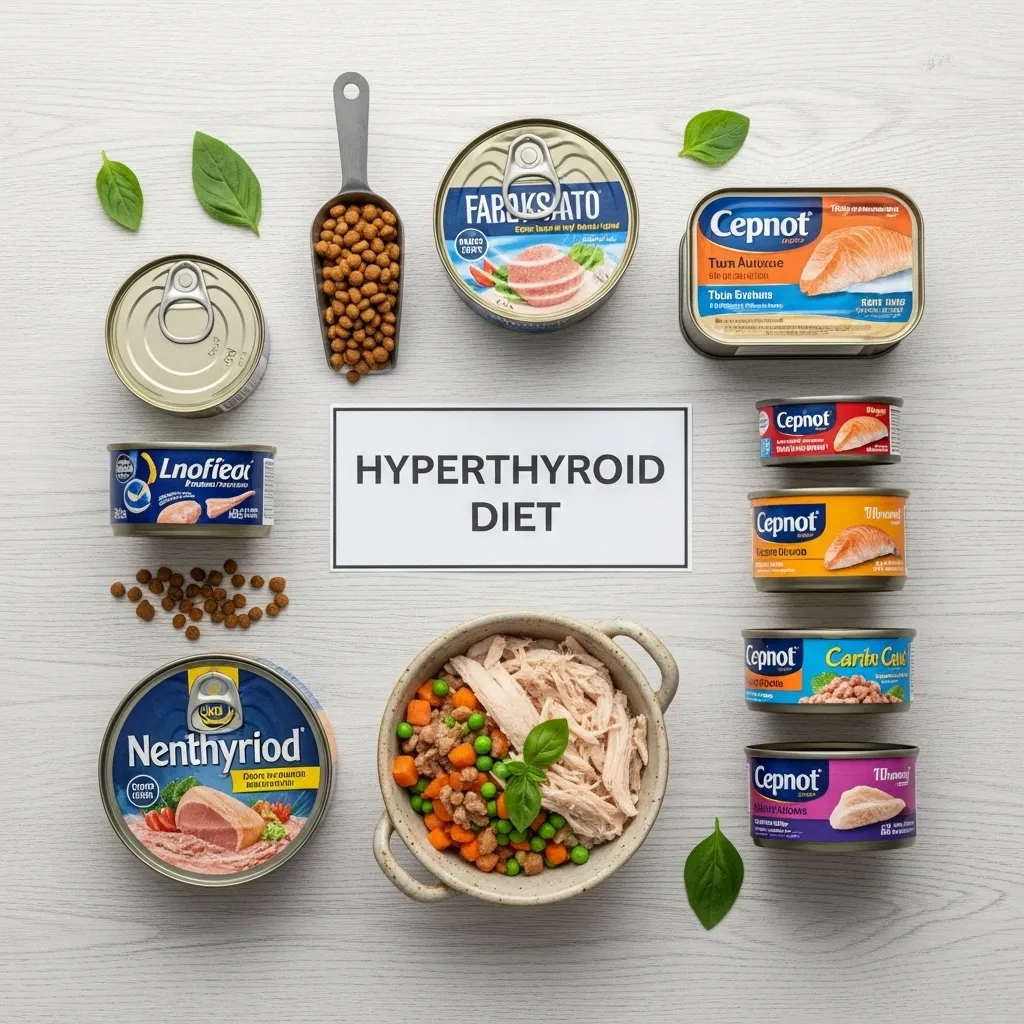
Selecting the best food for hyperthyroid cats depends on your cat’s specific needs, treatment plan, and any coexisting conditions like kidney disease. Here’s a breakdown of options:
Prescription Diets: Hill’s Prescription Diet y/d
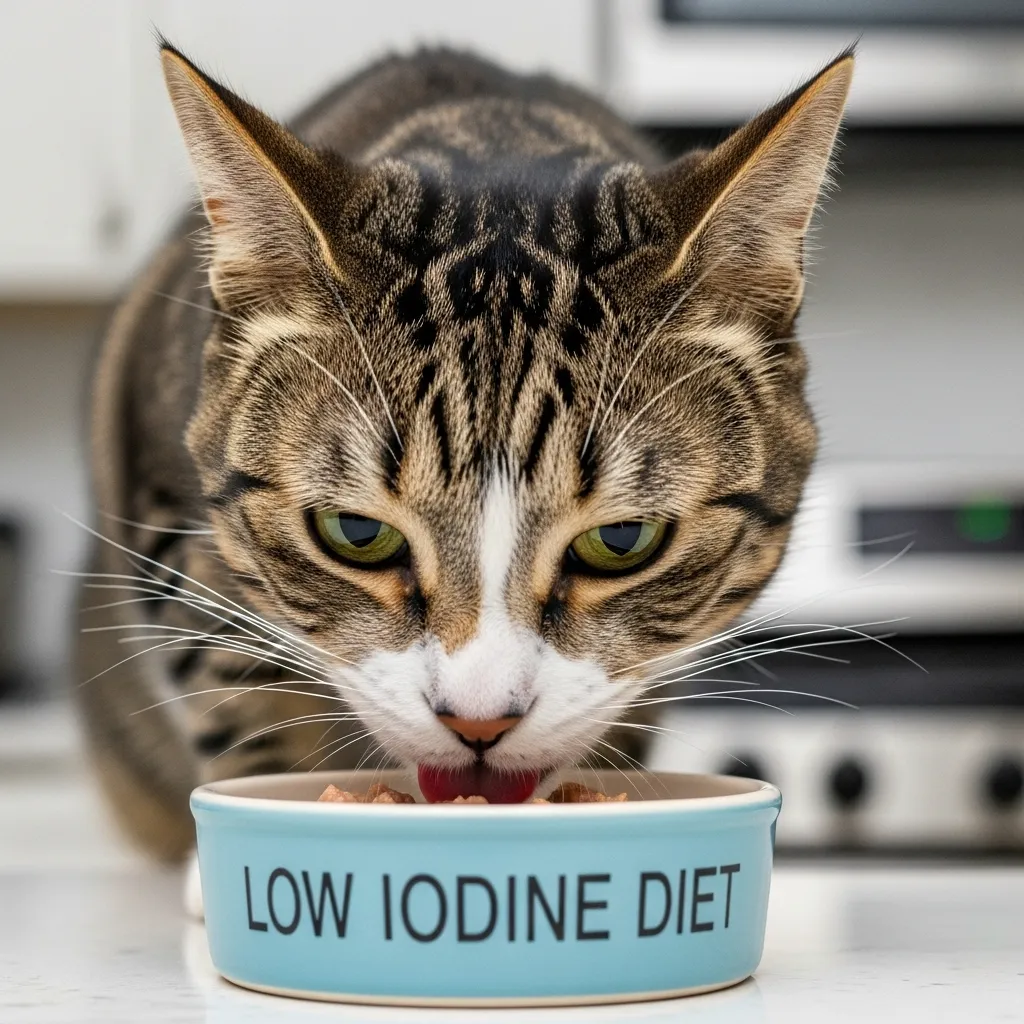
Hill’s Prescription Diet y/d is a vet-recommended low-iodine cat food for hyperthyroidism. It’s formulated to reduce thyroid hormone production by limiting iodine while providing balanced nutrition. Available in wet and dry forms, it’s a convenient option for cats on medication or as a standalone treatment. However:
- Pros: Clinically proven to lower thyroid hormone levels in 3–6 weeks; easy to feed.
- Cons: Expensive; some cats dislike the taste; not suitable for cats with kidney disease without vet approval.
Commercial Wet and Dry Foods
If a prescription diet isn’t an option, look for high-protein, high-calorie commercial foods. Wet vs dry food for hyperthyroid cats is a common debate:
- Wet Food: Preferred for its high water content (70–80%), which supports hydration and nutrition for cats with hyperthyroidism. It’s easier to digest for senior cats and helps with urinary health.
- Examples: Purina Pro Plan Veterinary Diets (high-protein options), Royal Canin Aging 12+.
- Dry Food: Convenient and often more palatable but lower in moisture. Choose high-protein, low-carb options to meet caloric needs of hyperthyroid cats.
- Examples: Blue Buffalo Wilderness, Orijen Senior.
Tip: If your cat prefers dry food, soften it with water to boost hydration. Learn more in our guide on softening dry cat food.
Homemade Diets for Hyperthyroid Cats
A homemade diet for hyperthyroid cats can be effective but requires careful planning to ensure low iodine and balanced nutrients. Work with a veterinary nutritionist to create recipes with:
- High-quality protein (e.g., chicken, turkey).
- Low-iodine ingredients (avoid fish, seaweed, or iodized salt).
- Added taurine and essential vitamins/minerals.
Caution: Homemade diets are complex and risky without expert guidance, as deficiencies can worsen health.
Wet vs Dry Food: Which Is Better?
Wet food is generally better for hyperthyroid cats due to its moisture content and digestibility. However, some cats prefer dry food, and a mix of both can work if hydration is supplemented (e.g., water fountains). Here’s a comparison:
| Factor | Wet Food | Dry Food |
|---|---|---|
| Moisture Content | High (70–80%) | Low (10–12%) |
| Digestibility | Easier for senior cats | May be harder on sensitive stomachs |
| Hydration Support | Excellent for kidney/thyroid health | Requires additional water intake |
| Palatability | Often preferred by picky eaters | Convenient, longer shelf life |
| Cost | More expensive | More budget-friendly |
Discover more tips in our guide on best wet cat food.
Balancing Kidney and Thyroid Health
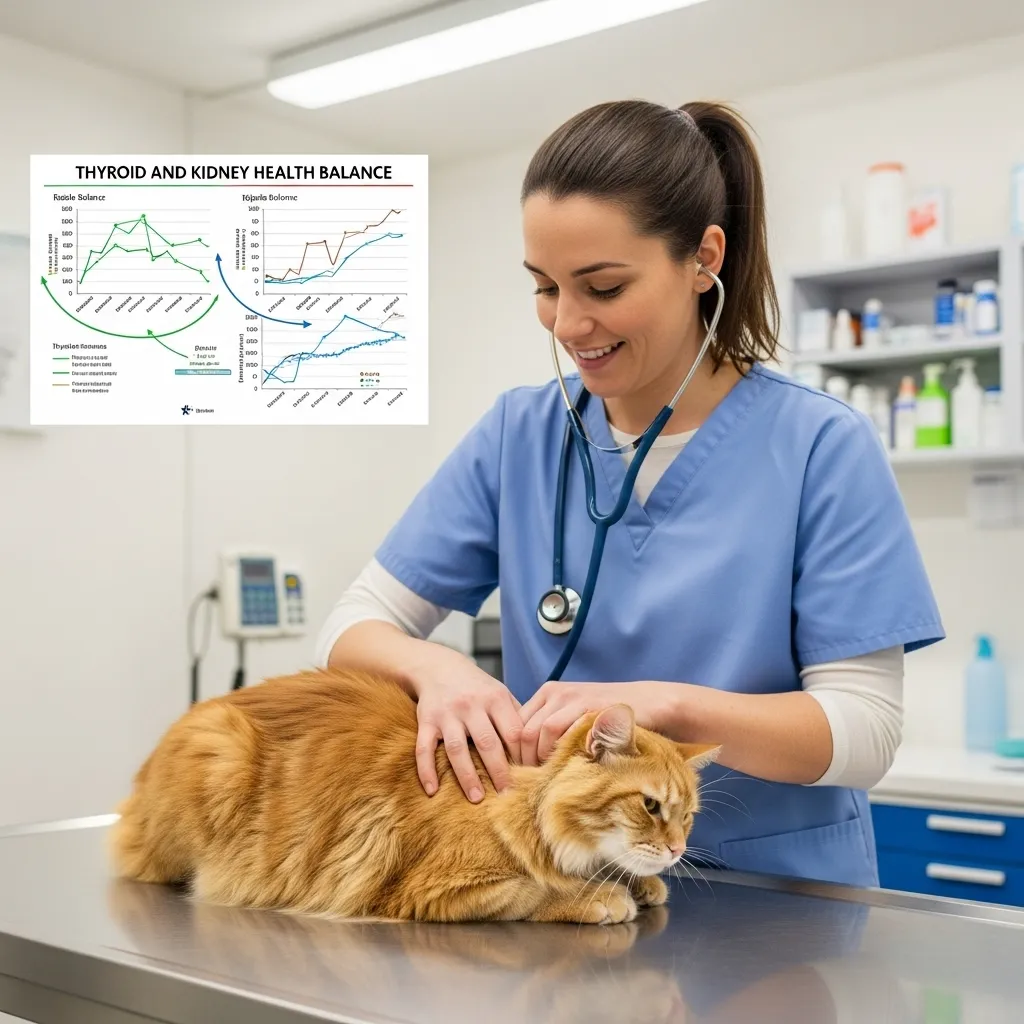
Many hyperthyroid cats develop kidney disease, complicating dietary needs. A high-protein low-iodine cat food for thyroid health may strain kidneys, which require lower protein and phosphorus. Work with your vet to:
- Prioritize wet food to support kidney function.
- Monitor bloodwork to adjust protein levels.
- Avoid Hill’s y/d if kidney disease is advanced, as its protein content may be too high.
Learn more about cat urinary health for tips on managing kidney issues.
How Often to Feed a Cat with Hyperthyroidism
Why Meal Frequency Matters
Hyperthyroid cats have increased energy demands, so a cat feeding schedule for hyperthyroidism should include frequent, small meals to:
- Stabilize metabolism and blood sugar.
- Prevent hunger-driven stress or vomiting.
- Support weight maintenance.
Recommended Feeding Schedule
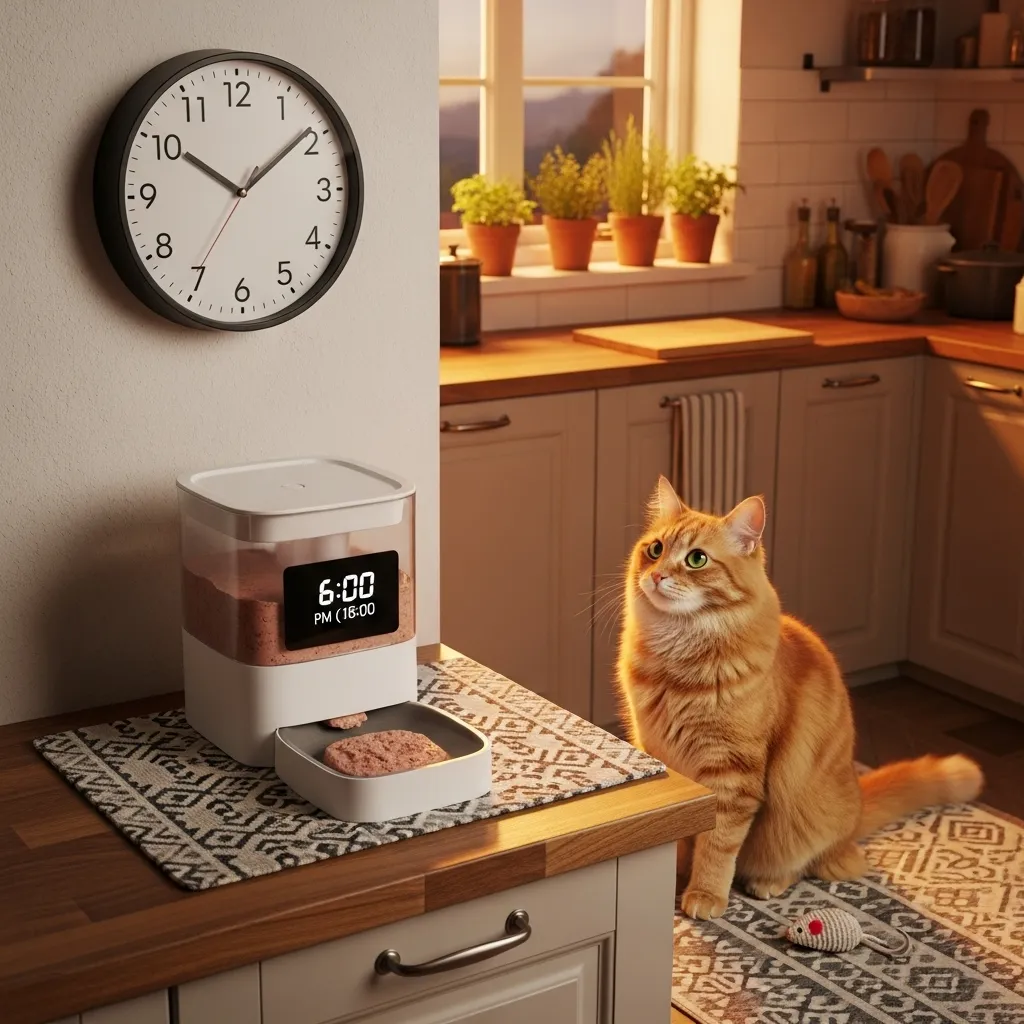
- Number of Meals: 4–6 small meals daily, spaced evenly (e.g., every 4 hours).
- Portion Control: Divide daily caloric needs (typically 20–30 calories per pound of ideal body weight) into smaller portions. For example, a 10-pound cat may need 200–300 calories split into 4–6 meals.
- Consistency: Feed at the same times daily to regulate metabolism.
Example Schedule for a Hyperthyroid Cat:
- 7:00 AM: 1/4 of daily wet food portion
- 11:00 AM: 1/4 of daily wet food portion
- 3:00 PM: 1/4 of daily dry food portion (softened with water)
- 7:00 PM: 1/4 of daily wet food portion
- 10:00 PM (optional): Small treat or additional wet food
Tip: Use an automatic feeder for consistency. Check out our automatic cat feeder guide for recommendations.
Portion Control for Hyperthyroid Cats
Overfeeding can lead to obesity, while underfeeding worsens weight loss. To calibrate portions:
- Weigh your cat weekly to track body condition.
- Use a kitchen scale to measure food precisely.
- Adjust portions based on vet recommendations and your cat’s response to treatment.
Additional Tips for Hyperthyroid Cat Nutrition
Hydration Strategies
Hyperthyroid cats are prone to dehydration due to increased thirst and urination. To promote hydration and nutrition for cats with hyperthyroidism:
- Provide multiple fresh water sources (bowls, fountains).
- Mix water into wet food or soften dry food.
- Offer low-sodium broths (check with your vet).
Explore our ragdoll cat hydration tips for more ideas applicable to all cats.
Nutritional Supplements
Supplements can support hyperthyroid cat nutrition but should only be used under veterinary guidance:
- Omega-3 Fatty Acids: Reduce inflammation and support coat health.
- Taurine: Essential for heart and eye health, especially in homemade diets.
- Probiotics: Aid digestion, especially if diarrhea is present.
Avoid: Over-supplementing, as excess vitamins (e.g., vitamin A) can be toxic.
Monitoring and Vet Checkups
Regular vet visits are crucial for feline hyperthyroidism management. Monitor:
- Weight and body condition score.
- Thyroid hormone levels (T4).
- Kidney function (blood urea nitrogen, creatinine).
- Appetite and energy levels.
Learn more in our guide on finding the best vet for your cat.
Can Diet Cure Cat Hyperthyroidism?
Diet alone cannot cure hyperthyroidism, but it plays a critical role in management. A low-iodine cat food for hyperthyroidism like Hill’s y/d can reduce thyroid hormone production, potentially decreasing reliance on medication. However, most cats need a combination of diet, medication, or other treatments (e.g., radioactive iodine therapy) for long-term control. Always follow your vet’s treatment plan.
Natural Remedies and Homemade Diets
Some owners explore natural remedies for feline hyperthyroidism, such as herbal supplements or homemade diets. While these may complement veterinary care, they’re not a substitute for proven treatments. Risks include:
- Nutrient imbalances in homemade diets.
- Ineffective or untested herbal remedies.
- Delaying proper treatment, worsening symptoms.
Consult a vet before trying homemade diet for hyperthyroid cats or natural approaches.
Feeding Hyperthyroid Cats with Kidney Disease
Balancing feeding hyperthyroid cats with kidney disease is tricky. Thyroid diets often require high protein, while kidney diets prioritize lower protein and phosphorus. A vet may recommend:
- Wet food with moderate protein levels.
- Phosphorus binders to support kidney health.
- Regular bloodwork to monitor both conditions.
FAQ: Common Questions About Feeding Cats with Hyperthyroidism
How often should I feed my hyperthyroid cat?
Feed 4–6 small meals daily to stabilize metabolism and maintain weight. Use an automatic feeder for consistency.
What’s the best food for hyperthyroid cats?
Wet, high-protein, low-iodine foods like Hill’s y/d or vet-approved commercial diets are ideal. Prioritize wet food for hydration.
Can a homemade diet help my hyperthyroid cat?
Yes, but only with a veterinary nutritionist’s guidance to ensure low iodine and balanced nutrients.
Is wet or dry food better for hyperthyroid cats?
Wet food is better due to its high moisture content, aiding hydration and digestion. Dry food can work if supplemented with water.
Can diet cure feline hyperthyroidism?
No, but a low-iodine diet can manage symptoms and reduce thyroid hormone levels when paired with veterinary treatment.
How do I manage a hyperthyroid cat not gaining weight?
Increase caloric intake with frequent, high-calorie meals and monitor weight weekly. Consult a vet to adjust treatment or diet.
For more on senior cat care, check out best foods for senior Bengal cats.
Conclusion: Supporting Your Hyperthyroid Cat Through Diet
Feeding a cat with hyperthyroidism is about more than just filling their bowl it’s about tailoring nutrition to their unique needs. By choosing the best food for hyperthyroid cats, establishing a cat feeding schedule for hyperthyroidism, and prioritizing hydration and veterinary guidance, you can help your cat maintain weight, energy, and overall health. Whether you opt for a prescription diet for hyperthyroid cats like Hill’s y/d or a carefully planned commercial or homemade diet, consistency and monitoring are key.
Explore more expert cat care and behavior guides on Cat Bloom Haven to keep your feline friend thriving at every stage of life.