Decoding Feline Friendship: A Scientific Guide to How Cats Form Deep Social Bonds 🐱❤️
Ever wondered why your cat follows you from room to room, or why they’ve chosen you as their favorite person in a house full of others? The journey of how cats form social bonds is a fascinating blend of instinct, learned trust, and silent communication. Far from being the aloof creatures of myth, domestic cats are capable of forming profound, lasting attachments to both humans and other animals. Their bond-building process is a nuanced dance of mutual respect, positive reinforcement, and understanding a unique feline language of affection.
This comprehensive guide will take you inside the world of cat social behavior, drawing on veterinary science and behavioral research to explain the mechanics of cat bonding with humans. We’ll decode the subtle and not-so-subtle signs your cat is bonded to you, explore the science behind why cats choose one person, and provide actionable strategies to nurture these precious relationships. By the end, you’ll not only understand the psychology behind your cat’s actions but also learn how to become an even more trusted and beloved part of their world.
Understanding the Feline Social Blueprint: From Solitary to Social
To understand how modern cats bond, we must first look at their evolutionary past. Unlike pack-oriented dogs, the wild ancestors of domestic cats (Felis silvestris lybica) were largely solitary hunters. Their primary social bonds were between a mother and her kittens, which lasted only until the young were independent. This history means that for cats, forming social bonds is a choice, not an innate necessity for survival. Domestication, over thousands of years, has softened and reshaped this instinct, allowing cats to see their human families as a secure social unit.
Cats engage in what scientists call “social flexibility.” They can thrive alone, but they can also form complex cat relationships with other cats and deep interspecies friendships. The key is that the bond must be beneficial and stress-free from the cat’s perspective. Trust is not automatically given; it is earned through consistent, positive interactions that make the cat feel safe, secure, and understood. This foundational understanding is crucial for anyone looking to build or strengthen their connection with a feline friend.
The 5 Foundational Pillars of How Cats Bond
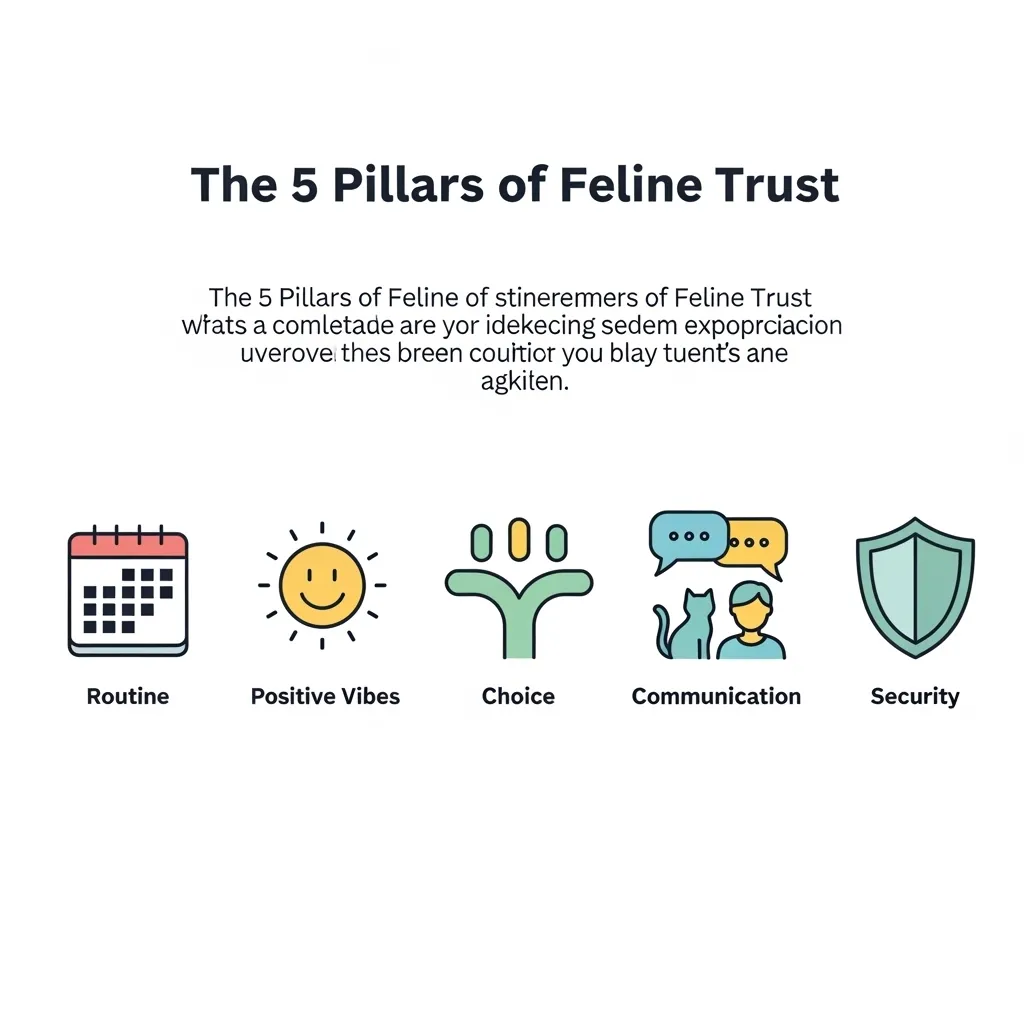
The process of how cats form social bonds rests on five interconnected pillars. When these elements are consistently present, a deep and trusting relationship flourishes.
- Consistency and Predictability: Cats are creatures of habit. A reliable routine for feeding, play, and quiet time creates a secure environment. Sudden changes or chaotic households can hinder cat bonding behavior. Your cat learns to trust that their world is stable and that you are a dependable part of it.
- Positive Association: Cats excel at linking people with experiences. You become “the source of good things.” This goes beyond just food; it includes gentle play, soothing petting in preferred spots, and a calm, welcoming presence. How cats bond with humans is often a direct map of who provides these positive experiences most sensitively.
- Choice and Control: Forcing interaction is the fastest way to break trust. The strongest bonds are formed when the cat is allowed to initiate contact and retreat when they’ve had enough. Respecting their boundaries shows you understand their need for autonomy.
- Non-Threatening Communication: Cats communicate in ways humans often miss. Learning their language like understanding the slow blink as a “kitty kiss” and respecting their signals (e.g., twitching tail means “I’m over-stimulated”) is critical. Speaking their language is a powerful form of cat bonding behavior.
- Safe Environment and Resources: A bond cannot form if a cat feels stressed. This includes providing ample resources (litter boxes, scratching posts, perches) and ensuring they don’t have to compete for them, especially in multi-cat households. Security is the bedrock of cat attachment to humans.
Decoding the Language of Love: 10 Clear Signs Your Cat is Bonded to You
Cats show affection subtly. Here are the top behavioral signs that your cat social bonds with you are strong and healthy.
- The Slow Blink: Often called a “cat kiss,” this is one of the highest compliments. When your cat looks at you and slowly closes and opens their eyes, they are expressing ultimate trust and contentment. You can “return” the blink to strengthen your connection.
- Head Bunting and Cheek Rubbing: When your cat bumps their head or rubs their cheek on you, they are depositing pheromones from scent glands. This marks you as “theirs” and mingles their scent with yours, creating a communal family scent. It’s a definitive sign of cat attachment to humans.
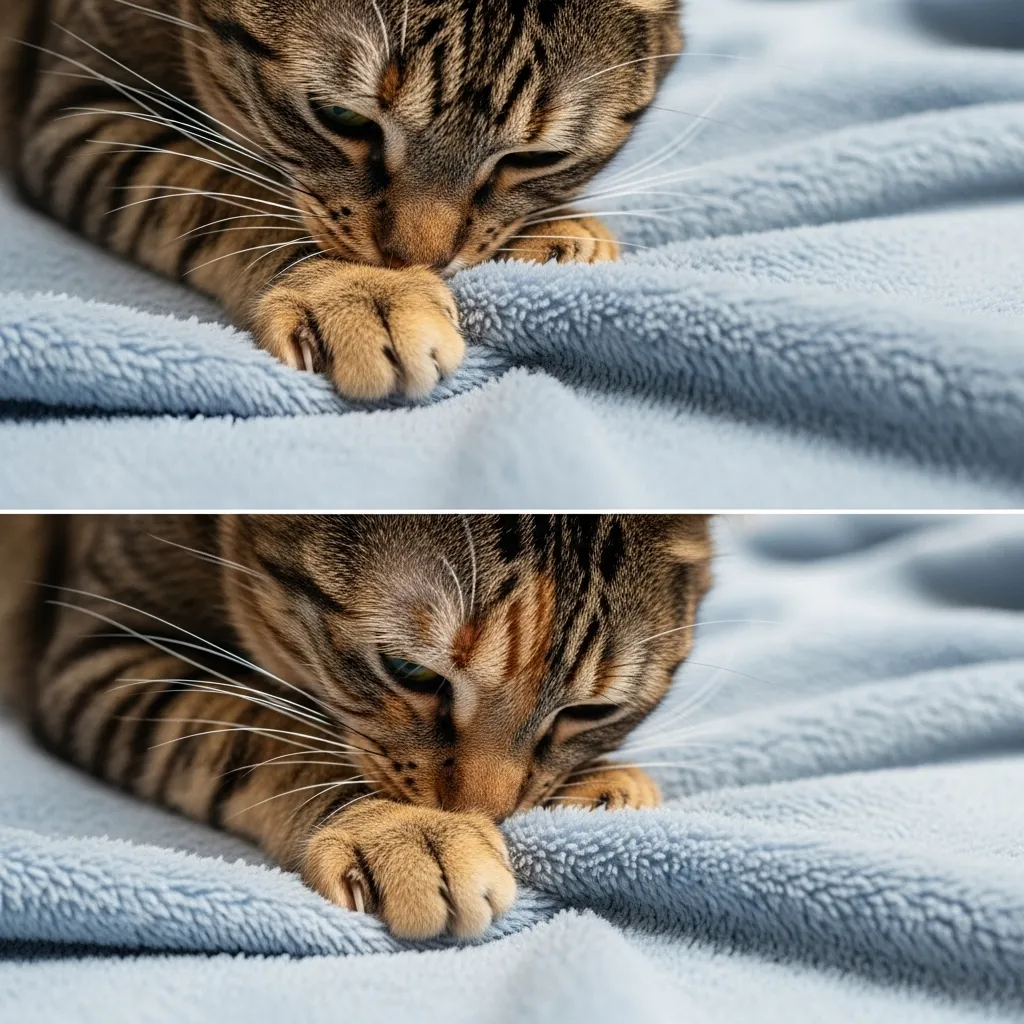
- Kneading: This “making biscuits” behavior is a holdover from kittenhood, when they kneaded their mother to stimulate milk flow. An adult cat kneading on you is a sign of pure, relaxed bliss and indicates they associate you with the comfort and safety of their earliest social bonds.
- Showing the Belly (Sometimes): Exposing the vulnerable belly is a tremendous sign of trust. Note: this is not always an invitation for a belly rub (which can trigger a defensive grab-and-bite). Often, it’s simply them saying, “I feel so safe with you, I can let my guard down.”
- Following You and Seeking Proximity: A bonded cat wants to be near you. They may follow you from room to room, not necessarily for attention, but just to share your space. Sleeping near or on you is the ultimate expression of this.
- The “Elevator Butt” and Tail Signals: When you pet the base of your cat’s tail and they lift their rear end high, it’s a sign of enjoyment and a greeting behavior from kittenhood. A tail held high with a slight hook at the tip is a friendly, confident greeting.
- Gifting “Prey”: Whether it’s a toy, a leaf, or an unfortunate mouse, your cat bringing you a “gift” is a deeply instinctive behavior. They see you as part of their family and are either trying to teach you to hunt or share their success with a loved one.
- Mutual Grooming and Allogrooming: If your cat gently licks your hand or hair, they are treating you as they would a littermate or family member. This social grooming reinforces bonds. Similarly, when cats groom each other (allogrooming), it’s a key sign of a strong cat relationship with other cats.
- Vocal Communication: While cats meow more at humans than at each other, the tone and context matter. Soft chirps, trills, and purring (when combined with relaxed body language) are often signs of a happy, bonded greeting or request for interaction.
- Distress at Your Absence: While not as dramatic as some dogs, a bonded cat may show signs of mild cat separation anxiety when you’re gone for long periods—such as subdued behavior, changes in appetite, or excessive vocalization when you leave.
Why Cats Choose a Favorite Person: The Science of Preference
The question of “do cats have a favorite person” has a clear answer: yes, very often. This doesn’t mean they dislike others, but they frequently form a primary attachment. The reasons are practical and rooted in the pillars of bonding:
- The Principle of Positive Association: The favorite person is often the one who feeds them, plays with them using their preferred style, or engages in quiet, calming petting sessions. They don’t just provide resources; they provide them in a way the cat enjoys most.
- Energy and Demeanor: Cats are highly sensitive to energy. A person with a calm, quiet, and predictable demeanor is often more appealing than someone who is loud, sudden, or overly forceful in their affection. The favorite person often intuitively understands cat bonding behavior.
- Respect for Feline Etiquette: This person likely lets the cat approach first, reads their body language accurately, and doesn’t force cuddles. They respect the cat’s autonomy, which deepens trust.
- Shared Routine: Consistency is key. The person whose daily schedule most closely aligns with the cat’s natural rhythms (e.g., being home at certain times for play or meals) often becomes the central figure in their world.
Discover more about how different cat breeds personalities can influence their bonding style in our detailed breed guide.
Nurturing the Bond: Practical Strategies for Every Cat Owner
Building a strong bond is an ongoing process. Here’s how to apply the science in your daily life:
- Let Them Initiate: Make yourself available but let the cat make the first move. Sit on the floor with a toy or a book and allow them to come to you. This empowers them and builds positive associations.
- Master the Art of Play: Use interactive wand toys to simulate prey (stalking, chasing, pouncing). End the session with a “catch” to satisfy their instinct. Daily play is a cornerstone of how cats bond with humans and is essential for their mental and physical health. For high-energy breeds, explore our guide on how to keep cats entertained.
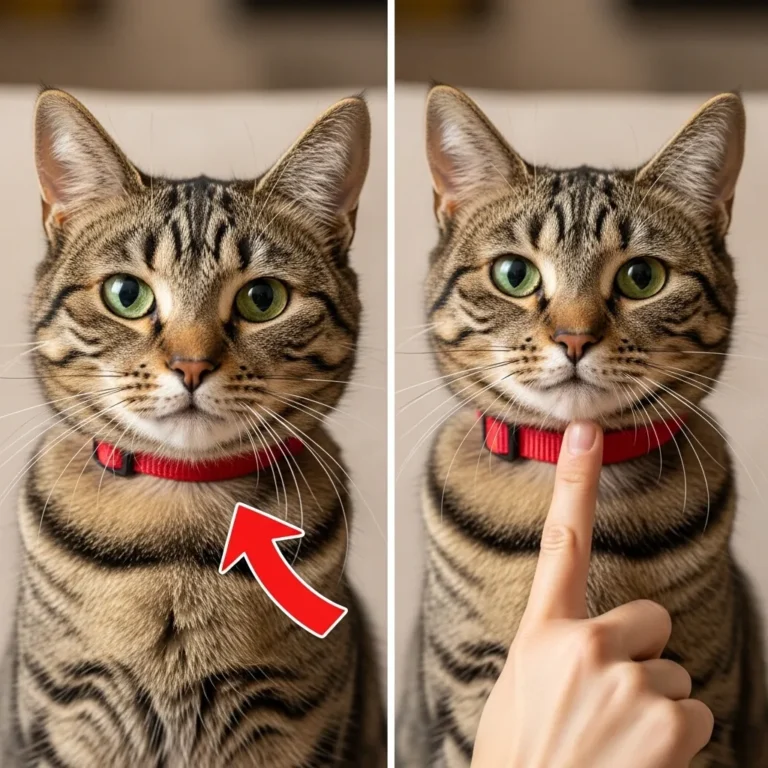
- Pet on Their Terms: Focus on areas most cats prefer: the base of the ears, under the chin, along the cheeks. Avoid the belly unless you are certain they enjoy it. Watch for signs of overstimulation.
- Create a Cat-Centric Home: Provide vertical space (cat trees, shelves), hiding spots (boxes, tunnels), and scratching posts. A cat that feels in control of its environment is a more confident and bonded cat. Get inspired by our ideas for cat wall climbing setups.
- Use Food Puzzles and Training: Engage their brain. Food puzzles make mealtime a rewarding challenge. Using positive reinforcement (treats) to teach simple tricks like “sit” or “target” builds communication and trust. You can learn the basics in our article on how to teach your cat to fetch.
- Never Use Punishment: Yelling, spraying with water, or physical punishment destroys trust and creates fear-based anxiety. It is counterproductive to all cat bonding behavior. Redirect unwanted behavior (like scratching furniture) to appropriate alternatives.
Bonding in Multi-Cat Households: Fostering Feline Friendships
Cat social bonds with each other are equally important. A harmonious multi-cat home requires careful management of resources and introductions.
- Proper Introductions Are Key: Rushing an introduction can lead to long-term stress and conflict. Keep new cats separated at first, swap scents with blankets, and use mealtime as a positive, gradual introduction tool. Our guide to introducing a kitten to a cat offers a step-by-step process.
- Provide Multiple Resources: The rule is one per cat, plus one extra. This applies to litter boxes, food/water stations, and cozy sleeping areas. Competition over resources is a primary cause of inter-cat tension.
- Recognize True Friendship vs. Tolerance: Signs of a positive cat relationship with other cats include allogrooming, sleeping touching or close together, and gentle, playful wrestling. Hissing, blocking access, staring, and fighting indicate a problematic relationship that may need behavioral intervention.
FAQs: Your Questions on Feline Bonds, Answered
Do cats get emotionally attached to their owners?
Yes, scientific studies using adapted “secure base” tests (similar to those used for infants) have shown that the majority of cats form secure attachments to their caregivers. They use their owner as a source of safety and security in a novel environment.
How long does it take for a cat to bond with you?
There is no universal timeline. It depends on the cat’s history (a shy rescue will take longer than a socialized kitten), your consistency, and their personality. Building deep trust can take weeks, months, or even years. Patience is essential.
Can a cat’s bond be broken or repaired?
Trust can be damaged by traumatic events, prolonged stress, or inconsistent care. However, it can almost always be repaired with time, patience, and a return to the core bonding principles: consistency, positive association, and respect for their autonomy.
My cat follows me everywhere. Is this a sign of bonding or anxiety?
It is usually a strong sign of bonding and a desire to be with you. However, if it is accompanied by vocal distress when you leave, destructive behavior, or inappropriate elimination, it could point to cat separation anxiety. For other behavioral insights, you might find our article on why cats guard bedroom doors interesting.
How do I know if my cat trusts me?
The highest signs of trust are when your cat sleeps exposed (belly up) near you, slow blinks consistently, kneads on you, and greets you with a raised tail. They are vulnerable and content in your presence.
Conclusion: The Rewarding Journey of Mutual Trust
Understanding how cats form social bonds transforms the way we interact with our feline companions. It moves us from being mere providers to becoming trusted partners in their world. The bond with a cat is a quiet, profound, and deeply rewarding connection built on mutual respect and understanding. It’s not demanded but earned, and once given, it is a gift of pure trust.
By speaking their language, honoring their instincts, and providing a haven of safety and positivity, you unlock the door to a truly special relationship. Pay attention to the subtle signs your cat is bonded to you, cherish the slow blinks and head bunts, and continue to nurture that connection every day.
Ready to deepen your understanding of your feline friend? Explore more expert guides on cat behavior explained, from decoding cat tail language to managing cat stress signs, right here on Cat Bloom Haven.