Why Your Cat Cries When Locked Out of the Bedroom: A Complete Guide to Feline Behavior and Solutions
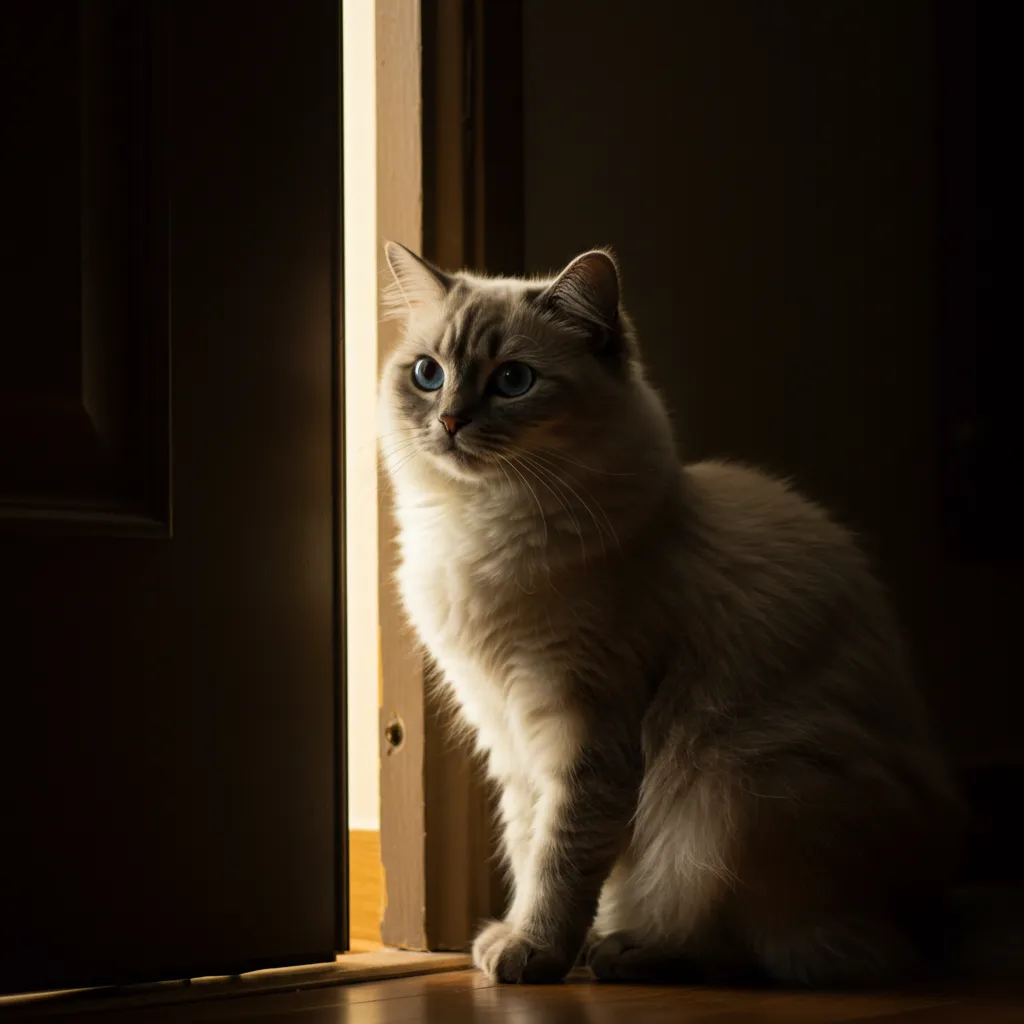
You’re ready to catch some Z’s, but your cat is staging a meow-fest outside your bedroom door. The relentless cries of a cat locked out of the bedroom can feel like a personal attack on your sleep. If you’re wondering, “Why does my cat cry when locked out of the bedroom?” you’re not alone.
This behavior often stems from feline separation anxiety, a desire for comfort, or simply your cat’s need to be near you at night. In this in-depth guide, we’ll uncover the reasons behind your cat crying outside the bedroom door, explore cat separation anxiety at night, and share proven strategies to calm your furry friend. Whether you want to keep your cat out of the bedroom or create a peaceful nighttime routine, we’ve got you covered with expert insights and actionable tips.
Key Takeaways
- Cats cry when locked out of the bedroom due to separation anxiety, seeking comfort, or wanting to bond with their owners.
- Understanding cat behavior, like night vocalizations, helps address the root cause of distress.
- Calming techniques, alternative sleeping setups, and behavior redirection can stop your cat from meowing at the door.
- Balancing your cat’s emotional needs with your sleep preferences creates a harmonious home.
- Explore more cat behavior solutions at CatBloomHaven.com.
Why Do Cats Cry When Locked Out of the Bedroom?
Cats are creatures of habit, and being locked out of the bedroom can trigger emotional distress. The main reasons your cat cries when locked out include:
1. Feline Separation Anxiety
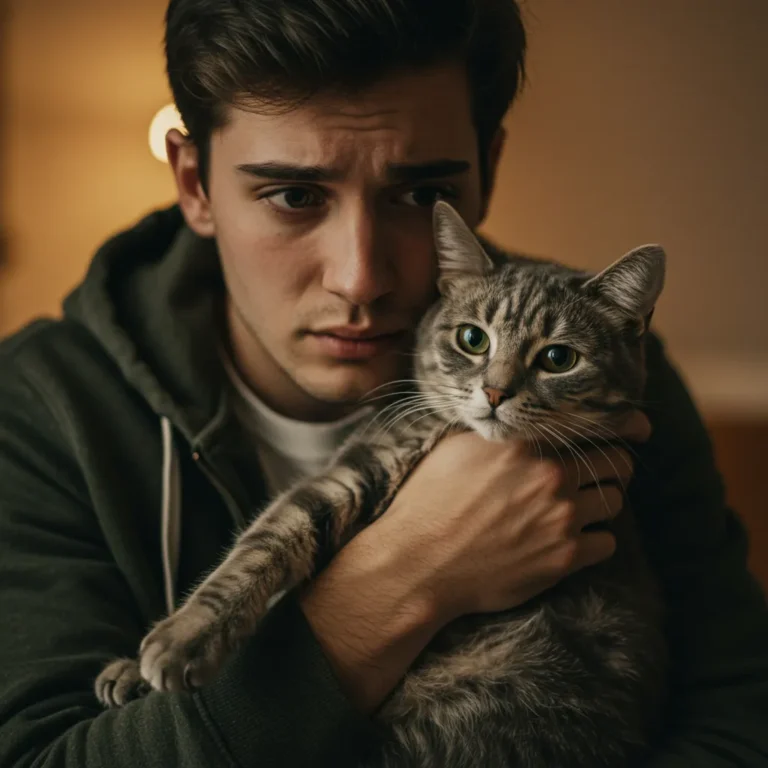
Cats form strong bonds with their owners, and being separated at night can cause feline separation anxiety. This is especially common in cats that view you as their primary source of security. When the bedroom door shuts, they feel isolated, leading to persistent meowing or scratching at the door. According to a 2023 study in the Journal of Feline Medicine and Surgery, up to 13% of cats exhibit signs of separation anxiety, including vocalizations at night.
2. Seeking Comfort and Security
Cats often see their owner’s bedroom as a safe haven. Your scent, warmth, and presence make the bedroom a prime spot for cat comfort and security. Breeds like Siamese and Ragdolls are particularly prone to seeking closeness due to their affectionate personalities.
3. Bonding and Companionship
Cats that want to sleep with their owners are often expressing a desire to strengthen their bond. Sleeping near you mimics the social structure of a cat colony, where close-knit groups share resting spaces. If your cat cries at the bedroom door, they might just be saying, “I want to be with my family!”
4. Routine Disruption
Cats thrive on routine. If your cat is used to sleeping in your bedroom and you suddenly lock them out, this change can trigger confusion and vocal protests. This is especially true for cats with established cat sleeping habits, like Maine Coons who love consistency.
5. Attention-Seeking or Hunger
Sometimes, your cat’s cries are a plea for attention or a midnight snack. If they associate the bedroom door with getting your attention, they’ll keep meowing until you respond. Check out our guide on cat feeding routines to ensure hunger isn’t the culprit.
Understanding Cat Emotional Distress at Night
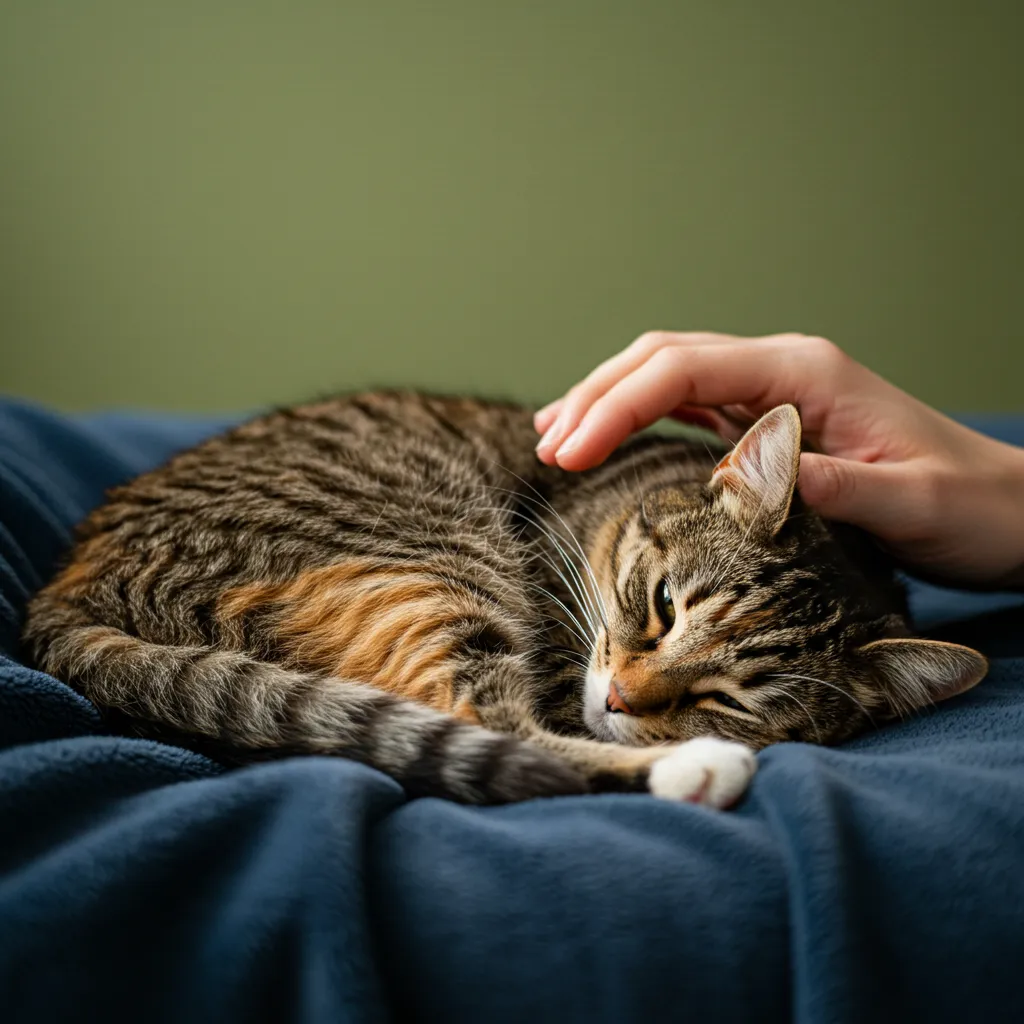
When your cat cries outside the bedroom door, it’s not just noise—it’s a sign of emotional distress. Here’s what’s happening in your cat’s mind:
- Fear of Isolation: Cats are social animals, and being locked out can feel like abandonment, especially for cats with a history of anxiety. Learn more about cat stress signs to spot other behaviors.
- Nighttime Instincts: Cats are naturally crepuscular, meaning they’re most active at dawn and dusk. This explains why cat night behavior often includes vocalizations or zoomies. Locking them out during their active hours can amplify their distress.
- Territorial Instincts: Your bedroom is part of your cat’s territory. Being denied access can make them feel insecure, leading to behaviors like scratching or screaming outside the door.
Signs of Cat Separation Anxiety at Night
- Excessive meowing or yowling
- Scratching or pawing at the door
- Pacing or restlessness
- Changes in appetite or litter box habits
- Clinginess when you’re home
If these signs sound familiar, your cat might be dealing with separation anxiety. Our cat anxiety guide offers more insights into managing these behaviors.
Why Cats Want to Sleep with Their Owners
Cats don’t just cry to be annoying—they have deep-rooted reasons for wanting to share your bed. Here’s why cats sleep with owners:
Emotional Connection
Your cat sees you as a trusted companion. Sleeping close strengthens the bond, especially for breeds like Bengals known for their loyalty.
Warmth and Comfort
Your bed is a cozy, warm spot—perfect for a cat seeking comfort. Cats often burrow under blankets or curl up next to you for heat, as explained in our article on why cats burrow.
Safety and Security
In the wild, cats sleep in groups for protection. Your presence makes your cat feel safe, reducing their anxiety at night.
Habit and Routine
If your cat has always slept with you, locking them out disrupts their routine, triggering cries of protest. Consistency is key for cats, as discussed in our cat behavior guide.
Strategies to Calm Your Cat When Locked Out
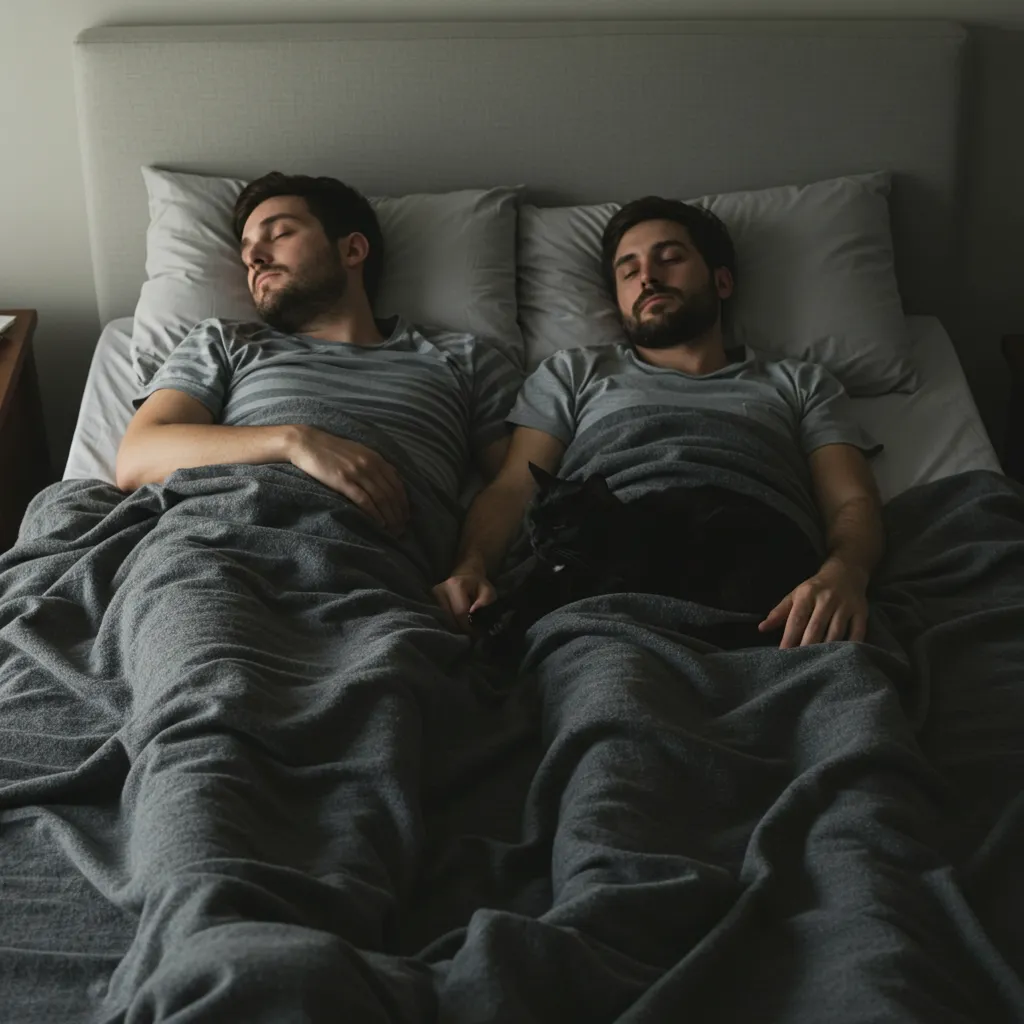
If you’re set on keeping cats out of bedrooms, don’t worry—there are effective ways to calm a crying cat and manage cat vocalizations. Here’s how:
1. Create a Cozy Alternative Sleeping Area
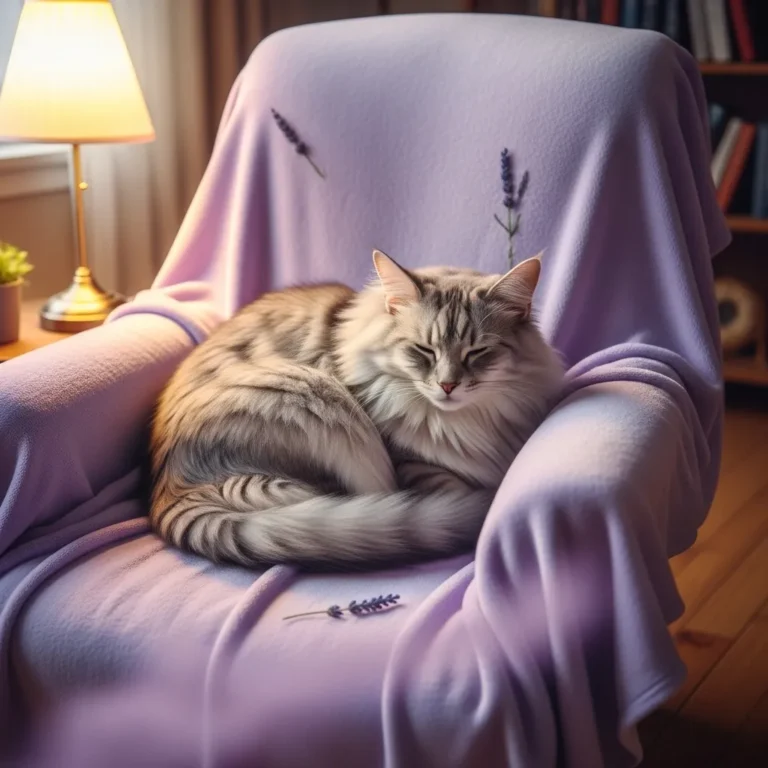
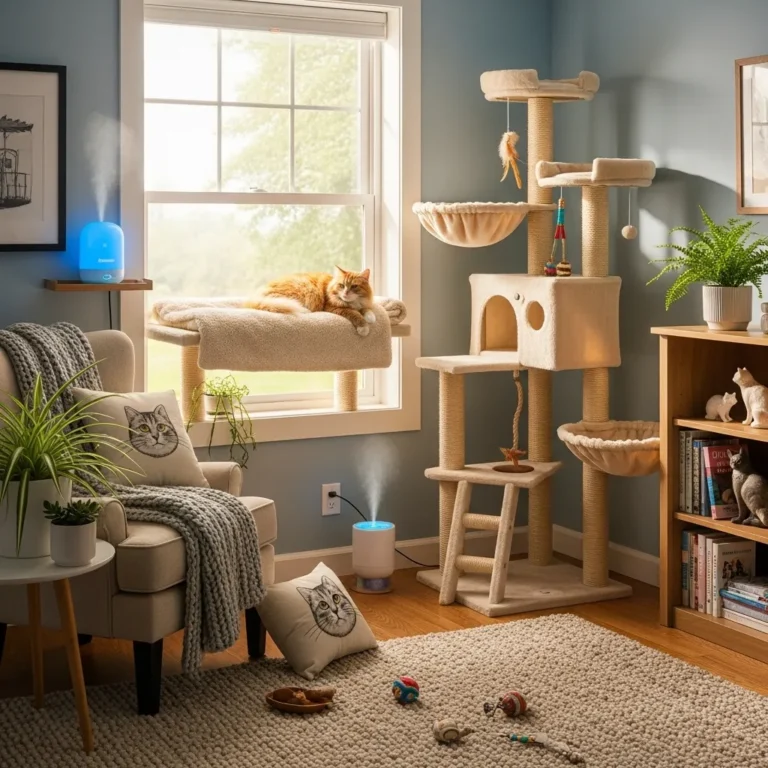
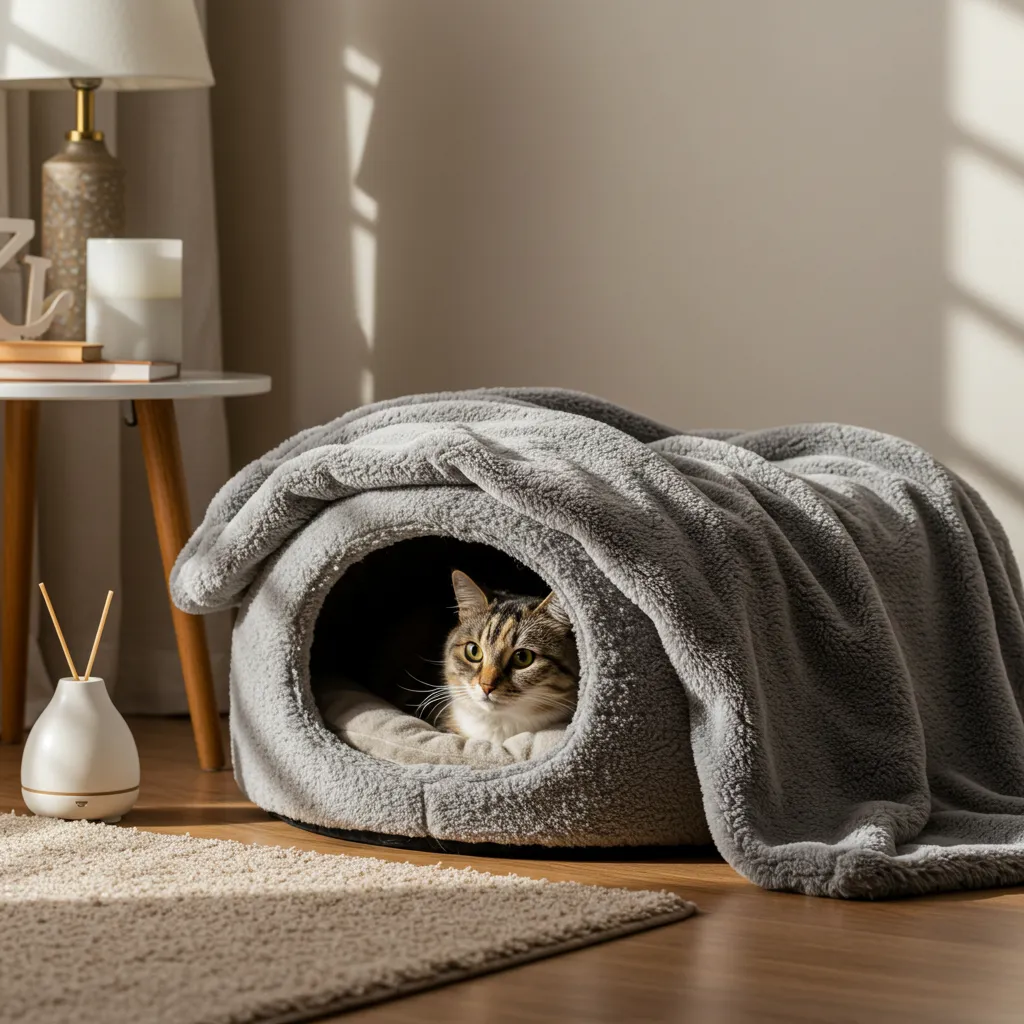
Set up a comfortable sleeping spot outside the bedroom to rival your bed. Use a soft cat bed, like those recommended in our best beds for cats guide, and add familiar items like a blanket with your scent. Place it in a quiet, safe area to mimic the security of your bedroom.
Tips for the Best Sleeping Setup for Cats:
- Choose a heated cat bed for extra comfort, especially for breeds like Norwegian Forest Cats.
- Add a ticking clock or white noise machine to soothe anxious cats.
- Place the bed near a window for nighttime stimulation.
2. Use Calming Techniques for Cats
Calming techniques can reduce feline separation anxiety and stop your cat from meowing at the door. Try these:
- Pheromone Diffusers: Products like Feliway mimic calming feline pheromones, reducing stress. Place one near the sleeping area.
- Calming Treats: Offer treats with ingredients like L-theanine or chamomile, as suggested in our cat treat guide.
- Playtime Before Bed: Tire your cat out with a 15-minute play session using toys like feather wands. Check out how to keep cats entertained for ideas.
3. Redirect Behavior with Distractions
Keep your cat occupied to prevent them from fixating on the bedroom door. Try:
- Puzzle Feeders: Hide treats in a puzzle toy to engage their hunting instincts.
- Interactive Toys: Motion-activated toys can keep your cat busy at night.
- Window Perches: A perch with a view of nighttime activity can distract curious cats.
4. Reward Quiet Behavior
Positive reinforcement works wonders. When your cat is quiet outside the door, reward them with treats or praise. Avoid opening the door when they cry, as this reinforces the behavior. Our cat training guide has more tips on shaping behavior.
5. Gradual Desensitization
If your cat is used to sleeping with you, ease them into being locked out. Start by closing the door for short periods while you’re awake, rewarding calm behavior. Gradually extend the time to overnight. This approach works well for sensitive breeds like Persians.
The Impact of Locking Cats Out at Night
Keeping your cat out of the bedroom isn’t inherently cruel, but it can affect their emotional and physical well-being if not handled thoughtfully. Here’s what to consider:
Benefits of Keeping Cats Out of Bedrooms
- Improved Sleep for Owners: No more waking up to cat zoomies or pouncing at 3 a.m.
- Allergy Control: For owners with allergies, a cat-free bedroom reduces symptoms. See our cat allergies guide for tips.
- Cleanliness: Less fur and dander on your bed.
Potential Downsides
- Increased Anxiety: Cats with separation anxiety may become more stressed, leading to behaviors like excessive grooming or litter box issues.
- Disrupted Bonding: Limiting access to you at night can weaken the bond, especially for clingy breeds like Siamese.
- Vocalization Increase: Persistent crying can escalate if the underlying cause isn’t addressed.
To balance these factors, ensure your cat has a stimulating environment and feels secure outside the bedroom. Our cat enrichment guide offers ideas for a happy, engaged cat.
Managing Cat Vocalizations at the Bedroom Door
Cat crying at night when the door is closed can be frustrating, but addressing the root cause is key. Here’s a step-by-step approach:
- Identify the Cause: Is it hunger, boredom, anxiety, or a medical issue? Rule out health problems with our cat health care guide.
- Provide Alternatives: Offer a cozy bed, toys, or a scratching post to redirect their focus.
- Use White Noise: Mask your cat’s cries with a white noise machine to help you sleep while you train them.
- Consult a Vet: If vocalizations persist, a vet can check for underlying issues like pain or thyroid problems, especially in older cats.
Example Routine to Stop Cat Meowing at Night
| Time | Activity |
|---|---|
| 8:00 PM | Play session with interactive toys |
| 8:30 PM | Feed a small meal or treat |
| 9:00 PM | Set up cozy bed with pheromone diffuser |
| 10:00 PM | Close bedroom door, reward quiet behavior |
| Overnight | Use white noise to minimize disturbances |

Should You Let Your Cat Sleep in Your Bed?
The debate over letting cats sleep with owners is a personal one. Here’s a breakdown to help you decide:
Pros of Letting Cats Sleep in Your Bed
- Stronger Bond: Enhances bonding with cats, especially for affectionate breeds.
- Reduced Anxiety: Soothes cats with separation anxiety, leading to quieter nights.
- Warmth and Comfort: Mutual coziness for you and your cat.
Cons of Letting Cats Sleep in Your Bed
- Sleep Disruption: Cats may wake you with movement or vocalizations.
- Hygiene Concerns: Fur, dander, or litter box residue can end up on your bed.
- Boundary Issues: Some cats become overly dependent, making it hard to lock them out later.
If you’re torn, try a trial period. Use a designated blanket for your cat to minimize mess, and monitor how it affects your sleep. Our cat sleeping habits guide has more tips.
Common Cat Crying Reasons and Solutions
Beyond separation anxiety, other factors can cause your cat to cry at night. Here’s a quick reference:
| Reason | Solution |
|---|---|
| Hunger | Feed a small meal before bed |
| Boredom | Provide toys or puzzle feeders |
| Medical Issue | Consult a vet for pain or illness |
| Territorial Stress | Ensure a secure, familiar environment |
| Attention-Seeking | Ignore cries, reward quiet behavior |
For deeper insights, check out our cat behavior guide.
FAQ: Why Your Cat Cries When Locked Out of the Bedroom
Why does my cat cry when locked out of the bedroom?
Your cat may cry due to separation anxiety, a need for comfort, or a disrupted routine. They see you as a source of security and want to be close.
Why do cats want to sleep with their owners?
Cats sleep with owners for warmth, safety, and bonding. It mimics their natural instinct to rest with trusted companions.
What causes distress in cats when locked out?
Distress can stem from feeling isolated, territorial instincts, or a lack of stimulation. Anxiety-prone breeds like Siamese are especially affected.
How can I calm my cat when they’re locked out?
Create a cozy alternative bed, use pheromone diffusers, play before bedtime, and reward quiet behavior. Explore more in our calming techniques guide.
Is it cruel to lock a cat out of the bedroom at night?
It’s not cruel if you provide a comfortable alternative space and address their emotional needs. Gradual training helps ease the transition.
How can I stop my cat from meowing at the bedroom door?
Redirect their focus with toys, use calming aids, and avoid reinforcing cries by opening the door. Consistency is key.
Should I let my cat sleep in my bed?
It depends on your preferences. Letting them sleep with you can reduce anxiety but may disrupt your sleep or hygiene. Weigh the pros and cons.
What can I do if my cat screams outside my door?
Identify the cause (hunger, anxiety, boredom), provide distractions, and use positive reinforcement. Persistent issues may require a vet visit.
How can I soothe my cat when locked out of the bedroom?
Offer a cozy bed, use pheromone diffusers, and tire them out with play. Our cat comfort guide has more tips.
Can I keep my cat out of the bedroom without it being cruel?
Yes, by ensuring they have a safe, stimulating environment and addressing their needs. Gradual desensitization prevents stress.
Conclusion
Your cat’s cries when locked out of the bedroom are their way of saying, “I need you!” Whether it’s feline separation anxiety, a desire for comfort, or a disrupted routine, understanding the reasons behind this behavior is the first step to a peaceful night. By creating a cozy alternative sleeping area, using calming techniques, and addressing their emotional needs, you can stop your cat from meowing at the door while keeping them happy. Every cat is unique, so experiment with these strategies to find what works for your furry friend. For more expert tips on understanding cat behavior and building a stronger bond, explore our comprehensive guides at CatBloomHaven.com. Sweet dreams—for both you and your cat!