The Ultimate Guide: 12 Telltale Signs Your Cat Is Emotionally Secure (And How to Foster This Blissful State)
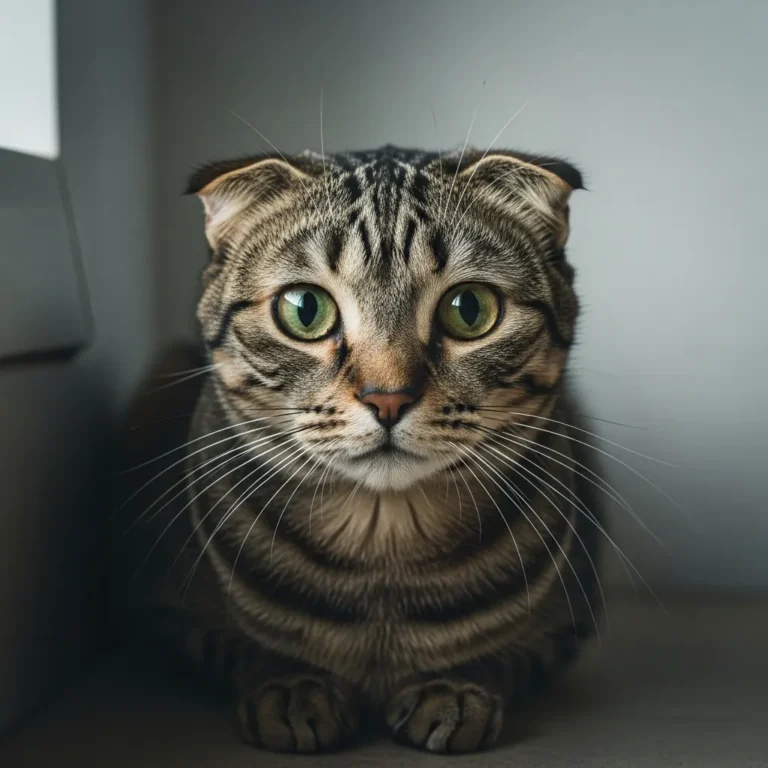
For centuries, cats have been misunderstood as aloof, independent creatures who merely tolerate human companionship. But modern feline science reveals a beautiful truth: cats form deep emotional bonds with their humans, and when they feel truly safe and secure, they exhibit a constellation of heartwarming behaviors. Recognizing these signs isn’t just about feeling good it’s a vital window into your cat’s wellbeing. An emotionally secure cat is a healthier, less stressed, and more behaviorally balanced companion.
In this comprehensive guide, we’ll decode the subtle and not-so-subtle signals that your cat is living their best, most confident life. We’ll move beyond basic care into the realm of emotional fulfillment, offering actionable steps to strengthen your bond and cultivate an environment where feline emotional security can flourish.
Key Takeaways: What is Feline Emotional Security?
Before we dive into the signs, let’s define our terms. An emotionally secure cat is one that:
- Feels consistently safe in its environment and with its human family.
- Exhibits minimal chronic stress or anxiety.
- Displays confident, relaxed behaviors rather than fear-based or hypervigilant ones.
- Has its social and biological needs predictably met.
- Trusts that its territory and resources are stable.
This state is the foundation for a happy, healthy, and long-lived feline life. Now, let’s explore the evidence that you’ve successfully provided this foundation.
Sign 1: The Slow Blink – The “Cat Kiss”
This is perhaps the most iconic and well-documented sign of feline trust and contentment. When your cat looks at you, half-closes its eyes, and blinks slowly, it’s essentially giving you a “kitty kiss.” In cat language, closing one’s eyes in the presence of another is the ultimate sign of vulnerability and trust. They are saying, “I feel so safe with you, I can let my guard down.”
What to do: You can reciprocate! Gently catch your cat’s gaze and offer a slow blink back. This is a powerful form of communication that reinforces your bond. It’s a simple, silent “I love you too.”

Sign 2: The Belly-Up Display (When It’s Not a Trap)
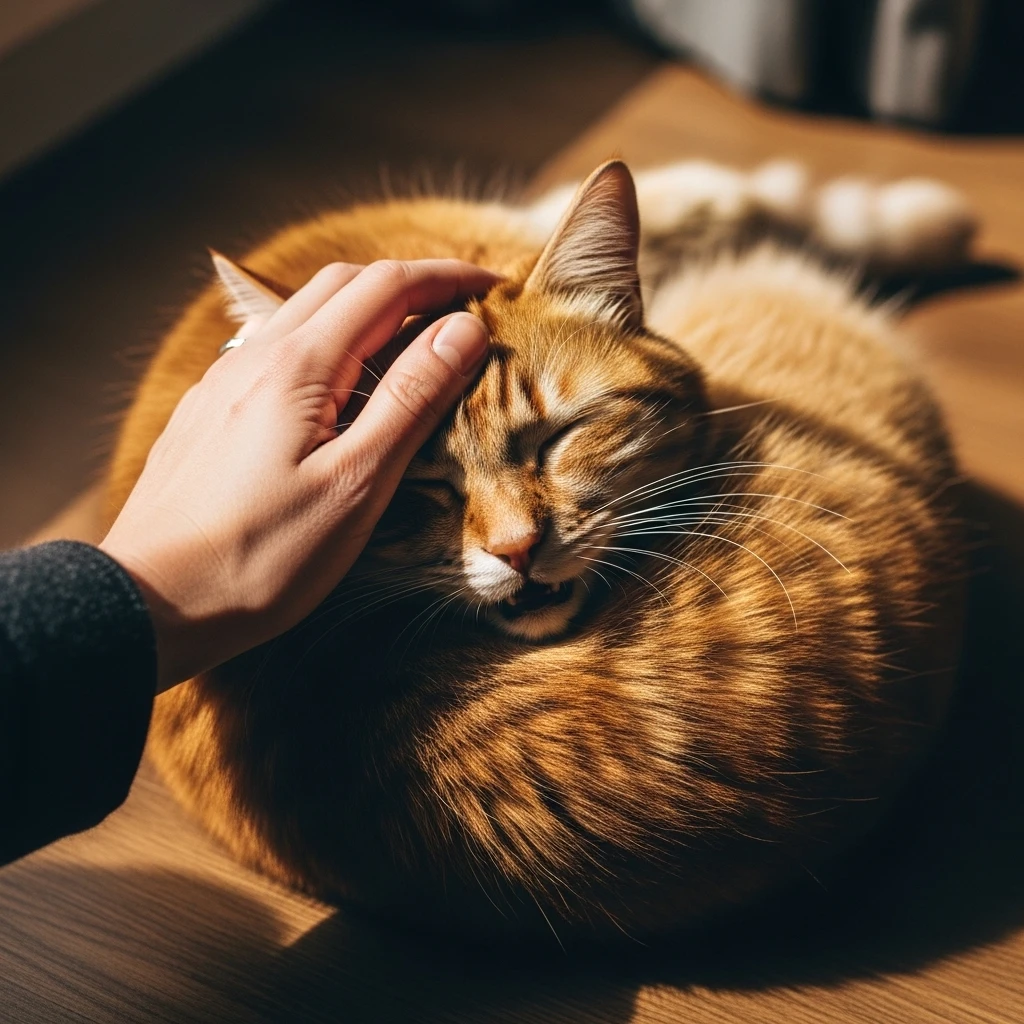
A cat exposing its belly is a complex signal. It can be a trap for an unsuspecting hand, but more often, it’s a sign of supreme comfort. The belly is the most vulnerable part of a cat’s body. Lying belly-up in your presence indicates they feel zero threat. Note the context: if they are sprawled on their back, purring, with paws relaxed (not tensed and ready to grab), it’s a badge of honor for you as a caregiver.
Pro Tip: Don’t automatically assume this is an invitation for a belly rub. For many cats, this display is about showing trust, not soliciting touch. Petting the chest or head is often a safer way to reciprocate the affection.
Sign 3: Consistent, Healthy Appetite and Relaxed Eating Habits
An emotionally insecure or stressed cat may eat too quickly (gobbling due to resource competition anxiety), eat too little, or be inconsistent with meals. A secure cat eats calmly, leaves food in the bowl knowing it will be there later, and maintains a stable, healthy weight. They associate you and their feeding area with positive, predictable outcomes.
Related Reading: For tips on establishing a positive feeding routine, explore our guide on creating a cat feeding schedule that supports behavior and mood.
Sign 4: Confident, Upright Tail and “Tail Hugs”
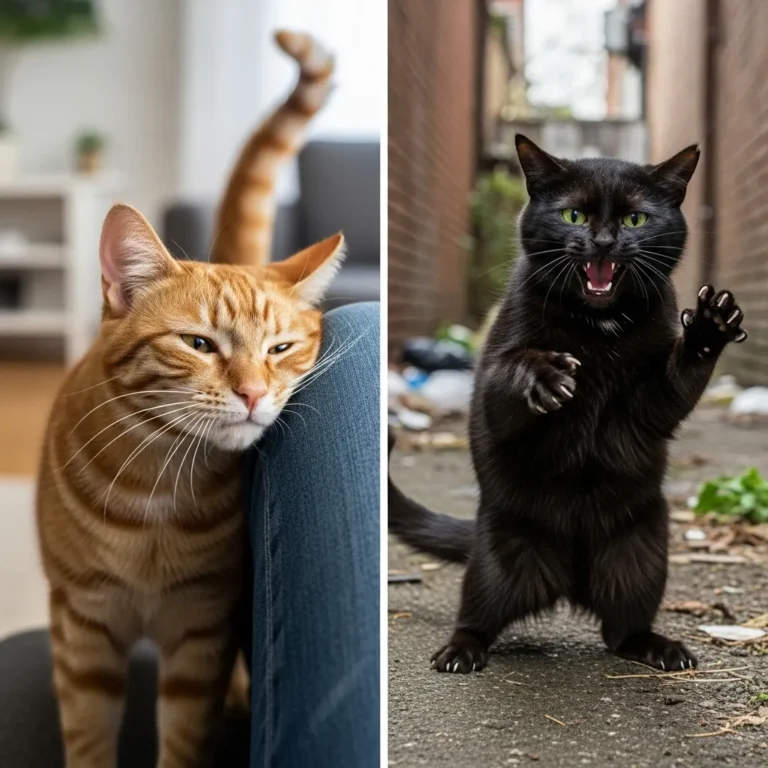
Watch your cat’s tail it’s a primary communication tool. An emotionally secure cat will often walk with its tail held high, with a slight curve or hook at the tip, like a friendly question mark. This is a sign of confidence and a positive mood.
Even more telling is the “tail hug.” When your cat approaches you and wraps the base of its tail around your leg or arm, it’s a feline equivalent of an embrace, marking you with its scent in a gesture of affiliation and possession.
Sign 5: Playful, Silly Behavior
Play is not just for kittens. A cat that feels safe enough to engage in goofy, energetic play is a happy cat. This includes “zoomies,” pouncing on imaginary prey, chasing toys, and engaging in interactive play with you. Play is an expression of a surplus of positive energy energy that isn’t being consumed by stress or vigilance.

Sign 6: Seeking Proximity and “Passive Contact”
An emotionally secure cat chooses to be near you. They follow you from room to room, not out of anxiety, but out of companionship. They engage in “passive contact” sitting near you, on the same couch or chair, perhaps just touching your foot with a paw. This is different from clingy, anxious following. It’s a calm preference for your company. They may also sleep on or near your bed, choosing your presence for their most vulnerable state.
Deep Dive: Understanding how cats choose their favorite person involves observing these subtle proximity preferences. Learn more in our article on how cats choose their favorite person.
Sign 7: Healthy Grooming and “Allogrooming”
A secure cat maintains a clean, well-kept coat. Excessive grooming (leading to bald patches) or a lack of grooming (a greasy, unkempt coat) can both be signs of stress or illness. Furthermore, if your cat gently licks your hand or hair, this “allogrooming” behavior is a massive sign of affection and social bonding. They are treating you as family.
Sign 8: Kneading and “Making Biscuits”
This behavior originates in kittenhood, when kneading the mother’s belly stimulates milk flow. When an adult cat kneads on a soft blanket or your lap, it’s a sign of pure, nostalgic contentment. They are transported back to a time of ultimate safety and nourishment. It’s often accompanied by purring and drooling, a state sometimes called “trance purring.”
Sign 9: Vocal Communication: Chirps, Trills, and Conversational Meows
While excessive, demanding meowing can indicate need, the soft chirps, trills, and conversational meows a cat uses to greet you or comment on their day are signs of a socially engaged and secure feline. They are communicating with you, their trusted ally. The silent meow (where they open their mouth but no sound comes out) is a particularly intimate form of communication reserved for those they feel closest to.
Sign 10: Confident Exploration and Environmental Enrichment
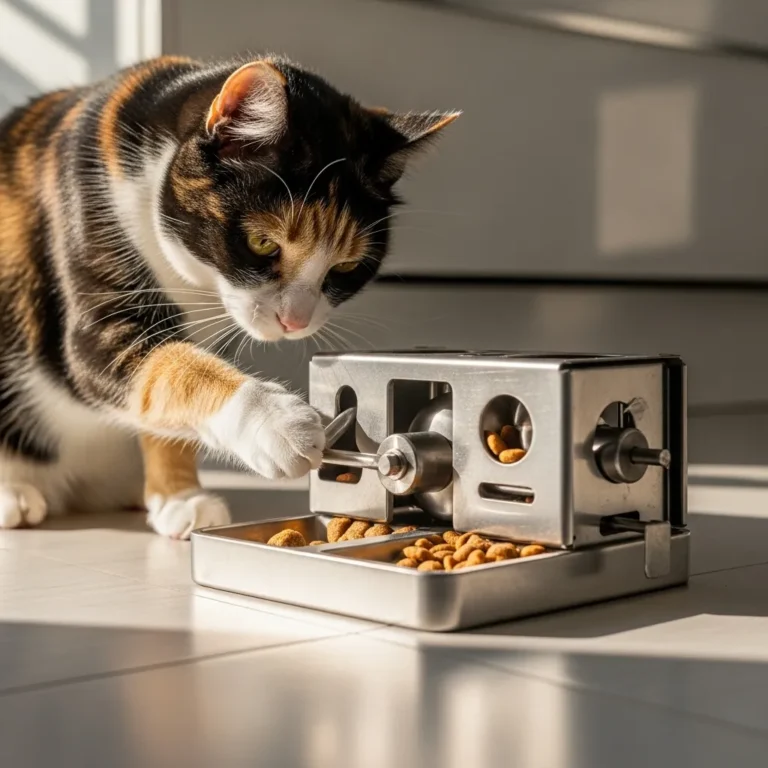
A secure cat feels ownership over its territory. They will explore new objects (like a grocery bag or a box) with curiosity rather than fear. They confidently use vertical space cat trees, shelves, and perches surveying their domain. They engage with enrichment items like puzzle feeders or scratching posts, showing they have the mental space for fun and challenge.
Expert Insight: Creating this kind of environment is key. Discover cat enrichment ideas that look expensive but boost confidence and learn how to design a calm and enriching cat home environment.
Sign 11: Healthy Litter Box Habits
A cat that consistently uses a clean litter box, without signs of straining, avoiding the box, or eliminating outside it, is a cat that feels secure in its core territory. Litter box issues are one of the top indicators of medical or stress-related problems. Consistent, calm litter box use is a strong sign of emotional and physical wellbeing.
Sign 12: They Bring You “Gifts”
While sometimes alarming, the presentation of a toy, a leaf, or (yes) prey is a sign your cat views you as part of their social group. In the wild, mother cats bring injured prey to kittens to teach them. Your cat may be sharing their “success” with you, or simply contributing to the “family” resources. It’s a behavior rooted in care, however misplaced it may seem to us.
How to Foster Emotional Security: A Proactive Guide
Recognizing the signs is step one. Actively cultivating this security is step two. Here’s how to build an unshakeable foundation of trust.
1. Provide Predictability: Cats are creatures of habit. Feed them at consistent times, keep their litter box impeccably clean, and maintain routines for play and cuddles. Predictability equals safety.
2. Offer Choice and Control: Never force interaction. Let your cat choose when to come for pets and when to leave. Provide multiple resources (water stations, resting spots, litter boxes in multi-cat homes) to prevent competition anxiety.
3. Master Positive, Fear-Free Handling: Associate your touch with good things. Use treats and gentle praise during grooming, nail trims, and vet carrier training. For a step-by-step approach, see our guide on how to train a cat without punishment.
4. Build a Species-Appropriate Environment:
- Vertical Territory: Cat trees, wall shelves, and window perches.
- Scratching Posts: Essential for marking territory, stretching, and stress relief.
- Hiding Places: Cozy caves or boxes where they can retreat if overwhelmed.
- Mental Stimulation: Daily interactive play (mimicking the hunt) and food puzzles.
5. Use Calming Pheromones Strategically: Synthetic feline facial pheromone diffusers (like Feliway) can mimic a cat’s natural “happy” scent marks, signaling that an area is safe and familiar.
6. Become a Student of Their Language: Learn to read their tail, ears, eyes, and vocalizations. Respect a hiss, a swish, or flattened ears. By honoring their “no,” you build trust for their “yes.”
Frequently Asked Questions (FAQs)
Q: My cat follows me everywhere. Is that a sign of security or anxiety?
A: Context is key. A calm cat who follows you and then settles down nearby is seeking companionship (secure). A cat who follows you while vocalizing constantly, paces, or seems unable to settle may have separation anxiety (insecure). Observe their overall body language.
Q: Can an older, shy cat become emotionally secure?
A: Absolutely. With patience, predictability, and respect for their boundaries, even the most timid cat can learn to feel safe. It may take weeks or months, but the transformation is profoundly rewarding. Start with our guide on building cat trust.
Q: Is purring always a sign of a happy, secure cat?
A: Not always. While purring is most commonly associated with contentment, cats also purr when injured, ill, or in distress, as a self-soothing mechanism. Always pair purring with other context and behavioral signs.
Q: How do I introduce a new pet without destroying my cat’s sense of security?
A: Slow, scent-first introductions are crucial. Keep them separated initially, swap bedding, and use positive associations (feeding on opposite sides of a door). Rushing this process is a common cause of lasting insecurity. For a detailed plan, read our article on cats meeting new animals.
Q: My cat shows some signs but not others. Is that normal?
A: Yes. Just like humans, cats have individual personalities. Some are more demonstrative than others. Look for the overall trend in their behavior. A cat that eats well, plays, uses the litter box, and seeks calm proximity is likely very secure, even if they’re not a lap cat or a slow-blinker.
Conclusion: The Reward of a Secure Bond
Understanding the signs your cat is emotionally secure allows you to move beyond basic caretaking into the realm of true companionship. It transforms your relationship from one of obligation to one of mutual trust and deep, quiet understanding. By providing safety, predictability, and respect, you gift your cat the confidence to express their unique personality in its fullest, most joyful form.
The journey to feline emotional security is ongoing, marked by daily choices that honor their nature. The payoff is a harmonious home and the profound privilege of being truly trusted by a magnificent, independent spirit.
Ready to deepen your understanding of your cat’s inner world? Explore our complete library of expert-backed guides on cat behavior, training, and care at Cat Bloom Haven. From decoding subtle signs your cat feels secure at home to solving common behavioral puzzles, we’re here to help you build the most rewarding relationship possible with your feline friend.