How Long Before a Stray Cat Is Legally Yours: A Complete Guide to Claiming Ownership Responsibly
Picture this: a sleek tabby rubs against your ankle on a rainy evening. She looks healthy but wary, no collar in sight. Your heart says keep her; your head wonders about stray cat ownership laws. You’re not alone. Every year, millions face this moment. This guide cuts through the confusion. You’ll learn exact steps to take when finding a stray cat, the stray cat statutory time frame that varies by location, and how to adopt a stray cat without legal headaches. By the end, you’ll know how to turn a chance encounter into a lifelong bond, legally and ethically.
Key Takeaways
- No universal timeline exists. Legal ownership of stray cats depends on local ordinances, typically 3–30 days after due diligence.
- Due diligence is non-negotiable. Report the cat, scan for microchips, and post notices to avoid theft accusations.
- Documentation builds your case. Photos, vet records, and dated ads prove you followed stray cat legal requirements.
- Animal control often holds the clock. The stray cat holding period at shelters resets if you surrender the cat.
- Responsible ownership starts day one. Vaccinate, spay/neuter, and microchip to meet responsibilities of new cat owners.

First Moments Matter: Steps to Take When Finding a Stray Cat
You spot the cat. Adrenaline kicks in. Slow down. Rushing risks mistakes that haunt you later.
Assess safety first. Is the cat injured, aggressive, or nursing kittens? If yes, call local animal control or a rescue immediately. For healthy adults, follow this checklist:
- Approach calmly. Use soft voices and slow blinks. Offer food at a distance to gauge temperament.
- Check for identification. Look for collars, tags, or ear tips (TNR sign). Scan for microchips at a vet or shelter; many offer free scans.
- Photograph everything. Timestamped images of the cat, location, and any markings create stray cat documentation.
- Confine safely. Use a carrier or spare room. Avoid mixing with resident pets until vet-cleared.
Real story: Sarah in Austin found a Siamese mix under her porch. She snapped photos, checked for a chip (none), and posted on Nextdoor. Two weeks later, no claims. Today, “Blue” sleeps on her pillow. Due diligence paid off.
Explore our cat adoption guide for more on safe initial handling.
Stray vs. Feral: Why the Difference Changes Everything
Not every loose cat is a stray. Understanding the distinction shapes your legal path.
| Type | Behavior | Ownership Path |
|---|---|---|
| Stray | Friendly, approaches people, may enter homes | Follow reporting and holding periods |
| Feral | Avoids humans, hisses, flees | Often falls under community cat laws; TNR recommended |
Ear-tipped cats usually signal TNR participation. Returning them to their colony aligns with animal welfare guidelines. Trapping without cause can violate local rules.
Learn more in our piece on identify stray cats.
![Visual difference between stray and feral cats to guide identification.]](https://catbloomhaven.com/wp-content/uploads/2025/11/Image_fx-2025-11-17T092949.503.webp "How Long Before a Stray Cat Is Legally Yours 2")
The Legal Clock: Stray Cat Statutory Time Frame Explained
Here’s the core question: how long before a stray cat is legally yours? The answer frustrates because it varies.
State and Local Variations
- California: 5 business days if surrendered to shelter; private finders follow municipal codes.
- Texas: 3 days statewide for impounded animals; cities like Houston extend to 7.
- New York City: 5 days for adults at ACC facilities.
- UK (for reference): 14–28 days depending on council.
Private finders outside shelters face “finder’s law.” You must make reasonable efforts to locate owners. Courts measure “reasonable” by ads, scans, and reports.
Proving Ownership of a Stray Cat
Build an ironclad paper trail:
- Dated photos from day one.
- Vet exam record (even negative for chip).
- Flyers with “Found Cat” headlines, posted within 1 mile.
- Online listings on Petco Love Lost, PawBoost, and local Facebook groups.
- Signed statement from a witness (neighbor, vet tech).
After the local stray cat holding period passes without claims, file for ownership if required. Some areas issue certificates; others simply recognize possession.
Due Diligence Deep Dive: Avoid Accidental Theft
Skipping steps invites drama. A 2023 case in Oregon saw a finder fined $500 for keeping a chipped cat without reporting. Protect yourself:
- Microchipping stray cats: Do it after the holding period if unclaimed. Use your info; shelters can update later.
- Lost pet reporting requirements: File “found” reports with animal control and at least two online databases.
- Community cat laws: In TNR-friendly areas, feeding without claiming may classify the cat as community property.
Our lost cat tips article flips the script for owners searching.
Working with Shelters and Animal Control
Surrendering starts the official clock. Pros: professional scanning, medical care, public exposure. Cons: euthanasia risk in high-kill facilities.
Ask upfront:
- What is your stray cat holding period?
- Do you scan for chips on intake?
- Can I foster-to-adopt during the hold?
Many shelters allow foster-to-adopt. You care for the cat; if unclaimed, adoption finalizes automatically.
From Street to Sofa: Integrating a Stray Cat Into Your Home
Legal ownership secured? Great. Now earn trust.
Health First
- Quarantine 2 weeks minimum.
- Full vet workup: FeLV/FIV test, deworming, flea treatment.
- Spay/neuter ASAP to prevent contribution to overpopulation.
See our spaying a cat guide.
Cat Transition and Socialization
Start in one room. Provide:
- Hiding spots (cardboard boxes work).
- Vertical space (cat trees).
- Feliway diffusers for calm.
Feed on schedule. Play daily. Watch body language; hisses mean slow down.
Resident cats? Follow scent-swapping protocols in our introduce stray cat to cats.
Responsibilities of New Cat Owners: Beyond the Basics
Ownership isn’t a trophy. It’s a contract.
| Duty | Why It Matters | Resource |
|---|---|---|
| Annual vet visits | Catch issues early | finding the best vet for your cat |
| Proper nutrition | Prevents obesity, FLUTD | best wet cat food |
| Enrichment | Stops boredom behaviors | keep siamese cats entertained |
| Emergency fund | Covers surprises | General advice in cat health care |
Stray Cat Care Tips for the First 90 Days
- Week 1: Vet, quarantine, baseline photos for records.
- Weeks 2–4: Gradual home exploration, litter training if needed.
- Weeks 5–8: Introduce toys, brushing, nail trims.
- Weeks 9–12: Schedule spay/neuter, microchip, license.
Track weight weekly. Sudden drops signal stress or illness.
Legal Pet Reunification Rules: When Owners Appear Late
Heartbreaker scenario: you’re bonded, then the “owner” shows up after 60 days. Law usually sides with documented efforts. Courts dislike stale claims. Still, mediate kindly. Offer vet bills; suggest shared custody if the cat bonds with you.
TNR Awareness: The Ethical Alternative
Can’t keep the cat? TNR saves lives. Trap, neuter, vaccinate, return. Ear-tip identifies sterilized ferals. Colonies shrink humanely.
Read our how to tame feral cat for socialization limits.
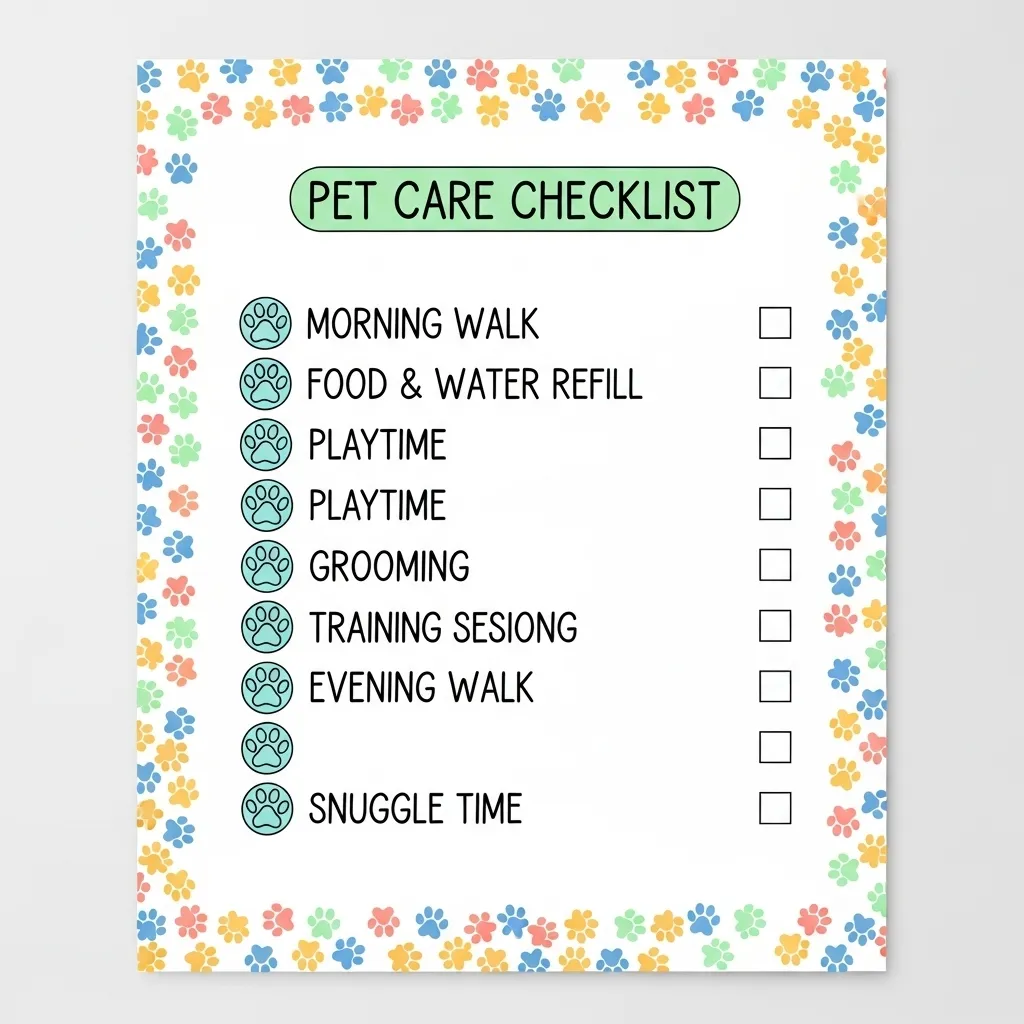
New Cat Owner Checklist
- [ ] Carrier
- [ ] Litter box + non-clumping litter initially
- [ ] Stainless steel bowls
- [ ] Scratching post
- [ ] ID tag with your phone
- [ ] 30-day supply of quality food
- [ ] Appointment with vet within 48 hours
Print our full new cat owner checklist for details.
Conclusion
Claiming a stray cat legally balances heart and law. Act fast but thoughtfully: document, report, wait the stray cat statutory time frame, then commit fully. You’re not just gaining a pet; you’re ending a cycle of street hardship. Every microchip scanned, every flyer posted, every vet bill paid makes the cat world better.
Ready for more? Explore expert cat care and behavior guides on Cat Bloom Haven. From American Shorthair playful personality to senior cat care, we’ve got your feline journey covered.
FAQ
What are the first steps when you find a stray cat?
Photograph, check for ID, scan for microchip, confine safely, and report to animal control plus online lost-pet sites within 24 hours.
How long is the typical stray cat holding period?
3–30 days depending on jurisdiction; shelters enforce strict timelines, private finders must show equivalent effort.
Can I keep a stray cat immediately if it has no microchip?
No. Absence of chip doesn’t equal abandonment. Complete due diligence for the local statutory period.
What documentation proves ownership of a stray cat?
Timestamped photos, vet records, dated flyers, online posts, and microchip registration in your name after the hold.
Do community cat laws affect stray cat ownership?
Yes. TNR colonies may classify fed cats as community property, blocking private ownership claims.
What if the original owner appears after I adopt the stray cat?
Courts favor the party with documented efforts. Late claims rarely succeed past 90 days with proof of due diligence.
How do I integrate a stray cat with existing pets?
Quarantine two weeks, swap scents, supervise short meetings, use pheromone diffusers. Patience prevents fights.
Explore our cat transition and socialization tips for breed-specific advice.