How Often to Clip Cat Nails: Your Complete Guide to Safe, Stress-Free Claw Care
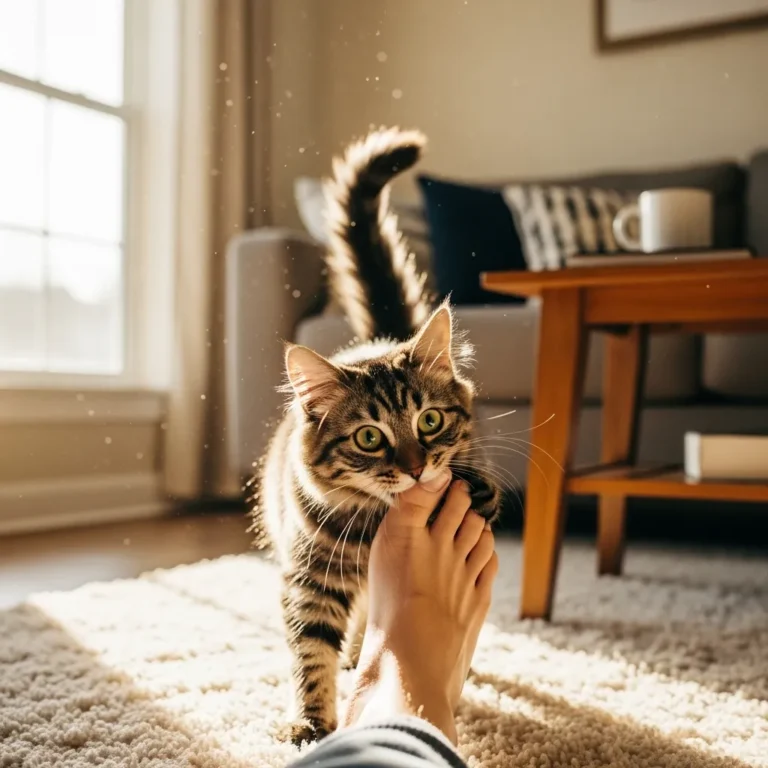
Every cat owner has felt that sharp prick on their lap or heard the telltale click-clack of overgrown claws on hardwood. You know the moment your cat leaps onto the couch, and suddenly those nails feel like tiny daggers. But how often to clip cat nails to keep everyone comfortable without turning grooming into a battle? The answer isn’t one-size-fits-all. It depends on your cat’s lifestyle, age, and natural scratching habits. In this cat nail clipping guide, we’ll break down everything from spotting the signs cat nails need trimming to mastering safe cat nail trimming at home.
Key Takeaways:
- Most indoor cats need nail trims every 2-4 weeks; outdoor cats may go longer thanks to natural wear.
- Look for clicking sounds, snagged claws, or furniture damage as top indicators.
- Regular cat claw maintenance prevents painful ingrown nails and reduces scratching damage.
- Always use sharp, cat-specific clippers and stop if you see pink (the quick).
- Scratching posts extend time between trims and satisfy your cat’s instincts.

Why Cat Nail Trimming Matters More Than You Think
Cats aren’t just being dramatic when they knead your thighs with razor-sharp claws. Those nails grow continuously, and without proper cat nail care tips, problems stack up fast. Overgrown claws can curve into paw pads, causing pain and infection. They snag on carpets, leading to torn nails or emergency vet visits. And yes, they shred your furniture – but that’s the least of your worries.
Think about your cat’s daily life. Indoor cats lack the rough surfaces that naturally file down claws. Outdoor cats wear nails through hunting and climbing, but they bring home risks like parasites or injuries. Either way, regular cat nail trimming keeps your cat mobile and comfortable into their senior years.
Veterinarians emphasize that nail care is basic cat health and hygiene. It’s not cosmetic; it’s preventive medicine. Cats with arthritis or obesity struggle more with long nails, losing balance or developing pressure sores. Kittens learn scratching boundaries early through consistent care.
Understanding Cat Nail Growth: The Science Behind the Scratch
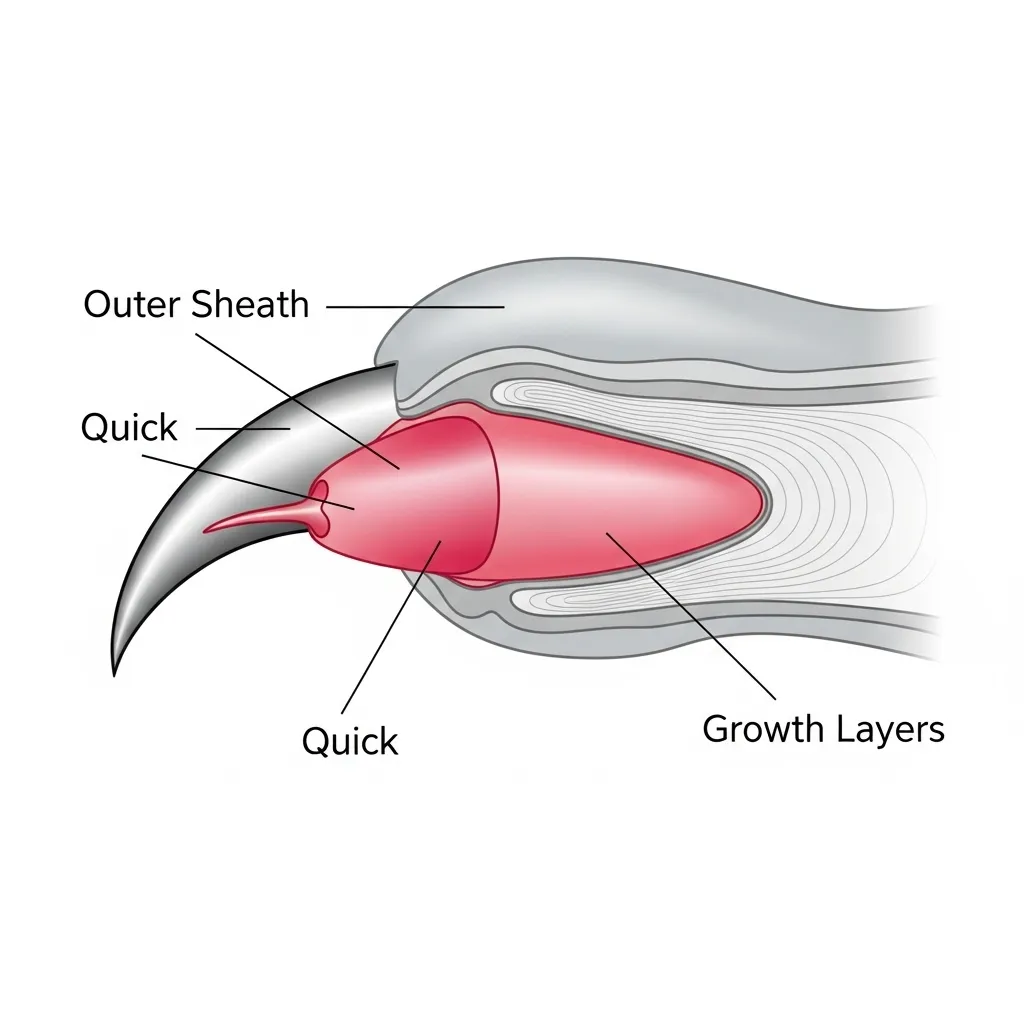
Cat nails aren’t like human fingernails. They grow in layers, with the outer sheath shedding periodically – that’s what you find on scratching posts. The inner core keeps pushing out, creating that hook shape cats love for climbing.
Growth rates vary. Kittens experience rapid cat nail growth during their first year, needing trims every 10-14 days. Adult cats slow down, but factors like diet, genetics, and activity level play roles. Protein-rich foods fuel faster growth; senior cats on restricted diets may need less frequent trims.
Indoor cat nail care differs dramatically from outdoor cat nail care. Concrete, tree bark, and asphalt act like giant nail files for outdoor cats. Indoor cats rely on scratching posts or your occasional trim. Without intervention, indoor cats develop thicker, sharper claws within weeks.
Signs Your Cat’s Nails Need Trimming: Don’t Wait for Disaster
Your cat won’t send you a calendar reminder. Instead, they communicate through behavior and physical cues. Learn these signs to schedule trims before problems start.
Audible Clues
- Clicking on hard surfaces: Short nails barely make noise. Long nails create distinct taps when walking.
- Snagging sounds: Claws catching on blankets or carpet during play indicate overgrowth.
Visual Indicators
- Curved hooks: Nails should form gentle arcs. Sharp hooks mean it’s time.
- Visible quick extension: The pink area grows longer with the nail – trim before it reaches the tip.
- Uneven wear: One or two nails growing faster than others, common in cats who favor certain paws.
Behavioral Red Flags
- Excessive scratching on inappropriate surfaces despite available posts
- Reluctance to jump or play – long nails make landings painful
- Paw shaking or excessive licking – signs of discomfort or ingrown nails
Check weekly during petting sessions. Run your thumb along the nail tips; if they extend past the paw pad fur, schedule a trim.
Choosing the Best Cat Nail Clippers: Tools That Make the Difference
Not all clippers are created equal. Using dog clippers or human nail cutters risks crushing the nail, causing pain and splintering. Invest in proper tools for safe cat nail trimming.
Types of Clippers
| Type | Best For | Pros | Cons |
|---|---|---|---|
| Scissor-style | Most cats | Precise control, familiar feel | Requires steady hands |
| Guillotine | Quick trims | Easy blade replacement | Can pinch if dull |
| Grinder | Nervous cats | No sharp cuts, gradual | Noise may scare cats |
The quick finder cat nail clippers use LED lights to illuminate the quick – perfect for dark nails. Cat-safe nail grinders offer fear-free cat grooming by filing instead of cutting.
Essential Accessories
- Styptic powder for accidental quick cuts
- Treats for positive reinforcement
- Towel for gentle restraint
- Good lighting – natural window light works best
Keep blades sharp. Dull clippers crush nails, causing pain and resistance. Replace or sharpen every 3-6 months.

Step-by-Step Cat Nail Clipping: Master the Technique
Success comes from preparation and patience. Follow this proven process for stress-free nail trimming techniques.
Preparation (10 minutes)
- Choose a quiet time when your cat is relaxed – post-nap or after meals.
- Set up your station with all tools within reach.
- Handle paws daily starting in kittenhood for desensitization.
The Trim (5-10 minutes per session)
- Positioning: Sit on the floor with your cat in your lap, facing away. Use the burrito wrap (towel around body, one paw out) for wiggly cats.
- Expose the nail: Gently press the paw pad to extend claws.
- Identify the quick: Look for the pink triangle in light nails. For dark nails, trim 1-2mm at a time.
- Make the cut: Angle clippers at 45 degrees, cutting the curved hook only. Take tiny snips.
- Reward immediately: Offer treats after each paw, even if you only manage one nail.
Pro Tips for Success
- Start with one or two nails per session – build tolerance gradually.
- Use a headlamp for dark nails to spot the quick.
- Pair with other grooming for routine building.
Explore our detailed guide on handling cats during grooming for more restraint techniques.
How Lifestyle Determines Trimming Frequency
The million-dollar question: how often to clip cat nails? Here’s your personalized schedule.
Indoor Cats
- High-activity: Cats who use multiple scratching posts – every 3-4 weeks
- Moderate activity: Typical apartment cats – every 2-3 weeks
- Low activity: Seniors or overweight cats – every 10-14 days (nails grow but wear less)
Outdoor Cats
- Natural wear reduces needs to every 4-6 weeks
- Check monthly for damaged or split nails
- Trim dewclaws (thumb nails) more frequently – they don’t touch ground
Special Cases
- Kittens: Every 10-14 days during growth spurts
- Senior cats: Every 2 weeks – arthritis makes long nails painful
- Declawed cats: Front nails still grow; check every 3 weeks
Track your cat’s growth patterns. Some cats need front paws trimmed weekly while back paws last months.
Preventing Cat Scratching Damage: Beyond the Trim
Nail trims solve half the problem. The other half? Redirecting natural instincts.
Scratching Posts That Actually Work
- Multiple posts in social areas – cats mark territory
- Vertical and horizontal options – match your cat’s preference
- Sisal fabric over carpet – more satisfying texture
- Stability matters – wobbly posts get ignored
Environmental Enrichment
- Window perches for bird watching
- Puzzle feeders to redirect energy
- Daily play sessions with wand toys
Discover more in our article on preventing cat scratching damage.
How to Trim Aggressive Cat Nails: When Your Cat Says No
Some cats transform into tiny tigers at clipper sight. Don’t force it – use these stress-free nail trimming techniques.
Desensitization Training
- Week 1: Touch paws daily with treats
- Week 2: Extend claws gently, reward
- Week 3: Show clippers, click without cutting
- Week 4: Trim one nail, jackpot rewards
Alternative Methods
- Nail caps: Last 4-6 weeks, applied by vets or experienced owners
- Scratch-only zones: Protect furniture while allowing natural behavior
- Professional grooming: Many cats behave better for strangers
Veterinary nail trimming services cost $15-30 but save stress. Consider this for cats with black nails or aggression issues.

Avoiding the Quick: Your Biggest Safety Concern
The quick contains blood vessels and nerves. Cutting it causes pain and bleeding. Here’s how to avoid cutting the quick every time.
Identification Techniques
- Light nails: Pink area clearly visible
- Dark nails: Look for the white outer nail transitioning to darker center
- Trim in good lighting, take tiny cuts
Emergency Response
- Apply styptic powder or cornstarch
- Hold pressure for 5 minutes
- Monitor for infection – swelling, pus, or limping means vet visit
Most quick cuts heal within days, but prevention beats treatment.
Cat Scratching Habits: Understanding the Why Behind the Behavior
Cats scratch for reasons beyond sharpening claws:
- Territory marking through scent glands in paws
- Stretching muscles and tendons
- Emotional regulation – stress relief
- Communication with other cats
Respect these needs while protecting your home. Multiple scratching surfaces in high-traffic areas satisfy instincts better than punishment.
Professional Cat Grooming: When to Call in Help
Some situations require expert hands:
- Matted fur preventing paw access
- Medical conditions affecting mobility
- Extreme aggression despite training
- Dark nails where quick visibility is impossible
Groomers charge $40-80 for full sessions including nails. Mobile services reduce stress by coming to your home.
Indoor vs Outdoor Cat Nail Care: Key Differences
| Factor | Indoor Cats | Outdoor Cats |
|---|---|---|
| Wear | Minimal | High from concrete/trees |
| Risk | Overgrowth common | Injury from fights/climbing |
| Frequency | 2-4 weeks | 4-8 weeks + injury checks |
| Dewclaws | Trim weekly | Natural wear |
Outdoor cats need paw inspections after adventures. Look for embedded objects, splits, or swelling.
Humane Alternatives to Declawing: Keep Claws, Lose Destruction
Declawing removes the entire first toe joint – equivalent to cutting off human fingertips. Complications include chronic pain, litter box avoidance, and biting. Modern alternatives work better:
- Regular trimming schedule
- Strategic scratching post placement
- Pheromone sprays for stress reduction
- Nail caps for temporary protection
Learn more about humane alternatives to declawing.
Building Better Cat Behavior and Care Through Grooming
Nail trimming builds trust. Cats who accept handling visit vets with less stress. Start young, stay consistent, and make it positive. Your cat learns grooming equals love and treats.
Combine nail care with other routines:
- Weekly weigh-ins during lap time
- Dental checks while examining paws
- Ear cleaning in the same session
FAQ: Your Cat Nail Questions Answered
How often should I clip my cat’s nails?
Every 2-4 weeks for indoor cats, 4-8 weeks for outdoor cats. Check weekly and trim when nails extend past paw pads.
What are the signs that my cat’s nails need trimming?
Clicking sounds when walking, snagging on fabrics, visible hooks at nail tips, or excessive furniture scratching.
What tools should I use to clip my cat’s nails?
Cat-specific scissor or guillotine clippers, styptic powder, treats, and good lighting. Consider grinders for noise-sensitive cats.
How can I avoid mistakes during cat nail clipping?
Take tiny cuts, identify the quick first, work in good light, and stop at resistance. Reward heavily.
When should I seek professional help for trimming my cat’s nails?
For aggressive cats, dark nails, medical conditions, or if you’ve cut the quick multiple times.
What are the benefits of regular cat nail maintenance?
Prevents ingrown nails, reduces furniture damage, improves mobility (especially in seniors), and strengthens your bond through positive handling.
Final Thoughts: Making Nail Care Second Nature
Mastering how often to clip cat nails transforms a dreaded chore into routine care. Start with observation – watch your cat’s movement, listen to their steps, feel their paws during cuddles. Build habits gradually. One nail today becomes four paws tomorrow.
Your cat relies on you for comfort and safety. Regular cat claw maintenance shows love through action. Combine trims with play, proper scratching options, and veterinary checkups for complete care.
Ready for more expert guidance? Explore our comprehensive cat grooming basics collection or discover breed-specific tips like trim Siamese cats nails. At Cat Bloom Haven, we’re here for every step of your cat parenting journey.