Why Is My Cat Limping? A Complete Guide to Causes, Symptoms, and What to Do Next
Picture this: Your playful feline, who usually leaps from couch to counter in one graceful bound, suddenly favors one leg. You notice your cat limping maybe it’s a subtle hitch in their step or a full-on refusal to put weight on a paw. Panic sets in. Why is my cat limping? Is it serious? What should I do?
You’re not alone. Cat limping is one of the most common reasons pet parents rush to the vet and for good reason. Limping isn’t just “part of being a cat.” It’s often a red flag for pain, injury, or underlying illness. In this comprehensive guide from Cat Bloom Haven, we’ll walk you through every possible cause of cat limping, how to spot cat limping symptoms, when to worry about cat limping suddenly, and proven limping cat treatment options.
Whether your cat is limping on a back leg, front leg, or seems fine but still runs awkwardly, you’ll leave knowing exactly what to do—and when to call the vet.
Key Takeaways
- Most limping is caused by injury, infection, or arthritis but never assume it’s “just a sprain.”
- Sudden limping with no visible injury could signal a blood clot, fracture, or neurological issue.
- Inspect paws daily foreign objects like thorns or glass are common culprits.
- Hiding, aggression, or reduced grooming are top cat hiding due to pain signs.
- Always see a vet within 24–48 hours if limping persists or worsens.
- Natural remedies can help mild cases, but never replace professional care.
Pro Tip: Save this page. Bookmark it. Share it. Because when your cat starts limping, you’ll want answers fast.
Understanding How Cats Walk (And Why Limping Happens)
Cats are digitigrade walkers they walk on their toes, not their heels like dogs or humans. This gives them silent stealth and explosive jumping power. But it also means even minor issues in paws, joints, or nerves can throw off their entire gait.
When a cat limps, they’re compensating. They shift weight, shorten strides, or hold a limb up entirely. This isn’t laziness it’s survival. In the wild, showing weakness invites predators. At home, your cat hides pain until it’s unbearable.
Fun Fact: A cat’s front legs bear 60% of their body weight. So cat limping front leg issues often appear more dramatic than back leg problems.
How to Spot Cat Limping Symptoms (Even Subtle Ones)
Not all limping is obvious. Some cats “tough it out” and only show subtle cat walking problems. Here’s what to watch for:
Visible Limping Signs
- Holding one paw off the ground
- Dragging a leg or toe
- Uneven gait (e.g., “bunny hopping” with back legs)
- Stiffness after sleeping or jumping
- Swelling, warmth, or redness in a joint or paw
Behavioral Red Flags (Cat Behavior Changes)
- Cat hiding due to pain (under beds, in closets)
- Less grooming (matted fur, dirty paws)
- Irritability when touched
- Reduced jumping or playing
- Excessive licking of one area
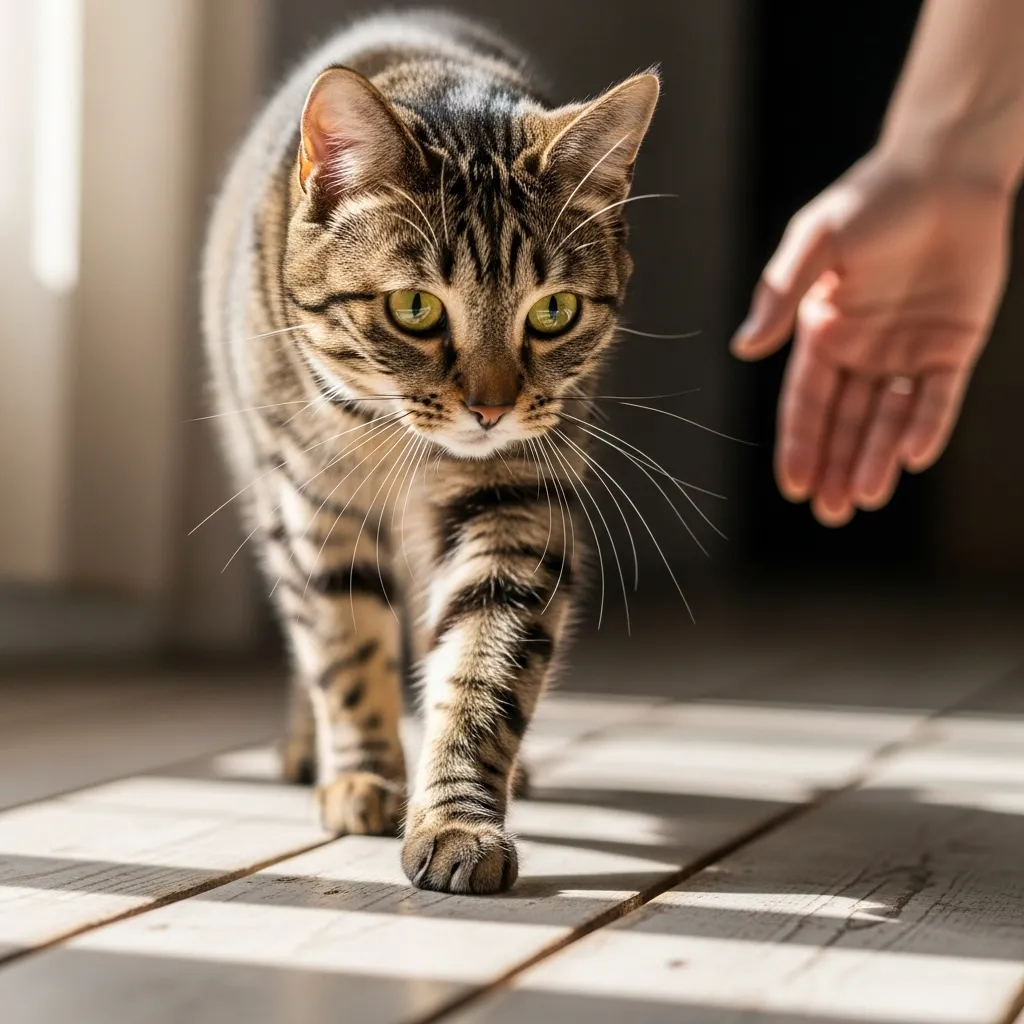
Real-Life Example: Sarah’s Bengal, Luna, started limping after a high bookshelf leap. No swelling. No crying. But Luna stopped using her favorite scratching post. A quick vet visit revealed a hairline fracture. Early X-ray saved weeks of pain.
Common Cat Limping Causes: From Minor to Life-Threatening
Let’s break down the most frequent cat limping causes ranked by likelihood and urgency.
1. Trauma & Injury (Most Common)
Cats jump from heights 6x their body length. That’s like a human leaping off a 3-story building. No wonder cat limping after jumping is so common.
Types of Injuries:
| Injury Type | Symptoms | Urgency |
|---|---|---|
| Sprained paw | Mild limping, improves in 24h | Low (monitor) |
| Fractured bone | Severe limping, swelling, crying | EMERGENCY |
| Dislocated joint | Sudden limp, odd leg angle | EMERGENCY |
| Torn claw | Blood, excessive licking | Vet within 24h |
Cat Paw Inspection Tip: Gently part the fur between toes. Look for cuts, thorns, or embedded glass. Use a flashlight cats hide injuries well.
2. Infections Causing Cat Limping
Bacteria, fungi, or viruses can invade wounds or joints.
Common Infections:
- Abscesses (from bite wounds): Swollen, warm, pus-filled lump. Often on tail base or legs.
- Cellulitis: Spreading redness and heat.
- Fungal infections (e.g., ringworm): Crusty lesions + limping if paws affected.
Warning: Indoor cats can still get abscesses from sibling fights. Check for puncture wounds under fur.
3. Cat Arthritis Symptoms & Joint Pain
Yes, cats get arthritis especially seniors and overweight breeds like Maine Coons or Ragdolls.
Cat Arthritis Symptoms:
- Stiff gait in cold weather
- Reluctance to jump
- Swollen joints (especially elbows, knees)
- Grumpiness when petted on back or hips
Explore our detailed guide on cat arthritis care to learn joint supplements, heated beds, and low-entry litter boxes that help.
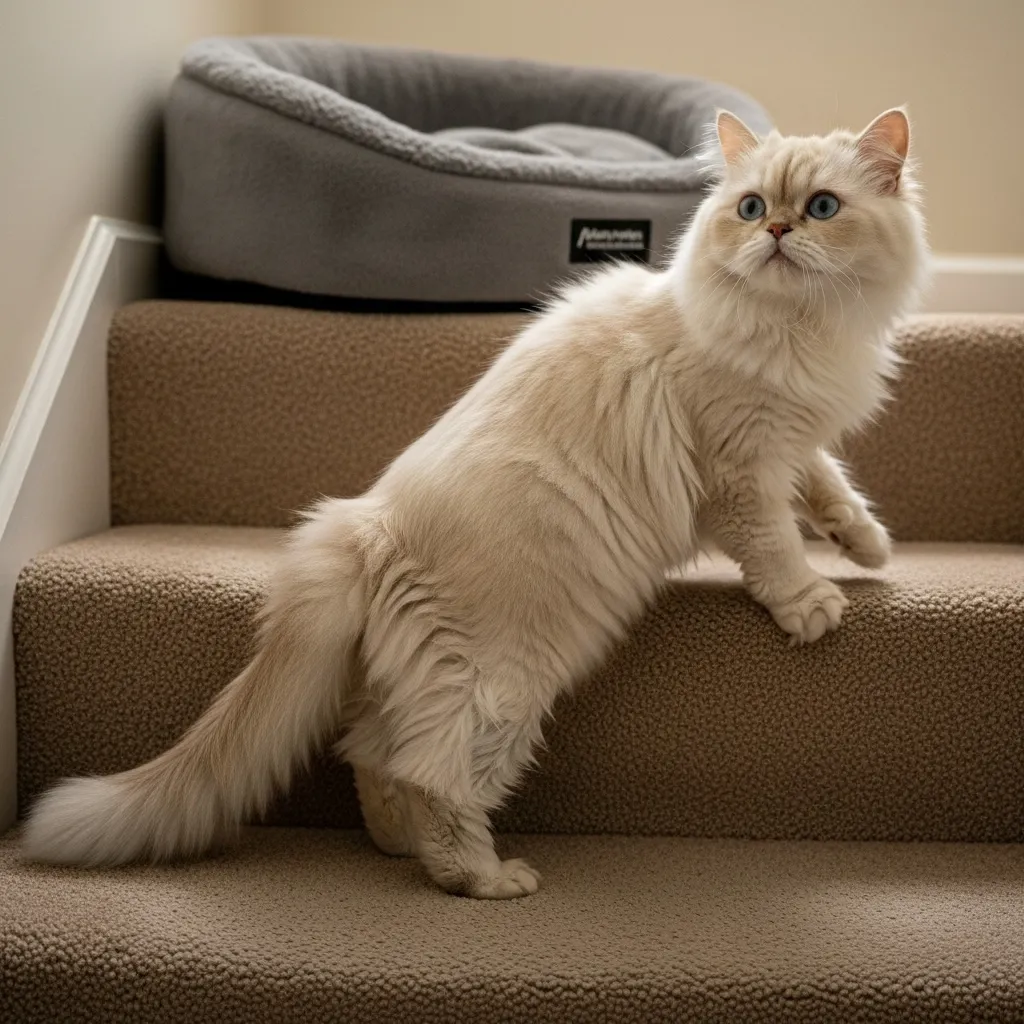
4. Cat Limping No Visible Injury? Think Deeper.
Sometimes, the problem isn’t in the leg at all.
Hidden Causes:
- Blood Clots (FATE): Sudden cat limping back leg, cold paw, vocalizing. Life-threatening—go to ER now.
- Neurological Issues in Cats: Wobbliness, dragging toes, or circling. Could be vestibular disease, tumors, or toxin exposure.
- Ingrown Claws: Curled into paw pads common in older cats who don’t scratch enough.
- Cancer: Bone tumors (osteosarcoma) cause persistent limping and swelling.
5. Why Is My Indoor Cat Limping Suddenly?
Indoor cats aren’t immune. Top culprits:
- Slipped on hardwood
- Stepped on a toy
- Zoomies gone wrong
- Cat limping but still running? Likely mild sprain but watch for worsening.
Limping Cat Treatment: What Actually Works
Never “wait and see” for more than 48 hours. Here’s your action plan.
Step 1: Safe Home Examination
- Confine to a small room (prevents jumping).
- Check paws, joints, and claws.
- Feel for heat, swelling, or pain reactions.
- Note: Never give human pain meds (Tylenol = fatal).
Step 2: When to Visit the Vet for a Cat
| Red Flag | Action |
|---|---|
| Limping >48 hours | Schedule vet |
| Swelling, heat, or open wound | Same day |
| Can’t bear weight, dragging leg | EMERGENCY |
| Pale gums, lethargy, vomiting | EMERGENCY |
Learn more in finding the best vet for your cat
Step 3: Vet-Backed Treatment Options
| Condition | Treatment |
|---|---|
| Sprain | Rest, cold compress, anti-inflammatories |
| Abscess | Drain, antibiotics, pain relief |
| Arthritis | Joint supplements (glucosamine), weight loss, laser therapy |
| Fracture | Splint, surgery, cage rest |
| Blood clot | Hospitalization, blood thinners |
Natural Remedies for Cat Limping (Supportive Care Only)
These natural remedies for cat limping help mild cases but are not substitutes for vet care.
Safe Home Support:
- Warm compress (damp cloth, 5 mins, 2x/day) for joint stiffness
- Slippery elm bark (soothes inflammation vet-approved dose only)
- CBD for cats (full-spectrum, THC-free, vet-dosed)
- Ramps & steps to reduce jumping stress
Caution: Never use essential oils. Tea tree, peppermint, and eucalyptus are toxic to cats.

Cat Limping Back Leg vs. Front Leg: Key Differences
| Location | Likely Causes | Watch For |
|---|---|---|
| Front Leg | Claw issues, shoulder injury, arthritis | Excessive paw licking |
| Back Leg | Hip dysplasia, blood clot, knee injury | Dragging toes, sudden collapse |
Cat Health and Mobility: Long-Term Prevention
Once your cat recovers, protect their joints and paws:
- Maintain ideal weight (why is my cat gaining weight?)
- Trim claws monthly (trim Siamese cats nails)
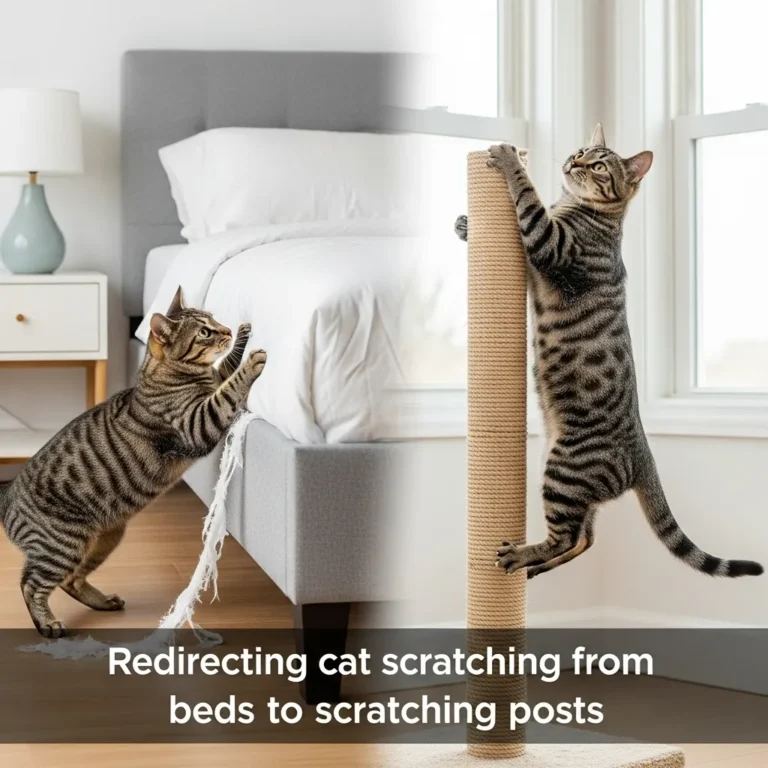
- Provide scratching posts & soft landings
- Annual senior bloodwork (age 7+)
FAQ: Your Top Cat Limping Questions Answered
Why is my cat limping but not crying?
Cats hide pain. No vocalizing doesn’t mean no problem. Watch for subtle cat injury signs like reduced activity.
Cat limping after jumping from couch what now?
Rest for 24–48 hours. If no improvement, X-ray needed. High jumps = high fracture risk.
Can cat arthritis cause sudden limping?
Rarely. Sudden onset usually means injury or clot. Chronic stiffness = arthritis.
My cat is limping and hiding what does it mean?
Cat hiding due to pain is a 5-alarm signal. Combine with limping? Vet ASAP.
Are there neurological issues in cats that cause limping?
Yes vestibular disease, spinal injury, or toxins. Look for head tilt, circling, or imbalance.
Final Thoughts: Your Cat’s Limp Is a Message Listen to It
Your cat can’t say “I’m hurt.” But limping? That’s their voice. From a thorn in the paw to a hidden fracture, every limp deserves attention.
Act fast. Inspect gently. Call the vet when in doubt.
At Cat Bloom Haven, we’re obsessed with helping cats live their best, bounciest lives. Whether it’s senior cat care, or cat training behavior, we’ve got your back.
Explore more expert cat care and behavior guides on Cat Bloom Haven because every purr deserves a pain-free life.