Cat Caught a Mouse? Here’s Your Step-by-Step Guide to Handling It

Finding your cat with a mouse can be startling, but it’s a natural part of their behavior. Cats are born hunters, and catching prey like a mouse is instinctual. Whether the mouse is alive or not, knowing how to respond calmly and safely is key. This guide covers what to do if your cat catches a mouse, how to handle the situation, and steps to prevent future incidents, all while keeping your home and pet safe.
Why Cats Catch Mice: Understanding Feline Behavior
Cats chase mice due to their predatory instincts, even if they’re well-fed. This behavior stems from their wild ancestors, who hunted to survive. When your cat catches a mouse, they may proudly present it to you, play with it, or even eat it. Observing your cat’s behavior after catching a mouse can help you respond appropriately. They might seem excited, agitated, or even disinterested after the chase. Recognizing these signs helps you stay calm and take control of the situation.
What to Do When Your Cat Catches a Mouse
If your cat has a mouse, act quickly but carefully to manage the situation. Here’s a clear plan to handle a cat with a mouse:
- Stay Calm and Assess the Situation: Panicking can stress your cat, causing them to drop a live mouse or become aggressive. Check if the mouse is alive or dead, as this affects your next steps.
- Isolate Your Cat: Gently guide your cat to a confined space, like a bathroom, to prevent the mouse from escaping into your home. Use a toy or treat to lure them if needed.
- Secure the Mouse: If the mouse is alive, use a container or thick gloves to catch it safely. For a dead mouse, use gloves or a plastic bag to pick it up, avoiding direct contact.
- Clean the Area: Disinfect any surfaces where the mouse was to eliminate germs or parasites. Wash your hands thoroughly after handling anything.
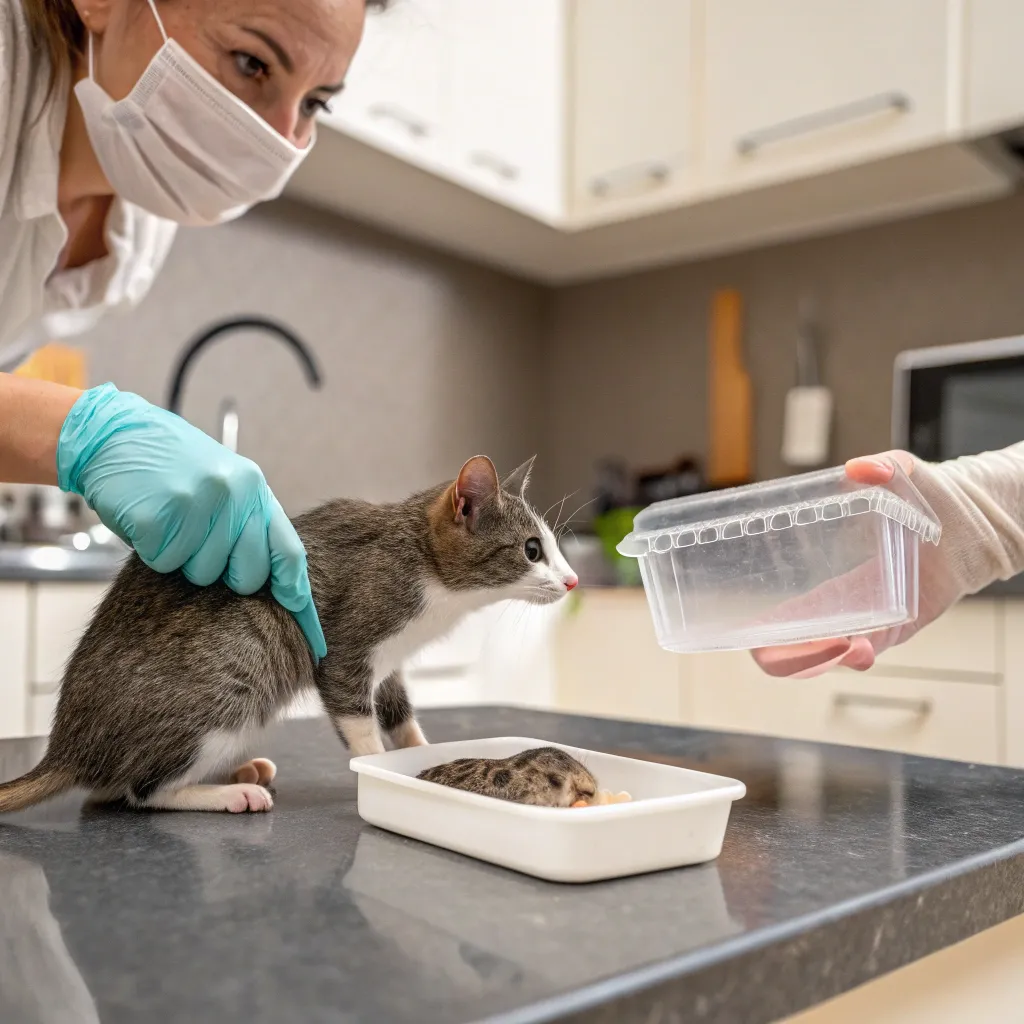
Following these expert steps for handling a cat and mouse ensures safety for you, your pet, and your home.
Mouse Safety and Disposal: What to Do Next
Proper disposal of the mouse is crucial to avoid health risks. If the mouse is dead, place it in a sealed plastic bag and dispose of it in an outdoor trash bin to prevent your cat from retrieving it. For a live mouse, release it far from your home—ideally in a wooded area or field—to reduce the chance of it returning. Always wear gloves to avoid direct contact, as mice can carry diseases like hantavirus or leptospirosis.
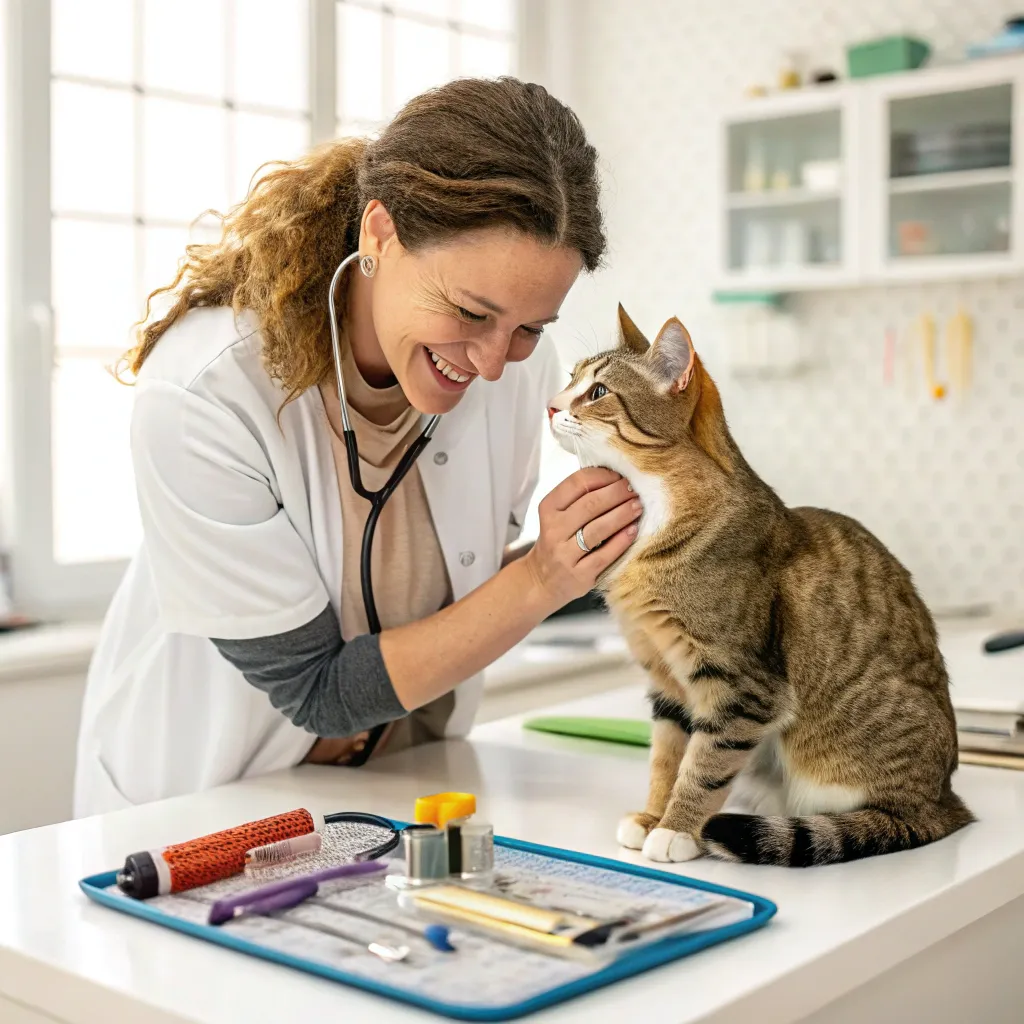
If your cat ate the mouse, monitor them for signs of illness, such as vomiting, lethargy, or loss of appetite. Contact your vet if you notice anything unusual, as mice can carry parasites or toxins harmful to cats.
Health Risks of a Cat Catching a Mouse
When a cat catches a mouse, there are potential health concerns for both you and your pet. Mice can carry diseases, bacteria, or fleas that may transfer to your cat or home. If your cat eats a mouse, they could ingest parasites like roundworms or toxins if the mouse consumed poison. Watch for symptoms like diarrhea, coughing, or unusual behavior, and consult a vet promptly if they appear. For humans, handling a mouse without protection can expose you to germs, so always use gloves and wash thoroughly afterward.
Preventing Cats from Catching Mice
To reduce the chances of your cat catching a mouse again, take these proactive steps:
- Secure Your Home: Seal gaps, cracks, or small openings in walls, doors, or windows where mice can enter. Check for holes as small as a dime, as mice can squeeze through tiny spaces.
- Keep Food Stored: Store pet food, grains, and other edibles in airtight containers to avoid attracting mice.
- Use Deterrents: Place natural repellents like peppermint oil or ultrasonic devices in areas prone to mouse activity.
- Engage Your Cat: Provide toys, scratching posts, or interactive play to satisfy your cat’s hunting instincts, reducing their drive to chase real prey.
These steps help protect your home from mice and keep your cat’s hunting instincts in check.
How to Protect Your Home from Mice Long-Term
Beyond immediate fixes, maintaining a mouse-free home requires consistent effort. Regularly inspect your home for signs of mice, like droppings or chewed items. Set up humane traps in high-risk areas like basements or attics to catch mice early. Keeping your home clean and clutter-free reduces hiding spots for rodents. For persistent issues, consider consulting a professional pest control service to assess and fortify your home.

What to Do Next When Your Cat Catches Prey
After handling the immediate situation, reflect on what to do next when your cat catches prey. Reinforce preventative measures to limit future incidents. Monitor your cat’s health for a few days to ensure they’re unaffected by the encounter. If your cat frequently brings home prey, consider keeping them indoors more often or using a collar with a bell to alert potential targets. Engaging your cat with stimulating toys can also redirect their energy from hunting.
Key Takeaways
- Stay calm and isolate your cat to manage the situation safely.
- Handle mice with gloves to avoid health risks and dispose of them properly.
- Monitor your cat for signs of illness if they eat a mouse and consult a vet if needed.
- Seal entry points and use deterrents to prevent mice from entering your home.
- Engage your cat’s instincts with toys to reduce their need to hunt.
Frequently Asked Questions
What should I do when my cat catches a mouse?
Gently isolate your cat, secure the mouse (alive or dead) with gloves, and clean the area to prevent health risks.
How can I stop my cat from catching mice?
Seal entry points, store food securely, use deterrents, and provide toys to satisfy your cat’s hunting instincts.
Is it dangerous if my cat eats a mouse?
It can be, as mice may carry parasites or toxins. Monitor your cat for symptoms and contact a vet if you notice anything unusual.
How do I protect my home from mice?
Seal gaps, keep food in airtight containers, use traps or repellents, and maintain a clean, clutter-free home.
By following these steps, you’ll handle a cat-caught-mouse situation with confidence and keep your home and pet safe. Stay proactive to prevent future encounters, and your feline friend can keep their hunting skills for playtime instead!