The Thoughtful Cat Parent’s Guide to a Sustainable, Eco-Friendly Lifestyle
In an era where our daily choices are under a microscope for their environmental impact, our beloved feline companions have come along for the ride. The carbon “pawprint” is real, from the mountains of non-biodegradable clay litter destined for landfills to the plastic toys our cats ignore in favor of an empty box. Yet, as a cat parent, you can embrace a sustainable cats lifestyle that nurtures your pet, protects the planet, and often simplifies your routine. This guide moves beyond basic tips to offer a holistic, actionable framework for eco-friendly cat care, proving that a greener life with your cat is not just possible it’s deeply rewarding.
The Foundations of a Green Feline Home
True sustainable cat care isn’t about a single product swap; it’s a mindset shift. It begins with understanding the environmental weight of conventional choices. For instance, traditional clay litter is strip-mined, destroying habitats and often ending up in landfills. Many common cleaning chemicals and synthetic toys contribute to indoor pollution and long-term waste. By embracing a sustainable approach, you directly counteract these impacts, creating a safer, healthier home for your sensitive feline, whose respiratory and immune systems benefit from fewer toxins.
The core principles are simple: Reduce, Reuse, and Rethink. Reduce consumption and waste. Reuse and repurpose what you already have. Rethink every purchase through an ecological lens. This philosophy aligns with the growing trend of “conscious consumption” in the pet industry, where owners seek durable, non-toxic, and ethically produced items.
Core Pillars of Sustainable Cat Care
Building an eco-friendly cat lifestyle rests on four key pillars: mindful nutrition, responsible waste management, intentional play, and green home habits. Let’s explore each with practical, vet-informed strategies.
1. Nourishment: The Sustainable Feline Diet
Cats are obligate carnivores, and meat production has a significant environmental cost in terms of water use, land, and greenhouse gases. The goal isn’t to compromise their health but to make smarter, more sustainable choices within their biological needs.
- Prioritize Quality and Sourcing: Look for brands that use organic cat food options with transparent, ethical supply chains. Certifications matter: the Marine Stewardship Council (MSC) label ensures seafood is sustainably caught, and the Global Animal Partnership (GAP) indicates higher welfare standards. Consider brands like Ziwi Peak (sourcing free-range meats) or Open Farm, which emphasize traceability.
- Choose Lower-Impact Proteins: Not all meats are equal. Poultry generally has a lower environmental footprint than red meat. When selecting fish, opt for smaller, fast-reproducing species like sardines or farmed salmon over overfished tuna.
- Minimize Packaging Waste: A major part of sustainable pet products is the container. Seek out brands using recyclable, compostable, or refillable packaging. Buying food in larger quantities can also reduce packaging per meal.
- Explore Homemade & Raw Diets (With Caution): For the committed pet parent, preparing a nutritionally balanced homemade or raw diet can drastically cut processing and packaging waste. This requires serious diligence. Always consult your veterinarian or a pet nutritionist to create a complete recipe, using tools like the Pet Nutrition Alliance Cat Calorie Calculator to ensure proper portions.
Pro Tip from the Trendsetters: The pet wellness trend is booming. Searches for “cat probiotics” are rising as owners focus on gut health, mirroring human wellness trends. A healthy gut can mean better nutrient absorption and less waste, and supplements often come in compostable pet products packaging from eco-conscious brands like AnimalBiome.

2. The Litter Lowdown: Managing Waste Responsibly
The litter box is the epicenter of a cat’s low waste cat care routine. Transitioning from clay is one of the most impactful changes you can make.
The table below compares the most common eco-friendly litter alternatives.
| Litter Type | Primary Material | Key Eco-Benefits | Best For |
|---|---|---|---|
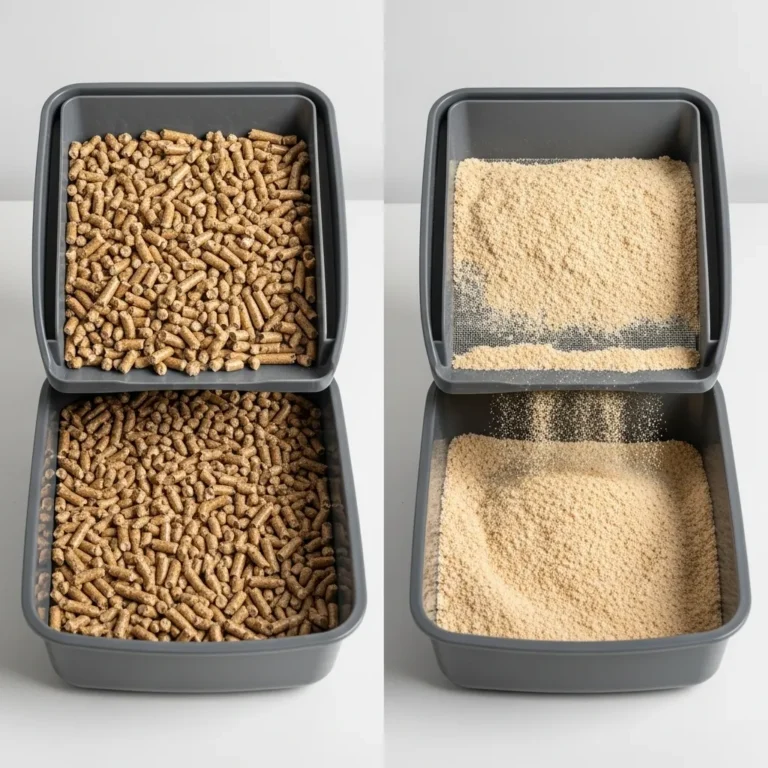
| Wood/Pine Pellets | Compressed sawdust or reclaimed wood | Highly biodegradable, often a lumber by-product, natural odor control. | Cats and owners who prefer a natural, fresh scent; very low dust. |
| Corn-Based | Ground corn cobs | Renewable resource, excellent clumping, flushable (check brand guidelines). | Owners seeking a clay-like clumping performance from a plant source. |
| Wheat-Based | Wheat by-products | Biodegradable, natural clumping enzymes, low tracking. | Multi-cat households needing strong odor control. |
| Recycled Paper | Post-consumer paper | Uses waste stream, highly absorbent, dust-free, soft on paws. | Kittens, senior cats, or cats with respiratory sensitivities. |
| Other Innovators (Soy, Grass Seed, Coconut) | Various plant fibers | Compostable, often novel materials with good clumping. | Eco-experimenters looking for high-performance natural options. |
Responsible Disposal is Crucial:
- Never flush litter (even “flushable” kinds) without verifying it’s safe for your municipal system, as it can contaminate waterways.
- Compost with caution. Only biodegradable cat litter free of synthetic additives can be composted. Cat feces should never be used in compost for edible gardens due to potential pathogens like Toxoplasma.
- For landfill disposal, use compostable waste bags made from cornstarch instead of plastic.
3. Play & Enrichment: Eco-Conscious Fun
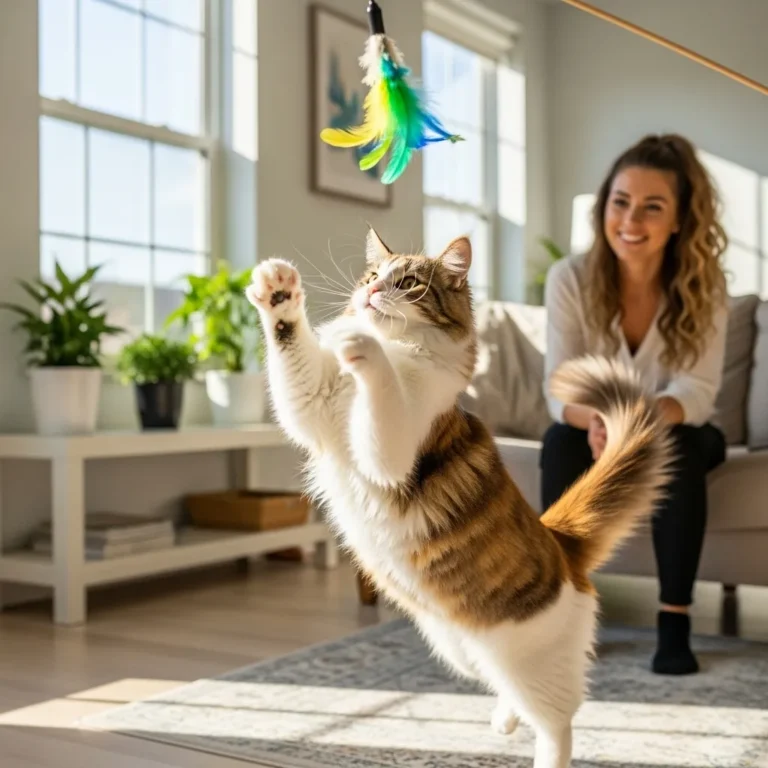
Cats are masters of finding joy in simplicity. Embracing this can eliminate a stream of plastic eco friendly cat toys.
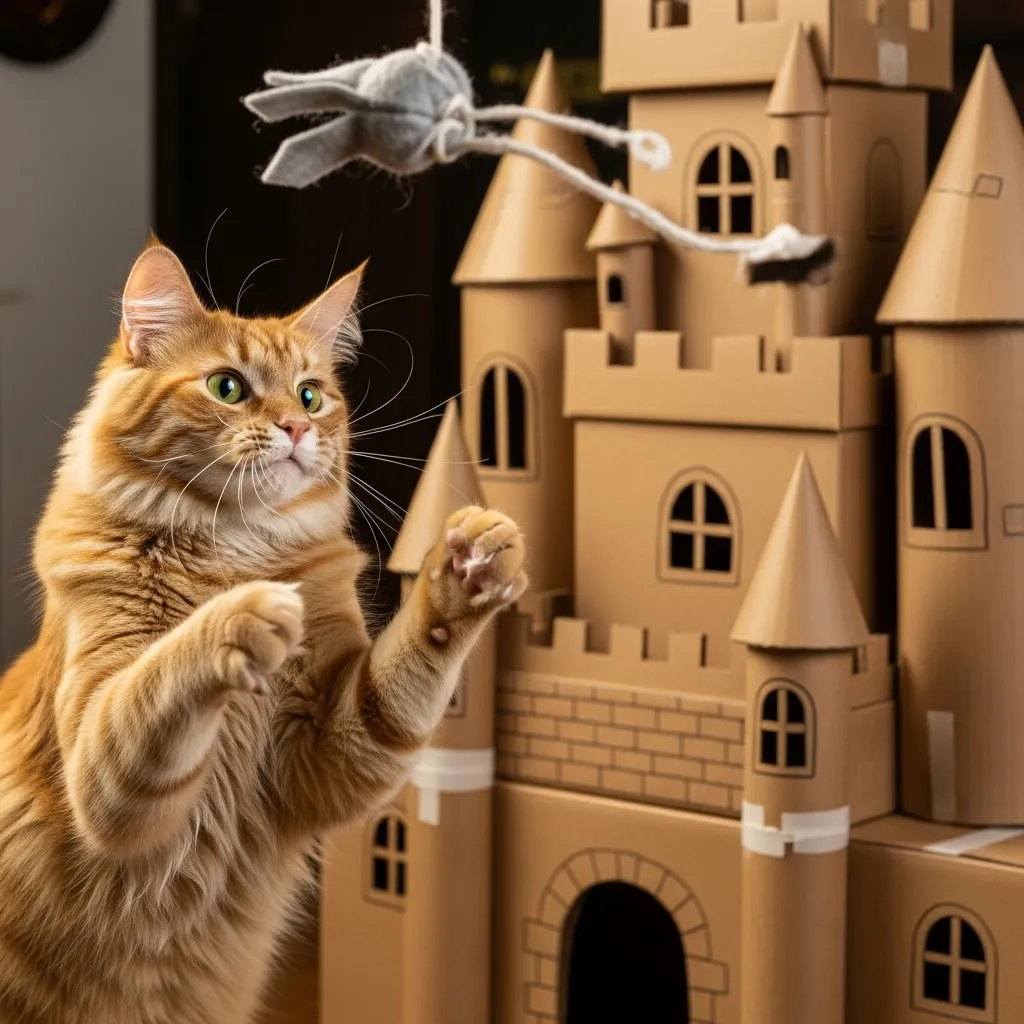
- Embrace the DIY Spirit: Before buying, look around. Toilet paper rolls, crumpled paper balls, and boxes become instant forts and prey. An old sock tied in a knot with some homegrown catnip inside is a perfect kicker toy.
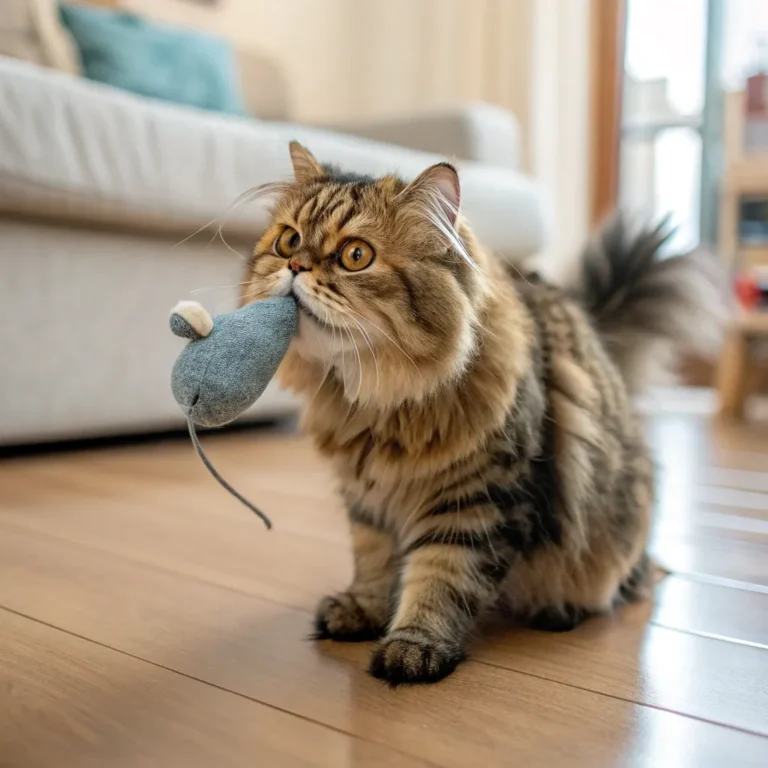
- Choose Natural Materials: When you do buy, select toys made from natural cat care materials: wool felt, organic cotton, hemp, or sisal. Brands like Noggins & Binkles create beautiful, PETA-approved felt toys.
- Invest in Quality & Durability: A well-made sisal scratching post or a sturdy cat tree from sustainable wood will outlast multiple cheap carpeted versions, preventing frequent replacements.
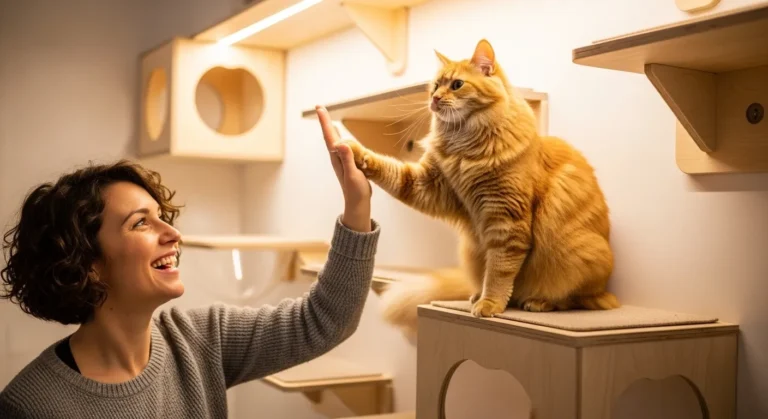
- The Ultimate Upcycle: Turn an old bookshelf into a climbing wall, or a sturdy suitcase into a vintage-style cat bed. These upcycled cat furniture projects give items a second life and provide unique enrichment for your cat.
4. A Green Home: Grooming, Cleaning & Safety
Creating a non toxic home for cats completes the sustainable picture.
- Green Grooming: Opt for shampoo bars or liquids in refillable pet products containers to cut plastic waste. Choose brushes with wooden handles and natural bristles over all-plastic ones. For flea prevention, explore natural, plant-based sprays from brands like Wondercide before resorting to chemical treatments.
- Non-Toxic Cleaning: Your cat walks and licks every surface you clean. Ditch harsh chemicals and use a simple mix of vinegar and baking soda for scrubbing litter boxes and floors. Avoid cleaners containing ammonia, chlorine, phenols, or phthalates, which are particularly harmful to cats.
- Safe Greenery: Many common houseplants are toxic to cats. Create a pet safe houseplants garden with cat grass (wheatgrass), catnip, and spider plants. It provides safe nibbling, aids digestion, and purifies your air.
The Big-Picture Impact: Beyond Products
Sustainable care extends beyond shopping bags into daily habits with profound effects.
- Keep Cats Indoors: This is one of the most significant green living for cats actions. Indoor cats have longer, safer lives and prevent the devastating predation of billions of birds and small mammals annually. For outdoor enrichment, build or buy a catio (cat patio) a secure outdoor enclosure.
- Spay/Neuter: Preventing unplanned litters is fundamental to reducing the carbon footprint pets create by managing population and resource use.
- Adopt, Don’t Shop: Giving a shelter cat a home is the ultimate act of reuse and compassion.
- Mindful End-of-Life: Donate gently used items you no longer need beds, carriers, unopened food—to local shelters. This supports community animals and keeps usable goods out of landfills.
Getting Started: Your Sustainable Transition Plan
Feeling overwhelmed? Start small. Choose one pillar to focus on this month.
- The Beginner: Swap your clay litter for a biodegradable cat litter like recycled paper or wood pellets.
- The Enthusiast: Audit your cat’s toy box. Recycle broken plastic toys, donate unused ones, and craft one new toy from household scraps.
- The Advocate: Research and switch to one sustainable pet brand for your cat’s food or treats, prioritizing ethical sourcing and packaging.
Remember, perfection is not the goal. As the experts at AnimalBiome remind us, “Something is better than nothing”. Every mindful choice, from a DIY toy to a bag of wheat litter, reduces your cat’s environmental impact. It’s a journey of small steps that collectively create a healthier life for your feline friend and a lighter tread on our shared planet.
Explore more expert guides on cat behavior, breed-specific care, and creating the perfect home for your feline friend at Cat Bloom Haven.
Frequently Asked Questions (FAQs)
What is the most eco-friendly cat litter?
There’s no single “best” litter, as it depends on your cat’s preferences and your disposal method. However, litters made from biodegradable, plant-based materials like wood, corn, wheat, or recycled paper are the most sustainable choices overall. They are renewable, compostable (under the right conditions), and avoid destructive clay mining.
Can I really make my own safe, healthy cat food?
Yes, but it requires careful planning. Cats have specific nutritional needs for amino acids (like taurine), vitamins, and minerals. Never feed only cooked meat or fish. If you want to explore homemade cat food, you must use a recipe formulated by a veterinarian or certified pet nutritionist to ensure it’s complete and balanced.
Are “eco-friendly” or “natural” cat products actually safe and durable?
Reputable sustainable pet brands rigorously test their products. Biodegradable litters are designed for effective clumping and odor control, and toys made from natural fibers like hemp or organic cotton are often more durable than cheap plastic. Always check reviews and buy from trusted companies.
How can I reduce plastic waste from my cat’s essentials?
Focus on reusable pet accessories and refillable systems. Switch to stainless steel or ceramic bowls. Look for food and litter sold in paper bags or recyclable packaging. Choose grooming tools with wooden handles, and consider shampoo bars instead of bottled liquid. Support brands that offer refillable pet products or bulk options.