Cats That Perfectly Match Their Owner’s Lifestyle
Choosing a cat isn’t just about falling in love with a cute face. It’s about finding a companion whose energy, needs, and personality align with your daily life. Cats that perfectly match their owner’s lifestyle create deeper bonds, fewer frustrations, and happier homes for both human and feline.
Many people rush into adoption without considering compatibility. An active professional might end up with a high-energy breed that becomes bored and destructive. A relaxed senior could struggle with a vocal, demanding cat. The right match makes cat ownership feel effortless and rewarding.
In this guide, we’ll explore how different cat breeds suit various lifestyles. You’ll learn practical insights to help you choose wisely, whether you’re busy, laid-back, family-oriented, or living in a small space. By the end, you’ll understand why some cats thrive with certain owners and how to spot your ideal match.
Key Takeaways
- Active lifestyles pair best with energetic breeds like Bengals or Abyssinians.
- Calm, low-energy owners often bond deeply with relaxed cats like Persians or Ragdolls.
- Families with children benefit from gentle, tolerant breeds such as Maine Coons.
- Apartment dwellers do well with adaptable, moderate-energy cats like American Shorthairs.
- Busy professionals appreciate independent breeds that handle alone time gracefully.
- Personality overlap matters: studies show owners and cats often share traits like extroversion or neuroticism.
[Place image carousel here: Energetic Bengal cat playing with toys – Alt text: Energetic Bengal cat leaping playfully with toys, showcasing high activity level perfect for active owners]
Why Lifestyle Matching Matters for Cats and Owners
Cats adapt remarkably well, but mismatches lead to stress. A high-energy cat left alone all day might scratch furniture or yowl excessively. A low-key cat overwhelmed by constant activity could hide and withdraw.
Research supports this. A study in PLOS One found parallels between owner personality and cat wellbeing, similar to parent-child relationships. Extroverted owners often have sociable cats; neurotic owners may see more anxious behaviors in their pets.
Matching reduces behavioral issues and strengthens bonds. Owners report higher satisfaction when their cat’s needs fit their routine. Vets note fewer stress-related health problems in well-matched pairs.
Consider your daily reality: work hours, activity level, household noise, and space. The goal is harmony, where your cat enhances your life without adding undue strain.
Active Lifestyles: Breeds That Keep Up with Your Energy
If you hike, run, or love interactive play, choose a cat that matches your pace. These breeds thrive on stimulation and make excellent adventure partners.
Bengal Cats: The Athletic Adventurers
Bengals bring wild energy in a domestic package. They love climbing, fetching, and even walking on leashes. Their spotted coats and muscular builds hint at their active nature.
Owners who enjoy daily play sessions find Bengals engaging. They excel at puzzle toys and agility setups. Without enough activity, they can become mischievous.
For active owners, Bengals provide constant entertainment and companionship during workouts or outdoor time.
[Place image here: Energetic Bengal cat playing with toys – Alt text: Playful Bengal cat in mid-leap with interactive toys, ideal for owners with high-energy lifestyles]
Abyssinian Cats: Curious Explorers
Abyssinians stay perpetually kitten-like. They jump, climb, and investigate everything. Intelligent and affectionate, they bond closely but need mental challenges.
These cats suit owners who incorporate play into routines. They often perch high, overseeing the household like supervisors.
[Place image here: Abyssinian cat running or jumping actively – Alt text: Agile Abyssinian cat jumping energetically, capturing the breed’s playful and active personality]
Siamese Cats: Vocal and Engaging Companions
Siamese cats demand interaction with their loud voices and opinions. They follow owners around, “talking” constantly. Playful and clever, they learn tricks easily.
They fit active households where someone engages them regularly. Their social nature makes them poor for long solitary periods.
Relaxed Lifestyles: Low-Energy Breeds for Chill Owners
If you prefer quiet evenings and low-key days, these calm breeds offer affectionate companionship without demands.
Persian Cats: The Ultimate Lap Warmers
Persians embody serenity. They lounge gracefully, enjoying gentle pets over rough play. Their luxurious coats require grooming, but their temperament stays even-keeled.
They suit owners who value peaceful presence. Persians observe quietly from favorite spots.
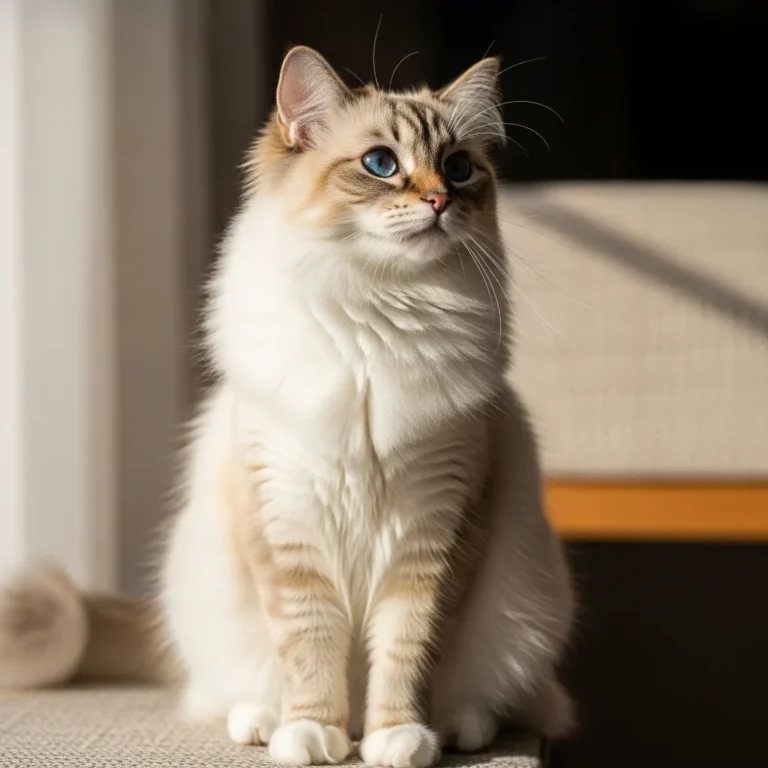
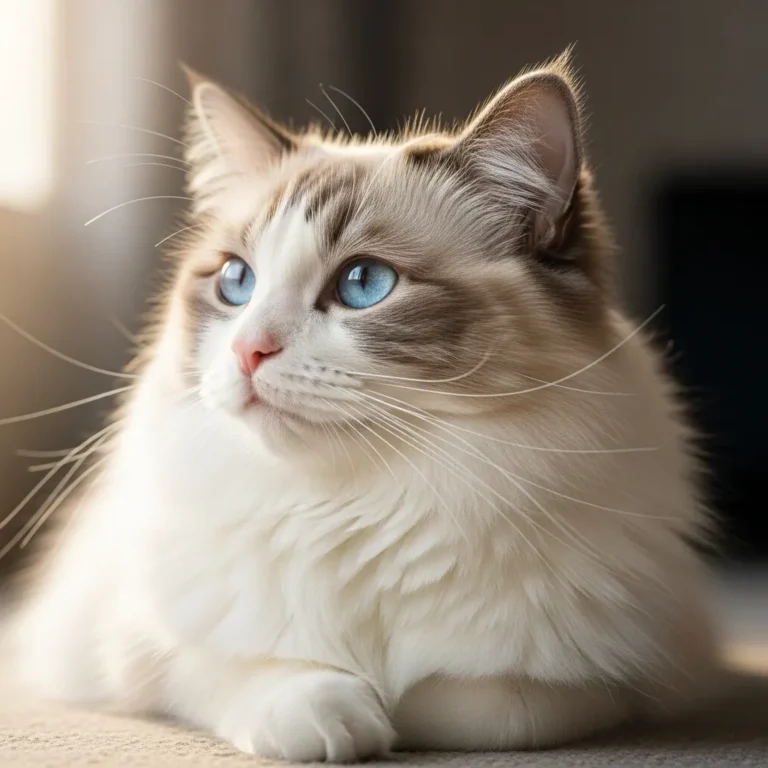
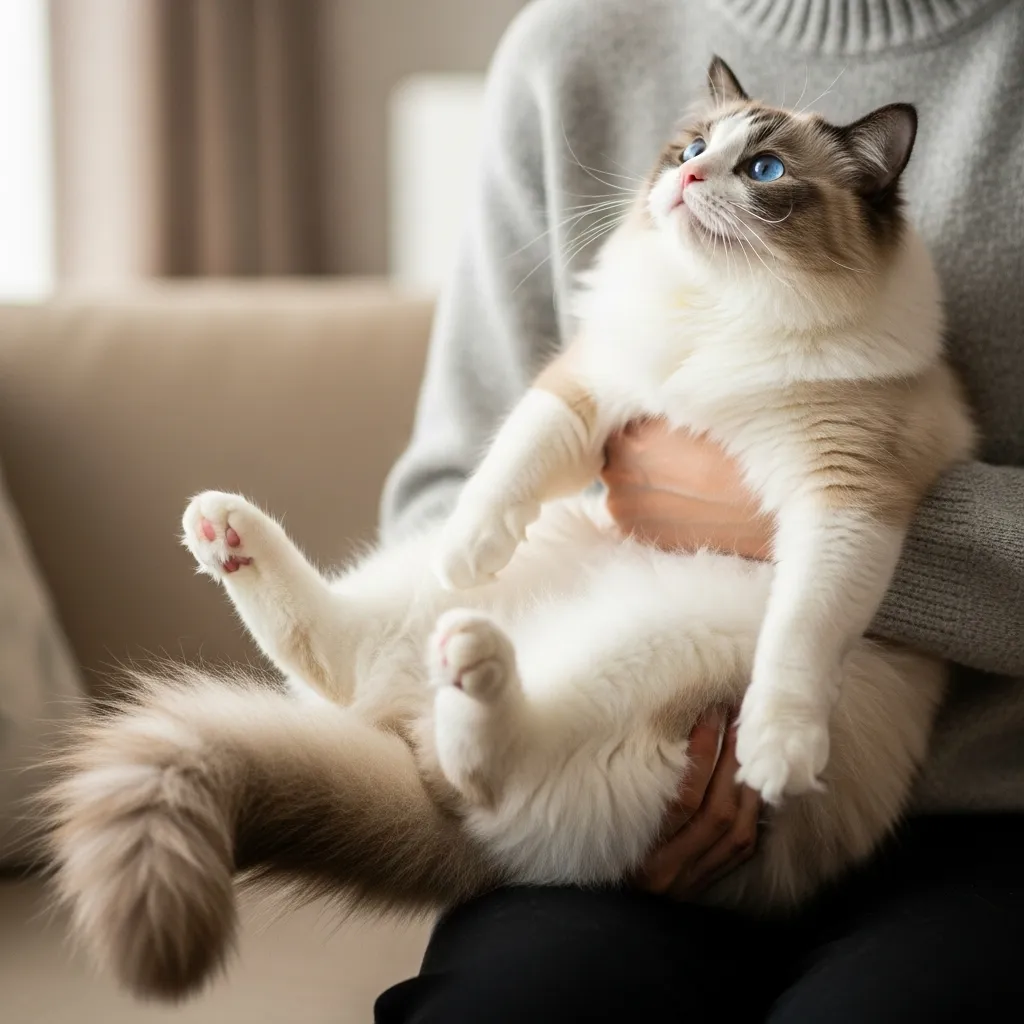
Ragdoll Cats: Docile and Devoted
Ragdolls go limp when held, earning their name. Gentle giants with soft fur, they seek laps and follow owners gently.
They adapt to relaxed routines, content with occasional attention. Their trusting nature makes them vulnerable, so keep them indoors.
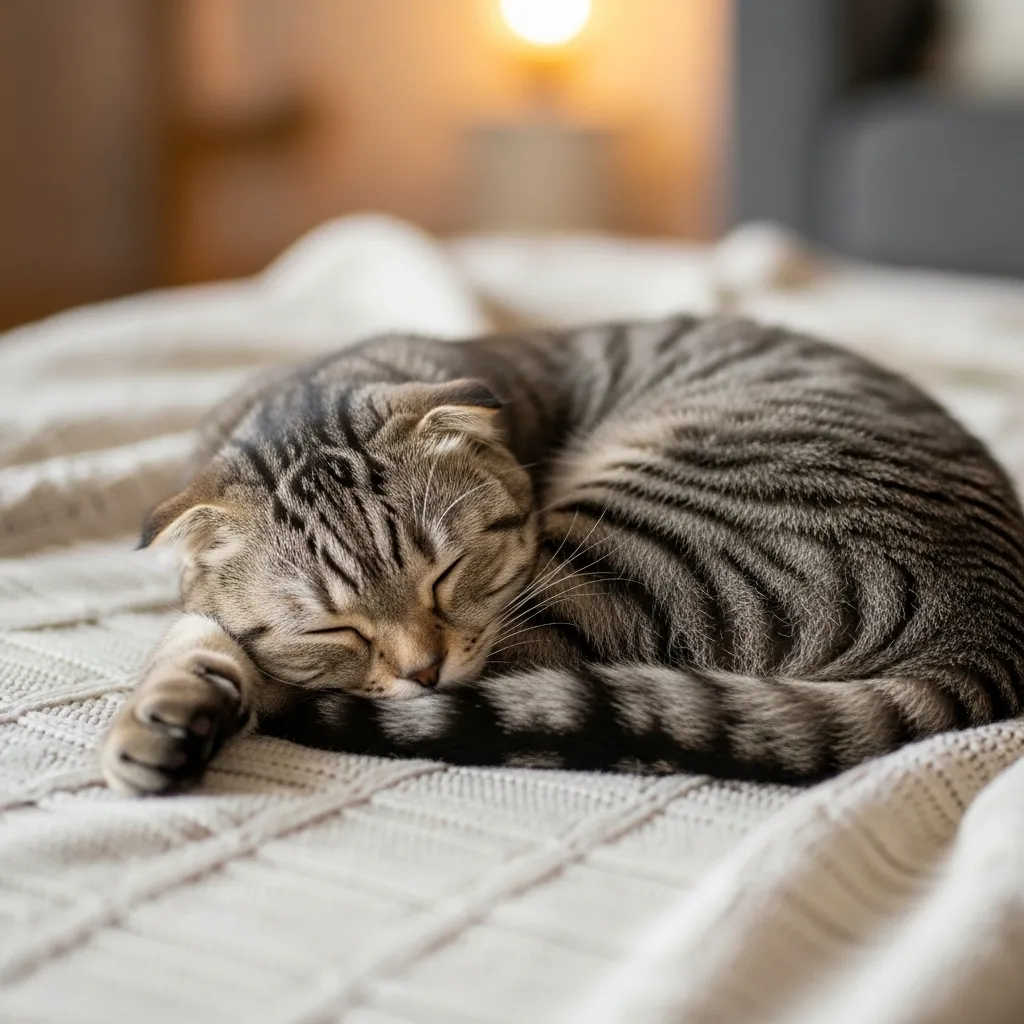
Scottish Fold Cats: Sweet and Mellow
Scottish Folds curl up contentedly with unique folded ears. They enjoy company but entertain themselves quietly.
They fit low-energy homes, offering affection without overwhelming demands.
Family Life: Breeds That Thrive with Kids and Chaos
Households with children need tolerant, playful cats that handle noise and gentle handling.
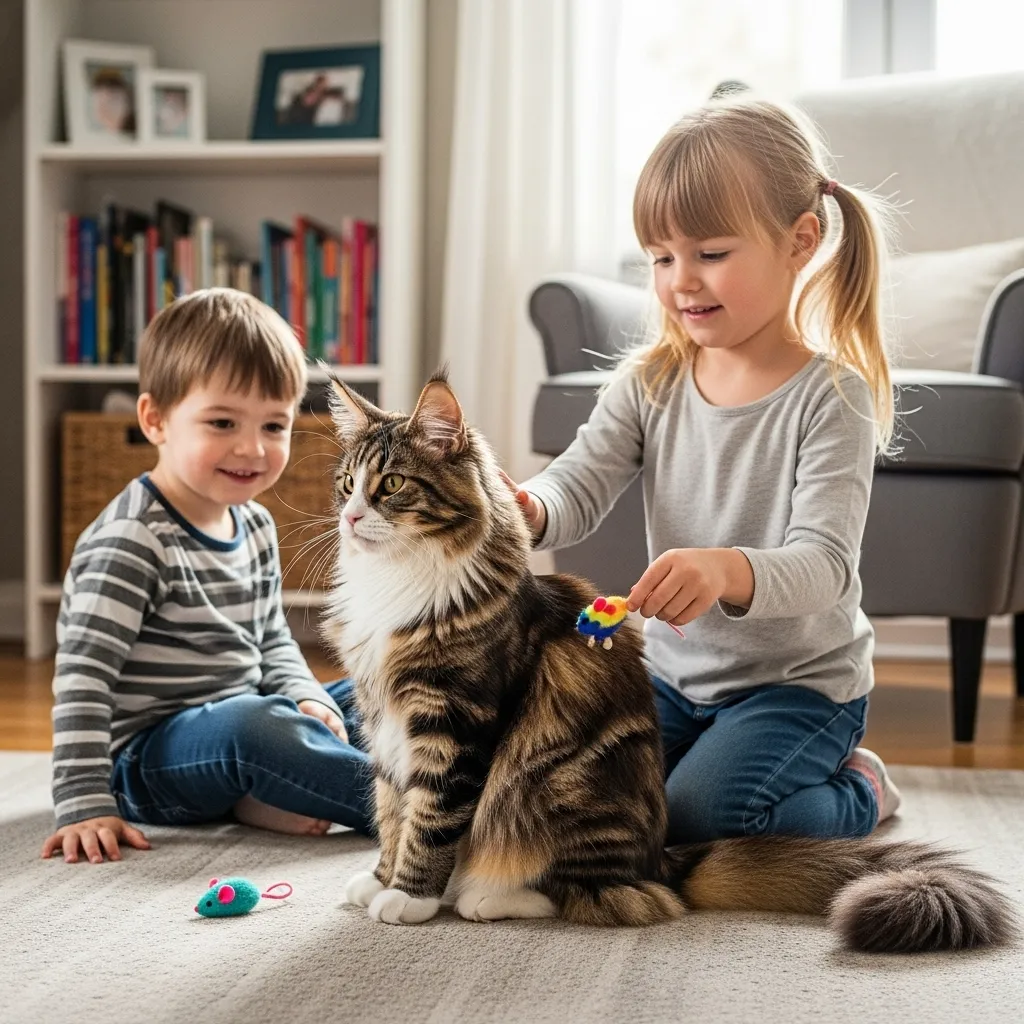
Maine Coon Cats: Gentle Giants for Families
Maine Coons grow large but stay remarkably patient. Known as “dog-like,” they play fetch and tolerate kids well.
Their size and calm demeanor make them forgiving of enthusiastic pets. They often supervise family activities protectively.
American Shorthair Cats: Adaptable All-Rounders
American Shorthairs balance playfulness and independence. Sturdy and even-tempered, they adapt to family dynamics easily.
They enjoy games with kids but retreat when needing quiet. Low grooming needs add practicality.
Apartment Living: Compact-Friendly Breeds
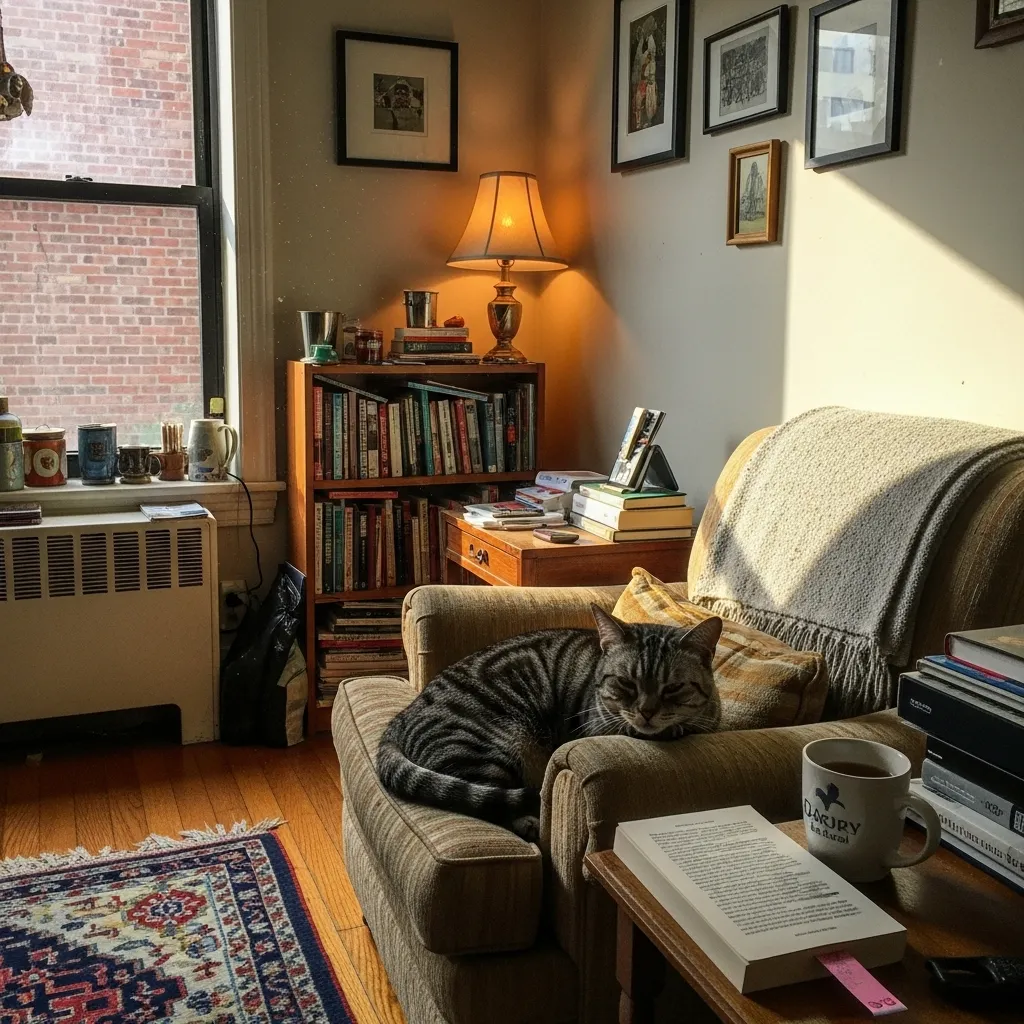
Small spaces require cats that don’t need vast territory but appreciate vertical options.
American Shorthairs and British Shorthairs adapt well. They remain content with window perches and moderate play.
Ragdolls and Persians also thrive indoors, preferring cozy spots over exploration.
Provide cat trees and shelves for enrichment. Many apartment-friendly breeds appear in our lists above.
Busy Professionals and Seniors: Independent Yet Affectionate Options
Long work hours or limited mobility call for self-sufficient cats that enjoy company when available.
Russian Blues and British Shorthairs handle alone time gracefully. They greet warmly but don’t demand constant attention.
How to Choose Your Perfect Match
Assess your routine honestly. Consider energy levels, time for play/grooming, household members, and space.
Visit shelters or breeders to observe interactions. Personality trumps breed stereotypes; individual cats vary.
Adopt adults when possible their traits show clearly.
Consult vets for health insights specific to breeds.
FAQ
Which cat breed is best for active owners?
Bengals, Abyssinians, and Siamese top the list for their high energy and love of interaction.
What are good low-energy cats for relaxed lifestyles?
Persians, Ragdolls, and Scottish Folds offer calm companionship.
Are there cats that match introverted owners?
Yes, independent breeds like Russian Blues or British Shorthairs often suit quieter personalities.
Which breeds work for families with young children?
Maine Coons and American Shorthairs tolerate handling well and enjoy play.
Can high-energy cats adapt to apartments?
With enough enrichment like climbing structures and daily play, yes but low-energy breeds adapt more easily.
Do cats really take on their owner’s personality?
Studies suggest influences both ways, with happier outcomes when traits align.
Finding cats that perfectly match their owner’s lifestyle creates lasting joy. Take time to choose thoughtfully; the reward is a true companion.
Explore more expert cat care and breed guides on Cat Bloom Haven, from Bengal cat guides to Ragdoll care tips and everything in between.