Minimalist Home Inspiration Inspired by Cat-Friendly Design
Imagine stepping into a home that feels calm and uncluttered, with clean lines, neutral tones, and plenty of open space. Now picture your cat thriving in that same environment, leaping confidently to high perches, scratching on dedicated surfaces, and curling up in cozy spots without disrupting the serenity. Minimalist home inspiration inspired by cat-friendly design makes this possible. It blends sleek aesthetics with practical elements that support your cat’s natural behaviors, creating a space that’s peaceful for you and enriching for them.
Many cat owners worry that pet essentials like litter boxes or climbing structures will clash with a minimalist style. The good news is they don’t have to. Thoughtful choices allow you to maintain a streamlined look while giving your cat vertical territory, hiding spots, and stimulation. This approach reduces stress for both of you. Cats feel secure in predictable, low-clutter environments, and you enjoy a home that looks intentionally designed.
In this guide, you’ll discover how to transform your space into a harmonious haven. We’ll cover core principles, room-by-room ideas, stylish product recommendations, and tips for safety and maintenance. By the end, you’ll have actionable steps to create a home that’s beautiful, functional, and truly cat-friendly.
Key Takeaways
- Minimalism benefits cats by reducing overstimulation and providing clear, safe zones.
- Focus on multi-functional, neutral-toned furniture to integrate cat needs seamlessly.
- Vertical space is essential wall-mounted shelves and perches save floor area while satisfying climbing instincts.
- Hidden solutions for litter boxes and scratchers keep the aesthetic clean.
- Choose durable, easy-to-clean materials to maintain the minimalist vibe long-term.
Why Minimalist Design Works So Well for Cats
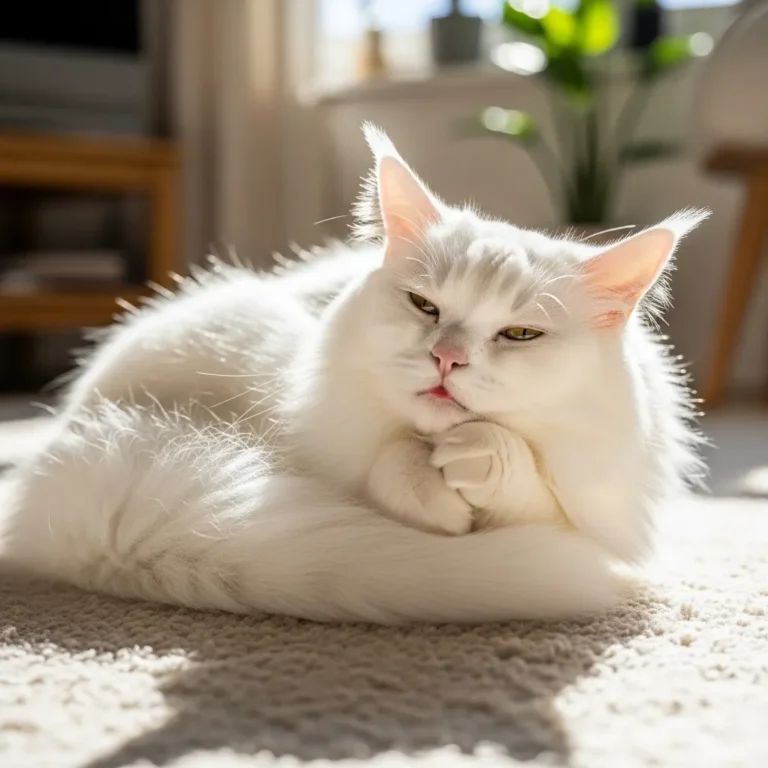
Cats are sensitive creatures. Busy, cluttered rooms can overwhelm them, leading to hiding or unwanted behaviors. A minimalist home, with its emphasis on simplicity and open space, aligns perfectly with feline needs.
Clear sightlines let cats monitor their territory easily, building confidence. Fewer items on surfaces mean less temptation to knock things over. Natural materials like wood and neutral fabrics create a calming atmosphere.
Experts note that cats thrive in environments mimicking their wild instincts: high vantage points for observation, private areas for rest, and opportunities to scratch and climb. Minimalism supports this without excess. For instance, wall-mounted elements provide elevation without bulky floor furniture.
This style also simplifies cleaning. Smooth surfaces and fewer hiding spots for dust or litter make maintenance easier, keeping your home fresh.
Core Principles of Cat-Friendly Minimalist Design
Start with these foundational ideas to guide your setup.
Embrace Vertical Space
Cats love height for safety and play. Use walls efficiently.
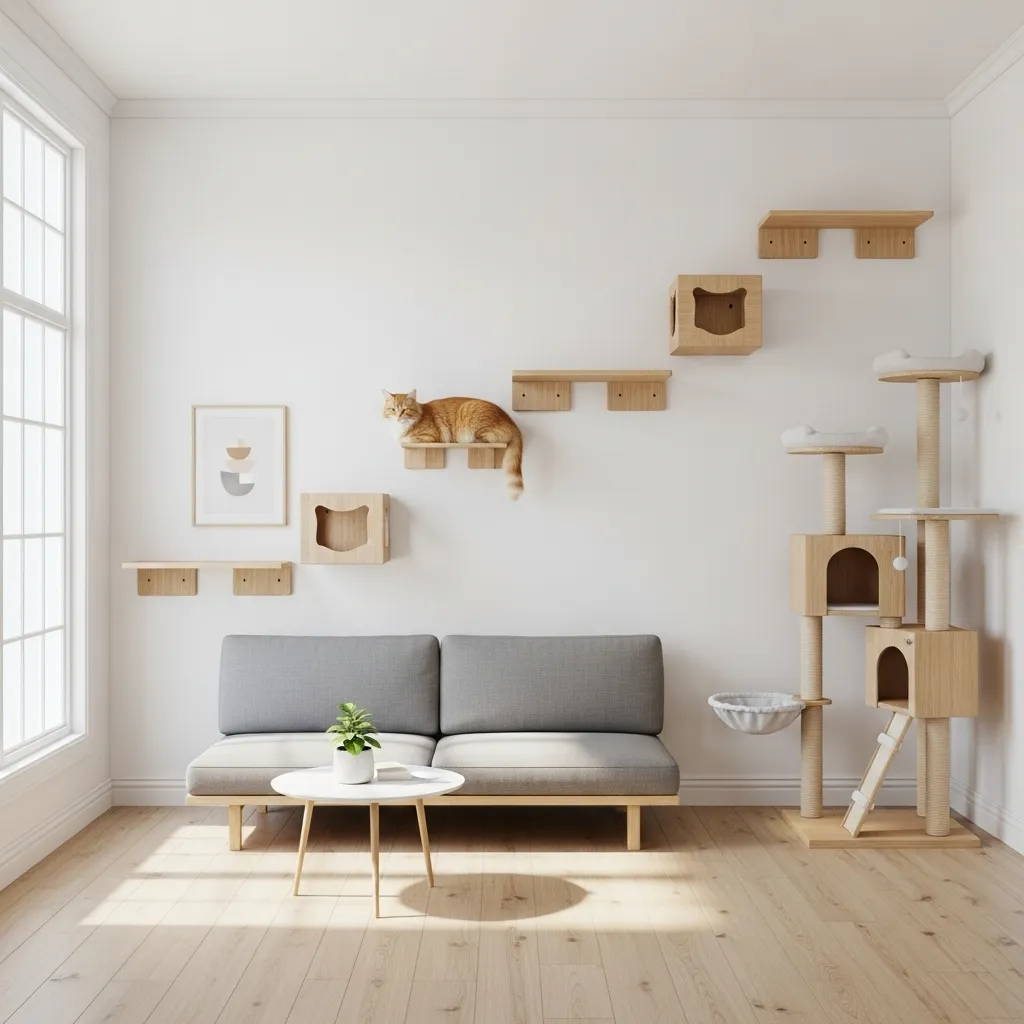
- Install floating shelves in staggered patterns for climbing paths.
- Add window perches for bird-watching.
Choose Multi-Functional Pieces
Select items that serve dual purposes.
- Benches or cabinets with hidden litter compartments.
- Side tables doubling as scratching posts.
Opt for Neutral, Durable Materials
Stick to wood, rattan, sisal, and washable fabrics in beige, gray, or white. These blend seamlessly and withstand claws.
Prioritize Discretion
Hide necessities like litter boxes in enclosed furniture. Use subtle toys stored in baskets.
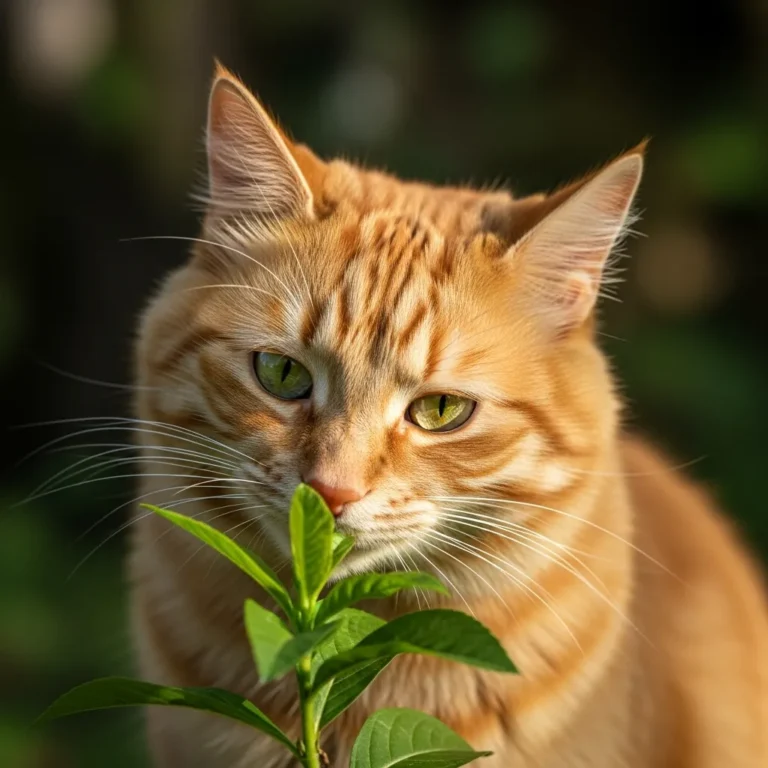
Incorporate Cat-Safe Greenery
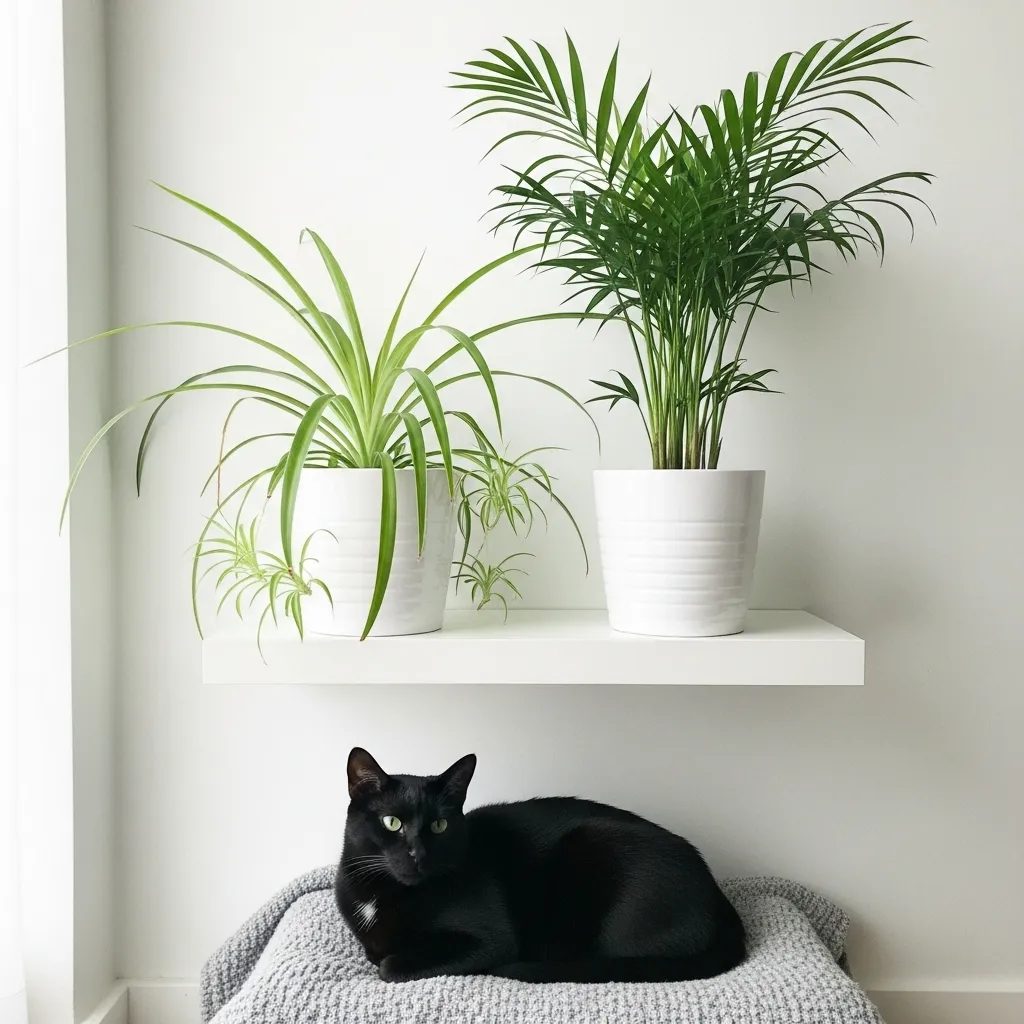
Add pet-friendly plants for air purification and visual interest.
Living Room Ideas: Serene and Playful
The living room is a shared hub. Keep it open while adding cat elements.
Wall-Mounted Climbing Systems
Create a “cat highway” with wooden shelves. Arrange them to lead to a window or cozy nook.
Modern Cat Trees That Blend In
Choose slim, wooden designs over carpeted ones.
Hidden Litter Solutions
Place an enclosed cabinet in a corner. Look for vents to control odor.
Bedroom Bliss: Calm Retreats for You and Your Cat
Bedrooms should promote rest. Integrate cat features subtly.
Window Perches for Sunny Spots
Suction-cup or mounted hammocks offer prime lounging without floor clutter.
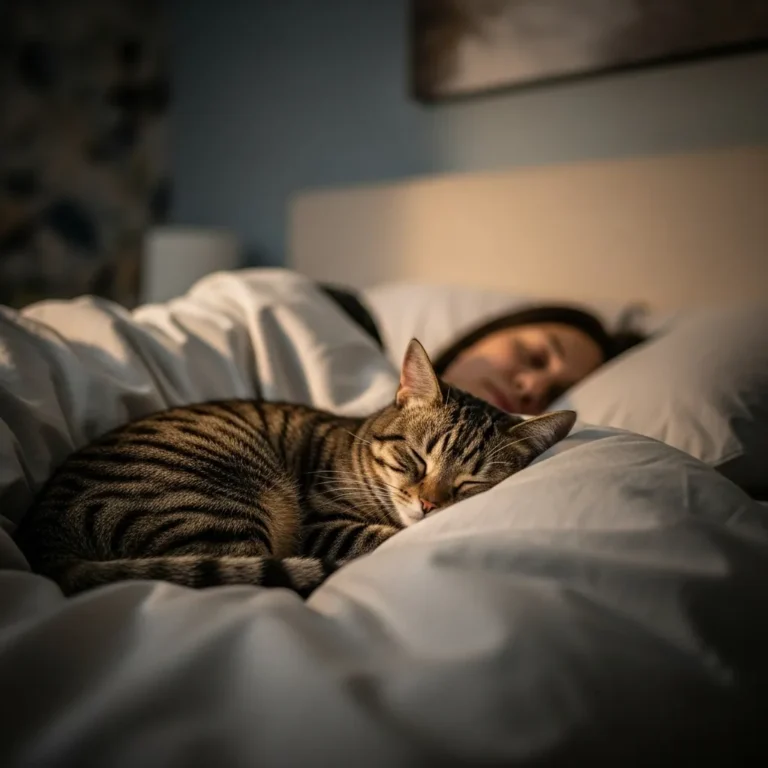
Elevated Beds or Under-Bed Hideaways
Raised platforms or storage beds with built-in cubbies provide private sleep areas.
Explore more in our article on cat sleeping positions and what they mean.
Kitchen and Dining: Safe and Clean Zones
Cats often beg or counter-surf here. Set boundaries stylishly.
- Elevated feeding stations in neutral ceramics.
- Secure cabinets with childproof locks.
Check our detailed guide on choosing cat food for more nutrition tips.
Bathroom and Utility Areas: Practical Hiding Spots
These rooms are ideal for discreet necessities.
- Under-sink cabinets for litter boxes (with cat-door access).
- Laundry room enclosures.
Essential Cat-Friendly Additions That Fit Minimalism
Scratching Posts and Pads
Integrated or wall-mounted sisal options.
[Image placement suggestion: 3 images of modern minimalist scratching posts integrated into furniture.]
Alt text: Geometric wooden scratching post blending as a side table in minimalist decor.
Toys and Enrichment
Simple feather wands or puzzle feeders stored neatly.
Litter Box Innovations
Top-entry or self-cleaning models in enclosed furniture.
Safety First: Cat-Proofing in a Minimalist Home
Secure tall furniture to walls. Hide cords. Choose non-toxic plants like spider plants or Boston ferns.
For health insights, see our cat health care section.
Maintenance Tips for Lasting Serenity
Vacuum regularly with pet tools. Wipe surfaces weekly. Rotate toys to keep interest without clutter.
Frequently Asked Questions
Can minimalist homes really be cat-friendly?
Yes. By focusing on vertical, multi-functional elements, you meet cat needs without visual chaos.
What are the best materials for cat furniture in minimalist spaces?
Natural wood, sisal rope, and neutral fabrics. They endure wear and match clean aesthetics.
How do I hide a litter box without compromising style?
Use enclosed cabinets or benches designed as furniture pieces with discreet entries.
Are wall shelves safe for cats?
Absolutely, when properly installed into studs. Start low for kittens or seniors.
What plants are safe and fit a minimalist look?
Spider plants, parlor palms, or calatheas in simple pots add life safely.
Final Thoughts
Creating minimalist home inspiration inspired by cat-friendly design is about balance. You get a tranquil, elegant space. Your cat gets enrichment and security. The result? A happier household where style and feline instincts coexist beautifully.
Ready to start? Browse more ideas in our minimalist cat shelves guide.
Explore more expert cat care and behavior guides on Cat Bloom Haven.