How Cats Create Daily Routines That Reduce Stress
Many cat owners notice their days feel calmer with a feline companion around. Cats often guide us into predictable patterns, like morning greetings or evening wind-downs. These habits do more than structure a cat’s day. They help lower our stress levels too.
Research backs this up. Studies show that interacting with cats, even briefly, drops cortisol, the main stress hormone. One Washington State University study found just 10 minutes of petting cats or dogs cut cortisol significantly in stressed students. Petting a cat also lowers blood pressure and heart rate, easing daily tension.
Cats naturally build these routines. They thrive on predictability, and their behaviors pull us in. A cat meowing for breakfast at the same time each morning starts your day gently. Evening lap time or play sessions signal relaxation. Over time, these patterns create a shared rhythm that benefits both of you.
In this article, you’ll learn the science behind these effects, how cats shape human habits, and practical ways to build routines that reduce stress. You’ll also get tips to spot stress in your cat and strengthen your bond.
Key Takeaways for Quick Insight
- Cats enforce routines through consistent behaviors, giving owners structure and lowering anxiety.
- Daily interactions like petting or purring release oxytocin and reduce cortisol.
- Predictable schedules benefit cats’ mental health and create calming rituals for humans.
- Simple habits, such as morning feedings or bedtime cuddles, improve mood and heart health.
- Studies link cat ownership to lower risks of cardiovascular issues from reduced stress.
The Science Behind Cats and Stress Reduction
Cats influence our physiology in measurable ways. Their presence triggers positive changes that counter daily pressures.
Lowering Cortisol and Blood Pressure
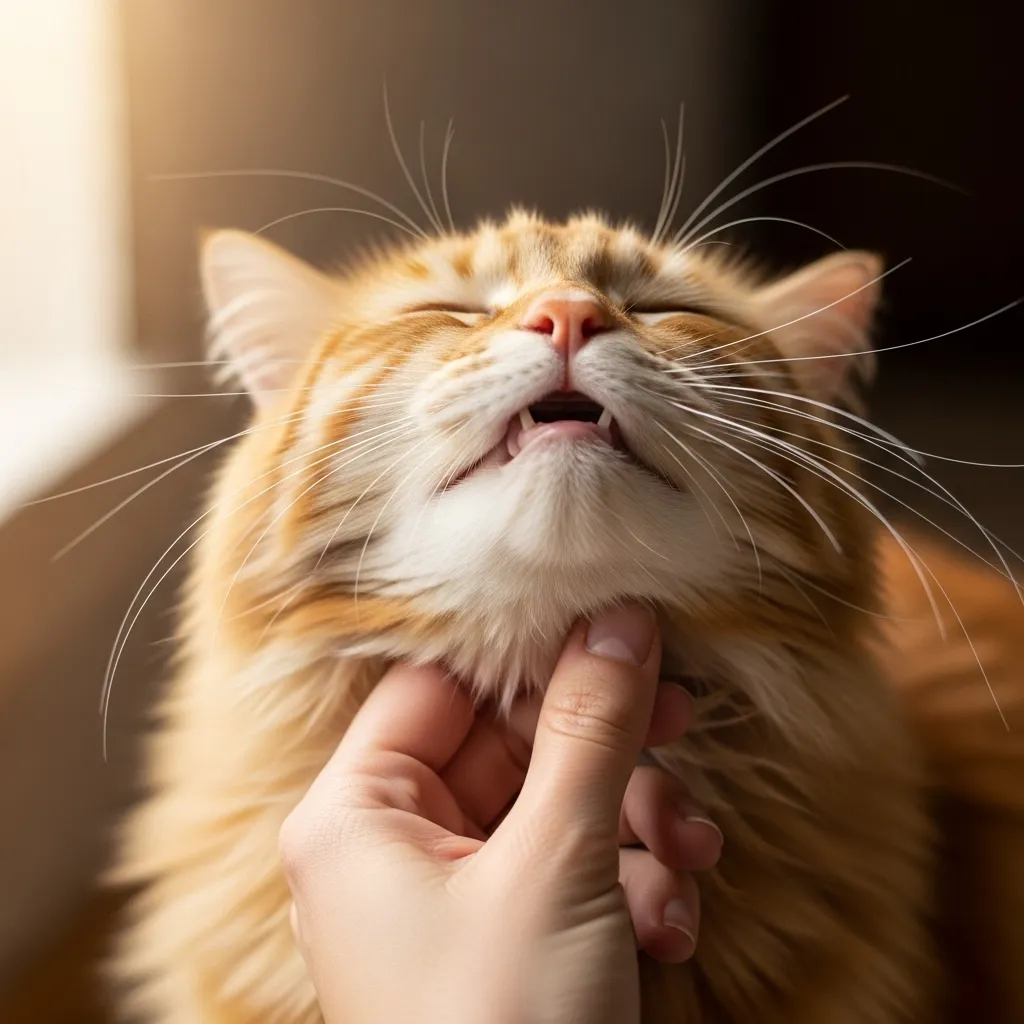
Multiple studies confirm that petting a cat reduces stress markers. A Cornell University review notes that 10 minutes of interaction lowers salivary cortisol. This effect persists beyond the moment, helping manage chronic stress.
Cat owners often show lower resting blood pressure. One study of hypertensive patients found that those who adopted cats had milder blood pressure spikes during mental stress tasks compared to medication alone.
Purring adds another layer. These vibrations, at 20-140 Hz, promote relaxation. Research suggests they lower human blood pressure and ease anxiety, much like meditative sounds.
Boosting Feel-Good Hormones
Touching a cat releases oxytocin, the bonding hormone. It counters cortisol and fosters calm. Serotonin and dopamine rise too, improving mood.
A Purina-sponsored overview highlights how cats provide nurturing outlets, reducing isolation and boosting emotional resilience.
How Cats Naturally Build Daily Routines
Cats are creatures of habit. Their internal clocks sync with ours, creating shared schedules that impose gentle structure.
Morning Wake-Up Calls and Breakfast Rituals
Most cats rise early and expect food promptly. This persistent meowing or nudging trains owners into consistent mornings.
Such predictability grounds the day. Starting with a calm feeding ritual sets a low-stress tone. Many owners report feeling more organized because their cat “demands” reliability.
Midday Check-Ins and Play Breaks
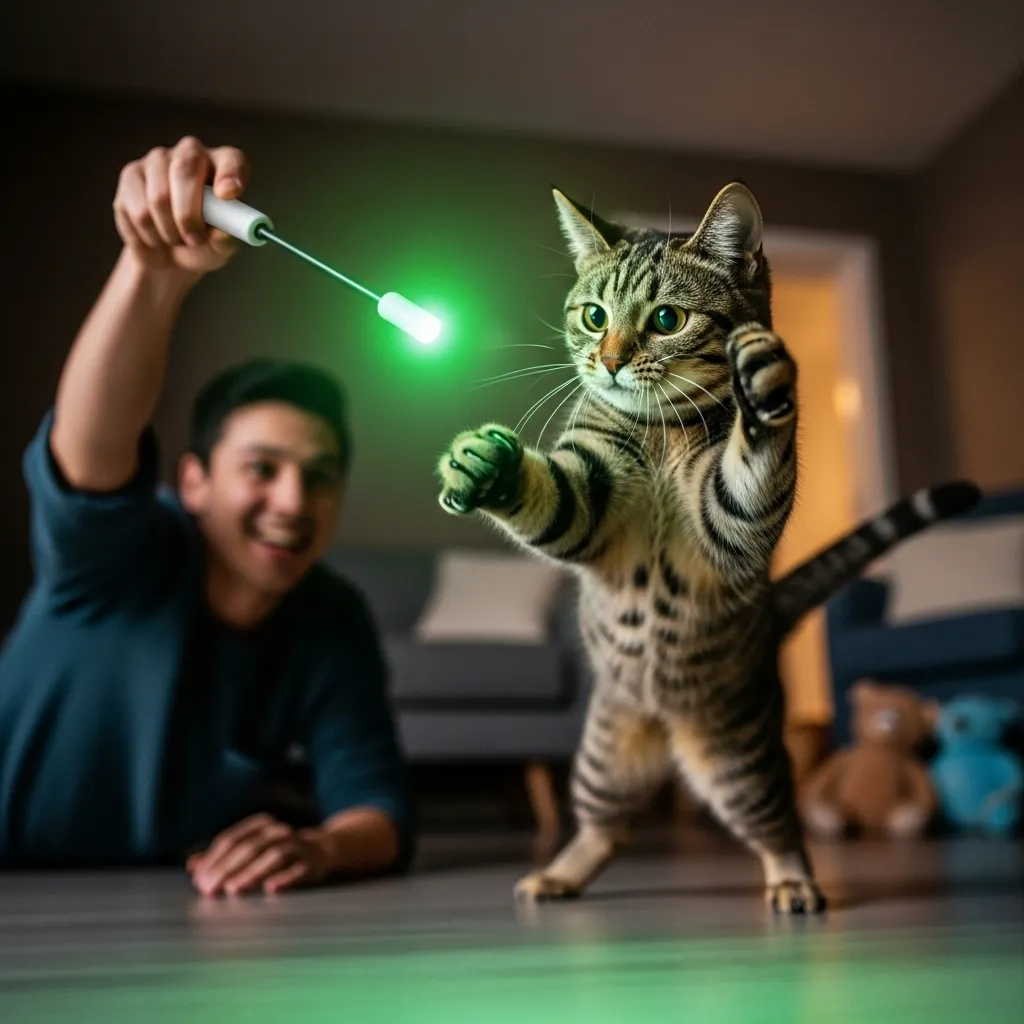
Cats often seek attention at set times, like when you pause work. A quick play session with a wand toy becomes routine.
These breaks force mindfulness. Stepping away to engage your cat interrupts rumination and provides light exercise.
Evening Wind-Downs and Bedtime Bonding
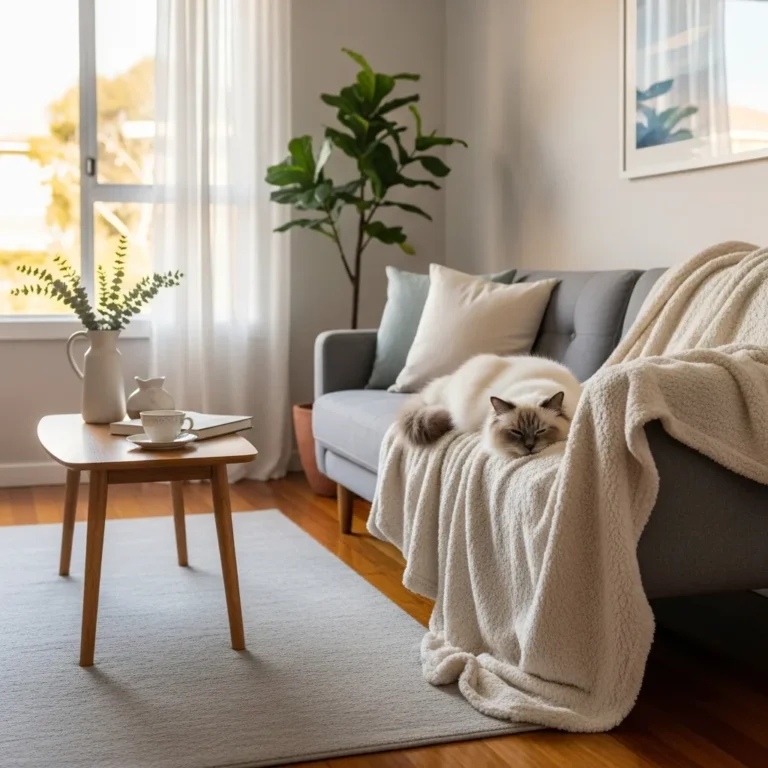
Many cats claim laps as evenings slow. This cues relaxation, signaling the shift from work to rest.
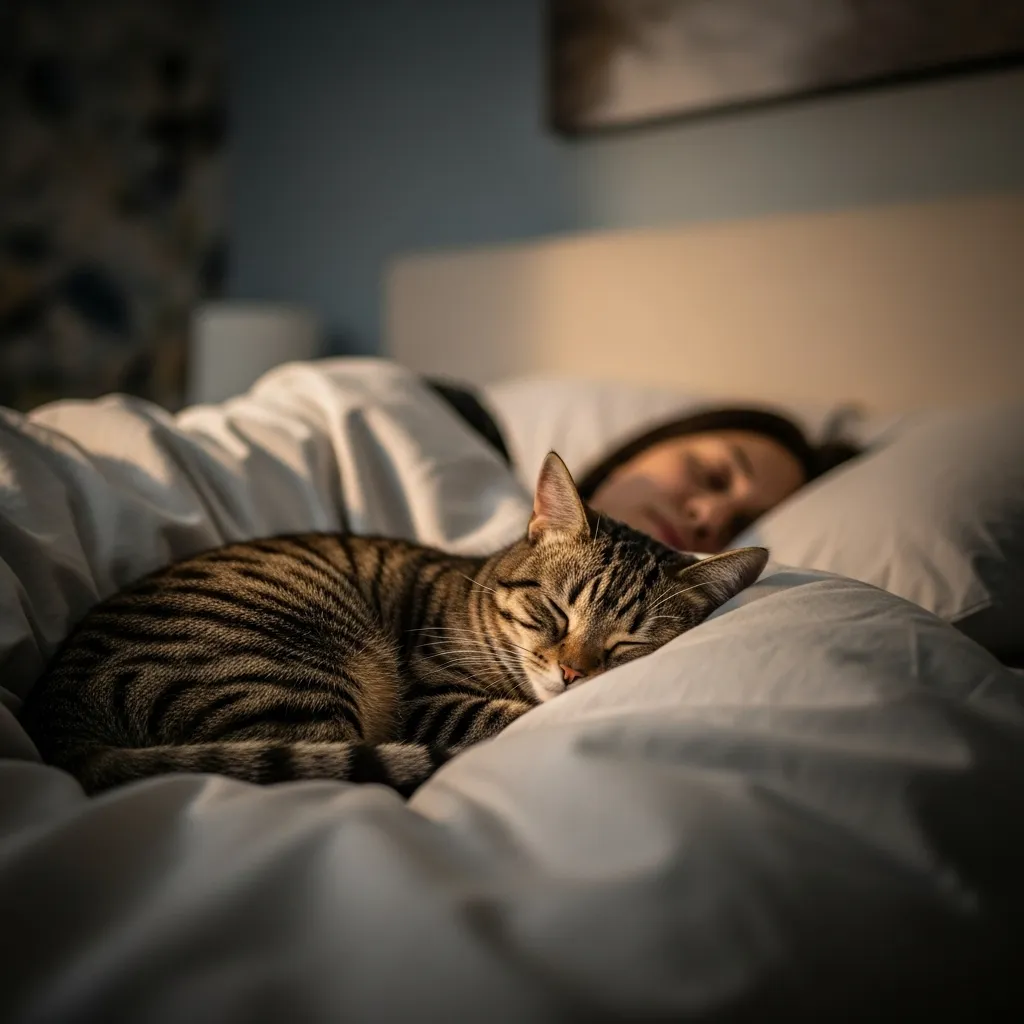
Bedtime routines often involve a final play burst, followed by cuddles. Cats knead or purr, releasing oxytocin for both parties and easing into sleep.
Explore more on building strong bonds in our guide to ragdoll cat bond-building.
Practical Ways to Let Your Cat Shape Stress-Reducing Routines
Lean into your cat’s instincts. Small adjustments amplify benefits.
Establish Consistent Feeding Times
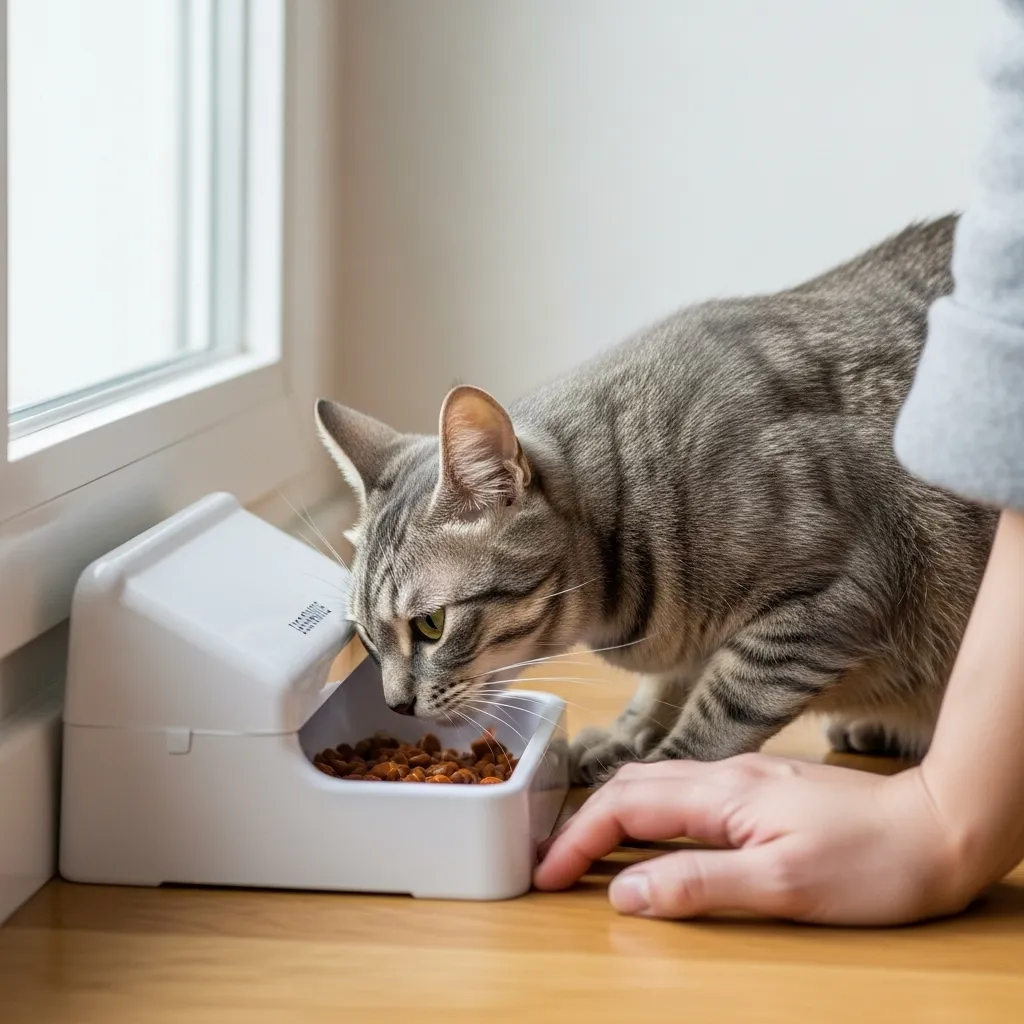
Feed at the same hours daily. This reduces your cat’s anxiety and creates mindful pauses in your day.
Pair meals with brief interaction, like gentle talking while preparing food.
Incorporate Daily Play Sessions
Aim for two 10-15 minute sessions. Morning energizes; evening tires them out for better sleep.
Use interactive toys to mimic hunting. This satisfies instincts and gives you joyful breaks.
Discover enrichment ideas in cat enrichment ideas that look expensive.
Make Grooming a Relaxing Ritual
Daily brushing calms many cats and provides therapeutic touch for you.
Long-haired breeds especially benefit. See tips in groom long-haired cat.
Create Quiet Evening Zones
Designate lap time or bedside spots. Dim lights and minimize screens to enhance calm.
Watch for Your Cat’s Stress Signals
Routines work both ways. Changes like hiding or over-grooming mean your cat feels stressed, which can affect you.
Address issues promptly. Check cat stress signs for guidance.
Real-Life Examples from Cat Owners
Sarah, a remote worker, credits her Siamese with preventing burnout. His 3 PM zoomies force play breaks that refresh her focus.
Mike, a shift worker, found his tabby adapted to odd hours, providing consistent companionship that eased loneliness.
These stories show how cats gently enforce balance.
FAQ: Common Questions About Cats, Routines, and Stress
Do all cats create routines that reduce stress?
Most do through consistent behaviors. Shyer cats may offer subtler cues, like quiet presence.
How long does it take for a new cat to establish a routine?
Usually 2-4 weeks as they settle. Consistency speeds it up.
Can routines help with anxiety disorders?
Many find relief, but they’re not substitutes for professional care. They complement therapy well.
What if my cat’s routine disrupts my sleep?
Gradually shift with later feedings or bedtime play. See cat hyperactivity night solutions.
Are certain breeds better at creating calming routines?
Ragdolls and Persians often excel at lap time. Any cat can with encouragement. Learn about ragdoll cat care guide.
Conclusion: Embrace the Routine Your Cat Offers
Cats quietly guide us toward healthier habits. Their demands for regularity create pockets of calm in chaotic days. By welcoming these patterns, you gain a natural stress-management tool backed by science and daily joy.
Your cat doesn’t just share your home. It helps craft a more peaceful one.
Explore more expert cat care and behavior guides on Cat Bloom Haven, like our calm enriching cat home environment tips or how to destress a cat.
What routine has your cat created for you? Share in the comments we love hearing your stories.